Garden Blog - Top Tropicals

Date: 26 Feb 2026

Stop Sugar Crashes: 5 Tropical Fruit Hacks for Healthy Dessert

Exotic Tropical Fruits for Blood Sugar Management

Exotic Tropical Fruits for Blood Sugar Management

🍨 Stop Sugar Crashes: 5 Tropical Fruit Hacks for Healthy Dessert


The smarter way to handle sugar cravings - no restriction required

Tired of the post-cookie slump? Sugar cravings are a physiological response to blood glucose fluctuations, not a lack of willpower. Refined sugars trigger an insulin spike followed by a hypoglycemic crash, trapping you in a cycle of fatigue and hunger.
The secret to metabolic health is managing glycemic load. By choosing nutrient-dense tropical fruits, you satisfy your sweet tooth while maintaining stable energy homeostasis.
The solution is not to give up dessert. It is to change what dessert means. Here is how to use tropical horticulture to hack your biology and regulate insulin:
  • 🍭 1. Choose fruit that comes with fiber


    Whole tropical fruits deliver sweetness wrapped in fiber, water, and nutrients. That slows sugar absorption and keeps energy steady.
    Try:

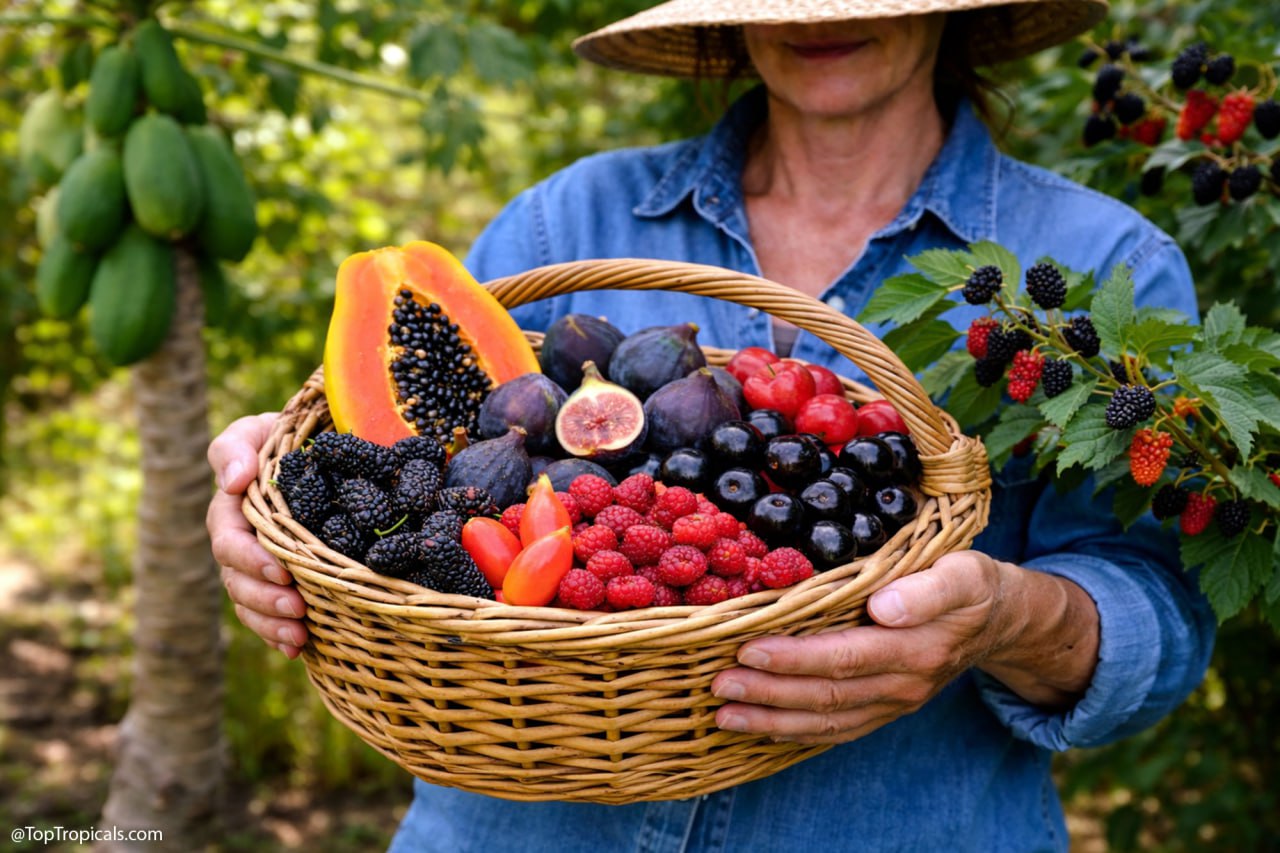
· Mango, chilled and sliced
  • · Sapodilla - naturally caramel-sweet
  • · Mulberries by the handful
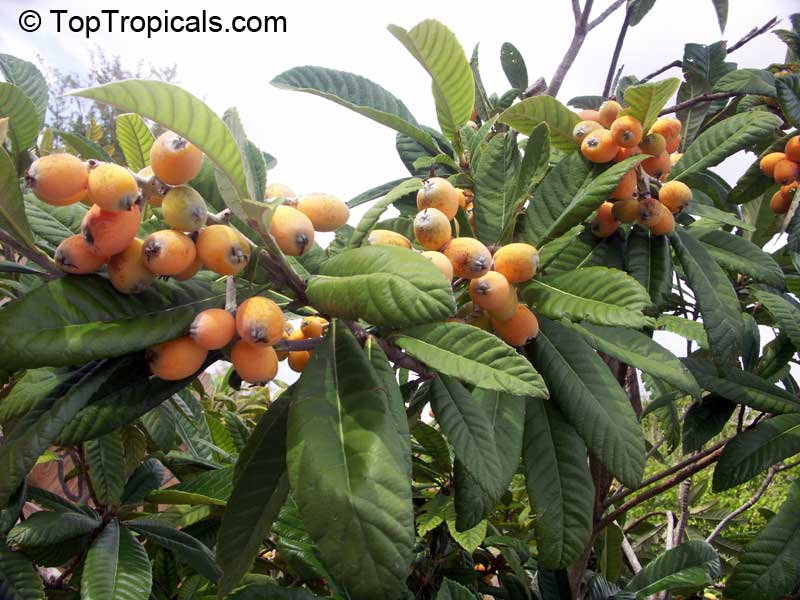
  • · Loquat halves straight from the fridge
  • · Dragon Fruit for light, clean sweetness
Same pleasure. Less crash.
  • 🍭 2. Pair sweet with fat to blunt the glucose spike


    Healthy lipids are a biological hack for your metabolism. Fats slow gastric emptying, ensuring a steady glucose release rather than an inflammatory spike. Furthermore, lipids trigger cholecystokinin (CCK) - the hormone that signals satiety to the brain - effectively "turning off" cravings at the source.

· Avocado blended into a chocolate-style mousse: The monounsaturated fats create a creamy texture while blunting the sugar response.
  • · Banana with nut butter: Combining fast-acting fruit sugars with dense protein and fats.
  • · Pineapple with raw nuts: The bromelain in pineapple aids digestion, while the fats in nuts provide long-lasting satiety.
  • · Mango mixed into full-fat yogurt: The combination of probiotics, protein, and lipids turns a simple fruit into a complete, low-glycemic snack.
When fruit is balanced with fat, cravings calm down instead of escalating.
  • 🍭 3. Use naturally rich fruits in place of sugar


    Some tropical fruits taste like dessert already.

· Jackfruit has candy-like sweetness
  • · Sapote is creamy and custard-like
  • · Guava brings floral depth
  • · Cherries add brightness
  • · Mash Banana into baking instead of white sugar.
  • · Blend Mango into yogurt instead of syrup.
  • · Top oatmeal with Mulberry instead of brown sugar.
Dessert stays. The crash disappears.
  • 🍭 4. Balance sweet with tart


    Adding contrast reduces the urge to overeat sweetness.

· Carambola adds crisp tang.
  • · Pineapple brightens the palate.
  • · Loquat gives gentle acidity.
Balanced flavors satisfy faster.
  • 🍭 5. Start the day right


    Skipping breakfast increases late-day sugar cravings.
    A morning smoothie with Avocado, Banana, and Mango prevents the afternoon energy dip. Hydration also matters - thirst often disguises itself as a sweet craving.
  • 🍭 In essence


    Dessert is not the enemy. Refined sugar is.
    When sweetness comes from nature's bounty, it nourishes instead of draining energy.
    You do not need to quit dessert.
    You just need to let nature handle it.

    Consult with a healthcare professional before making significant dietary changes, especially if you have diabetes or metabolic conditions


🛒 Start your tropical fruit journey

Annona · Guava · Mango · Sapodilla · Mulberry · Pineapple · Avocado · Banana · Loquat · Dragon fruit · Jackfruit · Sapote · Cherries · Carambola

📚 Learn more:


#Food_Forest #Remedies #Discover

🟢 Join 👉 TopTropicals

Date: 10 Oct 2016

Cold protection - winter action for your plant collection

A note from our customer: Last winter was very cold here in Arizona, lower 30's. I used white synthetic sheets (called frost cloth, it is very light and yet effective) to cover my fruit trees, and kept simple light garlands on for the whole night. Sending you couple photos so you can share with others. It worked pretty well for my plants and no cold damage!

With winter approaching, it is time to take some actions to protect your rare plants from cold stress and damage.
If you live in a mild climate, you still need to get ready for the cold nights. When expecting a cold night, individual plants and trees can be wrapped with sheets, or blankets, to protect them from the wind chill. Christmas lights is a good idea for an additional warm up.

For large collections of tropical plants, temporary winter greenhouse doesn't have to be expensive. An easy-assembly mobile carport from a hardware store covered with a plastic or fabric will cost you $100-200. It can fit a hundred plants or more!

If you live in area with a hard freeze, Southern exposure windowsill will work for most of the compact tropicals providing proper care. Larger collections may also move into your garage for a few cold nights, or for longer periods if the garage has a bright light source.

Factors affecting tropical plant winter survival:

1. Duration of cold period. Tropical plants can't stand long periods of cold. A few days of even upper 30's may kill a tropical plant. A few hours of frost may cause leaf drop but the plant will recover.
2. Minimum temperature - of course, the warmer the better. But see 1) - if cold is not for too long, it may be OK.
3. Wind-chill can be more dangerous than low temperatures.
4. Exposure. Southern slopes get warm during daytime and stay warm longer.
5. Protection with a house, fence, larger trees - where a "pocket" of warm air forms and stays - is beneficial.
6. Humidity. A lake or a river nearby (especially ocean) will mild the micro-climate.
7. Individual species hardiness. Don't try to grow Orchid Tree outdoors in New York.
8. Plant maturity and health. A well-established plant with developed root system has more chances to survive cold. If a plant had a good change to develop during warm season (bright light, enough water, fertilizer), it will be more cold hardy. Healthy plant can withstand lower temperature, so proper nutrition is important, including micro-element applications. Large specimens, even ultra-tropical, may survive cooler winter than they normally do in their natural habitat. The Nature provided plants with better hardiness level than it is normally used. To boost plant immune system and improve cold tolerance even more, use SUNSHINE plant boosters. SUNSHINE-T - thermo-protection booster, is specially formulated for winter protection of tropical plants. To improve cold hardiness, spray 1-2 days prior to cold with 5 ml/1 gal solution and continue applications with 2.5 ml/1 gal solution every 10-15 days throughout winter period.
9. Gradual temperature decrease is less dangerous than a sudden drop since it gives a plant a chance to adjust. One sudden freeze in December with prior warm fall may create more damage than a gradual temperature adjustment. If it starts to get cold early in the Fall, plants slow down their metabolism, and the new tender growth won't get hurt later in winter, since the plants are "expecting" the cold.
10. Do not fertilize plants during cool months. Not only because they don't need much food beyond growing season, but also because fertilizer (especially Nitrogen) encourages rapid tender growth that will be damaged by cold and this will stress the whole plant.

Stay warm!

Date: 29 Jul 2019

When to fertilize and prune tropical fruit trees?

Q: Can tropical fruit trees (Soursop, Mango, Star fruit, etc) be given plant food any time of year? Also can they be trimmed this time of year/summer?

A: True tropical plants (including fruit trees) need plant food most of the year in real Tropics, where temperatures have very little fluctuations, and active growth season is close to 12 months a year. In subtropical areas when temperatures in winter drop below 65F, plant metabolism slows down, so it is recommended to fertilize only during the warmest period (March through November). So yes, Summer is the perfect time for fertilizing your trees; their metabolism is at the highest point and they can use more food!

Trim your fruit trees right after harvesting. Obviously, you don't want to prune branches before or during flowering or fruiting. The specific time of the year for pruning depends on the plant - every tree has its own flowering/fruiting season. However, avoid pruning right before winter: young shoots promoted by pruning are tender and can be cold damaged.

Recommended fertilizers for fruit trees:

Fruit Festival Plant Food - Super Crop Booster
Mango-Food - Smart Release Fruit Tree Booster
SUNSHINE-Honey - for sweeter fruit
SUNSHINE SuperFood - microelement supplement

Date: 24 Jun 2018

Care for ultra-tropical plants

TopTropicals

Some tropical plants like Durian, Breadfruit, Cacao are rare in plant collections and require true tropical environment for successful growing and most likely greenhouse conditions unless you live in mild tropical climate like Hawaii. These plants are hard to find and are not cheap. They can be shipped to you in original containers via Express mail and usually take trip well as long as there are no delays or overheating (or cold) during transportation. To enjoy your rare plant collection gem, please make sure to follow these recommendations:
- Keep your eye on delivery, track the shipment and make sure package is not left outside in the heat or cold.
- Unpack immediately and put plant in humid, warm environment with filtered light. Remember, "warm" for tropical plant means 78-85F.
- If a plant is wilted, put clear plastic bag over leaves to increase humidity for a few days. Keep the branches covered with clear plastic, in shade only - to avoid overheating.
- Keep soil slightly moist and don't let dry out. These plants like water as well as good drainage.
- Keep plant in original container until recovers from shipping stress. If necessary, re-pot in 2-3 weeks in bigger pot with rich organic potting mix, containing a lot of peat moss, and perlite or bark for good drainage.
- Grow these plants in warm and mild conditions, in filtered light, high humidity, with no temperature extremes. Remember to keep these plants at temperatures above 50F at all times.

Date: 18 May 2021

Healthy Plants: Q&A from Mr Booster

Healthy Heliconia Leaves?

Q: I purchased a heliconia from you a couple months ago. The new growth seems to be doing fairly well, however some of the larger leaves are discoloring around the edges then drying up. It's potted in a large pot with potting soil with 3 holes in the bottom to help with drainage in partial sun under a Royal Palm facing northwest. I'm here in Ft Myers. I was previously watering it every other day with your rapid growth fertilizer 1 tbsp per gallon but I have cut that back to once or twice a week. Please let me know your thoughts.

A: Heliconias and Gingers tend to develop dry leaves if grown in pots, especially ceramic or clay pots, because soil in such pots dries out too fast. These dry leaves are not caused by fertilizer, and you can see lots of new healthy green growth. The plant overall seem to be healthy. Continue fertilizing it with liquid Sunshine Robusta that is great for all wide-leaf tropical species, promotes green, lush foliage, and do not use any additional dry fertilizers!
Another suggestion, try to move the plant in more shady spot. Right now it sits in pretty bright light, this may be OK for established plants in the ground, but potted heliconias are very sensitive to hot sun. They get leaf burn easily.