By Tatiana Anderson, Horticulture Expert at Top
Tropicals with Smokey & Sunshine help
Eugenia brasiliensis - Grumichama fruit on the branch
Growing Eugenia Cherries (Cherry of the Rio Grande & Grumichama)
Cherry of the Rio Grande and Grumichama are compact, adaptable tropical
fruit trees well suited to Southern landscapes. While forgiving, they
perform
best when planted correctly from the beginning.
Site and Planting
Drainage is essential. Avoid low areas where water collects. Plant on
a slight mound if soil is heavy or clay-like.
Choose full sun for best flowering and fruit production. Partial shade
is tolerated.
A south or southeast exposure near a wall improves cold resilience and
reduces wind stress.
Dig a hole twice as wide as the container, but no deeper than the root
ball.
Set the tree level with surrounding soil. Do not bury the trunk.
Water and Feeding
Water regularly during the first few months while roots establish.
Once established, trees tolerate short dry periods but fruit best with
moderate, consistent moisture.
Established Cherry of the Rio Grande can tolerate brief drops into the
low 20s.
Established Grumichama tolerates temperatures into the upper 20s.
Harvest and Production
Cherry of the Rio Grande fruits from late spring into summer. Pick
when fully dark and slightly soft.
Grumichama ripens quickly, often within four weeks after flowering.
Pick when glossy and deep purple-black.
Both trees often begin fruiting within 2–3 years and increase
production steadily with maturity.
Growing in Containers
Use at least a 10–20 gallon pot for long-term growth.
Ensure multiple drainage holes.
Use a high-quality, well-draining container mix. Avoid heavy garden
soil. Top Tropicals Abundance soil-less mix is specially formulated for pot
growing
Place in full sun for best fruiting.
Water deeply, then allow the top layer to dry slightly before watering
again.
Move containers to a protected area during hard freezes.
Prune lightly to maintain shape and airflow.
Common Mistakes
Planting in poorly drained soil.
Overwatering and keeping soil constantly saturated.
Over-fertilizing with excessive nitrogen.
Planting too deep and burying the trunk.
Expecting heavy crops immediately instead of allowing time for
maturity.
Which one tastes better – Cherry of the Rio Grande or
Grumichama?
Cherry of the Rio Grande has a deeper, classic “sweet cherry”
flavor with slight richness. Grumichama is softer, juicier, and often
described as cherry with hints of grape and plum. Both are excellent fresh;
Grumichama is especially popular for jam.
Which tree produces more fruit?
Grumichama typically produces heavier crops once mature and can carry
hundreds of fruits in a season. Cherry of the Rio Grande produces
consistently but
in slightly smaller volumes.
Do birds take all the fruit?
Birds are attracted to both trees, especially Grumichama. Netting during
peak ripening or harvesting promptly usually solves the issue.
Are these true "tropical" trees or subtropical?
They are best described as subtropical tropicals. Unlike ultra-tender
tropical fruits, Eugenia cherries tolerate occasional frost once
established,
making them more reliable in Southern landscapes.
Do they drop fruit messily?
Fruit will fall if overripe, but the trees are compact and manageable.
Regular harvesting prevents ground drop and keeps the area clean.
Can they be used for hedging or screening?
Yes. Their dense evergreen foliage and upright growth make them suitable
for edible hedges or privacy screens while still producing fruit.
Choosing between them is not about survival — both have proven
resilient. It is about flavor preference, crop volume, and how you want to
use
the fruit in your kitchen and landscape.
Eugenia brasiliensis - Grumichama fruit close up
Eugenia aggregata (cv. Calycina), Cherry of the Rio Grande
By Tatiana Anderson, Horticulture Expert at Top
Tropicals with Smokey & Sunshine help
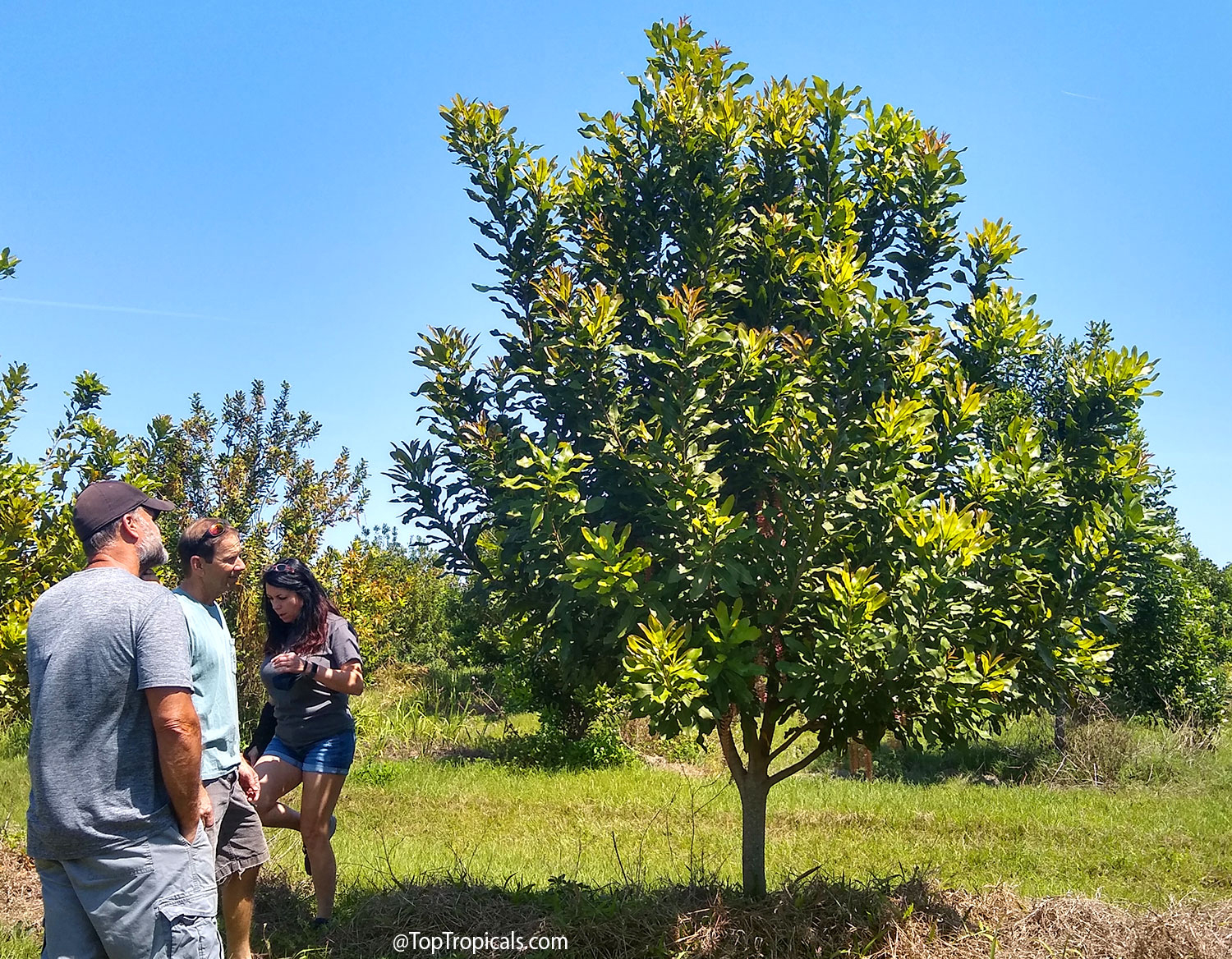
Macadamia
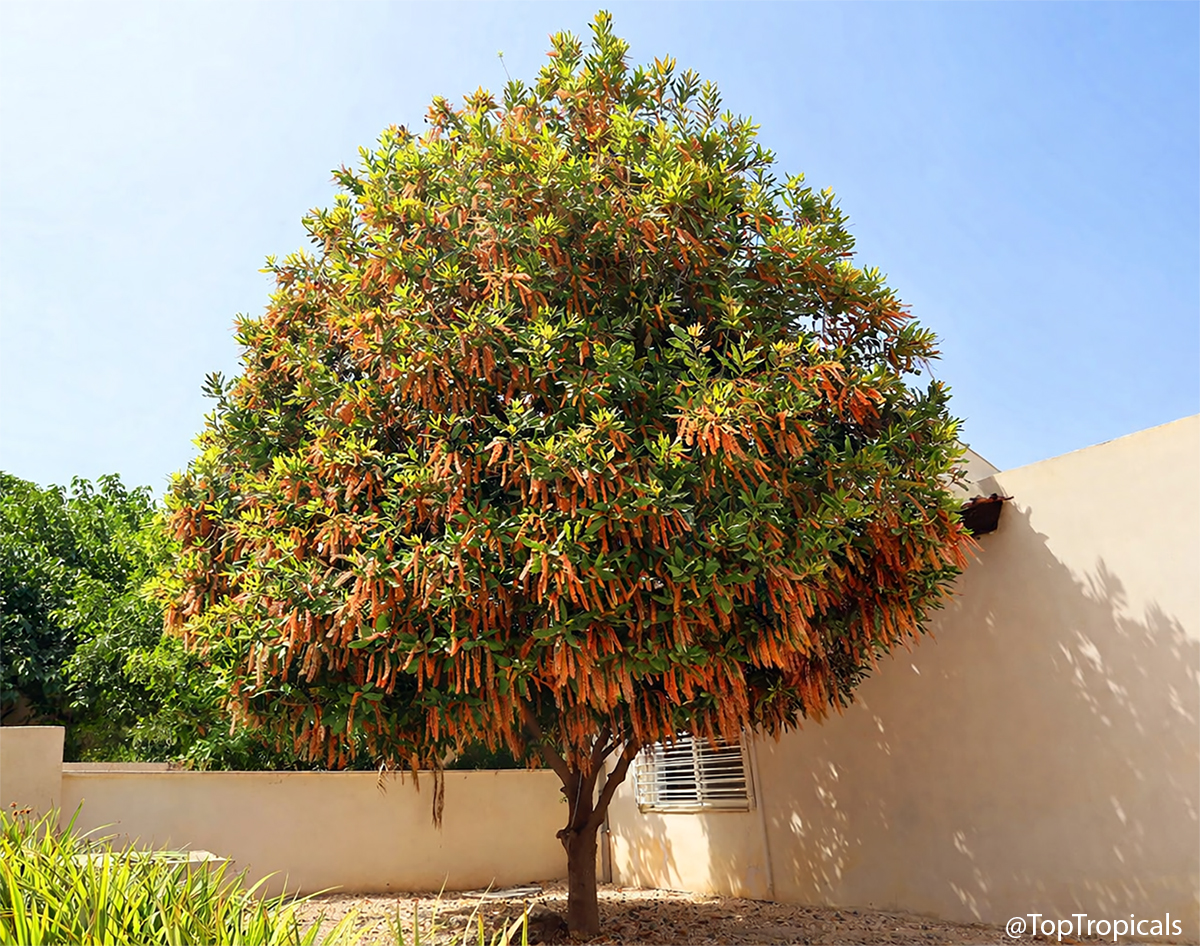
tree maturing into a productive, manageable canopy.
🌳 Growing Macadamia Tree
Macadamia is not a fragile tree, but it does have preferences. If you
respect them from the beginning, the tree rewards you for decades.
Start with the site. Drainage is everything. Macadamia will tolerate
cool weather better if planted in a well-drained area. Avoid low spots where
water sits after rain. If your soil is dense or clay-like, build a mound or
improve drainage before planting.
Choose full sun whenever possible for the best nut production.
Planting location matters. A south or southeast exposure near a wall can
create a warmer microclimate that buffers cold nights. Freeze plus wind is
more damaging than temperature alone. Macadamia handles cold better when
protected from winter wind.
Dig a hole about twice as wide as the container, but no deeper than the
root ball. Set the tree level with the surrounding soil. Do not bury the
trunk.
Water regularly during the first three months while the tree establishes
roots.
Fertilize lightly. Macadamia does not respond well to over-fertilizing.
Macadamias prefer mild liquid fertilizers, SUNSHINE
Boosters Robusta is ideal for it. You may also use controlled release Green
Magic every
6 months, it is especially formulated for hot climate. To keep leaves
healthy deep green without yellowing, micro elements must be applied on
regular basis, we recommend to always have handy Sunshine
Superfood micro nutrients complex.
Young trees should be protected if temperatures drop below freezing.
Once established, they become far more resilient.
Harvest timing: Nuts mature 6-7 months after flowering. Husk splits
naturally when ready. Fallen nuts should be collected quickly.
Flower and Nut Drop: Many gardeners panic when they see flowers or small
nuts drop, but Macadamia naturally sheds excess fruit. It does not mean
failure; the tree simply keeps what it
can afford to feed.
Macadamia is relatively low-maintenance, but watch for squirrels and rats.
They love the rich nuts as much as humans do, so be sure to collect fallen
nuts quickly.
Macadamia is not a fast-return crop. It begins producing a few years and
increases gradually. But once mature, it becomes a steady, reliable part of
your garden.
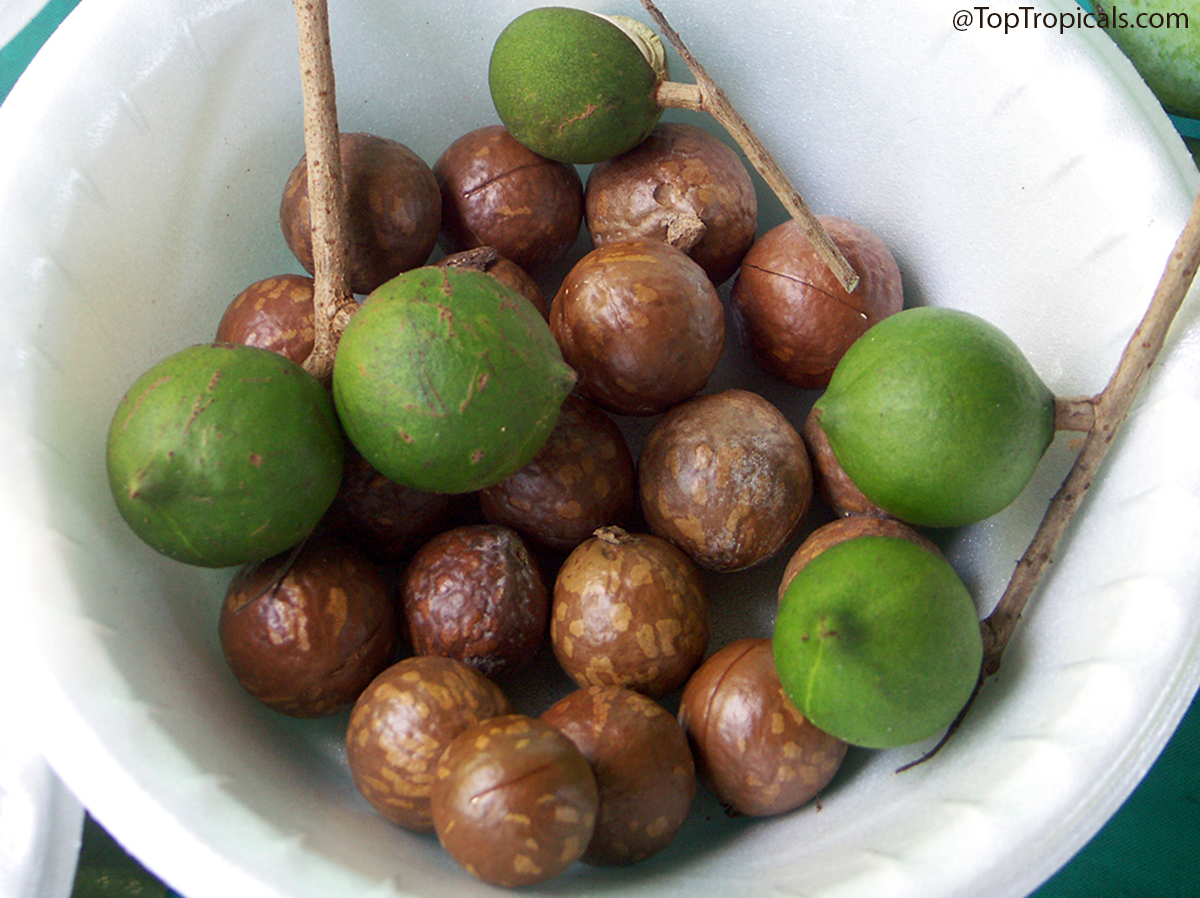
Macadamia fruit showing green outer husk and mature
brown shell inside.
🌱 Growing Macadamia in a Pot
Container size: Start large. A 15-25 gallon pot is ideal for long-term
growth.
Drainage: Critical. Use a container with multiple drainage holes.
Soil mix: Use a high-quality, well-draining container mix. Avoid heavy
garden soil. Top
Tropicals Abundance soil-less mix is specially formulated for pot
growing
Light: Full sun is best. Strong light improves flowering and nut
production.
Watering: Water deeply, then allow the top layer to dry slightly before
watering again. Avoid constant saturation.
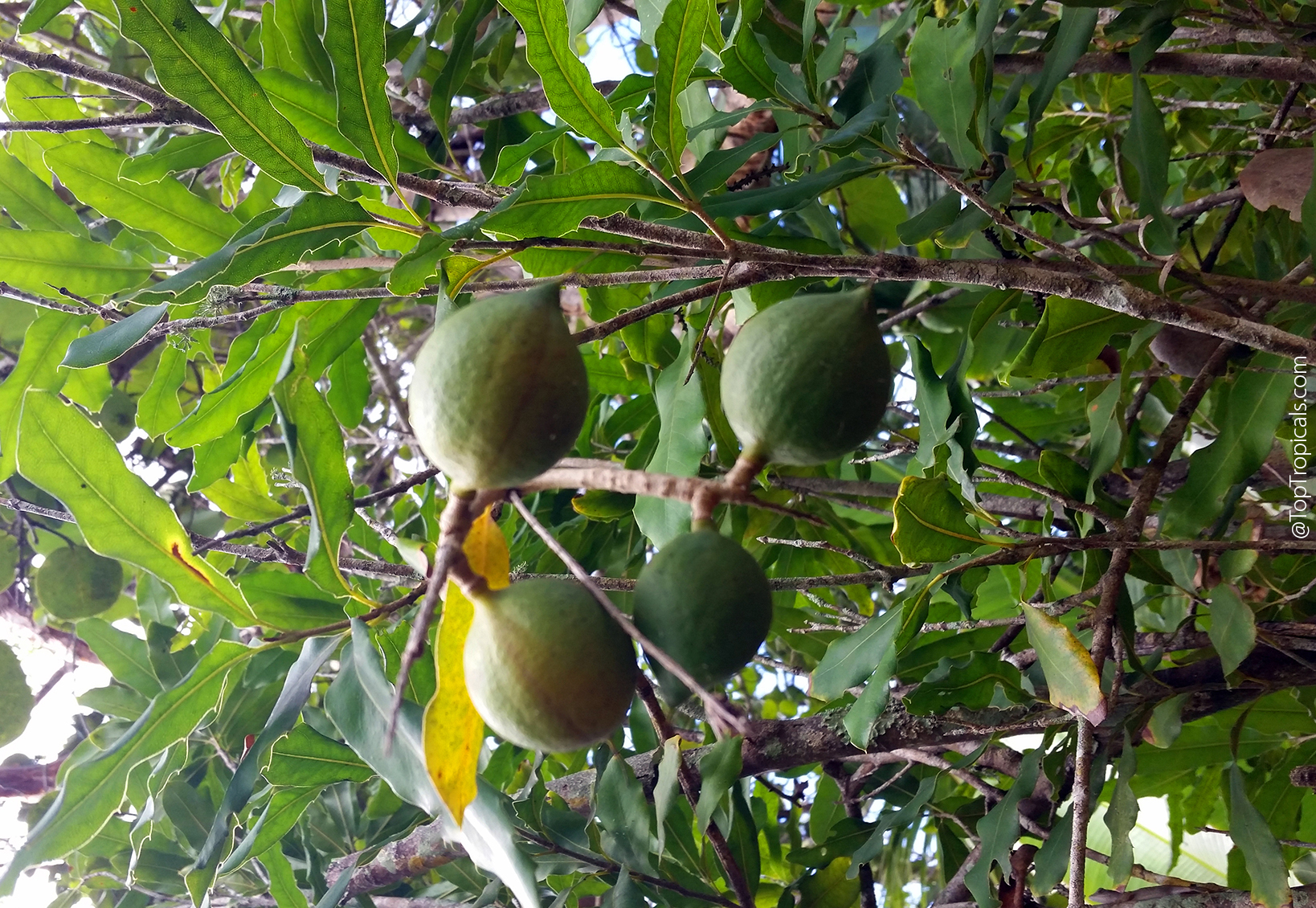
Macadamia nuts developing on the tree before the husk
splits.
🚫 Common Mistakes When Growing Macadamia
Planting in poorly drained soil:
The most common mistake. Macadamia will decline quickly in heavy,
waterlogged ground. If
drainage is questionable, plant on a mound.
Overwatering young trees:
Newly planted trees need consistent moisture, not constant saturation. Wet
roots lead to root problems.
Over-fertilizing:
Too much fertilizer causes weak growth and nutrient imbalance. Feed lightly
and avoid heavy nitrogen applications.
Planting too deep:
The top of the root ball should sit level with or slightly above the
surrounding soil. Do not bury the trunk.
Ignoring micronutrients:
Macadamia is very prone to iron, zinc, and copper deficiencies. Yellowing
leaves may signal a micronutrient issue. Applly Sunshine
Superfood on regular
basis.
Expecting instant production:
Macadamia takes time. Early years build structure. Patience is part of
success.
Skipping cold protection for young trees:
Established trees are tougher, but young plants should be protected below
freezing.
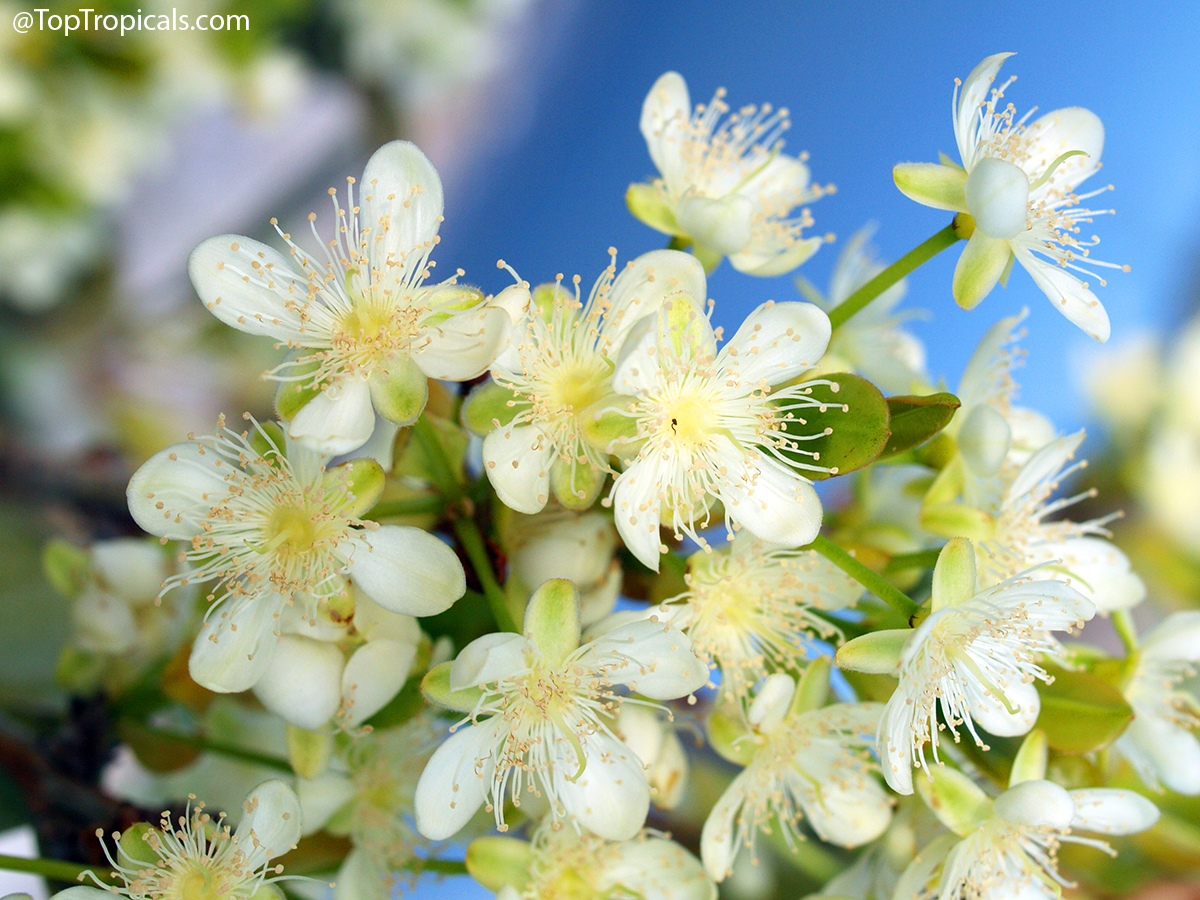
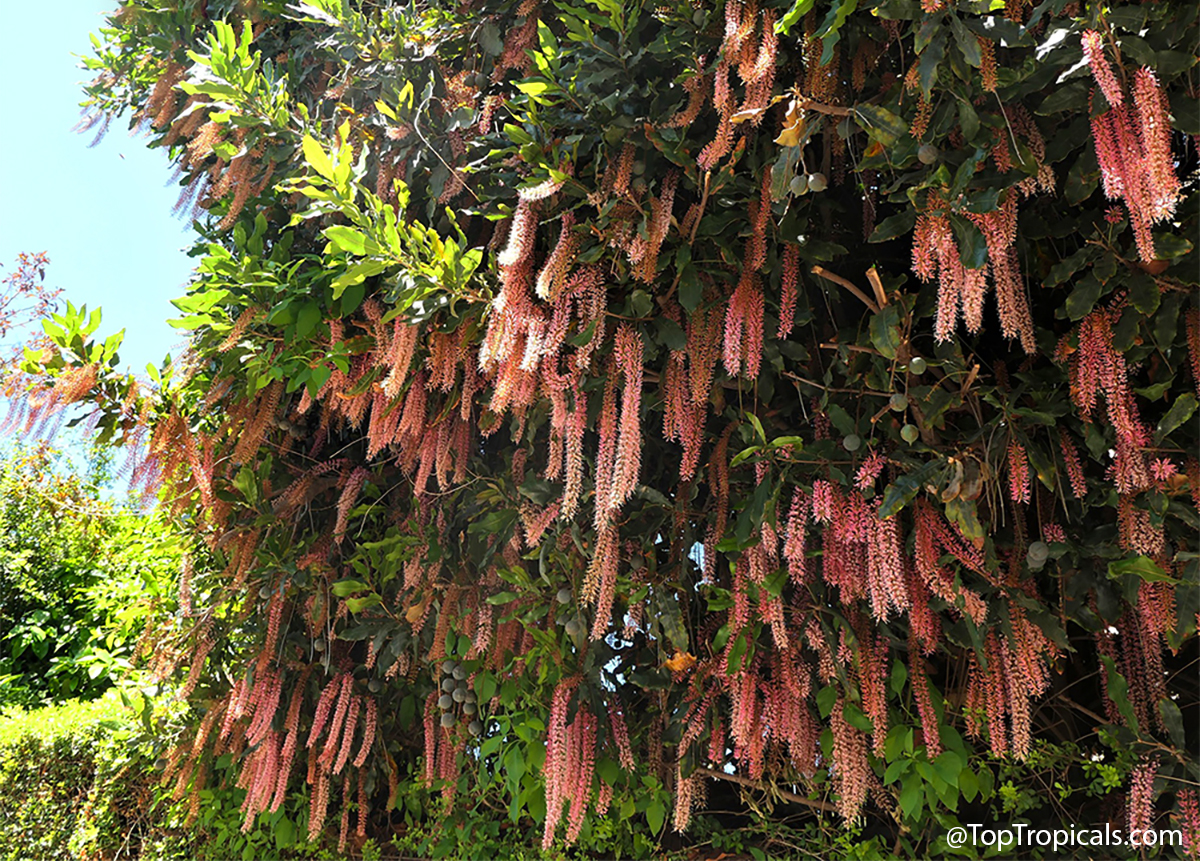
Macadamia tree in full bloom with abundant flower
clusters.
❓Frequently Asked Questions (FAQ)
Is Macadamia toxic to pets?
While the nuts are a superfood for humans, they are toxic to dogs. If
you have a dog that tends to forage in the garden, ensure you harvest
fallen nuts promptly or fence the base of the tree during the drop season.
Which varieties are best for the "Survivor" garden?
Look for Macadamia integrifolia (smooth-shell) or hybrids like
'Beaumont' (M.
tetraphylla x M. integrifolia). Hybrids often show slightly better cold
tolerance and more
consistent "home garden" production.
How tall will my tree get?
In the ground, an unpruned Macadamia can reach 20–30 feet. However,
they respond very well to "heading back" (pruning the top) to keep them at a
manageable 12–15 feet for easy harvesting.
Do I need two trees for cross-pollination?
Macadamias are self-fertile, meaning one tree will produce nuts. However,
planting two varieties near each other often results in a significantly
heavier "nut
set" due to cross-pollination.
Why are the leaves on my Macadamia prickly?
Don't panic—this is normal! Some species, particularly M.
tetraphylla, have serrated, holly-like leaves. This actually makes them
a great "defensive" hedge against intruders or deer.
When exactly should I harvest?
The tree tells you when it's ready. Don't shake the tree; wait for the nuts
to fall naturally. In Florida, this usually happens between August and
November. If the green outer husk hasn't split yet, let them sit in a
shaded, dry spot until they do.
My tree has "clusters" of flowers but no nuts. What happened?
Macadamias produce long racemes (flower spikes) with hundreds of tiny
blooms. It is normal for 90% of these to fall off. The tree only keeps what
it can afford to "feed." Boost your
success by using a combination of Sunshine
C-Cibus liquid
fertilizer and SUNSHINE
Superfood micro element supplement during the flowering stage to help
the tree retain more fruit.
Can I grow them from a nut I bought at the store?
Unlikely. Commercial nuts are usually roasted or dried at high heat, killing
the embryo. Even if a raw nut sprouts, it may take 10–12 years to
fruit and the quality is a gamble. Buying a grafted tree saves you a decade
of waiting.
We don’t just sell plants; we test them. The data from this
February freeze proves that with the right selection and proper drainage,
'tropical' doesn’t have to mean 'fragile.' Don’t wait for the
next cold front to find out what in your garden is
vulnerable. It is time to replace those empty spots with proven survivors
that offer both beauty and a premium harvest. If it can stand up to 25F in
our fields, it’s
ready for your backyard.
Coming in Part 2...
Smokey is already crunching the numbers on our next survivor, and Sunshine
found another tree that stayed perfectly green in the wind. Stay tuned to
see which fruit tree made the cut!
Macadamia
flowers forming long cascading racemes before nut set.
Sunshine: What are you doing? Smokey: Growing vanilla for your creamer. It needs support to
climb. Sunshine: I can provide moral support and donuts. Count on me, my
friend.
🍨 The orchid behind the worlds favorite
flavor
Vanilla does not come from a bottle. It comes from a climbing orchid.
Vanilla planifolia is the plant that produces real vanilla beans -
and yes, you can grow it at home.
It starts simply. A potted orchid with glossy leaves. Then it begins to
reach. Vanilla is a climber. It wants something solid to attach to. This is
where most people go wrong. They keep it in a pot and wait.
Vanilla needs support - a log, a trellis, a wooden board. Once its aerial
roots attach firmly and the plant matures, flowering becomes possible.
Madagascar Bourbon Vanilla Bean Plant Facts
Botanical name: Vanilla planifolia, Vanilla fragrans Also known as: Madagascar Bourbon Vanilla Bean, French Vanilla, Vanilla Orchid
USDA Zone: 9 - 11
Highligths
It is not instant. You need patience. The pods form green and only develop
their aroma after curing. That slow process is part of what makes vanilla so
valuable. For gardeners who enjoy growing something meaningful - something
edible
and beautiful - vanilla is worth it. Vanilla is not a novelty plant.
It is a long conversation with your garden.
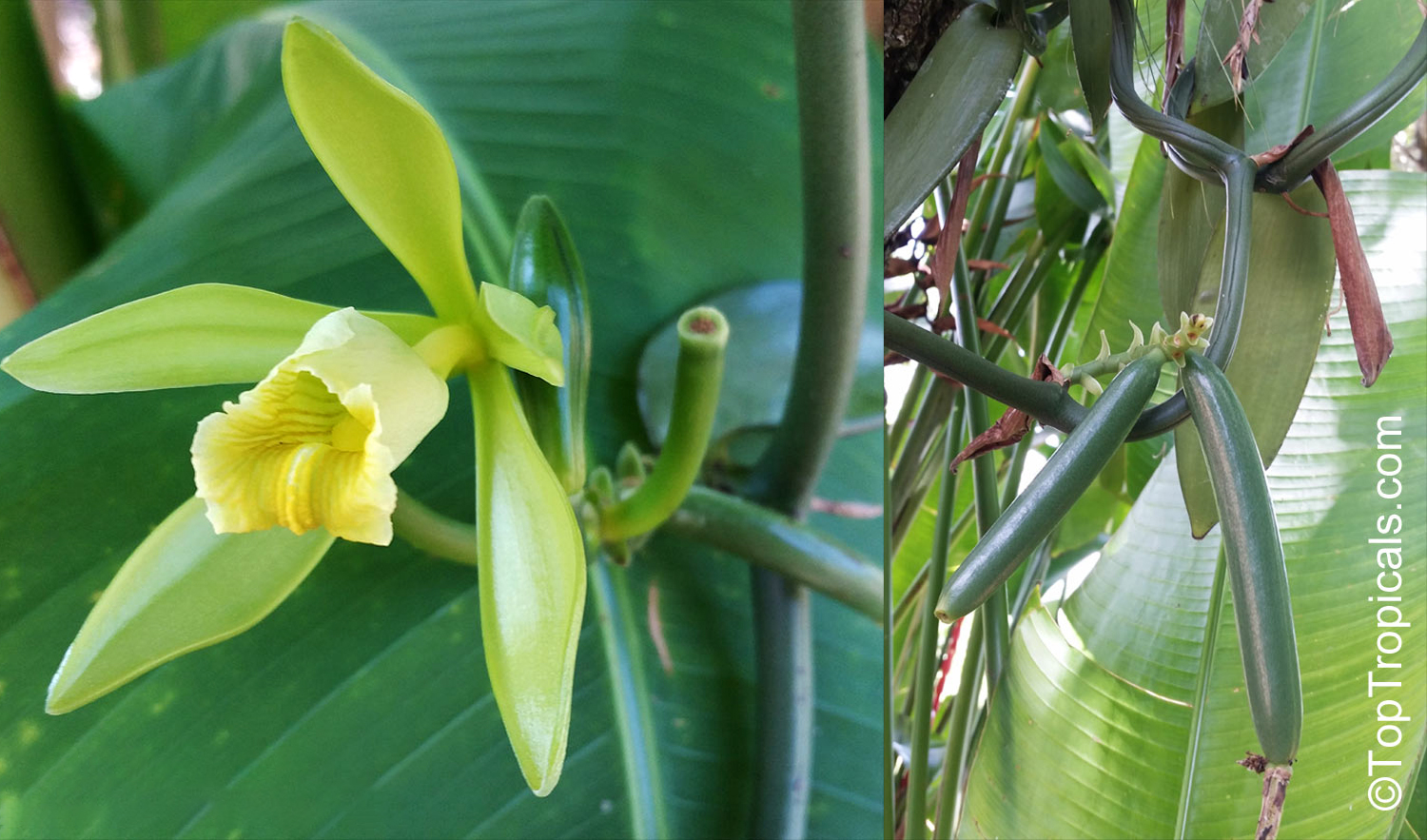
Vanilla planifolia Flower and Developing Vanilla
Pods
Date: 4 Feb 2026
Top nine plants of love, desire, and the senses: aphrodisiacs and sensory connections
Cinnamon (Cinnamomum zeylanicum)
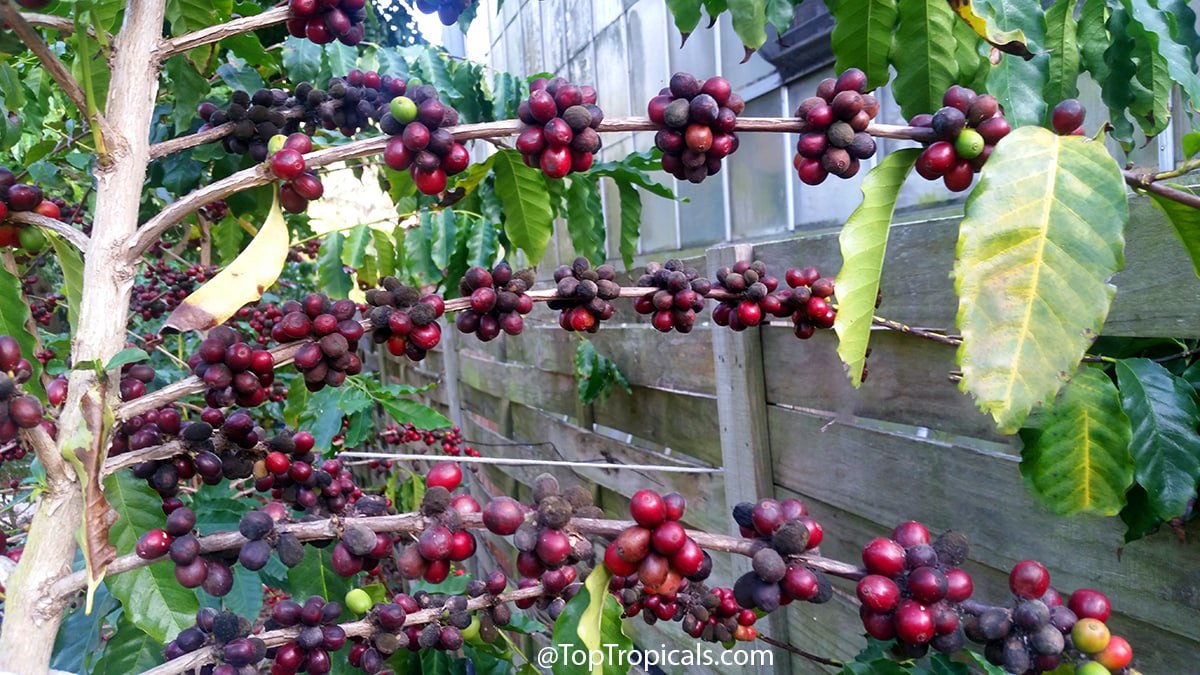
Coffee - Coffea arabica
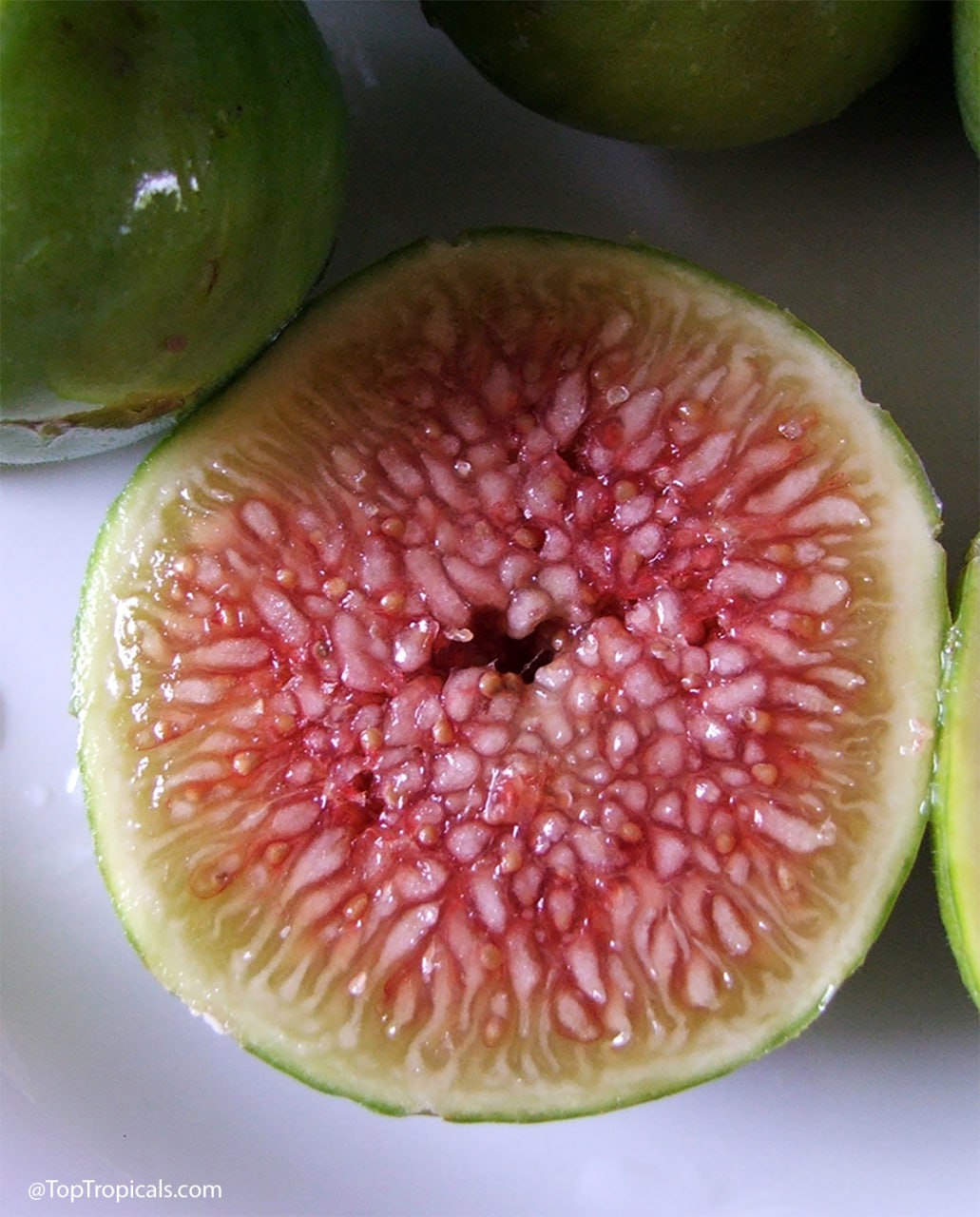
Fig tree fruit (Ficus carica)
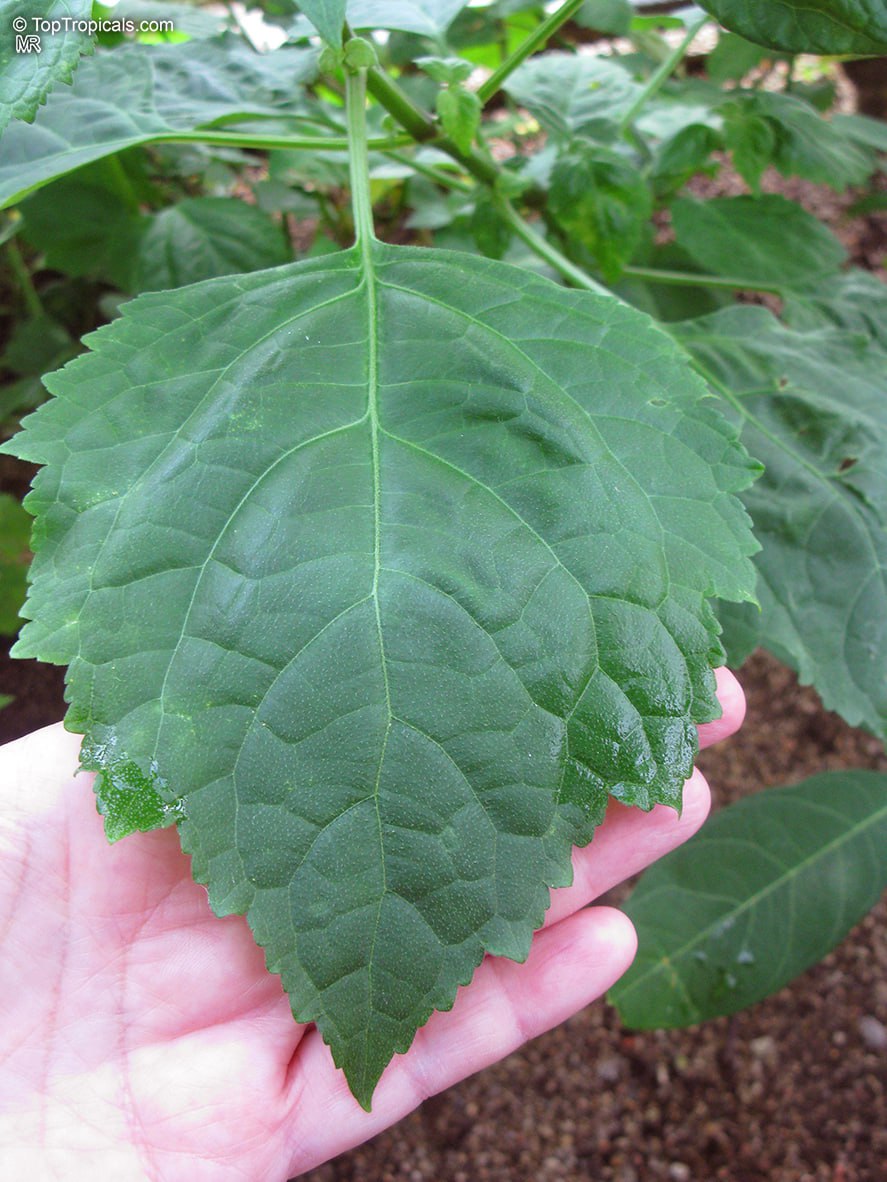
Patchouli - Pogostemon cablin
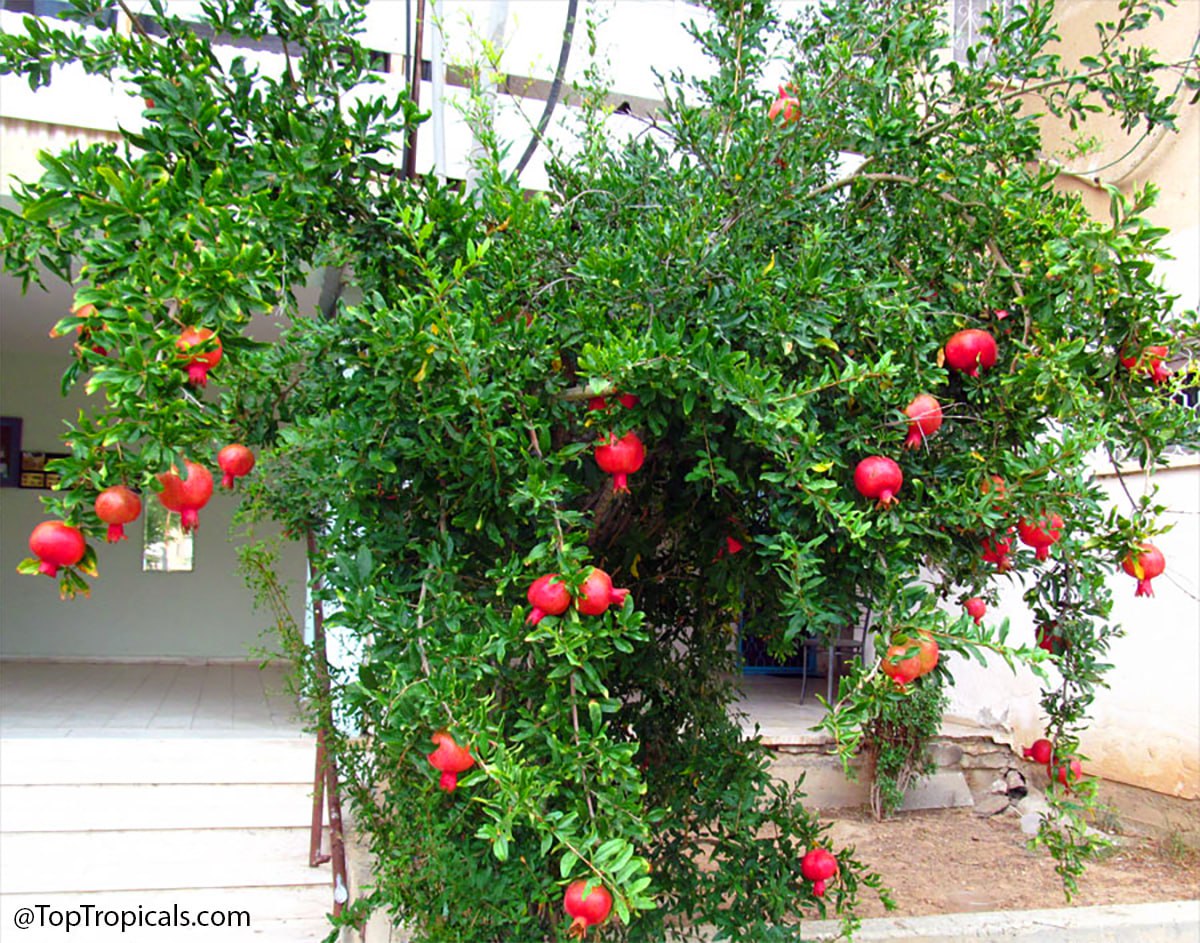
Pomegranate (Punica granatum)
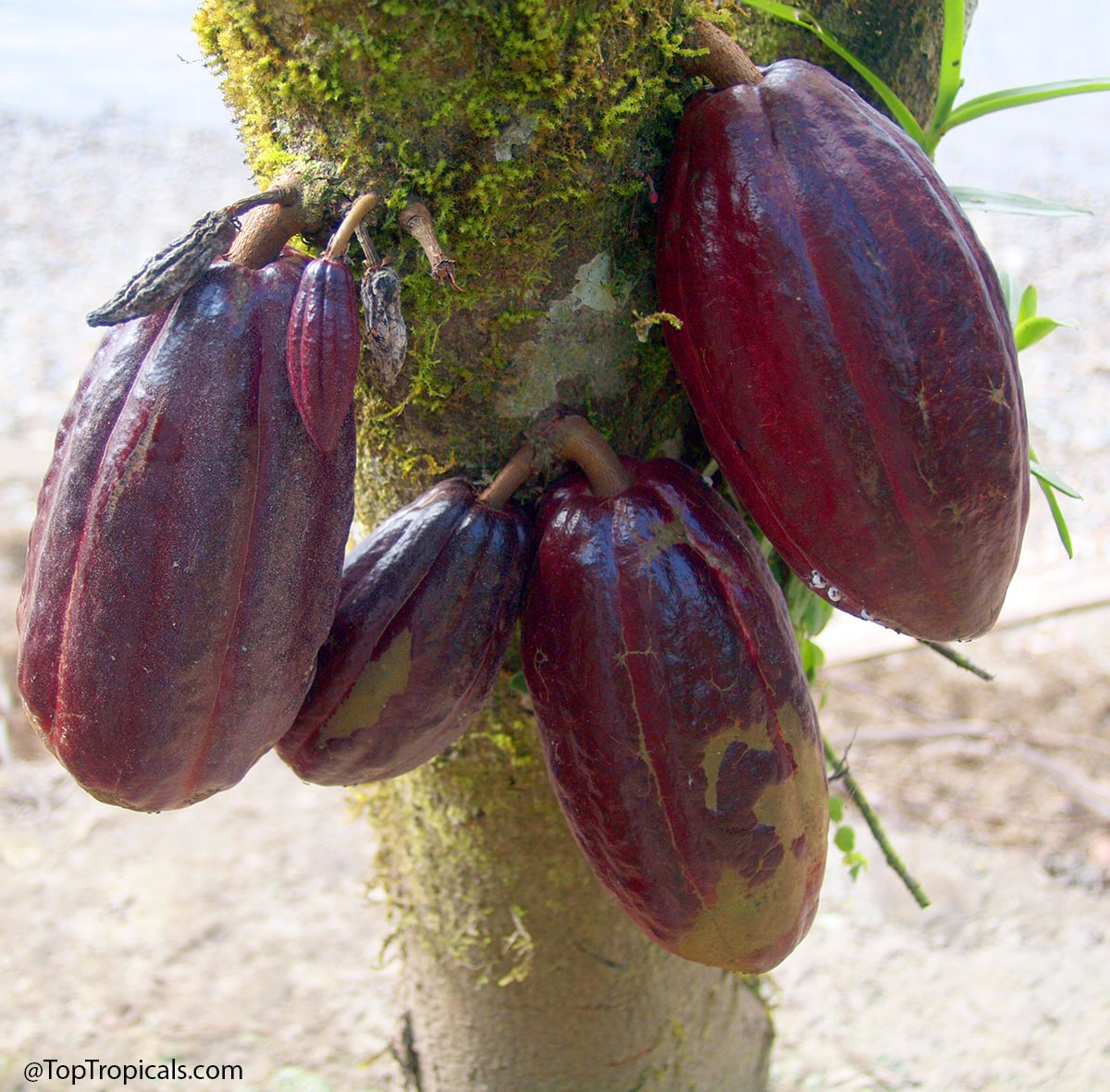
Cacao - Chocolate Tree (Theobroma cacao)
💖 Top nine plants of love, desire, and the senses: aphrodisiacs and sensory connections
Across cultures, love has also been expressed through taste, scent, warmth, and shared ritual. These tropical plants were valued not just for beauty, but for how they awaken the body and deepen connection.
💘 1. Cacao
Cacao - Chocolate Tree (Theobroma cacao) - has one of the strongest global associations with love. Revered by the Aztecs as a “food of the gods”, it was consumed to increase desire and emotional bonding. Chocolate contains compounds linked to feelings of pleasure and infatuation, making cacao a natural Valentine symbol.
Chocolate Tree Plant Facts
Botanical name: Theobroma cacao Also known as: Chocolate Tree, Cacao, Cocoa Tree
Vanilla (Vanilla planifolia) is both an orchid and one of the most sensual plant aromas known. Historically paired with cacao in love remedies, vanilla represents intimacy, warmth, and attraction. Its fragrance alone carries powerful emotional associations.
Madagascar Bourbon Vanilla Bean Plant Facts
Botanical name: Vanilla planifolia, Vanilla fragrans Also known as: Madagascar Bourbon Vanilla Bean, French Vanilla, Vanilla Orchid
Ginger symbolizes heat, vitality, and passion. Used worldwide to stimulate circulation and warm the body, it represents spark, chemistry, and physical energy. 👉 Ginger gift
💘 4. Cinnamon
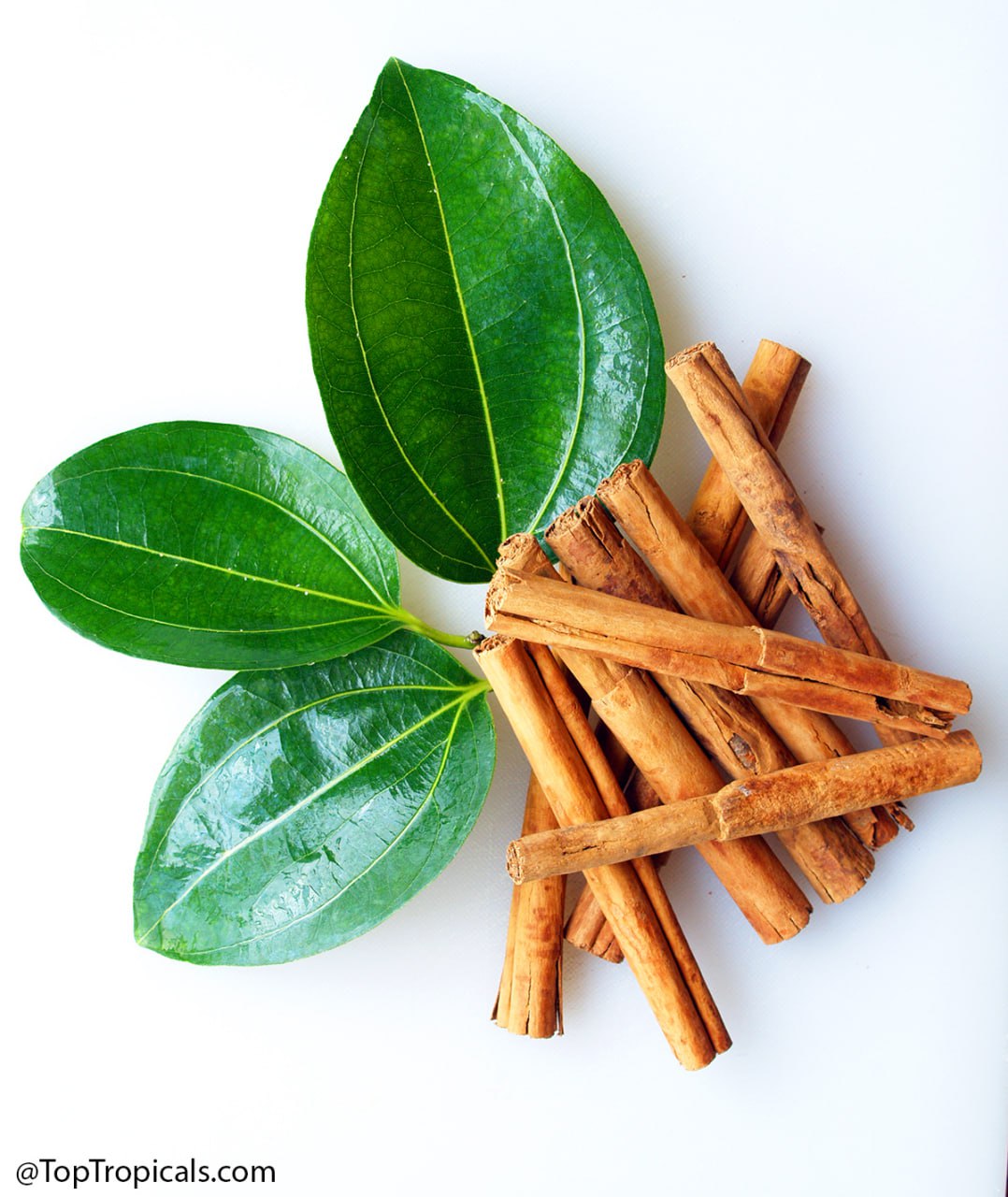
Cinnamon (Cinnamomum zeylanicum) has long been associated with attraction and stimulation. Its warm, lingering aroma makes it a classic plant of desire, comfort, and emotional warmth.
Cinnamon Plant Facts
Botanical name: Cinnamomum zeylanicum, Cinnamomum verum Also known as: Cinnamon
Pomegranate (Punica granatum) has long symbolized love, fertility, and union, with its many ruby-red seeds representing abundance and deep connection. In ancient traditions, it was linked to goddesses of love and marriage and remains a symbol of passion balanced by continuity and commitment.
Pomegranate Plant Facts
Botanical name: Punica granatum Also known as: Pomegranate, Granada, Grenade, Pomegranate, Granada, Anar, Granaatappel, Pomo Granato, Romeira, Melo Grano
Coffee (Coffea arabica) represents connection through shared ritual. Sacred to African Sufis for its stimulating properties, coffee symbolizes conversation, alertness, and social bonding rather than purely romantic love.
Coffee Plant Facts
Botanical name: Coffea arabica Also known as: Coffee
Figs (Ficus carica) have ancient associations with fertility, sensuality, and indulgence. Their voluptuous form, sweet flesh, and rich texture made them symbols of desire and abundance in many cultures.
Fig Tree Plant Facts
Botanical name: Ficus carica Also known as: Fig Tree, Brevo
Betel Leaf (Piper betle) is a powerful symbol of love, respect, and partnership across South and Southeast Asia. It is exchanged in courtship, weddings, and ceremonies, representing acceptance and shared experience. Its heart-shaped leaves reinforce its Valentine symbolism.
Betel nut (Areca catechu) - traditionally used as a stimulant and aphrodisiac, betel nut represents intensity, ritual, and sensory awakening. In this context, it is best presented as a cultural symbol rather than a casual love plant.
Betel Leaf Plant Facts
Botanical name: Piper betle Also known as: Betel Leaf
Patchouli (Pogostemon cablin) represents deep attraction and emotional grounding. Its earthy, musky scent has long been associated with intimacy and physical presence. Unlike sweet florals, patchouli symbolizes mature, rooted love that lingers.
Patchouli Plant Facts
Botanical name: Pogostemon cablin, Pogostemon patchouli, Pogostemon heyneanous Also known as: Patchouli, Pucha-pat
Insulin Ginger traditional remedies: Quick-n-fun exotic recipes
Insulin Ginger (Chamaecostus cuspidatus) traditional remedies recipes
❣️ Insulin Ginger traditional remedies: Quick-n-fun exotic recipes
6 very simple, real-world ways people actually use Insulin Ginger (Chamaecostus cuspidatus)
✦ 1. 🍵 Simple leaf tea
Steep 1–2 fresh leaves (or dried) in hot water for 10–15 minutes. Drink warm, plain or lightly sweetened.
✦ 2. ❄️ Refreshing iced herbal drink
Blend a couple of leaves with water, strain, add ice. Some people add a squeeze of lemon.
✦ 3. Coconut water blend
Blend 1–2 leaves with fresh coconut water. Drink chilled as a mild daily tonic.
✦ 4. 🌿 Fresh leaf chew
The simplest method - chew a fresh leaf in the morning, then discard. Very common traditional use.
✦ 5. Salad add-in
Finely slice young leaves and mix with other greens. Use lightly, like a functional herb.
✦ 6. 🍲 Leaf Chutney
Leaves can be blended with spices and other herbs into a savory condiment. Meals like this make the leaves easy to include in everyday diet (though you’d want to adapt it for flavor and personal preferences).
👆This plant has a long history of traditional use. Everyone’s body is different, so if you have diabetes or take medication, it’s wise to check with your healthcare provider first.