Garden Blog - Top Tropicals

Date: 23 Oct 2022

What is Akee fruit?

One of the most bizarre looking, yet useful...
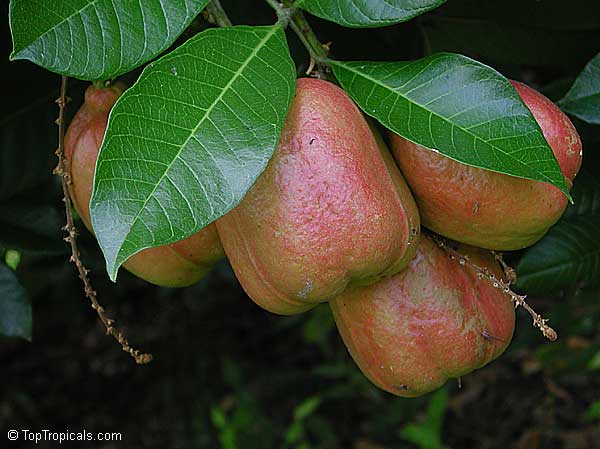
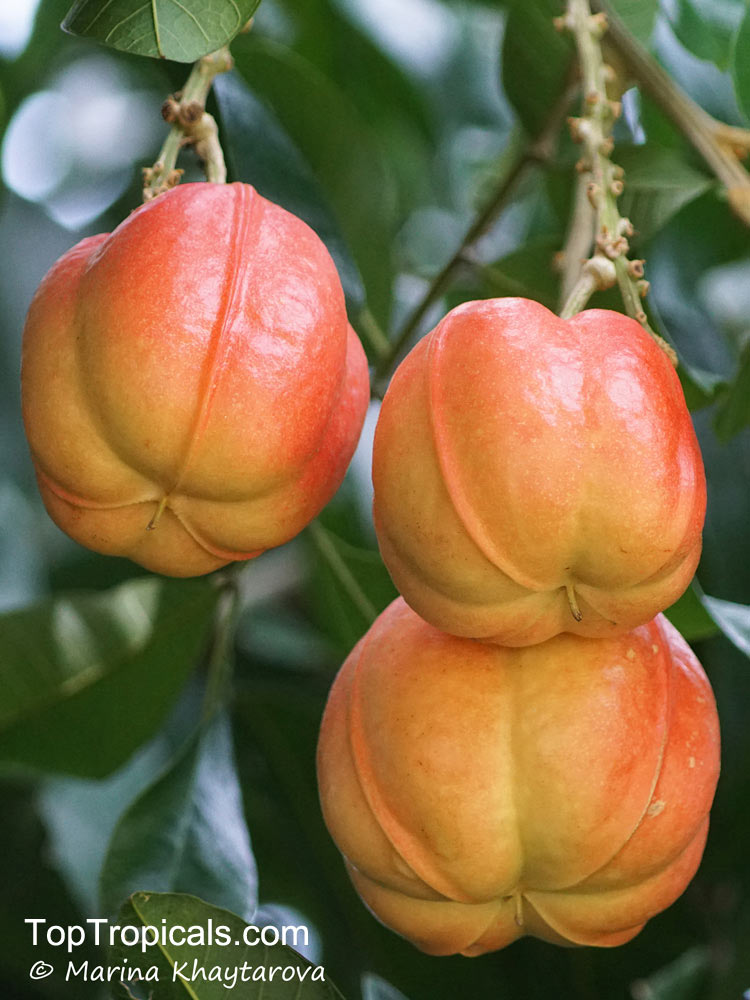
Akee  fruit  on  the  branch  with  leaves

Email from our Florida customer:

I got an Akee tree from you last year for my tropical fruit garden collection and honestly didn't know much about what it was. This year it started growing real fast and branched out. In spring it was flowering like crazy and now I have about 20 bright coral fruit hanging off the tree that look like Christmas decorations. They are extremely showy and can be seen from far away, I have neighbors stopping by asking what kind of tree it is. I finally did more research on it and found a recipe how to cook the fruit. Only a few had ripened and opened so far, but I already had a chance to try the meal. Cooked the arils and fried in a pan with some butter. What a delicious surprise! To my taste, it is like a mix of potatoes and eggs. Just through in some bacon and it will make a complete breakfast! One of the coolest fruit I've tasted. Just wanted to share this with you.

About Akee (Blighia sapida)

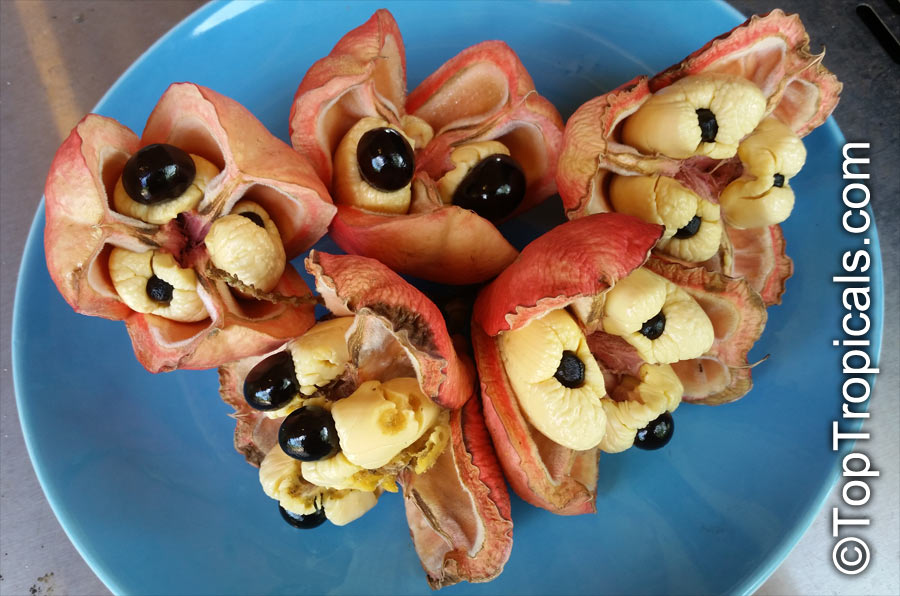
This showy fruit, a close relative of Lychee, Longan, and Rambutan, is a National fruit of Jamaica. It is indeed very exciting one, and what is also important, the tree is easy in cultivation, fast growing and can be maintained compact. I it is not bugsy or picky about soil/water conditions, and is relatively cold tolerant for being a tropical tree. You can find delicious akee meals only in Jamaican restaurants. But no need to search for it - grow your own tree, it can't be easier. It will start fruiting for you the next season, you don't have to wait long. Sometimes it fruits twice a year! However, remember, the fruit is used as a vegetable, and is not eaten raw. It must be picked after the fruit has opened naturally so the flesh is fully exposed to light. When the fruit has "yawned", discard the seeds (or better plant them to grow more trees - to share with your friends!). The arils, while still fresh and firm, are best parboiled in salted water or milk and then lightly fried in butter. Then they are really delicious!
Read more about this tree...
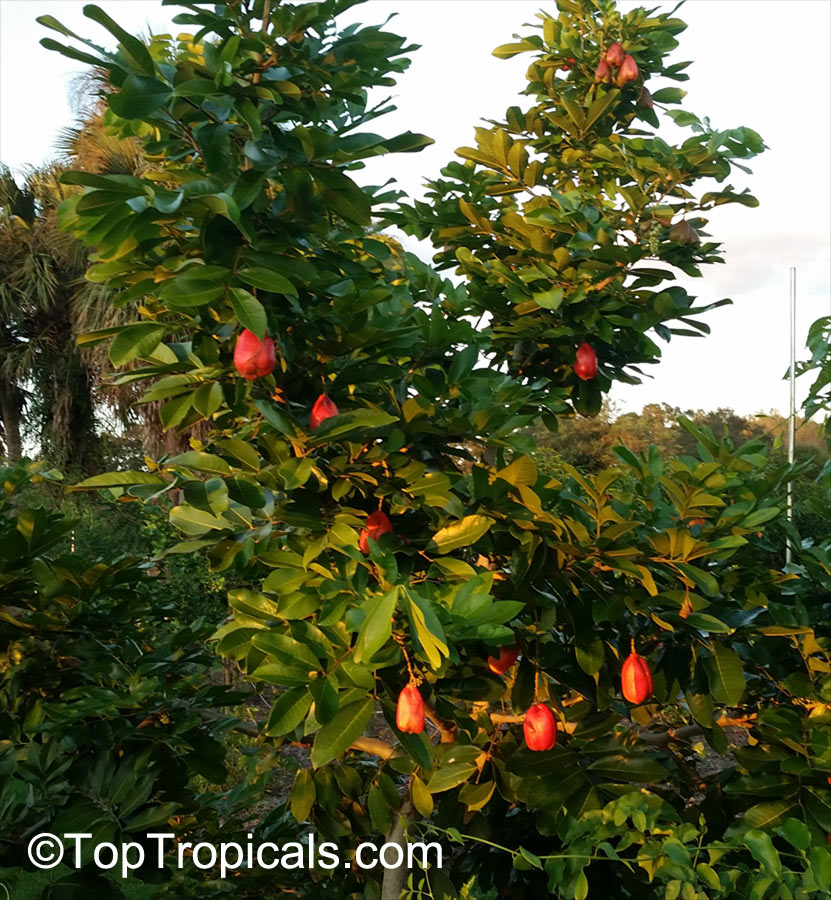
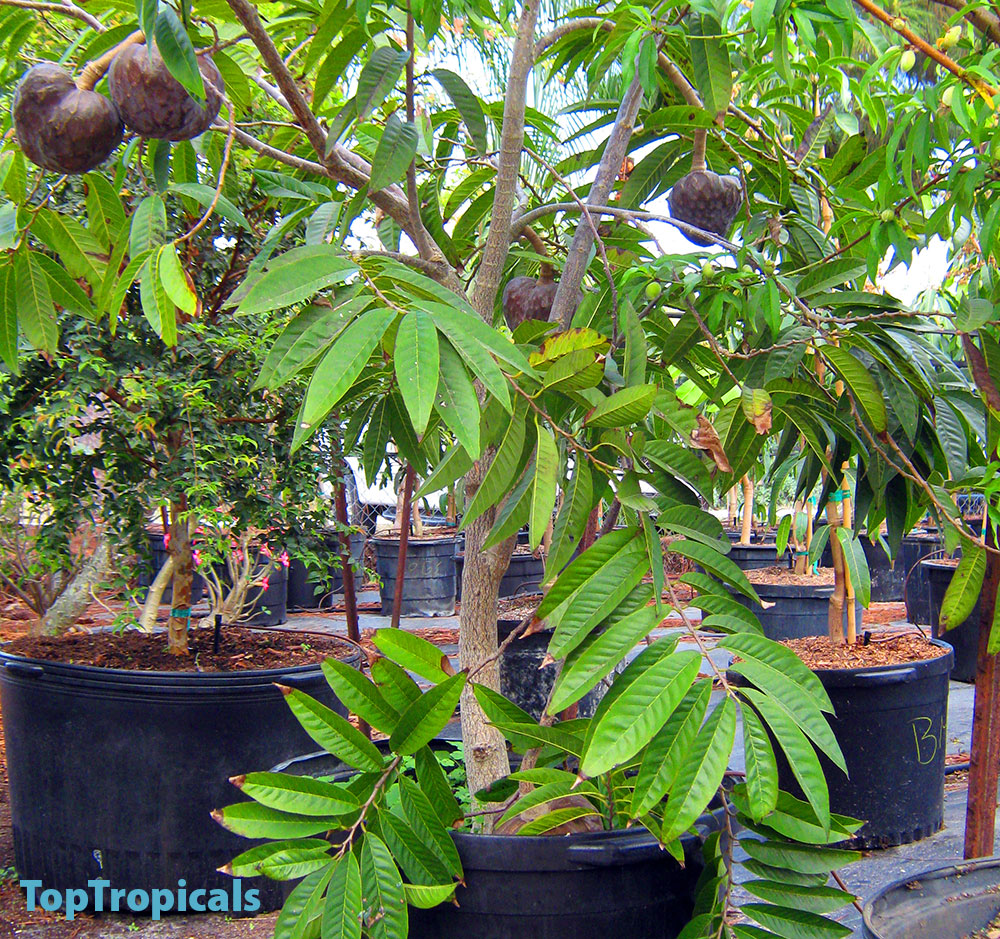
Akee  tree

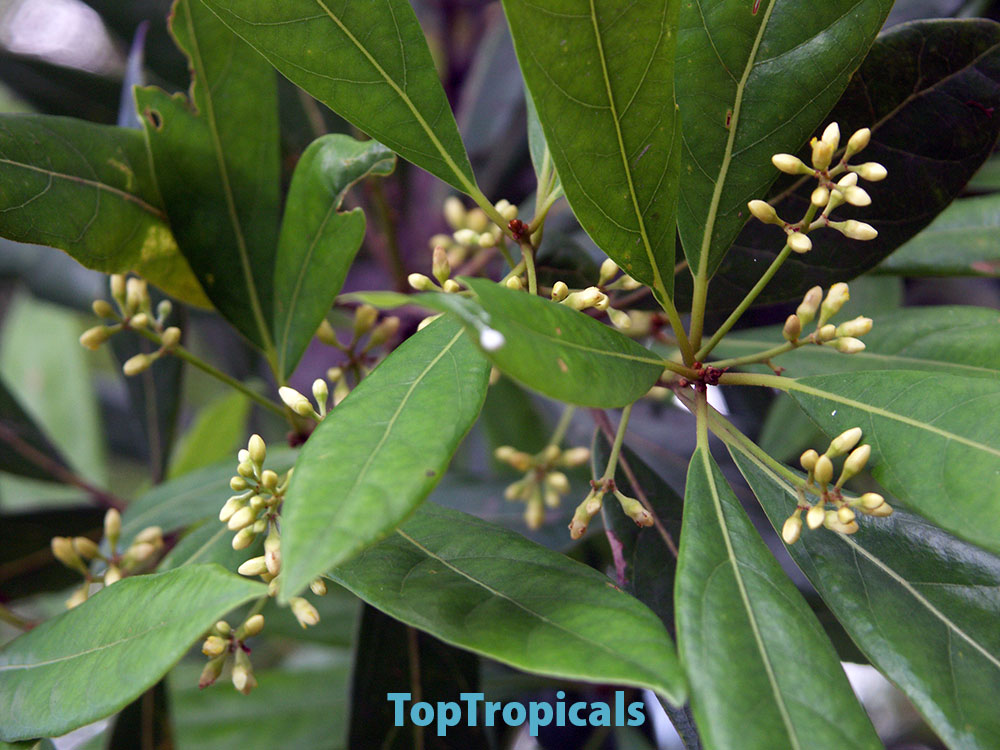
Akee  fruit

Akee  fruit  with  pulp  and  seeds  on  a  plate

Date: 23 Sep 2020

Fast-fruiting trees?

Photo above: Annona reticulata - Red Custard Apple

Q: More of a question than a review, but a review regarding your catalog, it would be easier for us buyers, if we could search for plants that produce fruit in 2 years or less, I don't have the patience to wait longer than that for fruit. I'm trying to buy for a fairly good sized garden but want some fast growers and fruit produced in 2 yrs. Can you help me out?

A: Fruiting time depends on many factors (established size, growing conditions, fertilizing, and even specific variety), this is why we can not just put a simple icon "will fruit within 2 years".
However, most grafted and air-layered fruit trees, including all Mango, Avocado, Loquat, Sapote, Sapodilla, Lychee/Longan, Peaches and Nectarines - will fruit right away. If you see in our store "grafted" or "air-layered" in plant description - these trees will fruit soon. Some of them already flowering and fruiting.
Some non-grafted trees or seedlings like Annona, Artocarpus (Jackfruit), Eugenia, Guava, Banana, Dragon fruit, Mulberry, Blackberry/Raspberry - will fruit within 3-4 years from seed or even sooner (Banana, Mulberry, Dragon fruit, Blackberry-Raspberry - within a year). Usually it says in description that this plant can produce fruit soon.
Bigger size plants are more established and have more energy to produce, so try to get larger size plants if your budget permits, and especially if you can pick up bigger plants rather than shipping them - obviously, shipping has size limitations.
In addition, all spice trees like Bay Leaf, Bay Rum, Allspice and many more - they will produce spice for you right away, so you don't need to wait at all!
If you have questions about fruiting time on any specific plant you put your eye on, don't hesitate to ask!

Photo above: Pimenta dioica - Allspice

Date: 3 Aug 2019

Grafted or seedling?

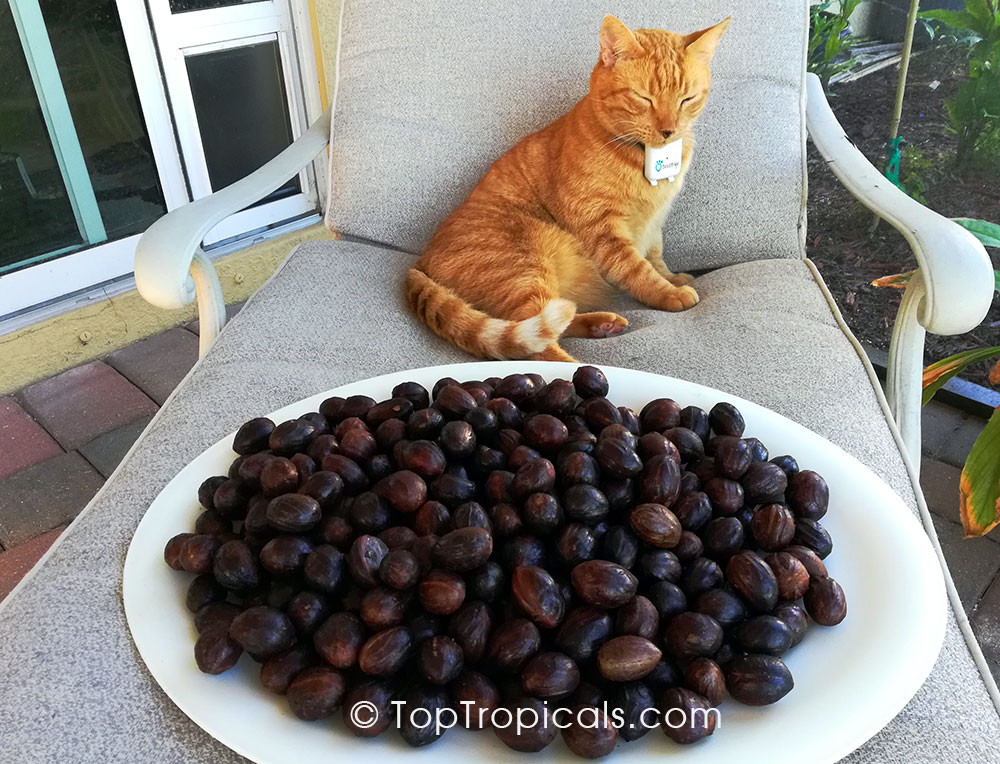
Photo: Mr Barcy meditating before planting Nutmeg seeds

Q: I planted an avocado seed and it sprouted quickly, it has been only a couple months and I already have a small plant. How soon will it produce fruit? Can I grow other tropical fruit from seed?

A: Unfortunately, some fruit trees, including varieties of avocado, mango, lychee, as well as apples and peaches - must be either grafted or air-layered in order to produce, for 2 main reasons:
- seedlings may take a very long time until fruiting, up to 10-15 years
- seedling gives no guarantee on the quality of the fruit or variety
These fruit trees should be propagated as "clones" - both grafted material or cuttings are actually copies of the mother plant and will keep the same fruit qualities. Grafted trees usually start producing immediately.
However there is a number of fruit trees that come true from seed, and take a very short time to start flowering. Jackfruit, Annonas (Sugar Apple, Guanabana, etc), Papaya, Icecream Bean, Eugenias start producing at a young age (3-4 years from seed).

Recommended fertilizers for fruit trees:

Fruit Festival Plant Food - Super Crop Booster
Mango-Food - Smart Release Fruit Tree Booster
SUNSHINE-Honey - for sweeter fruit
SUNSHINE SuperFood - microelement supplement

Date: 23 Jul 2016

Leo Zodiac lucky plants

Leo - 7/23-8/22. Naturally, Leo is a FIRE sign ruled by the brilliant Sun. Leo's plants are usually large and gold or orange in color, have heart-shaped leaves or a radiating shape, or have association with victory (like the Bay Leaf). Leo loves this colorful and special spice, which is known for amplifying prosperity and abundance.

The part of the body ruled by Leo the Lion is the heart. Plants related to Leo are primarily associated with the cardiac system, but also with the spine, the thymus gland, and the eyes. They strengthen and tone the heart, regulate blood pressure, raise the spirits and have an uplifting effect. Keep in mind that all cardio-active medicinal herbs should be used only in consultation with a qualified professional.

Leo Zodiac lucky plants: Sunflower tree, Delonix, Hibiscus, Abutilon, Mahoe, Hawaiin Sunset Vine (Stictocardia), Campsis, Passion flower, Calendula, Mexican Flame Vine, Bay Leaf, Safflower, Mint, Rosemary, Ruda - Ruta graveolens, Marigolds, Sunflowers, Palm trees, Lemon and orange trees, Grapefruit, Dieffenbachia , Croton, Lemon Balm, Chamomile, Tarragon, Kaligottu (Stereospermum chelonoides), Bel Fruit, White Madaar, Peppers, Pineapple, Coconut, Anise, Heliotrope, Gingers, Lavender, Ashoka Tree, Dombeya, Jacquemontia, Lychee, Mulberry, Philodendrons, Macaranga, Anthuriums, Aphelandra, Orchid trees, Leonotis.

For other signs information, see full Plant Horoscope.

Date: 2 Apr 2026

Stop Fixing Your Soil: 15 Bulletproof Fruit Trees for Tough Ground

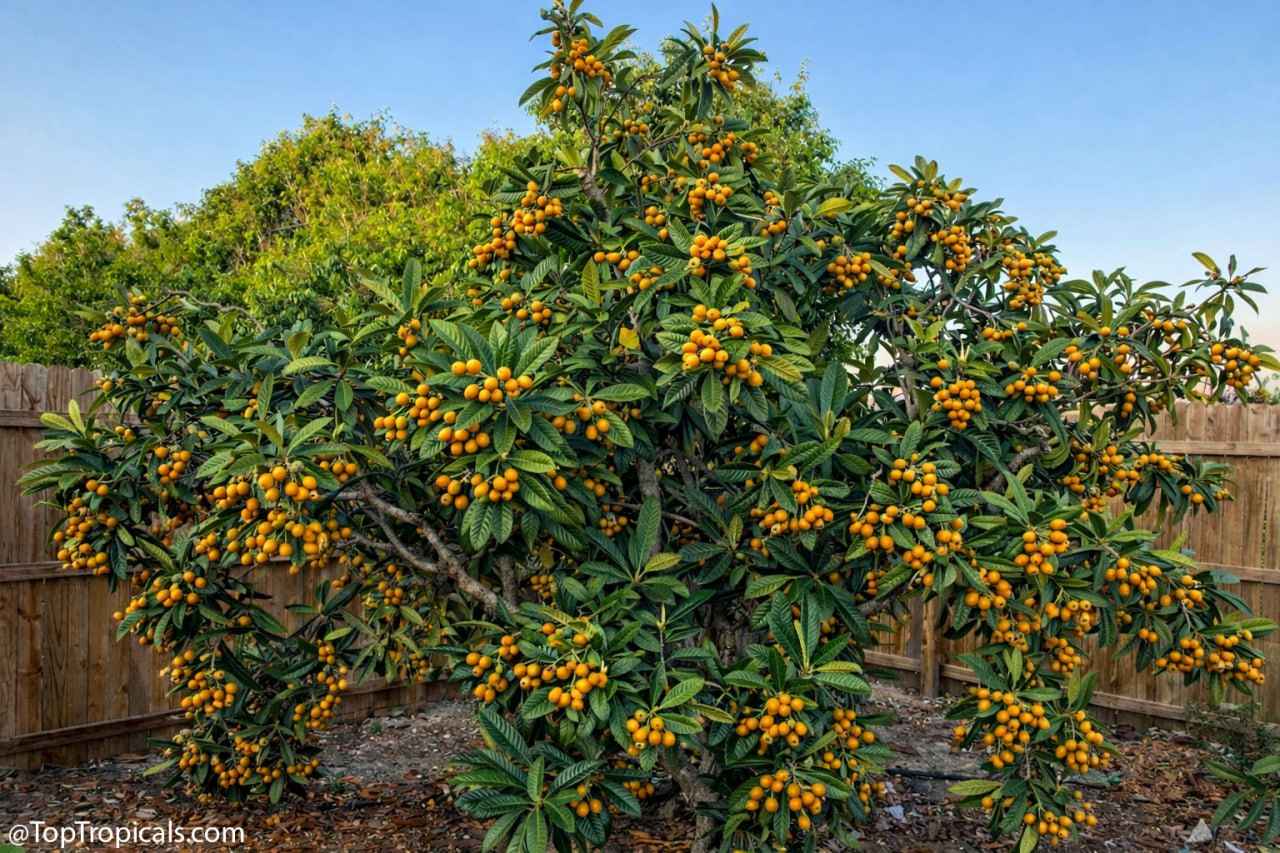
Loquat (Eriobotrya japonica) fruiting

Loquat (Eriobotrya japonica) fruiting

Stop Fixing Your Soil: 15 "Bulletproof" Fruit Trees for Tough Ground 💩

Not everyone starts with a lush, loamy paradise. In many parts of Florida and the South, "soil" is just a polite word for sand, limestone rock, or depleted clay.
The biggest mistake new gardeners make? Spending hundreds of dollars on soil amendments before they ever put a tree in the ground.
The secret the pros know: You don't need to change your land to fit your plants; you need to choose plants that love your land. Some of the most delicious fruits actually thrive on neglect - and a few even produce better fruit when the soil is "poor."
  • 🌳 The "Big 5" Toughest Fruit Trees


    If your yard is a dry, sandy lot or a rocky outcrop, start with these. They are the ultimate "survivors."

    Jujube, Chinese Date (Ziziphus jujuba): Arguably the toughest fruit tree on earth. It laughs at drought, poor soil, and neglect. The fruit is crisp like an apple when fresh and sweet like a date when dried.

    Loquat (Eriobotrya japonica): A Southern staple. It’s evergreen, beautiful, and produces honey-sweet fruit in early spring when nothing else is ripe.

    Mulberry (Morus alba): If you can’t grow a Mulberry, you might be gardening on the moon. It grows in sand, clay, or sidewalk cracks with equal enthusiasm.

    Fig (Ficus carica): Figs actually prefer not to be pampered. In overly rich soil, they grow lots of leaves but little fruit. Give them well-drained, mediocre soil and they’ll thrive.

    Pomegranate (Punica granatum): These trees are "stress-lovers." Rocky, alkaline soil is no problem, and a bit of soil stress often results in a higher sugar content in the fruit.
  • 🌳 Tropical Flavors That Don't Need "Perfect" Dirt


    You don’t need a rainforest to grow tropical treats. These species are surprisingly resilient once they get their roots established.

  • 🌟 The Sand-Lovers:

Mango (Mangifera indica): While young trees need a little babying, a mature Mango is incredibly drought-tolerant and handles Florida’s sandy "sugar sand" like a champ.

Sapodilla (Manilkara sapota): A rugged, wind-resistant tree that produces fruit tasting like brown sugar and pear. It is a top-tier choice for coastal or sandy areas.

Tamarind (Tamarindus indica): It’s slow-growing but patient. Once it’s in, it’s there for a century, regardless of soil quality.
  • 🌟 The Low-Maintenance Stars


    Longan (Euphoria longana): If you’ve struggled with finicky Lychee trees, try Longan. It’s more cold-hardy and much less picky about its soil.

    Citrus: While they need regular feeding (fertilizer), Citrus trees are naturally adapted to the sandy ridges of the South.
  • 🌟 The "Quick-Win" Berry & Shrub Layer


    If you want fruit this year, don’t wait for a tree to mature. Add these hardy producers to your edges. And here is why it works:

    Dragon Fruit (Hylocereus undatus). It’s a cactus! It literally prefers poor, fast-draining soil over rich potting mixes.

    Barbados Cherry (Malpighia glabra). A vitamin C powerhouse that handles low-nutrient soil with ease.

    Grumichama (Eugenia brasiliensis). Slower grower, but steady and tolerant once established.

    Surinam Cherry (Eugenia uniflora). Virtually indestructible. Often used as a hedge because it grows so vigorously in poor soil.

    Pineapple Guava (Feijoa sellowiana). A beautiful silver-leafed shrub that is salt-tolerant and drought-resistant.


🌳 The Strategy: "Plant First, Improve Later"


In the South, the "dig a $100 hole for a $10 tree" rule doesn't always apply. Trying to completely re-engineer your soil often leads to drainage issues (the "bathtub effect").

Try this instead:
1. Select a species naturally adapted to your pH and texture.
2. Plant it at the correct height (never too deep!).
3. Mulch heavily with wood chips. This improves the soil from the top down over time, mimicking a natural forest floor.

🛒 Shop Fruit Trees and Mango

📚 Learn more:


#Food_Forest #How_to #Discover

🟢 Join 👉 TopTropicals