Garden Blog - Top Tropicals

Date: 29 Nov 2025

What will bloom for you in November: Gardenia nitida - Shooting Star

Gardenia nitida - Shooting Star

Gardenia nitida - Shooting Star

Gardenia nitida - Shooting Star

Gardenia nitida - Shooting Star

⭐️ What will bloom for you in November: Gardenia nitida - Shooting Star


⭐️ It's end of November and let's see what's in bloom today.
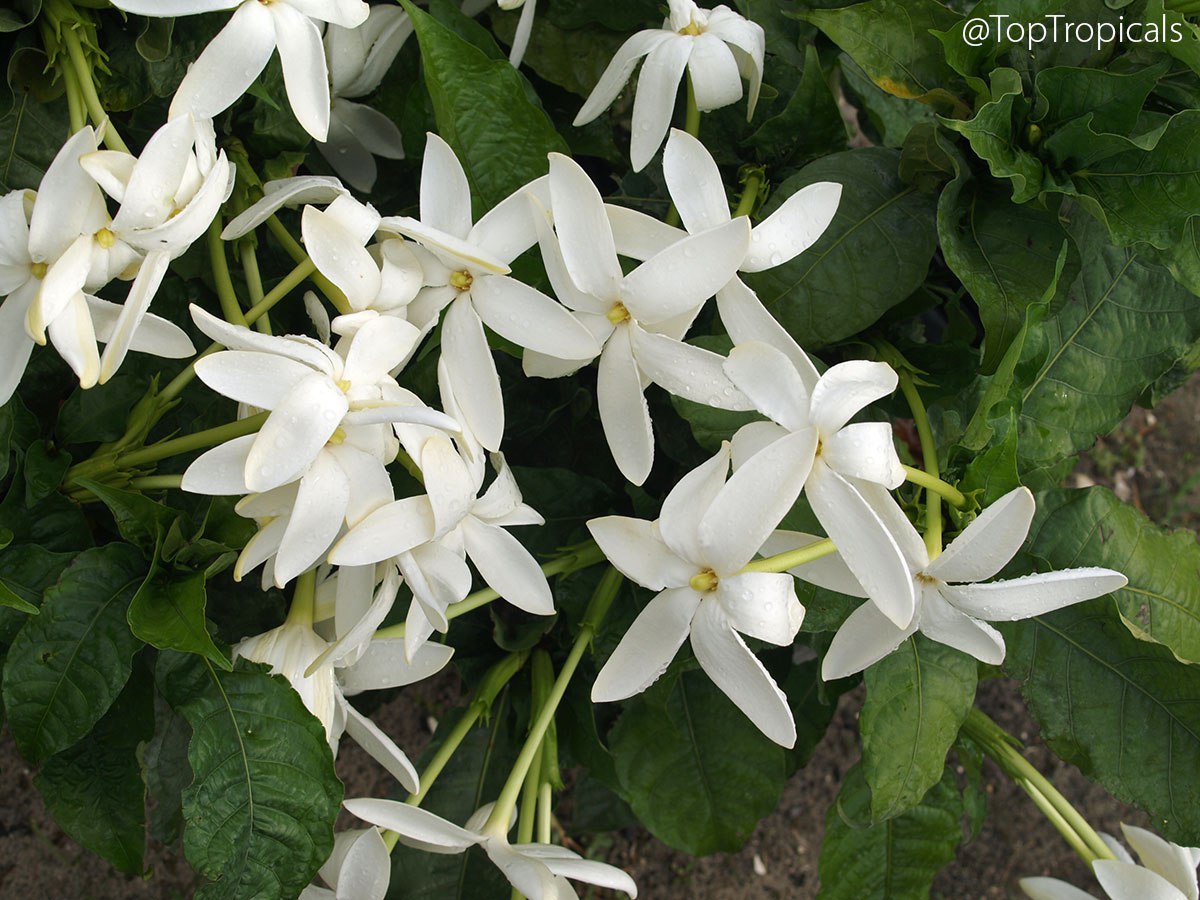
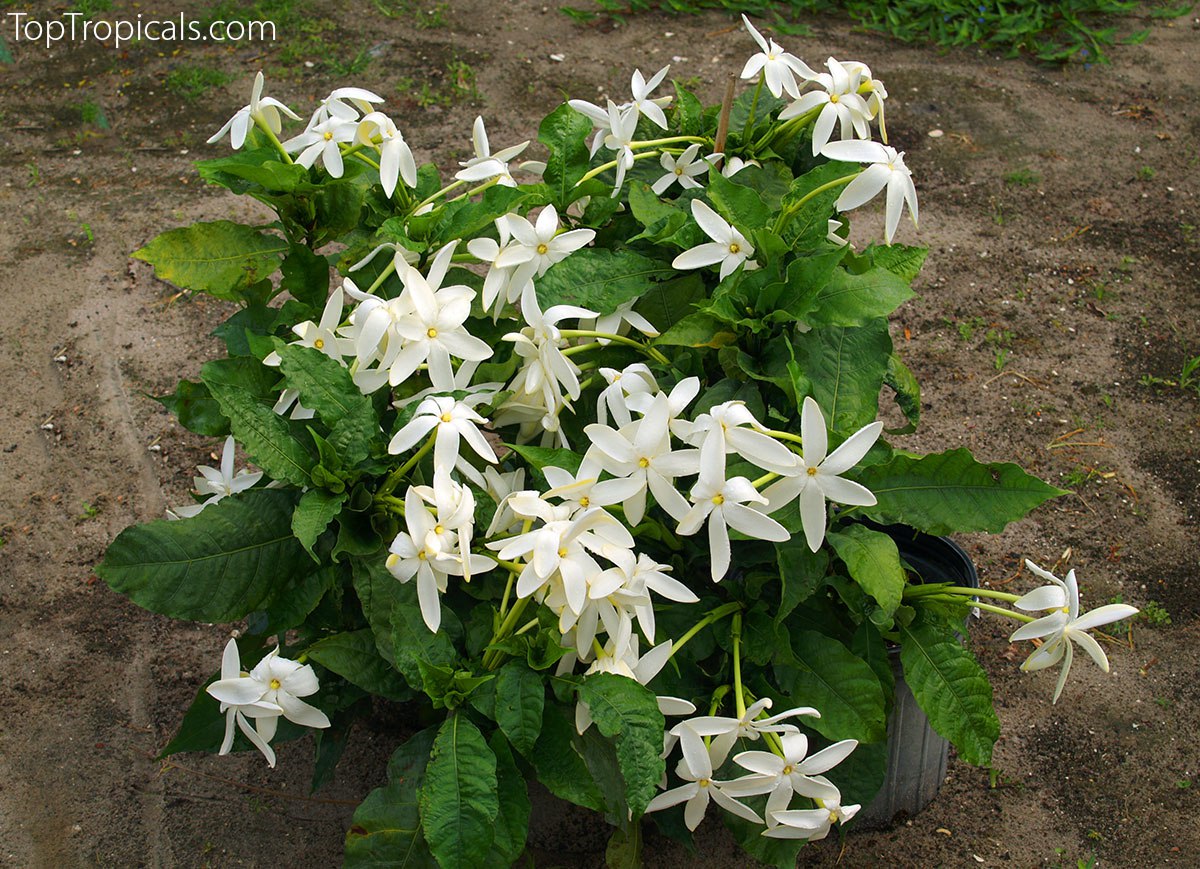
Gardenia nitida - the Shooting Star Gardenia - is looking absolutely perfect right now. This is one of the most unusual gardenias you’ll ever run into. Native to tropical Africa, slow-growing, elegant, and honestly… it doesn’t even look like the regular gardenias people are used to.

⭐️ The leaves are the first giveaway. Instead of the thick, waxy look of common gardenias, this one has big, soft, diamond-shaped leaves that give the whole plant a delicate, almost tropical-orchid vibe. The shrubs grow into neat, rounded shapes, so they do great in containers or smaller garden spaces.

⭐️ And the blooms… they’re happening right now! Long, skinny white tubes that flare open into bright little starbursts. They show up in clusters, and when the sun hits them, they really do look like tiny shooting stars across the plant. The fragrance is sweet, rich, and drifting all over the walkway even before you get close.

⭐️ It blooms several times a year, but this moment - right now, heading into winter - is one of its best. If you like rare fragrant plants, this is one of those collector pieces you don’t see every day, especially looking this full and this fresh.

🛒 Get the Shooting Star to light up your garden in Winter

📚 Learn more:

Gardenia Plant Facts

Botanical name: Gardenia nitida, Gardenia posoqueria
Also known as: Gardenia
USDA Zone: 9 - 10
Highligths Large shrub 5-10 ft tallFull sunWatering: Regular. Let topsoil dry slightlyWhite, off-white flowersPlant attracts butterflies, hummingbirdsFragrant plant
Get personalized tips for your region

More about Gardenia nitida from Plant Encyclopedia

📱 Watch YouTube short videos:


You thought you knew Gardenias, until you saw this one
Shooting Star Gardenia: a rare scent from Africa

#Perfume_Plants #Hedges_with_benefits

🟢 Join 👉 TopTropicals

Date: 30 Dec 2025

Persimmon spoon pudding: quick-n-fun exotic recipes

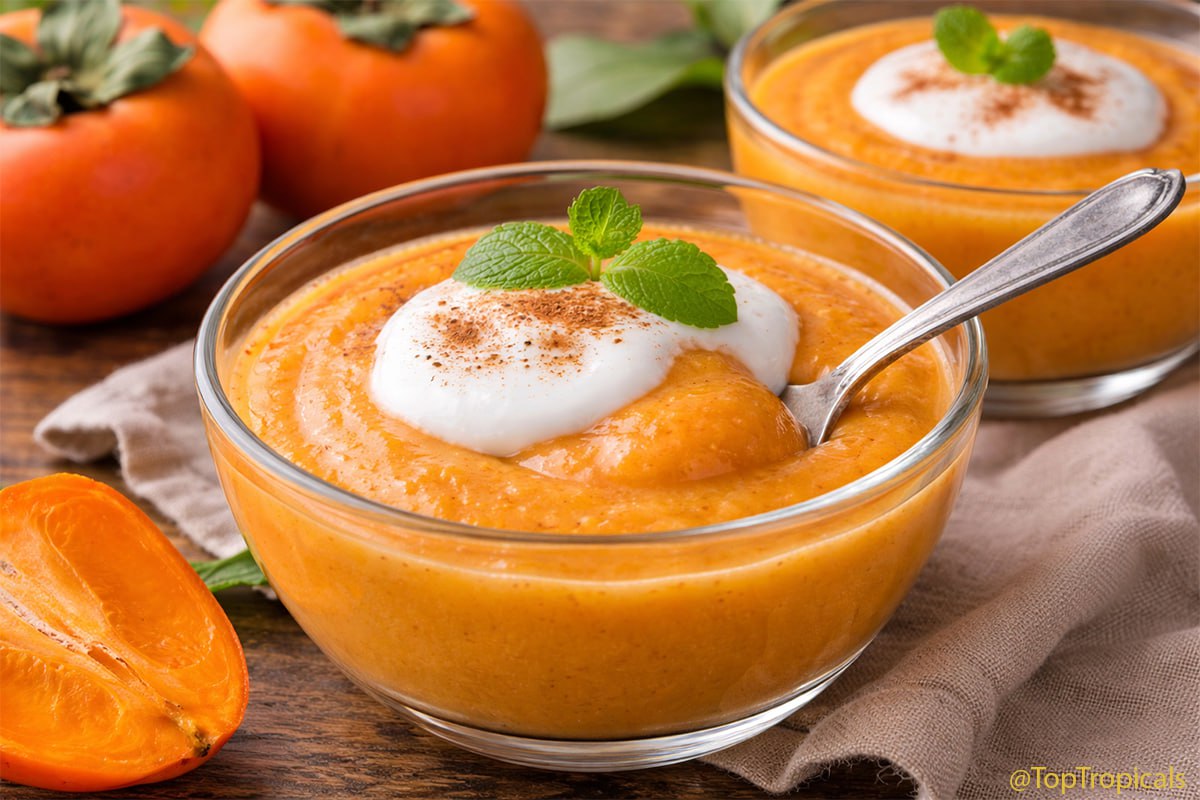
Persimmon spoon pudding

Persimmon spoon pudding

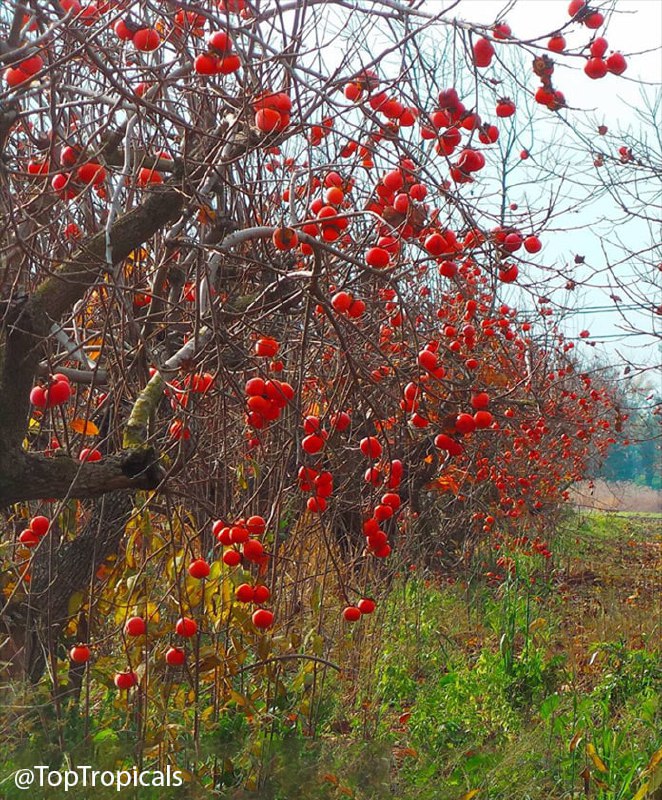
Persimmon tree (Diospyros sp)

Persimmon tree (Diospyros sp)

🍴 Persimmon spoon pudding


Ingredients

  • 2 very ripe persimmons (astringent type, fully soft)
  • 2 tablespoons plain yogurt
  • Optional: pinch of cinnamon

Instructions

  1. Scoop the soft persimmon flesh into a blender and puree until smooth.
  2. Chill the puree in the refrigerator for 15 to 30 minutes.
  3. Spoon into a bowl and top with plain yogurt.
  4. Sprinkle lightly with cinnamon if desired and serve.

🍑 About the fruit:


Persimmon (Diospyros spp.) is a graceful, cold-hardy subtropical fruit tree native to China and widely grown across temperate and warm regions. The fruit is loved for its rich sweetness, often compared to honey and apricot. Persimmons are divided into astringent types, which must soften fully before eating, and non-astringent types, which can be enjoyed firm. The fruit is nutritious and commonly eaten fresh or used in desserts.

🌱 In the garden:


Persimmon trees are highly ornamental, with drooping branches, lush summer foliage, and dramatic fall color. They thrive in well-drained soils, tolerate alkaline conditions, and are hardy in USDA zones 7-10. Many varieties perform well in containers, making persimmon a beautiful and productive choice for both edible landscapes and patio gardens.

🛒 Plant Persimmon Tree for sweet fruit and deserts

📚 Learn more:

Velvet Apple Plant Facts

Botanical name: Diospyros blancoi, Diospyros discolor
Also known as: Velvet Apple, Mabolo
USDA Zone: 10 - 11
Highligths Large tree taller than 20 ftFull sunWatering: Regular. Let topsoil dry slightlyEdible plant
Get personalized tips for your region

Explore Persimmon trees (Diospyros spp) in Plant Encyclopedia
How soon will Persimmon tree fruit?
Why so many gardeners this year planted Native American Persimmon
Hardy, dramatic looking tropical fruit tree with a sweet fruit

#Food_Forest #Recipes

🟢 Join 👉 TopTropicals

Date: 23 Nov 2025

🏡 To Use Your Garden Or Be Used By It

Two  cats  in  a  garden  planting  a  young  tree.  Smokey,  a  black-and-white 
 tuxedo  cat,  holds  a  small  shovel  and  works  the  soil,  while  Sunshine,  a 
 fluffy  orange  tabby,  sits  smiling  beside  a  bag  of  garden 
 soil.

Smokey and Sunshine November Planting.

Smokey: Winter roots make spring easy. Keep that plant straight.
Sunshine: I am keeping it straight by not touching it at all.
Smokey: That is exactly what I was afraid of.

November is the month when the garden finally stops yelling at you. The heat backs off, the bugs calm down, and the weeds take a breath. This is when we get to take control again. And as gardeners, we know the truth: Either you use your garden, or your garden will use you in spring. Let me walk you through this, gardener to gardener.

"November is when the garden finally listens. Give it a little direction now, shape it, guide it, and prepare it for spring. It will reward you all year." - Tatiana Anderson, Top Tropicals Plant Expert

🌴 When The Garden Uses You

We have all lived this scene:

  • March weeds appear, and two days later it looks like a jungle.
  • One missed watering turns into five wilted plants and a full week of recovery.
  • A skipped feeding shows up as yellow leaves and panic searching online.
  • Bugs return fast, and suddenly you are washing leaves every other day.
  • Random plant purchases fill your yard with chaos and mismatched care needs.
  • When the garden takes control, spring feels like hard work, not joy.
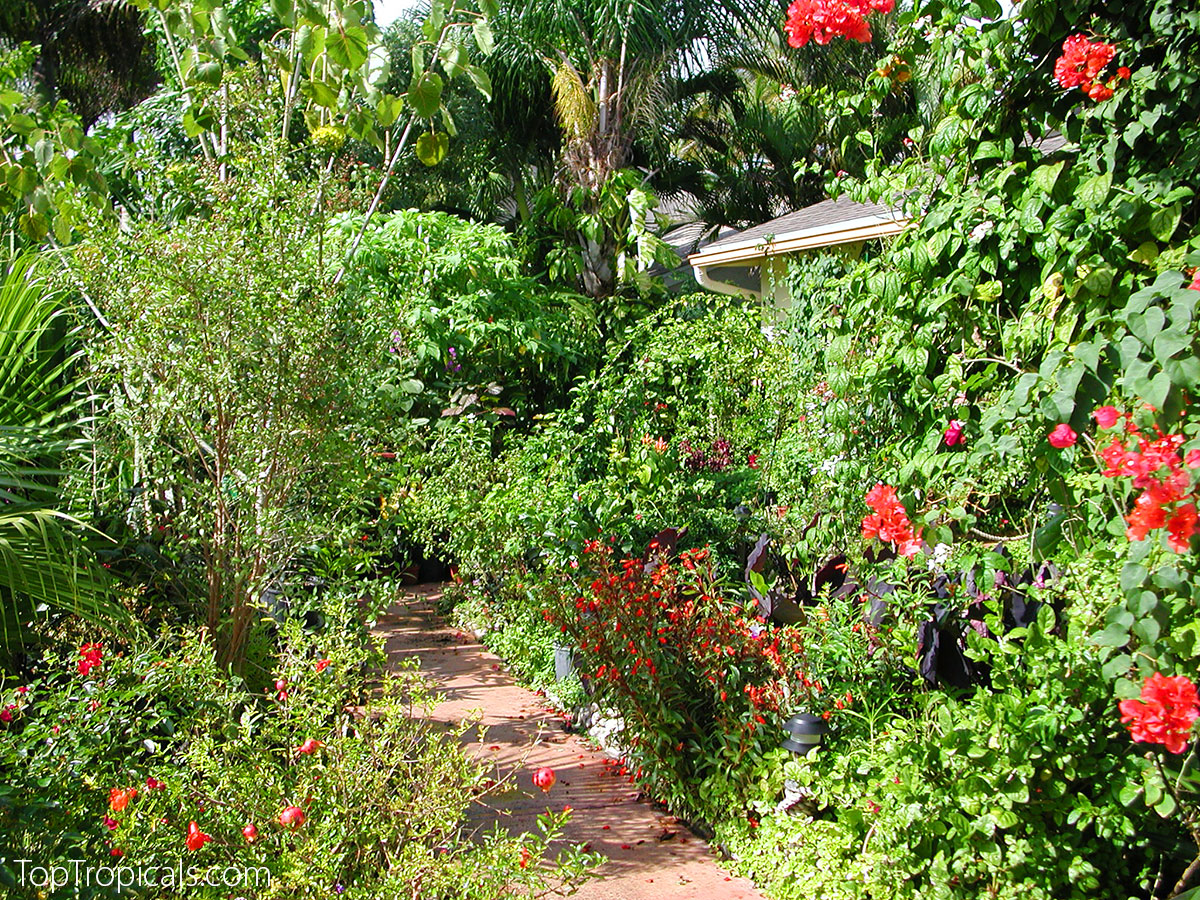
An  overgrown  tropical  garden  with  dense  foliage  and  vines  spilling  over
    a  walkway,  showing  how  a  garden  can  take  over  when  not  maintained.

Overgrown Tropical Garden Showing How a Garden Can Use You

📊 When You Use Your Garden

November flips the script. Plants slow down. Soil stays warm. This is the safest month to experiment, move plants, fix mistakes, and redesign.

What you do now pays off huge in March.

  • You map out sun zones and shade zones.
  • You mulch now so weeds do not explode later.
  • You move plants to better positions without heat stress.
  • You remove the high-drama plants before they start another season of complaints.
  • You pick what you want for next year instead of letting impulse buys rule you.

Spring becomes smooth instead of overwhelming. And honestly? It feels good to walk outside in March and see order instead of chaos.

A  neat,  organized  tropical  garden  with  trimmed  plants,  open  pathways, 
 and  balanced  landscaping,  showing  how  a  gardener  can  use  and  direct  the 
 garden.

In the photo: Every garden starts in small steps. Biquinho Pepper (front) in the garden.

What Benefit Do You Get Personally?

  • Less watering.
  • Fewer bugs.
  • Bigger fruit.
  • Better flowering.
  • Less money wasted.
  • Less time fixing problems you could have prevented now.

This is why experienced tropical gardeners adore November.

Garden

In the photo: Organized Tropical Garden. Firebush (lemon gold variety) and Cordylines (Ti Leaf) make colorful spots in the garden.

🐭 Start With Something Small Today (5 Minutes)

Pick one:

  • Add mulch to the driest spot in your yard.
  • Cut one dead branch from any tree.
  • Move one pot to a better sun angle.
  • Pull three weeds from the worst area.
  • Water deeply once this week.

Small steps now save hours later.

⭐ One Short Story

Last year we planted a Star Fruit in November. By March, it was already covered in flowers, and have been harvesting fruit non-stop since then! That is what winter planning does: it gives plants a head start you can actually see.

Young  Carambola  Star  Fruit  tree  fruiting

🐍 Plants That Will Use You If You Let Them

These are great plants, but only if you plan before planting them:

  • Banana (thirsty)
  • Hibiscus (hungry)
  • Brugmansia (sensitive)
  • Passion vine (takes over anything it touches)

Place them wrong, and they become full-time jobs.

An  overgrown  passion  vine  covering  a  garden  swing,  showing  how  a 
 fast-growing  plant  can  take  over  when  not  maintained.

In the photo: Passion Vine taking over the swing.

🐰 Plants That Work For You

These feel like free upgrades to the yard:

Pick even one of these and your garden starts giving back.

A  landscaped  garden  path  with  a  Cattley  Guava  tree  featuring  a  twisted 
 multicolor  trunk,  surrounded  by  trimmed  tropical  plants  and  decorative 
 garden 
 elements.

In the photo: Cattley Guava brings not only tasty fruit but also a wonderful character with its amazing multi-color twisted trunk.

🌡️ November Advantage

You cannot ruin anything in November. This is the safest, calmest month to shape your garden the way you want. If you act now, spring becomes a victory lap. If you wait, spring becomes a rescue mission.

A  landscaped  tropical  garden  with  a  potted  Adenium  in  full  bloom,  red 
 Cordylines  behind  it,  and  neat  mulched  beds  with  decorative  garden 
 elements.

In the photo: Adenium is a colorful accent in the garden.

💐 Thanksgiving Tie-In

This is the season to reset, breathe, and be thankful for your outdoor space. A garden that works for you is one of the best gifts you can give yourself going into the new year.

Start your November plan today. Use your garden. Do not let it use you.

A  neatly  designed  tropical  garden  bed  featuring  Megaskepasma,  iris, 
 Colocasia,  colorful  Crotons,  Dracaena,  and  Ti  Leaf  plants  arranged  in 
 mulched 
 landscaping.

In the photo: Megaskepasma, Iris, Colocasia, Crotons, Dracaena and Ti Leaf bring instant tropical look to your garden.

Shop Fruit trees

Shop Flowering shrubs
Date: 11 Apr 2026

Plumeria rainbow: Symbol of the Tropics

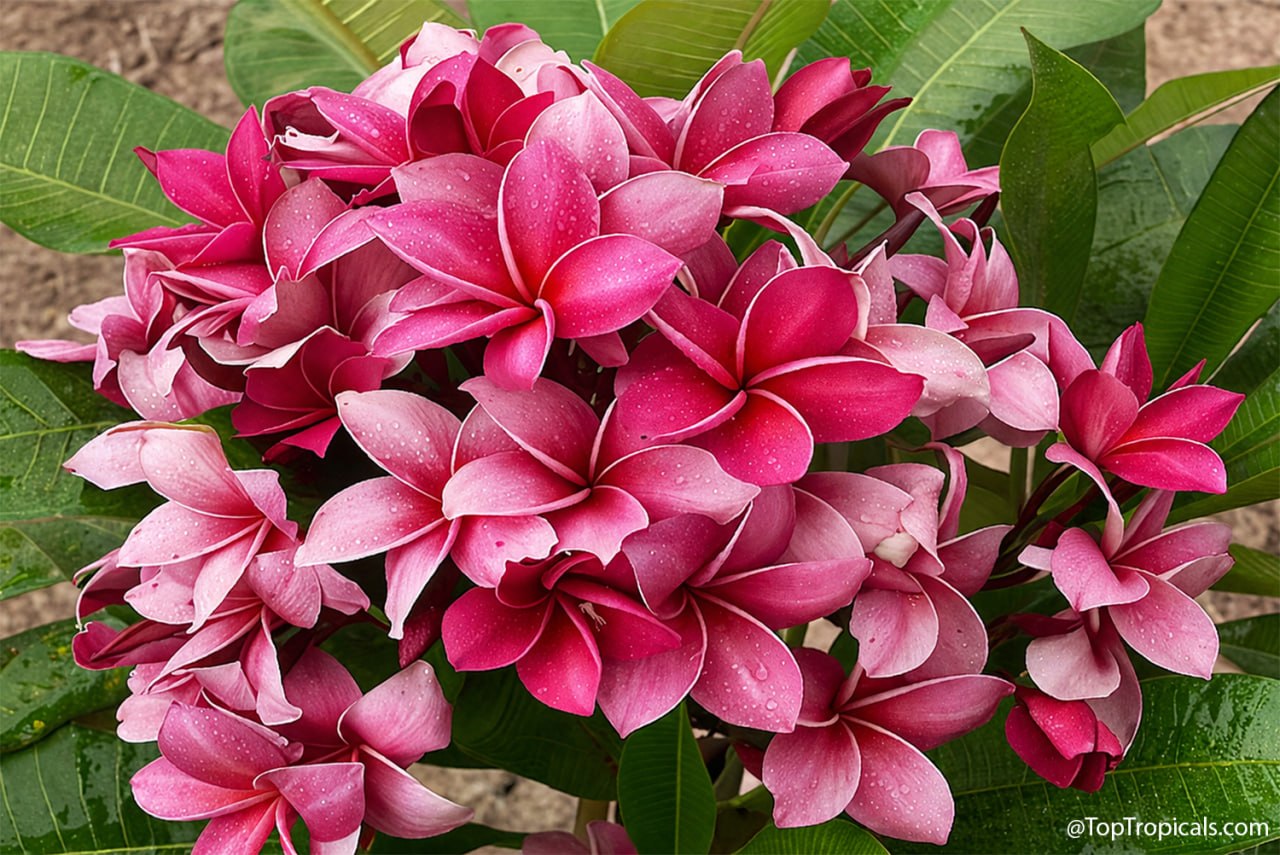
Plumeria Granny

Plumeria Granny

Plumeria Som Paruay

Plumeria Som Paruay

Plumeria Yellow Maha

Plumeria Yellow Maha

Plumeria Moung Jack (Jacque)

Plumeria Moung Jack (Jacque)

Plumeria rainbow: Symbol of the Tropics 🌈

Plumerias are one of those plants that instantly feel like a vacation - soft, fragrant flowers, warm colors, and that unmistakable tropical look. Known as a symbol of Hawaii and the Aloha spirit, they’re loved for their scent, their beauty, and how effortlessly they turn any space into something special. And the best part - their colors feel almost endless, from soft pastels to rich, glowing tropical tones, even into rainbow-like multicolor blooms.

Plumeria Plant Facts

Botanical name: Plumeria sp.
Also known as: Plumeria, Frangipani
USDA Zone: 9 - 11
Highligths Large shrub 5-10 ft tallSmall tree 10-20 ftFull sunWatering: Moderate. Water when top soil feels dryYellow, orange flowersRed, crimson, vinous flowersWhite, off-white flowersPink flowersPlant attracts butterflies, hummingbirdsDeciduous plantFragrant plantSeaside, salt tolerant plant
Get personalized tips for your region


💡 How to Grow a Blooming Plumeria?


Plumerias are surprisingly easy to grow - once you follow a few simple rules, they almost take care of themselves. Give them sun, fast-draining soil, and don’t overwater, and they’ll reward you with strong growth and fragrant blooms.
In #PlumeriaRainbow series, we’ll share simple tips to keep them happy, healthy, and blooming - bringing that perfumed tropical Aloha right into your garden.

🌸 Today's featured plumerias


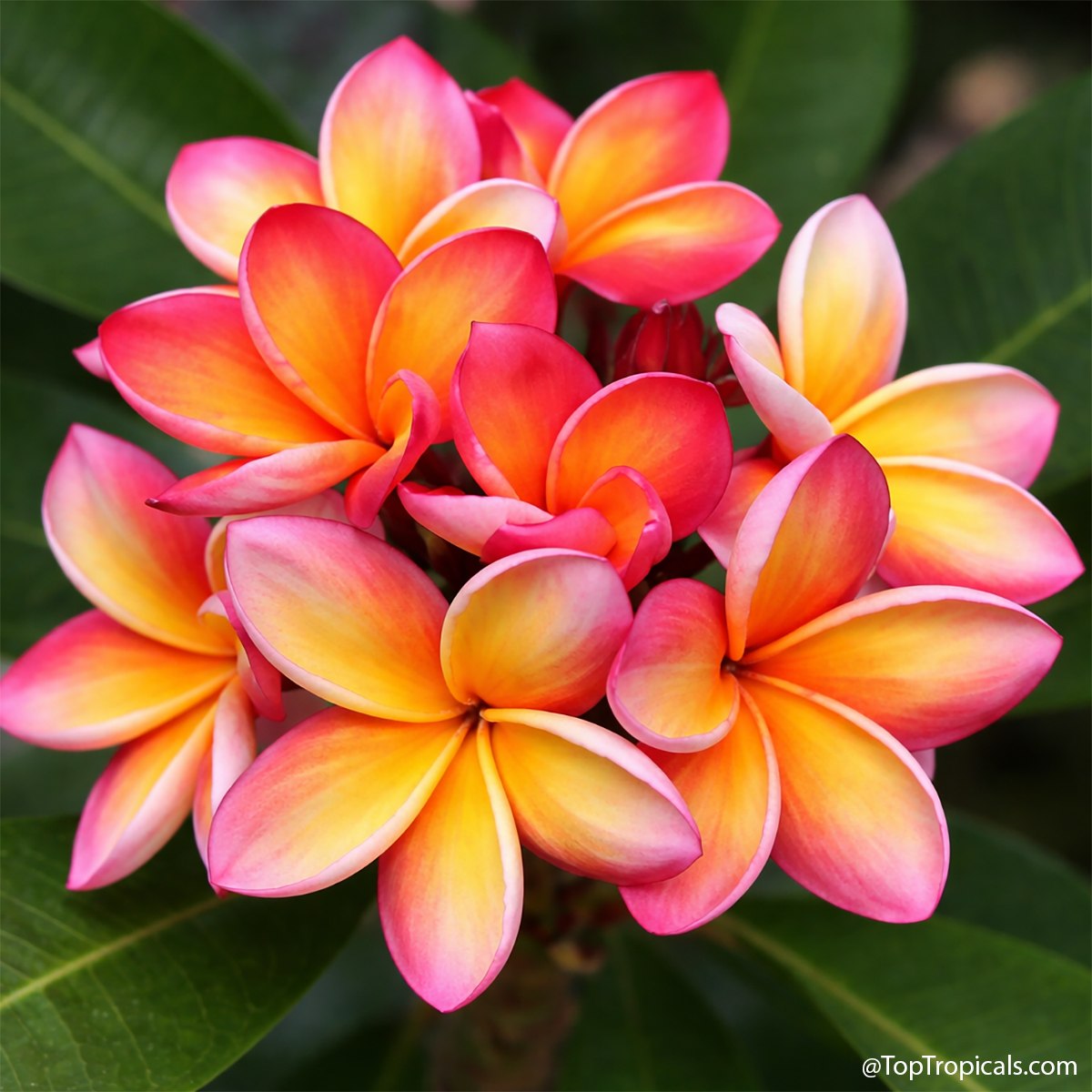
 ✦ Plumeria Granny - a full, eye-catching variety with rich pink blooms ranging from soft blush to deeper rosy tones, often mixed within the same cluster. Petals are smooth and slightly overlapping, giving flowers a rounded, softly layered look. It blooms in dense clusters, creating a lush, full appearance that stands out from a distance while still showing nice detail up close.

 ✦ Plumeria Som Paruay - a bright, cheerful "Rainbow" variety with golden-yellow centers blending into orange, coral, and rosy pink edges. The smooth color gradient gives each flower a warm, glowing look. Clusters are vibrant and lively, adding strong tropical color. The name comes from Thai - Som means orange, Paruay refers to prosperity and good fortune.

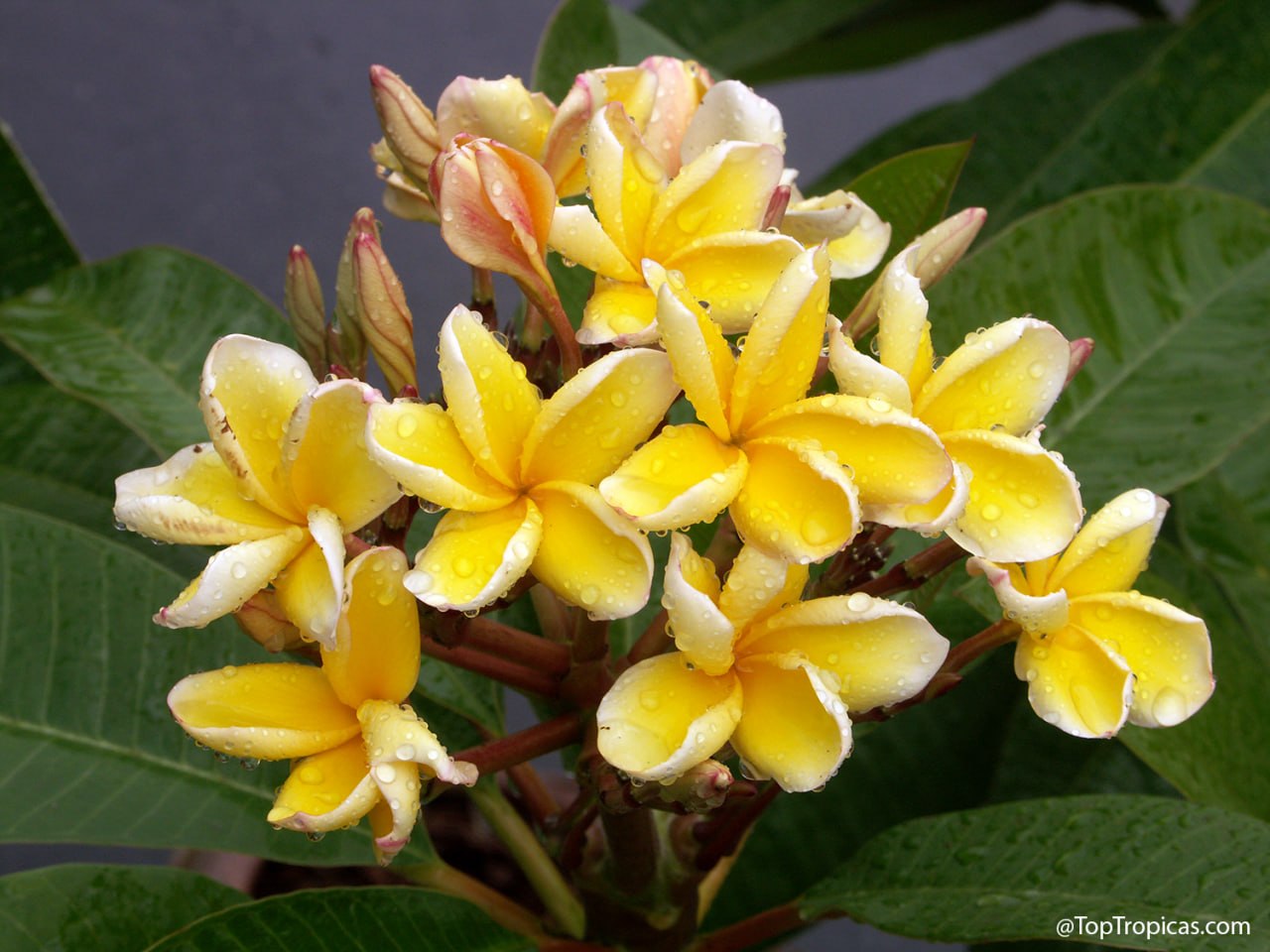
 ✦ Plumeria Yellow Maha - a striking variety with extra-long petals in bright yellow, cleanly outlined in white. The shape alone makes it stand out. It is also super aromatic - yellow varieties are the most fragrant, filling the air with a strong, sweet scent.

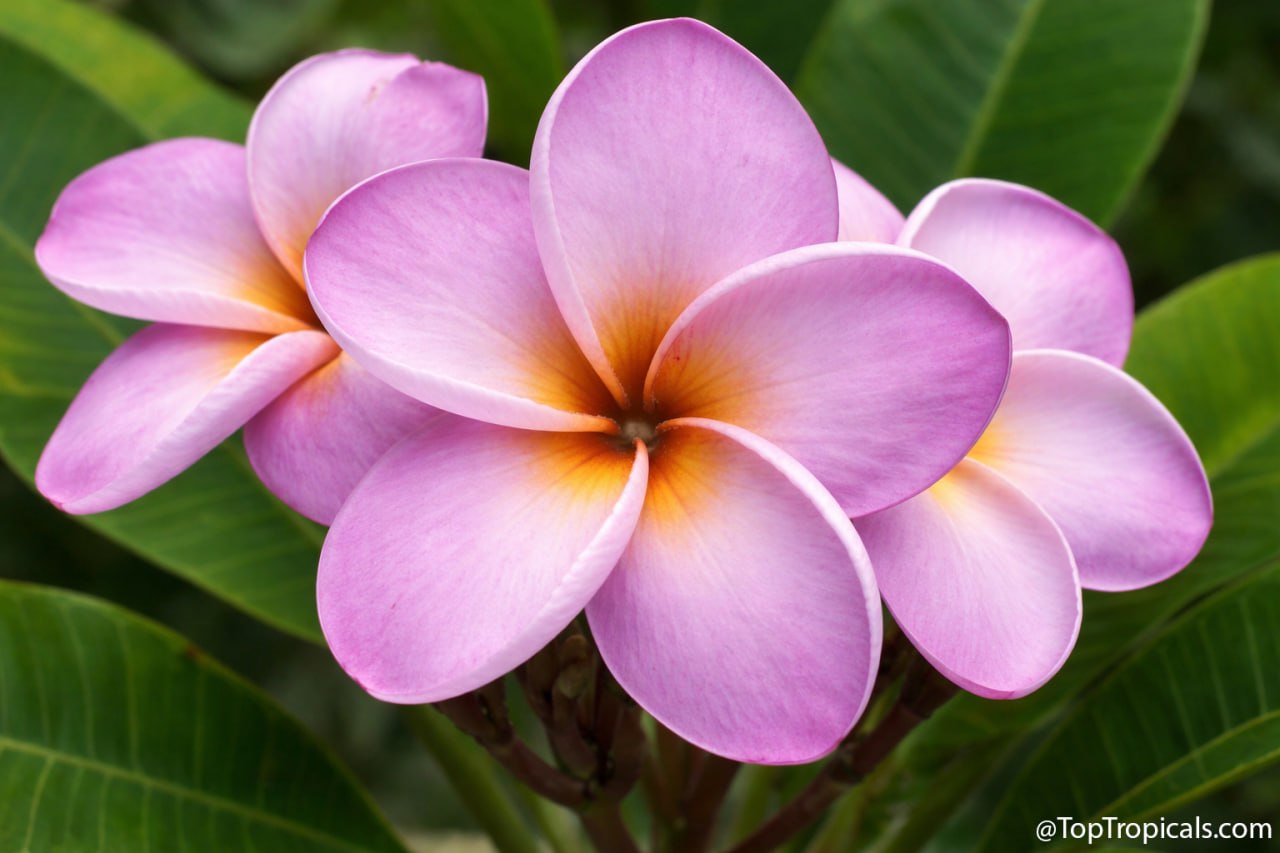
 ✦ Plumeria Moung Jack (Jacque) - a softer, more unusual variety with lavender-pink tones and a warm yellow-orange center. The color is smooth and slightly muted, giving it a calm, pastel look. Petals are broad and rounded, forming a classic shape with a velvety feel. Moung means purple in Thai, referring to its gentle lavender tones.

🛒 Shop Plumeria Collection and Enjoy the fragrant blooms

📚 Learn more:
· Plumeria varieties in Plant Encyclopedia
· 5 simple rules to grow a fragrant plumeria and make it bloom like the pictures
· What is the most celebrated fragrant flower?
🎥 How to get endless Plumeria Blooms

#Perfume_Plants #Container_Garden #How_to #Discover #PlumeriaRainbow

🟢 Join 👉 TopTropicals

Date: 22 Apr 2026

When Mango Ripens on the Tree, Everything Changes

Smokey  and  Sunshine  enjoying  fresh  homegrown  mango  harvest  in  garden
Sunshine: Never understood the passion for Mango. I tried store Mangoes. I really tried. Just disappointment. So this is what real Mango is supposed to taste like?

Smokey: Now you know.

There is a moment when a Mango is perfectly ripe — soft to the touch, warm from the sun, fragrant before you even cut it open. The skin gives way, and suddenly there is color, juice, and a sweetness that feels almost unreal. Not sugary, but deep and layered, like something that took its time to become what it is. In that moment, it feels less like fruit and more like something truly given, exactly as it should be.

Mango Plant Facts

Botanical name: Mangifera indica
Also known as: Mango
USDA Zone: 9 - 11
Highligths Large tree taller than 20 ftSmall tree 10-20 ftFull sunWatering: Moderate. Water when top soil feels dryYellow, orange flowersPink flowersEdible plantSeaside, salt tolerant plant
Get personalized tips for your region

What you find in most supermarkets is something else entirely. Picked early so it can survive shipping, it never gets the chance to finish ripening process. It softens, it turns yellow, but the depth never comes. The flavor stays thin, and the texture often turns fibrous — strings in the flesh that get stuck in your teeth instead of melting away. That fiber is not an accident. It helps the fruit stay firm enough to handle transport without damage. It looks like a Mango, but it never becomes one.

The only way to close that gap is simple — let the fruit ripe where it belongs. On the tree. When you grow your own Mango, you control that moment. You pick it when it is actually ready, not when it has to survive a truck ride across the country. And that one difference is everything you taste.

Close-up  of  a  hand  holding  a  mango  cheek  while  scoring  the  bright 
 orange  flesh  into  a  grid  pattern  with  a  knife,  with  whole  mangoes  in  the 
 background.

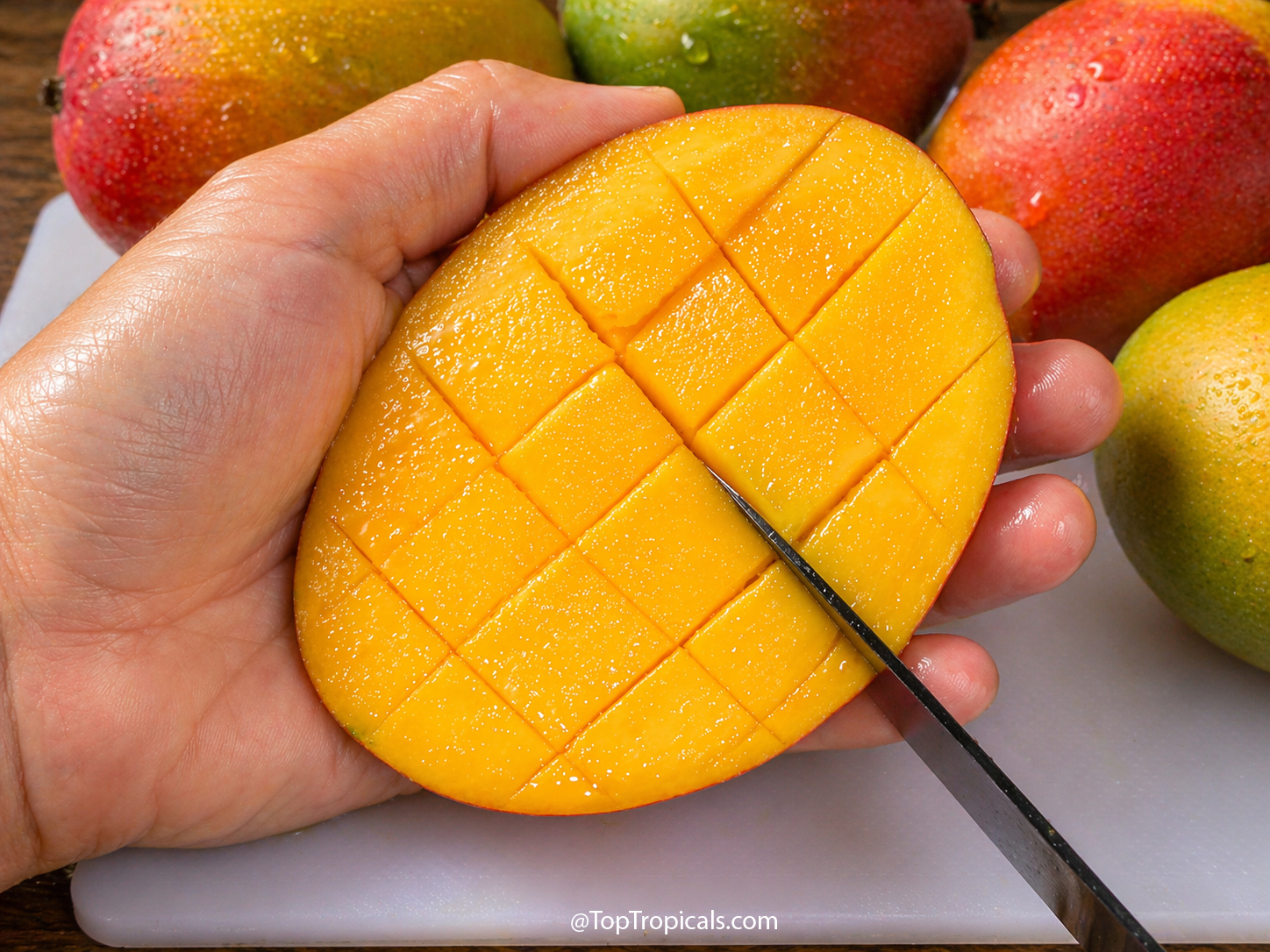
Scoring a Mango cheek into cubes - the easiest way to prepare clean, ready-to-eat pieces.

📚 Learn more about Mango varieties

🛒 Shop Mango Trees

Educational  infographic  titled  mango  growing  guide  showing  beginner 
 tips  for  growing  mango  trees,  including  sweet  fiberless  varieties,  dwarf  and
   semi-dwarf  options  for  containers,  planting  tips,  pruning  advice,  watering,
   sunlight,  and  fertilizing  recommendations,  with  illustrated  mango  trees  and
   fruit.

Quick beginner guide to growing Mango trees - from choosing the right variety to pruning, watering, and container growing tips.