A Beautiful and Edible Delight: Taro or Elephant Ear?
Colocasia antiquorum Illustris
🍀 A Beautiful and Edible Delight: Taro or Elephant Ear?
Colocasia antiquorum Illustris, commonly known as the Imperial Taro or Elephant Ear, is a striking ornamental plant prized for its dramatic, dark purple and green heart-shaped leaves. While it is primarily cultivated for aesthetic purposes in gardens, ponds, and containers, it does have edible potential.
Young Leaves: The young leaves of Colocasia antiquorum can be consumed when thoroughly cooked.
Tuber (Corm): The corms, or underground stems, of this species are edible but must be cooked properly (may cause irritation if consumed raw).
This cultivar thrives in moist, shaded environments, making it ideal for bog gardens, water features, and shaded landscapes. It prefers consistently moist or boggy soil and can tolerate dappled sunlight.
The plant is fast-growing and can reach heights of 5–6 feet, adding a tropical flair to your garden.
🐰 What cactus vine produces gooseberries? Barbados Gooseberry!
🙂 Perescia aculeata - Barbados Gooseberry - unique cactus with edible leaves and edible fruit, fast-growing vine. It is a tropical treasure that combines beauty with edible delights.
🙂 The fruit is yellow with a juicy, subacid pulp, and has a flavor that closely resembles a gooseberry. The fruits can be enjoyed fresh, stewed, or made into jams and jellies.
🙂 The young leaves are also edible, making them a nutritious addition to your meals.
🙂 A fast growing vining cactus, the Barbados Gooseberry prefers good drainage but likes its soil to remain moist during the summer, while being kept drier in the winter.
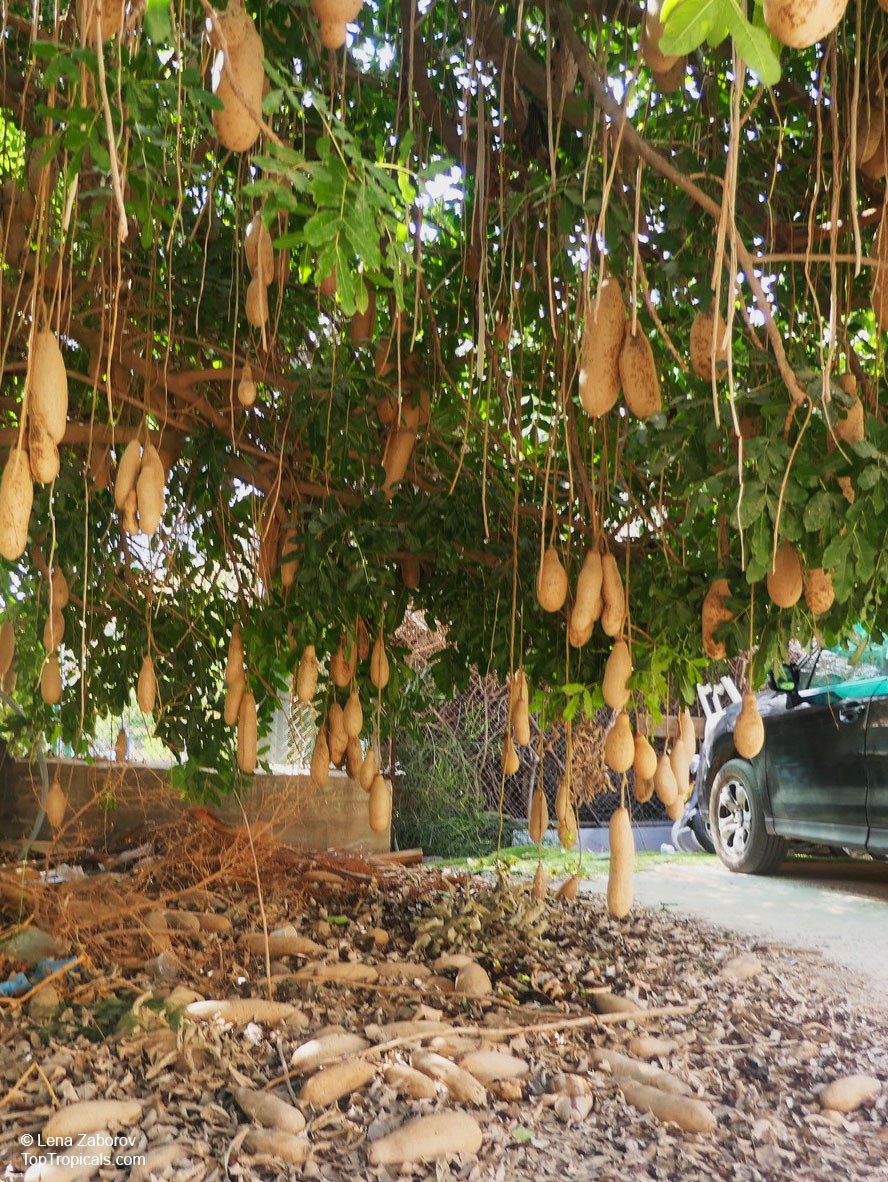
Despite the tempting name, the sausages that grow on the Sausage Tree don't actually taste like the sausages you're thinking of, but... in a nutshell, they are still edible! Let's dive into the details...
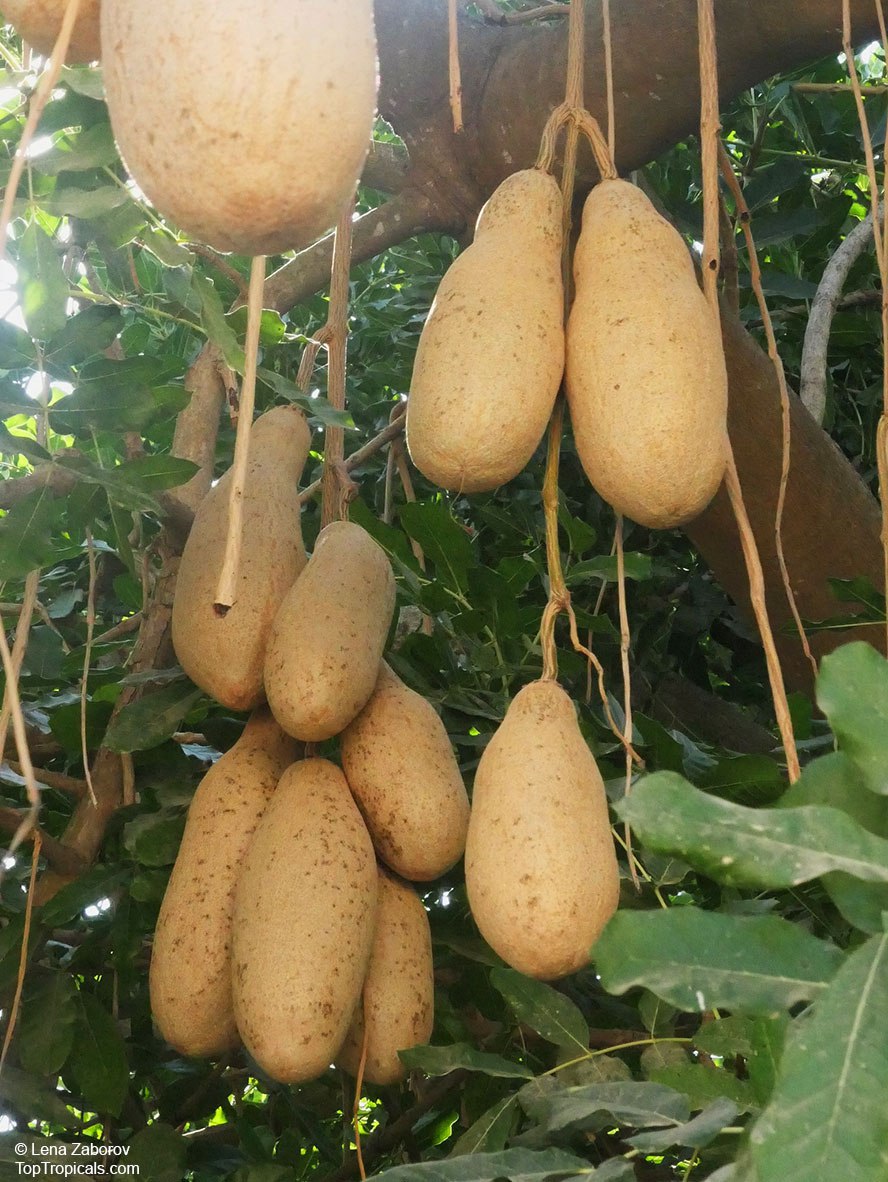
🌭The Sausage Tree (Kigelia pinnata, also known as Kigelia africana) is a striking tropical tree native to sub-Saharan Africa, renowned for its large, sausage-shaped fruits that can grow up to 2 feet long and weigh up to 15 pounds.
🌭While the Sausage Tree's fruit is technically edible, it is toxic when raw. To safely consume the fruit, it must undergo specific processing methods:
Drying: The fruit is dried thoroughly to reduce toxicity. Roasting or Baking: These methods help neutralize harmful compounds. Fermentation: In some cultures, the fruit is fermented, often with sugarcane juice or honey, to create traditional beverages like muratina in Kenya.
🌭Even with these preparations, caution is advised. It's essential to consult with local experts or traditional practitioners before attempting to consume Sausage Tree fruit.
🌭Various parts of the tree, including the fruit, bark, and leaves, have been used to treat ailments such as ulcers, skin infections.
🌭In some African cultures, the fruit is associated with fertility and is used in rituals. The tree's presence is often considered auspicious.
🌭Although the Sausage Tree might not be winning any awards for your dinner table, it's definitely a showstopper in the yard. Think of it as the ultimate conversation starter and the weirdest, most fascinating collectible you'll ever grow!
9 tropical vegetables to grow indoors, or how to have garden-fresh produce all year
9 tropical vegetables to grow indoors
🌱 9 tropical vegetables to grow indoors, or how to have garden-fresh produce all year
Cold weather does not have to mean the end of homegrown food. According to Southern Living, vegetables like lettuce, carrots, and radishes can be grown indoors during winter. The downside is that most of these are annuals - you harvest once, then start over.
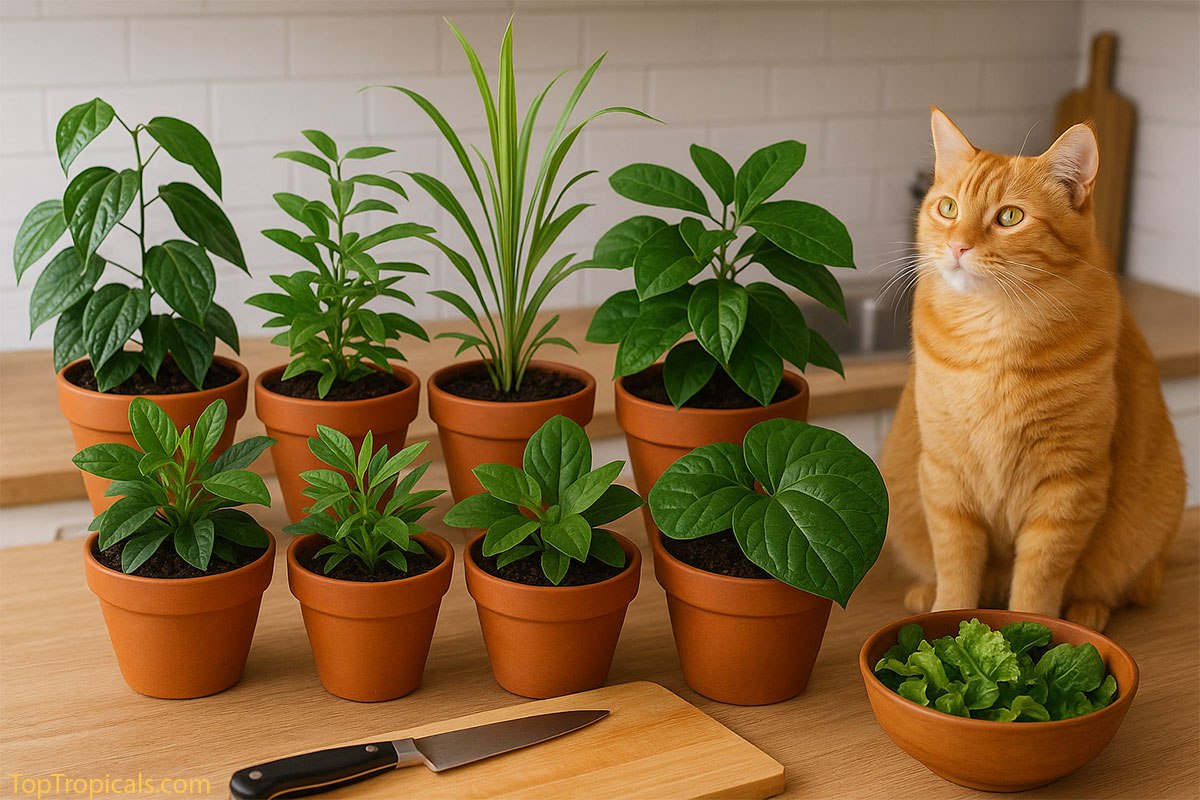
Tropical vegetables work differently. Many are perennial, long-living plants that grow well in containers and keep producing for years. Grow them indoors year-round, move them outside in summer for extra sun and growth, then bring them back indoors before cold weather. With enough light and regular care, these plants can provide fresh harvests in every season.
✅ Tips for growing tropical vegetables indoors
📍Place plants near a bright window or supplement with grow lights for steady growth
📍Use containers with good drainage and quality potting mix
📍Keep plants away from cold drafts and heating vents
📍Rotate pots and prune regularly to encourage fresh, tender growth
📍Feed regularly with natural Sunshine Boosters - they are formulated for edibles
✅ Tropical vegetables to grow indoors
🌿 Gynura procubens - Longevity Spinach, Cholesterol spinach - a fast-growing leafy green often called a superfood. The tender leaves are used fresh or lightly cooked and can be harvested repeatedly. This plant stays compact, handles containers easily, and regrows quickly after cutting.
🌿 Sauropus androgynus - Katuk, Tropical Asparagus. One of Southeast Asia’s most popular leafy vegetables. Katuk produces edible shoots and leaves that are cooked in soups and stews. It grows well indoors and rewards regular harvesting with constant new growth.
🌿 Cymbopogon citratus - Lemon grass: a tough, productive plant that adapts well to container growing. The stalks and leaves are used for teas, soups, and flavoring. Indoors, it grows more slowly but stays productive, especially when moved outdoors in summer.
🌿 Lippia dulcis - Aztec Sweet Herb, Sweetleaf: a low-growing herb with naturally sweet leaves. The foliage can be eaten fresh or used as a sugar substitute in teas and desserts. It stays compact, tolerates pruning, and performs well in pots indoors.
🌿 Piper sarmentosum - Vietnamese Pepper, Lalot: grown for its aromatic, edible leaves rather than peppercorns. The leaves are eaten fresh, cooked, or used as food wraps. This plant stays manageable indoors with light pruning.
🌿Piper nigrum - Black Pepper: the true black pepper vine. Grows well indoors as a container vine with support. It prefers warm temperatures, steady moisture, and bright filtered light.
🌿 Piper auritum - Root Beer Plant, False Kava-Kava: close relative of Piper methysticum (Kava-Kava) known for its large, fragrant leaves with a spicy, root beer-like aroma. The leaves are used for wrapping foods and flavoring dishes. Best grown indoors with room for its bold foliage.
🌿 Piper betle - Betel leaf: a traditional edible and medicinal leaf used widely in Asia. The glossy leaves are harvested continuously and used fresh or as wraps. This vine grows well indoors with warmth, humidity, and a small trellis.
🌿Piper longum - Indian Long Pepper, Pippali, Bengal Pepper: A tropical pepper relative grown for its elongated spice fruits and edible leaves. Slower to fruit indoors but easy to maintain as a leafy spice plant in containers with bright light and regular feeding.
Tropical vegetables make indoor gardening more rewarding because they do not stop after one harvest. With containers, light, and basic care, these plants can become long-term food producers that move seamlessly between indoors and outdoors - keeping fresh flavors within reach all year.