Sunshine: What are you doing? Smokey: Growing vanilla for your creamer. It needs support to
climb. Sunshine: I can provide moral support and donuts. Count on me, my
friend.
🍨 The orchid behind the worlds favorite
flavor
Vanilla does not come from a bottle. It comes from a climbing orchid.
Vanilla planifolia is the plant that produces real vanilla beans -
and yes, you can grow it at home.
It starts simply. A potted orchid with glossy leaves. Then it begins to
reach. Vanilla is a climber. It wants something solid to attach to. This is
where most people go wrong. They keep it in a pot and wait.
Vanilla needs support - a log, a trellis, a wooden board. Once its aerial
roots attach firmly and the plant matures, flowering becomes possible.
Madagascar Bourbon Vanilla Bean Plant Facts
Botanical name: Vanilla planifolia, Vanilla fragrans Also known as: Madagascar Bourbon Vanilla Bean, French Vanilla, Vanilla Orchid
USDA Zone: 9 - 11
Highligths
It is not instant. You need patience. The pods form green and only develop
their aroma after curing. That slow process is part of what makes vanilla so
valuable. For gardeners who enjoy growing something meaningful - something
edible
and beautiful - vanilla is worth it. Vanilla is not a novelty plant.
It is a long conversation with your garden.
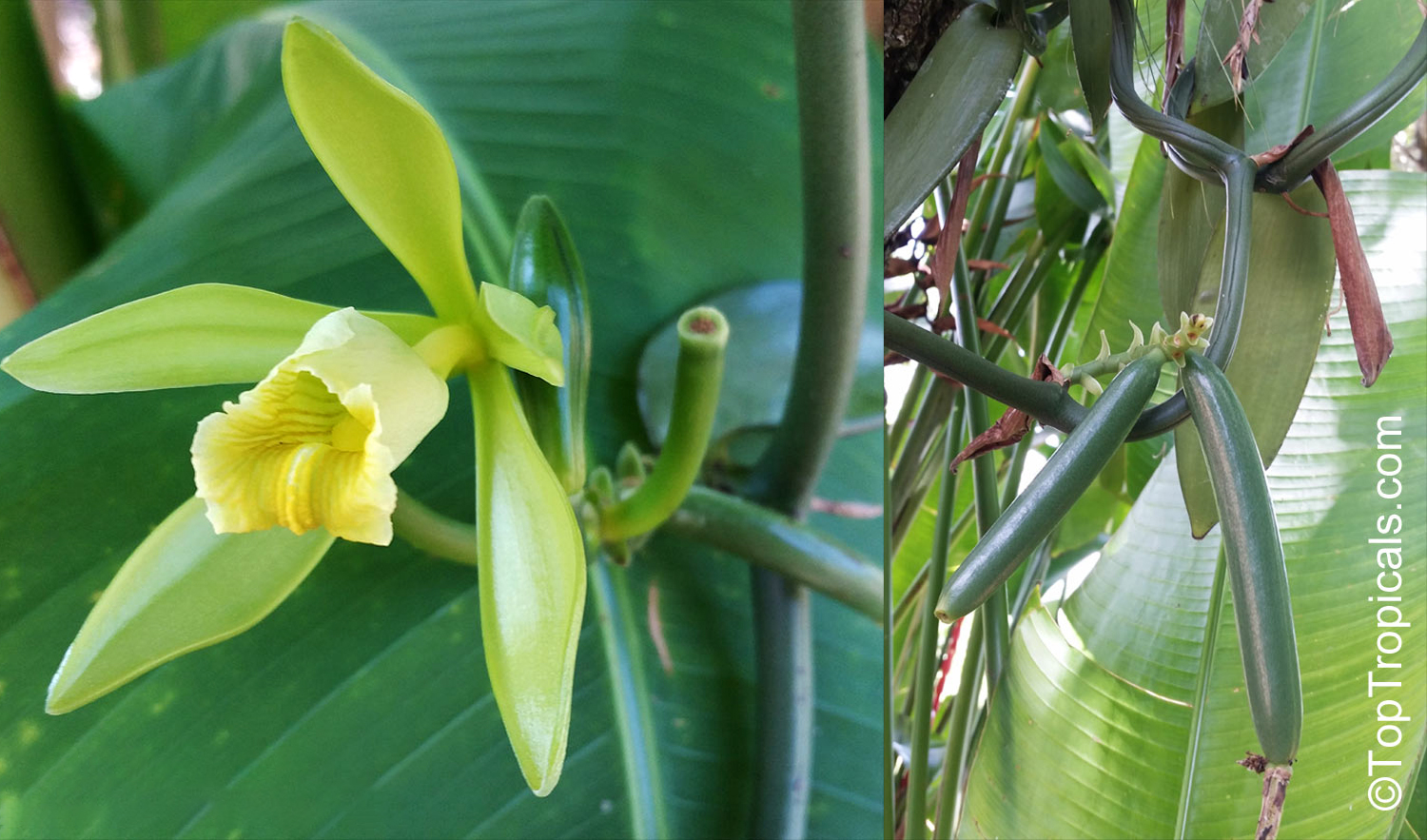
Vanilla planifolia Flower and Developing Vanilla
Pods
Date: 4 Feb 2026
Top nine plants of love, desire, and the senses: aphrodisiacs and sensory connections
Cinnamon (Cinnamomum zeylanicum)
Coffee - Coffea arabica
Fig tree fruit (Ficus carica)
Patchouli - Pogostemon cablin
Pomegranate (Punica granatum)
Cacao - Chocolate Tree (Theobroma cacao)
💖 Top nine plants of love, desire, and the senses: aphrodisiacs and sensory connections
Across cultures, love has also been expressed through taste, scent, warmth, and shared ritual. These tropical plants were valued not just for beauty, but for how they awaken the body and deepen connection.
💘 1. Cacao
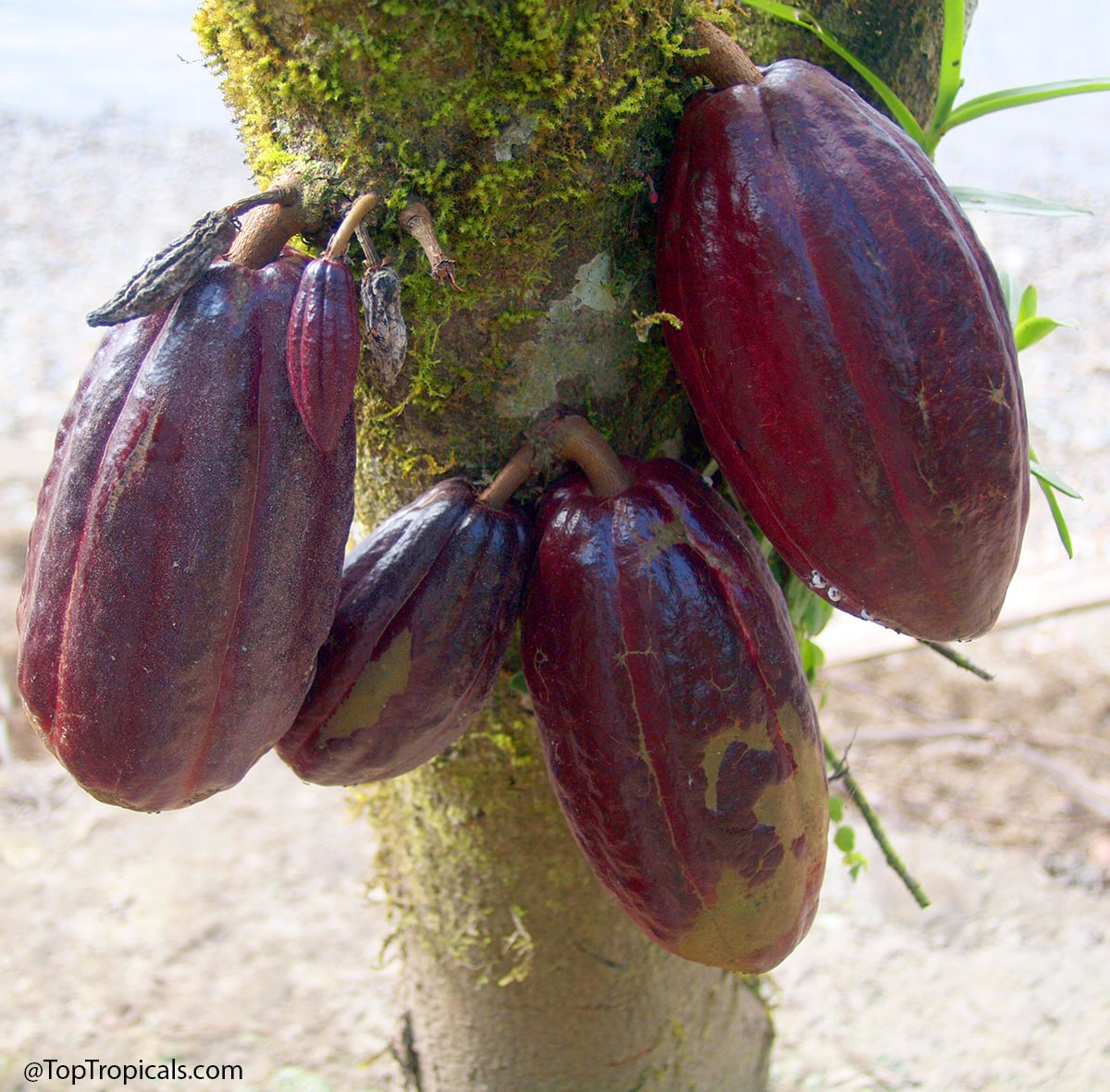
Cacao - Chocolate Tree (Theobroma cacao) - has one of the strongest global associations with love. Revered by the Aztecs as a “food of the gods”, it was consumed to increase desire and emotional bonding. Chocolate contains compounds linked to feelings of pleasure and infatuation, making cacao a natural Valentine symbol.
Chocolate Tree Plant Facts
Botanical name: Theobroma cacao Also known as: Chocolate Tree, Cacao, Cocoa Tree
Vanilla (Vanilla planifolia) is both an orchid and one of the most sensual plant aromas known. Historically paired with cacao in love remedies, vanilla represents intimacy, warmth, and attraction. Its fragrance alone carries powerful emotional associations.
Madagascar Bourbon Vanilla Bean Plant Facts
Botanical name: Vanilla planifolia, Vanilla fragrans Also known as: Madagascar Bourbon Vanilla Bean, French Vanilla, Vanilla Orchid
Ginger symbolizes heat, vitality, and passion. Used worldwide to stimulate circulation and warm the body, it represents spark, chemistry, and physical energy. 👉 Ginger gift
💘 4. Cinnamon
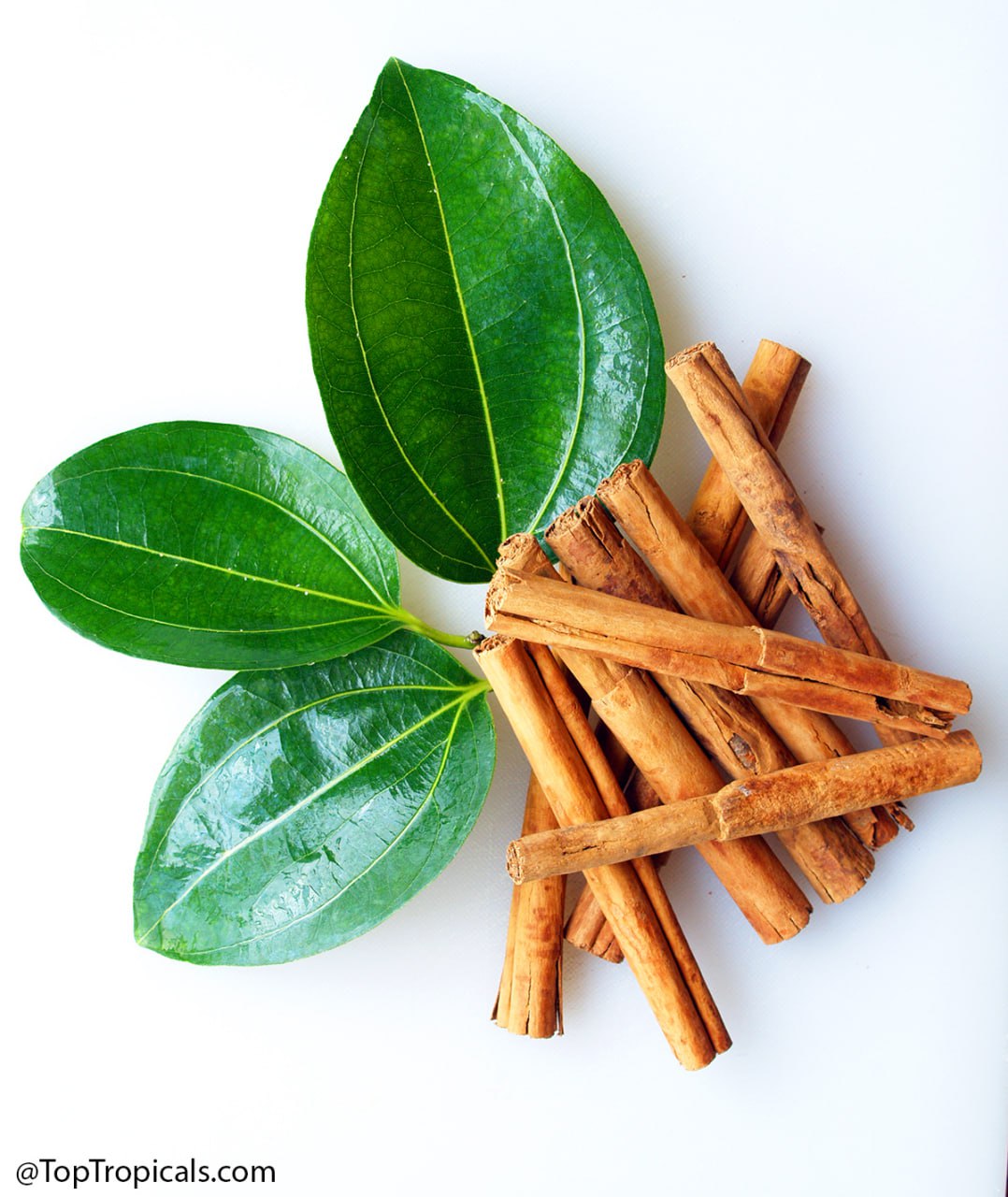
Cinnamon (Cinnamomum zeylanicum) has long been associated with attraction and stimulation. Its warm, lingering aroma makes it a classic plant of desire, comfort, and emotional warmth.
Cinnamon Plant Facts
Botanical name: Cinnamomum zeylanicum, Cinnamomum verum Also known as: Cinnamon
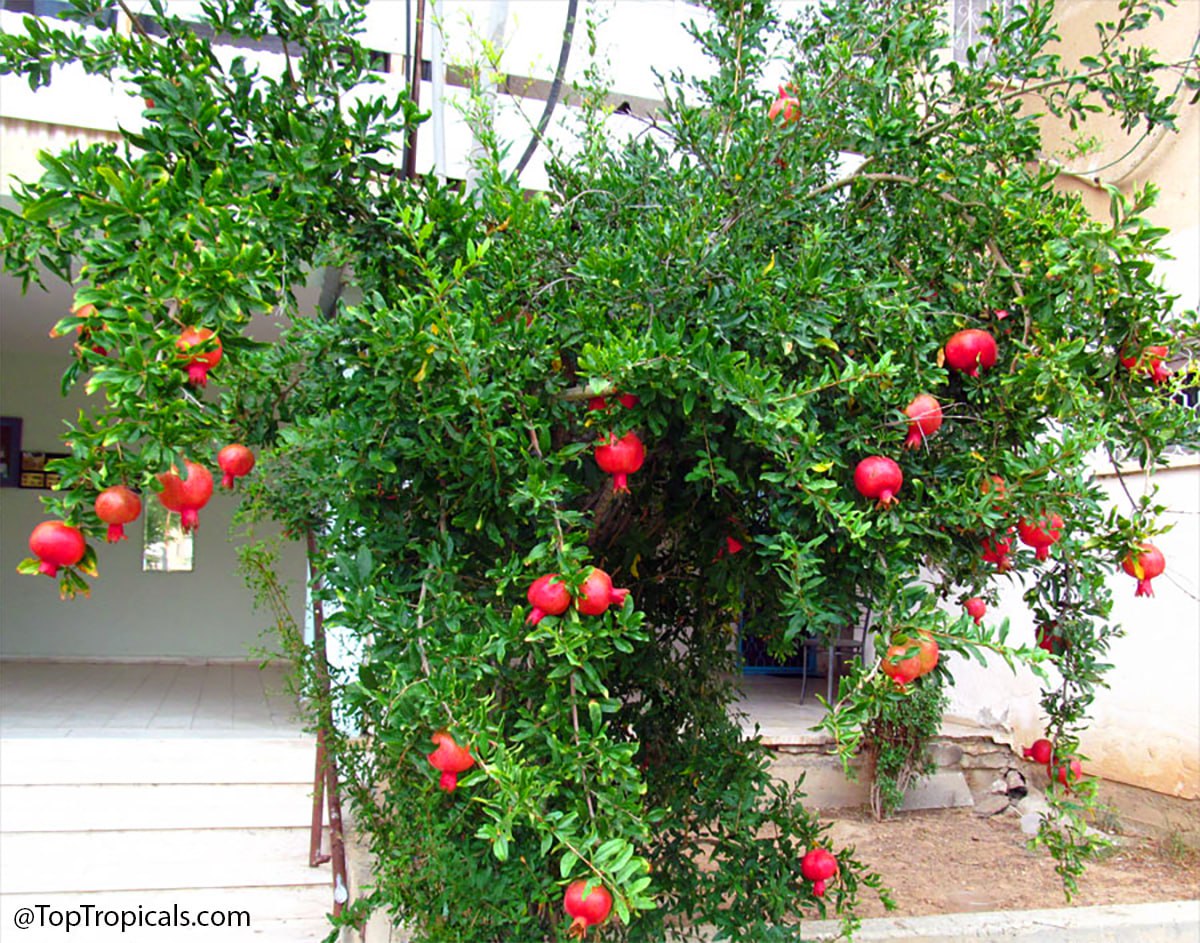
Pomegranate (Punica granatum) has long symbolized love, fertility, and union, with its many ruby-red seeds representing abundance and deep connection. In ancient traditions, it was linked to goddesses of love and marriage and remains a symbol of passion balanced by continuity and commitment.
Pomegranate Plant Facts
Botanical name: Punica granatum Also known as: Pomegranate, Granada, Grenade, Pomegranate, Granada, Anar, Granaatappel, Pomo Granato, Romeira, Melo Grano
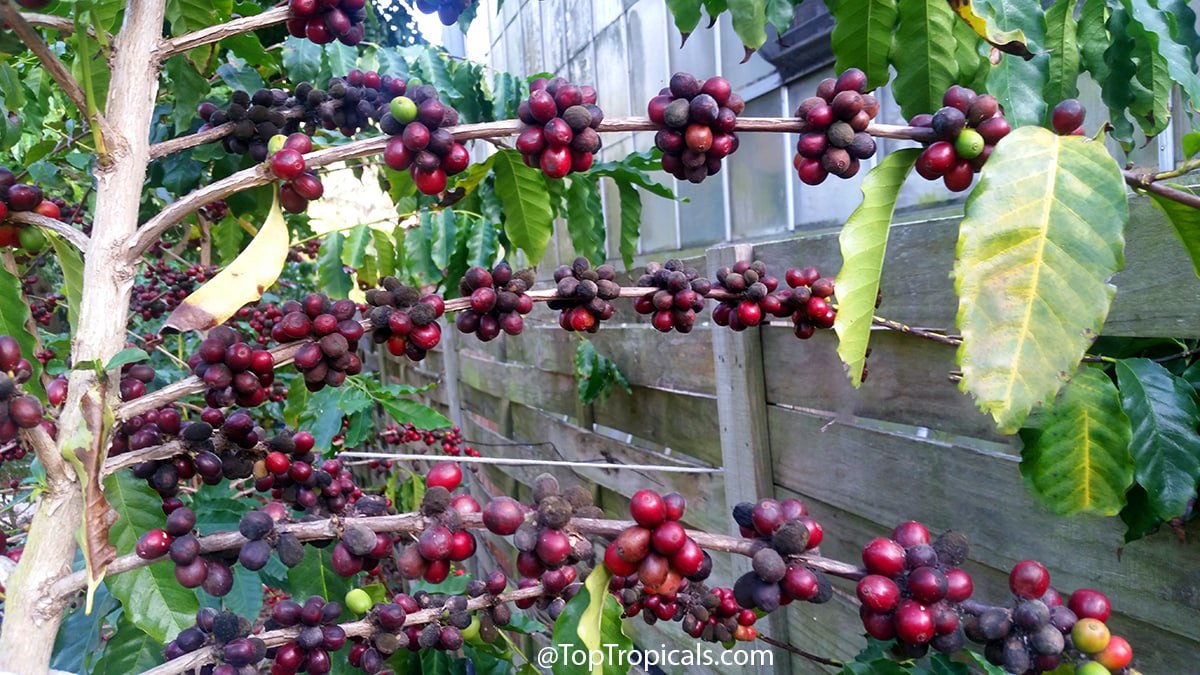
Coffee (Coffea arabica) represents connection through shared ritual. Sacred to African Sufis for its stimulating properties, coffee symbolizes conversation, alertness, and social bonding rather than purely romantic love.
Coffee Plant Facts
Botanical name: Coffea arabica Also known as: Coffee
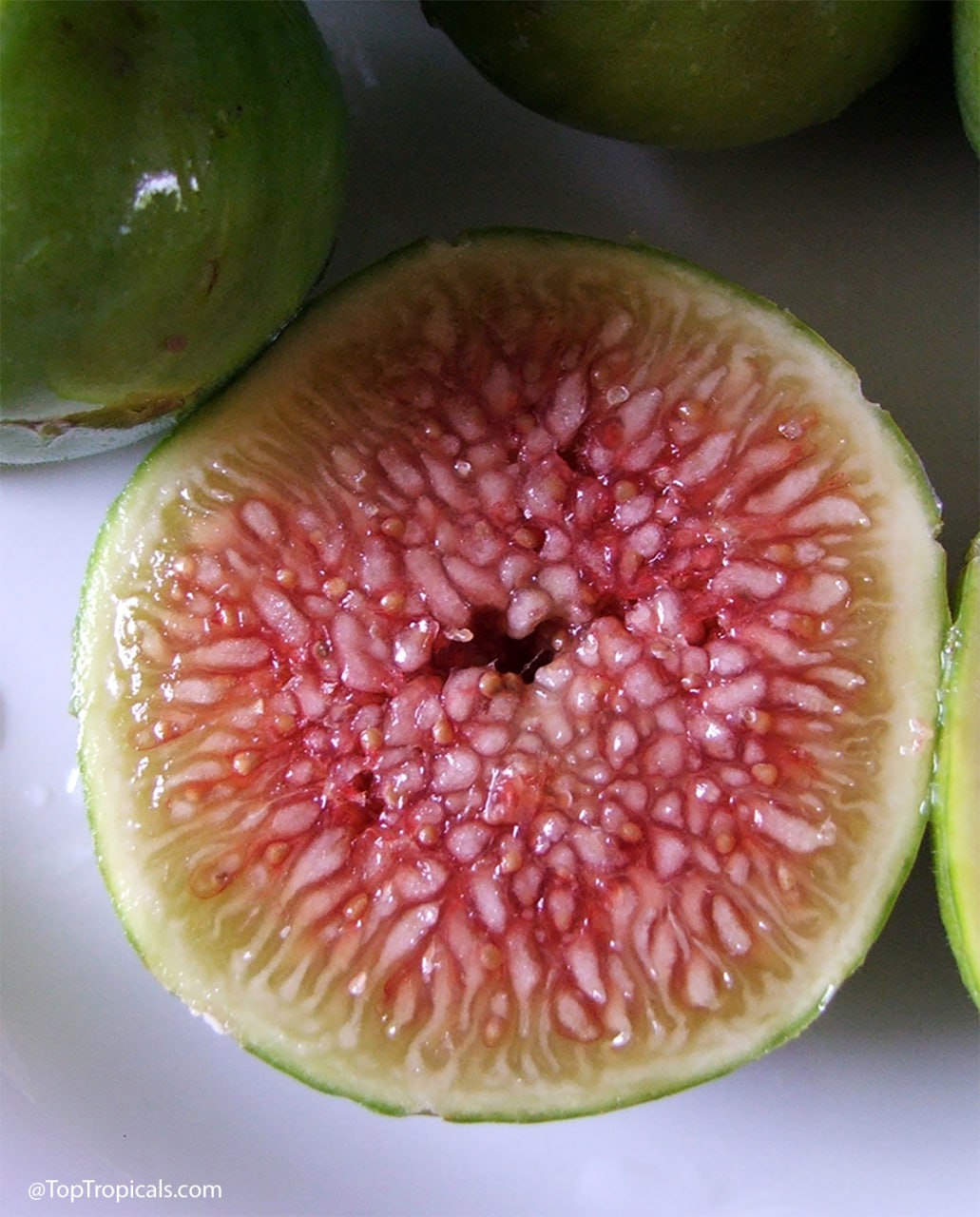
Figs (Ficus carica) have ancient associations with fertility, sensuality, and indulgence. Their voluptuous form, sweet flesh, and rich texture made them symbols of desire and abundance in many cultures.
Fig Tree Plant Facts
Botanical name: Ficus carica Also known as: Fig Tree, Brevo
Betel Leaf (Piper betle) is a powerful symbol of love, respect, and partnership across South and Southeast Asia. It is exchanged in courtship, weddings, and ceremonies, representing acceptance and shared experience. Its heart-shaped leaves reinforce its Valentine symbolism.
Betel nut (Areca catechu) - traditionally used as a stimulant and aphrodisiac, betel nut represents intensity, ritual, and sensory awakening. In this context, it is best presented as a cultural symbol rather than a casual love plant.
Betel Leaf Plant Facts
Botanical name: Piper betle Also known as: Betel Leaf
Patchouli (Pogostemon cablin) represents deep attraction and emotional grounding. Its earthy, musky scent has long been associated with intimacy and physical presence. Unlike sweet florals, patchouli symbolizes mature, rooted love that lingers.
Patchouli Plant Facts
Botanical name: Pogostemon cablin, Pogostemon patchouli, Pogostemon heyneanous Also known as: Patchouli, Pucha-pat
Insulin Ginger traditional remedies: Quick-n-fun exotic recipes
Insulin Ginger (Chamaecostus cuspidatus) traditional remedies recipes
❣️ Insulin Ginger traditional remedies: Quick-n-fun exotic recipes
6 very simple, real-world ways people actually use Insulin Ginger (Chamaecostus cuspidatus)
✦ 1. 🍵 Simple leaf tea
Steep 1–2 fresh leaves (or dried) in hot water for 10–15 minutes. Drink warm, plain or lightly sweetened.
✦ 2. ❄️ Refreshing iced herbal drink
Blend a couple of leaves with water, strain, add ice. Some people add a squeeze of lemon.
✦ 3. Coconut water blend
Blend 1–2 leaves with fresh coconut water. Drink chilled as a mild daily tonic.
✦ 4. 🌿 Fresh leaf chew
The simplest method - chew a fresh leaf in the morning, then discard. Very common traditional use.
✦ 5. Salad add-in
Finely slice young leaves and mix with other greens. Use lightly, like a functional herb.
✦ 6. 🍲 Leaf Chutney
Leaves can be blended with spices and other herbs into a savory condiment. Meals like this make the leaves easy to include in everyday diet (though you’d want to adapt it for flavor and personal preferences).
👆This plant has a long history of traditional use. Everyone’s body is different, so if you have diabetes or take medication, it’s wise to check with your healthcare provider first.
❣️ A leaf you grow, not a pill you buy: Insulin ginger - the plant people actually use
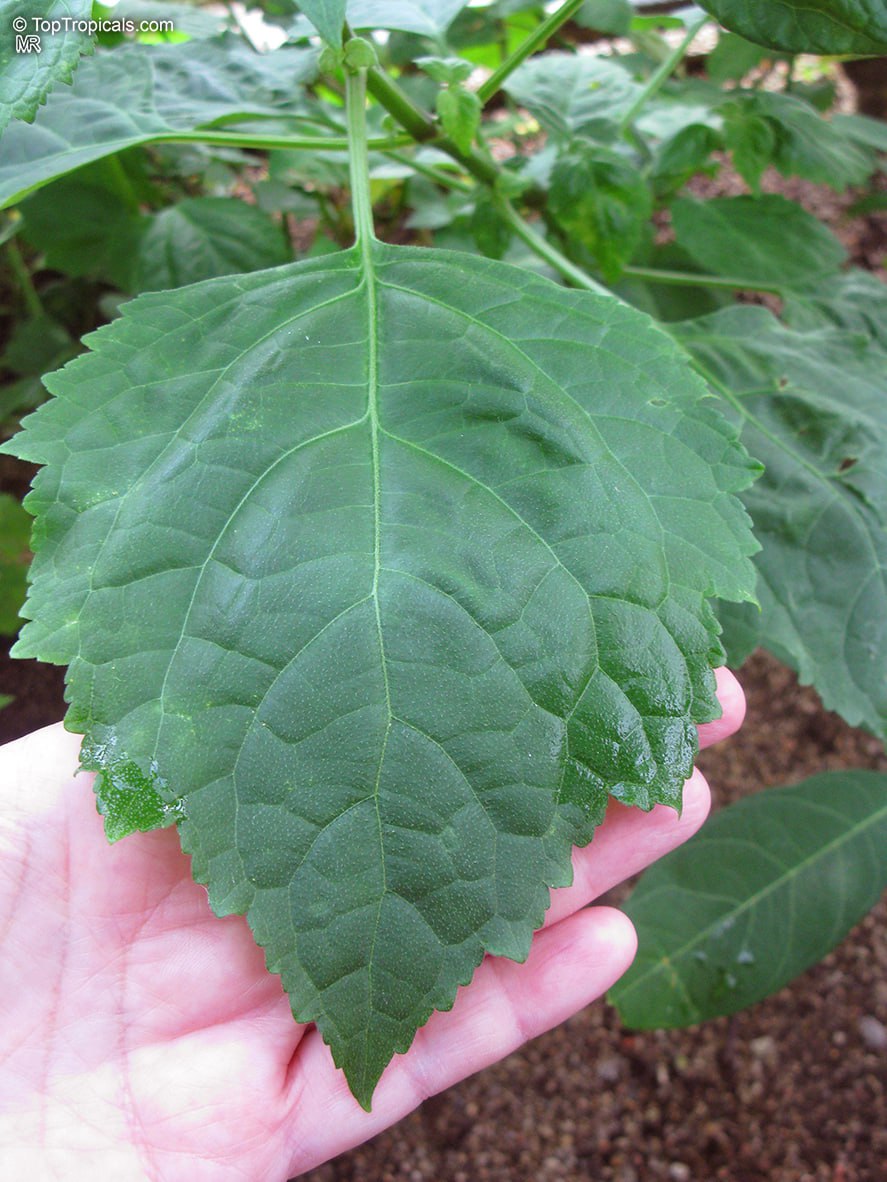
❣️ Costus igneus (Chamaecostus cuspidatus) - Insulin Ginger, Fiery Costus or Spiral Flag - I love this plant! And that’s not something I say lightly.
Insulin Plant Facts
Botanical name: Costus igneus, Chamaecostus cuspidatus Also known as: Insulin Plant, Fiery Costus, Spiral Flag
USDA Zone: 9 - 11
Highligths
❣️ Customers often ask me about medicinal plants that may help with diabetes, and Insulin Ginger always comes up - for a good reason. This is one of those plants people grow on purpose, not just because it looks nice. Imagine stepping into your garden and picking a leaf instead of opening a pill bottle. That idea alone makes people pause.
❣️ In everyday use, Insulin Ginger is valued for supporting healthy blood sugar and helping the body respond better to insulin. It’s also packed with antioxidants, which gardeners like to think of as quiet helpers for organs that get stressed when sugar balance is off. No lab talk, no big claims - just a plant people have trusted and used for a long time.
❣️ From a gardener’s point of view, it’s hard not to love. You can harvest leaves year-round, and the more you pick, the better it grows. One plant quickly turns into many, which means you’ll have enough for yourself and extras to share with friends and family.
❣️ It’s one of those plants people don’t regret planting. Easy to grow. Easy to share. Easy to use.
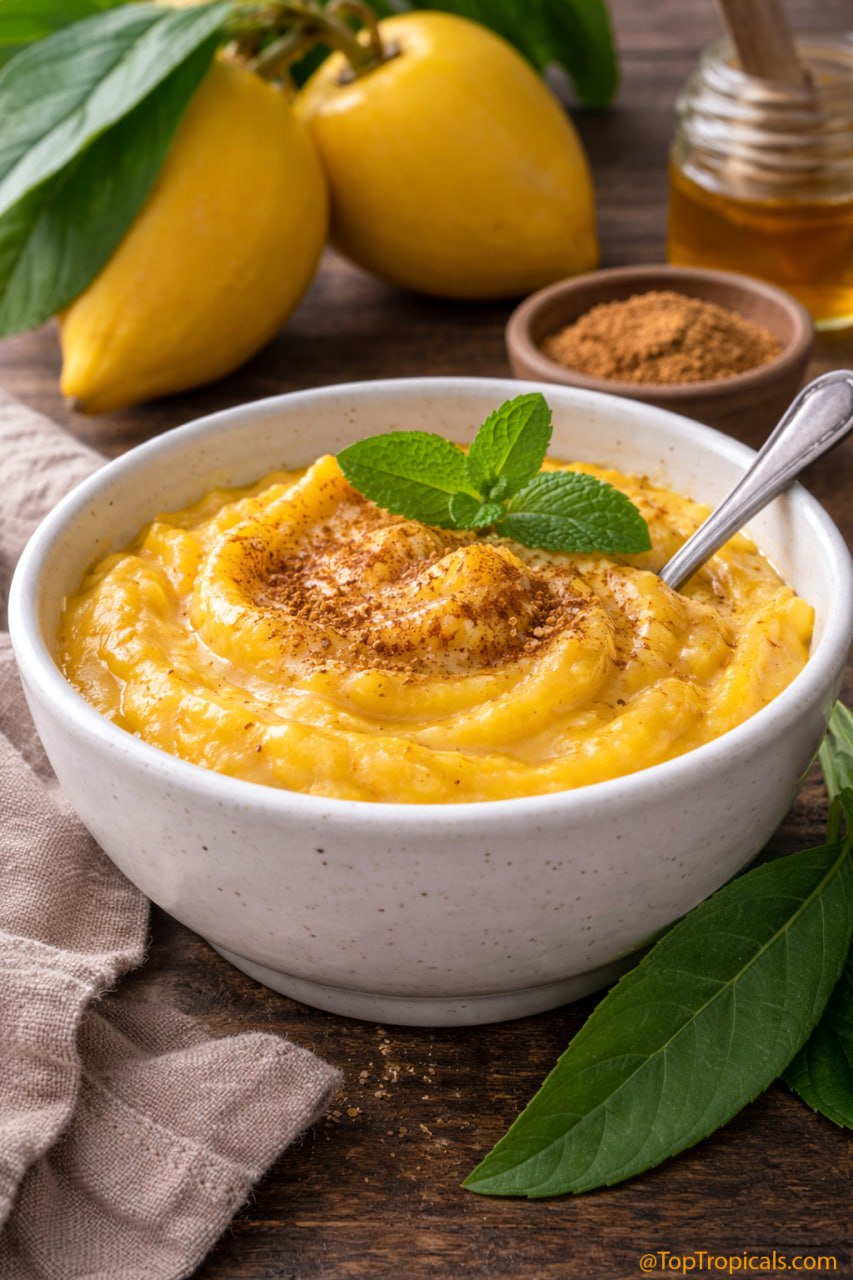
Mash thoroughly with a spoon, adding milk gradually until smooth and custard-like.
Serve immediately, topped with a light sprinkle of cinnamon.
🌿 About the plant:
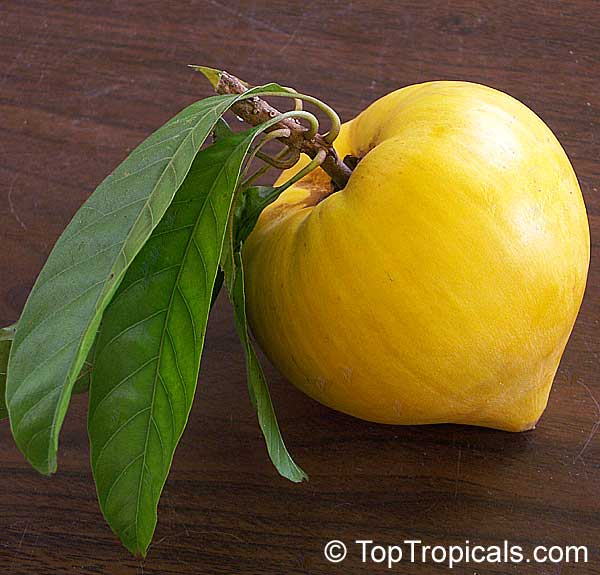
Canistel (Pouteria campechiana), often called Eggfruit, has dense yellow flesh with a flavor reminiscent of sweet potato, pumpkin, and custard. It is naturally rich and filling, which is why it is often used mashed, blended, or cooked.
Canistel Plant Facts
Botanical name: Pouteria campechiana Also known as: Canistel, Eggfruit, Chesa
USDA Zone: 9 - 11
Highligths
🌱 In the garden:
Canistel is a tough, drought-tolerant tropical fruit tree that performs well in warm climates. It prefers full sun, well-drained soil, and minimal fuss once established. Compact growth and heavy production make it well suited for edible landscapes and container growing.