Date: 24 Jun 2018

Fruitful Fruit and SuperFood...
Q: I have a large fruit garden here in Florida with many mango trees, avocadoes, guavas, and other tropical fruit. Last year hurricane Irma and flooding killed a few avocado trees, but mangos and guavas survived OK, but the sad part is, very few flowers this year and almost no fruit setting. I noticed on your website your Superfood and Sunshine-Honey boosters that supposedly help fruiting? But I am afraid it is too late now as your instructions say first application must be in early Spring? I wish I discovered earlier that my trees wouldn't want to fruit this year...
A:
First of all, it is never late to give the food! You may
start applications of SUNSHINE products at any time
of the year. The best results will be achieved once you
treat your plants on regular basis throughout the whole
year cycle of metabolism.
Couple weeks ago we started harvesting our 2 guava trees.
These two are the same variety (Variegated Honeymoon),
planted within 20 ft from each other and growing in the
same conditions. The only difference was, one was treated
with SUNSHINE-Honey and SUNSHINE-SuperFood, and another
one didn't get any treats in order to have a control
plant.
Results are very interesting, see the picture. Both trees
were heavily covered with fruit. However the one with
treatments developed fruit that is much larger, much
sweeter and juicier, and the most interestingly - with
less seeds, almost no seeds!
To answer your question: yes, you can start feeding your
fruit trees right now. It is still a Springtime. Many
mango varieties have late season; even early varieties may
delay their fruiting if flowering triggered by
miscro-elements. Guavas have very long season and most
varieties can have multiple crops throughout Summer-Fall.
Here is a simple and affordable feeding schedule to
help your fruit garden recover from last year hurricane
stress, and establish reliable production:
1) SUNSHINE-E - for boosting
metabolism - once a month
2) SUNSHINE-Honey - for bringing
sugars to the heart of the tree and boosting fruit
sweetness and quality - now and in 2 weeks
3) SUNSHINE-SuperFood - for
overall health, recovering from hurricane and fixing root
damage from flood - now and every 2 weeks throughout warm
season.
4) You may apply regular balanced fertilizer NPK as
usual (we apply once a month, a handful per in-ground
tree)
It's that simple. Just try and watch your trees produce
again!
Check out all SUNSHINE boosters... We offer FREE shipping on them, so you can make your plants happy!

Date: 19 Jan 2022
Avocado Q & A
Sensation: Avocado 2.5 y.o seedling just bloomed!

Ed's Avocado seedling blooming at age 2.5 years old... Go figure!
Q: Can I plant a seed from a store bought avocado and expect it to bear fruit?
A: Avocados grown from seed do not always come true, meaning being the same as the avocado that produced the seed being planted. Also, avocados grown from
seed will take upwards of 8 years to flower and bear fruit unless grown by Ed Jones and his witchcraft. Ed Jones, the Avocado Guy... Yes,
he is also the Mango Guy, and the Booster Guy... We don't know how he does it. He grows the most beautiful fruit trees, many of them from seed and they all
seem to flower within two years! (See his blogs about his Star Fruit, Olive trees, and video about Shaping Mango Trees). All we know for sure, he uses
Sunshine Boosters for all his plant experiments.
As far as Avocado
, we recommend a grafted variety, where a scion, or branch tip, of a known cultivar is grafted to good rootstock. These trees will usually flower right away and bear good amount of fruit within a couple
of years of being planted in the ground.
It's a good chance now to get a good grafted Avocado on our special Happy Value Sale
Date: 20 Oct 2025
11 tropical fruits to eat instead of taking a fiber supplement
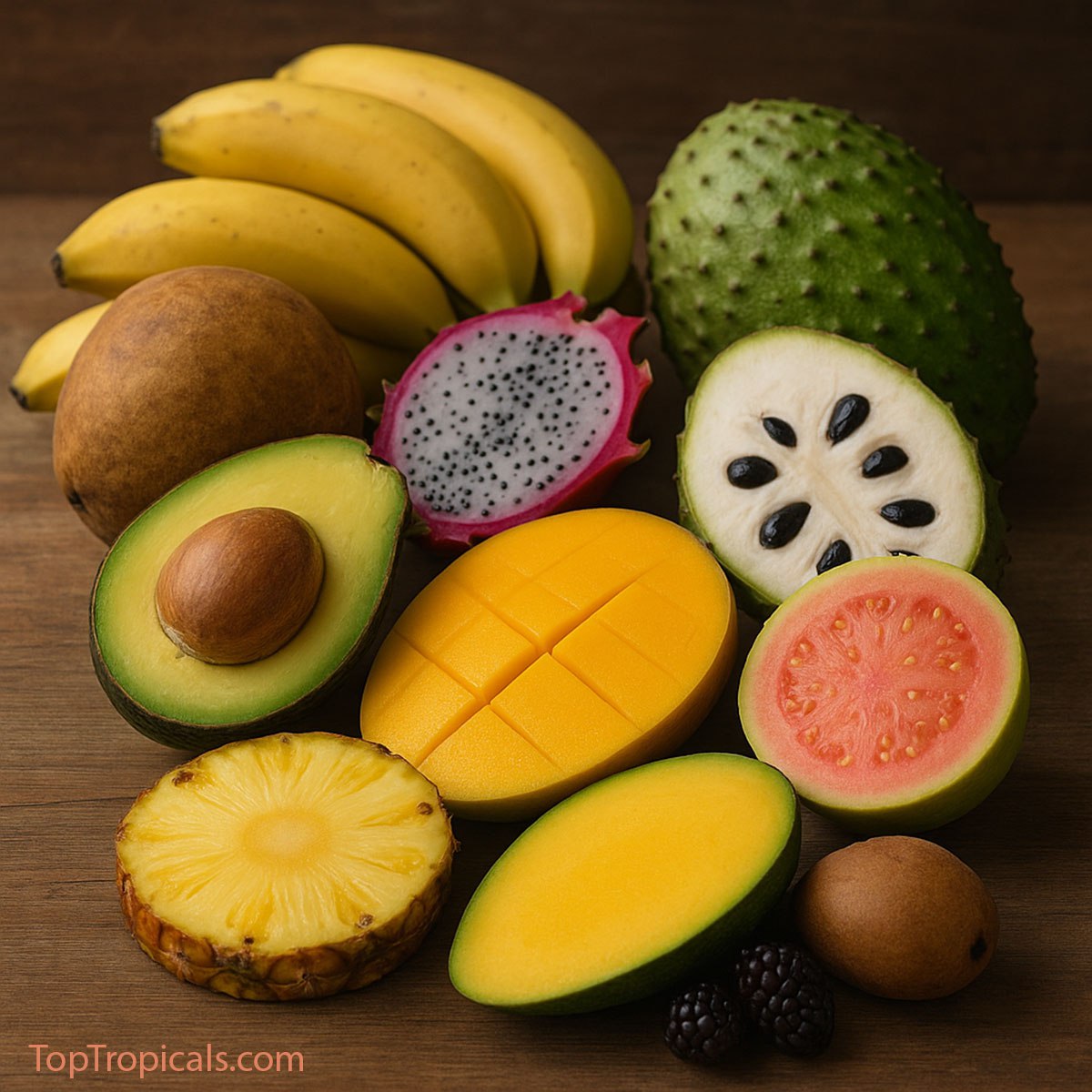
Tropical fruits to eat instead of taking a fiber supplement
🍑 11 tropical fruits to eat instead of taking a fiber supplement
- When we think of tropical fruit, we picture sweetness, sunshine, and exotic flavors packed with vitamin C. But beneath all that juicy goodness lies another gift: dietary fiber - quietly working to support digestion, feed the gut microbiome, and help keep blood sugar steady.
- Avocado leads the pack among tropical fruits for fiber content. One creamy, ripe fruit can provide around 10 grams of fiber, roughly a third of an adult’s daily need. And there’s more to avocado than fiber - it’s also rich in healthy fats, micronutrients, and that silky texture everyone loves.
- Other tropical fruits bring their own kind of fiber strength. Guava delivers up to 9 grams per cup, plus a burst of vitamin C.
- Mango offers about 3 grams in half a fruit, especially when eaten with some of the skin.
- Pineapple, though not always seen as a fiber powerhouse, still contributes around 2 grams per cup, along with bromelain, the enzyme that helps digestion.
- Jackfruit’s fibrous pulp makes it another standout - it’s so meaty, it’s even used as a plant-based substitute in savory dishes.
- Sapote fruit (Mamey, Canistel) and Sapodilla add fiber with a smooth, custard-like texture.
- Adventurous tropical varieties like Annona (custard apple, soursop) may not top the charts in fiber numbers, but their soft, fibrous flesh still adds value: about 1.3 grams of fiber per 100 grams of fruit.
- Bananas contain both soluble and insoluble fiber; the soluble part (mainly pectin) helps control blood sugar and appetite, while the insoluble fiber aids regularity.
- Mulberries are rich in insoluble fiber, especially in their skin, supporting digestion and promoting healthy bowel movements.
- Dragon fruit offers a mix of soluble fiber in its juicy flesh and insoluble fiber from its tiny edible seeds, which help support gut health and feed good bacteria.
These fruits aren’t just delicious - they help you meet your daily fiber needs in ways that are far more enjoyable (and sustainable) than taking supplements. And when home gardeners, farmers, or tropical communities grow and share them, it’s a double win: nutrition and tradition hand in hand.
✔️ Tropical fiber power: tips for getting more fiber from tropical fruits
- ⏺Eat whole, not juiced. Most of the fiber is in the pulp, skin, and seeds. Juicing removes much of that goodness.
- ⏺Mix it up. Tropical fruits are great, but balance them with legumes, whole grains, nuts, and veggies for a full fiber range.
- ⏺Take it slow. If your diet is low in fiber, increase gradually to avoid bloating or discomfort.
- ⏺Drink plenty of water. Fiber works best when paired with hydration.
- ⏺Mind the ripeness. Unripe fruits can have more resistant starch, another form of fiber.
- ⏺Get creative. Toss tropical fruits into smoothies, salsas, breakfast bowls, or even desserts - a tasty stealth-fiber strategy.
🛒 Plant a fruit tree to harvest your fruit tomorrow
📚 Learn more:
Tropical fruit health benefits guide - what fruit and edibles can help with health issues and vitamin deficiencies, Part 1 and Part 2.
#Food_Forest #Remedies #Discover #How_to
🟢 Join 👉 TopTropicals
Date: 10 Nov 2025
❄️ How to Prepare Your Tropical Garden for Winter

Smokey and Sunshine Wrap Up the Garden with Frost Cloth Before the Chill.
Smokey: "Thermometer says 45. Time to wrap the bananas!"
Sunshine: "You wrap the bananas. I’ll guard the mulch… from this
sunny spot."
Smokey: "Teamwork, Sunshine. Teamwork."
🌡️ Cold nights are coming - but your tropicals do not need to shiver!
Even in sunny Florida and other warm zones, one cold snap can undo months of growth. Preparation is everything. Tropical plants can handle a lot, but they dislike surprises. Let’s make sure your garden stays safe, strong, and happy all winter long.
Tips from Tatiana Anderson, Top Tropicals Plant Expert
👉 Group and Check Your Plants
You already know which plants are in pots and which are in the ground. What matters now is prioritizing by cold sensitivity. Identify the tender tropicals – papaya, banana, plumeria, adenium, heliconia – and decide which ones get covered first when temperatures drop. Keep frost cloths or old sheets near those areas, ready to grab fast. If your garden is large, label protection zones or mark plants that always need extra care. The goal is to have a plan, not a panic, when the cold alert hits.
Once you know your priorities, you can plan the rest of your protection strategy.
👉 Feed and Mulch
Stop using high-nitrogen fertilizers by late fall. They push soft new growth that freezes easily. Add compost around the base of your plants and top with 3 to 4 inches of mulch. Mulch acts like a blanket: it keeps warmth in, protects the roots, and keeps soil moisture steady. Just make sure the soil drains well; cold and soggy soil leads to root rot. In raised beds, check that water flows away easily.
After you feed and mulch, it is time to look at how your local zone changes the game.
👉 Zone-by-Zone Tips

Moving Tropical Plants Indoors for Winter Protection
- Zone 10: You are lucky! This is mostly a maintenance season. Watch for root rot after heavy rain, trim lightly if needed, and protect tender young trees during surprise chills. Keep some frost cloth ready just in case.
- Zone 9: This is the main action zone. Nights can dip into the 30s. Deep-water your trees once before cold nights to insulate the roots. Apply heavy mulch, and have frost protection ready to go. If you grow tropical fruit like mango or guava, consider wrapping young trunks in burlap or foam pipe insulation.
- Zone 8: This is where tropical gardening becomes creative. Stick to cold-hardy tropicals such as loquat, guava, or cold-hardy avocado varieties. Use portable greenhouses, wrap trunks, and move smaller plants indoors or to a heated porch when frost threatens.
Now that the garden beds are set, let’s look at your pots and containers – your most mobile plants.
👉 Container and Patio Plants
Potted plants are the easiest to protect but also the quickest to freeze. Start reducing watering now so roots do not stay too wet in cooler weather. Before moving them, check for insects hiding under leaves or in the soil. Group your pots close to a wall for reflected heat and wind protection. If you plan to bring them indoors, do it gradually. Move them closer to the house for a few days before bringing them all the way inside to help them adjust to lower light and humidity.
When the chill starts, many gardeners rush to move everything inside at once – but a smooth transition works much better.
👉 Indoor Plants
When bringing plants inside, give them a good rinse to remove dust and bugs, and flush the soil to wash out salts from summer fertilizing. Keep them separate from your houseplants for a week to make sure no pests come along. Expect some leaf drop – it is normal as they adjust to lower light. Give them bright light near a window, and cut watering by about half until spring. Avoid misting too much; good airflow matters more than humidity during winter.
Many tropicals, like hibiscus, brugmansia, and crotons, may look tired for a while, but they will bounce back quickly once days get longer.
👉 Timing Is Everything
The key is to prepare before the first cold warning. Check your weather app regularly once nights start dropping into the 50s. Keep covers, mulch, and supplies ready so you are not running outside at midnight with a flashlight and a frozen hose. Have your frost cloths labeled by plant group and stored in an easy spot. A little organization now saves a lot of stress later.
Many tropicals, like hibiscus, brugmansia, and crotons, may look tired for a while, but they will bounce back quickly once days get longer.
Remember: the goal is to help your plants rest safely. Many gardeners prune or fertilize too late in the season – we will talk about why that can be risky next week."— says Tatiana Anderson, Top Tropicals Plant Expert
Coming next mail-list: The best gadgets for cold protection (lights, heaters, frost covers) and what NOT to do in winter.
📚 Learn more from Top Tropicals Blog:
Cold protection - winter action for your plant collection
What plants are good to order in Winter?
How to take care of house plants in Winter
How to protect tropical plants in Winter
How to take care of a mango tree in winter
Date: 10 Dec 2025
Meet Onikas cats - Fred
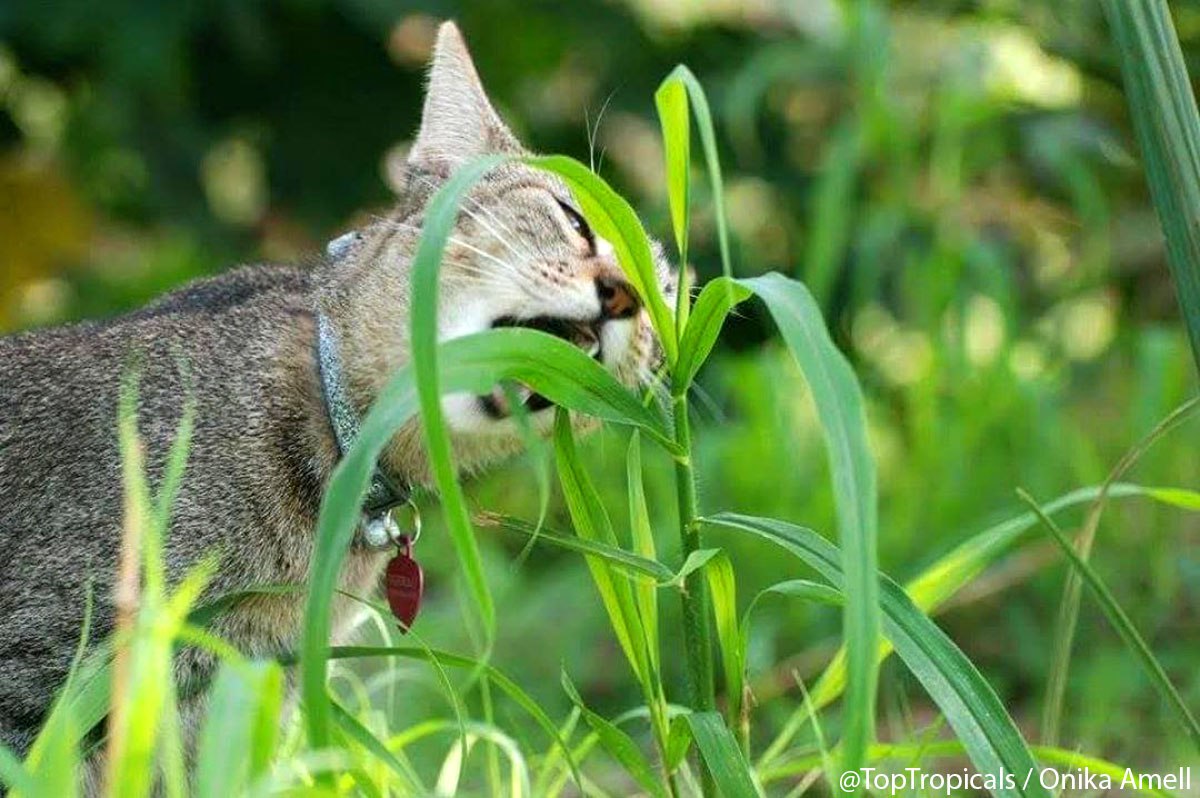
Fred - the most inquisitive and smartest of all her tuxedo cats!
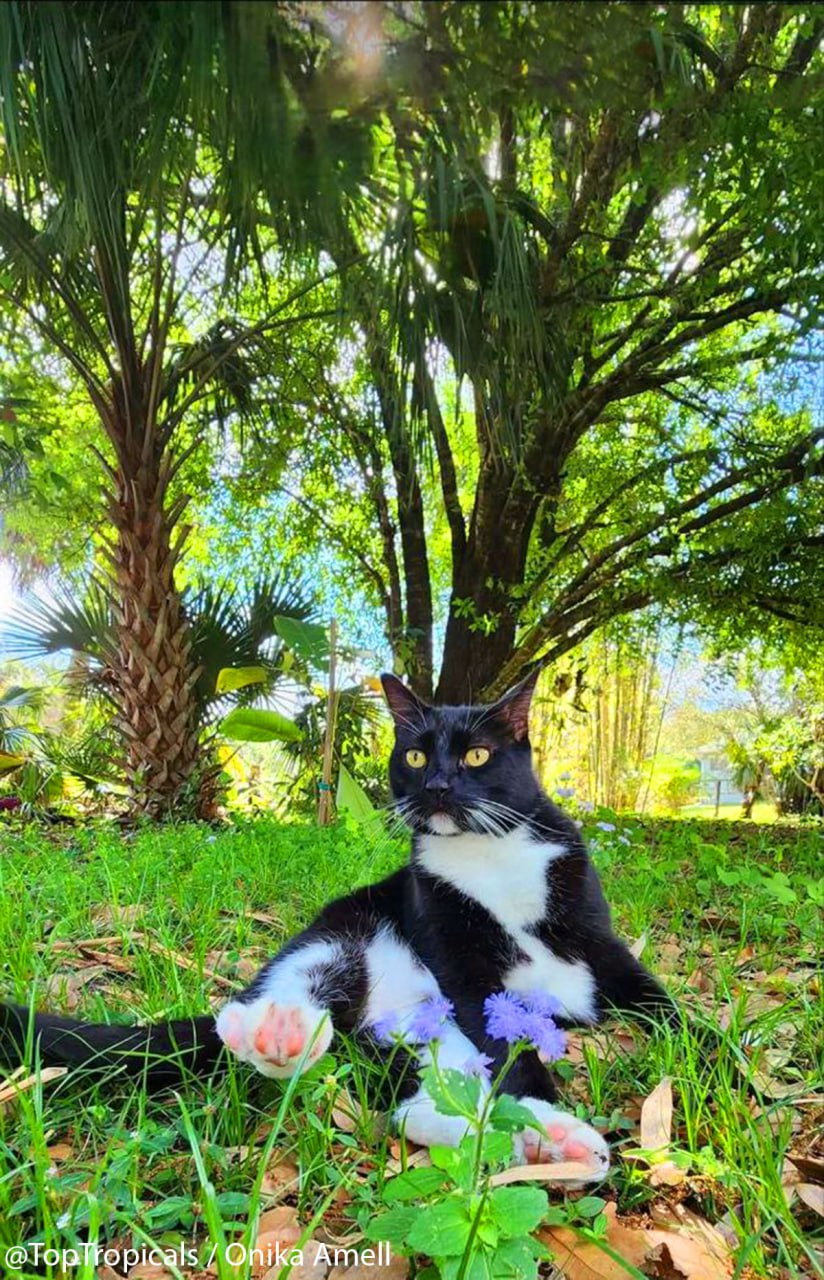
Cat Fred
🕺 Meet Onika's cats: Fred
🐈📸 Meet Onika's cats from TopTropicals PeopleCats.Garden:
This is Fred - the most inquisitive and smartest of all her tuxedo cats! Fred is super smart. Very tough on the outside, but sweeter than a mango on the inside.
#PeopleCats
🟢 Join 👉 TopTropicals