Garden Blog - Top Tropicals

Date: 2 Apr 2016

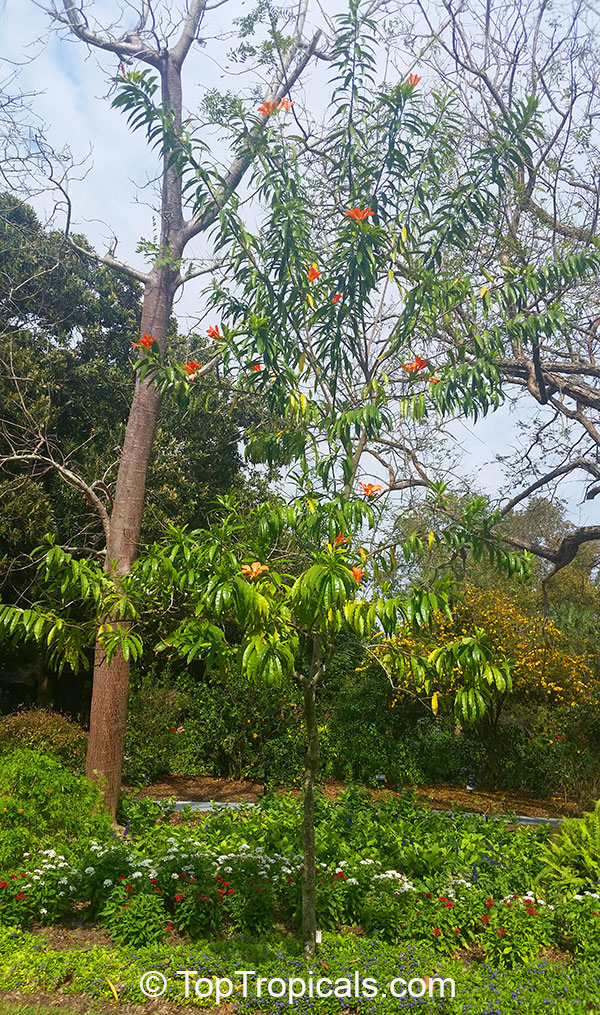
Erblichia or Flor de Fuego - Apricot fragrance and sunny color
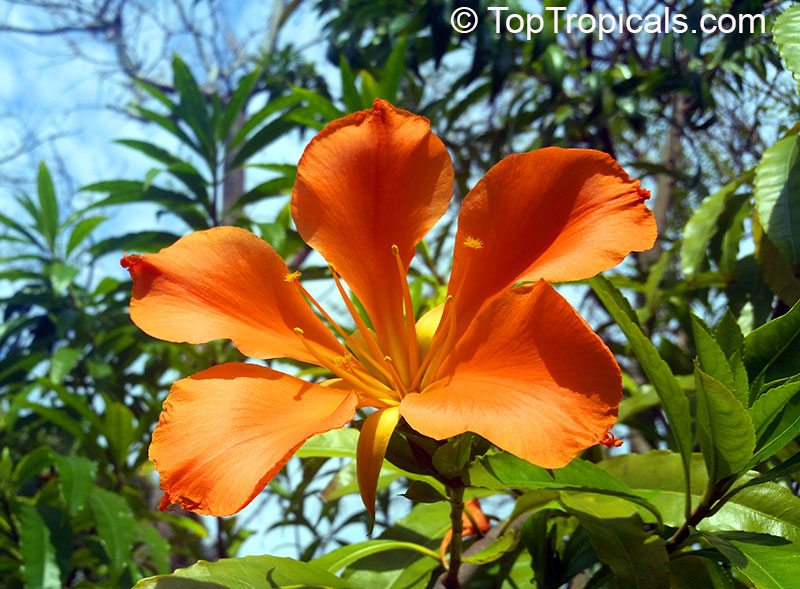
Q: I saw this wonderful flower Flor de Fuego on your website and I would like to buy this plant. I am wondering how big this tree will grow and how long will it take until I can smell the lovely flowers? I have a big garden and not much space left, but I still have a few spots available for smaller trees. Also any special care info will be appreciated.

A: Flor de Fuego is a small tree and will fit in any small yard situation. It is very rare in cultivation. This is the newest, most exciting tree to be introduced in the last decade. It said to be one of the most beautiful flowering trees in Central America. It has long narrow leaves and large flowers 6-8"across that smell like apricots. It blooms from late fall through early winter and sometimes through spring. Normally it starts blooming in 2-3 years after planted in the ground. Surprisingly for such a delicate plant, it tolerates poor soils. Once established, it doesn't require any special care other than regular watering and fertilizing during hot months. It does take some effort sometimes to make the tree happy in its new habitat. After planting in the ground, keep your eye on irrigation schedule and do not let soil stay wet, young trees don't like wet feet. In natural habitat, the plant prefers to have a dry period that is beneficial for profuse blooming.

See full size picture of Erblichia tree in full bloom

Click here to buy Flor de Fuego
Date: 24 Sep 2019

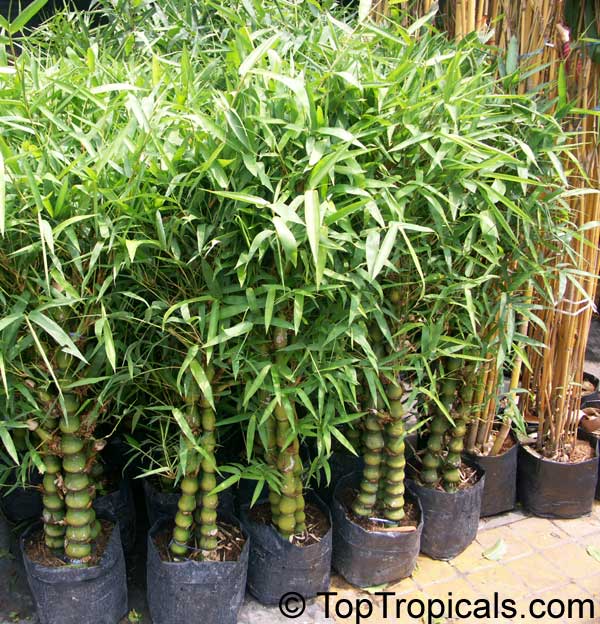
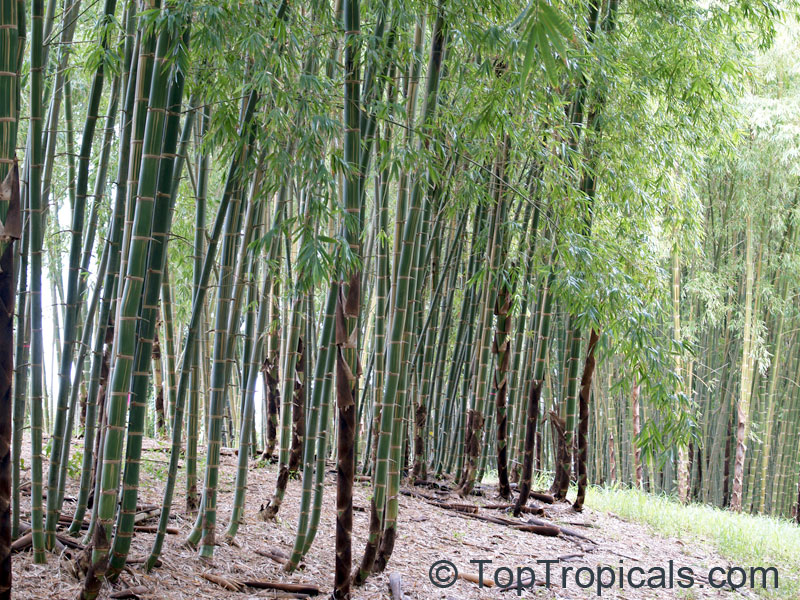
How to fertilize a bamboo?

Q: When do you fertilize new bamboo trees and can you use the same fertilizer you use for mango trees?

A: Bamboo is a tropical to subtropical plant with growing season year-round. You can start fertilizing it right away with the exception of colder months when temperatures drop below 65F.
Mango fertilizer is formulated for fruit trees, so bamboo won't benefit from it. Bamboo is not a fruiting plant and is not even cultivated for flowers. Its beauty is in healthy green foliage and beautiful stems. So you will need foliage-type of fertilizers for it.

We recommend the following fertilizers for bamboo plants:
Tropical Greenhouse Plus - Plant Booster
Tropical Allure - Smart-Release Booster

Remember to always use micro-elements that are essential for every green plant.

Date: 16 Jun 2019

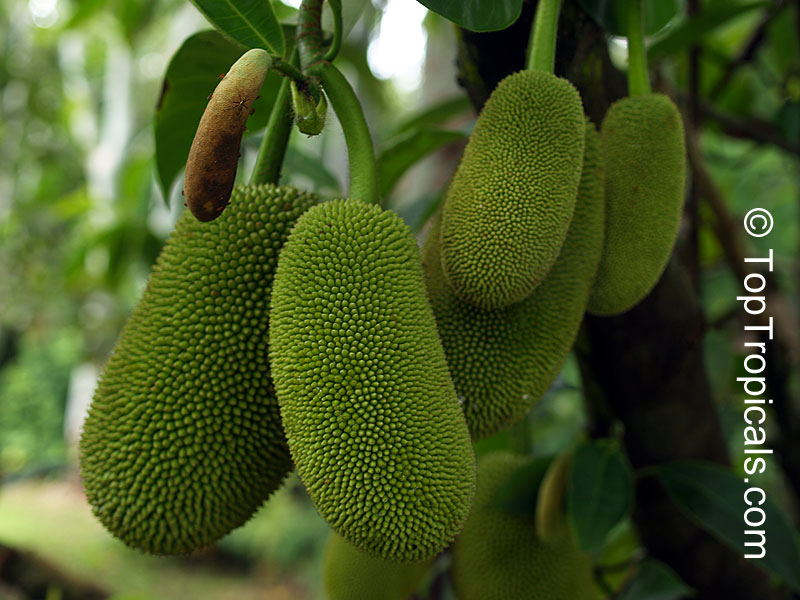
Repotting Artocarpus with a taproot in ground

Q: The Chempedak I bought from you almost 3 years ago which I had repotted twice has a thick taproot growing in the ground, which I noticed this past winter. I was going to repot into the largest size pot almost half of a 55-g rain barrel. Can I try to dig/save as much of the taproot before repotting, will it die if I had to shorten/cut what I can't dig out completely? I hate to put it in the ground for fear it may not make it when we have severe cold/long hours of frost. I live in west Cocoa, Central Florida, 9b.

A: Yes, you can repot the tree and keep it in reasonable size container after trimming the roots. Most of the tropical trees (fruit trees not an exception) can be grown in containers even if in Nature they grow into vigorous large trees. The key is, trim the roots every time you transplant it. The process is similar to trimming branches and both don't hurt the plant as long as done right and moderately. You should trim the overgrown and spreading limbs at the same time. You may trim as much as 10% off root system at the time of repotting. This will cause the root system to branch out and become fuller, similar to branches, which is a good thing. If a tree grows a taproot like in your case, it is not necessary to try "saving" and digging out the whole root that may go down for a few feet. You may cut it off without major damage to the tree since the rest of its root system will continue to support the plant metabolism. Just keep in mind that the plant will be stressed for a while - so put it in bright shade and water regularly until signs of stress go away (wilted or dropping leaves may occur). This particular type of tree - Artocarpus - is pretty strong and vigorous so the stress should be minimal.

Date: 9 Mar 2026

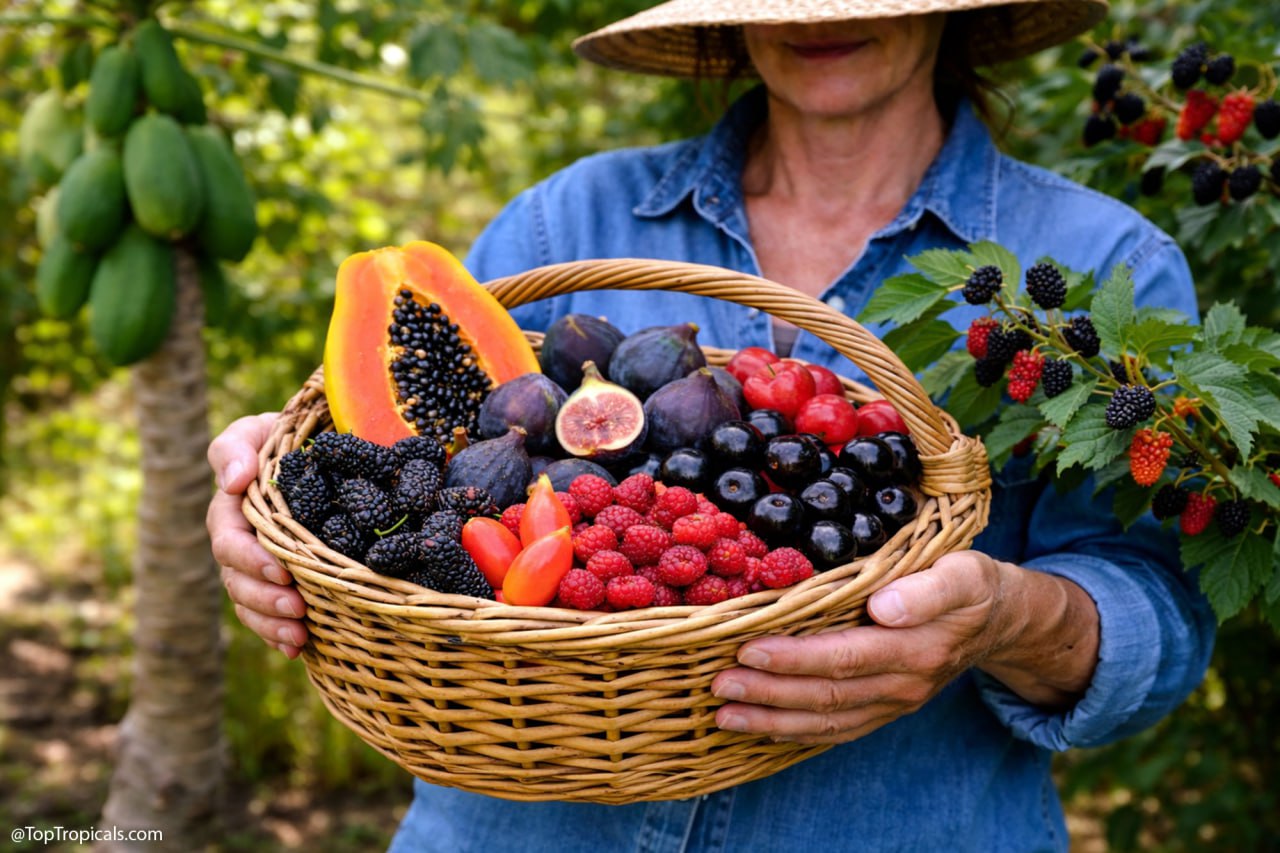
Dont Wait Years: 8 Fruit Plants You Can Harvest the Same Season

Don't wait years for fruit! Harvest papayas, berries, figs, and more in the very same season you plant them with these fast-growing varieties.

Don't wait years for fruit! Harvest papayas, berries, figs, and more in the very same season you plant them with these fast-growing varieties.

Don't Wait Years: 8 Fruit Plants You Can Harvest the Same Season 🍒

Growing fruit at home usually requires years of patience. Most gardeners view fruit trees as a long-term investment that may not pay off for a decade.
But you don't have to wait.
Certain tropical and subtropical plants are "fast-track" growers. In warm climates like Florida, choosing the right varieties means you can see flowers and fruit within months of planting - often in the very same season.
If you want a backyard harvest without the wait, here are the fastest-producing fruits you can plant today.
  • 🍓 1. Blackberry Jam Fruit (Randia formosa)


    A compact shrub perfect for containers. It produces star-shaped flowers and dark purple fruit that tastes exactly like blackberry preserves. Established plants often fruit in their first season.
  • 🍓 2. Peanut Butter Fruit (Bunchosia)


    This fast-growing large shrub produces orange pulp with the uncanny flavor and texture of peanut butter. Expect flowers and bright red berries within months of planting in warm conditions.
  • 🍓 3. Papaya (Carica papaya)


    The "giant herb" of the fruit world. Papayas are legendary for their speed, often flowering just months after planting and providing sweet, vitamin-rich fruit within the same year.
  • 🍓 4. Grumichama Cherry (Eugenia brasiliensis)


    A stunning Brazilian evergreen. Grafted plants can fruit the same season they are planted, offering glossy, dark cherries with a sweet, mild finish.
  • 🍓 5. Black Surinam Cherry (Eugenia uniflora var. Lolita)


    The 'Lolita' cultivar is a game-changer. It grows quickly as an edible hedge and produces nearly black, resin-free fruit that is significantly sweeter than the common red varieties.
  • 🍓 6. Mysore Raspberry and Tropical Blackberries (Rubus sp.)


    Unlike traditional berries that require chill hours, these Rubus species thrive in the heat. Their vigorous canes grow rapidly, often fruiting the same season they hit the soil.
  • 🍓 7. Everbearing Mulberry (Morus sp.)


    Mulberries are incredibly generous. Everbearing varieties produce sweet berries over an extended window and often begin fruiting the very first year they are planted.
  • 🍓 8. Fig Trees (Ficus carica)


    Figs are the champions of container gardening. They are highly drought-tolerant and famous for setting honey-sweet fruit even at a very young age—often just months after being established.


🏡 Where to plant them?
  • 👉 Tips for Faster Results


  • •  Start Large: Buy "nursery-established" plants rather than seeds.
  • •  Feed the Need: Use high-quality organic fertilizer to support rapid growth.
  • •  Sun is Fuel: Most of these varieties require at least 6-8 hours of direct sunlight to trigger flowering.


🛒 Plant these fruits now - some can produce within months

📷 Freshly picked tropical fruit bounty: don't wait years for fruit! Harvest papayas, berries, figs, and more in the very same season you plant them with these fast-growing varieties.

#Food_forest #How_to #Discover

🟢 Join 👉 TopTropicals

Date: 2 Jun 2022

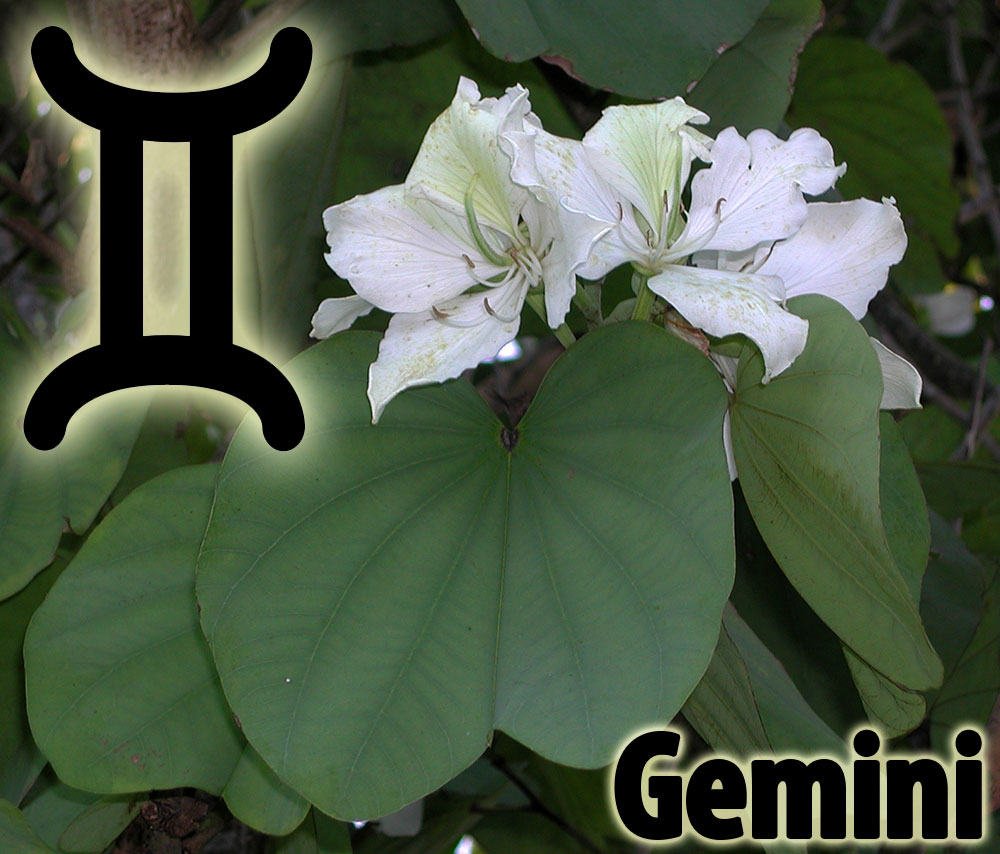
Plant Horoscope - Gemini

What is your lucky Zodiac plant?

Plant  Horoscope  -  Gemini

By Alex Butova, the Witch of Herbs and Cats

... Gemini are very fond of plants, especially flowers. They are able to devote their lives to favorite plants, selecting new varieties, planting gardens, parks and arboretums. In addition, the planet-ruler Mercury gives them with business ability - Gemini are excellent flower merchants of any level: from flower growers who sell their plants to everyone, to wholesalers who supply their delicate fragrant goods around the world. In their house, Gemini do not keep too many plants, they have enough of those that grow outside in their nursery and garden. However, among those who nevertheless became piece of the family (exactly this way Gemini perceive their house plants), preference is given to graceful forms, pubescent and curly, like Farfugium, Monstrous epyphyllum, often carved leaves (Monstera) and plants with aroma. All these properties not only improve the physical well-being of Gemini, but also helps save the spiritual and mental balance of their contradictory but all while tender and romantic nature. Gemini don't care about common spices, they love unusual plants and especially those with a sweet scent. Their favorite aroma is rose and similar, like fragrances of Clerodendrums, Jasmines, Gardenias, Plumeria, and Brunfelsia. At critical moments sweet scents awaken them into the life!..