Garden Blog - Top Tropicals

Date: 20 Oct 2025

11 tropical fruits to eat instead of taking a fiber supplement
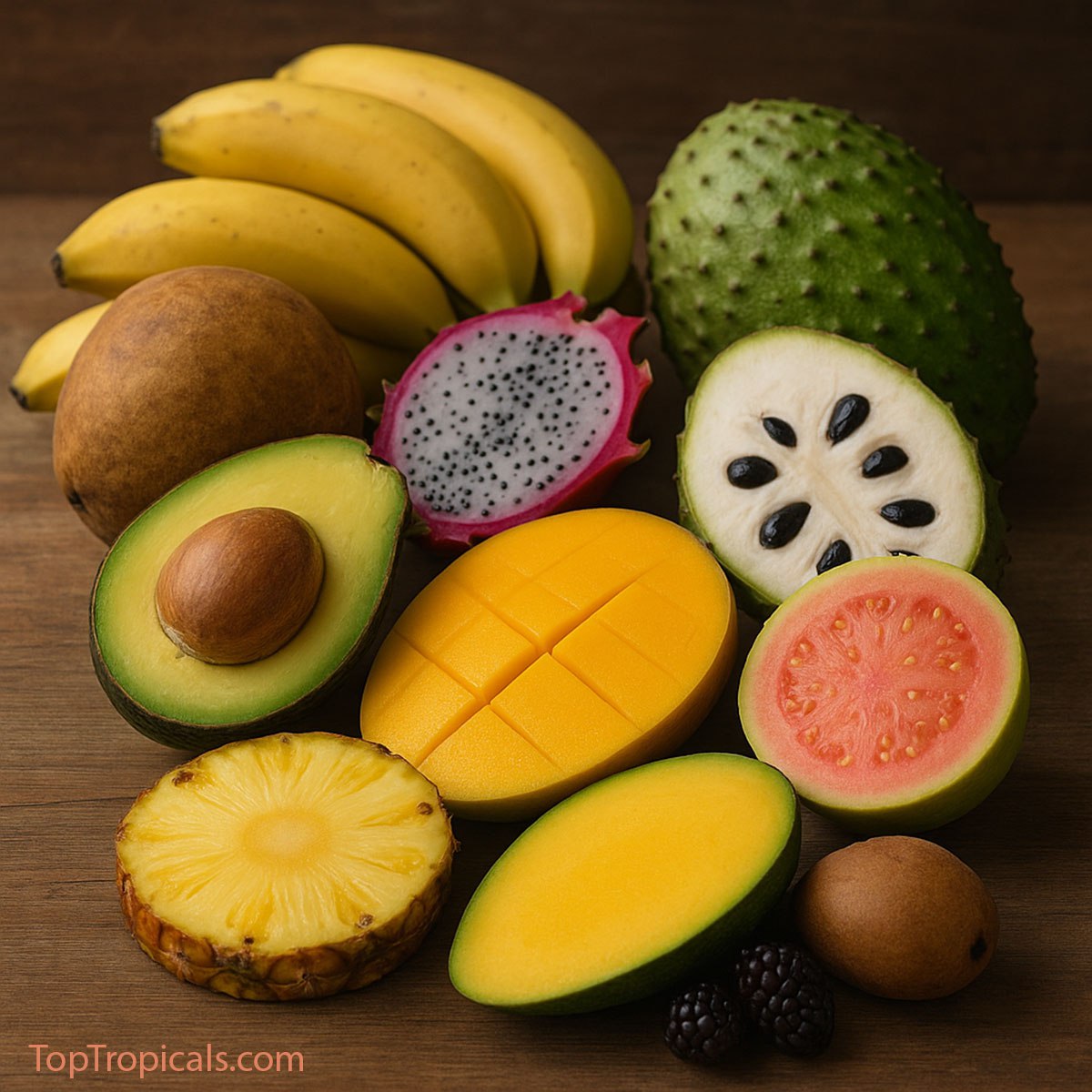
Tropical fruits to eat instead of taking a fiber supplement

Tropical fruits to eat instead of taking a fiber supplement

🍑 11 tropical fruits to eat instead of taking a fiber supplement


When we think of tropical fruit, we picture sweetness, sunshine, and exotic flavors packed with vitamin C. But beneath all that juicy goodness lies another gift: dietary fiber - quietly working to support digestion, feed the gut microbiome, and help keep blood sugar steady.

Avocado leads the pack among tropical fruits for fiber content. One creamy, ripe fruit can provide around 10 grams of fiber, roughly a third of an adult’s daily need. And there’s more to avocado than fiber - it’s also rich in healthy fats, micronutrients, and that silky texture everyone loves.

Other tropical fruits bring their own kind of fiber strength. Guava delivers up to 9 grams per cup, plus a burst of vitamin C.

Mango offers about 3 grams in half a fruit, especially when eaten with some of the skin.

Pineapple, though not always seen as a fiber powerhouse, still contributes around 2 grams per cup, along with bromelain, the enzyme that helps digestion.

Jackfruit’s fibrous pulp makes it another standout - it’s so meaty, it’s even used as a plant-based substitute in savory dishes.

Sapote fruit (Mamey, Canistel) and Sapodilla add fiber with a smooth, custard-like texture.

Adventurous tropical varieties like Annona (custard apple, soursop) may not top the charts in fiber numbers, but their soft, fibrous flesh still adds value: about 1.3 grams of fiber per 100 grams of fruit.

Bananas contain both soluble and insoluble fiber; the soluble part (mainly pectin) helps control blood sugar and appetite, while the insoluble fiber aids regularity.

Mulberries are rich in insoluble fiber, especially in their skin, supporting digestion and promoting healthy bowel movements.

Dragon fruit offers a mix of soluble fiber in its juicy flesh and insoluble fiber from its tiny edible seeds, which help support gut health and feed good bacteria.

These fruits aren’t just delicious - they help you meet your daily fiber needs in ways that are far more enjoyable (and sustainable) than taking supplements. And when home gardeners, farmers, or tropical communities grow and share them, it’s a double win: nutrition and tradition hand in hand.

✔️ Tropical fiber power: tips for getting more fiber from tropical fruits


⏺Eat whole, not juiced. Most of the fiber is in the pulp, skin, and seeds. Juicing removes much of that goodness.
⏺Mix it up. Tropical fruits are great, but balance them with legumes, whole grains, nuts, and veggies for a full fiber range.
⏺Take it slow. If your diet is low in fiber, increase gradually to avoid bloating or discomfort.
⏺Drink plenty of water. Fiber works best when paired with hydration.
⏺Mind the ripeness. Unripe fruits can have more resistant starch, another form of fiber.
⏺Get creative. Toss tropical fruits into smoothies, salsas, breakfast bowls, or even desserts - a tasty stealth-fiber strategy.

🛒 Plant a fruit tree to harvest your fruit tomorrow

📚 Learn more:


Tropical fruit health benefits guide - what fruit and edibles can help with health issues and vitamin deficiencies, Part 1 and Part 2.

#Food_Forest #Remedies #Discover #How_to

🟢 Join 👉 TopTropicals
Date: 27 Oct 2025

Weird cactus looks like pasta with Dragon Fruit

Epiphyllum guatemalense Monstrosa - Curly Locks or Orchid Cactus

👀 Weird cactus looks like pasta with Dragon Fruit


Epiphyllum guatemalense Monstrosa - Curly Locks or Orchid Cactus - is one of the most unusual jungle cacti you can grow. Instead of the usual flat cactus leaves, this one grows curly, looping stems that twist and spiral in every direction. It looks like a green waterfall of botanical noodles, perfect for a hanging basket or a high shelf where its wild shape can really show off.

➰Curly Locks is actually a natural mutation of a Guatemalan jungle cactus that grows high up in jungle trees, using its stems to absorb moisture and light from the air. Like many epiphytic cacti, it produces large, fragrant flowers that open at night and look strikingly similar to orchids. After blooming, it forms small, oval pink fruits that are edible and juicy - like tiny dragon fruits!

➰This plant is self-pollinating, so you don’t need insects or hand pollination to get fruit. It thrives in bright, indirect light and prefers to be a bit root-bound to trigger blooming. Just water moderately, let the soil dry slightly between waterings, and avoid moving it too often once it’s happy in its spot.

➰Epiphyllum Curly Locks is not your typical cactus - it’s a living sculpture, a conversation piece, and a fruiting wonder all in one.

🛒 Add Curly Locks to your rare plant collection

📚 Learn more:


Botanical bedhead: curly, crazy, and full of surprises

#Fun_Facts #Container_Garden #Shade_Garden #Nature_Wonders

🟢 Join 👉 TopTropicals

Date: 28 Oct 2025

Before opening a jar, see where the natural peanut butter comes from!

Peanut Butter Tree (Bunchosia argentea)

Before opening a jar, see where the natural peanut butter comes from!


Peanut Butter Tree (Bunchosia argentea) is a small tropical tree with one of the most surprising fruits on earth. Its red, fleshy berries taste just like peanut butter - creamy, nutty, and sweet, with a texture that melts in your mouth. No nuts, no sugar, no processing - just pure tropical flavor, straight from nature!

Native to Central and South America, this rare fruit has been a favorite among tropical fruit collectors for decades. The tree stays compact, reaching only about 8-10 feet tall, and can even be kept as a bush. It's perfect for small gardens, patios, or large containers, and it can thrive indoors with enough light. Within just 2 to 3 years from seed, it begins to reward you with clusters of yellow flowers followed by rich, red fruits that taste like peanut butter candy.

The fruit isn't just fun - it's healthy, too. It's rich in antioxidants, vitamins, and beneficial plant compounds that support the immune system and overall wellness. Kids love it, adults can’t stop talking about it, and gardeners love how easy it is to grow.

If you’re looking for something truly unique - an edible curiosity that sparks conversation and delights the taste buds - the Peanut Butter Tree is the one. Grow your own, and the next time someone opens a jar of peanut butter, you can smile and say, "Mine grows on a tree!"

🛒 Try the real peanut butter fruit

📚 Learn more:


💋Peanut butter fruit smoothie: quick-n-fun exotic recipes
💋Top 10 fast-fruiting trees: #10. Peanut Butter Tree (Bunchosia argentea)
💋Delectable Peanut Butter Tree
💋The best small fruit trees that will produce right away
💋How soon will Peanut Butter Tree fruit?
💋Top 10 fast-fruiting trees

📱 How to grow the Amazing Peanut Butter Tree - in one short video

#Food_Forest #Nature_Wonders

🟢 Join 👉 TopTropicals

Date: 24 Nov 2025

One fruit on this tray always stumps people

Tropical fruit on a tray

One fruit on this tray always stumps people


🍉 Another day, another fruit tray from the garden! Even at the end of November, something is always ripening here in Florida. This tray turned out especially fun - a mix of familiar fruits and a couple that always make people guess twice!

🍉 Today’s harvest includes: sweet Persimmons, Star fruit, a few different dragon fruits: yellow Palora and white with red skin - this is Seoul Kitchen. There's also Cocoplum, which makes great drinks. And - ta-da! - the little showstopper of the day: Curly Locks Orchid Cactus fruit (Epiphyllum guatemalense Monstrosa). It looks wild, but it's edible and tastes like a tiny dragon fruit.

🍉 If you live in Florida or any warm climate, growing your own fruit is one of the best gifts you can give yourself. Tropical fruit trees are generous plants - they don’t wait for a season, they give you something month after month. Some days it’s a handful, some days it’s a whole tray, but there’s always a fresh treat waiting. Once you start growing your own food, you realize how easy and rewarding it is to fill your garden with flavor.

🍉 Every tray has a new surprise. Come along and see what the garden gives us next!

🛒 Explore rare tropical fruit

📚 Learn more:
Can you name all the fruits on this tray?
Weird cactus looks like pasta with Dragon Fruit
Cocoplum: secret fruit in your hedge
Pitaya vs Dragon fruit - what is the difference and how to grow it?
How soon will Persimmon tree fruit?
10 best fruit trees to grow in Florida and Southern landscapes
Top 10 fast-fruiting trees

#Food_Forest #Discover

🟢 Join 👉 TopTropicals

Date: 12 Dec 2025

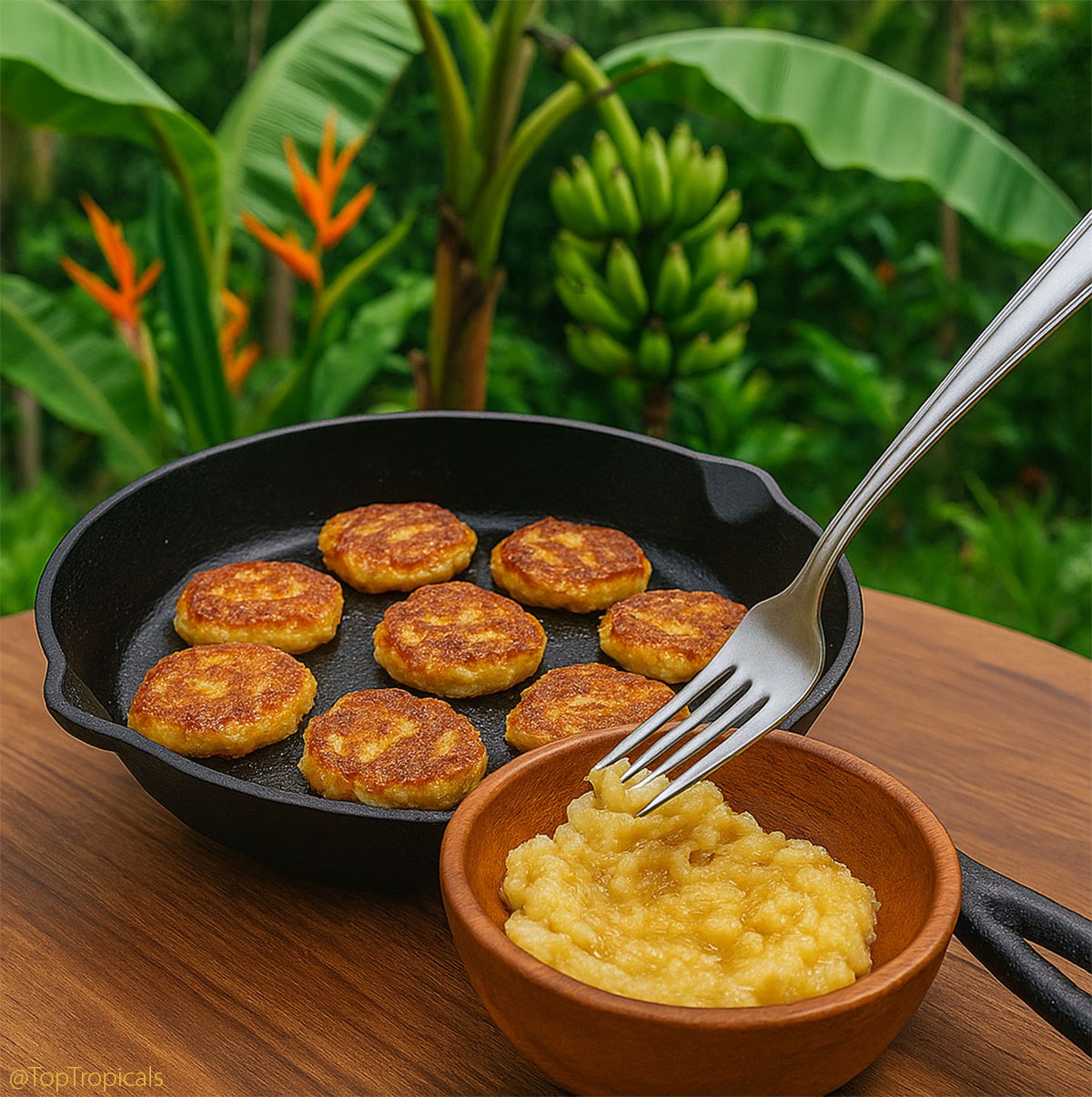
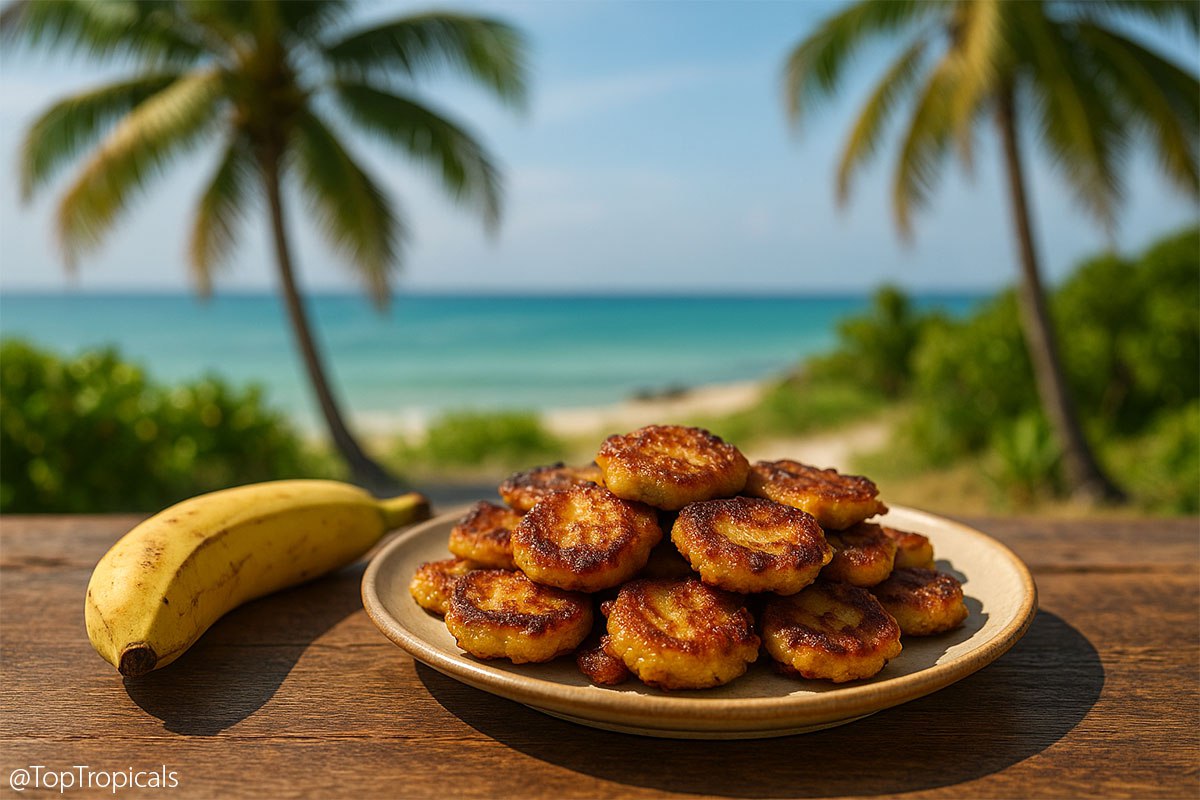
Banana skillet fritters: quick-n-fun exotic recipes

Banana skillet fritters

Banana skillet fritters

Banana skillet fritters

Banana skillet fritters

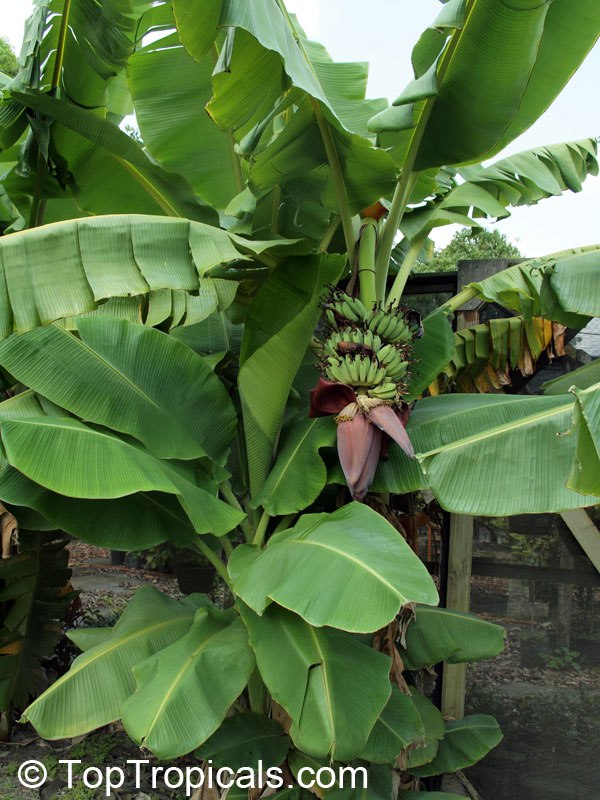
Banana tree with fruit

Banana tree with fruit

🍴 Banana Skillet Fritters

Ingredients

  • 1 ripe banana
  • 1 tablespoon flour
  • Oil for pan searing

Instructions

  1. Mash the ripe banana in a bowl until smooth.
  2. Stir in the flour to form a thick batter.
  3. Heat a lightly oiled skillet over medium heat.
  4. Drop small spoonfuls into the pan.
  5. Cook until golden and crisp outside, flipping once.

📚 Learn more:

Banana Plant Facts

Botanical name: Musa sp.
Also known as: Banana, Bananier Nain, Canbur, Curro, Plantain
USDA Zone: 7 - 11
Highligths Small tree 10-20 ftFull sunWatering: Moderate. Water when top soil feels dryEdible plantSubtropical plant. Mature plant cold hardy at least to 30s F for a short time
Get personalized tips for your region

Banana cinnamon fritters
Secret Banana Daiquiri recipe: healthy never tasted so good
Grilled Banana Boats recipe
Banana plant (Musa) in Plant Encyclopedia
The best varieties of edible Banana to plant
Posts about #Bananas
📱 Why every garden needs a banana tree

#Food_Forest #Recipes #Bananas

🟢 Join 👉 TopTropicals