Garden Blog - Top Tropicals

Date: 5 Jan 2026

☘️ What plants are easy to ship in Winter?

Lush  tropical  garden  with  a  bright  green  leafy  Magnolia  champaka  surrounded  by  flowering  shrubs,  such  as  Brunfelsia  grandiflora,  at  Top  Tropicals  nursery

Ordering plants in winter is often easier than people expect - and for many plants, it is actually better. Lush foliage plants like philodendrons and medinilla, fine-leaved trees such as moringa, jacaranda, and poinciana, and even sensitive fruit trees like papaya, jackfruit or starfruit ship more safely in cool weather without overheating stress.

Winter is also ideal for subtropical and cold-tolerant plants, dormant or deciduous plants like plumeria and adenium, orchids - including ground orchids and vanilla orchids, and winter bloomers that flower their best right now. Winter care is simple: water less, use gentle liquid amino-acid fertilizers like Sunshine Boosters, and monitor insects.

In mild climates, many tropicals can be planted anytime, while extra-tender plants can stay potted until spring. Winter is a perfect time to bring tropical warmth indoors and enjoy greenery when you need it most.

🌿Learn more: easy plants for Winter shipping

Date: 17 May 2026

9 awesome accent plants and vines that love heat and dry conditions

9 awesome accent plants and vines that love heat and dry conditions 9 awesome accent plants and vines that love heat and dry conditions 9 awesome accent plants and vines that love heat and dry conditions 9 awesome accent plants and vines that love heat and dry conditions 9 awesome accent plants and vines that love heat and dry conditions

☀️ 9 awesome accent plants and vines that love heat and dry conditions


The hardest spots aren’t for trees - they’re for everything else. The toughest areas are often smaller spaces - along walls, patios, containers, or rocky patches where soil dries out fast. This is where most plants fail quickly.
These picks don’t just survive - they stand out. They bring texture, color, and structure - without needing constant watering or perfect soil.


Why containers are the toughest of all in heat


Growing in pots in hot, dry conditions is a different game. The soil heats up fast, roots can literally overheat, and moisture disappears much quicker than in the ground. If you’re using containers, protect the root zone - group pots together, tuck them into partial shade, or shield the container itself from direct sun. Choosing drought-tolerant plants helps, but don’t assume they can go totally without water - even tough plants in pots can dry out quickly, so check regularly and don’t let them go bone dry.

🔥 9 best smaller plants and vines for hot, dry spots


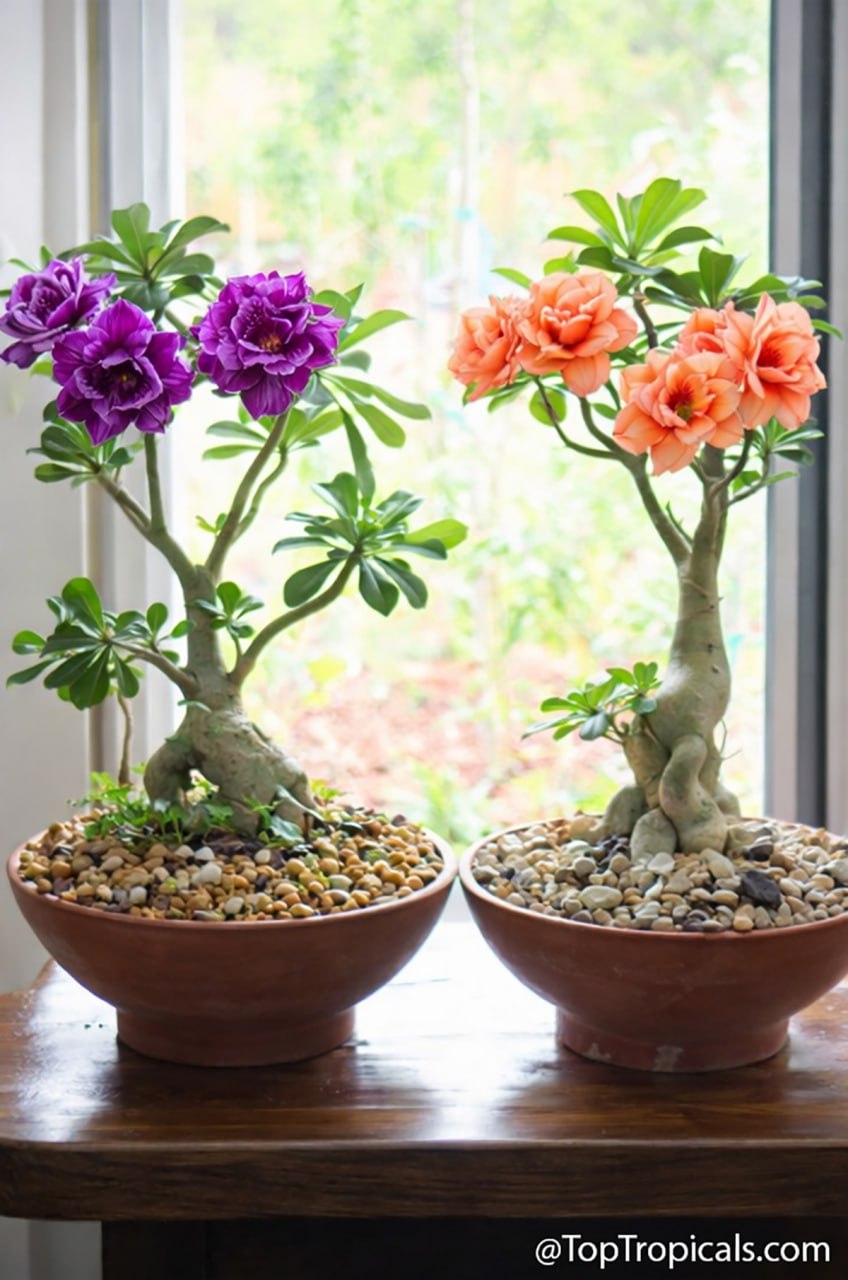
  1. ☀️ 1. Adenium - Desert Rose 📸
    Stores water in its caudex and thrives in heat - one of the best flowering plants for dry conditions.

    Adenium Plant Facts

    Botanical name: Adenium sp.
    Also known as: Adenium, Desert Rose, Impala Lily
    USDA Zone: 9 - 10
    Highligths Plant with caudexLarge shrub 5-10 ft tallSmall tree 10-20 ftFull sunWater Requirement: Low. Allow soil to dry out between wateringsWatering: Moderate. Water when top soil feels dryYellow, orange flowersRed, crimson, vinous flowersUnusual colorBlue, lavender, purple flowersWhite, off-white flowersPink flowersToxic or Poisonous
    Get personalized tips for your region
    More details
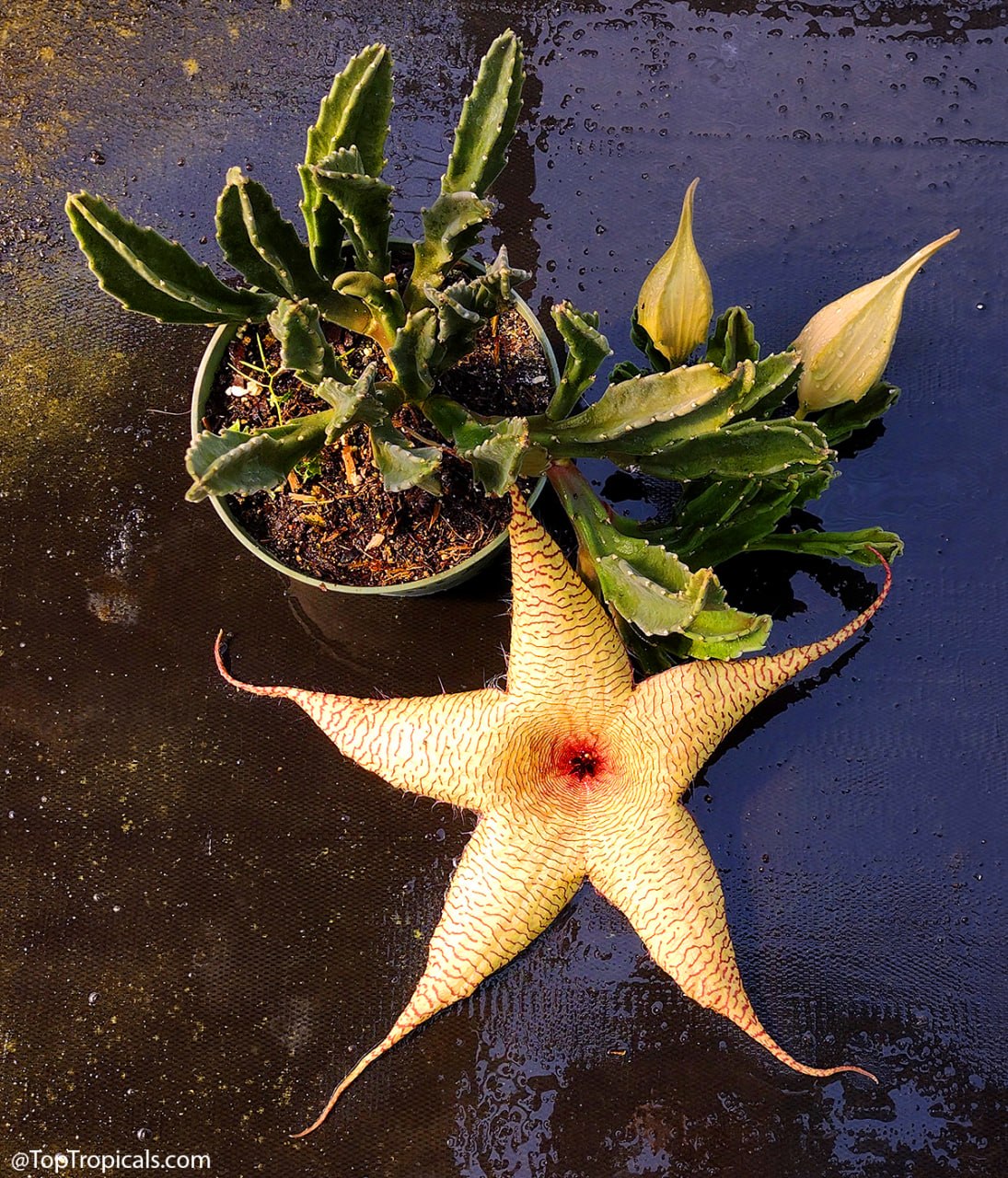
  2. ☀️ 2. Stapelia gigantea - Starfish Flower 📸
    Unusual and tough - thrives in dry soil and produces massive, eye-catching blooms.

    Zulu Giant Plant Facts

    Botanical name: Stapelia gigantea
    Also known as: Zulu Giant, Carrion Plant, Starfish Flower
    USDA Zone: 9 - 10
    Highligths Small plant 2-5 ftFull sunWatering: Moderate. Water when top soil feels dryUnusual colorPlant attracts butterflies, hummingbirds
    Get personalized tips for your region
    More details
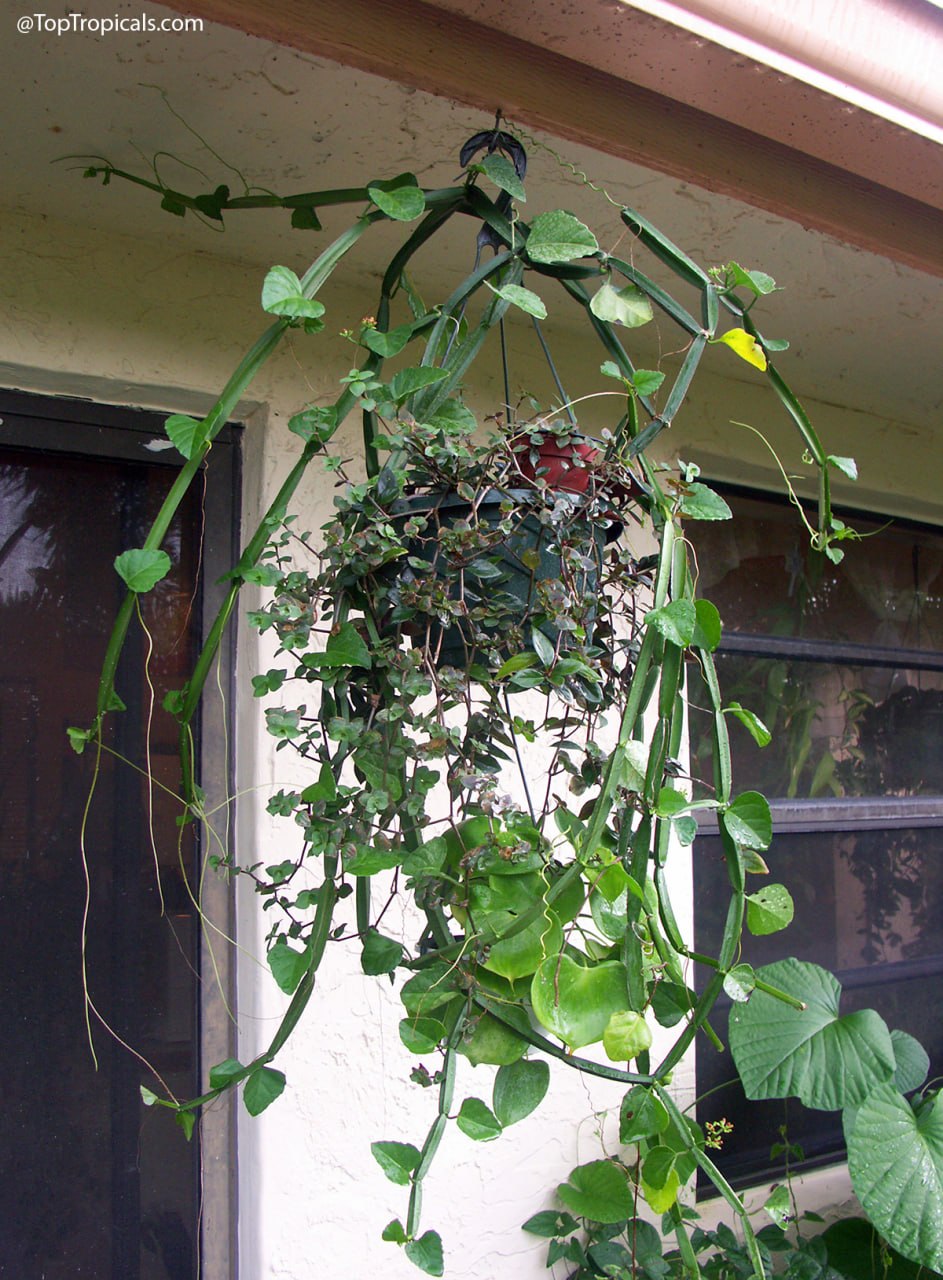
  3. ☀️ 3. Cissus quadrangularis - Veld Grape Vine 📸
    A succulent vine that handles heat and drought while adding a unique structural look.

    Veld grape Plant Facts

    Botanical name: Cissus quadrangularis, Vitis quadrangularis
    Also known as: Veld grape
    USDA Zone: 9 - 11
    Highligths Groundcover and low-growing 2ft plantVine or creeper plantSemi-shadeFull sunWatering: Moderate. Water when top soil feels dryOrnamental foliageEthnomedical plant.
Plants marked as ethnomedical and/or described as medicinal, are not offered as medicine but rather as ornamentals or plant collectibles.
Ethnomedical statements / products have not been evaluated by the FDA and are not intended to diagnose, treat, cure, or prevent any disease. We urge all customers to consult a physician before using any supplements, herbals or medicines advertised here or elsewhere.Subtropical plant. Mature plant cold hardy at least to 30s F for a short time
    Get personalized tips for your region
    More details
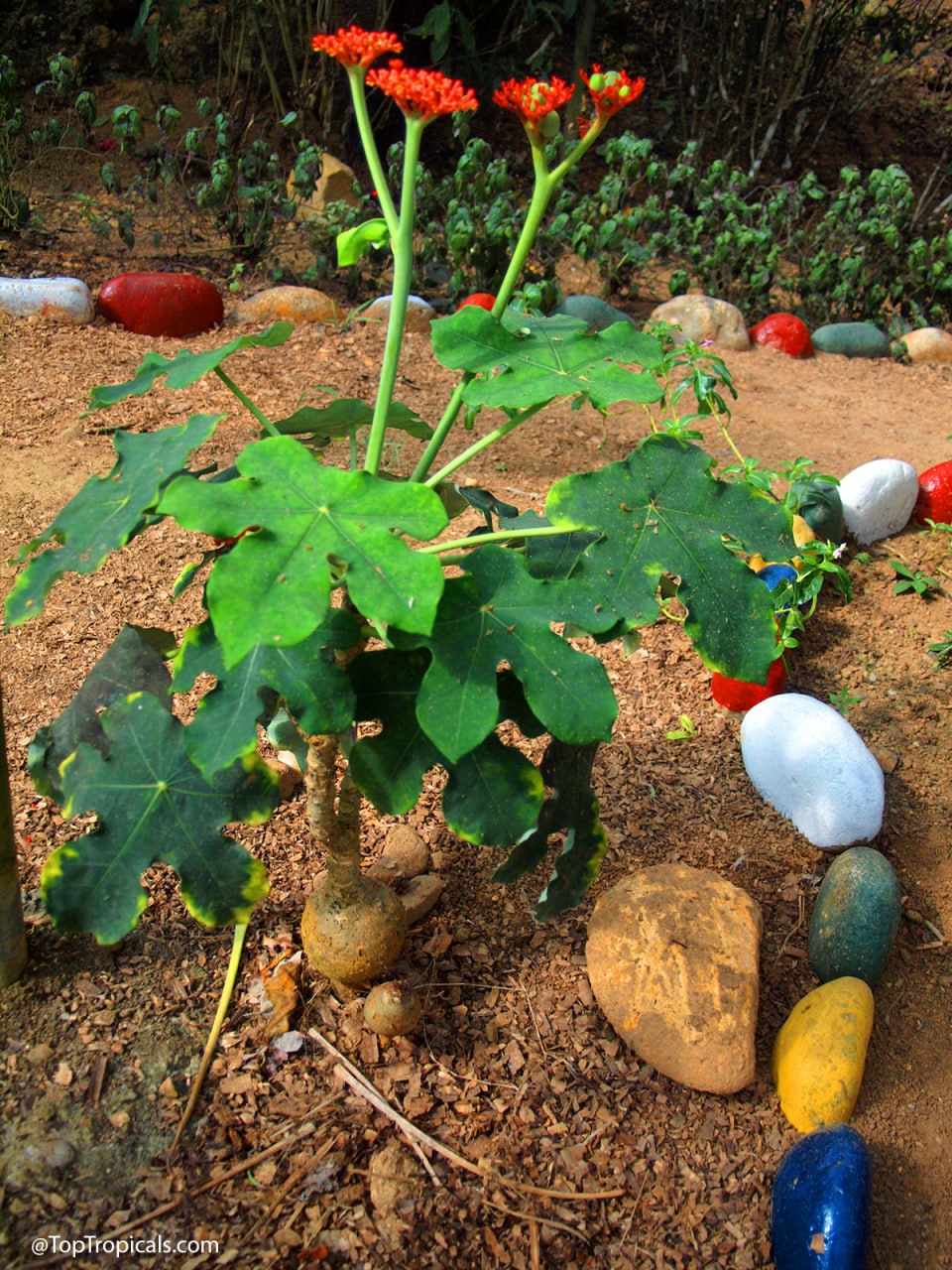
  4. ☀️ 4. Jatropha podagrica - Gout Plant 📸
    Thick stems store water, making it surprisingly drought tolerant with a bold tropical look.

    Gout Plant Facts

    Botanical name: Jatropha podagrica
    Also known as: Gout Plant, Gout Stick, Buddha Belly, Guatemala Rhubarb, Tartogo
    USDA Zone: 9 - 11
    Highligths Plant with caudexPlant used for bonsaiSmall plant 2-5 ftSemi-shadeShadeFull sunWatering: Moderate. Water when top soil feels dryYellow, orange flowersRed, crimson, vinous flowersOrnamental foliageToxic or PoisonousPlant attracts butterflies, hummingbirdsSubtropical plant. Mature plant cold hardy at least to 30s F for a short timeSeaside, salt tolerant plant
    Get personalized tips for your region
    More details
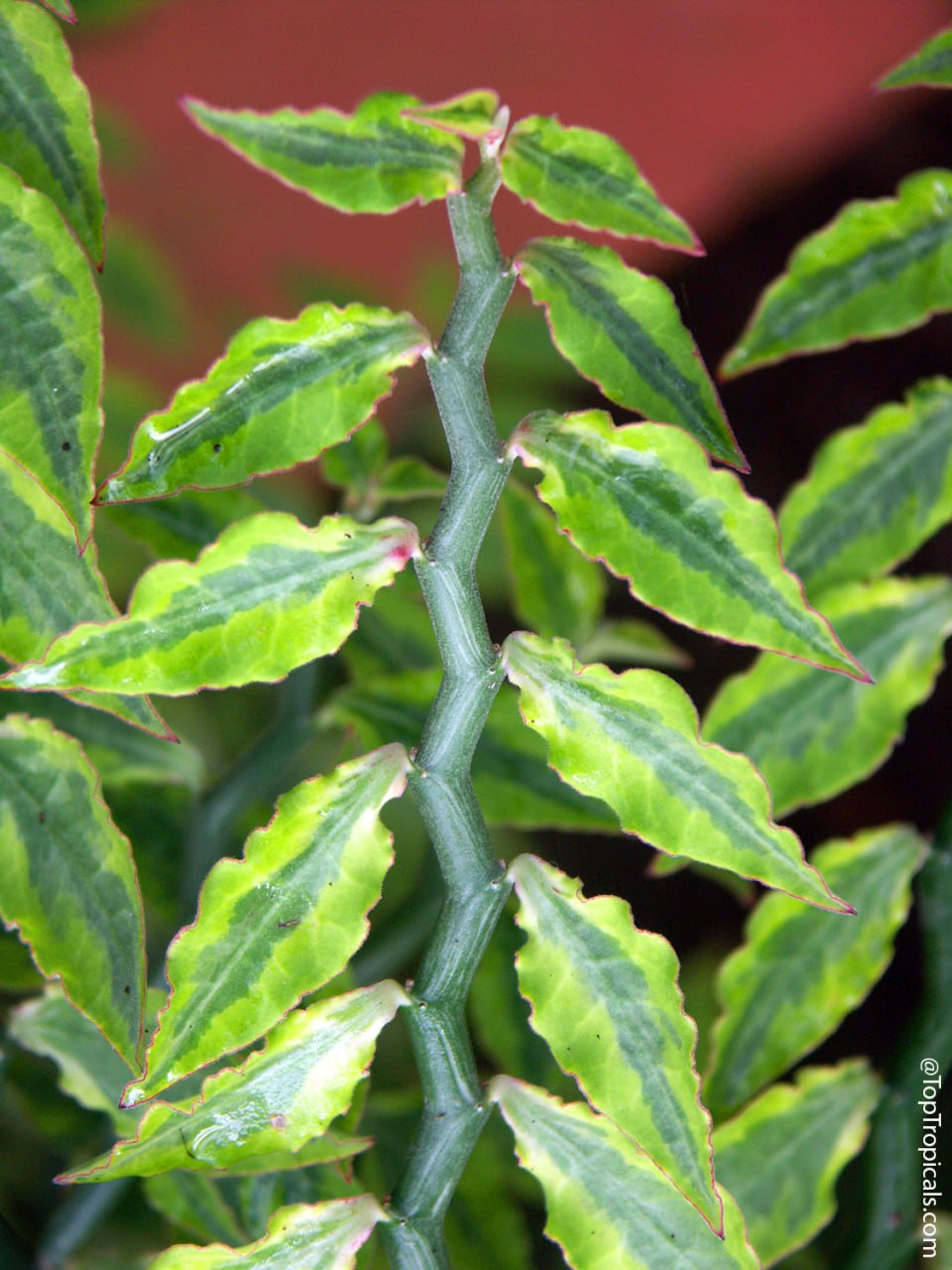
  5. ☀️ 5. Pedilanthus tithymaloides - Devil's Backbone 📸
    Extremely forgiving - thrives on neglect, heat, and dry soil.

    Devil's backbone Plant Facts

    Botanical name: Euphorbia tithymaloides, Pedilanthus tithymaloides
    Also known as: Devil's backbone, Zigzag plant, Jacob's ladder
    USDA Zone: 9 - 11
    Highligths Large shrub 5-10 ft tallSmall plant 2-5 ftSemi-shadeFull sunWatering: Moderate. Water when top soil feels dryOrnamental foliagePink flowersIrritating plantSubtropical plant. Mature plant cold hardy at least to 30s F for a short time
    Get personalized tips for your region
    More details
  6. ☀️ 6. Agave species - Tequila Agave, Century Plant
    Classic drought plants - architectural, extremely tough, and almost maintenance-free.

    Century plant Facts

    Botanical name: Agave americana
    Also known as: Century plant
    USDA Zone: 8 - 11
    Highligths Large shrub 5-10 ft tallFull sunWater Requirement: Low. Allow soil to dry out between wateringsWatering: Moderate. Water when top soil feels dryThorny or spinySubtropical plant. Mature plant cold hardy at least to 30s F for a short time
    Get personalized tips for your region
    More details
  7. ☀️ 7. Crocosmia species - Coppertips / Falling Stars
    Handles heat well once established and adds bright seasonal color with minimal care.

    Coppertips Plant Facts

    Botanical name: Crocosmia sp.
    Also known as: Coppertips, Falling Stars, Montbretia
    USDA Zone: 8 - 11
    Highligths Small plant 2-5 ftSemi-shadeFull sunWatering: Moderate. Water when top soil feels dryWatering: Regular. Let topsoil dry slightlyYellow, orange flowersRed, crimson, vinous flowersPlant attracts butterflies, hummingbirdsSubtropical plant. Mature plant cold hardy at least to 30s F for a short time
    Get personalized tips for your region
    More details
  8. ☀️ 8. Ipomoea platensis - Caudiciform Morning Glory
    A rare vine with a swollen base - built to handle dry cycles and intense sun.

    Plata Ipomoea Plant Facts

    Botanical name: Ipomoea platensis, Ipomoea platense, Ipomoea lineariloba
    Also known as: Plata Ipomoea, Caudiciform Morning Glory
    USDA Zone: 9 - 11
    Highligths Plant with caudexVine or creeper plantSemi-shadeWatering: Moderate. Water when top soil feels dryWatering: Regular. Let topsoil dry slightlyPink flowersSubtropical plant. Mature plant cold hardy at least to 30s F for a short time
    Get personalized tips for your region
    More details
  9. ☀️ 9. Plectranthus hadiensis tomentosus - Camphor Basil
    Soft, aromatic foliage that tolerates dry conditions better than most leafy plants.

    Camphor Plant Facts

    Botanical name: Plectranthus tomentosus, Plectranthus hadiensis var. tomentosus
    Also known as: Camphor Plant, Camphor Basil, Vicks Plant, Succulent Coleus
    USDA Zone: 9 - 10
    Highligths Groundcover and low-growing 2ft plantSmall plant 2-5 ftSemi-shadeFull sunWater Requirement: Low. Allow soil to dry out between wateringsWatering: Moderate. Water when top soil feels dryOrnamental foliageBlue, lavender, purple flowersPlant attracts butterflies, hummingbirdsSpice or herb plantEthnomedical plant.
Plants marked as ethnomedical and/or described as medicinal, are not offered as medicine but rather as ornamentals or plant collectibles.
Ethnomedical statements / products have not been evaluated by the FDA and are not intended to diagnose, treat, cure, or prevent any disease. We urge all customers to consult a physician before using any supplements, herbals or medicines advertised here or elsewhere.Fragrant plant
    Get personalized tips for your region
    More details


🛒 Shop drought tolerant plants - for hot and dry spots

📚
Learn more:
Jatropha podagrica - in Plant Encyclopedia
7 tough shrubs that handle heat and dry soil
9 tough trees for hot, dry spots that actually thrive
9 best tropical shrubs that bloom all summer long or year around
The bizarre bloom you cant stop staring at
Coral-blooming bonsai with a bottle-shaped trunk - perfect container plant
Caudiciform Morning Glory
Grows in neglect: tough plant for tough spots

#Discover #Hedges_with_benefits #How_to

🟢 Join 👉 TopTropicals

Date: 24 Feb 2026

5 Heart-Shaped Plants Every Gardener Needs This Spring

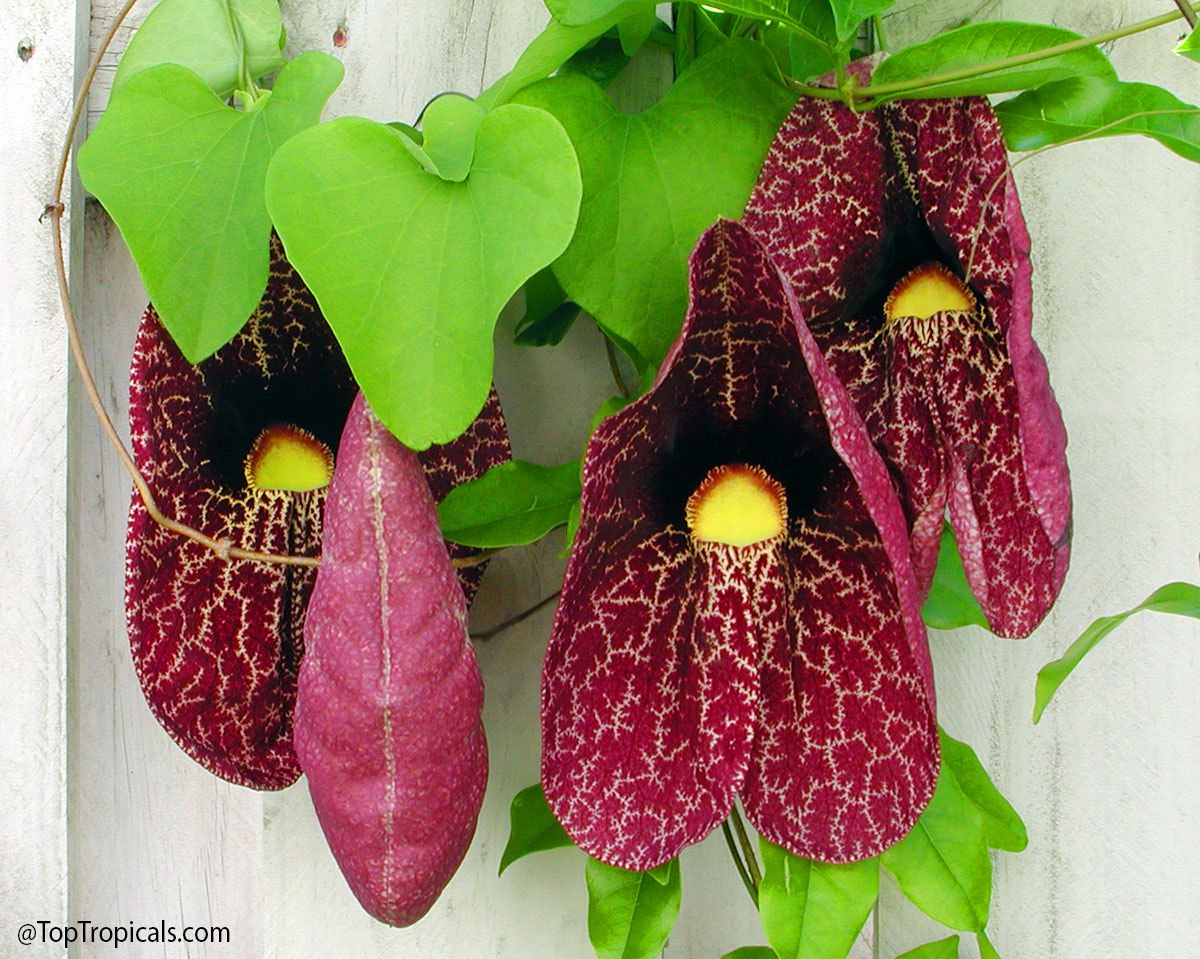
Aristolochia " The "alien" flower that hosts rare butterflies.

Aristolochia " The "alien" flower that hosts rare butterflies.

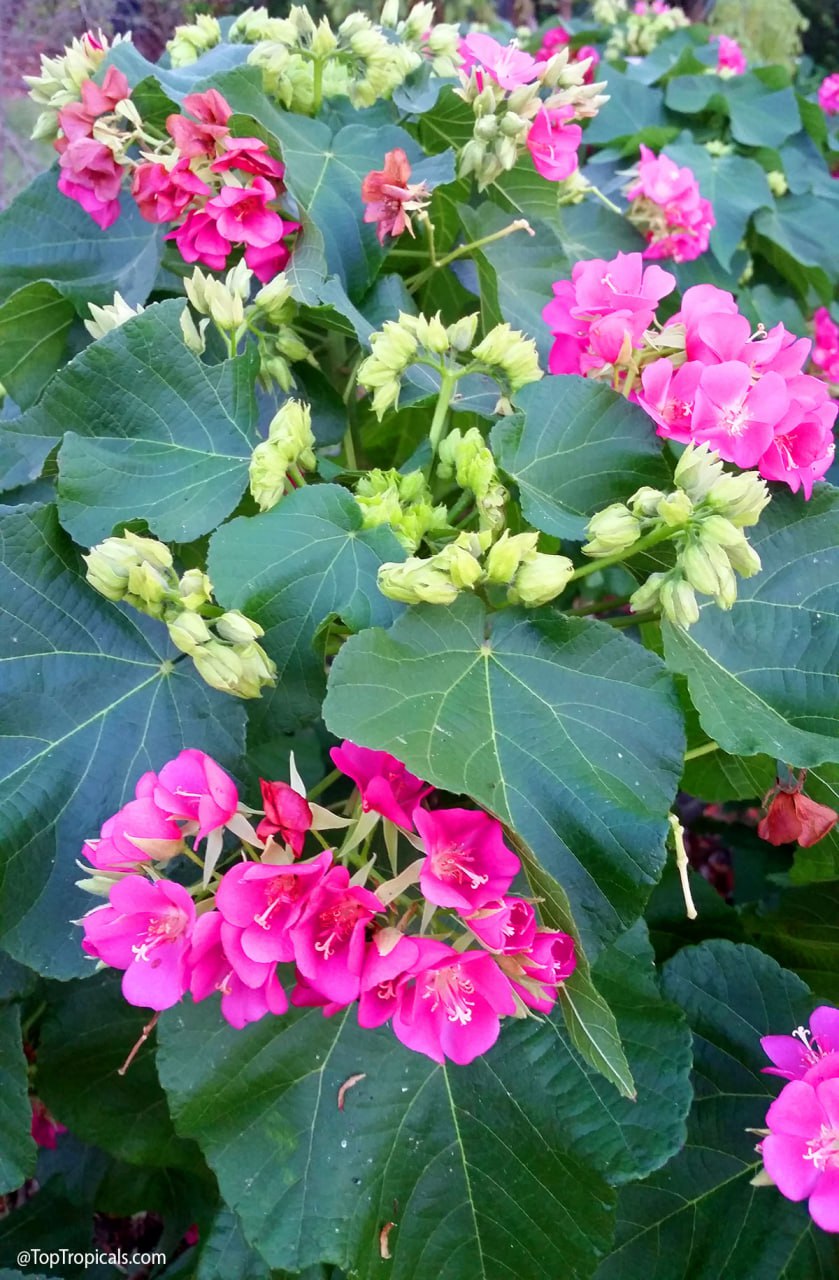
Dombeyaflowers on the bush

Dombeyaflowers on the bush

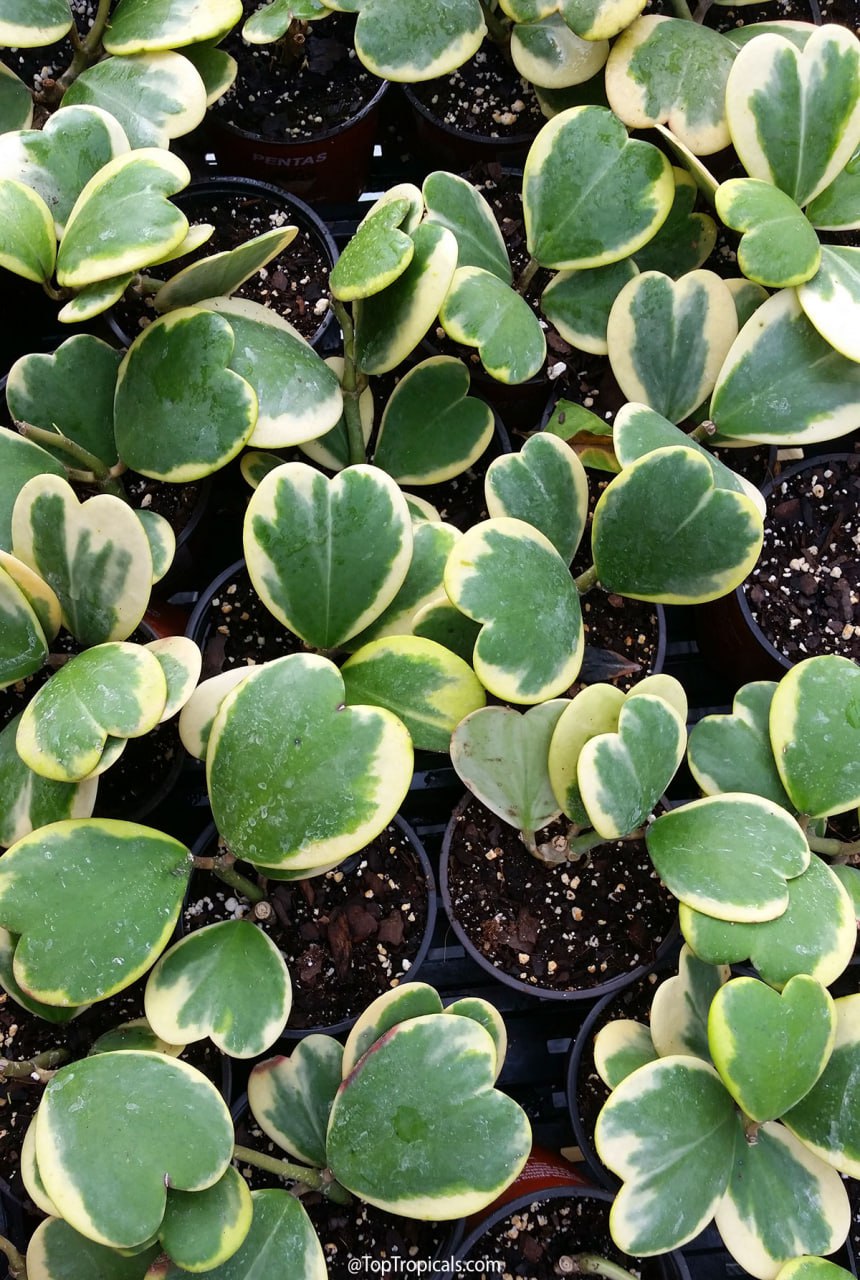
Hoya kerrii Sweetheart Hoya

Hoya kerrii Sweetheart Hoya

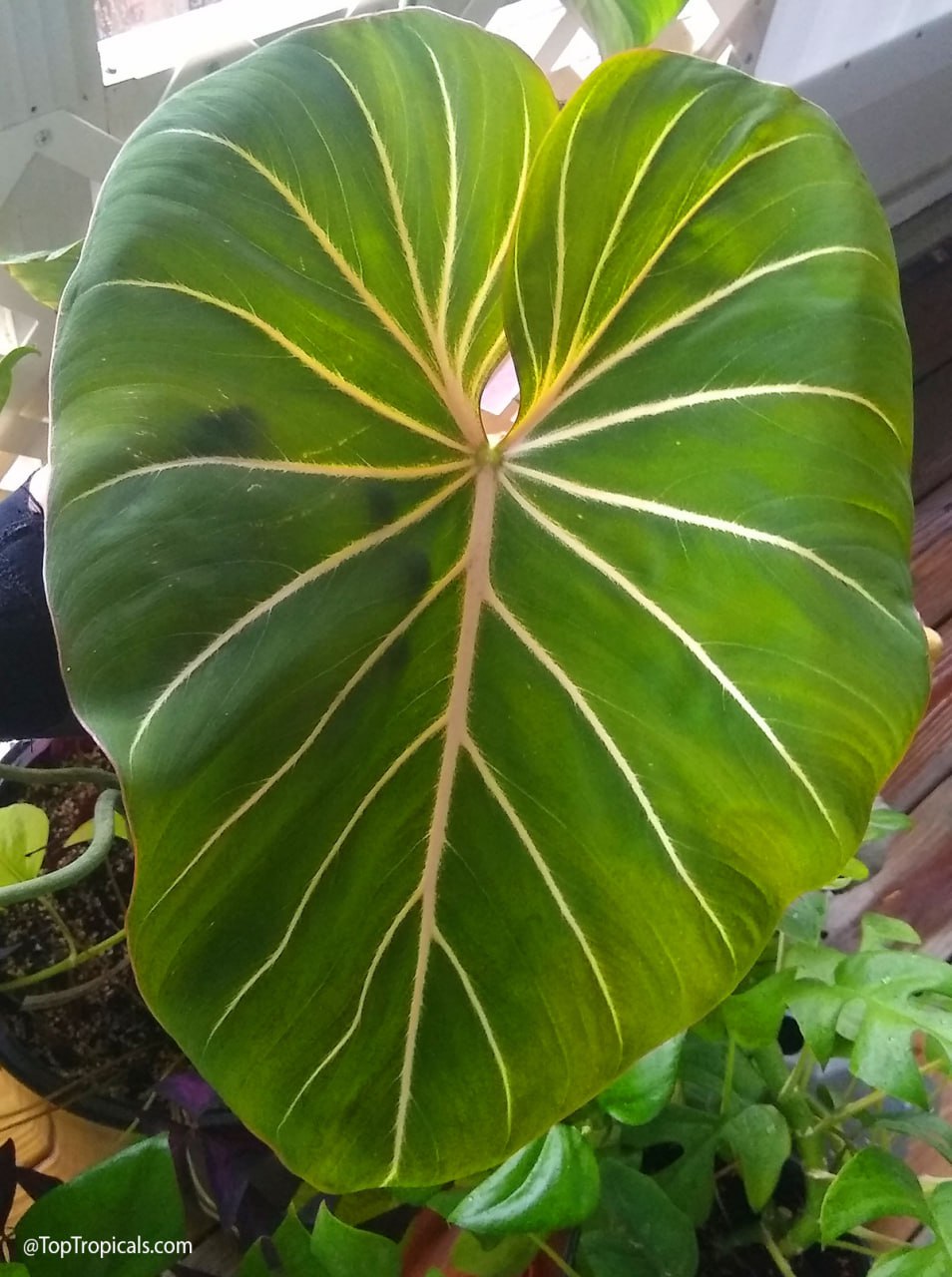
Philodendron leaves

Philodendron leaves

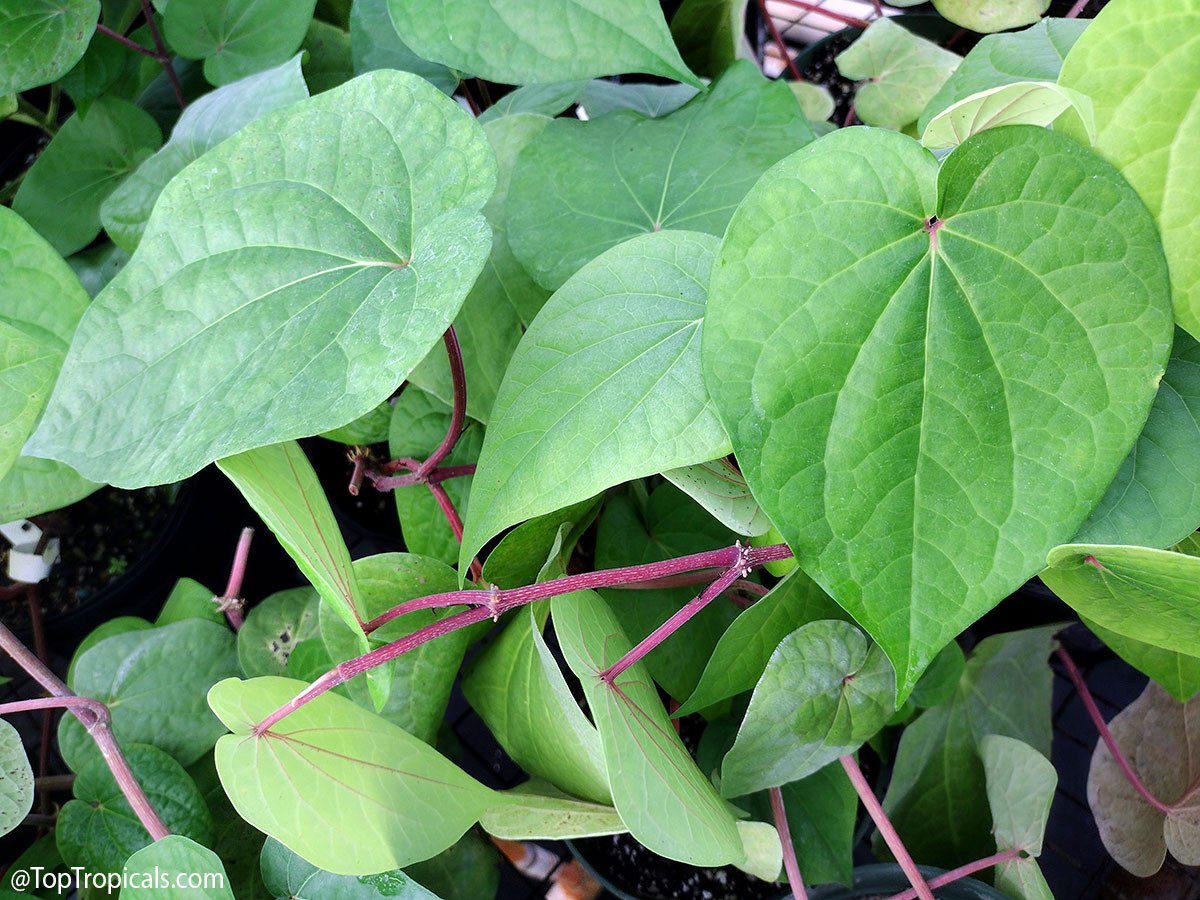
Piper - edible leaves

Piper - edible leaves

5 Heart-Shaped Plants Every Gardener Needs This Spring 💕

❣️ Why heart-shaped?


Heart-shaped leaves instantly soften a garden. They feel welcoming, romantic, and just a little bit playful. But if you choose wisely, you will get much more than a cute leaf shape.

Before adding a plant to your collection, look beyond the foliage. Does it flower? Does it attract pollinators? Does it offer edible or fragrant benefits? The right heart-shaped plant can bring beauty, fragrance, butterflies - even flavor - to your landscape all year long.

Here are five plants that truly give your home a little love.

💚 1. Aristolochias - bold leaves and wild flowers


If you want a conversation starter, Aristolochia is the answer. These vines don't just offer bold, oversized heart foliage and produce "alien-looking" blooms that defy garden norms.
· Garden Hack: Use it to create "living shade" on hot west-facing walls to naturally cool your home.
· Extra benefits: Many species are host plants for Pipevine Swallowtail butterflies, making them essential for pollinator gardens. They grow fast, create dense shade, and can cool down hot garden walls during summer. 👉Explore Aristolochias

💚 2. Dombeyas - winter flowers when little else blooms


Dombeyas bring heart-shaped foliage together with spectacular winter blooms. Their large clusters of pink flowers resemble hydrangeas and appear when many other plants are resting.

Extra benefits: They bloom in the cooler months, feeding bees when nectar sources are limited. These fast-growing shrubs create privacy quickly and fill the air with a light, sweet fragrance during flowering season. 👉Explore Dombeya

💚 3. Hoya kerrii - the living Valentine


Often sold as a single heart-shaped leaf in a pot, Hoya kerrii is known as the Sweetheart plant. But when mature, it becomes a climbing or trailing vine with thick, succulent foliage.

Wax Hearts Plant Facts

Botanical name: Hoya kerrii
Also known as: Wax Hearts, Sweetheart Hoya, Valentine Hoya, Heart leaf
USDA Zone: 9 - 11
Highligths Groundcover and low-growing 2ft plantSemi-shadeShadeFull sunWatering: Moderate. Water when top soil feels dryOrnamental foliageWhite, off-white flowersPlant attracts butterflies, hummingbirdsFragrant plant
Get personalized tips for your region


Extra benefits: It is extremely low maintenance, tolerates dry indoor air, and can live for many years. When happy, it produces clusters of star-shaped, lightly fragrant flowers. It is compact enough for desks and shelves, yet long-lived enough to become a true keepsake plant. 👉Explore Heart Hoya

💚 4. Philodendron - classic hearts, endless varieties


If you picture a heart-shaped leaf, you are probably imagining a Philodendron. From deep green to bright chartreuse like Golden Goddess, there is a variety for every style.

Extra benefits: Philodendrons adapt easily to indoor or outdoor growing in warm climates. They help improve indoor air quality, tolerate lower light, and require minimal care. In the garden, they thrive in shade and add a lush tropical feel without demanding constant attention. 👉Explore Philodendrons

💚 5. Piper - beautiful and edible


Many Piper species have attractive heart-shaped leaves, but they offer more than good looks. Some are edible and culturally significant.

Extra benefits: Piper betle and Piper sarmentosum leaves are used fresh in Southeast Asian cuisine, while Piper nigrum gives you real black pepper from your own vine. These plants grow well in warm, humid climates, thrive in partial shade, and combine ornamental appeal with practical harvest. 👉Explore Pipers

💚 Ready to add some 'love' to your landscape?


Heart-shaped foliage is charming, but the real value comes from what these plants give back - flowers in winter, butterflies in spring, edible leaves in summer, or easy indoor greenery all year.

Choose plants that not only look lovely but also work hard in your garden. That way, your landscape is not just pretty - it is alive, useful, and full of personality.

🛒 Discover tropical plants with benefits

📚 Learn more:


· How to bring butterflies in your garden with Ditchmans Pipe
· Five steps to everblooming Rose Hydrangea
· The best Valentine’s Day gift that actually lasts - Sweetheart Hoya
· The Marble Queen philodendron that thrives on neglect
· How to grow your own Pepper plants. Five most valuable 'Pipers'.

#Container_Garden #Hedges_with_benefits #Discover

🟢 Join 👉 TopTropicals

Date: 4 Feb 2026

Top nine plants of love, desire, and the senses: aphrodisiacs and sensory connections

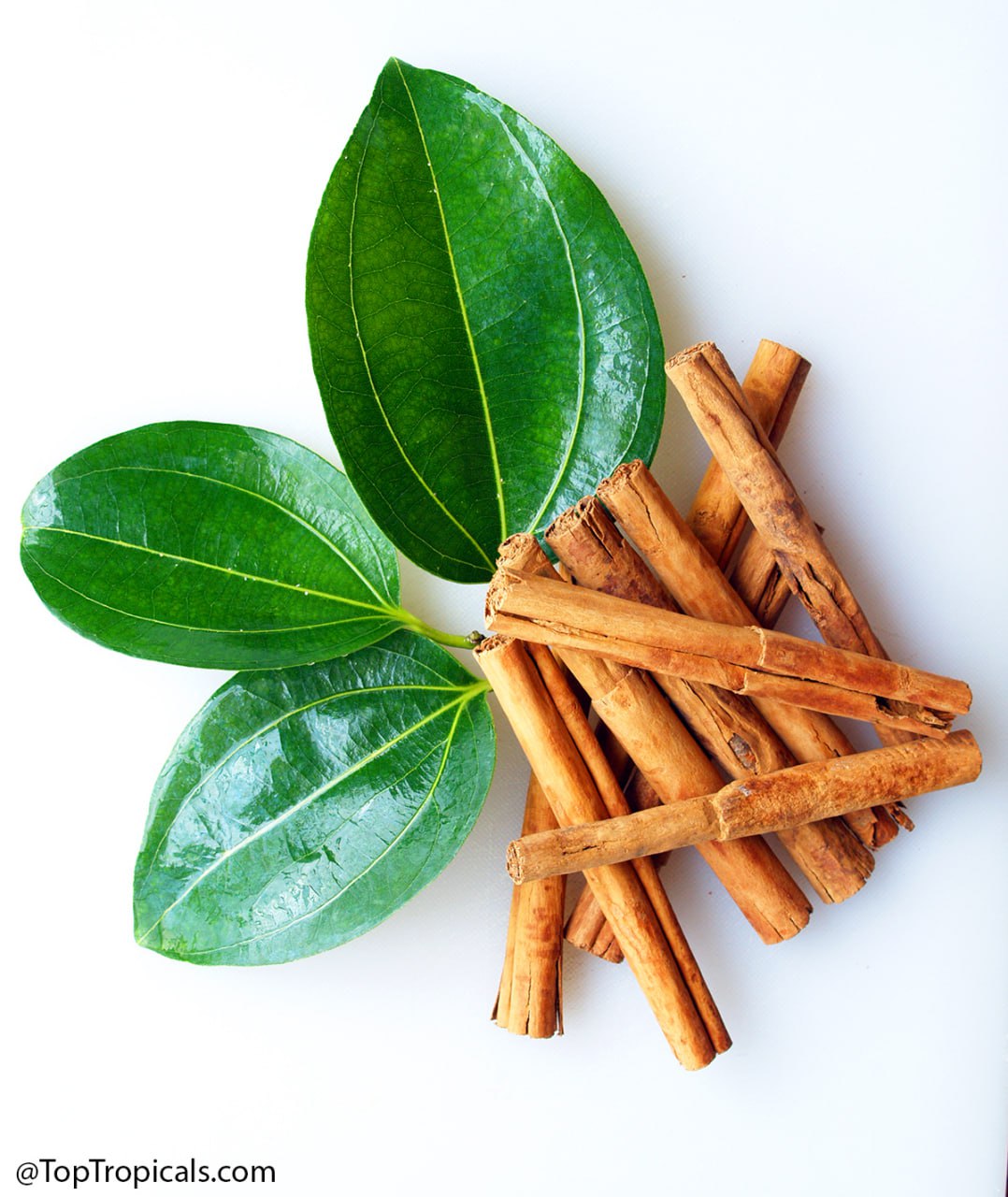
Cinnamon (Cinnamomum zeylanicum)

Cinnamon (Cinnamomum zeylanicum)

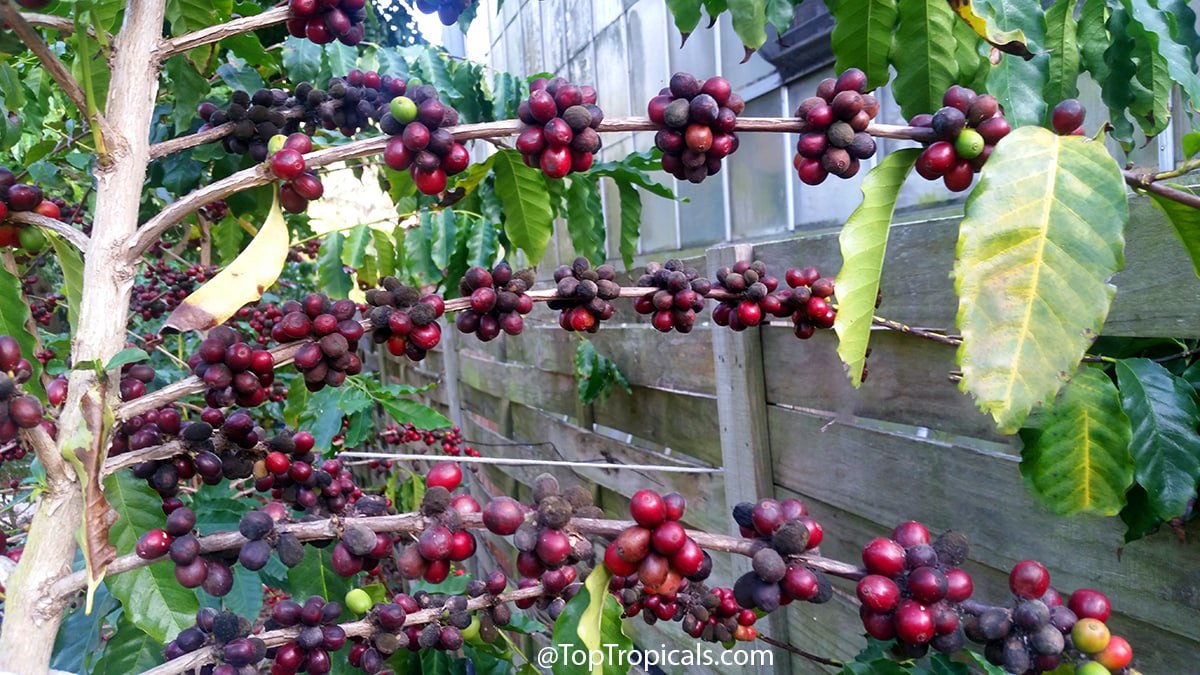
Coffee - Coffea arabica

Coffee - Coffea arabica

Fig tree fruit (Ficus carica)

Fig tree fruit (Ficus carica)

Patchouli - Pogostemon cablin

Patchouli - Pogostemon cablin

Pomegranate (Punica granatum)

Pomegranate (Punica granatum)

Cacao - Chocolate Tree (Theobroma cacao)

Cacao - Chocolate Tree (Theobroma cacao)

💖 Top nine plants of love, desire, and the senses: aphrodisiacs and sensory connections


Across cultures, love has also been expressed through taste, scent, warmth, and shared ritual. These tropical plants were valued not just for beauty, but for how they awaken the body and deepen connection.

💘 1. Cacao


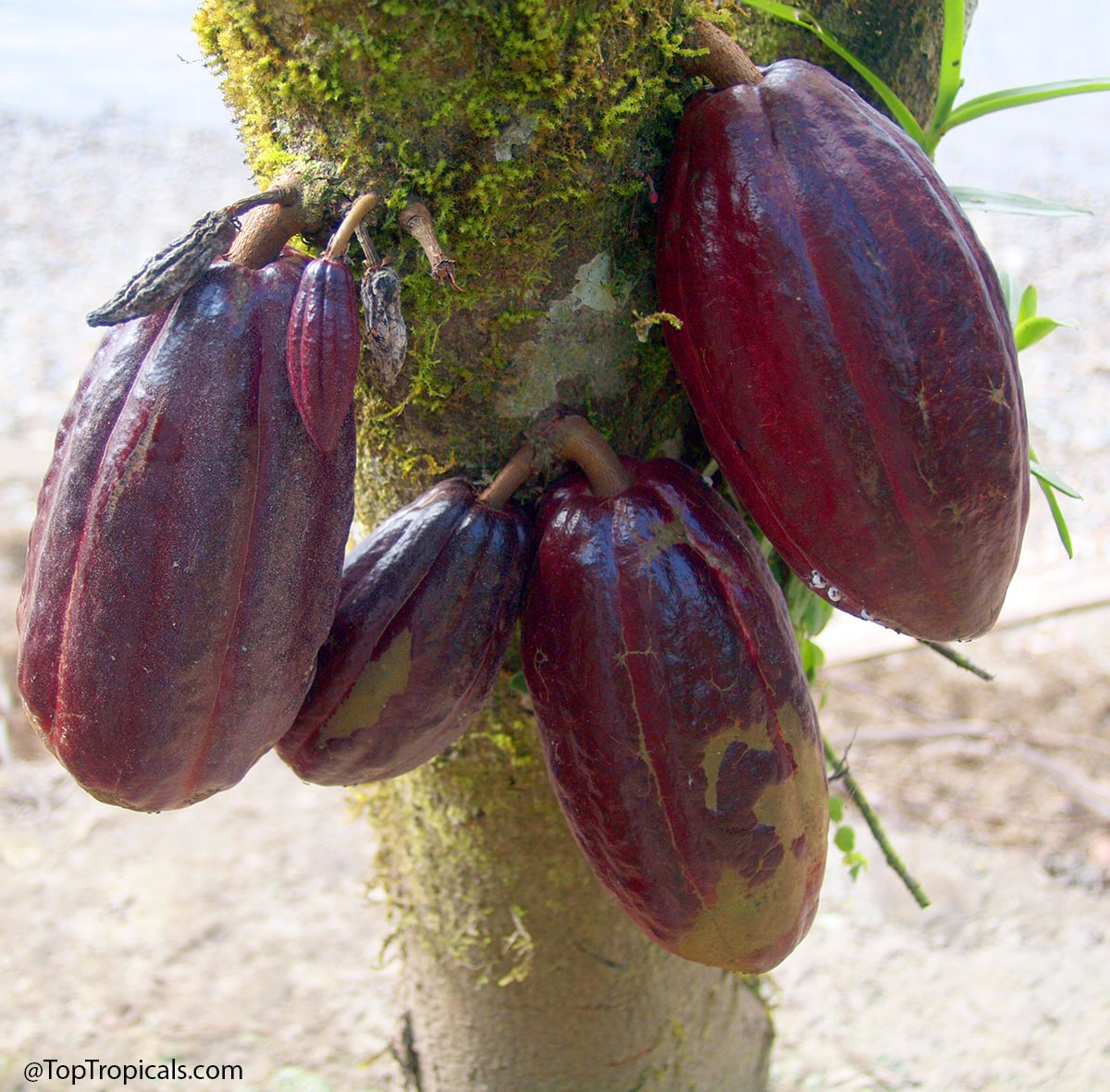
Cacao - Chocolate Tree (Theobroma cacao) - has one of the strongest global associations with love. Revered by the Aztecs as a “food of the gods”, it was consumed to increase desire and emotional bonding. Chocolate contains compounds linked to feelings of pleasure and infatuation, making cacao a natural Valentine symbol.

Chocolate Tree Plant Facts

Botanical name: Theobroma cacao
Also known as: Chocolate Tree, Cacao, Cocoa Tree
USDA Zone: 10 - 11
Highligths Large shrub 5-10 ft tallSmall tree 10-20 ftSemi-shadeFull sunWatering: Regular. Let topsoil dry slightlyYellow, orange flowersWhite, off-white flowersPink flowersEdible plantEthnomedical plant.
Plants marked as ethnomedical and/or described as medicinal, are not offered as medicine but rather as ornamentals or plant collectibles.
Ethnomedical statements / products have not been evaluated by the FDA and are not intended to diagnose, treat, cure, or prevent any disease. We urge all customers to consult a physician before using any supplements, herbals or medicines advertised here or elsewhere.
Get personalized tips for your region

👉 Chocolate Tree gift

💘 2. Vanilla Orchid


Vanilla (Vanilla planifolia) is both an orchid and one of the most sensual plant aromas known. Historically paired with cacao in love remedies, vanilla represents intimacy, warmth, and attraction. Its fragrance alone carries powerful emotional associations.

Madagascar Bourbon Vanilla Bean Plant Facts

Botanical name: Vanilla planifolia, Vanilla fragrans
Also known as: Madagascar Bourbon Vanilla Bean, French Vanilla, Vanilla Orchid
USDA Zone: 9 - 11
Highligths Vine or creeper plantSemi-shadeWatering: Regular. Let topsoil dry slightlyYellow, orange flowersEdible plantSpice or herb plantFragrant plantSubtropical plant. Mature plant cold hardy at least to 30s F for a short time
Get personalized tips for your region

👉 Vanilla orchid gift

💘 3. Ginger


Ginger symbolizes heat, vitality, and passion. Used worldwide to stimulate circulation and warm the body, it represents spark, chemistry, and physical energy.
👉 Ginger gift

💘 4. Cinnamon


Cinnamon (Cinnamomum zeylanicum) has long been associated with attraction and stimulation. Its warm, lingering aroma makes it a classic plant of desire, comfort, and emotional warmth.

Cinnamon Plant Facts

Botanical name: Cinnamomum zeylanicum, Cinnamomum verum
Also known as: Cinnamon
USDA Zone: 9 - 11
Highligths Large shrub 5-10 ft tallSmall tree 10-20 ftFull sunWatering: Regular. Let topsoil dry slightlyOrnamental foliageEdible plantSpice or herb plantEthnomedical plant.
Plants marked as ethnomedical and/or described as medicinal, are not offered as medicine but rather as ornamentals or plant collectibles.
Ethnomedical statements / products have not been evaluated by the FDA and are not intended to diagnose, treat, cure, or prevent any disease. We urge all customers to consult a physician before using any supplements, herbals or medicines advertised here or elsewhere.Fragrant plantSubtropical plant. Mature plant cold hardy at least to 30s F for a short timeFlood tolerant plant
Get personalized tips for your region

👉 Cinnamon gift

💘 5. Pomegranate


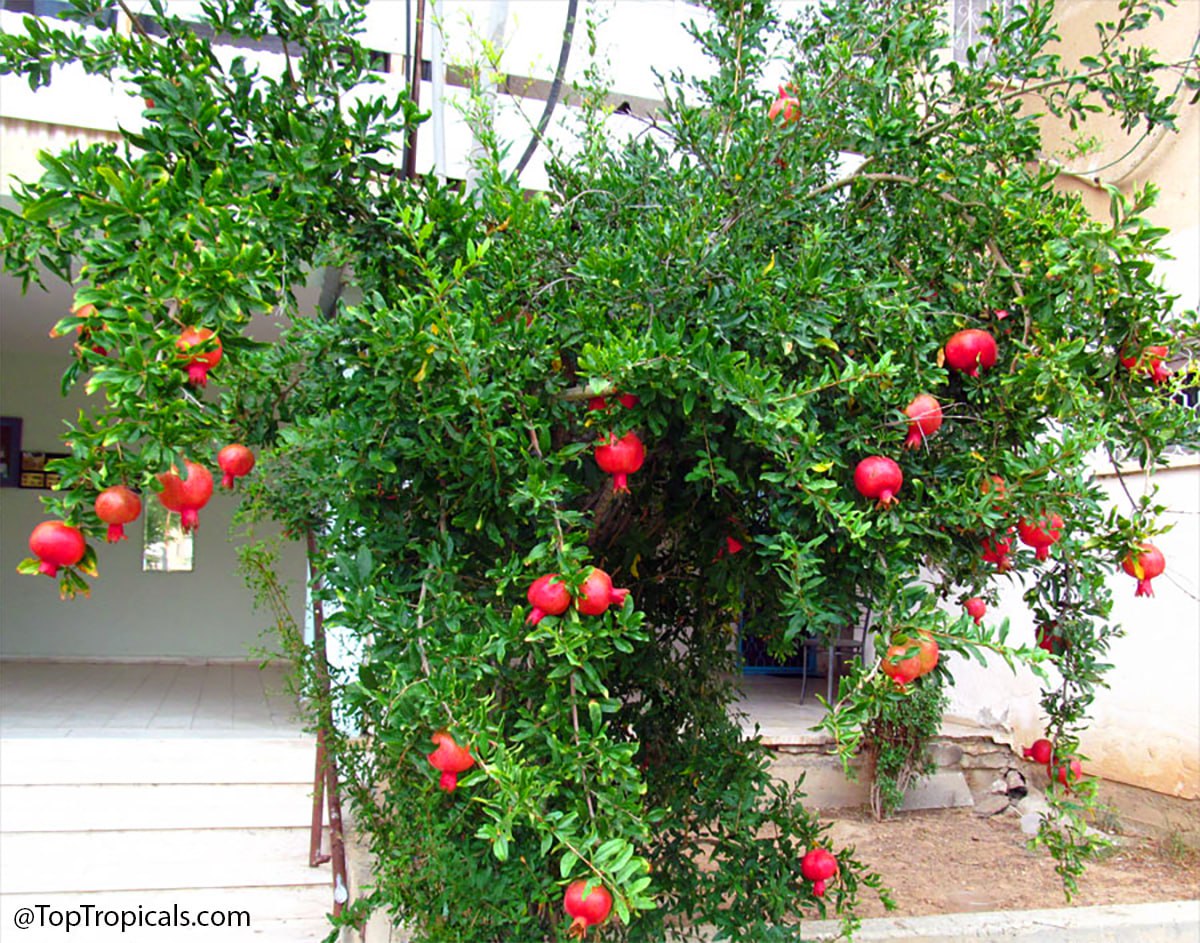
Pomegranate (Punica granatum) has long symbolized love, fertility, and union, with its many ruby-red seeds representing abundance and deep connection. In ancient traditions, it was linked to goddesses of love and marriage and remains a symbol of passion balanced by continuity and commitment.

Pomegranate Plant Facts

Botanical name: Punica granatum
Also known as: Pomegranate, Granada, Grenade, Pomegranate, Granada, Anar, Granaatappel, Pomo Granato, Romeira, Melo Grano
USDA Zone: 8 - 11
Highligths Large shrub 5-10 ft tallSmall tree 10-20 ftFull sunWatering: Moderate. Water when top soil feels dryRed, crimson, vinous flowersThorny or spinyEdible plantDeciduous plantEthnomedical plant.
Plants marked as ethnomedical and/or described as medicinal, are not offered as medicine but rather as ornamentals or plant collectibles.
Ethnomedical statements / products have not been evaluated by the FDA and are not intended to diagnose, treat, cure, or prevent any disease. We urge all customers to consult a physician before using any supplements, herbals or medicines advertised here or elsewhere.Subtropical plant. Mature plant cold hardy at least to 30s F for a short timeSeaside, salt tolerant plant
Get personalized tips for your region

👉 Pomegranate gift

💘 6. Coffee


Coffee (Coffea arabica) represents connection through shared ritual. Sacred to African Sufis for its stimulating properties, coffee symbolizes conversation, alertness, and social bonding rather than purely romantic love.

Coffee Plant Facts

Botanical name: Coffea arabica
Also known as: Coffee
USDA Zone: 9 - 11
Highligths Large shrub 5-10 ft tallSmall tree 10-20 ftSemi-shadeShadeKeep soil moistWhite, off-white flowersEdible plantEthnomedical plant.
Plants marked as ethnomedical and/or described as medicinal, are not offered as medicine but rather as ornamentals or plant collectibles.
Ethnomedical statements / products have not been evaluated by the FDA and are not intended to diagnose, treat, cure, or prevent any disease. We urge all customers to consult a physician before using any supplements, herbals or medicines advertised here or elsewhere.Fragrant plantSubtropical plant. Mature plant cold hardy at least to 30s F for a short time
Get personalized tips for your region

👉 Coffee tree gift

💘 7. Fig Tree


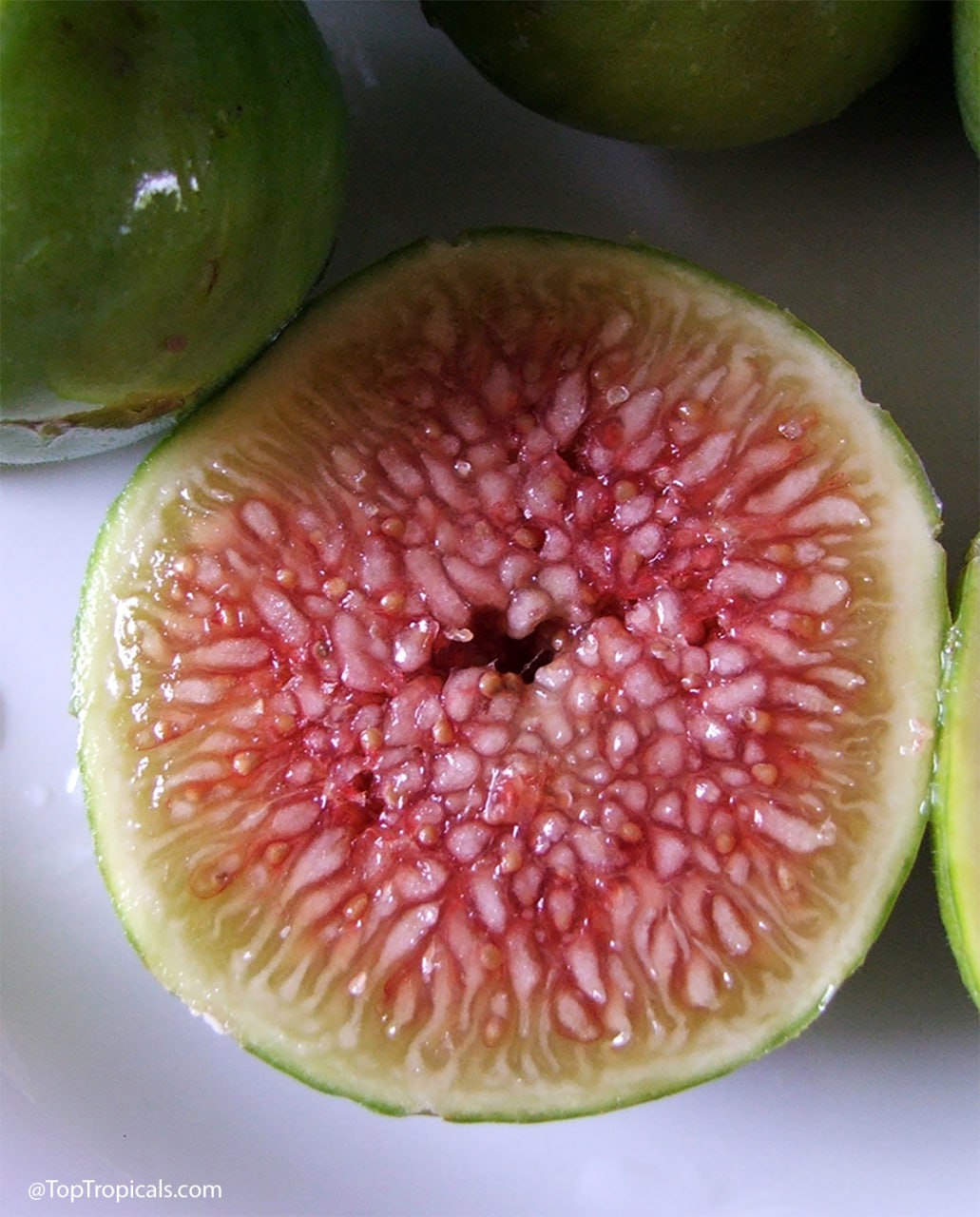
Figs (Ficus carica) have ancient associations with fertility, sensuality, and indulgence. Their voluptuous form, sweet flesh, and rich texture made them symbols of desire and abundance in many cultures.

Fig Tree Plant Facts

Botanical name: Ficus carica
Also known as: Fig Tree, Brevo
USDA Zone: 7 - 10
Highligths Plant used for bonsaiSmall tree 10-20 ftFull sunWatering: Moderate. Water when top soil feels dryOrnamental foliageEdible plantDeciduous plantSubtropical plant. Mature plant cold hardy at least to 30s F for a short timeFlood tolerant plantSeaside, salt tolerant plant
Get personalized tips for your region

👉 Fig tree gift

💘 8. Betel Leaf and Betel Nut


Betel Leaf (Piper betle) is a powerful symbol of love, respect, and partnership across South and Southeast Asia. It is exchanged in courtship, weddings, and ceremonies, representing acceptance and shared experience. Its heart-shaped leaves reinforce its Valentine symbolism.
Betel nut (Areca catechu) - traditionally used as a stimulant and aphrodisiac, betel nut represents intensity, ritual, and sensory awakening. In this context, it is best presented as a cultural symbol rather than a casual love plant.

Betel Leaf Plant Facts

Botanical name: Piper betle
Also known as: Betel Leaf
USDA Zone: 9 - 11
Highligths Vine or creeper plantSemi-shadeShadeFull sunWatering: Moderate. Water when top soil feels dryOrnamental foliageSpice or herb plantEthnomedical plant.
Plants marked as ethnomedical and/or described as medicinal, are not offered as medicine but rather as ornamentals or plant collectibles.
Ethnomedical statements / products have not been evaluated by the FDA and are not intended to diagnose, treat, cure, or prevent any disease. We urge all customers to consult a physician before using any supplements, herbals or medicines advertised here or elsewhere.Subtropical plant. Mature plant cold hardy at least to 30s F for a short time
Get personalized tips for your region

👉 Betel gift

💘 9. Patchouli


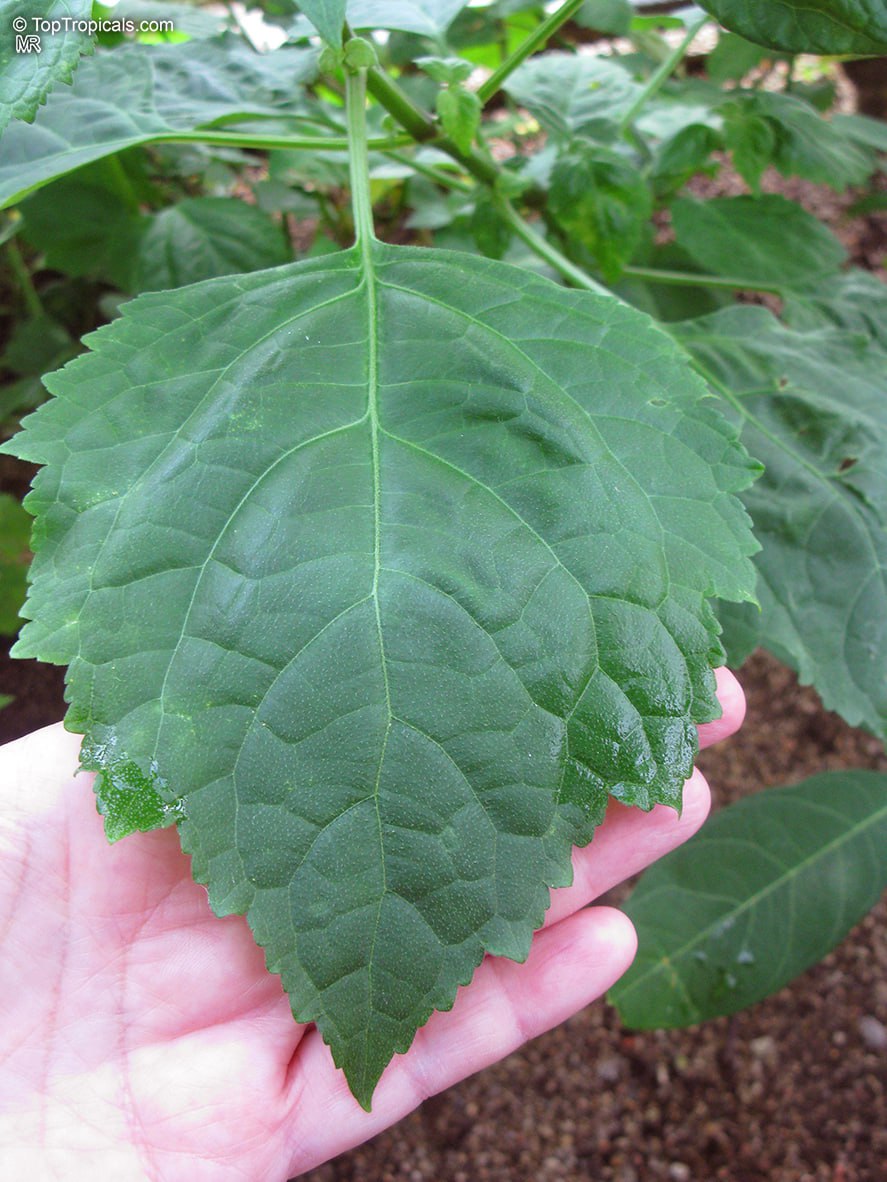
Patchouli (Pogostemon cablin) represents deep attraction and emotional grounding. Its earthy, musky scent has long been associated with intimacy and physical presence. Unlike sweet florals, patchouli symbolizes mature, rooted love that lingers.

Patchouli Plant Facts

Botanical name: Pogostemon cablin, Pogostemon patchouli, Pogostemon heyneanous
Also known as: Patchouli, Pucha-pat
USDA Zone: 9 - 11
Highligths Groundcover and low-growing 2ft plantSmall plant 2-5 ftSemi-shadeFull sunWatering: Moderate. Water when top soil feels dryWatering: Regular. Let topsoil dry slightlyOrnamental foliageSpice or herb plantEthnomedical plant.
Plants marked as ethnomedical and/or described as medicinal, are not offered as medicine but rather as ornamentals or plant collectibles.
Ethnomedical statements / products have not been evaluated by the FDA and are not intended to diagnose, treat, cure, or prevent any disease. We urge all customers to consult a physician before using any supplements, herbals or medicines advertised here or elsewhere.Fragrant plant
Get personalized tips for your region

👉 Patchouli gift

🛒 Explore gift plants
🎁 Get a Gift Card

📚 Learn more:


Valentines day Best Gift Plant Ideas
Cacao: fruit of Money and Love
How to plant vanilla orchid
Most interesting edible gingers
Plants of Love: Aphrodisiacs of the plant world
How to increase libido?
How to Grow Your Own Cinnamon Tree
Healing drops of blood: why Pomegranate is a superfood
Don't drink your coffee until you see this!
The fruit tree that every garden must have: Figs
How to grow your own Pepper plants. Five most valuable Pipers
How to grow Patchouli indoors
Valentine’s plants from around the world that symbolize love, connection, and appreciation
Eight favorite plants of romance, affection, and emotional connection
Four popular plants of friendship, appreciation, and shared connection

🎥 Secret Sex Life of Vanilla Orchid: how to produce your own vanilla

#Shade_Garden #Container_Garden

🟢 Join 👉 TopTropicals

Date: 7 Aug 2025

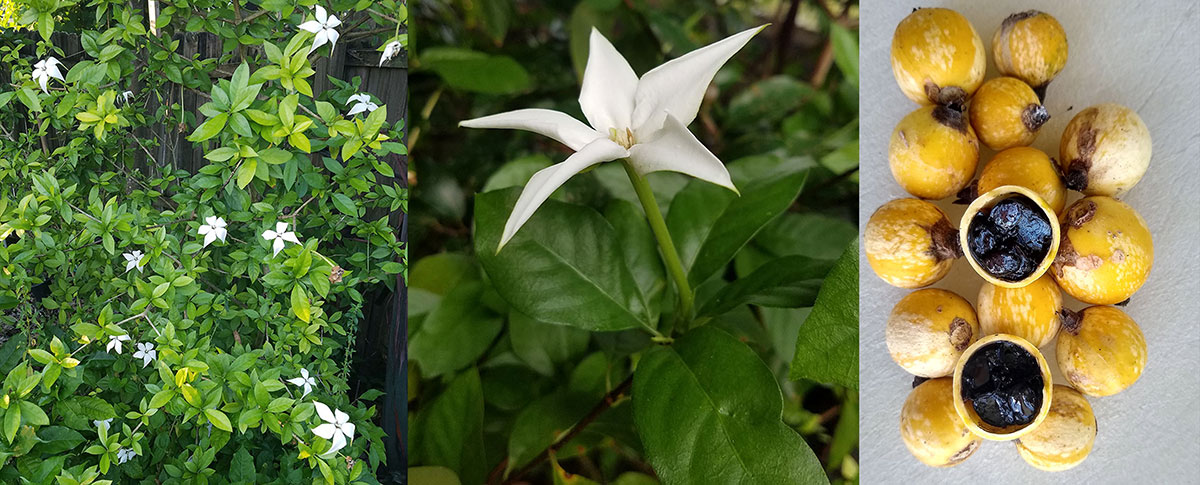
Randia  formosa  shrub  in  bloom  with  white  star-shaped  flowers,  close-up  of  single  bloom,  and  ripe  yellow  fruit  with  black  pulp  that  looks  like  blackberry  jam

Randia formosa - Blackberry Jam Fruit Tree with Flowers and Ripe Fruit

You know how some plants just surprise you?

That's Randia formosa - the Blackberry Jam Fruit Tree. At first, it just looks like a cute little gardenia-type shrub. Glossy leaves, sweet white flowers. Nice enough. But then the fruit shows up… and you crack one open and go, “Wait - this tastes like jam?!”

And not just any jam - like real, fresh blackberry jam. No sugar, no cooking. Just soft black pulp inside this golden little fruit. It's weirdly satisfying. One of those things you make everyone taste just to see their face.

What's even cooler is how easy it is. This thing starts blooming and fruiting when it's barely 2 feet tall. You can grow it in a pot on your porch, or even inside if it gets enough light. And while most of your other plants take the winter off, this one keeps going - flowers, fruit, the whole show.

If you've got a spot with filtered light and a little curiosity, it's absolutely worth a try. Honestly, it's just… fun.

This rare South American evergreen shrub checks all the boxes: fragrant, compact, easy, and edible.

✅ Grows in pots ✅ Indoors ✅ Small yards

Randia formosa – Blackberry Jam Fruit Tree – FAQ

What is Randia formosa?

Randia formosa, also known as Blackberry Jam Fruit or Jasmin de Rosa, is a compact tropical shrub that produces fragrant white flowers and small yellow fruits filled with soft, black pulp that tastes remarkably like blackberry jam. It belongs to the Rubiaceae family, the same as Gardenia and Coffea.

Why gardeners love Randia

  • Delicious jam-flavored fruit – no sugar needed.
  • Compact grower – perfect for patios and indoor spaces.
  • Fast results – blooms and fruits within 1–1.5 years.
  • Big yield in a small pot – 25–30 fruits at once!
  • Fall–Winter performer – keeps going when others stop.
  • Kid favorite – fun to grow, fun to eat.

What does the fruit taste like?

The pulp inside the fruit tastes just like fresh blackberry jam - sweet, tangy, and rich. It is edible fresh, without any processing or sweeteners, and is loved by both kids and adults.

How big does the plant get?

In the ground, Randia formosa typically reaches 4 to 5 feet tall. In containers, it usually stays smaller, around 3 to 4 feet, making it perfect for small gardens, patios, or indoor growing.

How soon will it fruit?

Very quickly! This is one of the fastest fruiting tropicals. Plants begin to flower and produce fruit within two years from seed. Еstablished plants in 3 gallon containers may begin fruiting at just 2 feet tall.

Does it need full sun?

No. It actually prefers filtered light or partial shade, especially in hot climates. Leaves tend to look healthier and greener when grown in dappled light.

Can I grow Randia formosa indoors?

Yes! Its compact size and shade tolerance make it an excellent choice for bright indoor spaces. Just be sure to provide good air circulation, high humidity if possible, and avoid cold drafts.

How cold-hardy is it?

Mature plants can tolerate temperatures down to about 26F for short period of time, but young plants are more sensitive and should be protected from frost. It is best grown outdoors in USDA zones 9b and up or kept as a container plant that can be brought indoors in winter.

What kind of soil does it need?

Randia formosa requires acidic, well-draining soil. Avoid alkaline soils, which may cause leaf chlorosis (yellowing with green veins).

How often should I water it?

Keep soil evenly moist but not soggy. It is sensitive to overwatering, especially in cooler weather. During winter, reduce watering. Underwatering may cause sudden leaf drop - but the plant usually recovers quickly once watered again.

What fertilizer does it need?

Yes. Use a slow-release fertilizer formulated for acid-loving plants. Regular applications of micronutrients (especially iron and magnesium) help prevent chlorosis. Foliar sprays can also be helpful. Apply Sunshine C-Cibus Booster or Green Magic controlled release fertilizer to keep your plant happy: Blackberry Jam Fruit is a heavy feeder!

When does it flower and fruit?

This plant can bloom and fruit for several months, often from summer through winter. It is known to bloom off-season, making it a fun and productive plant when others are dormant.

Are the flowers fragrant?

Yes, the white star-shaped tubular flowers have a light, sweet fragrance, similar to gardenias but less intense. The flowers open at night.

Is it self-pollinating?

Yes. A single plant can set fruit on its own, although insect activity can improve fruit set.

Are there any common problems?

The most common issue is chlorosis, which shows up as yellowing leaves with green veins - usually due to overwatering, poor drainage, or alkaline soil. It's fixable with acidification and micronutrients. The plant may also drop leaves suddenly if underwatered but tends to bounce back.

Is this plant related to Gardenia?

Yes. It is in the same plant family (Rubiaceae) as Gardenia and Coffee. That's why the flowers look similar and why it tolerates similar care needs.

Can it be used for bonsai or miniature tree styling?

Yes, due to its slow growth and branching habit, Randia formosa can be shaped into a miniature tree form and is quite attractive when trained.

Is it drought-tolerant?

Once established, it shows moderate drought tolerance. However, young plants need regular watering and are more vulnerable to drying out.

Read Garden Blog about Blackberry Jam Fruit

Get your Blackberry Jam Fruit