Garden Blog - Top Tropicals

Date: 9 Jun 2026

This Forgotten Tropical Vine Has Huge Glossy Leaves and Smells Exactly Like Carnations: Faradaya splendida - the Glory Vine
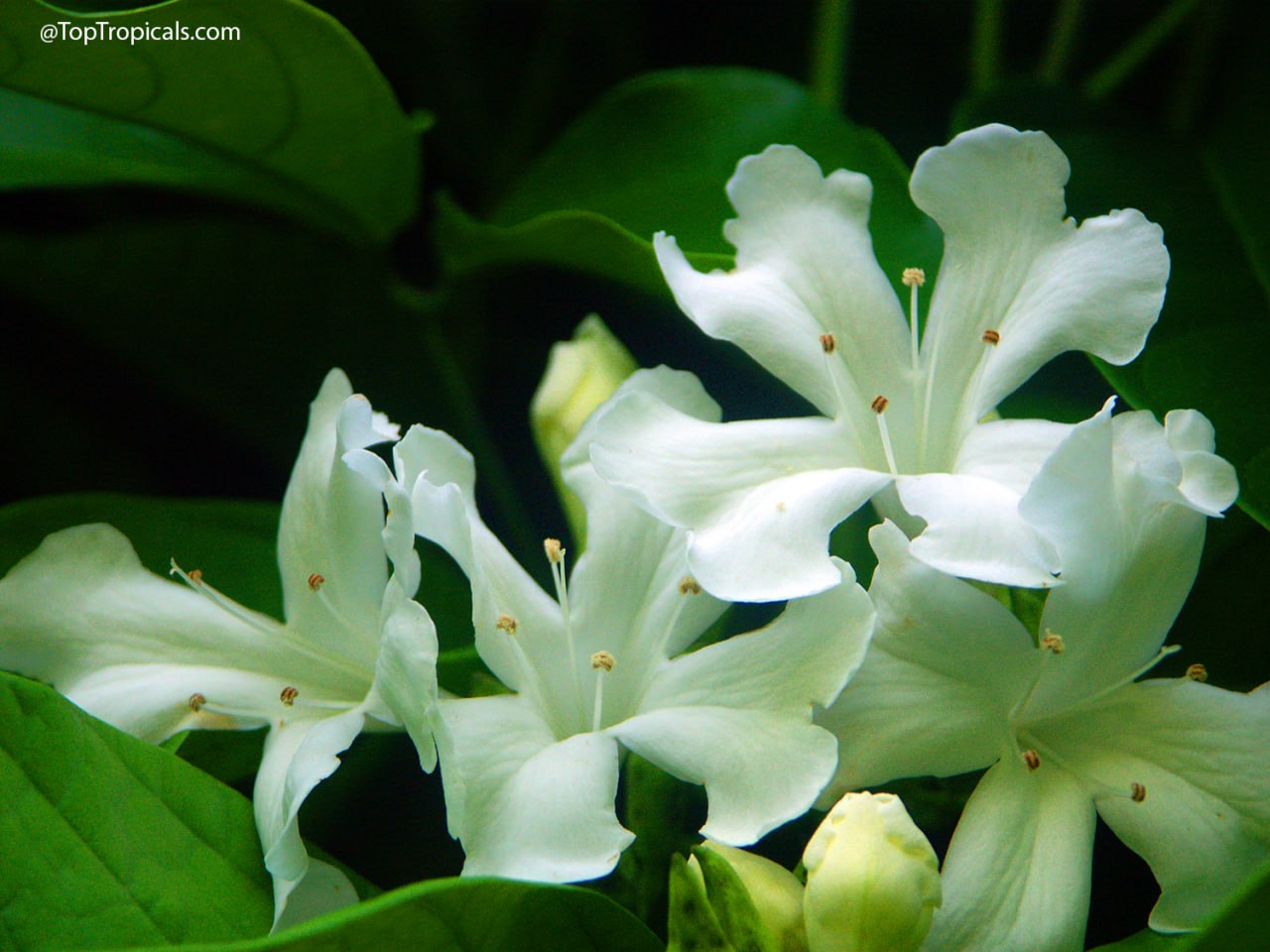
Faradaya splendida - the Glory Vine flowers close up
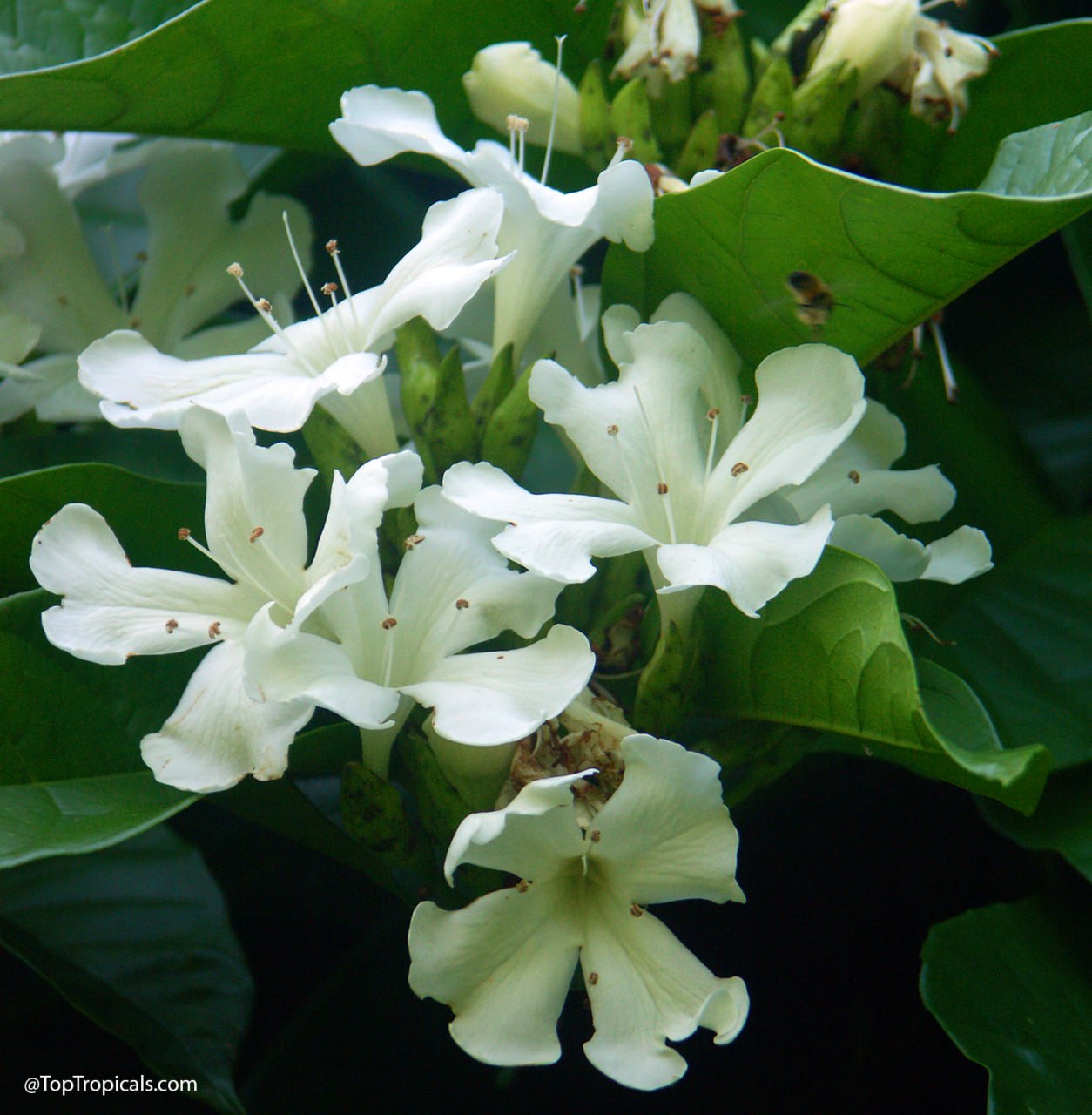
Faradaya splendida - the Glory Vine flowers close up

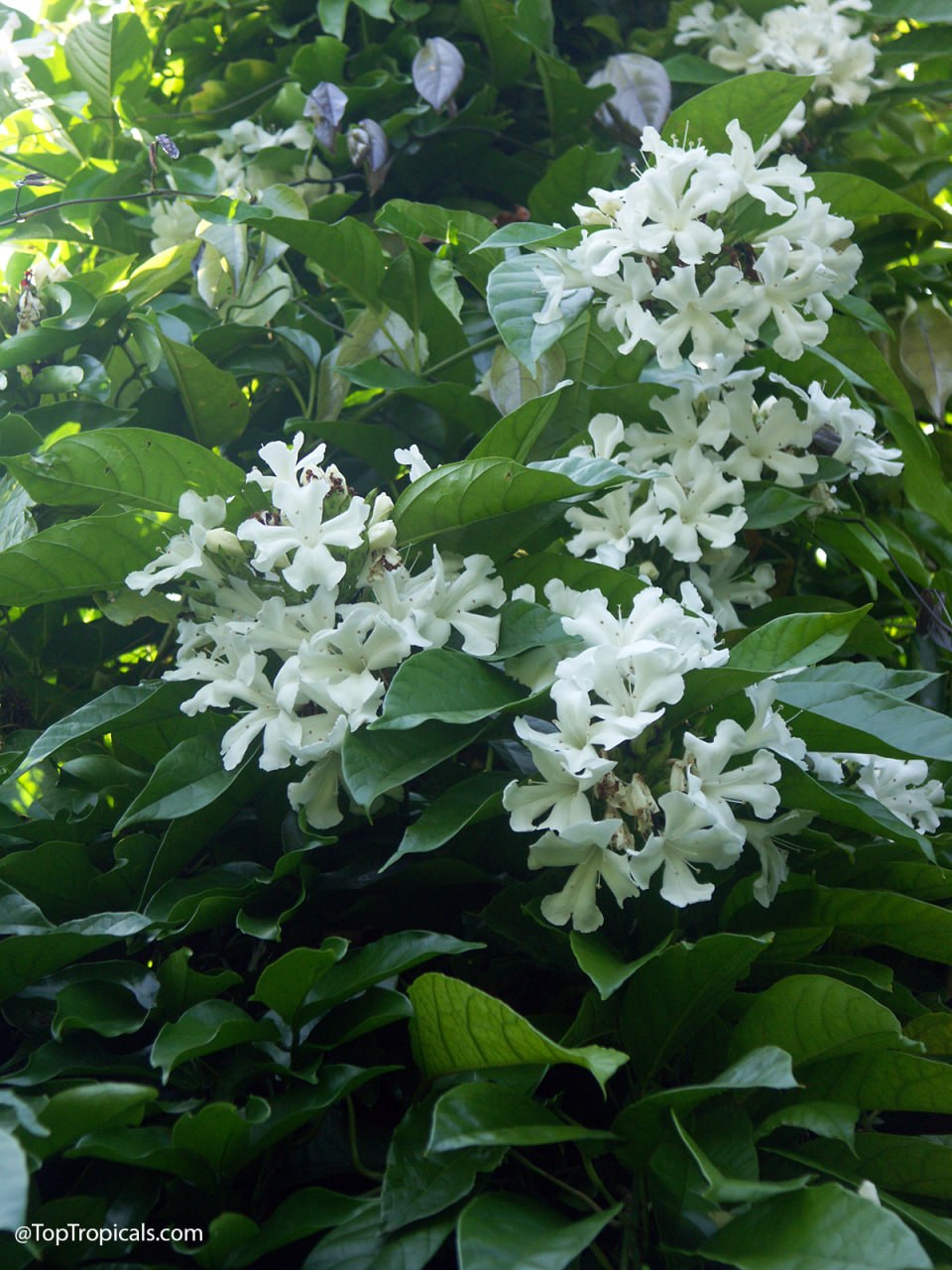
Faradaya splendida - the Glory Vine flowers
Faradaya splendida - the Glory Vine flowers

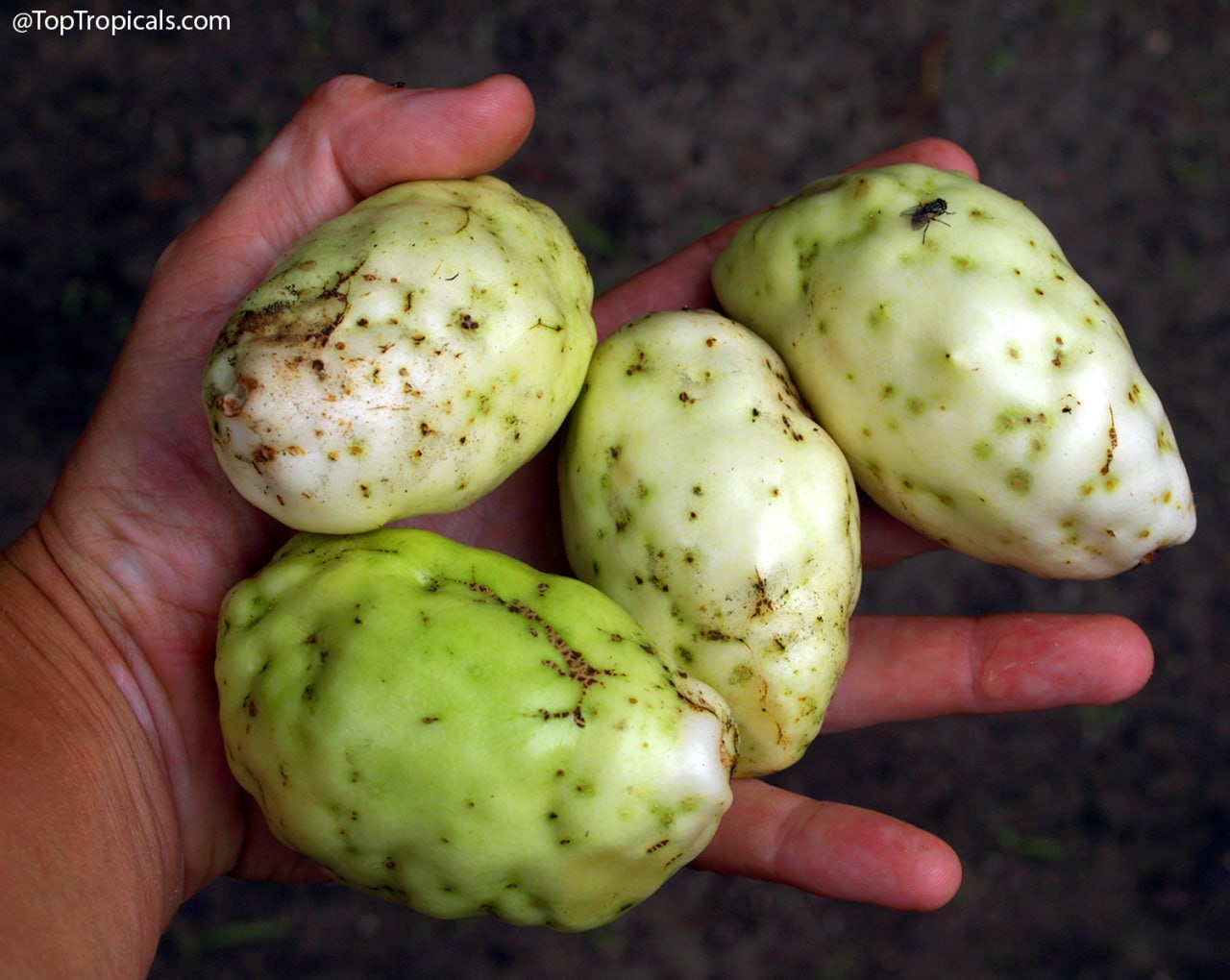
Faradaya splendida - the Glory Vine fruit
Faradaya splendida - the Glory Vine fruit

Faradaya splendida - the Glory Vine

Faradaya splendida - the Glory Vine

✨ This Forgotten Tropical Vine Has Huge Glossy Leaves and Smells Exactly Like Carnations: Faradaya splendida - the Glory Vine


Some plants become famous because everyone talks about them. Others quietly grow in the background - tougher, more resilient, and often far more impressive than the trendy varieties people rush to buy.
Faradaya splendida - the Glory Vine - belongs firmly in that second category.
This rare tropical climber boasts massive glossy leaves, carnation-scented white flowers, and enough vigor to quickly smother fences and pergolas. Yet, most gardeners have never heard of it simply due to a lack of mainstream exposure.

A Rainforest Native with Serious Presence


Native to the rainforests of Northern Queensland, Papua New Guinea, and nearby Pacific islands, the Glory Vine evolved to compete fiercely for sunlight. That edge explains its robust personality:

Fast Jungle Growth: This is no delicate creeper. Its thick, woody stems scale heavy garden structures with ease.
Dramatic Contrast:
Enormous, shiny leaves create a striking backdrop for pristine white blooms that practically glow against the dark foliage.

While Australian native plant enthusiasts love it, it remains a hidden gem to the rest of the gardening world.

Sensory Appeal: Carnation Scents and "Egg" Fruits


One of its best surprises is the fragrance. The large, snow-white, trumpet-shaped blooms carry a sweet, spicy scent identical to carnations, peaking in warm weather. While individual flowers are short-lived, the vine blooms heavily and repeatedly throughout summer.

Even out of bloom, the foliage delivers high-impact aesthetics. The lush leaves can reach nearly a foot long, effortlessly creating a dense rainforest look. Then come the strange fruits. After flowering, the vine produces large, egg-shaped white fruits resembling smooth potatoes. Hanging from the stems, they look so unusual that visitors often assume they are artificial.

Indigenous History and Ecological Deep Roots

Beyond beauty, Faradaya splendida carries a rich history. Among the Girramay people of northern Australia, the vine is known as Djungeen.

A Seasonal Clock: The dropping of its white fruits in October traditionally signaled that wild bush turkey nests contained eggs.
Traditional Fishing: The bark contains natural saponins (foaming compounds). Historically, it was used to temporarily stun fish in creeks without permanently polluting the water.

This is a storied rainforest species with deep ecological roots.

How to Grow the Glory Vine


The barriers to its popularity are availability and awareness. The name doesn't roll off the tongue like jasmine, and mainstream nurseries rarely stock it. However, source one from a specialty native nursery and the rewards are unmatched. It is:

· Evergreen and highly adaptable in tropical and subtropical climates.
· A magnet for local pollinators and butterflies.
· Exceptionally low-maintenance once established.

The only caveat? Space. This vine climbs with serious intent. Give it warmth, moisture, sunlight, and a sturdy structure, and it will reward you with a breathtaking jungle canopy.

One Discovery Away from Trend Status


Some plants stay hidden simply because a trendsetter hasn't spotlighted them online yet. The Glory Vine is a botanical treasure waiting to be rediscovered by modern landscaping. Until then, it remains a secret weapon for those in the know: a show-stopping vine that invariably makes people stop and ask, "What is that?"

🛒 Claim a Forgotten Treasure - only a few plants left in stock!

#Hedges_with_benefits #Discover #Perfume_Plants

🟢 Join 👉 TopTropicals
Date: 18 Jun 2026

Container Gardening in Hot Climate: Your Pot May Be Hotter Than You Think

Container Gardening in Hot Climate: Your Pot May Be Hotter Than You Think

Container Gardening in Hot Climate: Your Pot May Be Hotter Than You Think


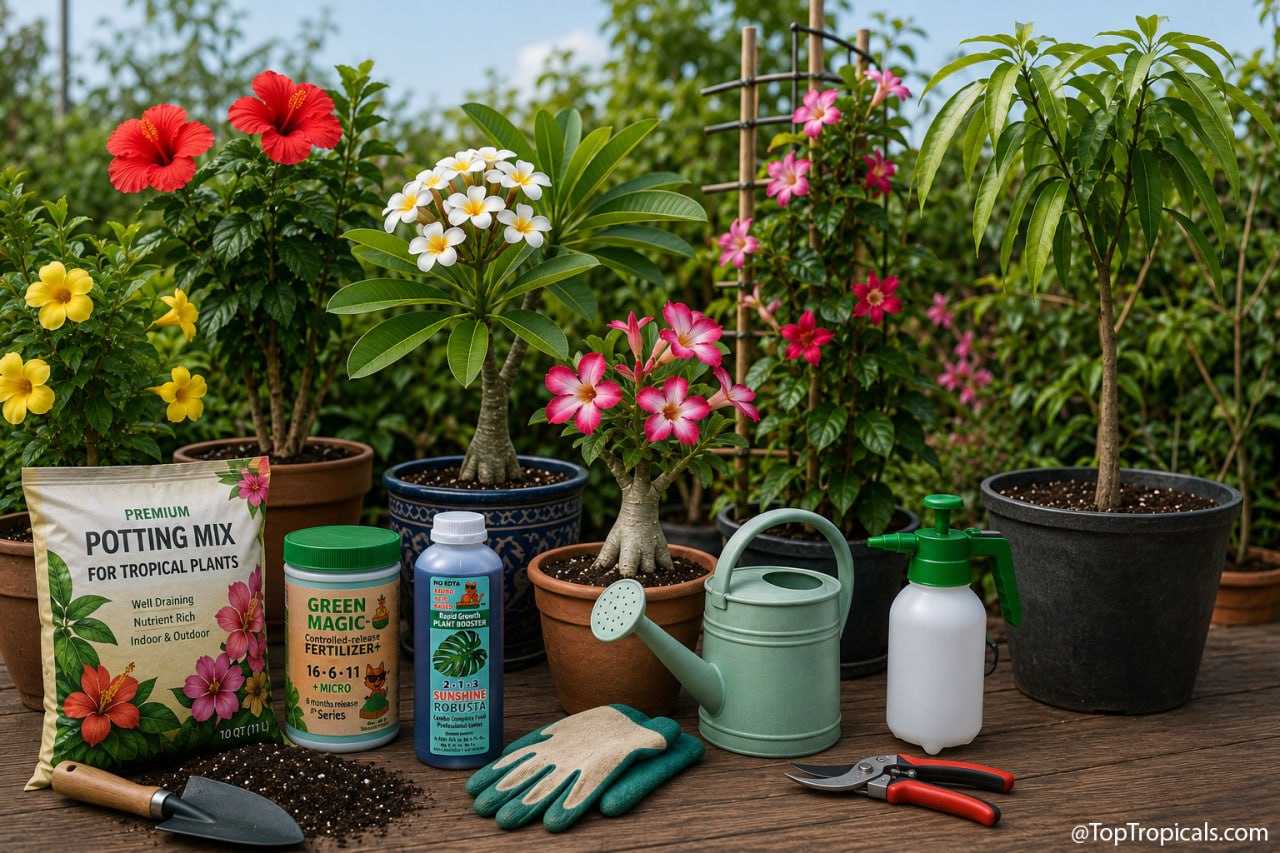
Container gardening lets you grow almost anything - tropical flowers, fruit trees, herbs, even small edible gardens. But in hot climates, pots create challenges that plants growing in the ground never face.
The biggest problem? Heat. A container sitting in full sun can become surprisingly hot. The potting mix dries much faster than garden soil, and roots can literally bake against the sides of the container during summer.
On a sunny summer day, the soil inside a container can heat up much faster than garden soil. While the leaves may look fine, roots trapped inside a hot pot can dry out, overheat, and become stressed long before gardeners notice a problem. That's why growing plants in containers during hot weather often requires a different approach than growing them in the ground.


Bigger Pots Stay Cooler🌡

• Large containers hold more soil, which means they stay moist longer and protect roots from temperature swings.
• Small pots may need watering daily - sometimes twice a day during extreme heat.
• Choose the largest container practical for your space and the plant's size. Avoid oversized pots, which can stay wet too long and promote root rot.

Protect the Pot, Not Just the Plant ☂️

Many gardeners focus on protecting the foliage from heat, but roots often suffer first.
Grouping containers together allows plants to shade each other's pots, helping keep the root zone cooler throughout the day. This is especially helpful for black nursery pots exposed to afternoon sun.
If a container sits in full sun all day, consider wrapping the pot with shade cloth or placing it inside a larger decorative planter. The goal is simple: keep the roots cooler while allowing the plant itself to receive the sunlight it needs.
The plant wants sun. The roots want shade.

Choose Containers Wisely

• Many gardeners love the look of clay pots, but in hot climates they can dry out very quickly because moisture evaporates through the porous sides.
• For most tropical plants, plastic nursery pots often perform better because they retain moisture longer and keep roots from drying out as fast.
• If appearance matters, simply place the nursery pot inside a decorative planter with good drainage.

Water Deeply, Not Constantly 💧

Frequent shallow watering encourages weak roots near the soil surface.
Instead, water thoroughly and allow excess water to drain away. A layer of mulch on top of the potting mix can also help slow moisture loss.

Feed Regularly

Container plants depend entirely on you for nutrition. Regular fertilizing during the warm growing season helps support stronger growth, flowering, and fruit production.

Check for Pests Often 🐛

Plants under heat and drought stress are more vulnerable to insects. Inspect leaves regularly for spider mites, scale, mealybugs, and other common pests before small problems become big ones.

Hot Climate Container Garden Checklist ✍️

• Use large containers whenever possible
• Make sure every pot has drainage holes
• Use quality potting mix, not garden soil
• Mulch the soil surface
• Fertilize regularly during active growth
• Inspect for pests weekly
• Watch for root-bound plants and repot as needed
• Be cautious with clay pots in hot weather

A healthy container garden is really a balance between moisture and drainage. Keep roots cool, provide consistent water and nutrition, and even tropical plants can thrive through the hottest months of summer.

🛒 Get fresh and real foodsoilless mix for your plants

📚
Learn more:
Sunshine Boosters: Complete Plant Nutrition System
Why June Is the Most Important Month for Potted Tropical Plants
Why young trees need staking?
The SECRET growers never tell you: simple trick how to bring plants back to life and keep green 
How to re-pot a plant properly?

#Discover #How_to

🟢 Join 👉 TopTropicals

Date: 23 Sep 2025

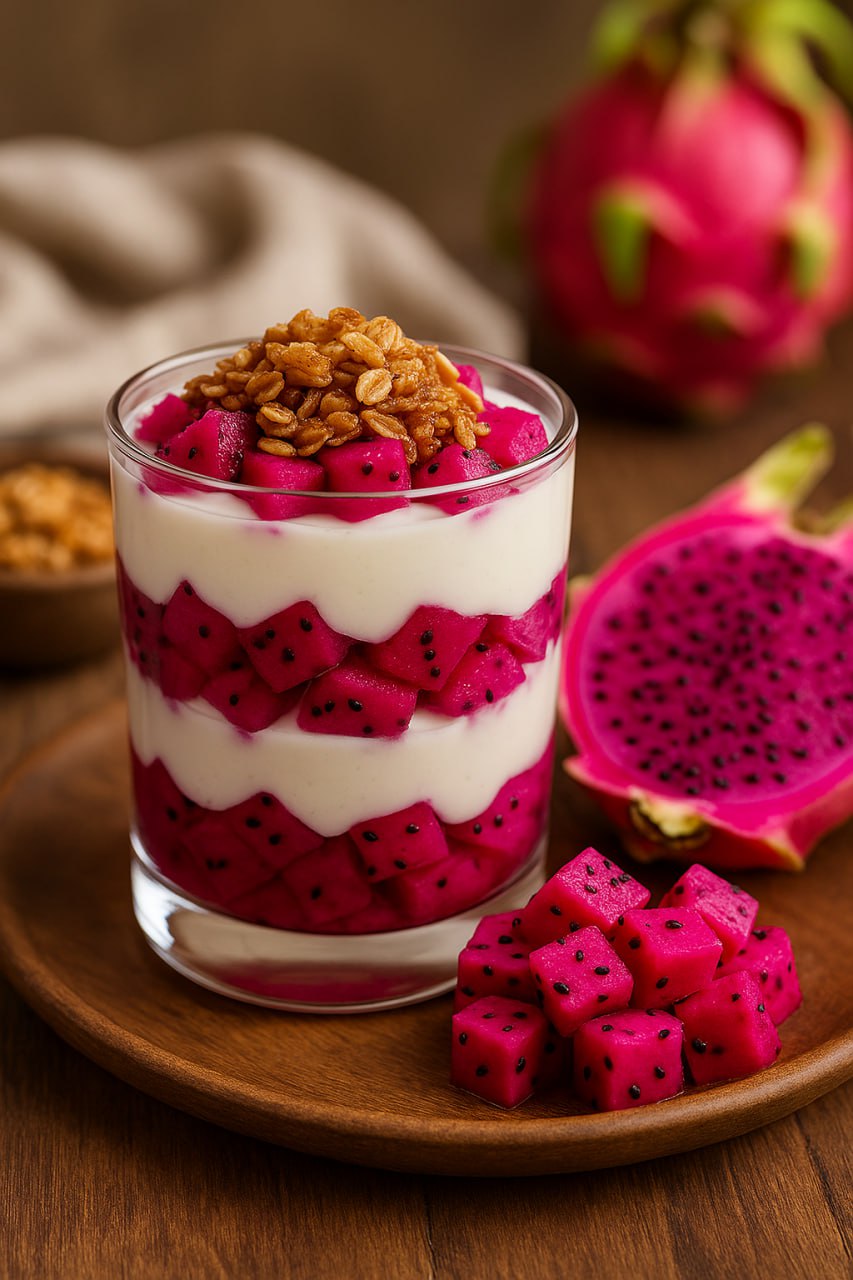
Dragon fruit coconut parfait: quick-n-fun exotic recipes

Dragon fruit coconut parfait

Dragon fruit coconut parfait

🍴 Dragon fruit coconut parfait: quick-n-fun exotic recipes


🔵Layer Dragon Fruit cubes with coconut cream and toasted granola.
🔵A tropical breakfast that looks neon and tastes fresh!

Dragon fruit coconut parfait recipe

Ingredients

  • 1 fresh Dragon Fruit, diced into cubes
  • 1 cup coconut cream
  • 1/2 cup toasted granola
  • Optional: honey or maple syrup for drizzle

Instructions

  1. Layer Dragon Fruit cubes in a glass or bowl.
  2. Add a layer of coconut cream, then sprinkle toasted granola.
  3. Repeat layers until glass is full, finishing with granola on top.
  4. Serve immediately for a refreshing tropical breakfast or snack.

🛒 Explore Dragon Fruit varieties

#Food_Forest #Recipes

🟢 Join 👉 TopTropicals

Date: 17 Nov 2023

Hedges with Benefits
Reference Chart

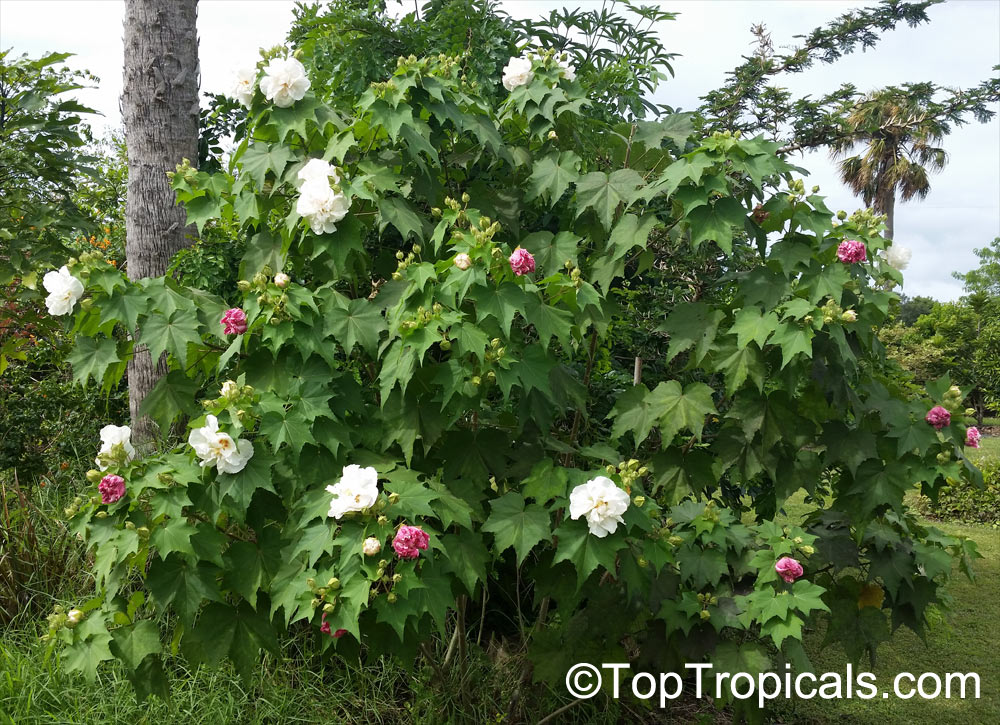
Hibiscus  mutabilis  flowering  hedge

Large and fast growing

Tithonia diversifolia - Sunflower tree
Acacia farnesiana - Sweet Mimosa
Calliandra surinamensis - Powderpuff
Aloysia virgata - Almond Bush
Dombeya x wallichii - Tropical Hydrangea
Cornutia grandifolia - African lilac
Gmelina philippensis - Parrots Beak
Hibiscus mutabilis Cotton Candy - Mallow Hibiscus
Senna alata - Empress Candle, Candelabra Plant

Medium or easy-trim

Acalypha hispida - Cat tail, Chenille plant
Bauhinia galpinii - Pride of De Kaap
Cestrum nocturnum - Night blooming jasmine
Dombeya seminole - Tropical Rose Hydrangea
Gardenia thunbergia - Forest gardenia
Hamelia patens - Fire Bush
Hibiscus variegated Snow Queen
Jasminum sambac Maid of Orleans
Ochna integerrima - Vietnamese Mickey Mouse, Hoa Mai
Odontonema callistachyum - Lavender Butterfly Bush
Odontonema cuspidatum - Firespike, Red
Rondeletia leucophylla - Panama Rose
Tecoma stans - Yellow Elder

Short or slow growing

Aglaia odorata - Chinese Perfume Plant
Allamanda schottii - Dwarf Allamanda Bush
Brunfelsia pauciflora Compacta - Dwarf Yesterday-Today-Tomorrow
Clerodendrum incisum - Musical Note
Calliandra schultzii - Dwarf calliandra
Gardenia vietnamensis - Vietnamese Gardenia
Leonotis leonurus - Lions Ears
Neea psychotrioides - Pigeon Plum, Hoja de Salat
Plumbago auriculata Imperial Blue

Garden Specimens

Combretum constrictum Thailand, Ball of Fire
Caesalpinia pulcherrima - Red Dwarf Poinciana, Bird of Paradise
Clerodendrum quadriloculare - Winter Starburst
Euphorbia leucocephala - Snows of Kilimanjaro, Pascuita
Gardenia nitida - Shooting Star Gardenia
Hibiscus schizopetalus - Coral Hibiscus
Jatropha integerrima compacta
Kopsia fruticosa - Pink Gardenia
Malvaviscus x penduliflorus Variegata - Summer Snow
Mussaenda philippica x flava - Calcutta Sunset (Marmelade)
Plumeria pudica - Bridal Bouquet

Semi-Shade to Shade

Clerodendrum bungei - Glory Bower
Clerodendrum paniculatum - Pagoda Flower
Eranthemum pulchellum - Blue Sage, Lead Flower
Clerodendrum speciosissimum - Java Glorybower Mary Jane
Justicia carnea - Pink Brazilian Plume, Jacobinia
Magnolia figo - Banana Magnolia
Megaskepasma erythrochlamys - Brazilian plume
Thunbergia erecta - Kings Mantle
Tibouchina lepidota - Ecuador Princess, Jules Dwarf

Edible Hedges

Eugenia uniflora - Black Surinam Cherry Lolita
Camellia sinensis - Tea Leaf
Hibiscus sabdariffa - Flor de Jamaica, Karkade Sorrel
Laurus nobilis - Bay Leaf
Manihot esculenta - Yuca Root
Nashia inaguensis - Moujean Tea, Bahamas Berry
Sauropus androgynus - Katuk, Tropical Asparagus
Sauropus Variegata - variegated Katuk

Date: 27 Jul 2023

Top varieties of pineapples

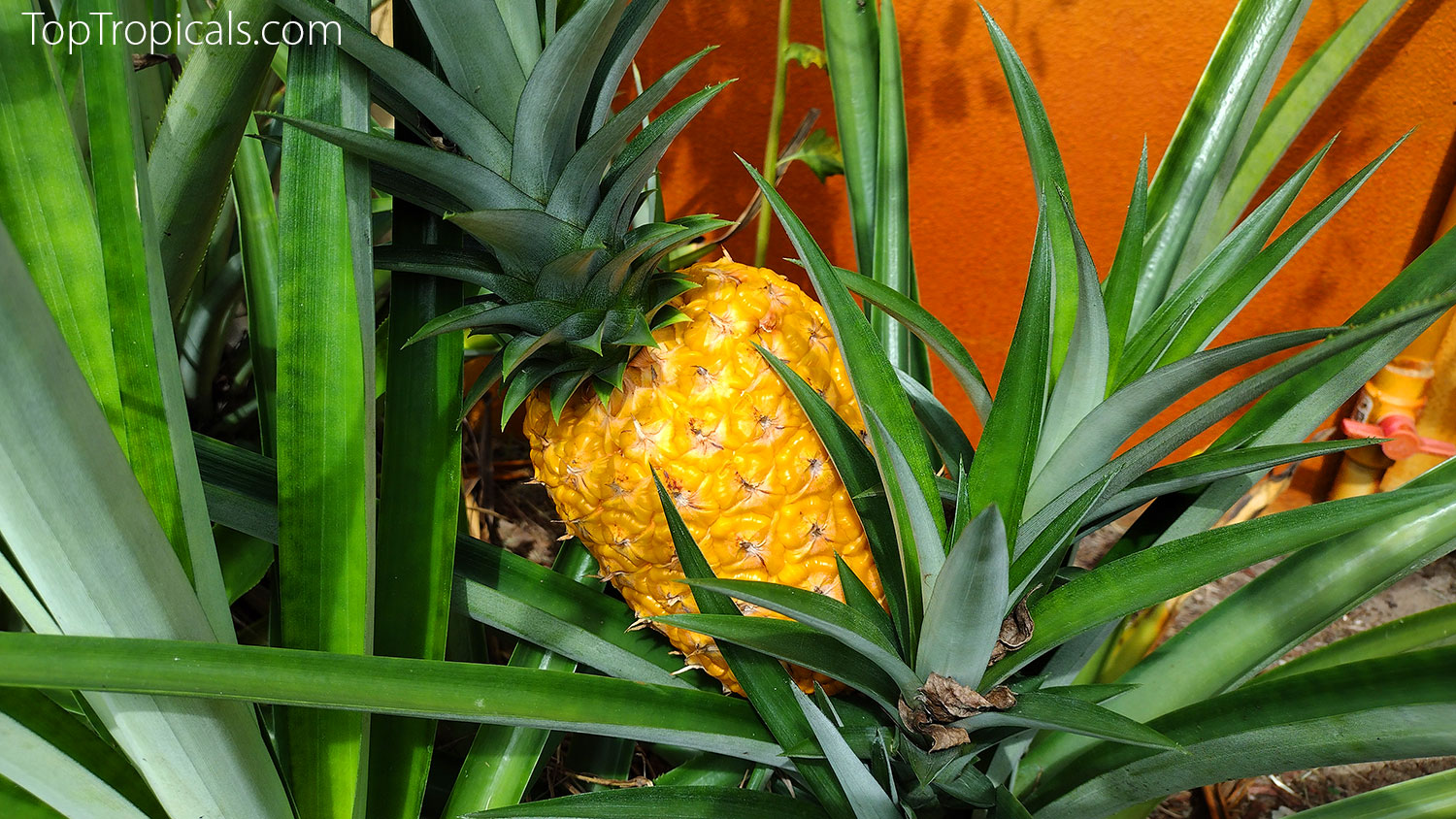
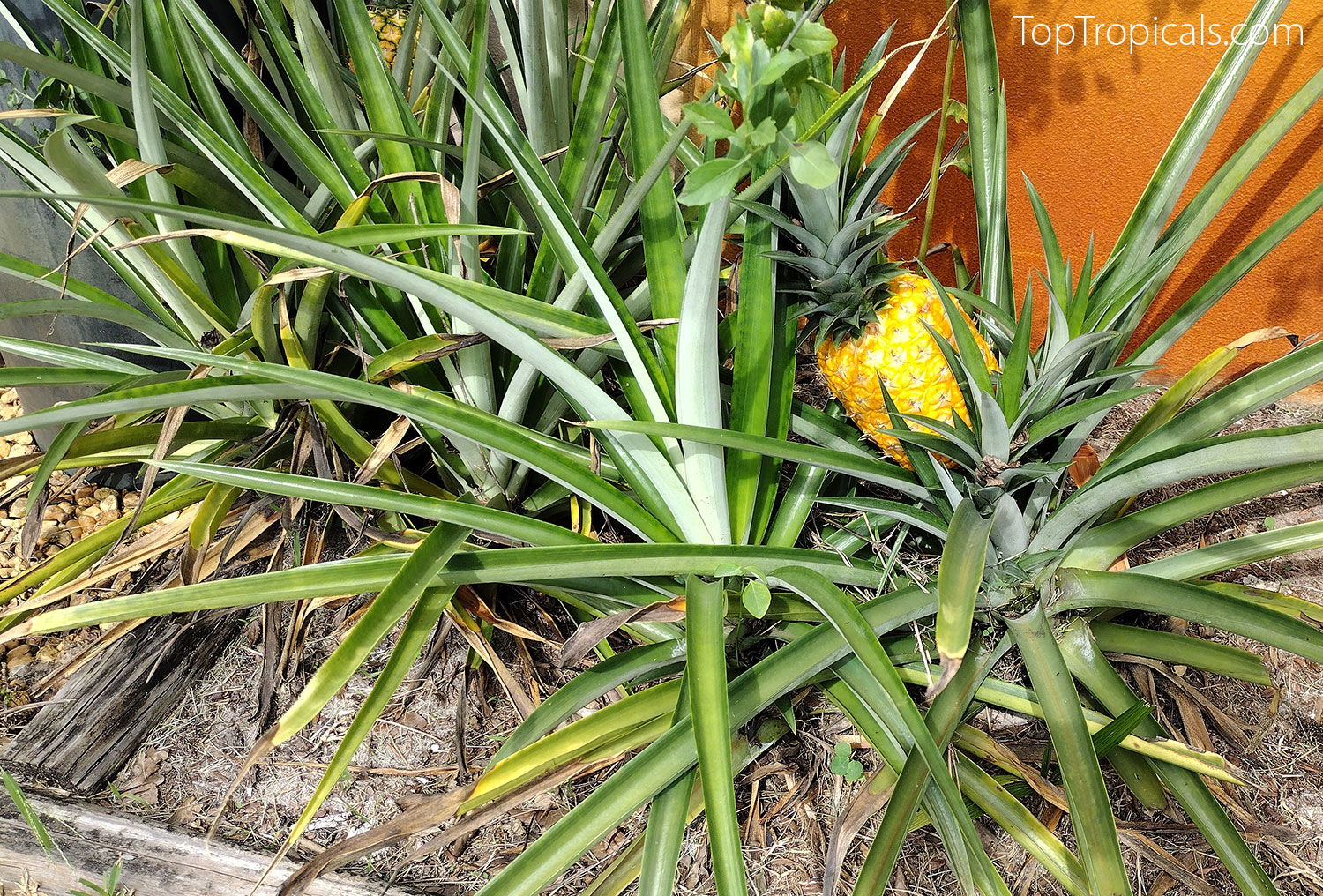
Pineapple

Q: I want to grow my own pineapples, which varieties do you recommend for the best production? Do I need any special organic fertilizer?

A: Growing your own pineapple is pure bliss. Watching the transformation from a small crown into a luscious fruit is immensely rewarding. Every tropical gardener should experience the joy of growing this tropical gem and relishing its sun-kissed sweetness straight from the garden. Pineapples are easy to grow and can fruit in containers too, so if you live in a colder climate, no problem! They will take very little space in your greenhouse or sunroom. Just remember to feed your pineapple plants with Sunshine Boosters so they will feed you the biggest and the sweetest fruit! Sunshine Boosters are natural, organic-amino-acid based plant nutrients that are perfect for any edibles.
There are several varieties of pineapples in commercial cultivation. Below are the most interesting cultivars. Discover the pineapple paradise!

Elite Gold: Bursting with tropical flavor and vibrant gold flesh, Elite Gold dazzles with its unique taste and ornamental beauty.

Florida Special: Perfectly balanced sweetness and acidity, this variety thrives in warmer climates, gifting you a taste of Florida's sunshine.

Sugar Loaf: Irresistibly sweet with a hint of citrus, Sugar Loaf's compact size makes it an ideal choice for container gardening.

White Jade (Spineless Sweet): Exceptionally sweet and without spines, White Jade pampers you with a delectable, thorn-free harvest.

Lava Burst (Burgundy Variegated Rainbow): This visually stunning ornamental pineapple variety boasts striking burgundy and green leaves, resembling a rainbow of colors. Its fruit edible but small; its exceptional beauty adds a touch of exotic elegance to any garden or indoor space. Lava Burst is a delightful conversation starter and a captivating addition to your plant collection, making it a favorite among pineapple enthusiasts for its aesthetic appeal.

Embrace the sense of accomplishment and the satisfaction of savoring homegrown, mouthwatering pineapples - nature's sweetest gift!

Read more about Pineapples: The most luscious Hospitality Fruit.

Pineapple