Garden Blog - Top Tropicals

Date: 8 Jul 2020

Grafted fruit trees for Hawaiian gardens

In the photo: Atemoya, one of the Annonas - fruit lover favorites.

Q: Aloha guys, I purchased a Diospyros digyna - Black Sapote grafted var. Black Beauty from you and am checking to make sure it will fruit by itself and not need both sexes. Also checking to see if the grafted atemoya I bought from you will fruit at sea level (where I'm at) or if I should give it to a friend who is above 1,000 so it will fruit? My grafted Maimi soursop is thriving! Looking at getting a grafted jackfruit from you all next.

A: Black sapote Black Beauty does not need a second plant to produce fruit. Grafted trees should be flowering and setting fruit right away, or sometimes on the second year.
Atemoya does not require high elevation for fruiting. It is a hybrid Annona squamosa x Annona cherimola (A. cherimola species prefers higher elevation) so Atemoya is usually is happy at sea level.
Congratulations with your Soursop! It should be really happy in your location.

As for grafted Jackfruits, this is the list of varieties we usually carry. Since many of them are very rare, they sell out quickly once we get new arrivals. If you are looking for a specific variety, I strongly recommend to add it to your wishlist (click on "Notify me when available") and you will receive email from us as soon as we have it in stock, so you will be the first one to know about it!

Our favorite Jackfruit varieties (and also hot sellers)

Black Gold
Borneo Red
Crispy
Dang Rasimi

We also suggest to get a Kwai Muk (while we still have it!) - the most delicious fruit, and it should do well in Hawaii.

In the photo: Black Sapote

In the photo: Jackfruit at TopTropicals Garden in Ft Myers, FL

Date: 29 Sep 2024

Discover three must-have fruit
for every tropical garden

Cat  with  tropical  fruit

Q: I love tropical fruit and want to plant all of them but I have room for only a couple of trees. Help me make the best selection.

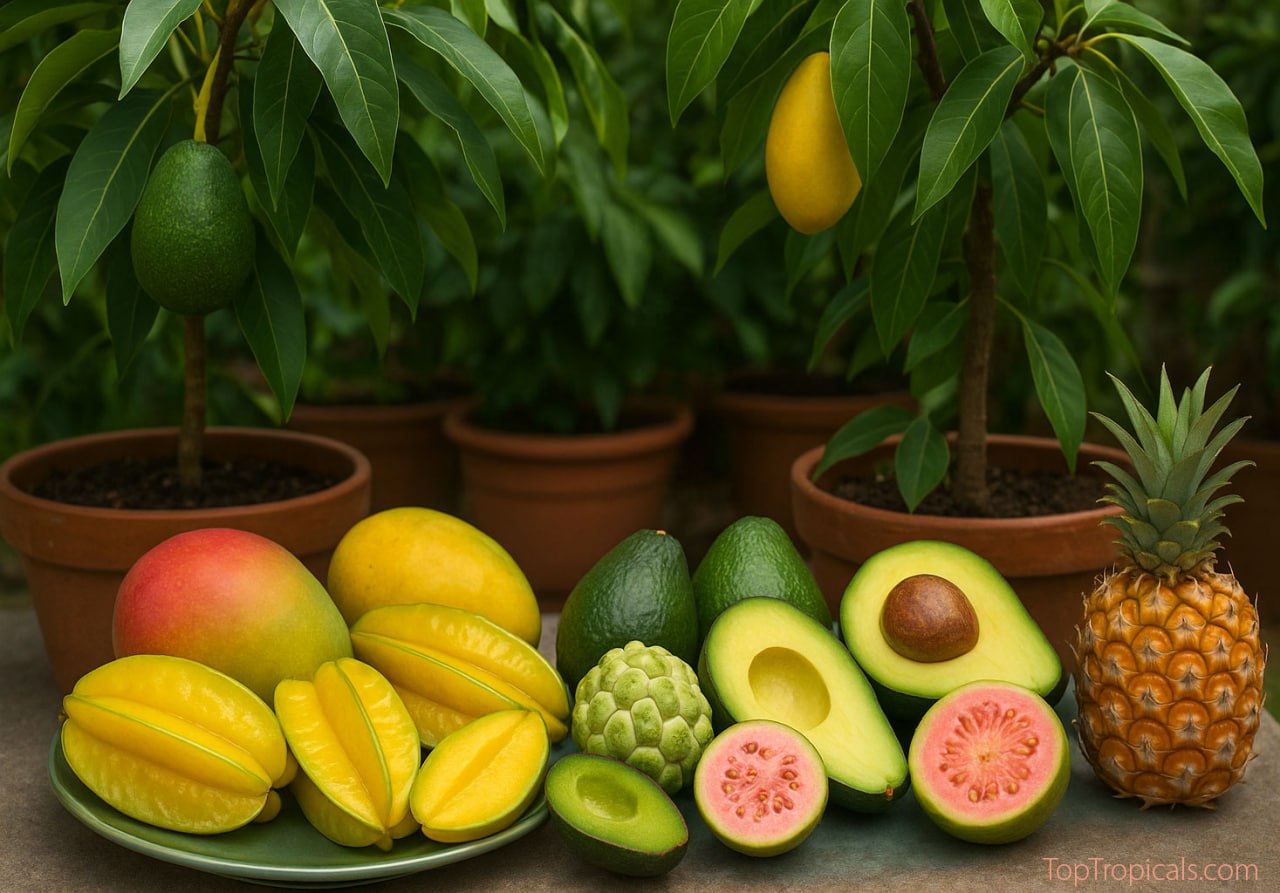
A: Here is your perfect list for 2+ fruiting plants: every tropical garden must have a Mango Tree, an Avocado Tree, and - you can plant as many as you want - Pineapples! And here is why...

1. Pineapple

Pineapple is a tropical favorite that's incredibly easy to grow, making it a perfect choice for beginners. With minimal care, Pineapples don't take mush space, you can grown them underneath other fruit trees. Plant good varieties, and when you get your crop, plant the tops and you will have your little Pineapple plantation in no time: you'll enjoy sweet, juicy fruit from those little babies in about 18-24 months. Freshly harvested pineapples are delightful in smoothies, salads, or grilled, adding a tropical flair to your garden.

Pineapple

2. Mango

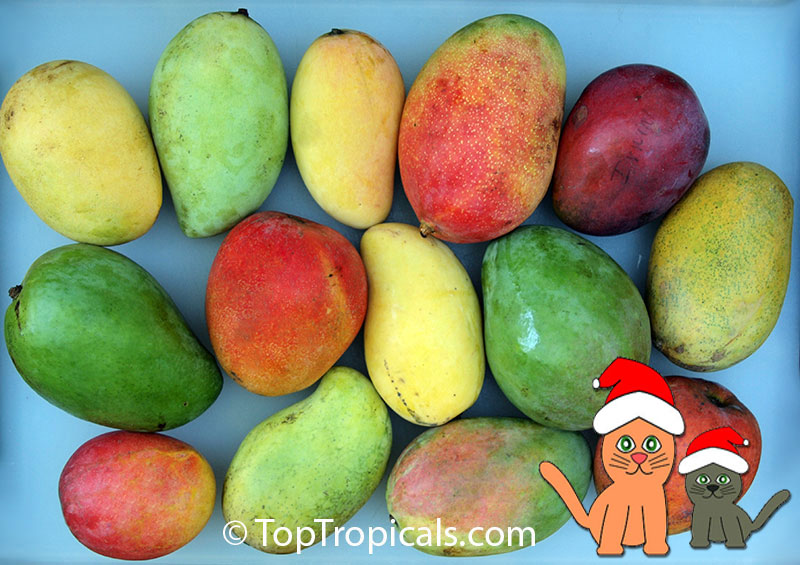
Mango trees are not only a staple in tropical gardens but are also easy to cultivate. They flourish in sunny spots and well-drained soil, requiring little maintenance once established. These vigorous trees can yield an abundance of juicy, flavorful fruit in just a few years. They are perfect for fresh eating or adding to salsas and chutneys. Condo varieties are dwarf trees and can be grown in containers.

Mango  fruit

3. Avocado

Avocado trees are fun to grow and add both beauty and nutrition to tropical gardens. Grafted cultivars start yielding fruit within a few months with proper care. The rich, creamy avocados are a culinary favorite, perfect for salads, spreads, and smoothies. With their lush foliage and bountiful harvests, avocado trees are a fantastic choice for gardeners looking for ease and abundance.

Avocado  fruit

Date: 1 Nov 2025

Tropical fruits that help you sleep better

Tropical fruits that help you sleep better: Cherries, Pineapple, Banana

Tropical fruits that help you sleep better: Cherries, Pineapple, Banana

🍒 Tropical fruits that help you sleep better


🌱 Looking for a natural way to fall asleep faster? Skip the pills and head for the fruit bowl. Some tropical fruits are surprisingly rich in melatonin, the hormone that tells your body it's bedtime. According to a study referenced by New York City Nutrition, eating melatonin-rich fruits about an hour before bedtime can naturally support better sleep quality.

😴 Melatonin naturally rises at night, helping you feel sleepy and cooling your body temperature. But things like blue light from phones, jet lag, or late-night stress can throw it off. That’s where certain fruits can help - they either contain melatonin or boost your body’s ability to make it.

🍒 Cherries


Both sweet and tart cherries are sleep boosters. Tart cherry juice is especially effective because it’s concentrated - studies show it can raise melatonin levels and increase total sleep time. Just go easy on added sugar. Try pairing the juice with almonds or cheese to keep your blood sugar steady before bed.

🍍 Pineapple


In one study, people who ate pineapple had a big jump in melatonin levels just two hours later. It’s also loaded with vitamin C and enzymes that aid digestion, making it a nice evening snack. Have it with a bit of protein, like yogurt or nuts, to avoid a sugar spike.

🍌 Banana


Bananas don’t contain much melatonin on their own, but they help your body make it. They’re full of tryptophan and magnesium, both of which support serotonin and melatonin production. A banana before bed can calm muscles and nerves - no wonder it’s a favorite natural sleep aid.

✅ Bottom line


A small fruit snack in the evening - cherries, pineapple, or banana - can help your body settle into sleep mode naturally. Eat it about an hour before bed, keep screens dim, and let nature do the rest.

🛒 Grow your own fruit and sleep better

📚 Learn more:
#Food_Forest #Remedies #Discover

🟢 Join 👉 TopTropicals

Date: 3 Nov 2025

Cashews: more magnesium than almonds!

Cashew Nuts - Anacardium occidentale

Cashew Nuts - Anacardium occidentale

Cashews: more magnesium than almonds!

  • 🌰 Cashews might be the real nutty winner when it comes to magnesium. One ounce provides about 83 mg, or roughly 20% of your daily need, slightly topping almonds at 76 mg, according to Verywell Health.
  • 🌰 Magnesium plays a key role in your body’s daily operations - it helps your heart, muscles, and bones function properly, keeps blood pressure steady, and supports your energy and metabolism. Yet many people still fall short of getting enough.
  • 🌰 Along with magnesium, cashews are packed with protein, healthy fats, copper, zinc, and iron - all nutrients your body depends on.


🏆 More magnesium-rich fruit:


Avocado


Avocados are famous for their healthy fats, but they’re also surprisingly high in magnesium - about 58 mg per medium fruit. That’s one of the highest amounts among fruits. Their creamy texture and fiber content make them especially gentle on the stomach, helping digestion and easing constipation. Regularly adding avocado to meals can support gut health, muscle function, and overall mineral balance in a naturally delicious way.

🍍 Pineapple


Best known for its enzyme bromelain, pineapple also provides a helpful 20 mg of magnesium per cup. While not the top source, it offers a rare combination of fiber, enzymes, and minerals that benefit the digestive system. Bromelain helps reduce inflammation in the gut, and magnesium keeps digestive muscles relaxed. Together, they make pineapple a light, refreshing choice for better digestion and a balanced system.

✅ How to get more magnesium:

  • • Eat a mix of magnesium-rich foods every day - your body only absorbs about half of what you consume.
  • • Try pairing magnesium-rich sources. Add Cashews, Avocados, Bananas, Pineapple, or Spinach to your meals and snacks.
  • • Remember, caffeine, age, and certain medications can reduce absorption, so balance your diet and check with your doctor if needed.
  • • A handful of cashews can go a long way - for your heart, your energy, and your bones.


🛒 Explore your future food forest: fruit and edibles

📚
Learn more:
#Food_Forest #Remedies #Discover

🟢 Join 👉 TopTropicals

Date: 17 Sep 2025

Mulberry Care and Growing Tips

Mulberry  fruit  on  a  plate

Mulberries are tough, low-maintenance fruit trees that adapt to many conditions.

  • Climate: Hardy from USDA zone 5 to 10.
  • Soil: Grow well in almost any soil; prefer good drainage.
  • Watering: Regular watering during dry spells; drought tolerant once etablished.
  • Growth: 3–5 feet per year, producing fruit early.
  • Pruning: Annual pruning controls size and improves branching.
  • Pot culture: Dwarf types thrive in containers, staying 6–7 feet tall. Use a large pot, water consistently, and prune lightly. Use Abundance potting mix for best results.
  • Fertilizer: For reliable production, fertilizer regularly. Apply Sunshine C-Cibus liquid booster with every watering, or Green Magic controlled release fertilizer every 5-6 months.

❓ Mulberry FAQ


How soon will a mulberry fruit?

One to two years, sometimes the very first season.

What climates are suitable?

USDA zones 5–10, from -20F winters to hot summers.

How tall do they get?

Standard trees 20–30 ft; dwarfs 6–10 ft in pots.

Do I need more than one tree?

No, they are self-pollinating.

What do they taste like?

Sweet and juicy, like a blend of blackberry and raspberry.

How long is the harvest?

Everbearing types ripen gradually from summer into fall.

Do birds eat them?

Yes, but trees are so productive there’s plenty to share.

Are they messy?

Dark-fruited varieties can stain; white mulberries do not.

Can I grow them in containers?

Yes, dwarf types (Dwarf Everbearing, Issai) fruit well in pots.

How long do they live?

Many live for decades; Illinois Everbearing can endure for generations.

What are the health benefits?

Mulberries are low-glycemic, support healthy blood sugar, improve heart health, and are rich in antioxidants.

Shop Mulberries