Garden Blog - Top Tropicals

Date: 11 Apr 2026

Plumeria rainbow: Symbol of the Tropics
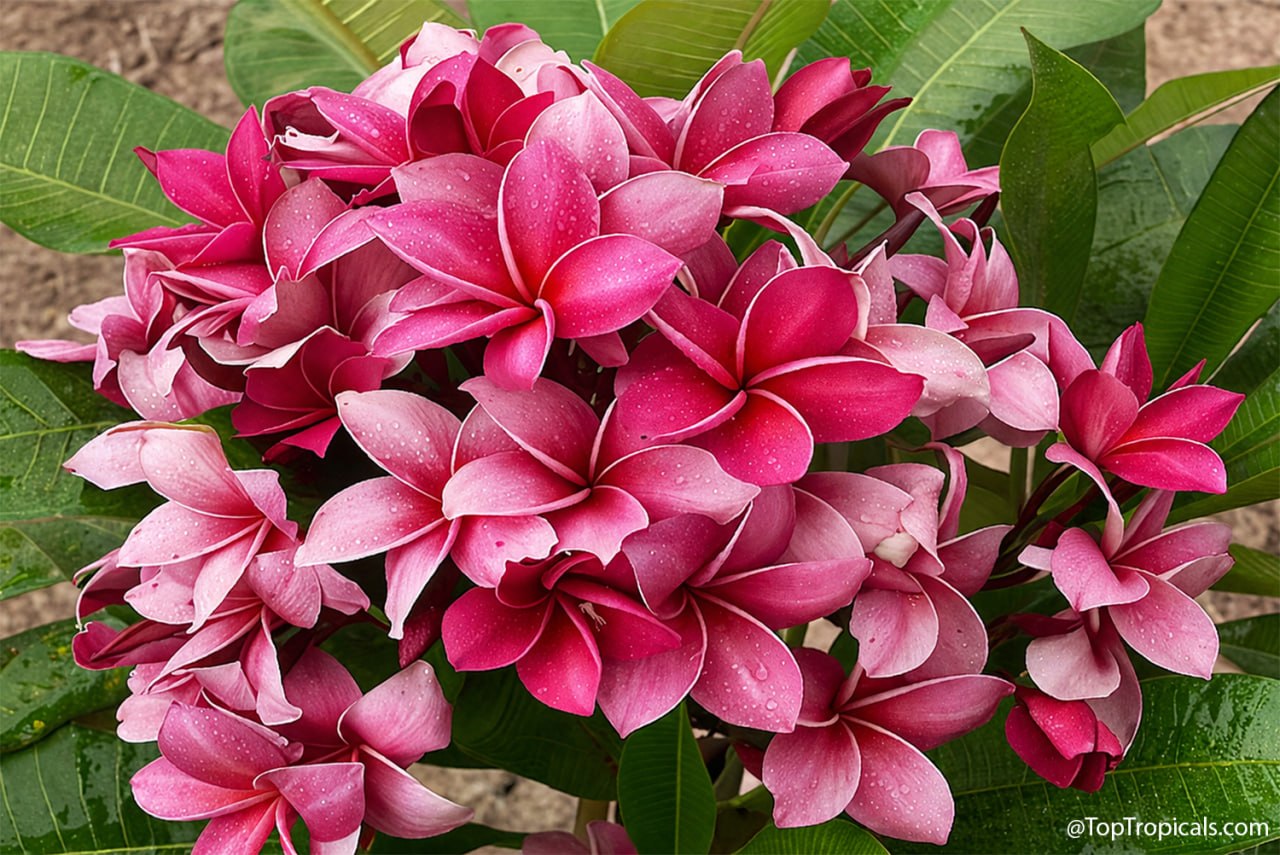
Plumeria Granny
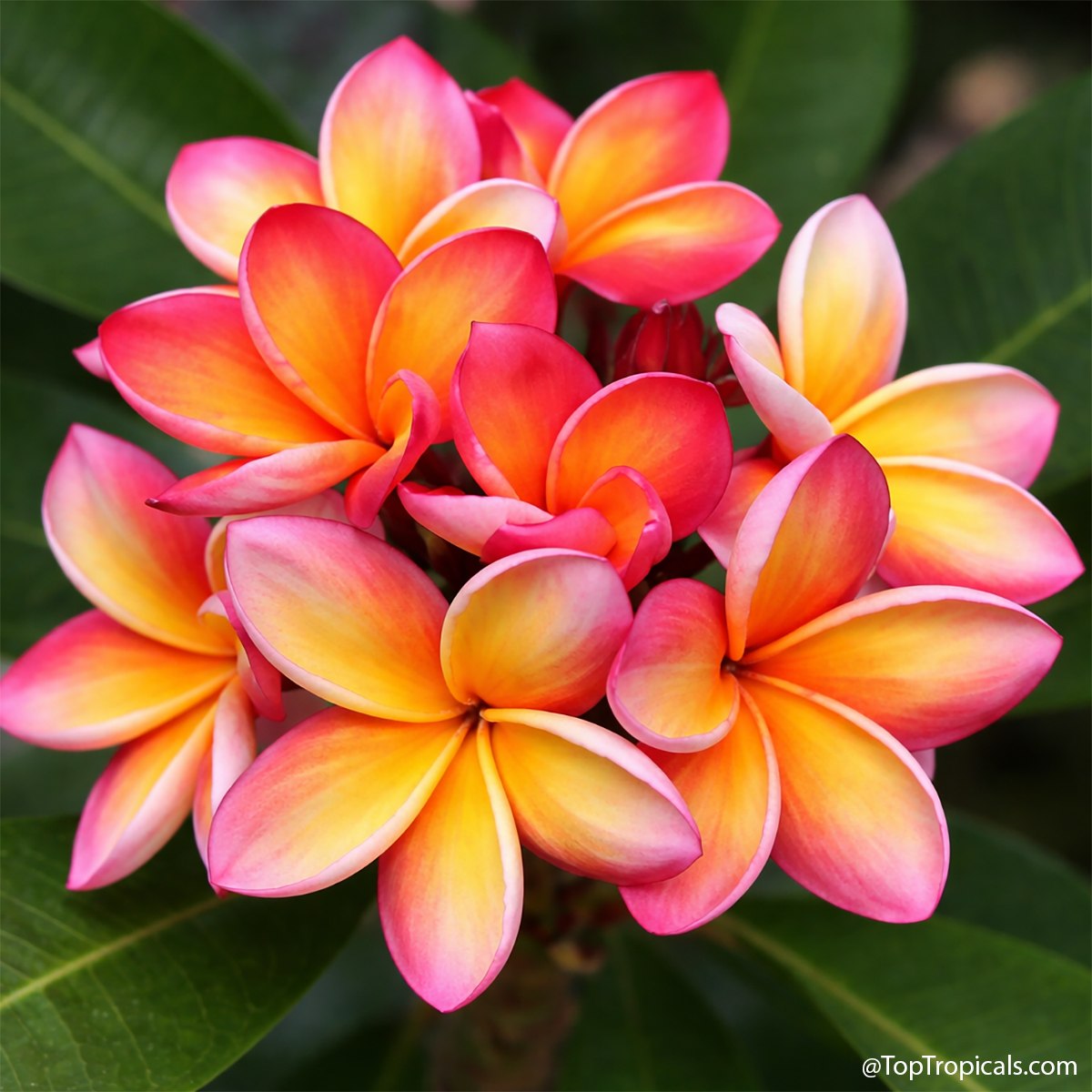
Plumeria Granny

Plumeria Som Paruay

Plumeria Som Paruay

Plumeria Yellow Maha
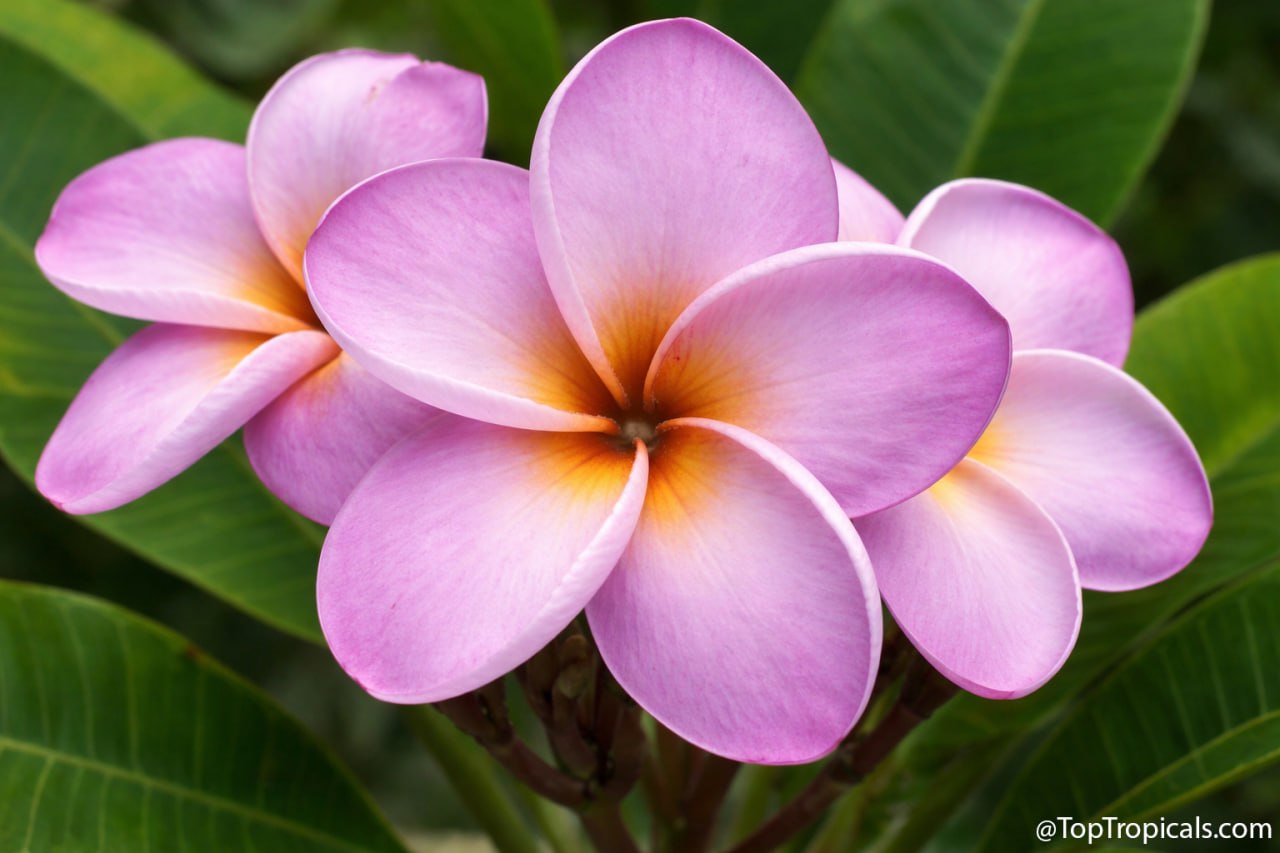
Plumeria Yellow Maha

Plumeria Moung Jack (Jacque)

Plumeria Moung Jack (Jacque)

Plumeria rainbow: Symbol of the Tropics 🌈

Plumerias are one of those plants that instantly feel like a vacation - soft, fragrant flowers, warm colors, and that unmistakable tropical look. Known as a symbol of Hawaii and the Aloha spirit, they’re loved for their scent, their beauty, and how effortlessly they turn any space into something special. And the best part - their colors feel almost endless, from soft pastels to rich, glowing tropical tones, even into rainbow-like multicolor blooms.

Plumeria Plant Facts

Botanical name: Plumeria sp.
Also known as: Plumeria, Frangipani
USDA Zone: 9 - 11
Highligths Large shrub 5-10 ft tallSmall tree 10-20 ftFull sunWatering: Moderate. Water when top soil feels dryYellow, orange flowersRed, crimson, vinous flowersWhite, off-white flowersPink flowersPlant attracts butterflies, hummingbirdsDeciduous plantFragrant plantSeaside, salt tolerant plant
Get personalized tips for your region


💡 How to Grow a Blooming Plumeria?


Plumerias are surprisingly easy to grow - once you follow a few simple rules, they almost take care of themselves. Give them sun, fast-draining soil, and don’t overwater, and they’ll reward you with strong growth and fragrant blooms.
In #PlumeriaRainbow series, we’ll share simple tips to keep them happy, healthy, and blooming - bringing that perfumed tropical Aloha right into your garden.

🌸 Today's featured plumerias


 ✦ Plumeria Granny - a full, eye-catching variety with rich pink blooms ranging from soft blush to deeper rosy tones, often mixed within the same cluster. Petals are smooth and slightly overlapping, giving flowers a rounded, softly layered look. It blooms in dense clusters, creating a lush, full appearance that stands out from a distance while still showing nice detail up close.

 ✦ Plumeria Som Paruay - a bright, cheerful "Rainbow" variety with golden-yellow centers blending into orange, coral, and rosy pink edges. The smooth color gradient gives each flower a warm, glowing look. Clusters are vibrant and lively, adding strong tropical color. The name comes from Thai - Som means orange, Paruay refers to prosperity and good fortune.

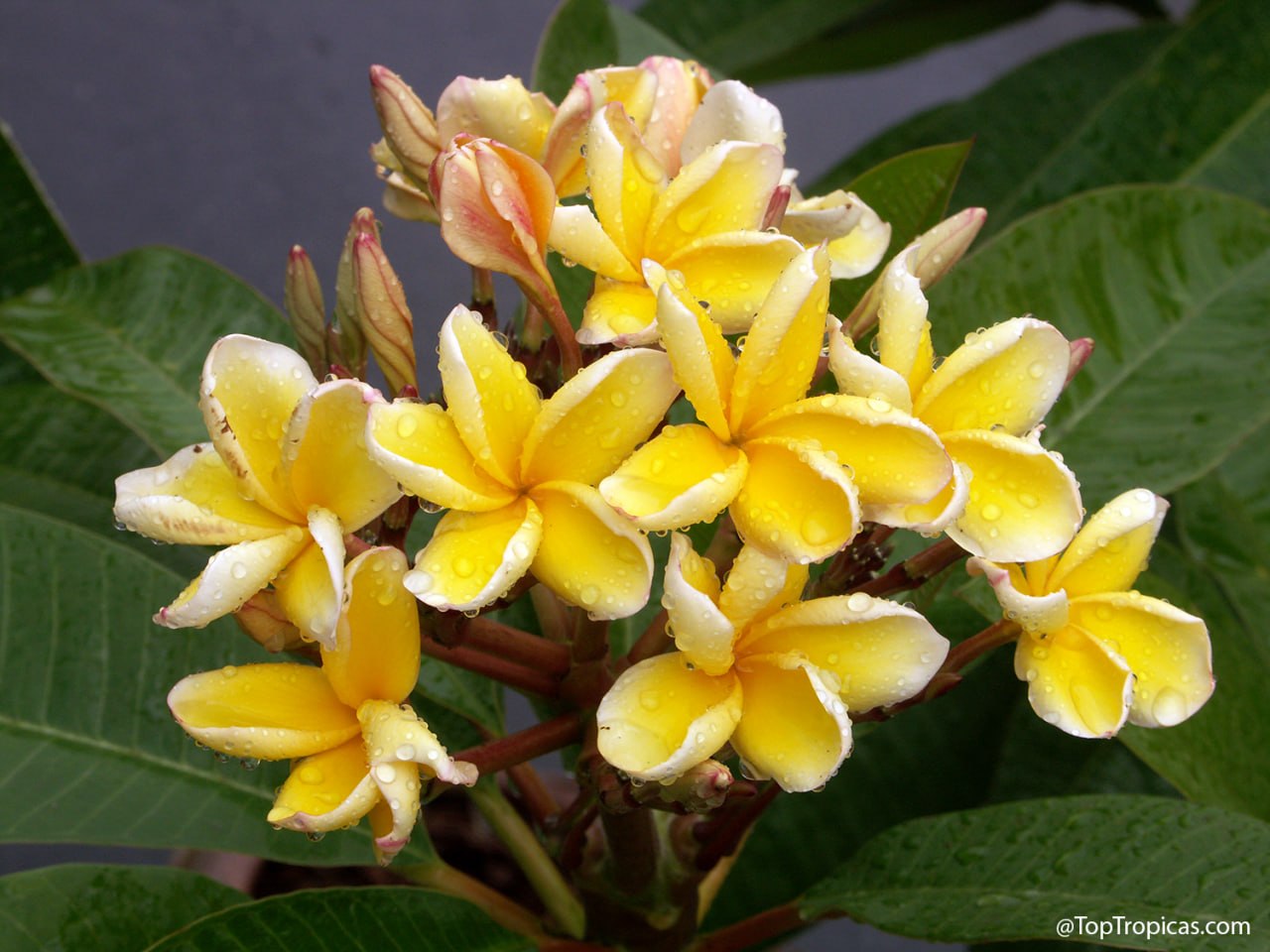
 ✦ Plumeria Yellow Maha - a striking variety with extra-long petals in bright yellow, cleanly outlined in white. The shape alone makes it stand out. It is also super aromatic - yellow varieties are the most fragrant, filling the air with a strong, sweet scent.

 ✦ Plumeria Moung Jack (Jacque) - a softer, more unusual variety with lavender-pink tones and a warm yellow-orange center. The color is smooth and slightly muted, giving it a calm, pastel look. Petals are broad and rounded, forming a classic shape with a velvety feel. Moung means purple in Thai, referring to its gentle lavender tones.

🛒 Shop Plumeria Collection and Enjoy the fragrant blooms

📚 Learn more:
· Plumeria varieties in Plant Encyclopedia
· 5 simple rules to grow a fragrant plumeria and make it bloom like the pictures
· What is the most celebrated fragrant flower?
🎥 How to get endless Plumeria Blooms

#Perfume_Plants #Container_Garden #How_to #Discover #PlumeriaRainbow

🟢 Join 👉 TopTropicals
Date: 25 Mar 2026

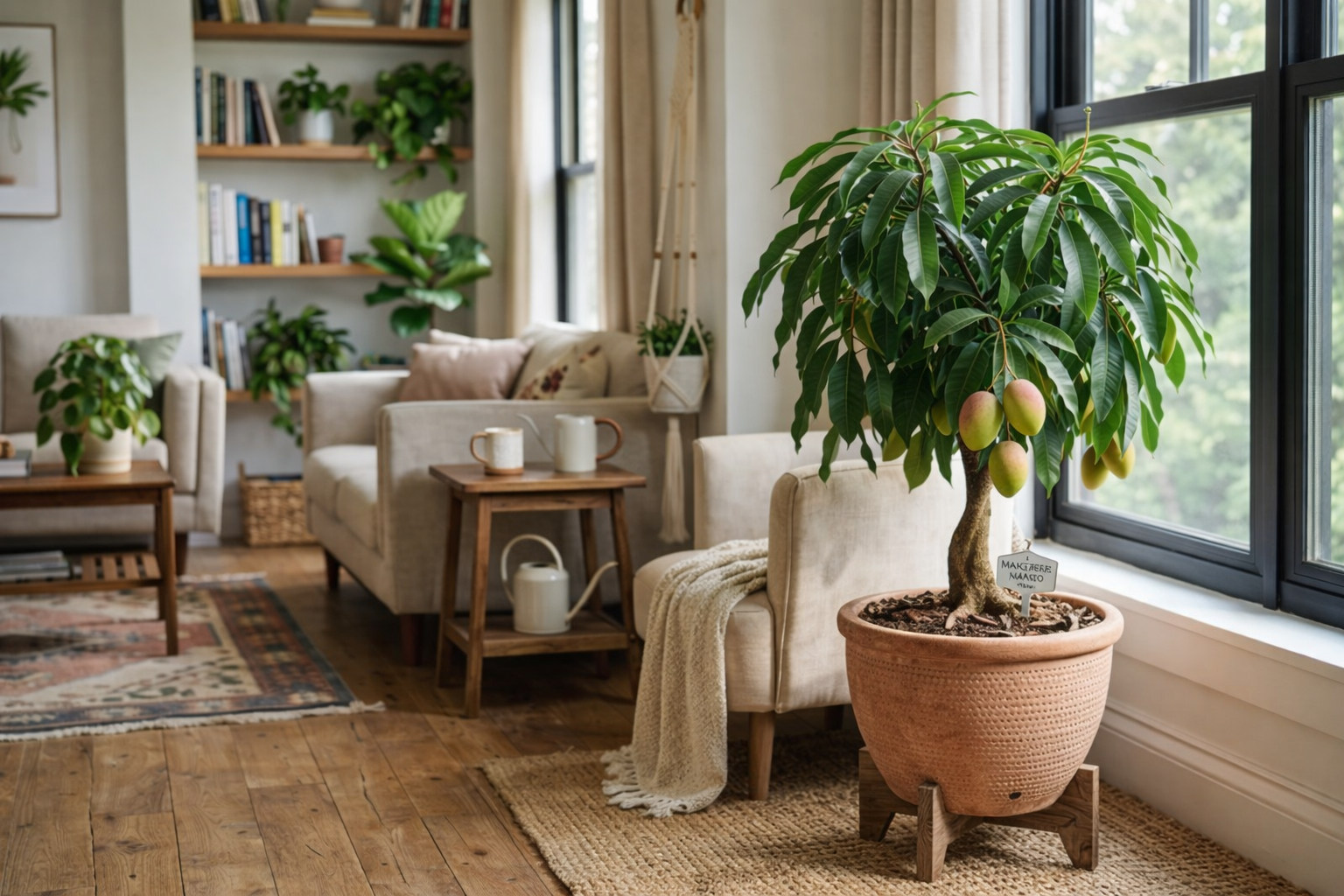
Forget the Tropics: These 5 Condo Mango Varieties Thrive in Your Living Room

Mngo tree in a pot

Mngo tree in a pot

Forget the Tropics: These 5 "Condo Mango" Varieties Thrive in Your Living Room 🥭

A tropical orchard in your living room? It’s more possible than you think. While wild mango trees can tower at 60 feet, "condo mango" varieties allow you to harvest juicy, sun-ripened fruit right next to your sofa.

Mango Plant Facts

Botanical name: Mangifera indica
Also known as: Mango
USDA Zone: 9 - 11
Highligths Large tree taller than 20 ftSmall tree 10-20 ftFull sunWatering: Moderate. Water when top soil feels dryYellow, orange flowersPink flowersEdible plantSeaside, salt tolerant plant
Get personalized tips for your region

If you have a sunny window and a bit of patience, here is exactly how to grow a potted mango tree indoors.


🌳 Why "Condo Mangoes" are the Secret to Success


Most people fail because they plant a seed from a grocery store mango. Don't do that. Seeds take up to a decade to fruit and grow far too large.

Instead, look for grafted, dwarf varieties. These are bred to:
•  Stay compact (6–10 feet).
•  Fruit within 1–3 years.
•  Thrive in the limited root space of a container.

🌳 The 5 Best Mango Varieties for Indoor Pots


Choosing the right cultivar is 90% of the battle. These five are the gold standard for indoor growers:

•  Pickering: The #1 choice for pots; naturally tiny. Rich, fiberless, and coconut-heavy.
•  Cogshall: Slow-growing and easy to prune. Classic, ultra-sweet tropical taste.
•  Ice Cream: Extremely compact; thrives in small spaces. Creamy texture, like mango sorbet.
•  Carrie: High disease resistance; very productive. intense, spicy-sweet aroma.
•  Mallika: A semi-dwarf Indian favorite. Exceptional, honey-like sweetness.

👉 See full list of Condo Mango

🌳 4 Essentials for Indoor Mango Care


1. Light: The "Make or Break" Factor

Mangoes are sun-worshippers. They need at least 8 hours of direct light daily.

The Pro Move: Place your tree in a south-facing window. If you live in a cloudy climate, a high-quality LED grow light isn't optional - it’s a necessity to prevent leaf drop and encourage flowering.

2. Strategic Watering

Mango trees hate "wet feet." Use a fast-draining potting mix and a pot with large drainage holes.

The Rule: Let the top 2 inches of soil dry completely before watering deeply.

3. Temperature & Humidity


Keep your room between 65F and 90F. If you are comfortable, the tree is likely comfortable. Avoid placing it near drafty AC vents or heaters that sap humidity.

4. The "Bee" Factor (Pollination)

Indoors, you lack wind and insects. When your tree flowers, gently shake the branches or use a small paintbrush to move pollen between blooms to ensure fruit sets.

👉 Quick Tips for a Better Harvest


•  Pot Size: Start with a 15-inch wide container and "up-pot" every two years.
•  Pruning: Don't be afraid to snip! Pruning the tips encourages branching, and more branches mean more fruit.
•  Fertilizer: Use a balanced organic fertilizer with micronutrients (like magnesium and iron). We recommend Sunshine Mango Tango specifically formulated for mango trees, and a micro element supplement - Sunshine Superfood - these are safe to use with every watering.

🛒 Dicover Condo Mango

📚 Learn more:
Mango Tree - Mangifera indica - in Plant Encyclopedia
Mango varieties and Condo Mango
Yes, you can grow a mango tree on your patio - here is how to do it right
Mango Tree for Zone 5: top 15 Condo Mango for growing in cold areas
How long does it take for a mango tree to bear fruit?
What are the Condo Mangos - a practical guide
Top 10 Dwarf "Condo" Mango, great for container culture
Yes, you can grow an avocado tree on your patio - here is how to do it right

Avocado Plant Facts

Botanical name: Persea americana, Persea gratissima
Also known as: Avocado, Alligator Pear, Aguacate, Abacate
USDA Zone: 9 - 11
Highligths Large tree taller than 20 ftSmall tree 10-20 ftFull sunWatering: Regular. Let topsoil dry slightlyEdible plantSubtropical plant. Mature plant cold hardy at least to 30s F for a short time
Get personalized tips for your region

How to grow tropical fruit outside the Tropics
Yes, you can grow a tropical fruit tree in a pot!
Growing and fruiting Soursop in apartment

Soursop Plant Facts

Botanical name: Annona muricata
Also known as: Soursop, Guanabana, Graviola, Korosol, Corosol
USDA Zone: 10 - 11
Highligths Large tree taller than 20 ftSmall tree 10-20 ftFull sunWatering: Moderate. Water when top soil feels dryWatering: Regular. Let topsoil dry slightlyEdible plant
Get personalized tips for your region
(PDF download)

#Food_Forest #How_to #Discover #Mango

🟢 Join 👉 TopTropicals

Date: 21 Mar 2026

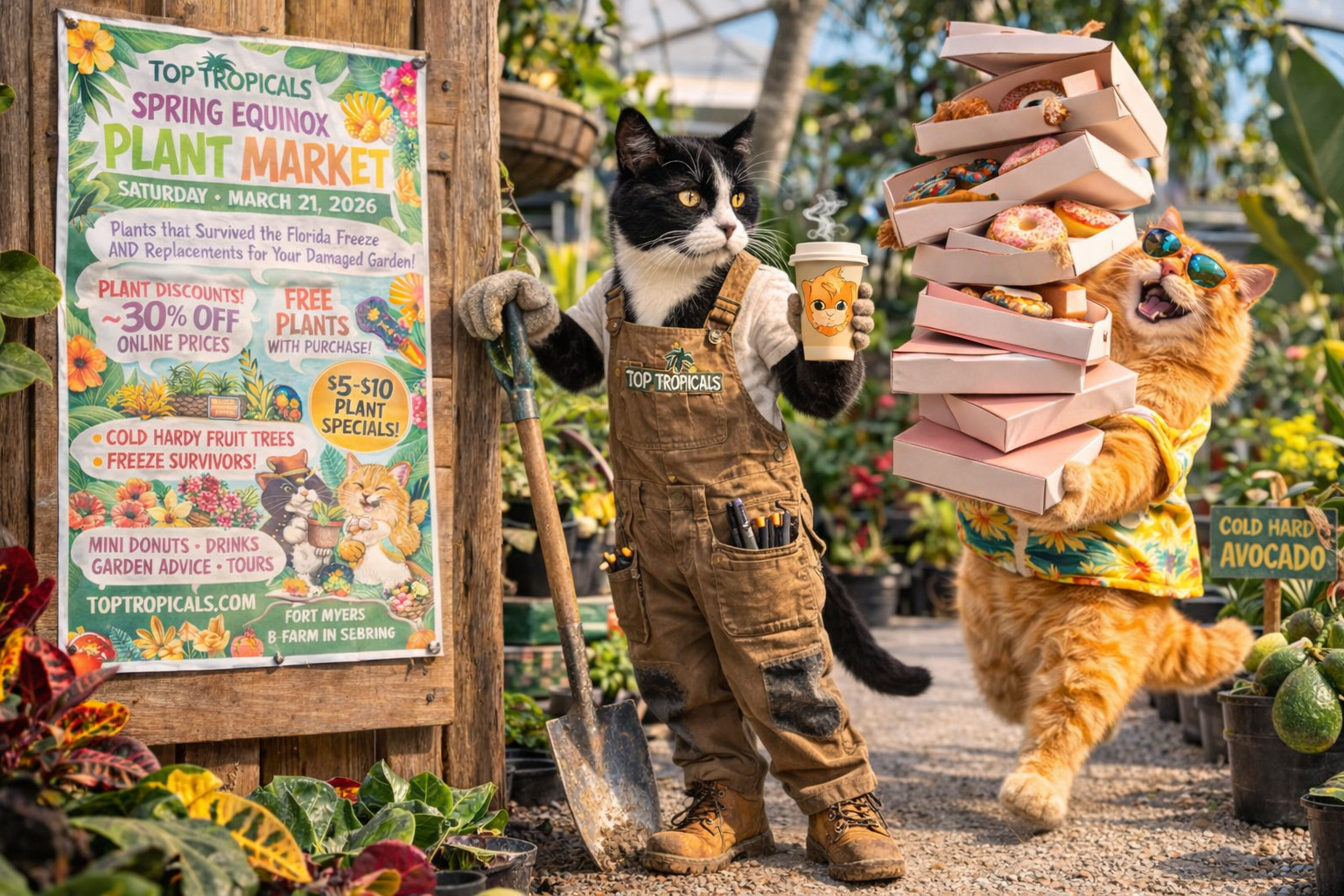
Today: Spring Equinox Plant Festival 🌿

Smokey  the  tuxedo  cat  holding  Sunshine's  coffee  while  Sunshine  carries 
 a  large  stack  of  donut  boxes  in  a  tropical  nursery  with  lush  plants  and  an 
 equinox  sale  poster
Sunshine:Smokey, hold my coffee. Donuts are coming. Big day today.

Smokey: Under control. Try not to drop half of them.

Both: Friends, come over today.

Everything is ready for today at our Spring Equinox Plant Festival. The garden is full and we would love to see you. Come over today and enjoy it with us.

SEE FULL EVENT DETAILS

Date: 7 Mar 2026

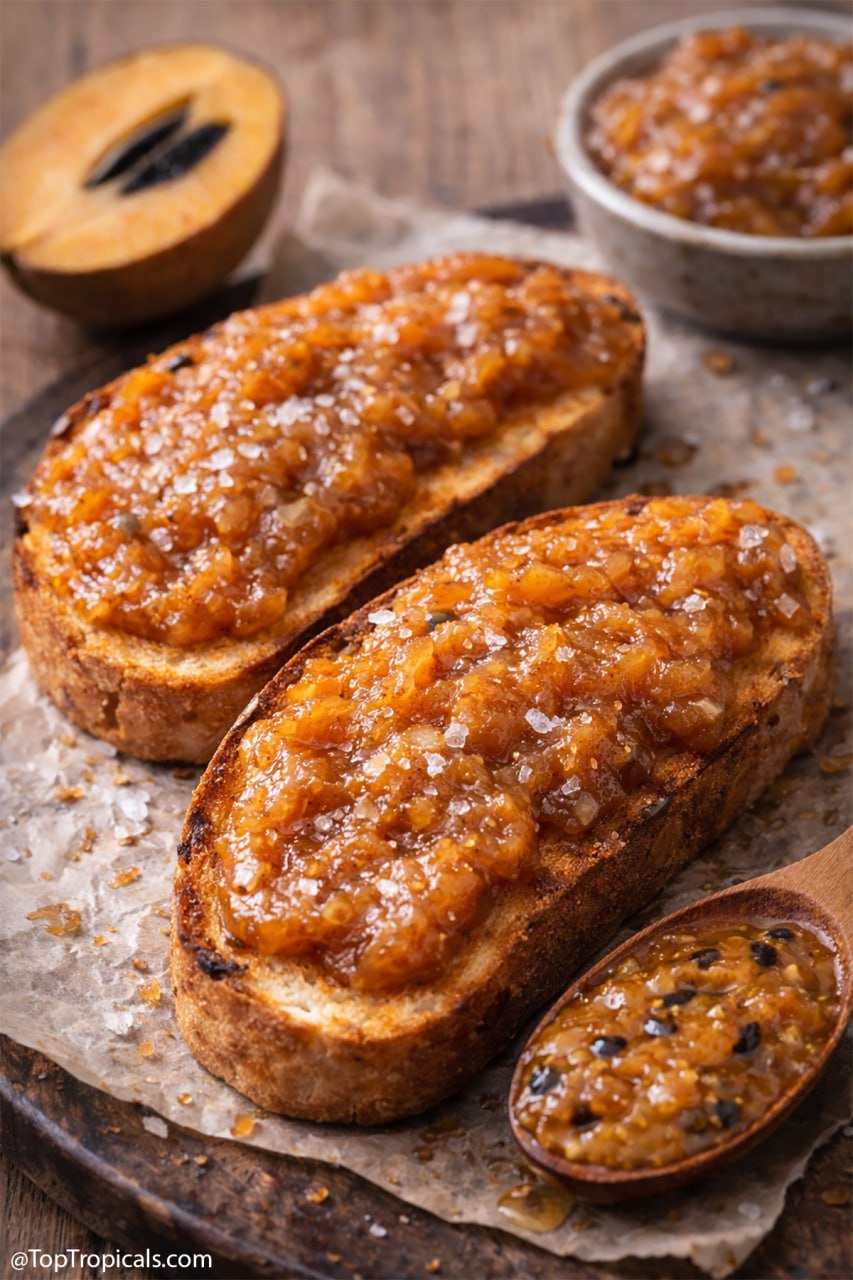
Sapodilla caramel toast: quick-n-fun exotic recipes

Sapodilla caramel toast

Sapodilla caramel toast

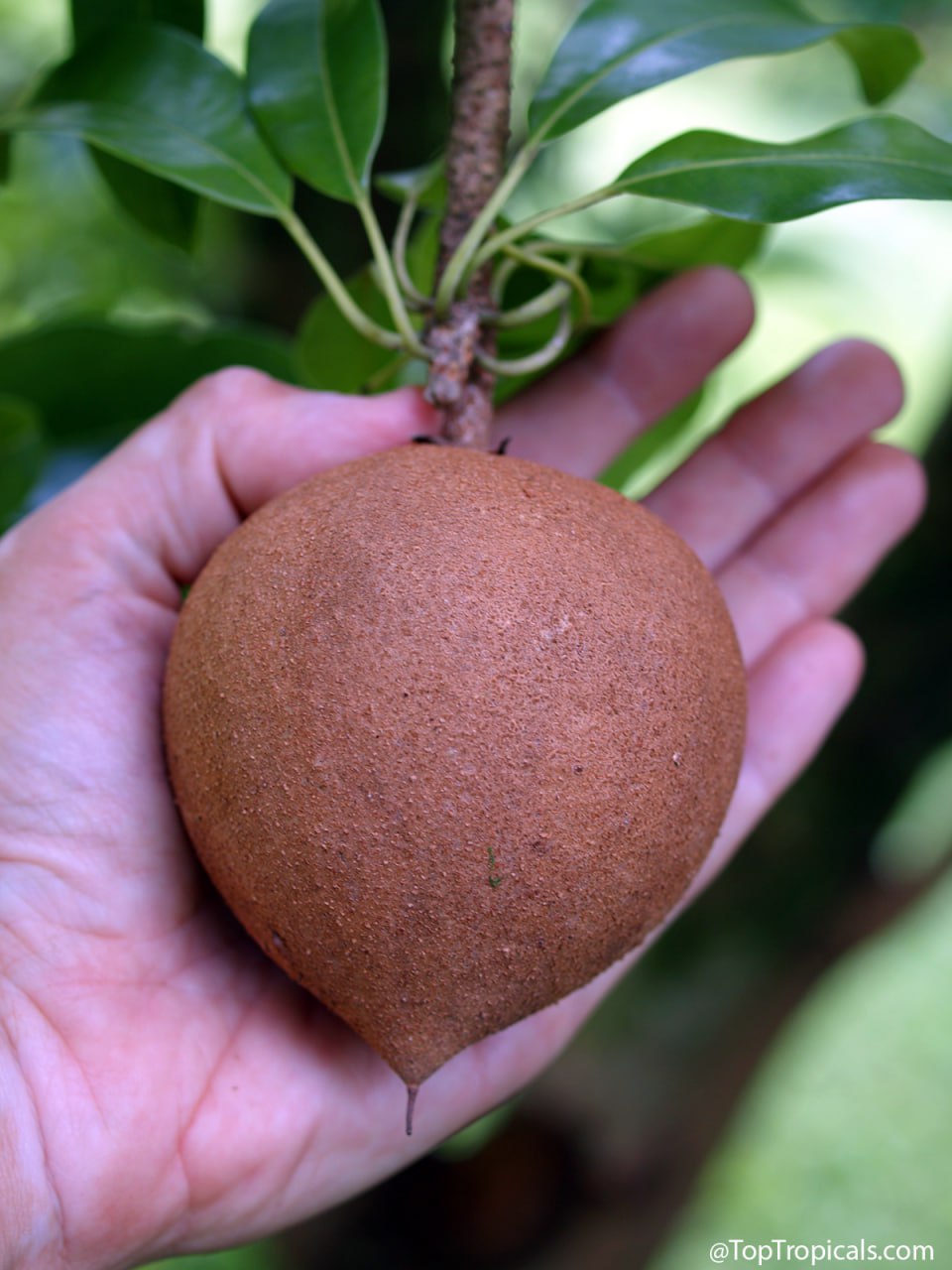
Sapodilla (Achras zapota) fruit

Sapodilla (Achras zapota) fruit

🍴 Sapodilla caramel toast: quick-n-fun exotic recipes

Sapodilla Caramel Toast

Ingredients

  • 1 ripe sapodilla
  • 2 slices toasted bread
  • Pinch of salt

Instructions

  1. Mash the ripe sapodilla flesh in a small pan.
  2. Warm gently until it becomes thick and caramel-like.
  3. Spread the warm sapodilla mixture over toasted bread.
  4. Finish with a small pinch of salt to balance the sweetness.


🌿 About the plant:


Sapodilla is a tropical evergreen producing brown fruit with sweet, brown-sugar flavored flesh.

🏡 In the garden:


Likes heat and humidity. Grafted or air layered trees fruit earlier. Drought tolerant once established but best with regular watering.

🛒 Add Sapodilla - Brown Sugar Fruit tree to your Food Forest

📚 Learn more:

Sapodilla Plant Facts

Botanical name: Manilkara zapota, Manilkara achras, Achras sapota
Also known as: Sapodilla, Ciku, Naseberry, Nispero, Sapote, Brown Sugar Fruit
USDA Zone: 9 - 11
Highligths Large tree taller than 20 ftSemi-shadeFull sunWatering: Regular. Let topsoil dry slightlyEdible plantSubtropical plant. Mature plant cold hardy at least to 30s F for a short timeSeaside, salt tolerant plant
Get personalized tips for your region

Sapodilla (Achras zapota) in Plant Encyclopedia
How to make Sapodilla fruit profusely?
A sugar that’s good for your health
When does Sapodilla start fruiting and what is the best variety
New variety of Sapodilla: Thai Brownie

#Food_Forest #Recipes

🟢 Join 👉 TopTropicals

Date: 2 Mar 2026

Eugenia Cherries 🍒

By Tatiana Anderson, Horticulture Expert at Top Tropicals with Smokey & Sunshine help

Eugenia brasiliensis - Grumichama fruit on the branch

Growing Eugenia Cherries (Cherry of the Rio Grande & Grumichama)

Cherry of the Rio Grande and Grumichama are compact, adaptable tropical fruit trees well suited to Southern landscapes. While forgiving, they perform best when planted correctly from the beginning.

Site and Planting

  • Drainage is essential. Avoid low areas where water collects. Plant on a slight mound if soil is heavy or clay-like.
  • Choose full sun for best flowering and fruit production. Partial shade is tolerated.
  • A south or southeast exposure near a wall improves cold resilience and reduces wind stress.
  • Dig a hole twice as wide as the container, but no deeper than the root ball.
  • Set the tree level with surrounding soil. Do not bury the trunk.

Water and Feeding

  • Water regularly during the first few months while roots establish.
  • Once established, trees tolerate short dry periods but fruit best with moderate, consistent moisture.
  • Feed lightly and consistenly. SUNSHINE Boosters Robusta liquid fertilizer is safe to use with with every watering. During hot season you may add controlled release Green Magic every 6 months. It is essential to apply micro elements: Sunshine Superfood micro nutrients complex

Cold Tolerance

  • Protect young trees during hard freezes.
  • Established Cherry of the Rio Grande can tolerate brief drops into the low 20s.
  • Established Grumichama tolerates temperatures into the upper 20s.

Harvest and Production

  • Cherry of the Rio Grande fruits from late spring into summer. Pick when fully dark and slightly soft.
  • Grumichama ripens quickly, often within four weeks after flowering. Pick when glossy and deep purple-black.
  • Both trees often begin fruiting within 2–3 years and increase production steadily with maturity.

Growing in Containers

  • Use at least a 10–20 gallon pot for long-term growth.
  • Ensure multiple drainage holes.
  • Use a high-quality, well-draining container mix. Avoid heavy garden soil. Top Tropicals Abundance soil-less mix is specially formulated for pot growing
  • Place in full sun for best fruiting.
  • Water deeply, then allow the top layer to dry slightly before watering again.
  • Move containers to a protected area during hard freezes.
  • Prune lightly to maintain shape and airflow.

Common Mistakes

  • Planting in poorly drained soil.
  • Overwatering and keeping soil constantly saturated.
  • Over-fertilizing with excessive nitrogen.
  • Planting too deep and burying the trunk.
  • Expecting heavy crops immediately instead of allowing time for maturity.
  • Skipping cold protection for young plants.

Learn more: Tropical Cherries – Eugenias

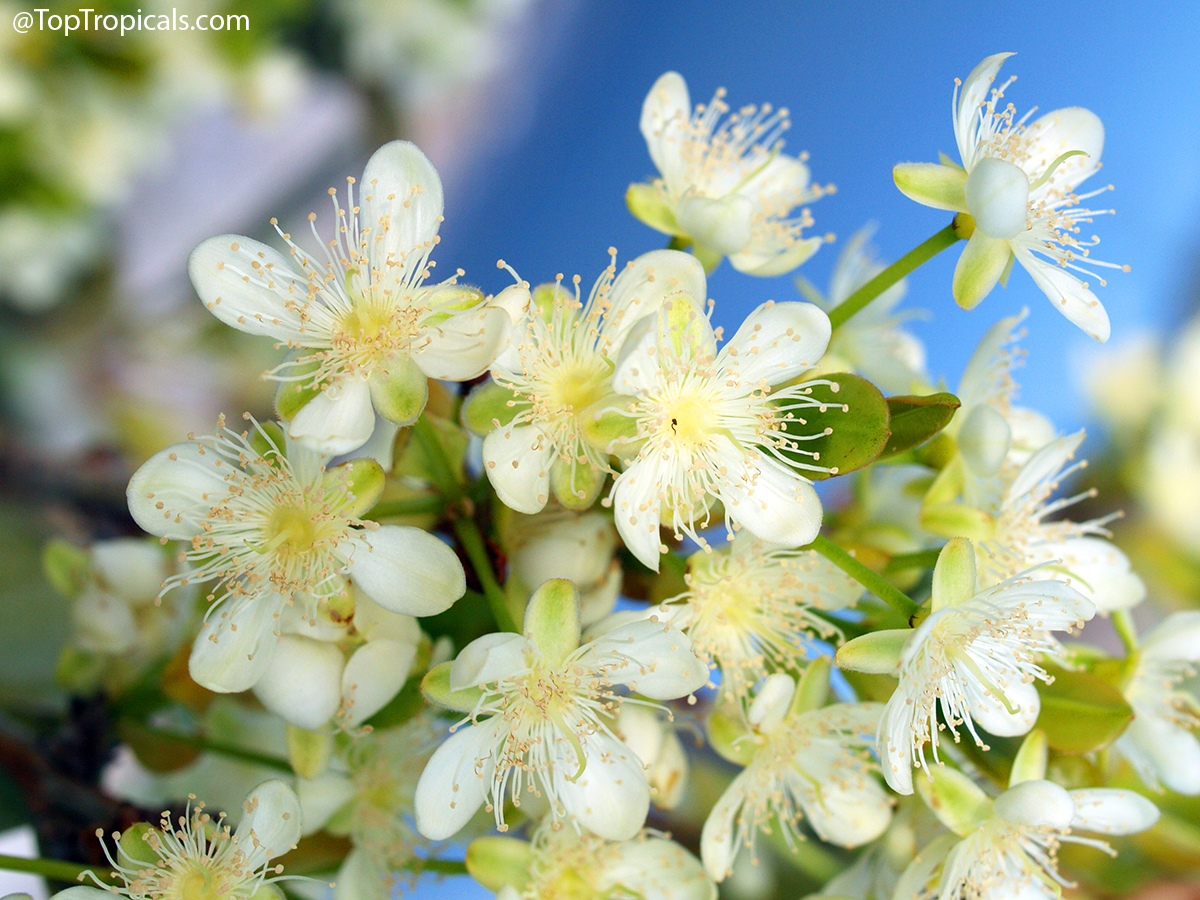
EGrumichama  flowers  (Eugenia  brasiliensis)  in  close-up  showing  white 
 petals  and  long 
 stamens

Eugenia brasiliensis - Grumichama flowers

❓Frequently Asked Questions: Eugenia cherries (FAQ)

  • Which one tastes better – Cherry of the Rio Grande or Grumichama?
    Cherry of the Rio Grande has a deeper, classic “sweet cherry” flavor with slight richness. Grumichama is softer, juicier, and often described as cherry with hints of grape and plum. Both are excellent fresh; Grumichama is especially popular for jam.
  • Which tree produces more fruit?
    Grumichama typically produces heavier crops once mature and can carry hundreds of fruits in a season. Cherry of the Rio Grande produces consistently but in slightly smaller volumes.
  • Do birds take all the fruit?
    Birds are attracted to both trees, especially Grumichama. Netting during peak ripening or harvesting promptly usually solves the issue.
  • Are these true "tropical" trees or subtropical?
    They are best described as subtropical tropicals. Unlike ultra-tender tropical fruits, Eugenia cherries tolerate occasional frost once established, making them more reliable in Southern landscapes.
  • Do they drop fruit messily?
    Fruit will fall if overripe, but the trees are compact and manageable. Regular harvesting prevents ground drop and keeps the area clean.
  • Can they be used for hedging or screening?
    Yes. Their dense evergreen foliage and upright growth make them suitable for edible hedges or privacy screens while still producing fruit.

Choosing between them is not about survival — both have proven resilient. It is about flavor preference, crop volume, and how you want to use the fruit in your kitchen and landscape.

Eugenia brasiliensis - Grumichama fruit close up

Eugenia aggregata (cv. Calycina), Cherry of the Rio Grande

🛒 Add Eugenia cherries to your garden

✍️ Top Ten Fruit Tree Winners of Florida 2026 Record Freeze