Garden Blog - Top Tropicals

Date: 16 Oct 2025

Grumichama jam: quick-n-fun exotic recipes

Grumichama jam: quick-n-fun exotic recipes Grumichama jam: quick-n-fun exotic recipes

🍴 Grumichama jam: quick-n-fun exotic recipes


🔴Cook Grumichama cherries with sugar and lime juice.
🔴A deep red jam with a cherry-meets-blackberry flavor.

Grumichama Jam: Quick-n-Fun Exotic Recipes

Ingredients

  • 2 cups fresh Grumichama cherries (Eugenia brasiliensis)
  • 1 cup sugar
  • 1 tbsp lime juice

Instructions

  1. Remove seeds from Grumichama cherries.
  2. Place fruit in a saucepan with sugar and lime juice.
  3. Simmer over low heat until thick and glossy, stirring often.
  4. Pour into sterilized jars and let cool before sealing.


🛒 Plant Grumichama tree (Eugenia brasiliensis)

📚 Learn more:


The best tasting and most beautiful tropical cherry
Why grow Grumichama? Benefits of Brazilian Eugenia Tree - Cherry of the Tropics

#Food_Forest #Recipes

🟢 Join 👉 TopTropicals

Date: 31 Jan 2026

Pitomba pop cups: quick-n-fun exotic recipes

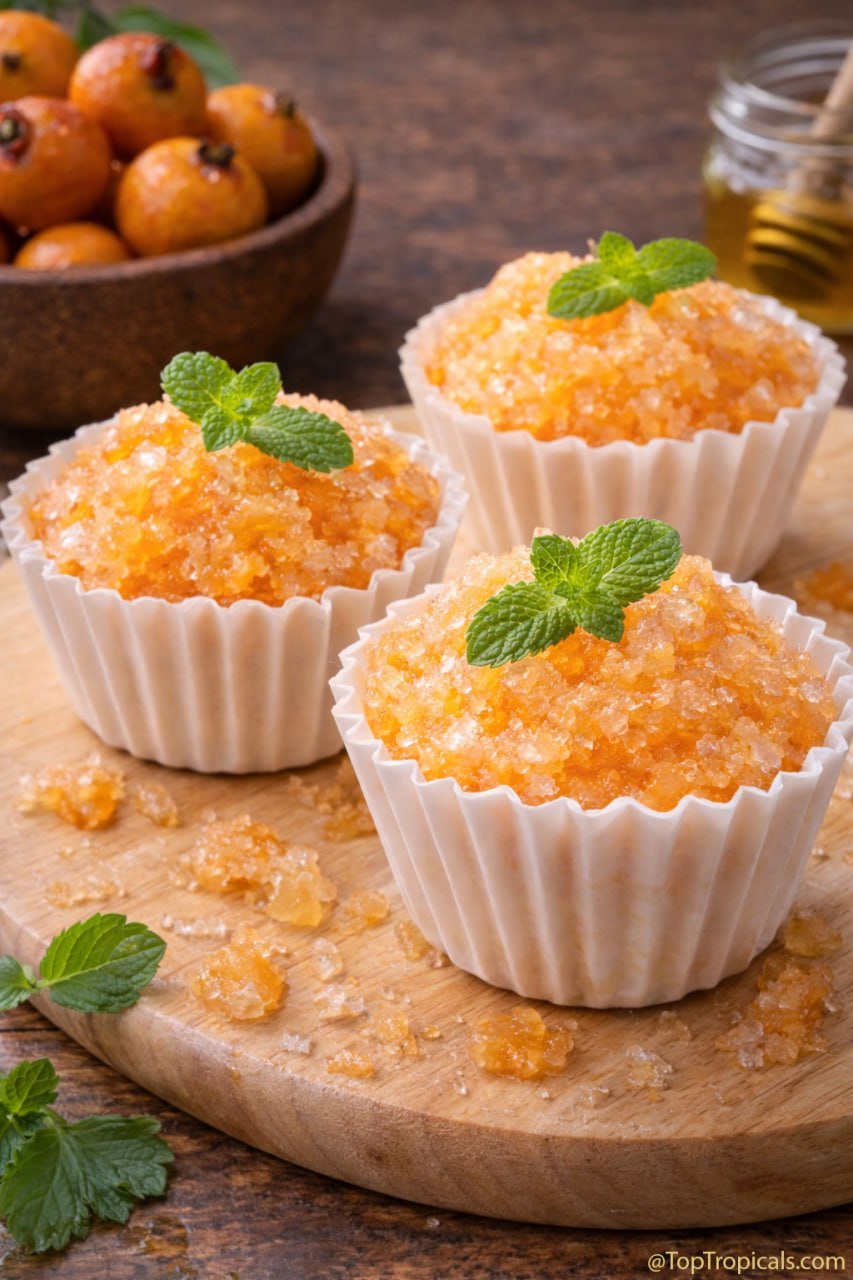
Frozen pitomba pops with mint

Frozen pitomba pops with mint

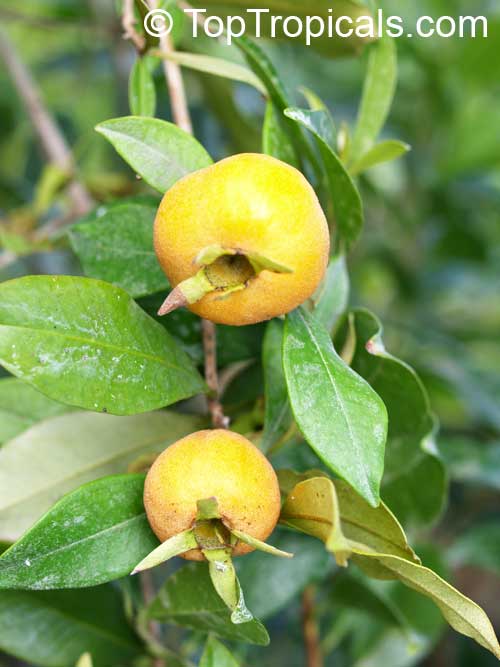
Eugenia luschnathiana - Pitomba

Eugenia luschnathiana - Pitomba

🍴 Pitomba pop cups: quick-n-fun exotic recipes


Pitomba Pop Cups

Ingredients

  • 1 cup pitomba pulp
  • 1 teaspoon honey
  • 1 tablespoon water
  • Fresh mint leaves (optional)

Instructions

  1. Scoop pitomba pulp into a small bowl.
  2. Mix with honey and a little water to soften the texture.
  3. Spoon the mixture into small cups or molds.
  4. Freeze until icy-soft.
  5. Serve topped with fresh mint for a refreshing tropical snack.


🌿 About the plant:


Pitomba (Eugenia luschnathiana) is a tropical fruit native to Brazil, prized for its bright, citrusy pulp with a sweet-sour kick. The flavor is often compared to a mix of apricot, citrus, and mild resin, making it refreshing and snack-worthy straight from the fruit.

🌱 In the garden:


Pitomba grows as a small to medium-sized slow growing tree with glossy evergreen leaves. It thrives in warm climates, prefers full sun to light shade, suitable for USDA zones 10-11, it can also be grown in large containers and responds well to pruning, making it manageable for home gardens.

🛒 Plant exotic Pitomba cherry in your garden

📚 Learn more:

Pitomba Plant Facts

Botanical name: Eugenia luschnathiana, Phyllocalyx luschnathianus
Also known as: Pitomba
USDA Zone: 9 - 11
Highligths Small tree 10-20 ftFull sunWatering: Moderate. Water when top soil feels dryWatering: Regular. Let topsoil dry slightlyWhite, off-white flowersEdible plant
Get personalized tips for your region

Eugenia luschnathiana - Pitomba - in Plant Encyclopedia

#Food_Forest #Recipes

🟢 Join 👉 TopTropicals

Date: 2 Apr 2026

Stop Fixing Your Soil: 15 Bulletproof Fruit Trees for Tough Ground

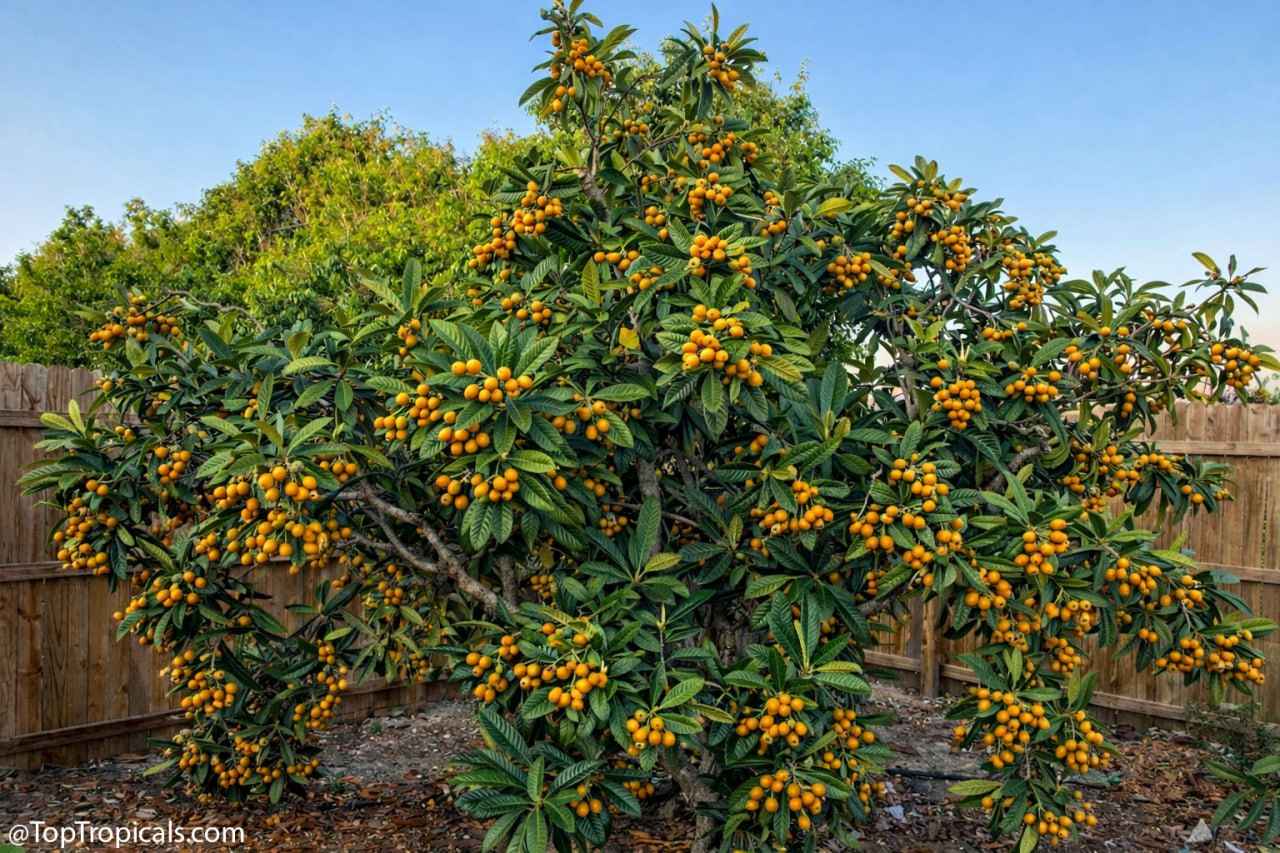
Loquat (Eriobotrya japonica) fruiting

Loquat (Eriobotrya japonica) fruiting

Stop Fixing Your Soil: 15 "Bulletproof" Fruit Trees for Tough Ground 💩

Not everyone starts with a lush, loamy paradise. In many parts of Florida and the South, "soil" is just a polite word for sand, limestone rock, or depleted clay.
The biggest mistake new gardeners make? Spending hundreds of dollars on soil amendments before they ever put a tree in the ground.
The secret the pros know: You don't need to change your land to fit your plants; you need to choose plants that love your land. Some of the most delicious fruits actually thrive on neglect - and a few even produce better fruit when the soil is "poor."


🌳 The "Big 5" Toughest Fruit Trees


If your yard is a dry, sandy lot or a rocky outcrop, start with these. They are the ultimate "survivors."

Jujube, Chinese Date (Ziziphus jujuba): Arguably the toughest fruit tree on earth. It laughs at drought, poor soil, and neglect. The fruit is crisp like an apple when fresh and sweet like a date when dried.

Loquat (Eriobotrya japonica): A Southern staple. It’s evergreen, beautiful, and produces honey-sweet fruit in early spring when nothing else is ripe.

Mulberry (Morus alba): If you can’t grow a Mulberry, you might be gardening on the moon. It grows in sand, clay, or sidewalk cracks with equal enthusiasm.

Fig (Ficus carica): Figs actually prefer not to be pampered. In overly rich soil, they grow lots of leaves but little fruit. Give them well-drained, mediocre soil and they’ll thrive.

Pomegranate (Punica granatum): These trees are "stress-lovers." Rocky, alkaline soil is no problem, and a bit of soil stress often results in a higher sugar content in the fruit.

🌳 Tropical Flavors That Don't Need "Perfect" Dirt


You don’t need a rainforest to grow tropical treats. These species are surprisingly resilient once they get their roots established.

🌟 The Sand-Lovers:

Mango (Mangifera indica): While young trees need a little babying, a mature Mango is incredibly drought-tolerant and handles Florida’s sandy "sugar sand" like a champ.

Sapodilla (Manilkara sapota): A rugged, wind-resistant tree that produces fruit tasting like brown sugar and pear. It is a top-tier choice for coastal or sandy areas.

Tamarind (Tamarindus indica): It’s slow-growing but patient. Once it’s in, it’s there for a century, regardless of soil quality.

🌟 The Low-Maintenance Stars


Longan (Euphoria longana): If you’ve struggled with finicky Lychee trees, try Longan. It’s more cold-hardy and much less picky about its soil.

Citrus: While they need regular feeding (fertilizer), Citrus trees are naturally adapted to the sandy ridges of the South.

🌟 The "Quick-Win" Berry & Shrub Layer


If you want fruit this year, don’t wait for a tree to mature. Add these hardy producers to your edges. And here is why it works:

Dragon Fruit (Hylocereus undatus). It’s a cactus! It literally prefers poor, fast-draining soil over rich potting mixes.

Barbados Cherry (Malpighia glabra). A vitamin C powerhouse that handles low-nutrient soil with ease.

Grumichama (Eugenia brasiliensis). Slower grower, but steady and tolerant once established.

Surinam Cherry (Eugenia uniflora). Virtually indestructible. Often used as a hedge because it grows so vigorously in poor soil.

Pineapple Guava (Feijoa sellowiana). A beautiful silver-leafed shrub that is salt-tolerant and drought-resistant.


🌳 The Strategy: "Plant First, Improve Later"


In the South, the "dig a $100 hole for a $10 tree" rule doesn't always apply. Trying to completely re-engineer your soil often leads to drainage issues (the "bathtub effect").

Try this instead:
1. Select a species naturally adapted to your pH and texture.
2. Plant it at the correct height (never too deep!).
3. Mulch heavily with wood chips. This improves the soil from the top down over time, mimicking a natural forest floor.

🛒 Shop Fruit Trees and Mango

📚 Learn more:


· Loquat, Sapodilla, Mulberry, Eugenia, Tamarind - in Plant Encyclopedia
· 10 best fruit trees to grow in Florida and Southern landscapes

#Food_Forest #How_to #Discover

🟢 Join 👉 TopTropicals
Date: 7 May 2026

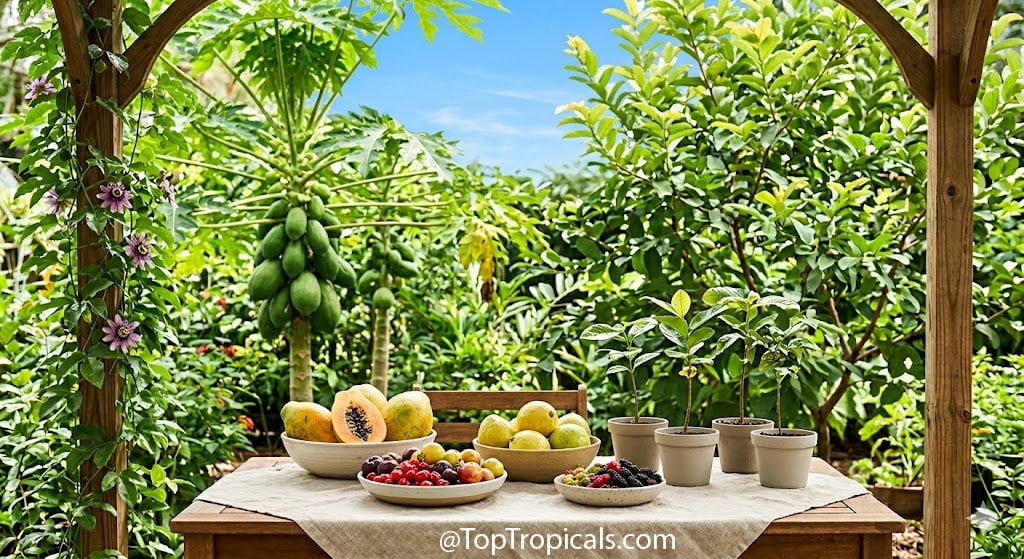
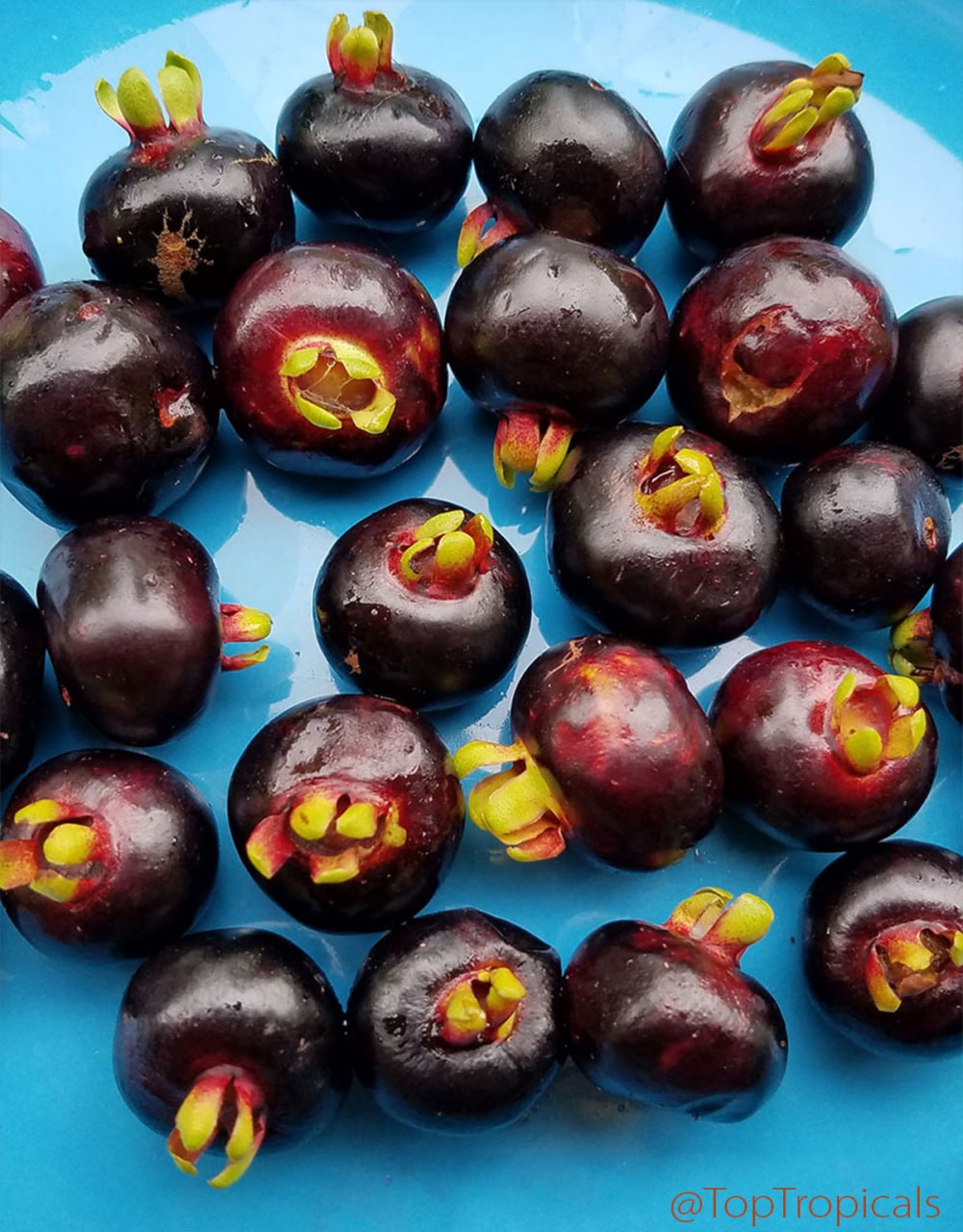
3 Best Trees for a Fast-Fruit Garden

3 Best Trees for a Fast-Fruit Garden
3 Best Trees for a "Fast-Fruit" Garden 🍒

Want fruit without the wait? These tropical powerhouses deliver a "fast-food" garden in record time.

🍓 The Top 3 Speed Demons


1. The Favorite: Papaya 🍊
If you want speed, Papaya is king. It can go from a small seedling to heavy fruit in 6-10 months. It behaves more like a giant herb than a tree: it is fast, has shallow roots, and is incredibly responsive to water and fertilizer. In warm climates, it is a plant it and watch it go legend. More details

2. The Reliable: Guava 🍉
Guava is the most forgiving fruit tree you can own. It handles heat, poor soil, and the occasional week of neglect without missing a beat. Most varieties begin producing in just 1-2 years, staying compact enough for small yards or large pots. More details

3. The Surprise: Eugenias 🍒
This family (including Surinam Cherry, Grumichama, Cherry of the Rio Grande, and Pitomba) often flies under the radar. They look like ornamental shrubs, but they establish quickly and can fruit within year two. They handle pruning beautifully, making them perfect for edible hedges. More details
  • 🍓 The Fast-Fruit Honor Roll
  • 🍓Ultra-Fast (Under 1 Year)
    Papaya and Banana: The heavyweight champions of speed.
    Strawberry Tree (Muntingia calabura): Non-stop cotton candy berries.
    Grafted Favorites: High-quality Mango, Avocado, Peach, Nectarine, and Persimmon.

    Peach Plant Facts

    Botanical name: Prunus persica, Amygdalus persica
    Also known as: Peach
    USDA Zone: 5 - 10
    Highligths Small tree 10-20 ftFull sunWatering: Regular. Let topsoil dry slightlyWhite, off-white flowersPink flowersEdible plantDeciduous plantSubtropical plant. Mature plant cold hardy at least to 30s F for a short time
    Get personalized tips for your region
  • 🍓Very Fast (1-2 Years)
    The Berries: Mulberry (especially Everbearing), Fig, and Barbados Cherry.
    The Exotics: Strawberry Guava, Loquat, and the curious Peanut Butter Tree (Bunchosia).
    The Sweet Treats: Blackberry Jam Fruit (Randia formosa).
  • 🍓Tropical Staples (2-3 Years)
    Starfruit (Carambola): A heavy producer that looks stunning in the garden.
    Annona Family: Sweet Sugar Apples and creamy Atemoyas.
    Macadamia Nut: A long-term investment that starts surprisingly early.
  • 🍓Fast Climbers and Bush Fruit
    Passionfruit: Will cover a fence and fruit in a single season.
    Berries: Mysore Raspberry and classic Blackberries for quick returns.


🛒 Ready to harvest? Shop the "Fast-Fruit" Collection

📚 Learn more:


· Eugenia cherries in Plant Encyclopedia
· 10 best fruit trees to grow in Florida and Southern landscapes
· Top 10 fast-fruiting trees
· 5 fast-growing fruit trees and shrubs for quick, low-effort harvests (Top Tropicals experts for Martha Stuart)

#Food_Forest #How_to #Discover

🟢 Join 👉 TopTropicals
Date: 25 Aug 2024

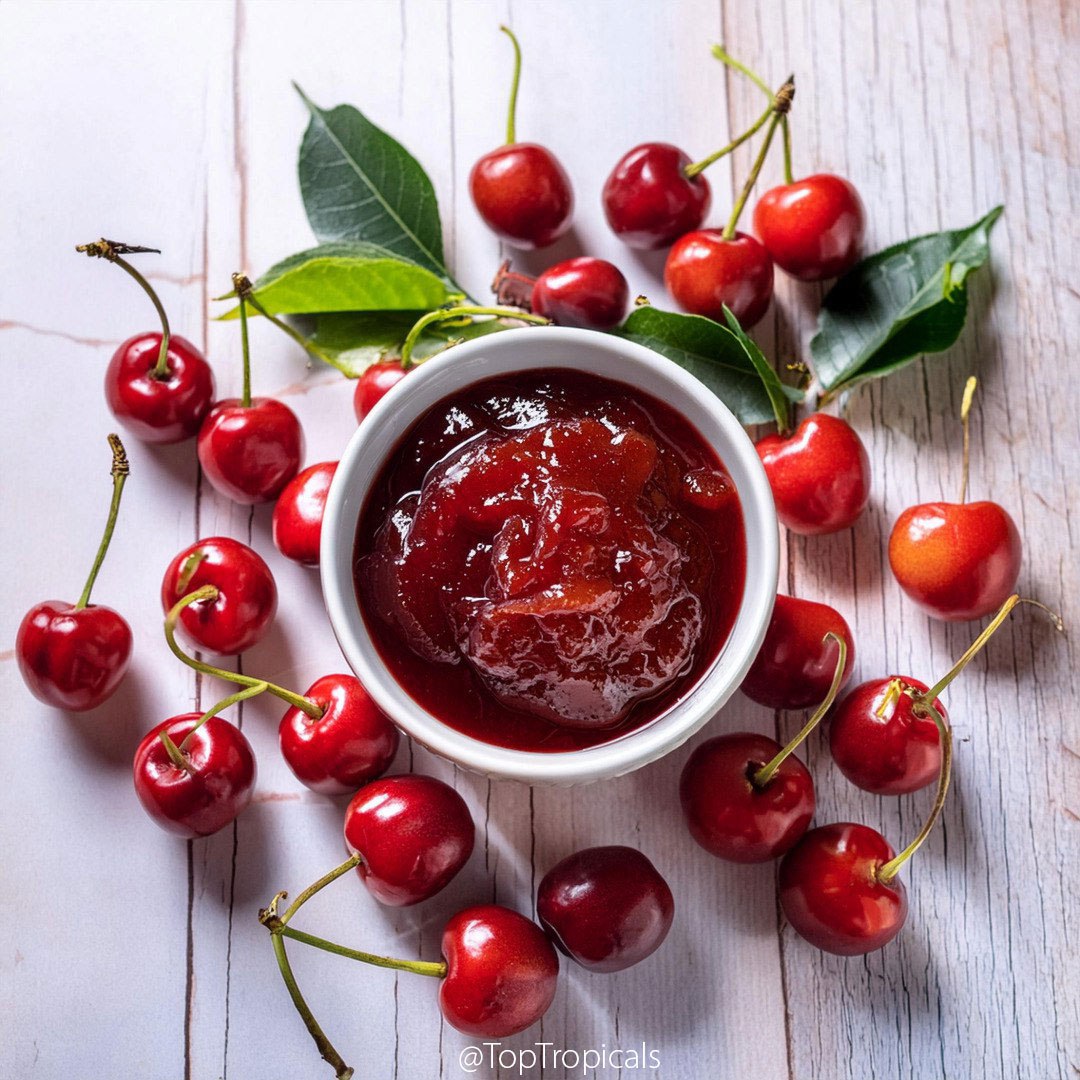
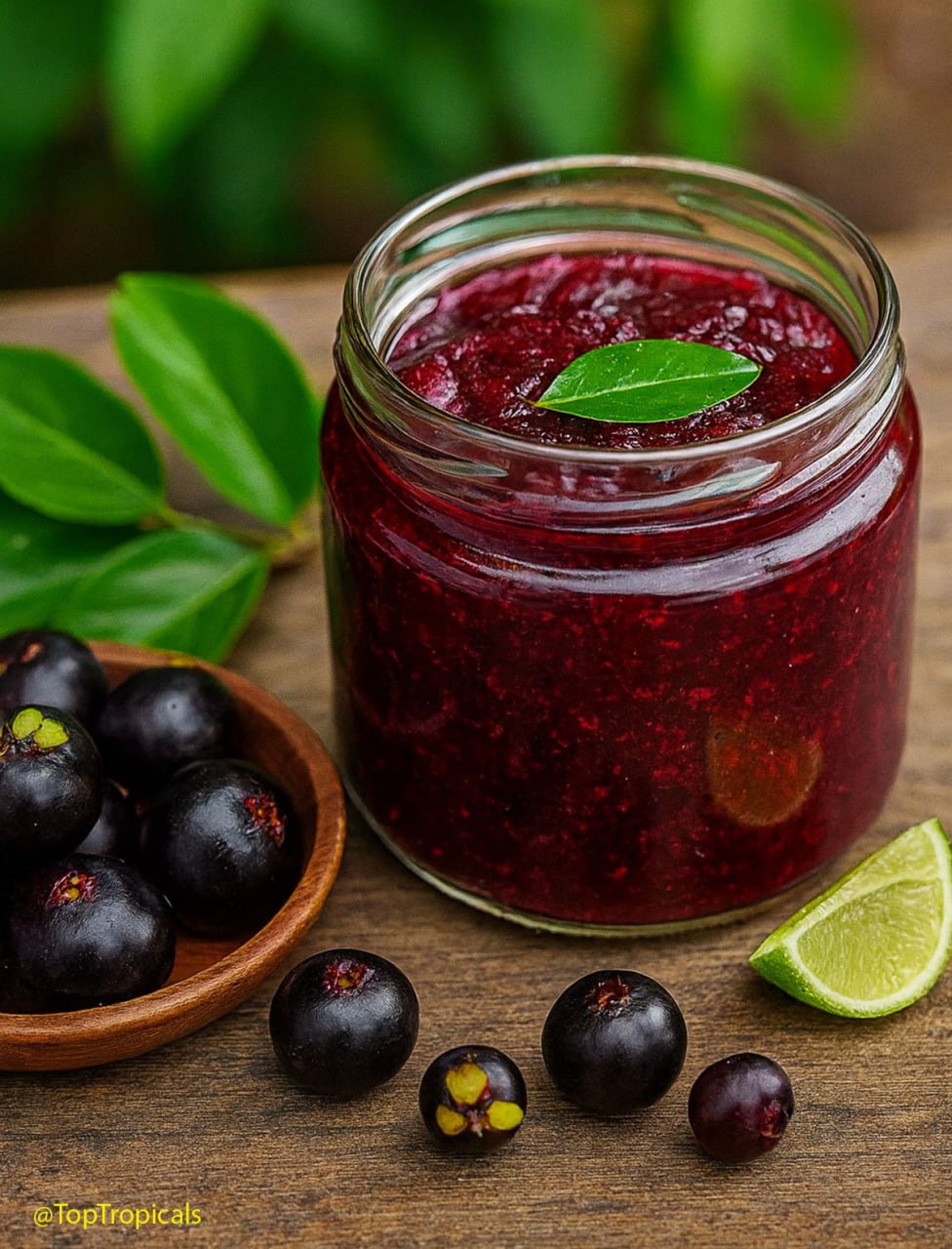
How to make a jam with Surinam Cherry

How to make a jam with Surinam Cherry
🍒 How to make a jam with Surinam Cherry

Surinam Cherry (Eugenia uniflora), often used as a hedge in Southern landscapes, also has a tasty fruit with a unique flavore. The black-fruit variety Lolita is especially valuable - the fruit is large, dark red to almost black, very juicy and sweet. It fruits profusely and there will be enough fruit for preserves too!

🎀 Surinam Cherry Jam

✔️ 4 cups seeded Surinam Cherries
✔️ 2 cups sugar
✔️ 1 cup water

🍷Combine the sugar and water, bring to boil and add cherries. Cook slowly for 20 to 25 min until the mixture thickens slightly. Pour into sterilized jars and seal.

🛒 Plant your own Surinam Cherry

#Recipes #Food_Forest

🔴 Join 👉 TopTropicals