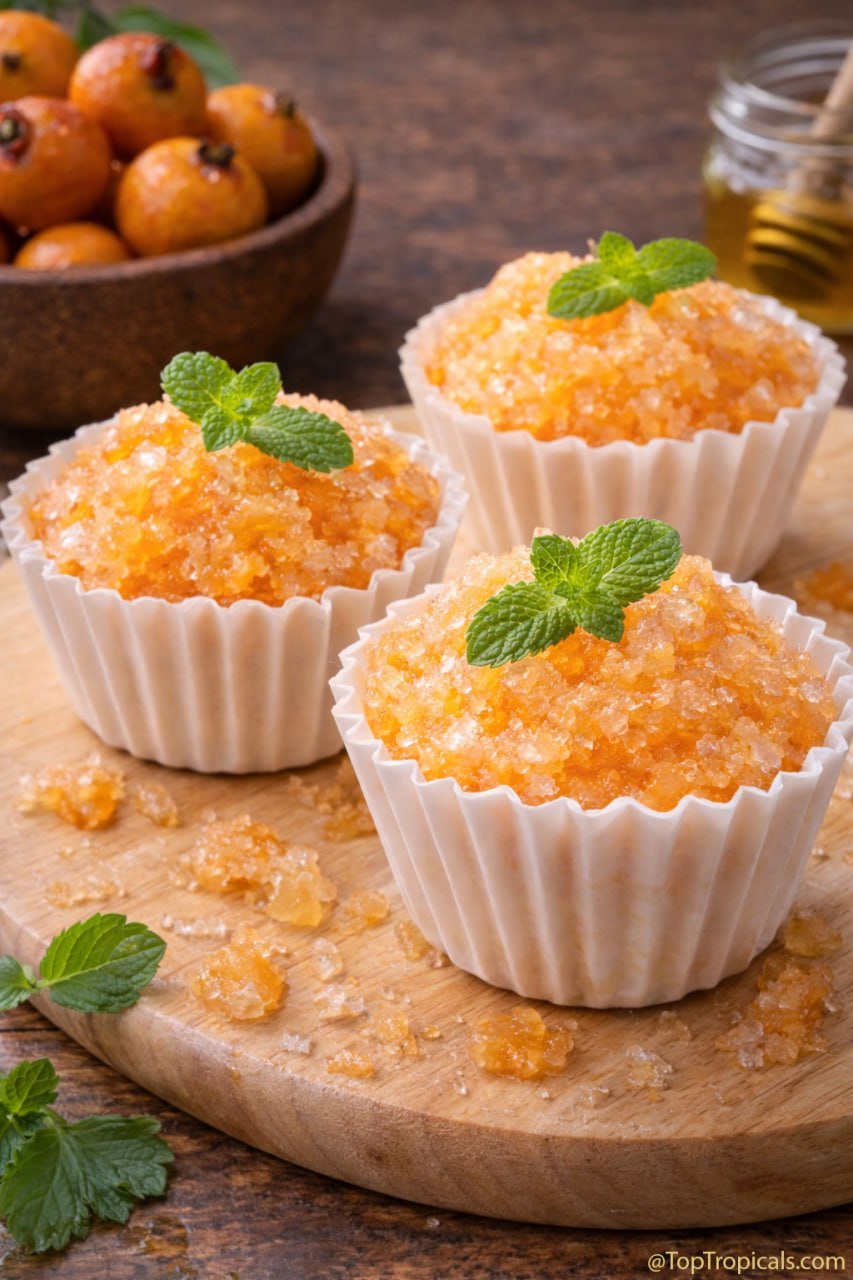
Mix with honey and a little water to soften the texture.
Spoon the mixture into small cups or molds.
Freeze until icy-soft.
Serve topped with fresh mint for a refreshing tropical snack.
🌿 About the plant:
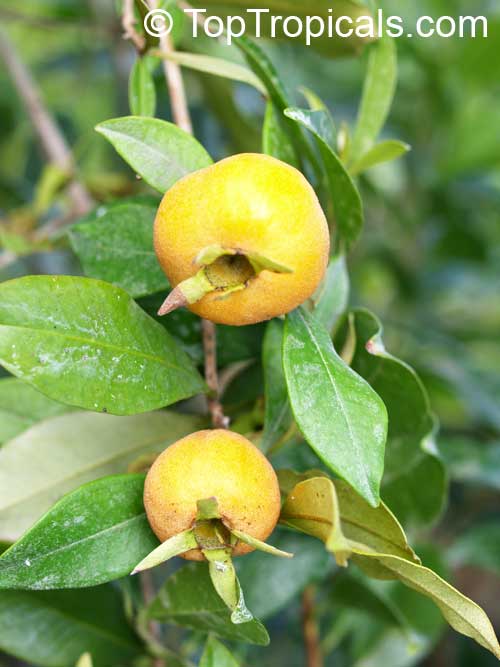
Pitomba (Eugenia luschnathiana) is a tropical fruit native to Brazil, prized for its bright, citrusy pulp with a sweet-sour kick. The flavor is often compared to a mix of apricot, citrus, and mild resin, making it refreshing and snack-worthy straight from the fruit.
Pitomba Plant Facts
Botanical name: Eugenia luschnathiana, Phyllocalyx luschnathianus Also known as: Pitomba
USDA Zone: 9 - 11
Highligths
🌱 In the garden:
Pitomba grows as a small to medium-sized slow growing tree with glossy evergreen leaves. It thrives in warm climates, prefers full sun to light shade, suitable for USDA zones 10-11, it can also be grown in large containers and responds well to pruning, making it manageable for home gardens.
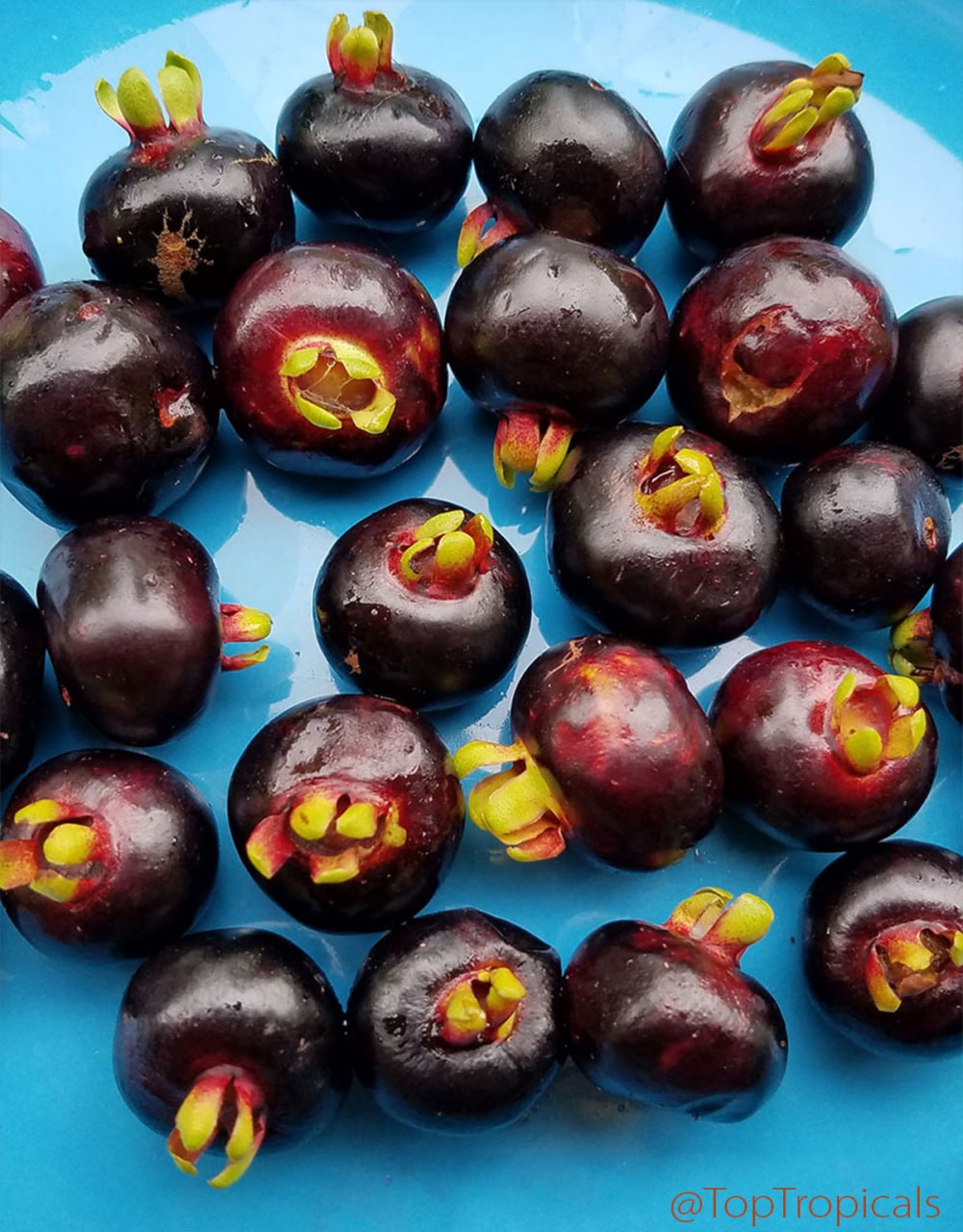
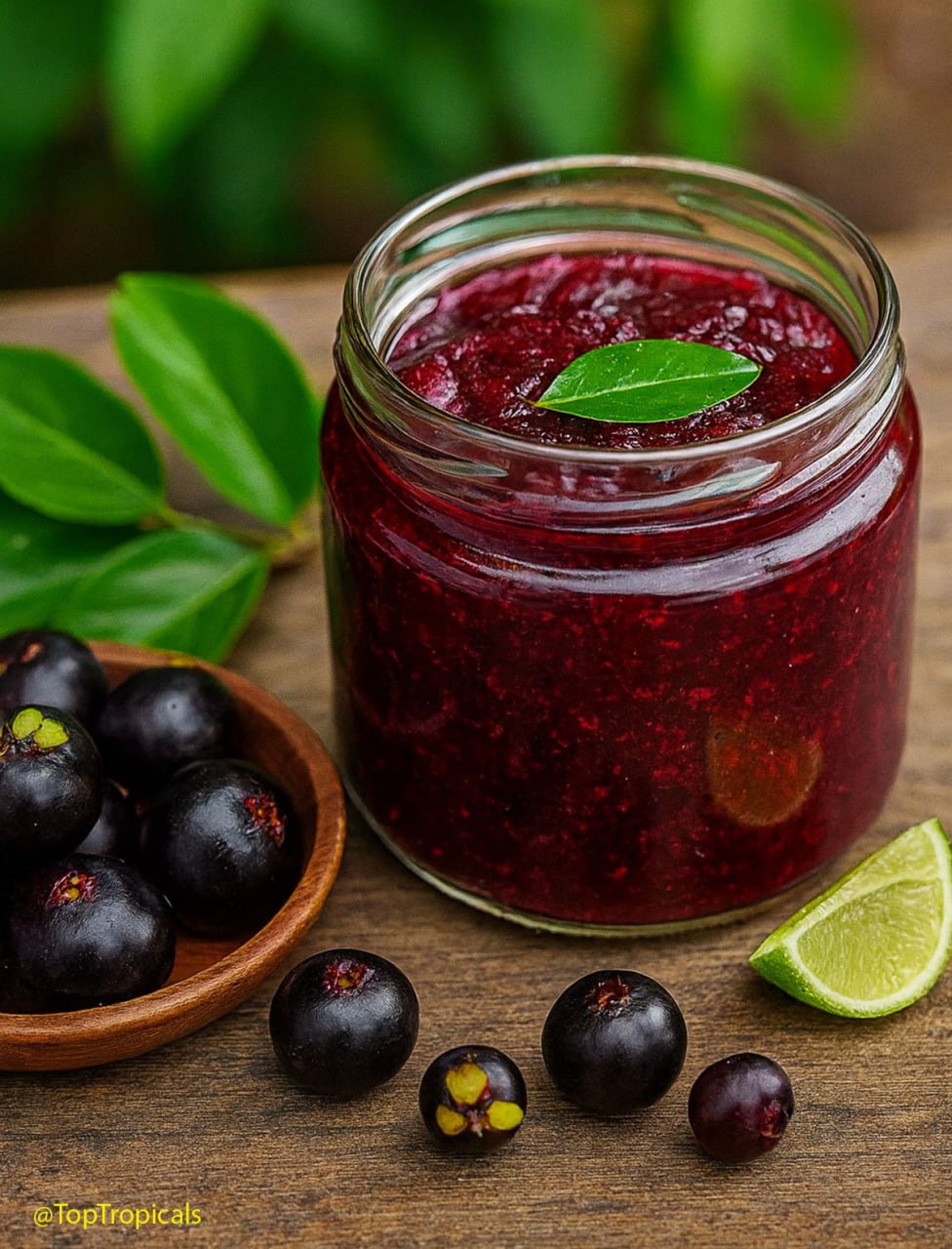
🍒 Cherry of the Rio Grande (Eugenia aggregata) is one of those tropical fruits you don't forget once you taste it. The fruit looks like a dark ruby jewel and ripens to almost black, with a sweet, full cherry-like flavor.
🍒 Unlike the temperate cherries, this one thrives in warm climates and starts flowering as early as March, keeping the harvest going well into summer.
🍒 This little fruit tree that fits anywhere! It's slender, branching, fits neatly in limited spaces or even in a pot, yet still produces plenty of fruit.
🍒 Can a tropical cherry really handle freezing temps? Once mature, Cherry of the Rio Grande can handle surprising cold snaps down into the 20s. A tough little tree that gives you a taste of the tropics right in your own backyard!
The Secret to a Sharper Mind Might Be Growing in Your Backyard
Harvesting tropical fruits
The Secret to a Sharper Mind Might Be Growing in Your Backyard
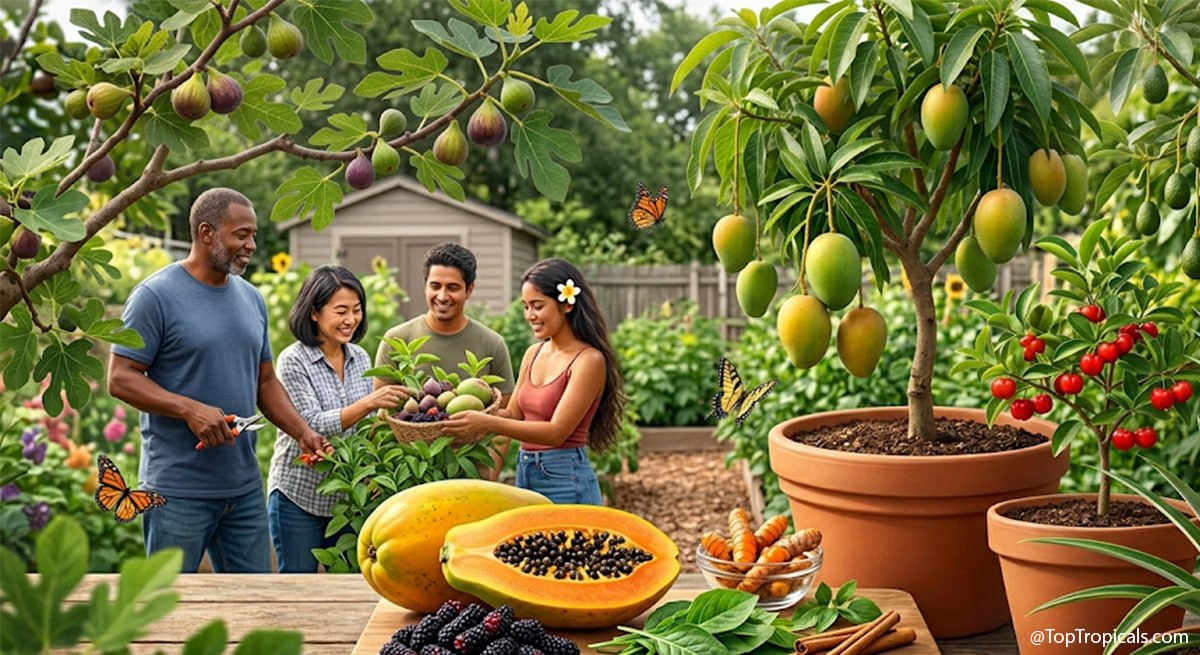
Your garden shed might hold a more powerful tool for brain health than your medicine cabinet. What if the best defense against cognitive decline isn’t found in a pill bottle - but right outside your door? While we often think of gardening as just a hobby, new research suggests that the combination of physical "zone-pushing" and harvesting your own nutrient-dense tropical fruit could be a literal life-saver for your brain.
🍒 What the Research Actually Says
A massive study recently published in the journal Neurology followed more than 92,000 people to see how diet impacts the mind. The findings were clear: the quality of the plant-based foods you eat plays a massive role in your risk of dementia. It isn't just about "eating your veggies" - it's about which ones you choose.
(The full study: Plant-Based Dietary Patterns and Risk of Alzheimer Disease and Related Dementias in the Multiethnic Cohort Study)
🍒 Why Growing Your Own Fruit Changes the Game
If you grow your own fruit, you quietly solve two problems at once. It turns a "diet plan" into a natural part of your day.
1. Effortless Nutrition
When a ripe mango, a handful of mulberries, or a fresh guava is hanging within arm's reach, you eat it. It replaces processed, sugary snacks without any "willpower" required. You are naturally moving toward the high-quality, whole-food diet the research supports.
Mango Plant Facts
Botanical name: Mangifera indica Also known as: Mango
USDA Zone: 9 - 11
Highligths
2. Functional Fitness
Gardening doesn't feel like a workout, but it is. Bending, pruning, carrying pots, and digging are all forms of functional movement. It’s steady, useful physical activity that supports your heart and brain while you’re focused on your plants.
3. The "Outdoor" Effect
Sunlight and fresh air are natural mood boosters. The mental focus required to manage tropical plants - especially when you’re protecting them from a surprise freeze - provides a level of mental engagement and stress relief that you just can't get from a treadmill.
🍒 What to plant if you are just starting
You don’t need a massive orchard to start investing in your brain health. One or two plants can shift your habits immediately.
Botanical name: Carica papaya Also known as: Papaya
USDA Zone: 9 - 11
Highligths
For Small Spaces:Dwarf Mango varieties and Cherries (Eugenias or Acerola), Pineapples thrive in containers and provide massive doses of antioxidants.
Pineapple Plant Facts
Botanical name: Ananas comosus Also known as: Pineapple, Pina
USDA Zone: 9 - 11
Highligths
For the "Zone Pusher":Figs and cold-hardy Avocados offer healthy fats and fiber that are essential for long-term health.
Fig Tree Plant Facts
Botanical name: Ficus carica Also known as: Fig Tree, Brevo
USDA Zone: 7 - 10
Highligths
Avocado Plant Facts
Botanical name: Persea americana, Persea gratissima Also known as: Avocado, Alligator Pear, Aguacate, Abacate
USDA Zone: 9 - 11
Highligths
🍒 Start Small, Start Now
The research makes one thing clear: improving your food quality matters, and you can see results no matter your age. Planting a fruit tree changes what you eat, how you move, and how often you step outside.
That’s more than just gardening - that’s a lifestyle shift your brain will thank you for.
🍒 FAQ
Does fruit really support brain health?
Yes. Diets rich in whole, high-quality plant foods are linked to a lower risk of dementia, especially when they replace processed snacks and added sugars.
Is gardening enough to count as exercise?
Absolutely. Regular gardening provides steady, functional movement that improves circulation and supports overall physical health.
Is it too late for me to start?
No. The study showed that even participants who improved their diet quality in their 60s and 70s saw a measurable reduction in dementia risk.
Stop Fixing Your Soil: 15 Bulletproof Fruit Trees for Tough Ground
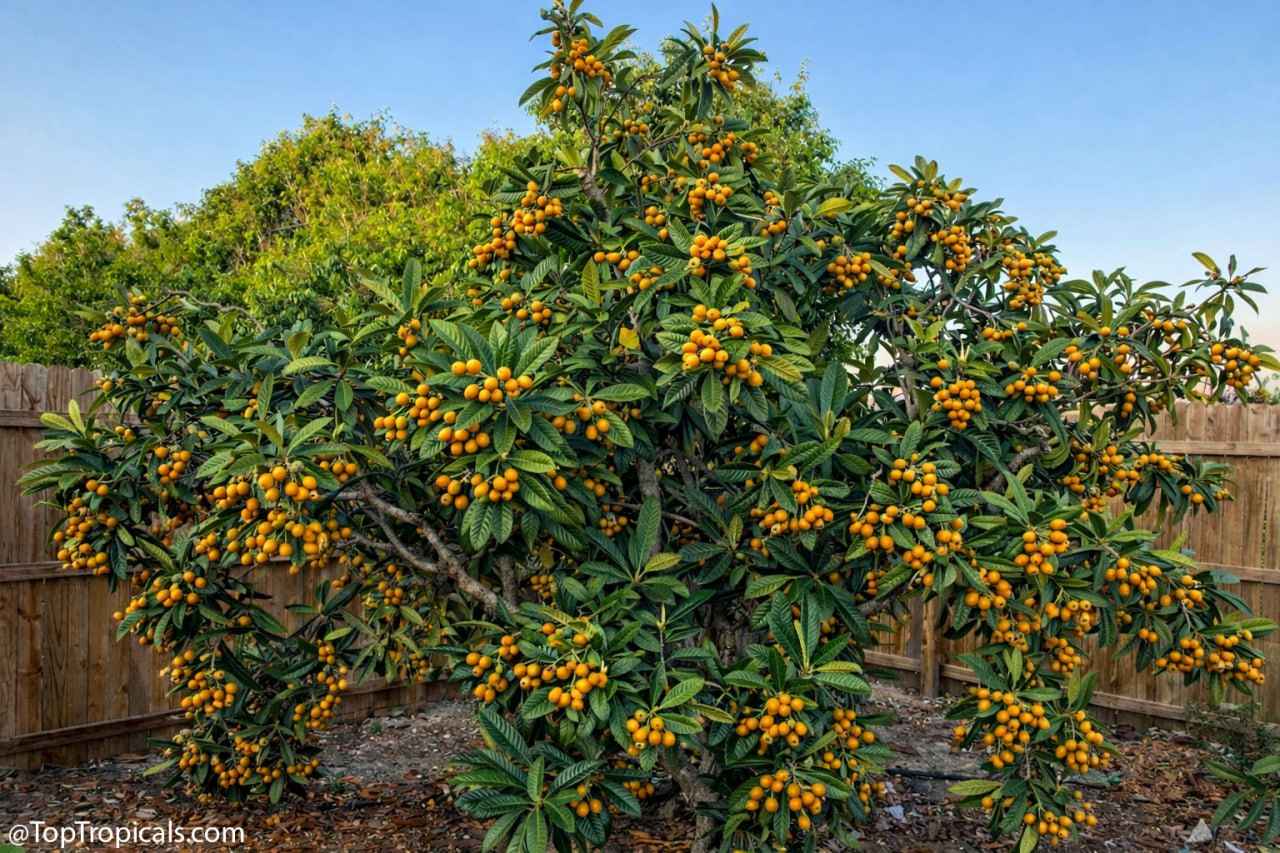
Loquat (Eriobotrya japonica) fruiting
Stop Fixing Your Soil: 15 "Bulletproof" Fruit Trees for Tough Ground 💩
Not everyone starts with a lush, loamy paradise. In many parts of Florida and the South, "soil" is just a polite word for sand, limestone rock, or depleted clay.
The biggest mistake new gardeners make? Spending hundreds of dollars on soil amendments before they ever put a tree in the ground.
The secret the pros know: You don't need to change your land to fit your plants; you need to choose plants that love your land. Some of the most delicious fruits actually thrive on neglect - and a few even produce better fruit when the soil is "poor."
🌳 The "Big 5" Toughest Fruit Trees
If your yard is a dry, sandy lot or a rocky outcrop, start with these. They are the ultimate "survivors."
Jujube, Chinese Date (Ziziphus jujuba): Arguably the toughest fruit tree on earth. It laughs at drought, poor soil, and neglect. The fruit is crisp like an apple when fresh and sweet like a date when dried.
Loquat (Eriobotrya japonica): A Southern staple. It’s evergreen, beautiful, and produces honey-sweet fruit in early spring when nothing else is ripe.
Mulberry (Morus alba): If you can’t grow a Mulberry, you might be gardening on the moon. It grows in sand, clay, or sidewalk cracks with equal enthusiasm.
Fig (Ficus carica): Figs actually prefer not to be pampered. In overly rich soil, they grow lots of leaves but little fruit. Give them well-drained, mediocre soil and they’ll thrive.
Pomegranate (Punica granatum): These trees are "stress-lovers." Rocky, alkaline soil is no problem, and a bit of soil stress often results in a higher sugar content in the fruit.
Pomegranate Plant Facts
Botanical name: Punica granatum Also known as: Pomegranate, Granada, Grenade, Pomegranate, Granada, Anar, Granaatappel, Pomo Granato, Romeira, Melo Grano
USDA Zone: 8 - 11
Highligths
🌳 Tropical Flavors That Don't Need "Perfect" Dirt
You don’t need a rainforest to grow tropical treats. These species are surprisingly resilient once they get their roots established.
🌟 The Sand-Lovers:
Mango (Mangifera indica): While young trees need a little babying, a mature Mango is incredibly drought-tolerant and handles Florida’s sandy "sugar sand" like a champ.
Mango Plant Facts
Botanical name: Mangifera indica Also known as: Mango
USDA Zone: 9 - 11
Highligths
Sapodilla (Manilkara sapota): A rugged, wind-resistant tree that produces fruit tasting like brown sugar and pear. It is a top-tier choice for coastal or sandy areas.
Tamarind (Tamarindus indica): It’s slow-growing but patient. Once it’s in, it’s there for a century, regardless of soil quality.
🌟 The Low-Maintenance Stars
Longan (Euphoria longana): If you’ve struggled with finicky Lychee trees, try Longan. It’s more cold-hardy and much less picky about its soil.
Citrus: While they need regular feeding (fertilizer), Citrus trees are naturally adapted to the sandy ridges of the South.
🌟 The "Quick-Win" Berry & Shrub Layer
If you want fruit this year, don’t wait for a tree to mature. Add these hardy producers to your edges. And here is why it works:
Dragon Fruit (Hylocereus undatus). It’s a cactus! It literally prefers poor, fast-draining soil over rich potting mixes.
Barbados Cherry (Malpighia glabra). A vitamin C powerhouse that handles low-nutrient soil with ease.
Grumichama (Eugenia brasiliensis). Slower grower, but steady and tolerant once established.
Surinam Cherry (Eugenia uniflora). Virtually indestructible. Often used as a hedge because it grows so vigorously in poor soil.
Pineapple Guava (Feijoa sellowiana). A beautiful silver-leafed shrub that is salt-tolerant and drought-resistant.
Pineapple Plant Facts
Botanical name: Ananas comosus Also known as: Pineapple, Pina
USDA Zone: 9 - 11
Highligths
🌳 The Strategy: "Plant First, Improve Later"
In the South, the "dig a $100 hole for a $10 tree" rule doesn't always apply. Trying to completely re-engineer your soil often leads to drainage issues (the "bathtub effect").
Try this instead:
1. Select a species naturally adapted to your pH and texture.
2. Plant it at the correct height (never too deep!).
3. Mulch heavily with wood chips. This improves the soil from the top down over time, mimicking a natural forest floor.