Garden Blog - Top Tropicals

Date: 23 Sep 2024

Ten top fruiting plants you'll ever need
for your health benefits
Top  Tropicals  Fruit

Q: I planted Mango and Avocado trees, and I still have room for more trees but want to use the space wisely. What other trees should I plant to get the most benefits out of the fruit?

A: Everyone loves planting Mango or Avocado trees for their well-known benefits. But did you know that adding a variety of other fruit trees to your garden can expand those benefits even more? If you plant just one of each of these 10 trees, you'll have a complete spectrum of nutrients and health-boosting ingredients you ever need. With a diverse range of healthy fruits, you'll boost your diet, improve your health, and elevate your lifestyle. Let's check out the TOP TEN most rewarding and useful fruit...

1. Guava
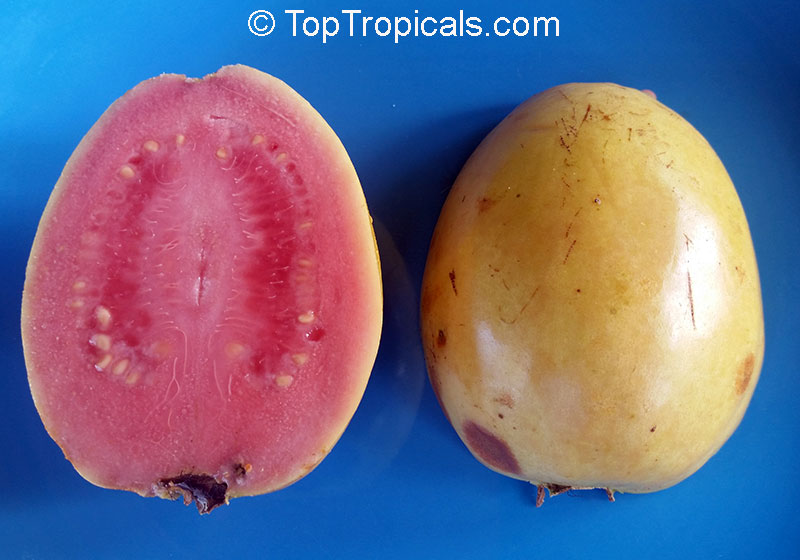
Guava  fruit

Guava is rich in vitamin C, which boosts the immune system and helps protect against colds and infections.
Guava helps regulate blood sugar levels, making it a good option for people with diabetes.
Its potassium content helps maintain healthy blood pressure.
Guava's antioxidants, like lycopene and vitamin C, contribute to glowing skin and may reduce the risk of cancer.
Guava is eaten fresh, made into juices, jams, and jellies, or added to desserts and smoothies.

2. Coffee
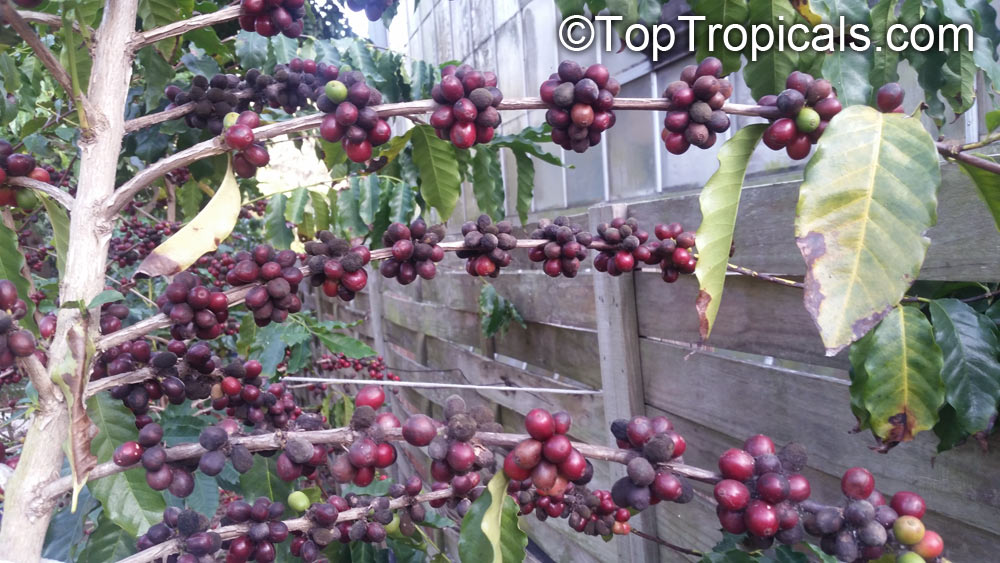
Coffee  fruit

Coffee is widely enjoyed as a beverage and is used in various desserts and drinks.
It is rich in antioxidants, which may reduce inflammation and lower the risk of chronic diseases.
It improves focus and mental alertness due to its caffeine content.
Coffee boosts metabolism and aid in fat burning, supporting weight management.

3. Noni
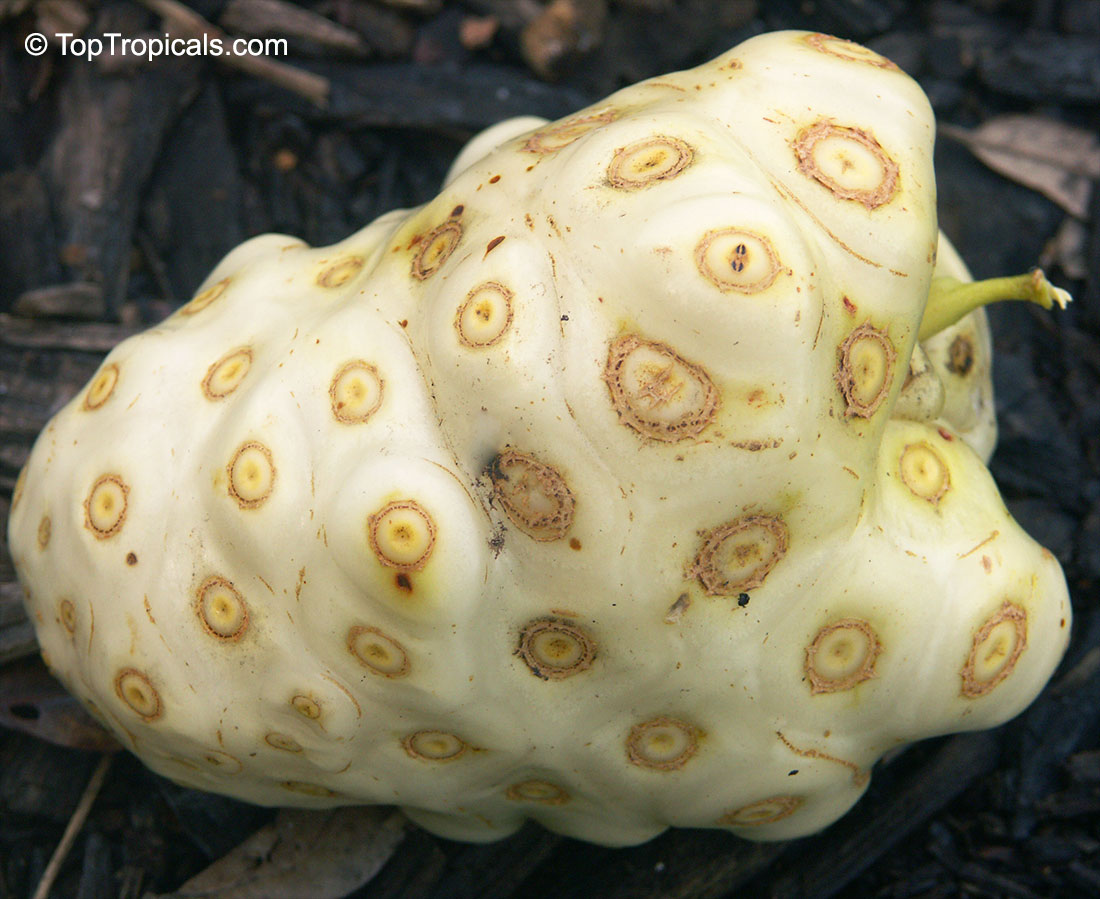
Noni  fruit

Noni is known for its anti-inflammatory properties and may help reduce joint pain and arthritis symptoms.
Fresh noni fruit and juice are popular in traditional herbal medicine and drinks.
It boosts the immune system due to its rich vitamin C content.
Noni juice is used traditionally to improve digestion and fight infections.

4. Papaya
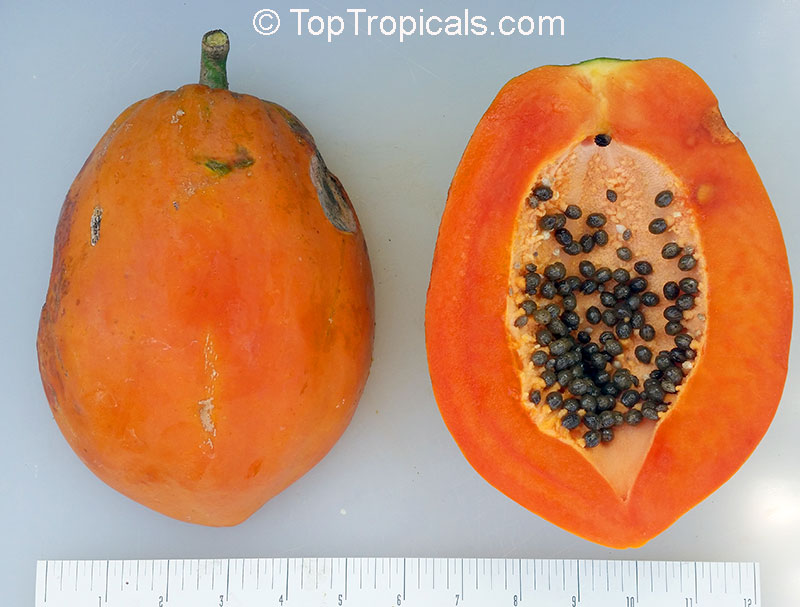
Papaya  fruit

Papaya is a popular ingredient in salads, smoothies, and tropical desserts.
It contains enzymes like papain that aid digestion and reduce bloating.
It is high in vitamin C and vitamin A, the antioxidants in papaya may protect against heart disease and reduce cancer risk.

5. Banana
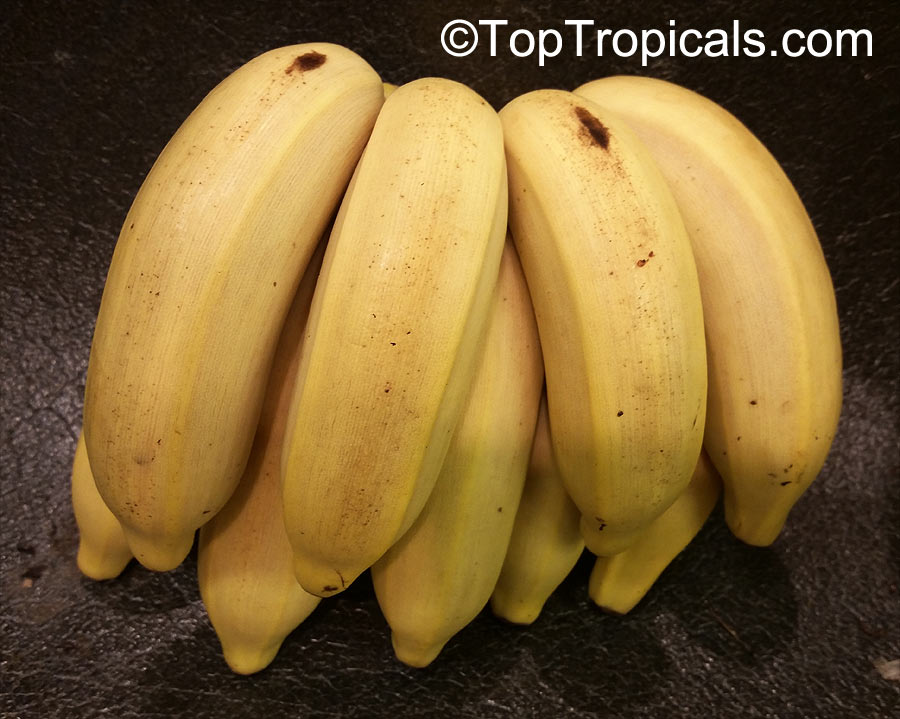
Persimmon  fruit

Bananas are rich in potassium, which helps regulate blood pressure and supports heart health.
They provide a quick source of energy and are great for post-workout recovery.
The fiber in bananas aids digestion and promotes gut health.
East them fresh, add to smoothies, bake into breads and desserts, or use in various savory dishes.

6. Dragon fruit
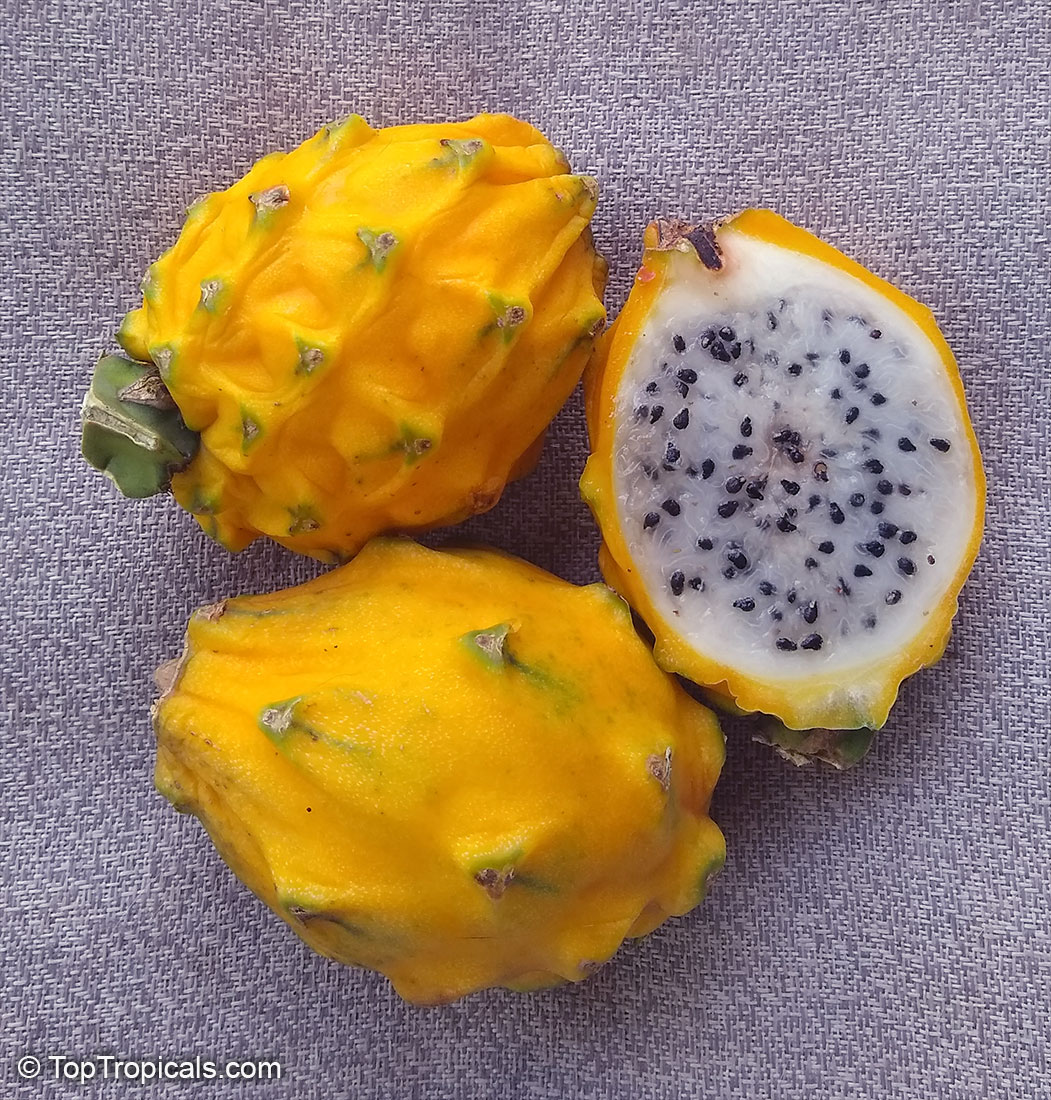
Dragon  fruit

Dragon fruit is often used in smoothies, fruit salads, and refreshing drinks.
It is high in fiber, aiding digestion and promoting gut health. Low in calories and packed with nutrients, it's great for weight management.

7. Tamarind

Tamarind  fruit

Tamarind is a common ingredient in sauces, chutneys, and beverages.
Rich in antioxidants, it protects the liver and reduces inflammation.
It contains natural compounds that help lower cholesterol and improve heart health. Tamarind has a mild laxative effect, aiding digestion and relieving constipation.

8. Loilita (Surinam) Cherry
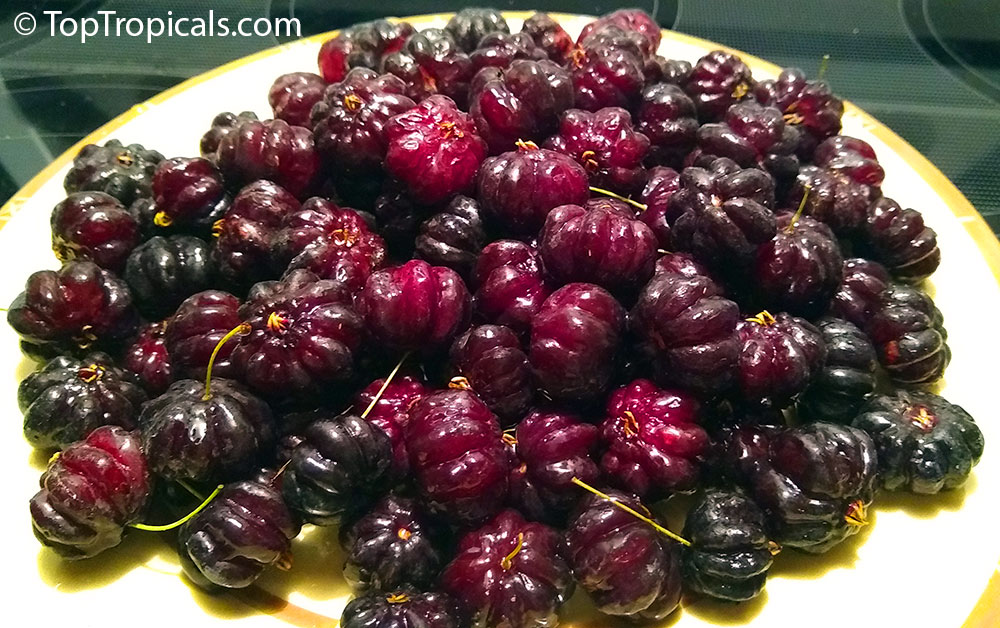
Surinam  cherry  fruit

Surinam cherry is rich in vitamin C, boosting the immune system and skin health.
Its antioxidants reduce inflammation and protect against free radical damage. It contains fiber, which supports healthy digestion.
Surinam cherries are used in jams, sauces, and desserts or eaten fresh.

9. Nescafe
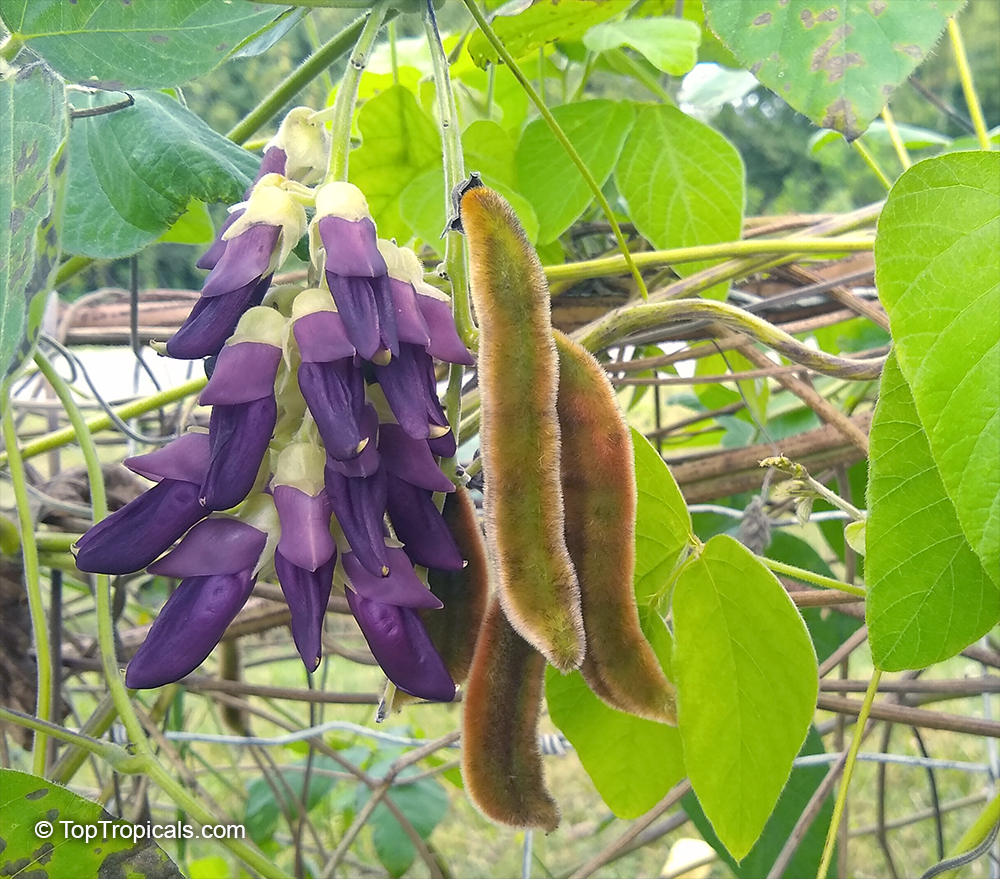
Nescafe

Nescafe - Mucuna pruriens - is used in herbal supplements or ground into powder for teas and health drinks.
It is known for its potential to boost dopamine levels, improving mood and reducing stress.
It supports cognitive function, muscle growth and increases energy levels.

10. Loquat
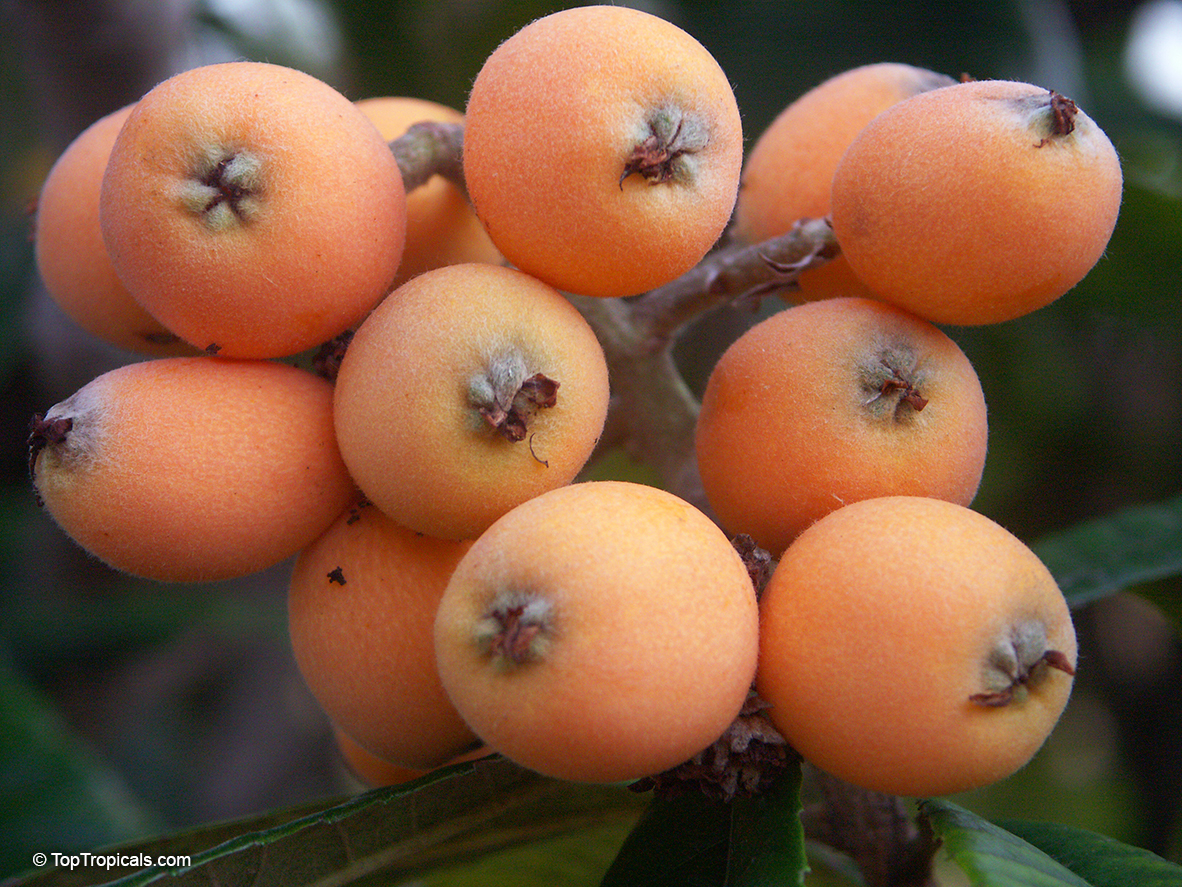
Loquat  fruit

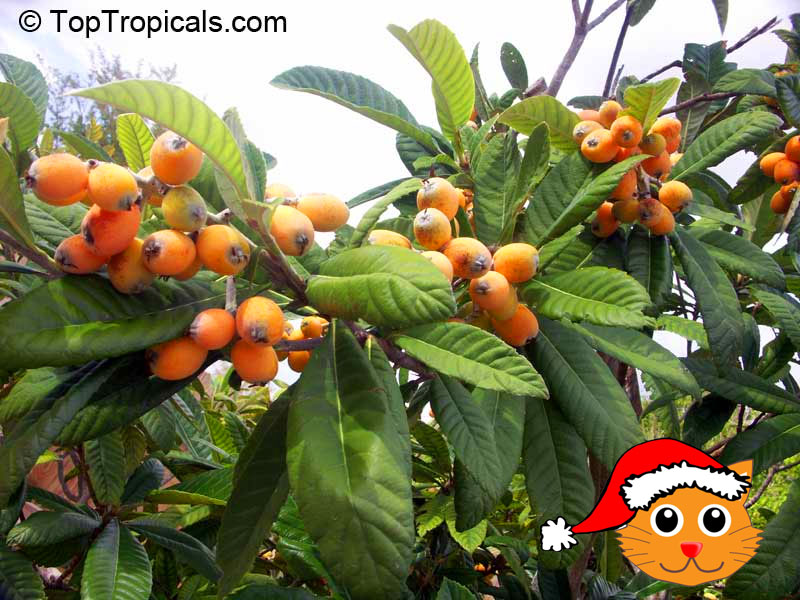
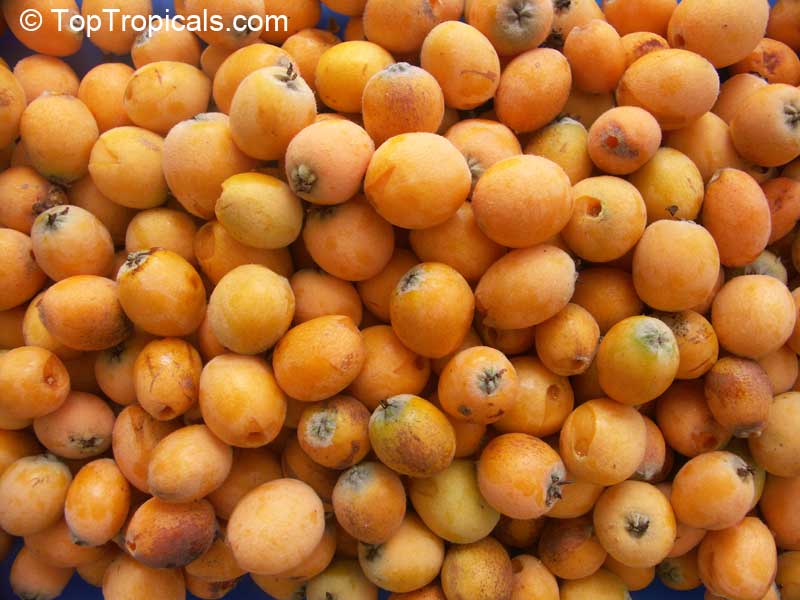
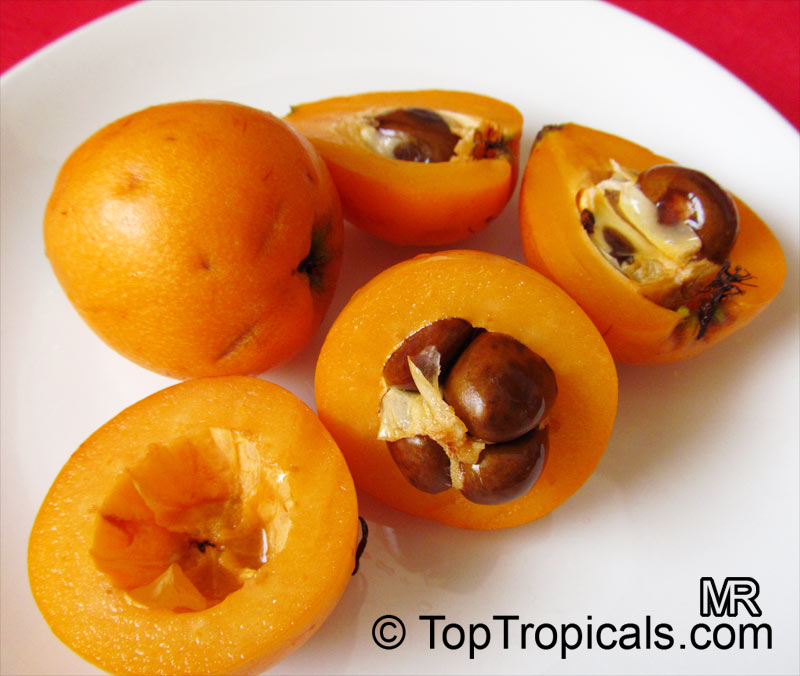
Loquat are very popular and are eaten fresh or used in making jams, jellies, pies, and fruit salads.
Loquat is rich in vitamin A, supporting eye health. It contains antioxidants that help fight inflammation and reduce the risk of chronic diseases. The fiber in loquats aids digestion and helps maintain healthy blood sugar levels.

By planting these 10 diverse fruit trees, you'll not only enjoy a delicious and abundant harvest but also ensure your garden provides all the nutrients needed for a healthier, more vibrant life.

Date: 15 Dec 2020

Healthy Plants: Q&A from Mr Booster

What is an ideal potting mix?

Q: A few years ago, I purchased a Barbie Loquat from you, and I'm pleased to say it's been growing very well. I now have several loquat seedlings. I have read that a well-draining medium should be used, and I have found that the various formulations provided on the web for such medium seem vaguely reminiscent of the recipe provided in your transplanting instructions. Therefore, I would like to retrieve your recipe, unless you could recommend an even better one?

A: The main requirements for a good potting mix are:
- perfect drainage, allowing air circulation that is so necessary for healthy roots; oxygen circulation helps to avoid root rot
- water retention: to keep nutrients in soil
- low pH (soil acidity) which is important for most tropical plants
- adequate amount of organic matter in the mix, in combination with proper fertilizer program

In our nursery we experimented with many different potting mixes for the past couple decades. We ended up with an ultimate mix for tropical container plants that we designed ourselves. This custom mix is called -

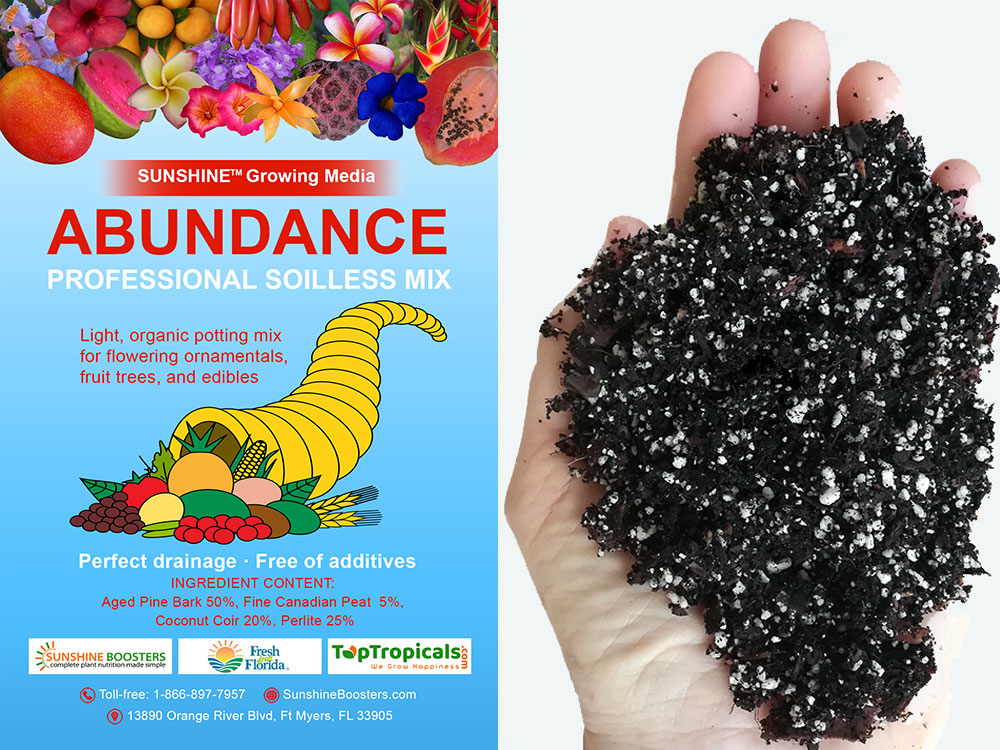
Abundance - TopTropicals professional soilless potting mix

It meets all the requirements above which makes it a perfect mix. All our plants are happy with it. Abundance is a professional quality (nursery-grade) potting mix with great drainage characteristics, ideal for any tropical plants. It is organically derived soil-less mix, free of any additives.
Ingredients are:
- fine Canadian peat moss
- coconut coir
- perlite
- aged pine bark (soil conditioner).
See more info on soil mixes.
We have this mix available for purchase in different packaging sizes - 2, 3, and 7 gal bags.

Besides proper potting mix, all container plants require regular fertilizing. We recommend the newest, scientifically balanced fertilizers Sunshine Boosters that are natural, eco-safe, great for all edibles and organic gardening. They are safe to use with every watering, provide all necessary elements for plant daily needs, and won't burn the roots.
For your loquat tree, consider Sunshine C-Cibus, it boosts both flowering and fruit production. Loquat is Winter-Spring bloomer, hopefully you will get some crop soon!

See more information about potting mix science

Date: 7 Jun 2025

From seed to fruit. How to grow Loquat from seeds, step-by-step guide. Part 1: planting seeds

Loquat tree (Eriobotrya japonica) - seedlings

✍️ From seed to fruit. How to grow Loquat from seeds, step-by-step guide. Part 1: planting seeds

  • 🍑 1. Harvesting and Preparing Seeds


  • Harvest: Select ripe Loquat fruits (when they are bright yellow color) and remove 1-3 seeds from each.
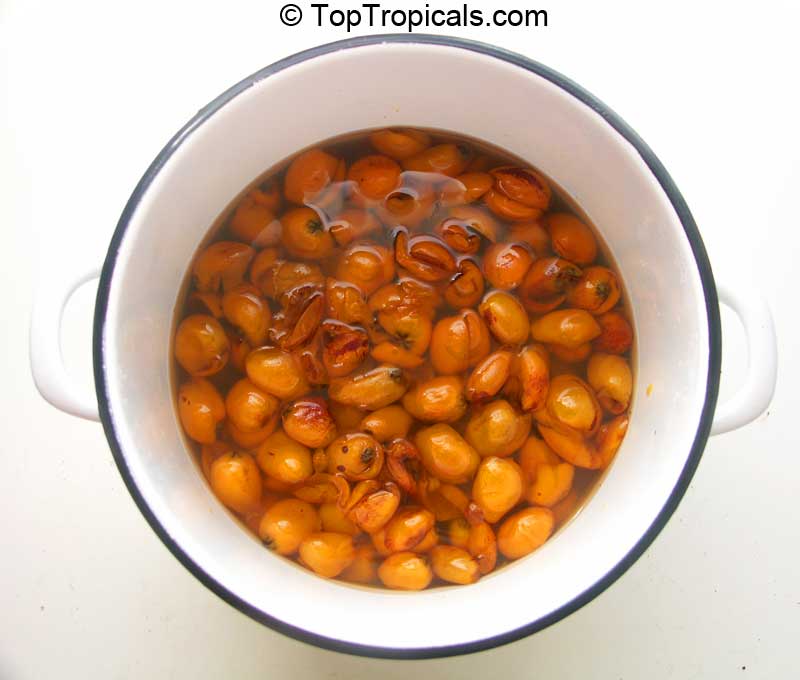
  • Clean: Rinse seeds thoroughly in cool water to remove all fruit residue. Like with every fruit seeds, any pulp leftover may prevent germination and/or cause rot of the seeds.
  • Storage: If not planting immediately, wrap seeds in a damp paper towel and store in a vented container with moist sawdust or moss (to avoid drying out) at room temperature (if stored a few days) or at 40F if stored for over a week. Seeds can remain viable for up to 3-6 months. Refrigerating the fruit doesn't harm the seeds, although may take seeds longer to germinate. If the seeds are slightly dry, soak them in water overnight.


🍑 2. Planting Seeds

  • Container: Use a pot with a good drainage.
  • Soil: Fill with well-draining, soilless potting mix (no compost or top soil). Perfect seed germination mix is Abundance Mix: peat moss (or coconut fiber) - 80%, perlite - 10%, small pieces of pine bark - 10%.
  • Depth: Plant seeds 1" deep. Place them horizontally.
  • Spacing: Multiple seeds can be planted in one pot or tray (with drainage holes); space them adequately. You can use so called “community pots”, then separate the seedlings once they reach 2-4" in height.


🍑 3. Germination Conditions

  • Light: Place the pot in a bright, warm area with temperatures at least (and above) 70F . The warmer, the faster the germination. We germinate seeds in a "hot house" where temperatures can reach 100F.
  • Moisture: Keep the soil consistently moist but not wet.
  • Germination Time: Loquat seeds germinate within 2-4 weeks.

Continued in next post ⤵️

🛒 Shop Loquat Trees and enjoy fresh fruit benefits

#Food_Forest #Loquat

🔴 Join 👉 TopTropicals

Date: 25 Jun 2021

Kristi's Loquat Tropical BBQ sauce

Loquat trees are famous for their abundant fruit production. Many customers who purchased this tree from us, soon end up with some serious crops and start asking if we have any special recipes for loquat fruit - because you can only eat so much out of hand! Here is our manager Kristi's favorite Loquat recipe - not only delicious and tropically-aromatic, but also good for you. Happy Tropical Meal!

Ingredients

2 lbs loquat fruit

  1. cup soft brown sugar
  2. cups malt vinegar
    1 onion chopped
  3. cloves garlic


1/2 tsp salt
1/2 tsp black pepper
1/4 tsp cayenne pepper
6 cloves whole or 1/2 tsp ground cloves

Instructions

Wash the fruit, cut them in half and remove stones. The loquats will lose about a third of their weight once stoned (3 lbs of whole fruit = 2 lbs of fruit, stones removed). Add loquats and all remaining ingredients to a large saucepan. Bring to a low boil, then simmer for about an hour, stirring occasionally. The liquid will have reduced quite a bit and the fruit will be collapsed and very soft. Allow to cool slightly, then liquidize the sauce in a blender or a food processor. Be careful, hot sauce really burns!
This delicious tropical sauce is great for any BBQ - with meats or fish. Enjoy!

Date: 11 Sep 2020

The best Loquat varieties with big, sweet fruit

Q: I'm interested in loquat and read through the varieties you offer but wanted your recommendation. I'm looking for a variety that is big, sweet (not tart) with 1 seed. Of the varieties you offer... Which variety would you recommend?

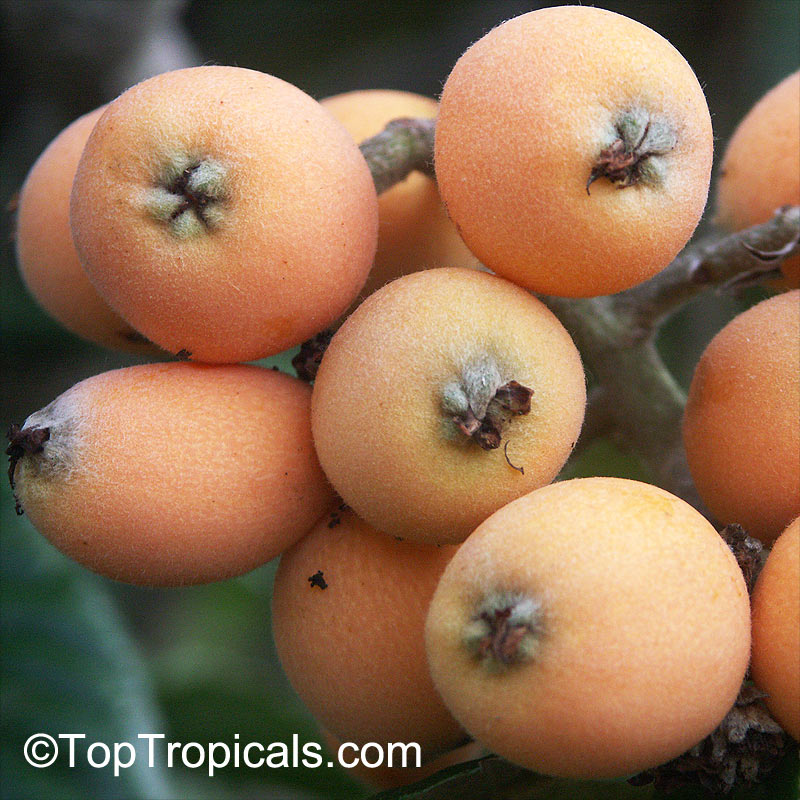
A: From our experience, the most popular Loquat variety is Christmas. It is an early ripening type hence the name Christmas. Fruits are very large for a loquat, they are bright yellow with a tangy apricot flavor.
Another good variety we recommend is Yehuda - it has a large fruit and very small seed Also, variety Oliver for many years has been considered the best loquat for South Florida. The fruiting season is March to May. It has medium to large fruit. The fruit is very sweet with only one-two seeds.
Loquats are very cold hardy tropical fruit trees, easy to grow, drought tolerant, fast growing. Fruit is great for eating fresh or making jam.

Check them out while they are on sale!