Garden Blog - Top Tropicals

Date: 14 Oct 2025

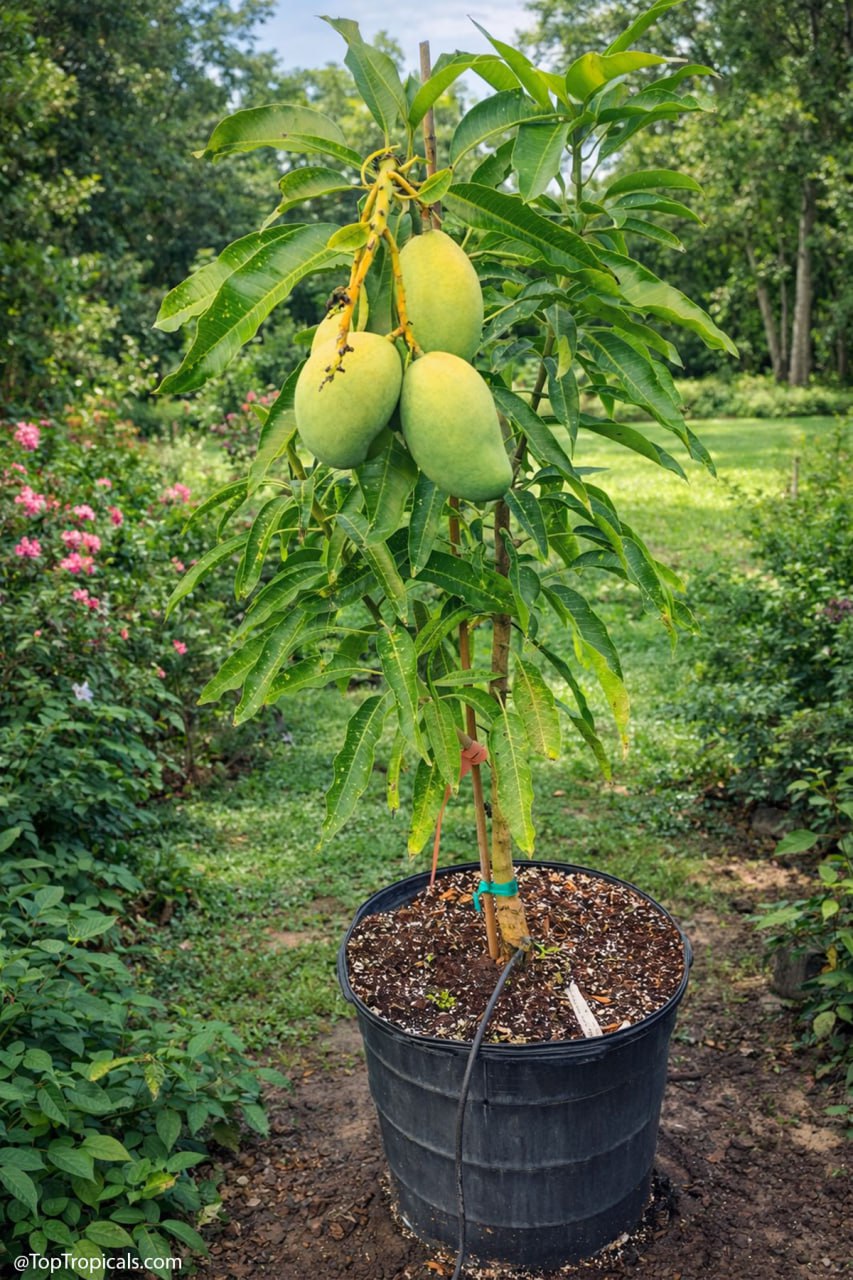
Yes, you can grow a tropical fruit tree in a pot!

Yes, you can grow a tropical fruit tree in a pot! Yes, you can grow a tropical fruit tree in a pot!

🥭 Yes, you can grow a tropical fruit tree in a pot!


  • 🍒 If you dream of picking fresh tropical fruit - Mango, Avocado, exotiс Annona and more - but only have a patio, balcony, or small yard, you’re not out of luck. Many tropical fruit trees grow perfectly well in large containers. The key is choosing the right variety, pot, and care routine.

  • 🍒 Pick a compact tree type

Start with a dwarf or semi-dwarf variety. Regular tropical trees can grow huge, but container-sized cultivars stay under 8–10 feet and are much easier to manage. For example, Condo varieties of Mango like Pickering or Ice Cream stay small and still produce full-sized fruit. The same goes for Dwarf Avocados like Wurtz (also called Little Cado) and Sugar apples. Blackberry Jam fruit tree (Randia formosa) and Peanut Butter Fruit tree (Bunchosia argentea) are also excellent choices.

  • 🍒 Choose the right pot

Begin with a 5-gallon container and move up as the tree grows. A mature plant will be happy in a 20–25-gallon pot. Drainage is critical - roots will rot if the pot stays soggy. Use a sturdy plastic, ceramic, or wooden container with multiple holes in the bottom.

  • 🍒 Soil and watering

These trees all like loose, well-draining soil. Mix potting soil with perlite or pine bark for better aeration. Water deeply but not too often - let the top few inches dry before watering again. Overwatering is the quickest way to kill a potted tropical.

  • 🍒 Light and feeding

Full sun is a must - aim for at least 6 hours daily. Fertilize during the growing season with a balanced fruit tree or slow-release fertilizer like Green Magic or liquid Sunshine Boosters. Many tropicals appreciate an extra boost of micronutrients like iron and magnesium to keep their leaves green.

🍒 Cold protection and pruning


If you live where winters get chilly, move the pot indoors or into a greenhouse before frost. Prune lightly in spring to keep shape and airflow. Container trees can fruit heavily if given light, warmth, and consistent care.

At the end of the day, container culture lets you grow the tropics anywhere - from a city balcony to a backyard deck.

Next: The best tropical fruit trees for containers...

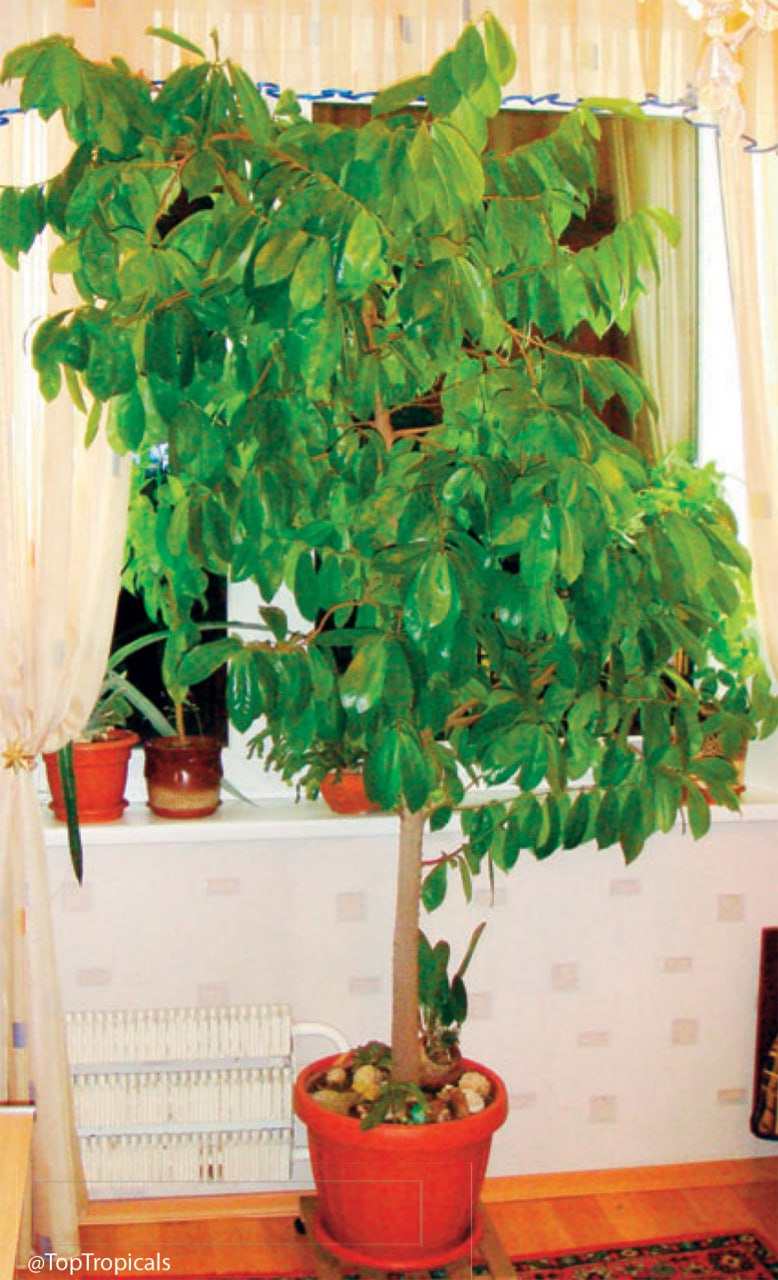
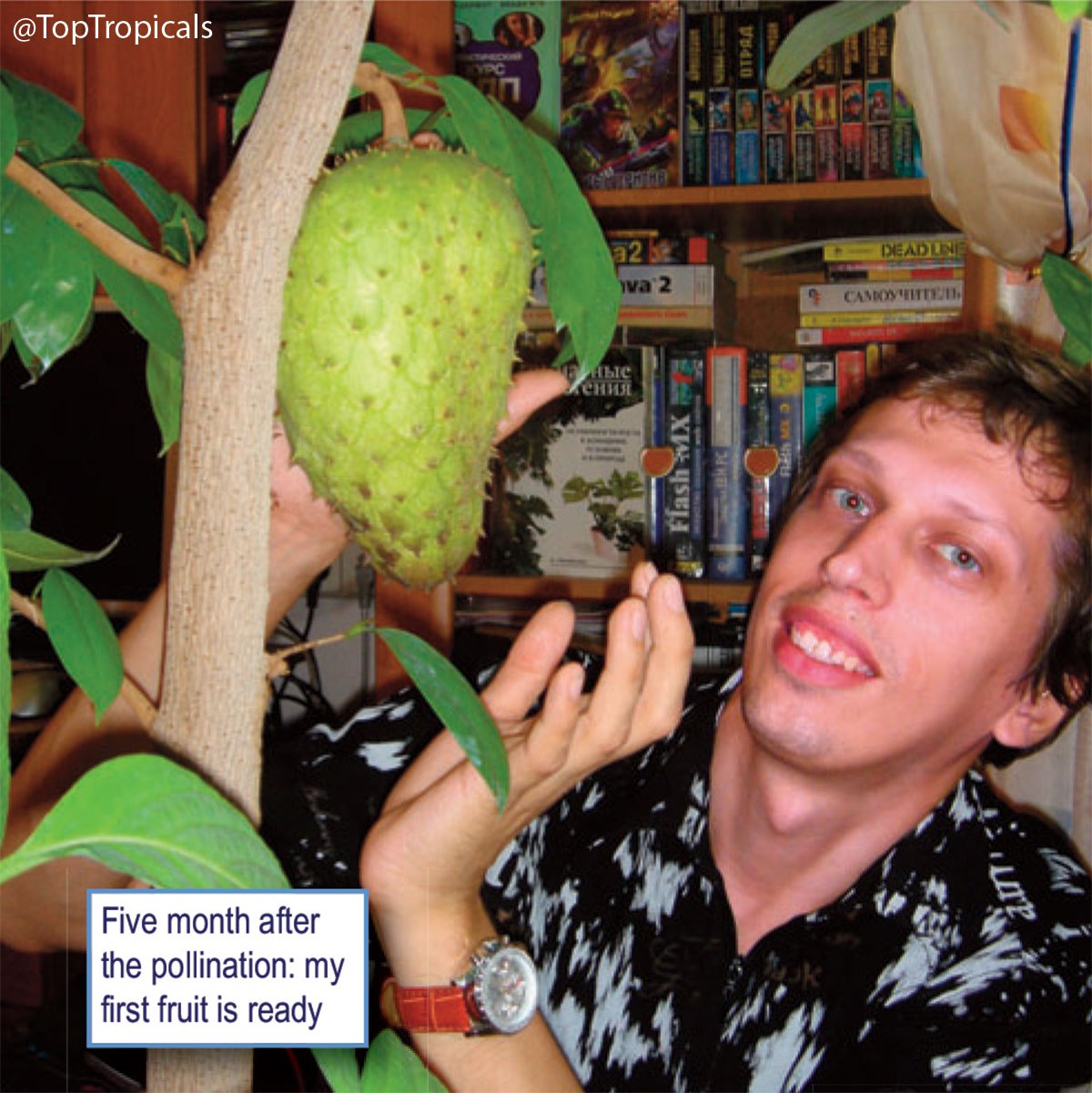
📸 Growing and fruiting Soursop in apartment (PDF download)

🛒 Explore tropical fruit trees

#Food_Forest #How_to #Discover

🟢 Join 👉 TopTropicals

Date: 16 Feb 2026

Yes, you can grow a mango tree on your patio - here is how to do it right

Mango fruiting in container

Mango fruiting in container

🥭 Yes, you can grow a container mango tree on your patio - here is how to do it right


Think you need a backyard orchard to grow mangoes? You don't. Mango trees grow very well in containers. Compact varieties, often called condo mangoes, stay naturally smaller and are well suited for pots, patios, and small yards. We grow and ship mango trees nationwide and have seen which varieties perform best in containers.

Growing mangoes in pots is also practical in cooler climates. The tree can be moved to protection during cold weather while still producing real fruit. Here is how to do it right.

🥭 Pick the right condo mango tree variety


Choose condo or semi-dwarf mango varieties that stay smaller and respond well to pruning. These mango trees usually stay 6 to 10 feet tall in containers with light pruning. Fruit size is full-size, just fewer than on large trees.

Good mango choices for pots include:
  • · Cogshall - compact and productive
  • · Pickering - naturally small and reliable
  • · Carrie - manageable size, great flavor
  • · Ice Cream - slow growing, narrow canopy
  • · Julie - classic Caribbean type
  • · more condo varieties...


🥭 Choose the right pot


Start small. Young mango trees do best in a 5- to 7-gallon pot. Oversized containers too early often cause overwatering and root issues.

Increase size gradually:
First pot: 5-7 gallons
Next size: 10-15 gallons
Mature container: 20-25 gallons

The pot must drain well. Mango roots dislike wet soil. Add holes if needed. Plastic, ceramic, and fabric pots all work.
  • 🥭 Use fast-draining soil


    Mango trees need air around their roots.
    Use a loose, fast-draining mix, such as Abundance Professional Soilless Mix. Improve drainage with perlite, pine bark, or coarse sand. Avoid heavy or water-holding soils. Drainage matters more than fancy ingredients.
  • 🥭 Water carefully


    Mango trees prefer a wet-dry cycle.
    Water deeply, then allow the top few inches of soil to dry before watering again. Always check with your finger first.
    In warm weather, water once or twice a week. In winter, much less. Overwatering is the most common container mistake.
  • 🥭 Give plenty of sun


    Mango trees love sun and heat.
    Place the pot in full sun with at least 8 hours daily. More sun improves growth and flowering.
    If overwintered indoors, use the brightest window possible. Grow lights help, but outdoor sun is best when weather allows.
  • 🥭 Fertilize lightly but consistently


    Potted mango trees benefit from regular feeding during active growth.
    Use a balanced mango or fruit tree fertilizer such as Sunshine Mango Tango (safe to use with every watering, year-around). Controlled-release fertilizer Green Magic (every 6 months) work well too. Avoid excess feeding, which promotes leaves over flowers.
    If leaves pale, check watering first, then nutrition.
  • 🥭 Prune to stay compact


    Pruning is essential for mangoes in pots.
    Light tipping and trimming control size, encourage branching, and increase flowering points. Keep the canopy open and balanced. Watch how simple tipping works in real life: .
    Avoid heavy pruning before flowering. Most pruning is best right after harvest.
  • 🥭 Protect from cold


    Mango trees are tropical and cold-sensitive.
    When temperatures drop below 40F, move the pot to protection or indoors. Young trees are especially vulnerable.
    During winter, reduce watering and stop fertilizing. Growth slows and the tree rests.
    When warm weather returns, reintroduce the tree to sun gradually to prevent leaf burn.
  • 🥭 Final thoughts


    Growing a mango tree in a pot is practical and rewarding. With the right variety, good drainage, full sun, and careful watering, a potted mango can thrive and fruit for years, even in small spaces. Ready to start? Choose a compact mango variety.


🛒 Discover Condo Mango

📚 Learn more:
#Food_Forest #How_to #Discover #Mango

Plant Facts

Mangifera indica
Mango
USDA Zone: 9-11
Large tree taller than 20 ftSmall tree 10-20 ftFull sunModerate waterYellow, orange flowersPink flowersEdible plantSeaside, salt tolerant plant
🟢 Join 👉 TopTropicals

Date: 12 Mar 2025

What is the easiest Gardenia

Gardenia (Kailarsenia) vietnamensis - Vietnamese Gardenia

🌸 What is the easiest Gardenia

  • Gardenia (Kailarsenia) vietnamensis - Vietnamese Gardenia - is one of the easiest and hardiest Gardenias in our collection is the Vietnamese Gardenia. This plant is much easier to grow than many other Gardenias. It can handle overly moist soils much better, is quite drought tolerant once established and has a high resistance to the typical Gardenia woes.
  • Fragrant & Beautiful: Creamy white, 3-inch flowers with an unforgettable fragrance. Flowers are very unusual shape, work of art!
  • Hardy & Easy to Grow: More resistant to typical Gardenia issues like root rot, mildew, and bud drop. Tolerates moist soil and is drought-tolerant once established.
  • Cold-Hardy: The most cold-hardy of all tropical Gardenias, perfect for various climates.
  • Perfect for Containers: A compact, bushy shrub that thrives in pots or the ground.
  • Low Maintenance: Prefers well-drained, acidic soil and some afternoon shade. Prune after flowering for best shape.
  • Evergreen Beauty: Blooming year-round. Ideal for beginners who want a reliable and fragrant plant!


🛍 Shop Gardenias

#Perfume_Plants #Container_Garden

🔴 Join 👉 TopTropicals

Date: 30 Dec 2025

Persimmon spoon pudding: quick-n-fun exotic recipes

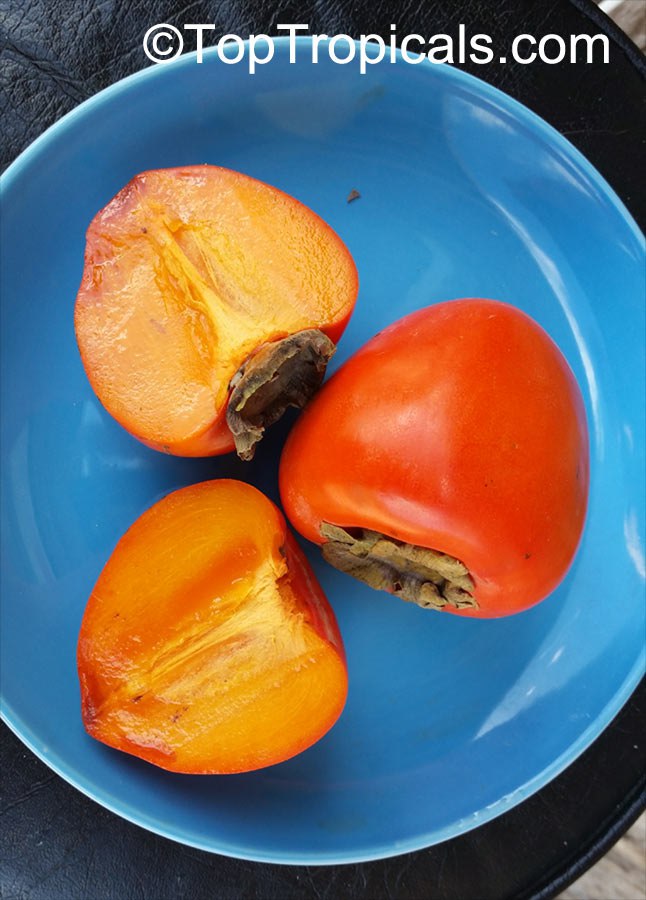
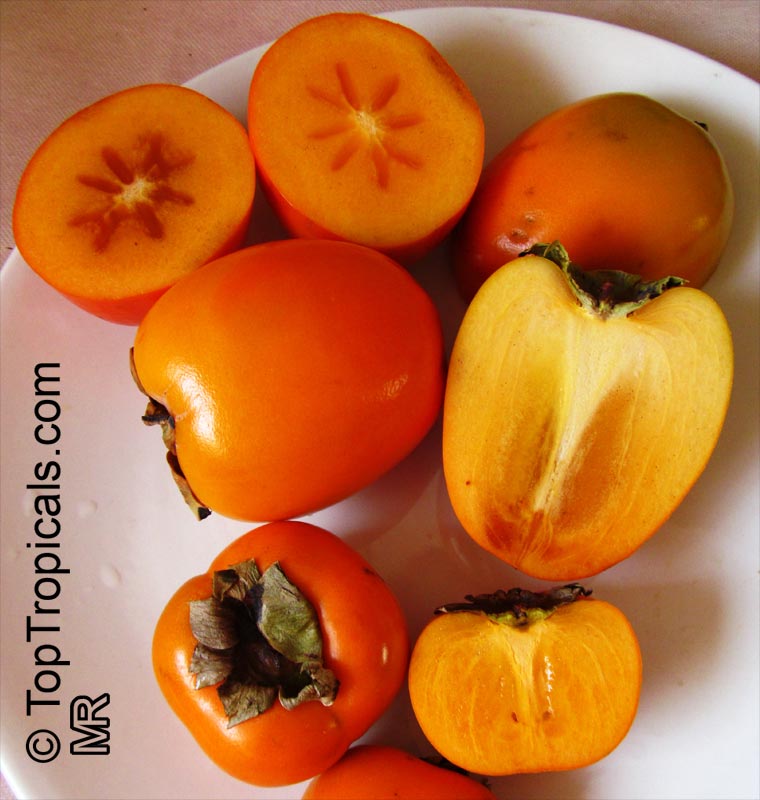
Persimmon spoon pudding

Persimmon spoon pudding

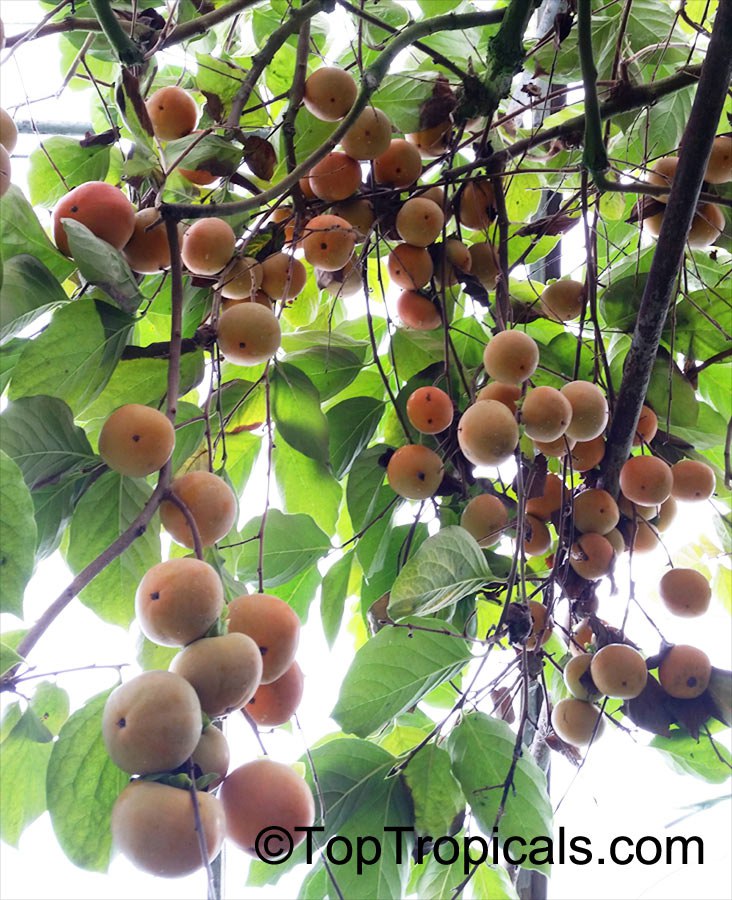
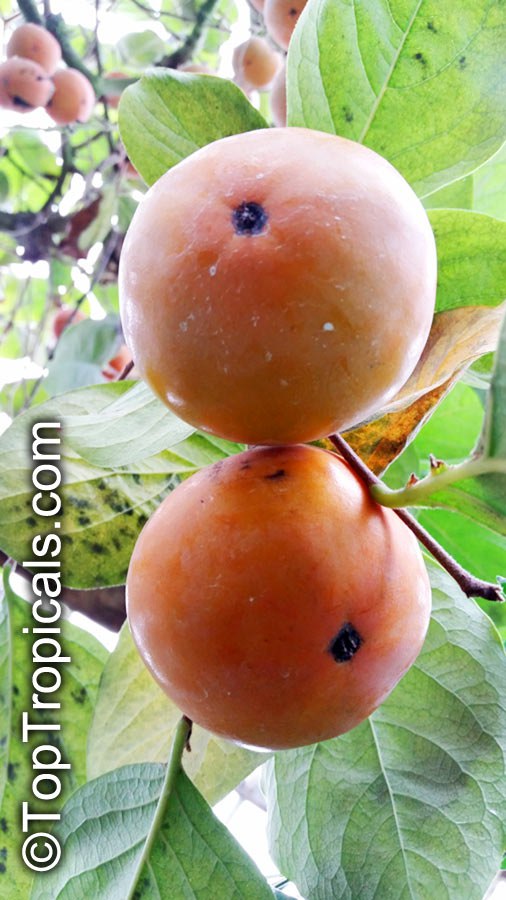
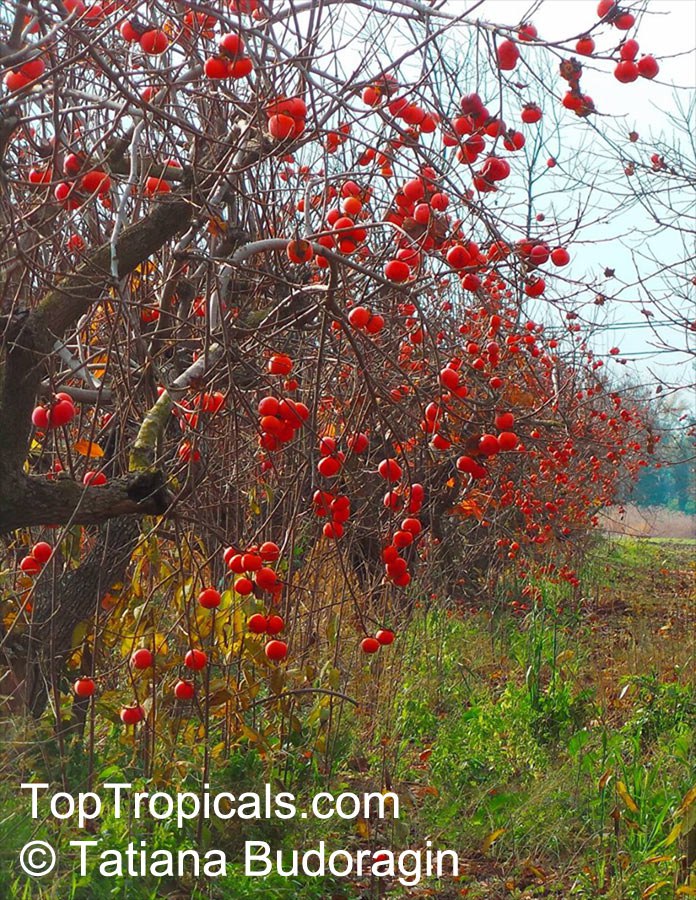
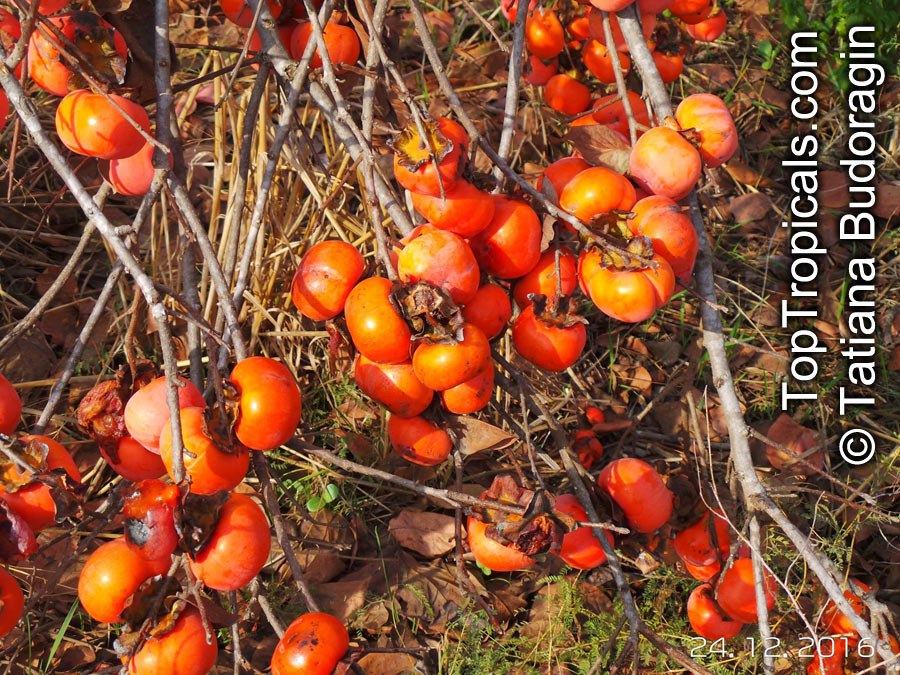
Persimmon tree (Diospyros sp)

Persimmon tree (Diospyros sp)

🍴 Persimmon spoon pudding


Ingredients

  • 2 very ripe persimmons (astringent type, fully soft)
  • 2 tablespoons plain yogurt
  • Optional: pinch of cinnamon

Instructions

  1. Scoop the soft persimmon flesh into a blender and puree until smooth.
  2. Chill the puree in the refrigerator for 15 to 30 minutes.
  3. Spoon into a bowl and top with plain yogurt.
  4. Sprinkle lightly with cinnamon if desired and serve.

🍑 About the fruit:


Persimmon (Diospyros spp.) is a graceful, cold-hardy subtropical fruit tree native to China and widely grown across temperate and warm regions. The fruit is loved for its rich sweetness, often compared to honey and apricot. Persimmons are divided into astringent types, which must soften fully before eating, and non-astringent types, which can be enjoyed firm. The fruit is nutritious and commonly eaten fresh or used in desserts.

🌱 In the garden:


Persimmon trees are highly ornamental, with drooping branches, lush summer foliage, and dramatic fall color. They thrive in well-drained soils, tolerate alkaline conditions, and are hardy in USDA zones 7-10. Many varieties perform well in containers, making persimmon a beautiful and productive choice for both edible landscapes and patio gardens.

🛒 Plant Persimmon Tree for sweet fruit and deserts

📚 Learn more:

Plant Facts

Diospyros blancoi, Diospyros discolor
Velvet Apple, Mabolo
USDA Zone: 9-11
Large tree taller than 20 ftFull sunRegular waterEdible plant

#Food_Forest #Recipes

🟢 Join 👉 TopTropicals

Date: 23 Feb 2026

Macadamia nut oven crisp

Golden macadamia-crusted fish fillet

Golden macadamia-crusted fish fillet

Macadamia integrifolia - Macadamia nuts and leaves on a tree

Macadamia integrifolia - Macadamia nuts and leaves on a tree

🍴 Macadamia nut oven crisp: quick-n-fun exotic recipes

Macadamia Nut Oven Crisp

Ingredients

  • 1 fish fillet (cod, tilapia, or snapper)
  • 1/3 cup crushed macadamia nuts
  • 1 teaspoon Dijon mustard
  • 1 teaspoon olive oil
  • Salt and pepper to taste

Instructions

  1. Preheat oven to 375°F.
  2. Spread a thin layer of mustard over the fish fillet.
  3. Press crushed macadamia nuts onto the top of the fillet.
  4. Drizzle lightly with olive oil.
  5. Bake until golden and crisp, about 12–15 minutes.


🌿About the plant:
Macadamia is an Australian rainforest tree that gives us one of the richest, creamiest nuts on earth. The shell is famously hard - you really earn that buttery crunch.

🏡 In the garden:


Best in warm climates, zones 9-11, cold hardy to light freeze. Needs full sun, good drainage, and patience - seedlings can take several years to start producing (grafted or air-layered trees start flowering right away). Once established, they are long-lived and productive.

🛒 Plant a hardy Macadamia tree to always have your nuts

📚 Learn more:

Plant Facts

Macadamia sp.
Macadamia nut
USDA Zone: 9-11
Large tree taller than 20 ftSmall tree 10-20 ftFull sunRegular waterYellow, orange flowersWhite, off-white flowersPink flowersEdible plantSubtropical plant. Mature plant cold hardy at least to 30s F for a short timeFlood tolerant plant

🎥 Growing Macadamia trees

#Food_Forest #Recipes

🟢 Join 👉 TopTropicals