Garden Blog - Top Tropicals

Date: 10 May 2024

5 best plant gift ideas for any occasion

These plants are large, developed and beautiful NOW!
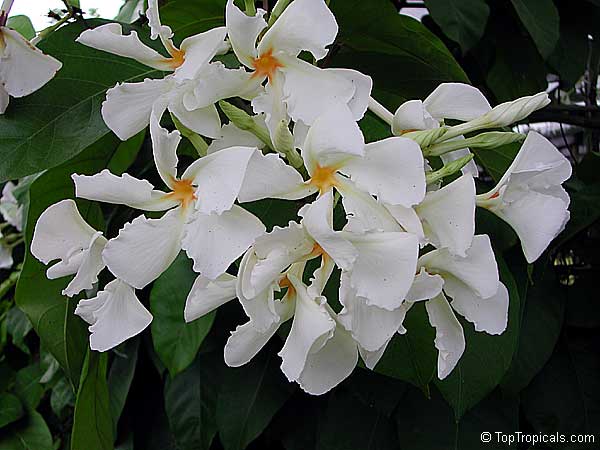
Chonemorpha  fragrans  -  Frangipani  vine

The Chonemorpha fragrans, also known as the Frangipani vine, is truly a botanical marvel. With its exquisite clusters of perfume-fragrant, large flowers and lush green foliage, this vine captivates with its beauty and charm. Not only does it adorn gardens with its elegant presence, but its intoxicating scent also fills the air, creating a sensory delight for anyone nearby. The leaves, reaching up to 12 inches in size, further enhance its appeal. As a large, woody vine, it requires sturdy support such as a fence or robust structure to thrive, adding to its majestic presence in any garden landscape or indoor setting.
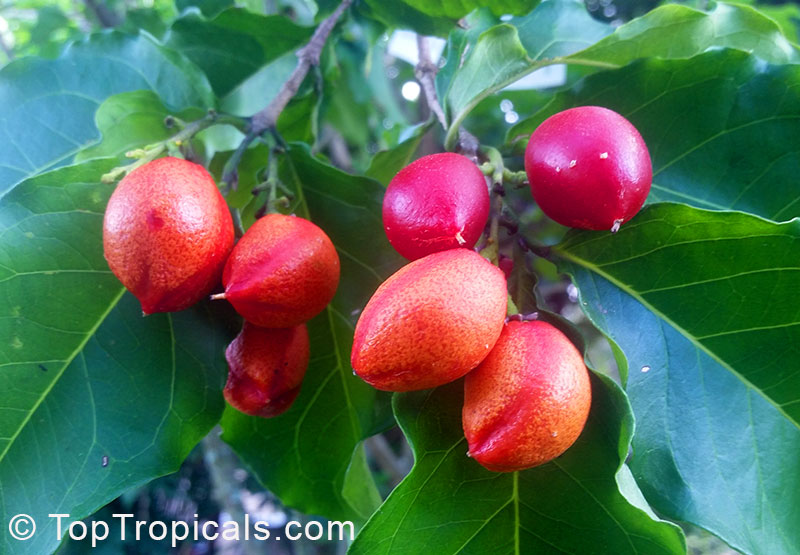

Bunchosia  argentea  -  Peanut  Butter  Tree

Bunchosia argentea - Peanut Butter Tree - gets its name because its small fruits taste like peanut butter. Isn't that cool? This attractive small tree has clusters of yellow flowers that are followed by an abundance of dark red fruit. The rich, sweet flesh has a texture very similar to peanut butter. Yes, it tastes exactly like peanut butter! Sweet, soft pulp with a peanut flavor. One of the most fascinating exotic fruits, as amazing as Miracle fruit, Peanut Butter Fruit is loved by both kids and adults. The tree is small in size, grows only 10-15 ft, or can be kept as a bush. It starts fruiting within 2-3 years from seed! Keep it in a pot if you have limited space; it can be grown indoors, too. Very rare in cultivation.
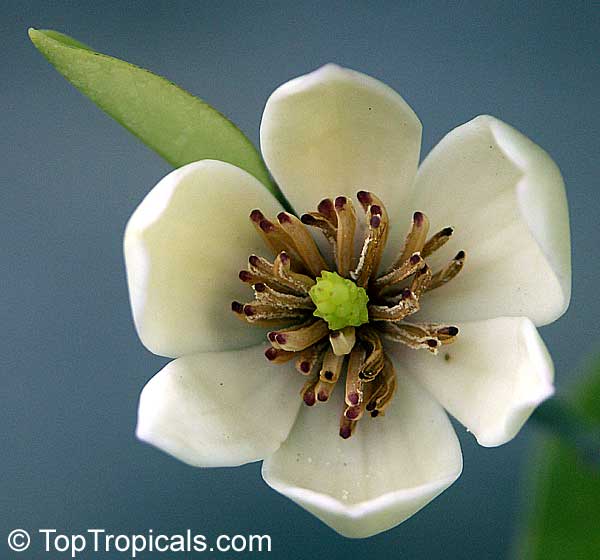

Magnolia  Michelia  figo  -  Banana  Magnolia

Magnolia figo commonly known as the Banana Magnolia, is a botanical wonder. Its creamy yellow, banana-shaped flowers release a sweet, fruity fragrance that fills the air with a delightful aroma (slightly resembling banana), making it a standout among flowering shrubs. The glossy, deep green foliage provides an elegant backdrop to the striking blooms, further enhancing its visual appeal. Growing up to 10 feet tall, this dense and bushy evergreen shrub or a small tree adds a touch of sophistication to any landscape, whether as a focal point in a garden bed or a graceful accent in a container. As a very cold-hardy tropical plant, it thrives in zones as low as zone 8. Great container plant.
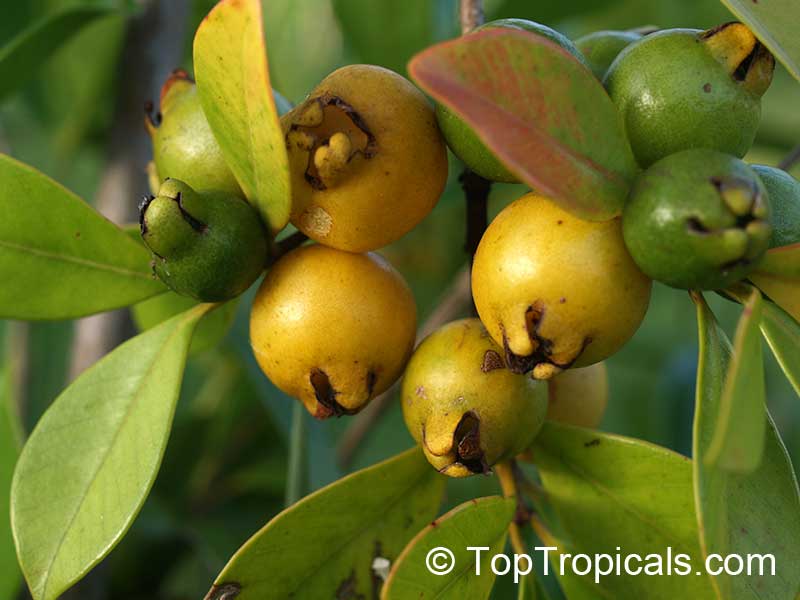

Cattley  Guava  tree,  Psidium  littorale

The Cattley Guava, scientifically known as Psidium littorale, is a delightful small tropical fruit tree that adds both beauty and flavor to any landscape. With its pretty round fruits - miniature guavas - this tree offers a unique culinary experience. The fruits boast a sweet and tangy flavor, making them perfect for jams, jellies, and desserts. You can make lots of guava juice just out of one tree! Cattley Guava is not only a tropical delight but also surprisingly cold-hardy plant. Great container fruit tree.
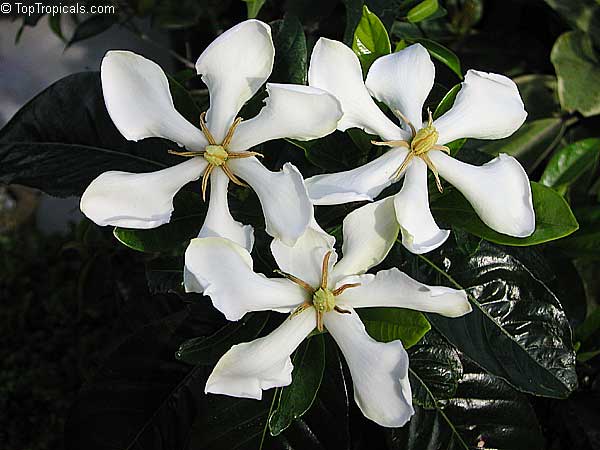

Gardenia  (Kailarsenia)  vietnamensis  -  Vietnamese  Gardenia

Kailarsenia vietnamensis - Vietnamese Gardenia, is a stunning botanical treasure. It stands out for its large, fragrant flowers and remarkable ease of cultivation. Unlike most gardenias that can be not easy to grow, this variety demonstrates resilience, tolerating overwatering, poor soils, and showcasing exceptional cold hardiness. The flowers are like beautiful artworks, and they give off a lovely smell that fills the air. Whether grown in containers or planted directly in the ground, this bushy beauty thrives, offering versatility and charm to any garden or indoor setting. Learn more about Vietnamese Gardenia.
Date: 16 May 2024

What tropical fruit tree is cold hardy and easy to grow? Its Golden Loquat the Symbol of Prosperity, and it tastes like

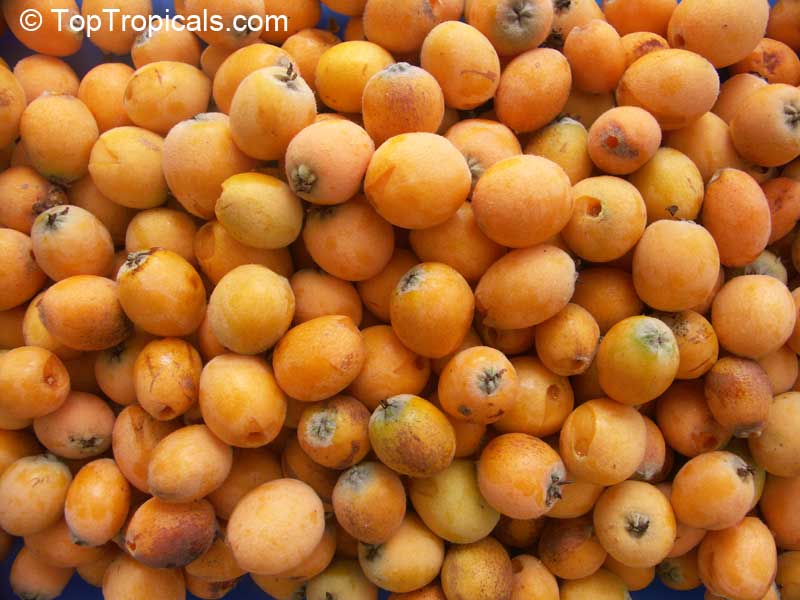
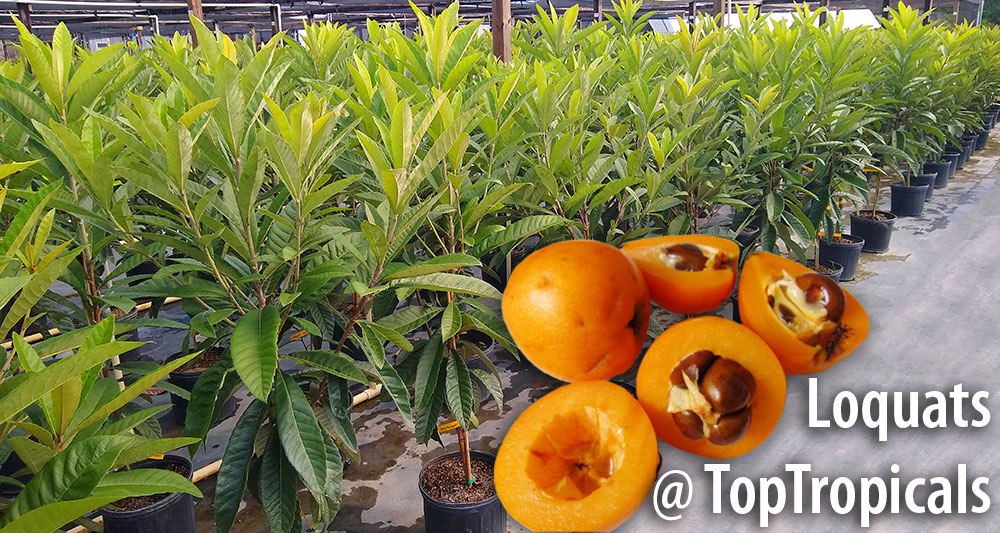
Loquat (Eriobotrya japonica) fruit

Loquat (Eriobotrya japonica) fruit

Loquat (Eriobotrya japonica) trees in pots

Loquat (Eriobotrya japonica) trees in pots

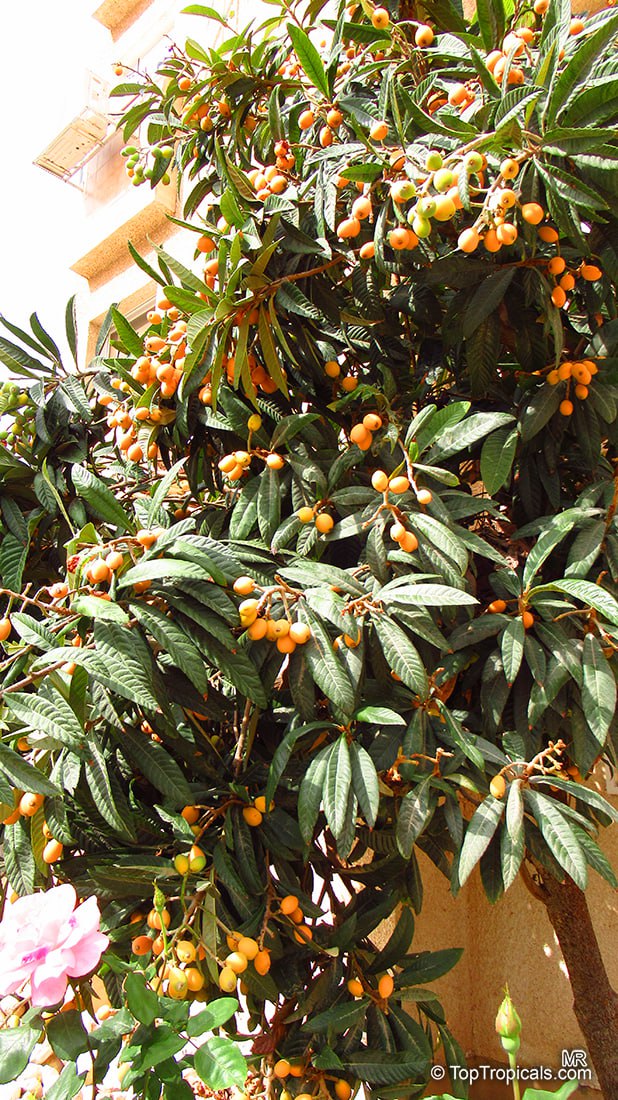
Loquat (Eriobotrya japonica) tree

Loquat (Eriobotrya japonica) tree

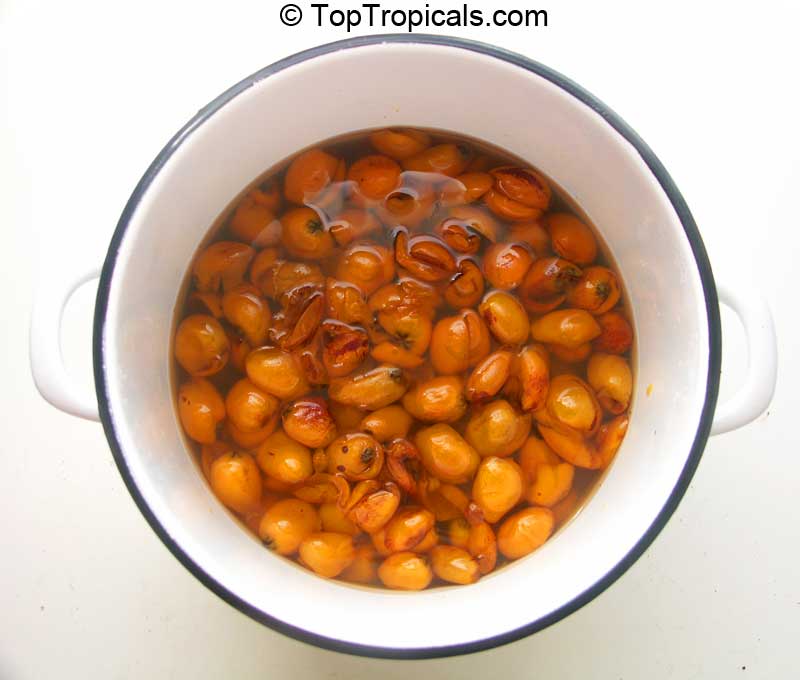
Loquat (Eriobotrya japonica) compot

Loquat (Eriobotrya japonica) compot

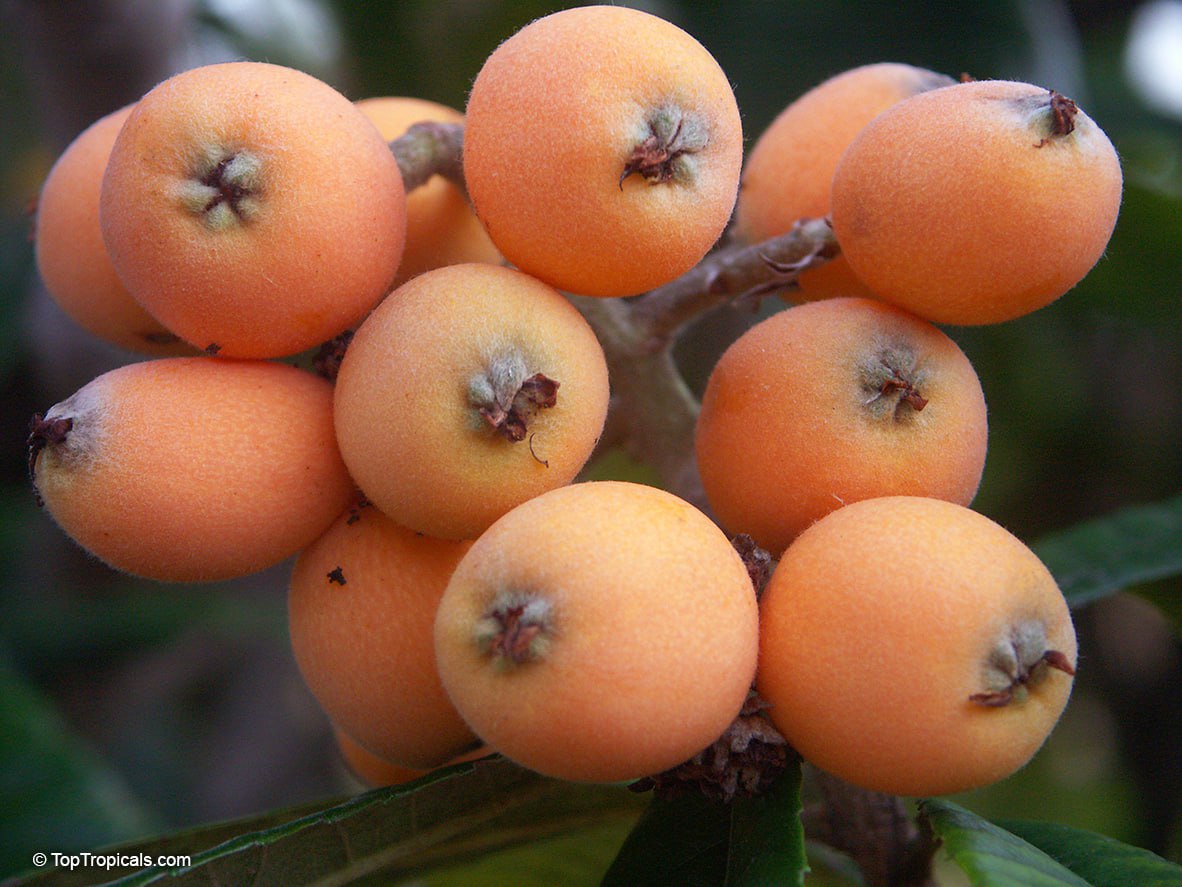
Loquat (Eriobotrya japonica) fruit

Loquat (Eriobotrya japonica) fruit

What tropical fruit tree is cold hardy and easy to grow? It's Golden Loquat – the Symbol of Prosperity, and it tastes like apricots!
  • 🍑 Loquat tree (Eriobotrya japonica) is fast-growing, drought-tolerant, cold-tolerant, compact tropical fruit tree.
  • 🍑 Heavy producer. Fruits are juicy, aromatic, and resemble apricots. Ripen from early Spring to early Summer.
  • 🍑 Ideal for small gardens, beginner fruit tree growers.
  • 🍑 High in sugar, acids, vitamins B and C, minerals, and pectin.
  • 🍑 Eaten fresh, used in fruit salads, jams, jellies, chutneys, pies, tarts, and wine
  • Popular as a natural sweetener and for creating sauces.
  • 🍑 Grown in Japan for over 1,000 years. In China, represents gold and wealth, often included in auspicious displays or offerings for prosperity💰


📚 Learn more about Loquats
' target="_blank" rel="noopener noreferrer">🎥 YouTube video about Loquat
📁 Overlooked fruit: tasty Loquat recipes (PDF)

🛒Start your fruit garden with Loquats

#Food_Forest #Recipes

🏵 TopTropicals

Date: 6 Nov 2022

Annona montana - Mountain Soursop
Grow Your Own Food

Annona  montana  -  Mountain  Soursop  spiny  fruit

Exotic fruit, a cold hardy alternative to a Soursop

Not only tasty, this exotic fruit has the most unusual looks! This exotic beauty grows up to a pound and just look at these curious and life-like spines! We guarantee that everyone who sees this fruit in your garden will ask for seeds even before they taste the fruit. And you will have lots of seeds to share because Mountain Soursop is very reliable producer with many seeds in each fruit.
Mountain Soursop tastes similar to regular Soursop (better known as the Guanabana), with slightly milder flavor. The pulp is highly scented, with good aroma. It is eaten out of hand or can be used in milkshakes and smoothies. The fruit is softball sized with orange-yellow flesh, somewhat smaller and rounder than the regular Soursop. The tree is medium sized, with beautiful, large, leathery dark green leaves that emit a strong aroma when crushed.

How to grow Mountain Soursop?

Mountain Soursop is a very easy to grow, medium size exotic fruit tree that is great for beginners. This species is much more cold hardy than the Soursop, established trees can take temperatures a few degrees below freezing, tolerating cold spells down to 24F when full grown. Mountain Soursop tolerates a variety of soil types and will grow well in dry conditions. Trees produce within just 2-3 years from seed, like many Annonas, and can happily grow and produce in a large container.

Annona  montana  -  Mountain  Soursop  fruit  with  pulp

Date: 22 Dec 2020

Growing Stephanotis and cold protection

Q: I bought from you 3 plants Stephanotis How do I protect them from this low temperature now? I live in Ft Myers Beach.

A: In Ft Myers Beach, you have frost-free winters. You don't have to worry about cold protection for the Stephanotis. It is pretty cold hardy plant in spite of being a true tropical (it enjoys Hawaii environment for example). From our own experience, Stephanotis can even take a light frost for a short period of time without any damage.
You can keep this plant either in a pot or plant in the ground in a nice sunny location for more profuse flowering. It can climb a tree, a fence, or a pagoda.
However, keep in mind that during cool weather you need to reduce amount of watering. Wet + cold is a bad combination for plants. Water again only when the soil gets slightly dry. In summer time, extra water is not critical because it evaporates quickly with high temperatures.

Date: 22 Oct 2025

Detailed Cassia and Bauhinia Care Guide

Young  Bauhinia  monandra  tree  blooming  with  clusters  of  pink  and  white 
 orchid-like  flowers,  growing  at  Top  Tropicals  nursery  with  fresh  mulch  and 
 drip  irrigation 
 setup

Outdoor Cassia and Bauhinia Care

  • Light: Both Cassia and Bauhinia need at least 6 hours of direct sunlight daily. Cassias handle intense heat; Bauhinias can take light afternoon shade.
  • Soil: Use loose, fast-draining soil. Mix equal parts garden soil, coarse sand, and compost.
  • Watering: Keep evenly moist but never soggy. Cassias tolerate dry spells once established; Bauhinias prefer steady moisture. Water when the top inch feels dry.
  • Feeding: For profuse flowering, feed with liquid Sunshine Boosters Megaflor that is safe to use with every watering, year around. You may also apply Green Magic controlled release fertilizer every 6 months. Bauhinias and Cassias respond quickly to feeding.
  • Pruning: After flowering, prune lightly to shape and remove dead tips. Cassias can be trimmed to shrub form; Bauhinias stay bushy with pinching.
  • Mulch: Add a 2-inch mulch layer around the base to conserve moisture and prevent weeds, but keep mulch off the trunk.
  • Cold protection: Most Cassias handle brief frost; some Bauhinias like B. acuminata and B. monandra must be sheltered below freezing. For cold nights, cover with frost cloth or move containers into shelter.
  • Dormancy: Outside of tropics, most Bauhinias drop leaves in winter for a short period of time, right before flowering and are called "semi-deciduous". Cassias stay evergreen.

Indoor or Porch Care (cool-climate growers)

  • Container: Choose a sturdy pot with several drainage holes, one size larger than the root ball. Unglazed clay or thick plastic pots work best for heat regulation. Use a light, well-drained mix such as professional soilless mix Abundance. Both Cassias and Bauhinias dislike soggy roots. Add a thin layer of coarse gravel at the bottom to improve drainage. Repot every 1–2 years in spring
  • Light: Brightest spot possible - south-facing window or heated sunroom. Supplement with a grow light if sunlight is weak.
  • Temperature: Keep potted trees in warm environment for best results. The optimum temperature for Cassias and Bauhinias is between 60–85 F, although many species can tolerate cooler temperatures. Avoid cold drafts and sudden drops.
  • Humidity: Average indoor humidity is fine; occasional misting keeps foliage glossy.
  • Watering: Water sparingly in winter when growth slows; allow the top inch to dry between waterings. Do not let roots sit in water.
  • Fertilizing: Feed with Sunshine Boosters Megaflor that is safe to use with every watering, year around, to maintain flowering indoors. You may also apply Green Magic controlled release fertilizer every 6 months.
  • Pest watch: Check undersides of leaves for aphids or whitefly. A light spray of neem oil or insecticidal soap clears them fast.

"Whether you crave golden summer fireworks or soft orchid blooms that last nearly all year, both Cassia and Bauhinia bring pure joy to the garden. 💖 Bring color that never quits."

Did you know: Fall is the best planting season — roots grow faster and you’ll have flowers by spring!

✔️ Fall Planting Guide

🛒 Shop Tropical Flowering trees