Garden Blog - Top Tropicals

Date: 26 Feb 2026

Stop Sugar Crashes: 5 Tropical Fruit Hacks for Healthy Dessert
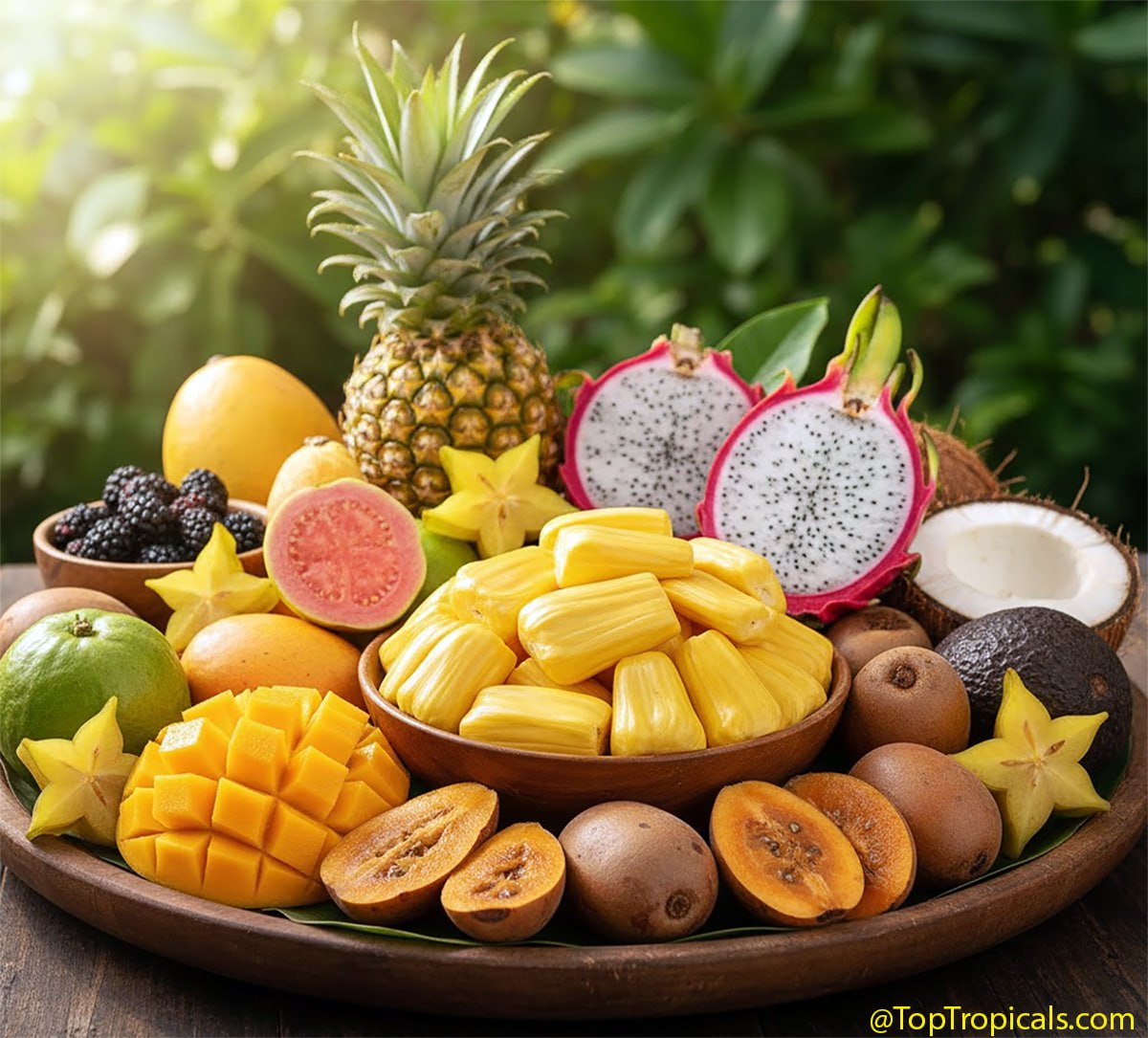
Exotic Tropical Fruits for Blood Sugar Management. Stop the sugar crash cycle. Learn how to manage glucose levels and insulin spikes using tropical fruits, healthy fats, and metabolic hacks for healthy dessert.

Exotic Tropical Fruits for Blood Sugar Management. Stop the sugar crash cycle. Learn how to manage glucose levels and insulin spikes using tropical fruits, healthy fats, and metabolic hacks for healthy dessert.

🍨 Stop Sugar Crashes: 5 Tropical Fruit Hacks for Healthy Dessert


The smarter way to handle sugar cravings - no restriction required

Tired of the post-cookie slump? Sugar cravings are a physiological response to blood glucose fluctuations, not a lack of willpower. Refined sugars trigger an insulin spike followed by a hypoglycemic crash, trapping you in a cycle of fatigue and hunger.
The secret to metabolic health is managing glycemic load. By choosing nutrient-dense tropical fruits, you satisfy your sweet tooth while maintaining stable energy homeostasis.
The solution is not to give up dessert. It is to change what dessert means. Here is how to use tropical horticulture to hack your biology and regulate insulin:

🍭 1. Choose fruit that comes with fiber


Whole tropical fruits deliver sweetness wrapped in fiber, water, and nutrients. That slows sugar absorption and keeps energy steady.
Try:
· Mango, chilled and sliced

Mango Plant Facts

Botanical name: Mangifera indica
Also known as: Mango
USDA Zone: 9 - 11
Highligths Large tree taller than 20 ftSmall tree 10-20 ftFull sunWatering: Moderate. Water when top soil feels dryYellow, orange flowersPink flowersEdible plantSeaside, salt tolerant plant
Get personalized tips for your region

· Sapodilla - naturally caramel-sweet
· Mulberries by the handful
· Loquat halves straight from the fridge
· Dragon Fruit for light, clean sweetness Same pleasure. Less crash.

🍭 2. Pair sweet with fat to blunt the glucose spike


Healthy lipids are a biological hack for your metabolism. Fats slow gastric emptying, ensuring a steady glucose release rather than an inflammatory spike. Furthermore, lipids trigger cholecystokinin (CCK) - the hormone that signals satiety to the brain - effectively "turning off" cravings at the source.
· Avocado blended into a chocolate-style mousse: The monounsaturated fats create a creamy texture while blunting the sugar response.

Avocado Plant Facts

Botanical name: Persea americana, Persea gratissima
Also known as: Avocado, Alligator Pear, Aguacate, Abacate
USDA Zone: 9 - 11
Highligths Large tree taller than 20 ftSmall tree 10-20 ftFull sunWatering: Regular. Let topsoil dry slightlyEdible plantSubtropical plant. Mature plant cold hardy at least to 30s F for a short time
Get personalized tips for your region

· Banana with nut butter: Combining fast-acting fruit sugars with dense protein and fats.
· Pineapple with raw nuts: The bromelain in pineapple aids digestion, while the fats in nuts provide long-lasting satiety.

Pineapple Plant Facts

Botanical name: Ananas comosus
Also known as: Pineapple, Pina
USDA Zone: 9 - 11
Highligths Small plant 2-5 ftSemi-shadeFull sunWatering: Moderate. Water when top soil feels dryOrnamental foliageThorny or spinyEdible plantSubtropical plant. Mature plant cold hardy at least to 30s F for a short time
Get personalized tips for your region

· Mango mixed into full-fat yogurt: The combination of probiotics, protein, and lipids turns a simple fruit into a complete, low-glycemic snack. When fruit is balanced with fat, cravings calm down instead of escalating.

🍭 3. Use naturally rich fruits in place of sugar


Some tropical fruits taste like dessert already.
· Jackfruit has candy-like sweetness
· Sapote is creamy and custard-like
· Guava brings floral depth
· Cherries add brightness
· Mash Banana into baking instead of white sugar.
· Blend Mango into yogurt instead of syrup.
· Top oatmeal with Mulberry instead of brown sugar. Dessert stays. The crash disappears.

🍭 4. Balance sweet with tart


Adding contrast reduces the urge to overeat sweetness.
· Carambola adds crisp tang.
· Pineapple brightens the palate.
· Loquat gives gentle acidity. Balanced flavors satisfy faster.

🍭 5. Start the day right


Skipping breakfast increases late-day sugar cravings.
A morning smoothie with Avocado, Banana, and Mango prevents the afternoon energy dip. Hydration also matters - thirst often disguises itself as a sweet craving.

🍭 In essence


Dessert is not the enemy. Refined sugar is.
When sweetness comes from nature's bounty, it nourishes instead of draining energy.
You do not need to quit dessert.
You just need to let nature handle it.

Consult with a healthcare professional before making significant dietary changes, especially if you have diabetes or metabolic conditions

🛒 Start your tropical fruit journey

Annona · Guava · Mango · Sapodilla · Mulberry · Pineapple · Avocado · Banana · Loquat · Dragon fruit · Jackfruit · Sapote · Cherries · Carambola

📚 Learn more:


A leaf you grow, not a pill you buy: Insulin ginger - the plant people actually use
How to lose weight naturally with tropical fruit and plants
What's for breakfast? Guava versus Banana
11 tropical fruits to eat instead of taking a fiber supplement
How to make lots of Insulin Ginger plants quickly and get more health benefits
Truth about which fruit helps you lose weight faster: Mango or Papaya?
Five best tropical fruits to naturally boost your energy
Finally: a sugar that’s good for your health

#Food_Forest #Remedies #Discover

🟢 Join 👉 TopTropicals
Date: 19 Feb 2026

10 ways to enjoy Wild Medlar - Spanish Tamarind

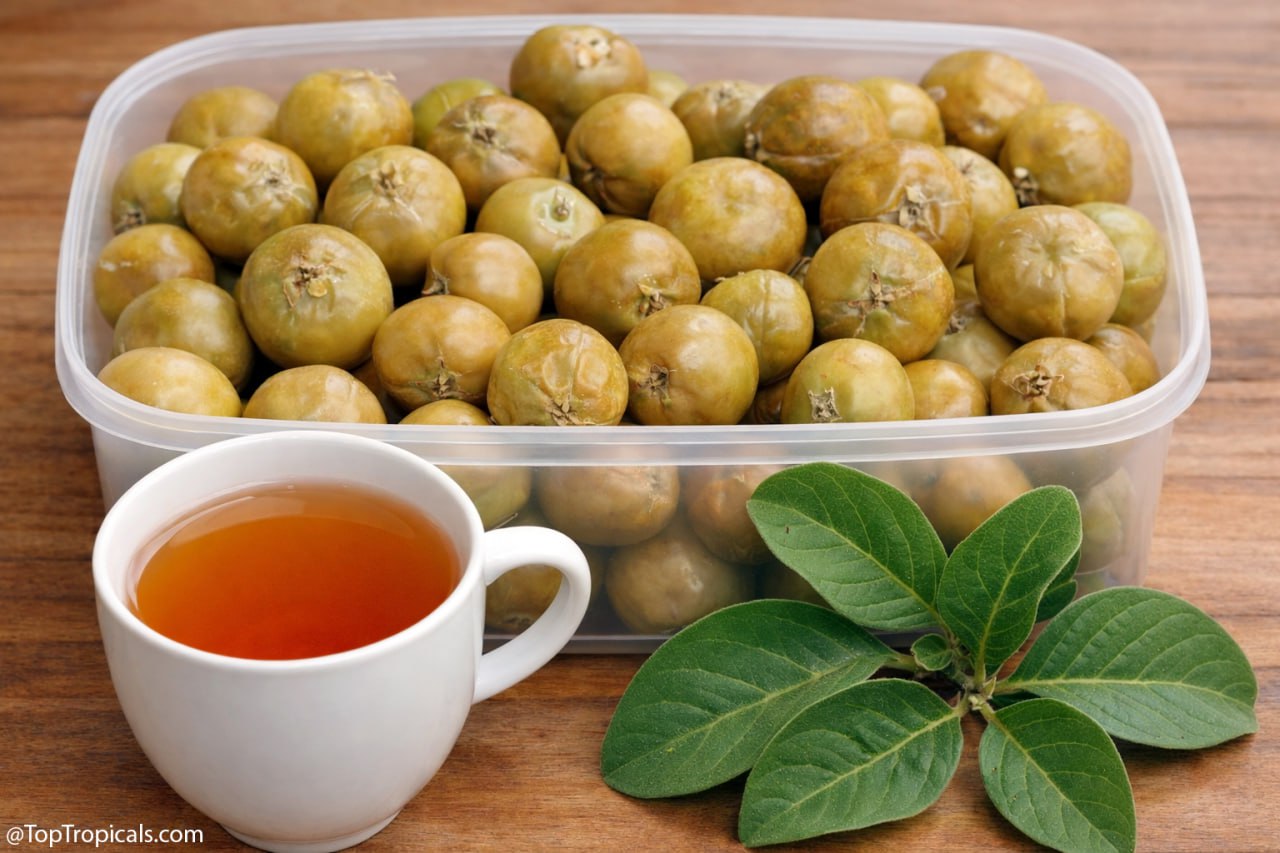
Vangueria infausta (Spanish Tamarind, Wild Medlar)

Vangueria infausta (Spanish Tamarind, Wild Medlar)

🍊 10 ways to enjoy Wild Medlar - Spanish Tamarind


Vangueria infausta (Spanish Tamarind, Wild Medlar) from Africa to your backyard: the fruit, the medicine, the tradition.

Wild Medlar Plant Facts

Botanical name: Vangueria infausta
Also known as: Wild Medlar, Spanish Tamarind
USDA Zone: 9 - 11
Highligths Small tree 10-20 ftFull sunWatering: Moderate. Water when top soil feels dryEdible plantDeciduous plantEthnomedical plant.
Plants marked as ethnomedical and/or described as medicinal, are not offered as medicine but rather as ornamentals or plant collectibles.
Ethnomedical statements / products have not been evaluated by the FDA and are not intended to diagnose, treat, cure, or prevent any disease. We urge all customers to consult a physician before using any supplements, herbals or medicines advertised here or elsewhere.Subtropical plant. Mature plant cold hardy at least to 30s F for a short time
Get personalized tips for your region


Spanish Tamarind may look like a small, unassuming fruit - but don’t let it fool you. In its native Africa, this tree is a food staple, a home remedy, and a cultural favorite, all wrapped into one. And now, it’s ready to bring that same magic into your garden and kitchen. People have used this fruit for generations - and how you can too.

🍊 1. Eat it fresh, off the tree


When ripe, the fruit turns golden brown and softens slightly. Its flavor is sweet-tart, almost like a tangy apple or tamarind with a hint of citrus. Just peel and eat!

🍬 2. Dry it for snacks


In many African regions, the fruit is sun-dried and enjoyed like natural fruit leather. It keeps well, travels well, and makes a great healthy snack.

🍵 3. Brew it into a fruit tea


Dried fruit can be steeped into a tart, refreshing tea that’s packed with vitamin C and antioxidants. Add honey or ginger for a soothing drink.

🍷 4. Ferment it into traditional beer or wine


In some local cultures, the fruit is fermented into a mild alcoholic drink, similar to fruit wine or beer. This is one of the tree’s oldest known traditional uses.

🍧 5. Make jams and preserves


Boil the pulp with sugar and lemon juice to make tangy medlar jam. Spread it on toast, stir into yogurt, or use it in baking.

6. Add to porridge or smoothies


Crushed or juiced medlar fruit is added to traditional maize porridge for a nutrient boost. You can do the same with oatmeal or smoothies.

7. Try traditional fruit pudding


A simple medlar mash with a little sweetener makes a rich, apple-like pudding with hints of spice. Great as a chilled dessert.

🌿 8. Use the leaves and bark medicinally


In folk medicine, leaves are brewed into a tea for treating fever, colds, and stomach aches. Bark is used for chest congestion and coughs. Roots are sometimes used for even stronger remedies like malaria treatment.

9. Clean your teeth the traditional way


Believe it or not, people use medlar leaves to clean their teeth! The leaves are antimicrobial and have a slight astringent taste that leaves your mouth feeling fresh.

🎨 10. Dye fabric naturally
Crush the bark or boil the leaves to create natural dyes in yellow, green, and even purple tones. This use is still practiced in rural areas of southern Africa.

✍️ Why this tree belongs in your life


Wild Medlar is more than just a fruit. It’s a versatile, resilient, and deeply cultural plant that connects generations. It’s food, it’s healing, it’s art—and now it can be part of your garden story.
Grow it for the fruit, the medicine, the tradition… or just for the joy of growing something wild and wonderful.

🛒 Plant Spanish Tamarind and enjoy exotic fruit benefits

📚 Learn more:


Vangueria infausta - Spanish Tamarind in Plant Encyclopedia
7 steps for a care-free Spanish Tamarind - the easiest rare fruit to grow
The wild fruit with a secret: health benefits of rare Spanish Tamarind - the exotic fruit you've never heard of

#Food_Forest #Remedies #Recipes #Discover

🟢 Join 👉 TopTropicals

Date: 2 May 2026

What makes Sunshine Boosters different

What makes Sunshine Boosters different

What makes Sunshine Boosters different

What makes Sunshine Boosters different

If your plants look stressed, slow, or inconsistent, the issue might not be your care - it might be how you're feeding them. Most fertilizers are harder to use than they should be. Once you understand why, everything starts to make sense.

Why fertilizers are so confusing?

If you've ever stood in front of a shelf full of fertilizers thinking "what do I even pick?" - you're not alone.
Most feeding programs are a mess. Different brands, different formulas, different schedules. One for growth, one for bloom, one for micros, one more "just in case".
And somehow it still feels like guesswork.
Easy to overfeed. Easy to underfeed. Easy to waste money.
That's exactly the problem Sunshine Boosters were built to solve.
The formulas are balanced and mild, so you can use them regularly without stressing about mistakes.
Now here's where it gets interesting.

The problem with traditional fertilizers

Most traditional fertilizers weren't made for how we actually grow plants today. Dry fertilizers are built for large field use. They often carry excess salts and don't work well in containers or soilless mixes. Many don't even include enough trace elements.
And over time, they can build up in the soil.
Sunshine Boosters works differently.

Why liquid feeding wins

First - it's liquid.
Plants don't eat nutrients, they drink them. Liquid feeding means nutrients are available right away. Every watering becomes feeding. No waiting, no uneven supply.

Amino-acid chelation - the real difference

Second - the way nutrients are delivered is completely different.
Most fertilizers use synthetic chelators like EDTA. They keep nutrients stable, but plants have to spend energy to use them.
Sunshine Boosters use amino-acid chelation instead.
That means nutrients come in a form plants already recognize and use naturally. Less effort for the plant, more energy for growth, flowers, and fruit.
And there's no salt buildup over time.

Low salt index - better water uptake

Speaking of salts - this is a big one.
High salt levels in fertilizers actually make it harder for plants to absorb water. That's why plants can look stressed even when the soil is wet.
Sunshine Boosters has a low salt index.
Less resistance, better water flow into the roots, better hydration, stronger plants.

Faster growth without the risk

Put it all together and you get faster growth, stronger structure, more flowers and fruit - without the usual risk of burning or overdoing it.
Because the nutrient levels are balanced and not overly concentrated, they do not affect the natural taste of fruits and edibles.
The products are also safe for regular use and friendly to pollinating insects, which is important for fruit production.

Feeding made simple

And the best part?
It's simple.
Mix Sunshine Boosters with water. Use it when you water. That's it.

Stay with us - next we'll break down how different formulas match different plant needs, so you can get even better results. More...

Get your plants real food

"
Learn more:
This changes how you feed your plants
Sunshine Boosters: Complete Plant Nutrition System
Frequently Asked Questions: Plant Nutrition & Fertilizer
Green Magic + SUNSHINE Boosters: A Complete System for Strong Plant Growth
Spring Nutrition Strategy: Is Your Garden Starving?
How to keep your house plants beautiful all year by feeding them right
Why do you need Sunshine Boosters?
Which dry fertilizer to use - slow release or controlled release?
Green Magic effect: before and after
The SECRET growers never tell you: simple trick how to bring plants back to life and keep green
" What are Sunshine Boosters

#Discover #Fertilizers #How_to

Join TopTropicals

Date: 24 Sep 2025

The SECRET growers never tell you: simple trick how to bring plants back to life and keep green

Green Magic Fetilizer makes plants green

🌳 The SECRET growers never tell you: simple trick how to bring plants back to life and keep green


💚 Green Magic is plant food that really works. It keeps your plants green, strong, and growing steady.

💚 We call it Magic - because it even brought back plants we thought were gone! So thу Green Magic can bring dead to live!

💚 The secret is slow release. Most dry fertilizers dump everything at once, burn the roots, then disappear. Green Magic feeds little by little for six months straight. No burn, no guesswork, just steady food that plants love.

💚 It's perfect for potted fruit trees, ornamentals, and houseplants. One handful is all it takes, and your plants stay fed for half a year.

✔️ How to use:


Mix in 1 teaspoon per gallon of soil when potting, or sprinkle on top once every six months. That's it!

✔️ Why it works:


Feeds slowly and evenly for six months
Keeps leaves green and plants healthy
Strong growth, even for weak or struggling plants
Works in any climate, indoors or out
Great for containers, trees, and ornamentals
This isn’t a flower booster. It’s a growth booster. The kind of steady food that builds strong plants for life.

👉 Watch your plants come back to life and thrive with this professional-grade, controlled-release fertilizer - Green Magic. Even struggling plants can turn lush and green again.
Give it a try - your plants will thank you!

🛒 Buy once, feed for 6 months!

📚 Learn more


How to make plants green quickly? Green Magic - the fertilizer that truly works like magic!
Green Magic guaranteed analysis: give your plants their magic treat
How to re-pot a plant properly?

#Fertilizers #How_to

🟢 Join 👉 TopTropicals

Date: 1 Aug 2023

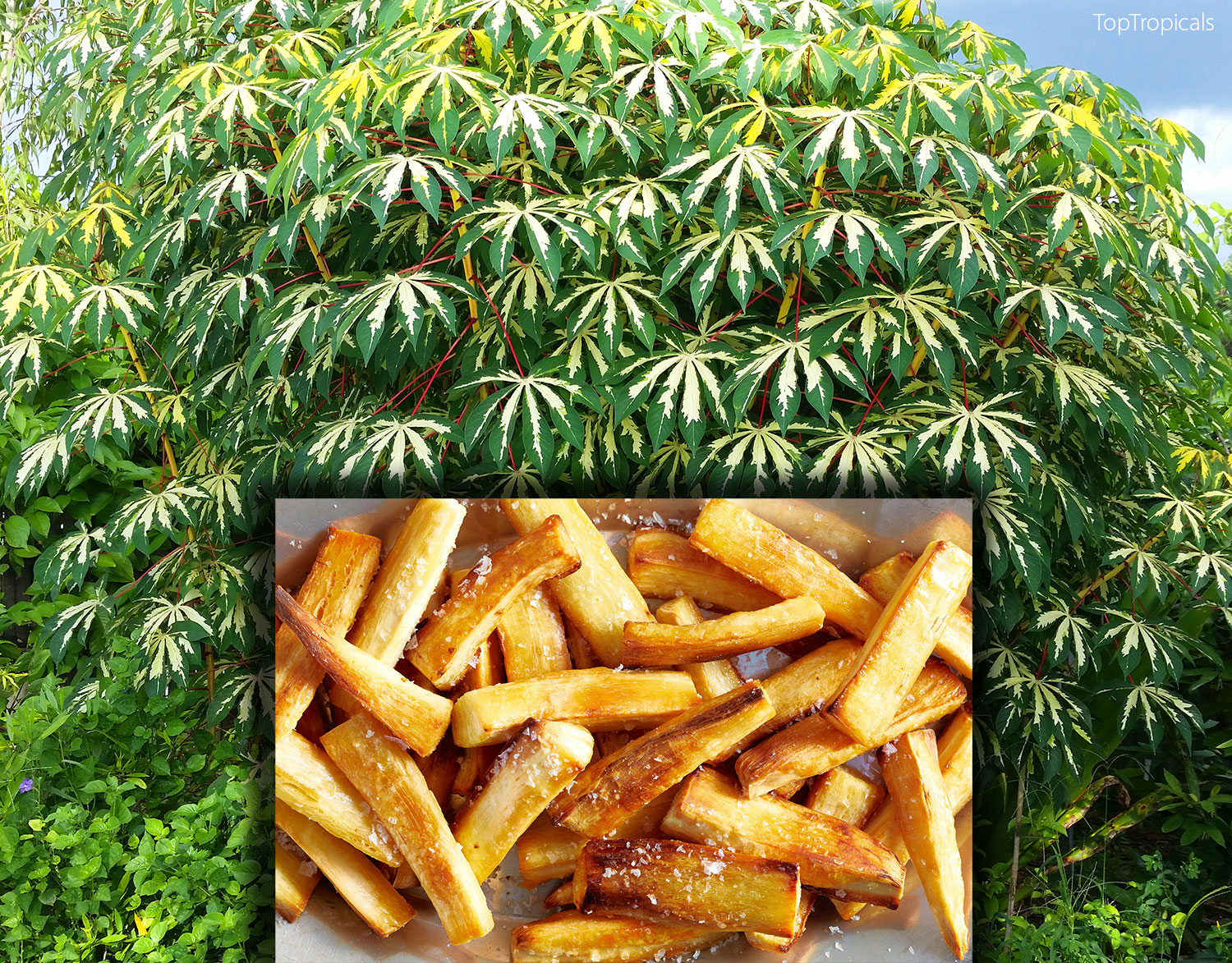
Yuca Fries Recipe

Food from your garden

Yuca  root  fries  recipe

Ingredients:

1 medium-sized Yuca Root
2 tablespoons olive oil
Salt, to taste
Optional: spices or herbs of your choice (paprika, garlic powder, cayenne pepper, etc.)

Instructions:

Prep the Yuca: Peel the Yuca root with a sharp knife and remove any fibrous parts. Cut the Yuca into evenly sized sticks or fries.

Boil the Yuca: Bring a pot of salted water to a boil and add the Yuca fries. Cook for about 10-15 minutes until the fries become tender but not mushy. You should be able to pierce them easily with a fork.

Drain and Cool: Drain the boiled Yuca fries and let them cool for a few minutes. Preheat your oven to 425F during this time.

Seasoning: Toss the slightly cooled Yuca fries in olive oil, ensuring they are evenly coated. Add a pinch of salt and any additional spices or herbs you prefer for added flavor.

Baking: Arrange the seasoned Yuca fries in a single layer on a baking sheet lined with parchment paper or aluminum foil.

Bake: Place the baking sheet in the preheated oven and bake the Yuca fries for about 25-30 minutes, flipping them halfway through to ensure even browning.

Serve: Once they turn golden and crispy on the outside, take the Yuca fries out of the oven. Serve them hot as a delicious and unique alternative to regular fries. You can enjoy them as a side dish with your favorite dipping sauce or as a snack on their own.

These Yuca fries are not only tasty but also a great way to introduce friends and family to this delightful tropical root vegetable! Enjoy your yuca-culinary adventure!

Manihot  esculenta,  Yuca  Root,  roots