Date: 18 Nov 2018
How to grow the biggest fruit on Earth...
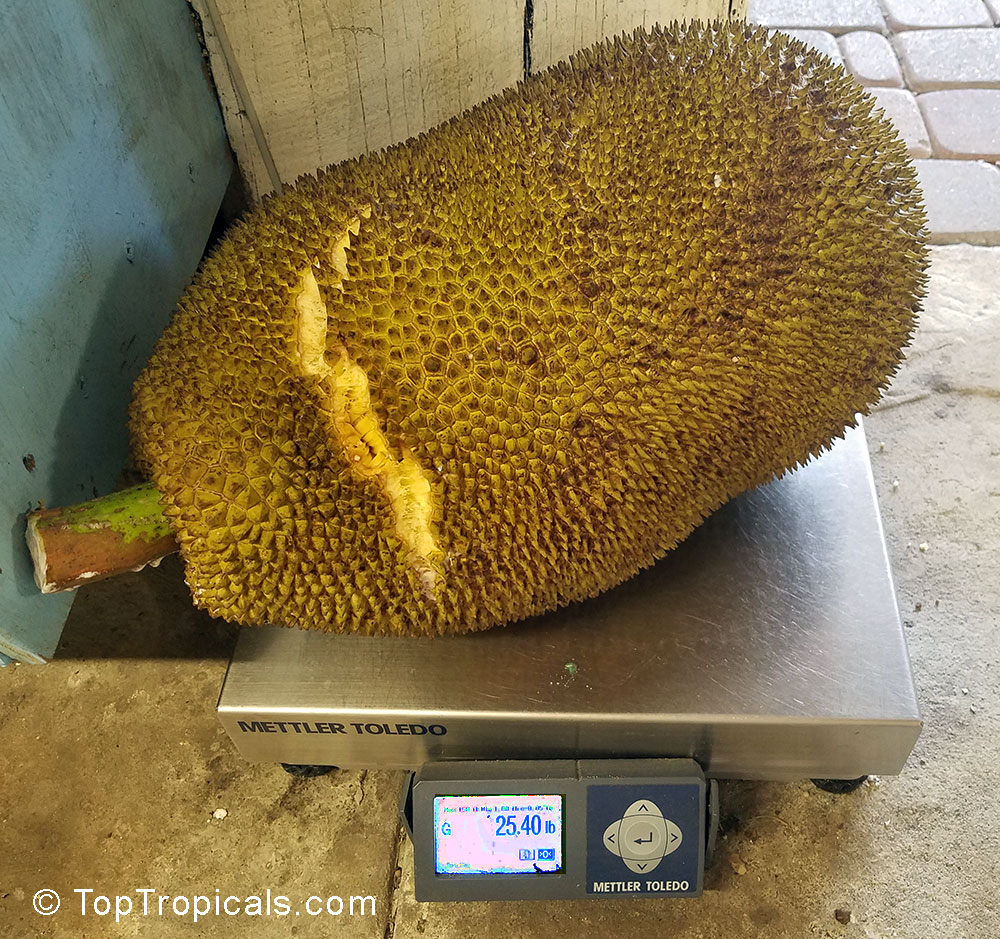
Q: When I visited Thailand I bought this huge fruit at the market and the taste was amazing and unique! Now I see you have this Jackfruit tree for sale. I am excited to grow it but not sure if it will survive our winters. I live in Huston, TX. Also are there any special conditions required for successful fruiting?
A: Jackfruit indeed is one of the most fascinating tropical fruit. In spite of reputation being ultra tropical, the tree is not as cold sensitive as everyone believes. Mature trees can withstand light frost for a few hours without significant damage. The only thing, after cold snaps it may be not as profuse producer as in frost-free climates. Keeping Jackfruit in a pot is also an option in colder areas. The tree is quite unique not only about fruit but also about growth habit. The fruit is so large and heavy that the tree has a smart feature to produce only at the base of the trunk. This makes it possible to keep Jackfruit tree at very short height - 6-7 ft tall. We have many varieties of Jackfruit, and all of them can be grown in containers considering regular topping/pruning.
5 secrets of
Jackfruit successful production:
1) Frost free temperatures (occasional cold spells are not critical if
SUNSHINE-T cold protection booster is used)
2) Soil rich of organic matter (compost, manure, peat moss)
3) Moist soil and regular watering
4) Constant pruning and keeping under 7-10 ft
5) Regular application of fertilizer, microelements and SUNSHINE-Honey for better quality fruit.
Read more about Jackfruit tree
See video of the fruit
See

Date: 24 Jun 2018
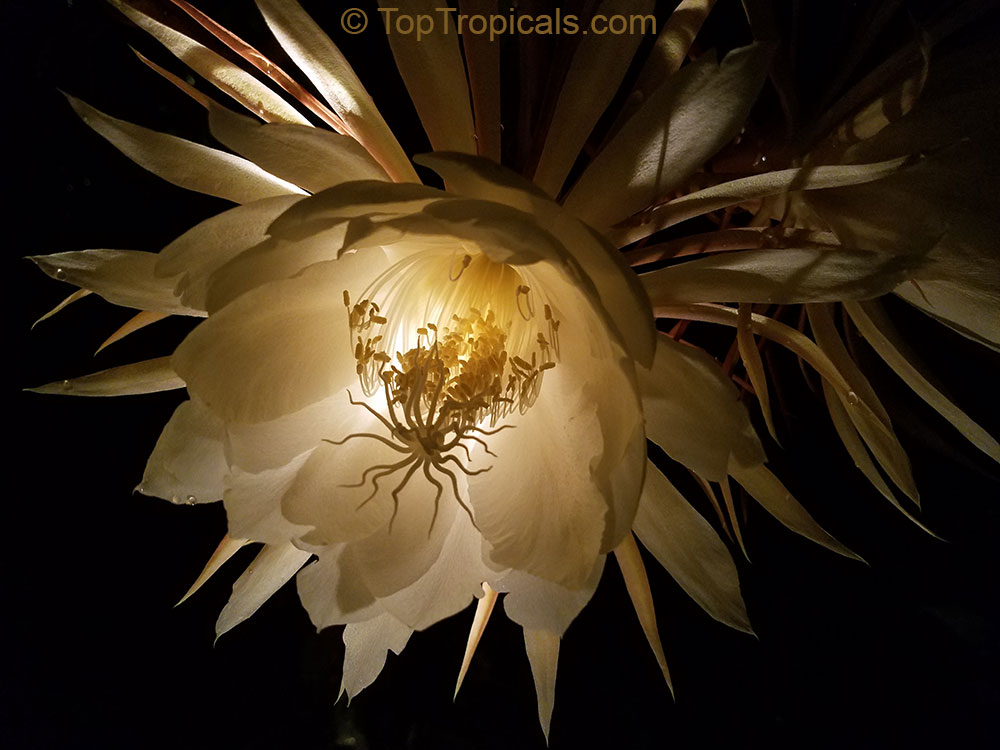
Mysterious Night Blooming Cactus - Epiphyllum. How to grow it?
Q: My friend has a huge Queen of the Night Cactus, and the blooms are so gorgeeous! She gave me a cutting but I am not sure how do I plant it? How long will it take till it starts blooming? Is it true that it has only one flower once a year and only at night?
A:
Queen of the Night is a very popular and yet mysterious
plant. The flowers open once a year after sunset for one
night. However the flowering period can last a month or
two during the warm season. So each flower lasts only one
night, but there will be more flowers to come! In the
Nature, Epiphyllum oxypetalum - Queen of
the Night - grows on trees in the jungles of Central
and South America. It is actually very easy to grow as an
indoor plant in colder climates. Here is South Florida we
grow them outside in hanging baskets. This is how to start
Queen of the Night from a cutting:
1) Put the cutting in a dim, dry place for three days,
with no soil and its base exposed to the air, so it will
form a callus.
2) Fill a 4-6-inch pot with slightly damp potting soil or succulent mix. Insert the
cutting 1 or 2 inches into the soil and tamp the soil
around its base.
3) Place the pot where the cutting will get bright light,
but no direct sun. Spritz it occasionally with a spray
bottle of water to keep the soil only slightly moist. It
should root in couple weeks.
4) Keep the plant on an east- or west-facing windowsill
where it will receive direct sunlight only in early
morning or late afternoon. Water the cactus until water
runs out of the pot's drainage holes. Dump the excess out
of the pot's saucer immediately, and wait until the
surface of the soil is dry to the touch before watering
your cactus again.
5) Fertilize once a month from March through October with
a balanced plant food, and
apply micro-elements once a month
for a healthy vigorous growth. Refrain from feeding the
plant in December and January.
6) Position the cactus in partial shade under a porch roof
or tree, if you decide to move it outdoors during the
summer. This plant likes summer humidity!
7) Repot the cactus only once every two years or so, to
keep it slightly root bound. Wait until after it flowers
in summer, and repot it after it blooms. Prune off any
damaged growth at that time as well.
8) Move the plant to a cooler room over the winter months,
one that remains dark during the evening hours with
temperatures above 45 degrees. Reduce the frequency of
watering, waiting until its soil is dry. Resume regular
watering in March.
If grown from cutting, it may take 2-3 years until the plant starts blooming, so if you don't want to wait that long - just get a blooming size plant from our store!
We only have a few plants... if sold out, add to wish list and we will have more soon!
Date: 3 Nov 2016
SUNSHINE boosters for small and large gardens
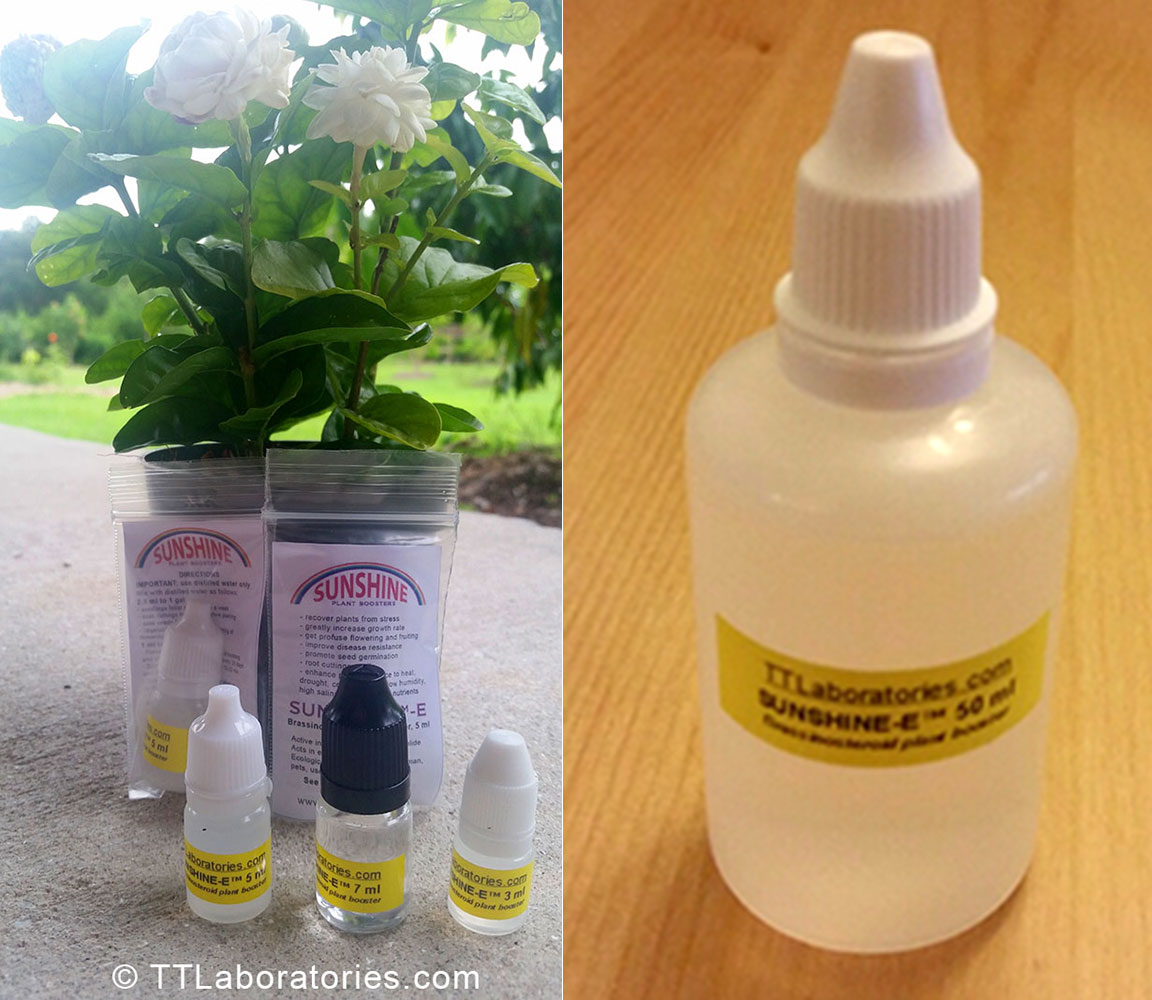
Q: I tried your magic SUNSHINE booster on my Champaca tree and results were amazing. The tree was having a hard time establishing after shipping and didn't want to grow, losing leaves. I almost lost it. Then I sprayed SUNSHINE booster and right after the first application the plant perked up and new leaves grew within a week. Now I want to use this stuff on all my plants. I am a plant collector, with a few hundred pots and almost a hundred plants in the ground, living in California. I wonder if you have bigger size bottles of SUNSHINE so I can use on my flowering plants, and fruit trees, to promote blooming and fruiting. And another question, how often should I spray my plants? Your instructions say once in 20 days, should I spray more often for better results? Should I water through roots too? Do I still need to fertilize plants or SUNSHINE will be enough for their health?
A: Great news! We just added new SUNSHINE items to our store, 50 ml and 100 ml - bigger bottles, they will be great for small and big gardens, as well as small plant nurseries and plant businesses. It is a good idea to start bi-weekly applications to improve your plants tolerance during winter time to cold and low light, especially when it comes to house plants. SUNSHINE improves plant resistance to insects which is a big deal during winter, when we bring tropical species indoors.
SUNSHINE is indeed a wonderful plant stimulant and stress reliever, although it is not a "magic-cure-all" medicine where one can't find its active ingredient. The hormone (epibrassinolide) is well-known and used in different countries along with other hormones for promote growth, fruiting, blooming, rooting, etc.
One of the most amazing properties of SUNSHINE is that it works in extremely low dozes. Only a few drops will be enough to make a solution in distilled water, to treat a large size plant. If you want to try it out, one 5 ml bottle will last for several applications.
The formula works through plant metabolism within 2-4 days, repeat application not sooner than in one week. The formula is created for absorption through foliage, not roots, so do not try to water with solution. Plants should be evenly sprayed in clear windless day. Do not spray if rain is expected. Re-spray if it rains within 12 hours.
Remember that SUNSHINE is not a fertilizer and won't replace it. You have to apply fertilizer (except during winter months) and micro-element solution to keep your plants healthy.
See more information about SUNSHINE boosters, and buy them from our store
Date: 2 Apr 2026
Skip the Egg Hunt - Start a Plant Hunt 🐰

Smokey: Finally. You’re thinking.
Read more about Smokey & Sunshine
Groundhog said long winter… and it sure felt like it. But now it is finally over, and balconies and patios are waking up again.
Easter is here, and with it comes that fresh start feeling - time to open the doors, bring plants back out, and start growing.
We made it through the cold. For northern gardeners, that is every year; for borderline zones, it is a reminder that freezes happen. That is exactly why growing in pots makes sense - you stay flexible.
Container growing is not just about pots - it is about choosing the right plants. The best options stay manageable, produce well, and handle being moved.
Let's look at what works. Start with plants that naturally stay compact and adapt well to containers. These are the ones that won’t outgrow your space and will reward you quickly. These are proven performers in containers - compact, productive, and easy to manage:
- Dwarf Condo Mango for your patio
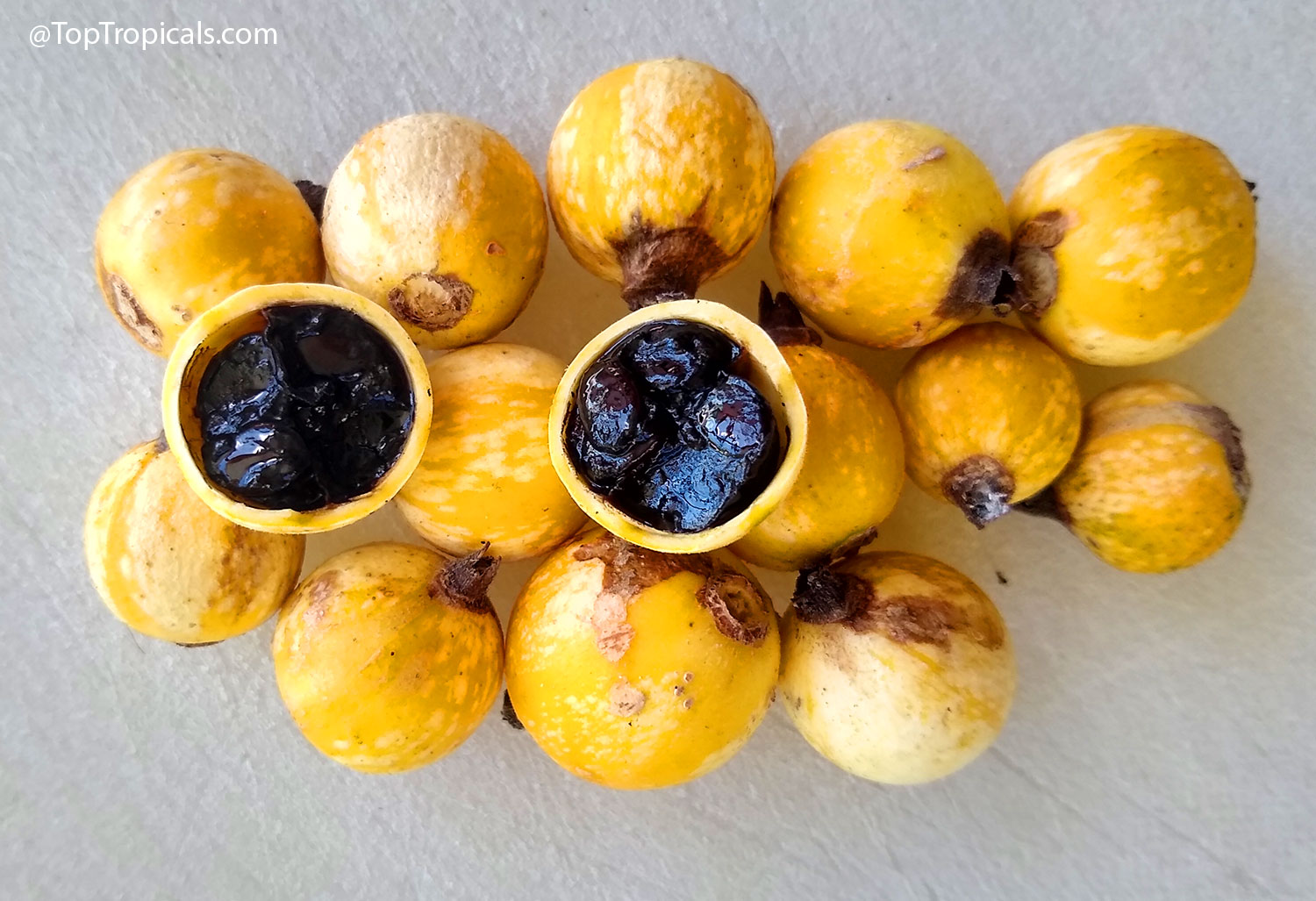
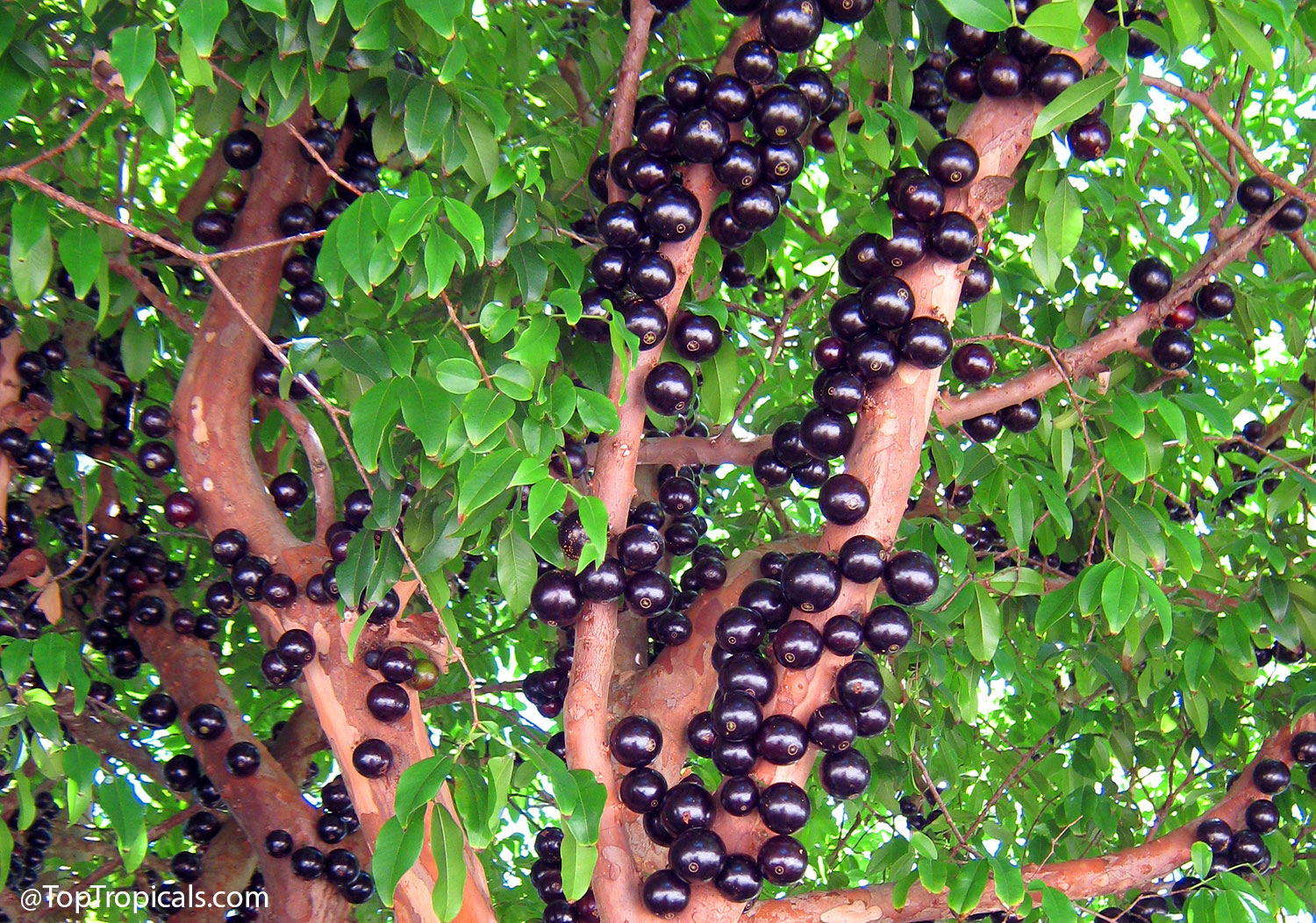
- Jaboticaba - source of Brazilian wine "Vinho Tinto de Jabuticaba"
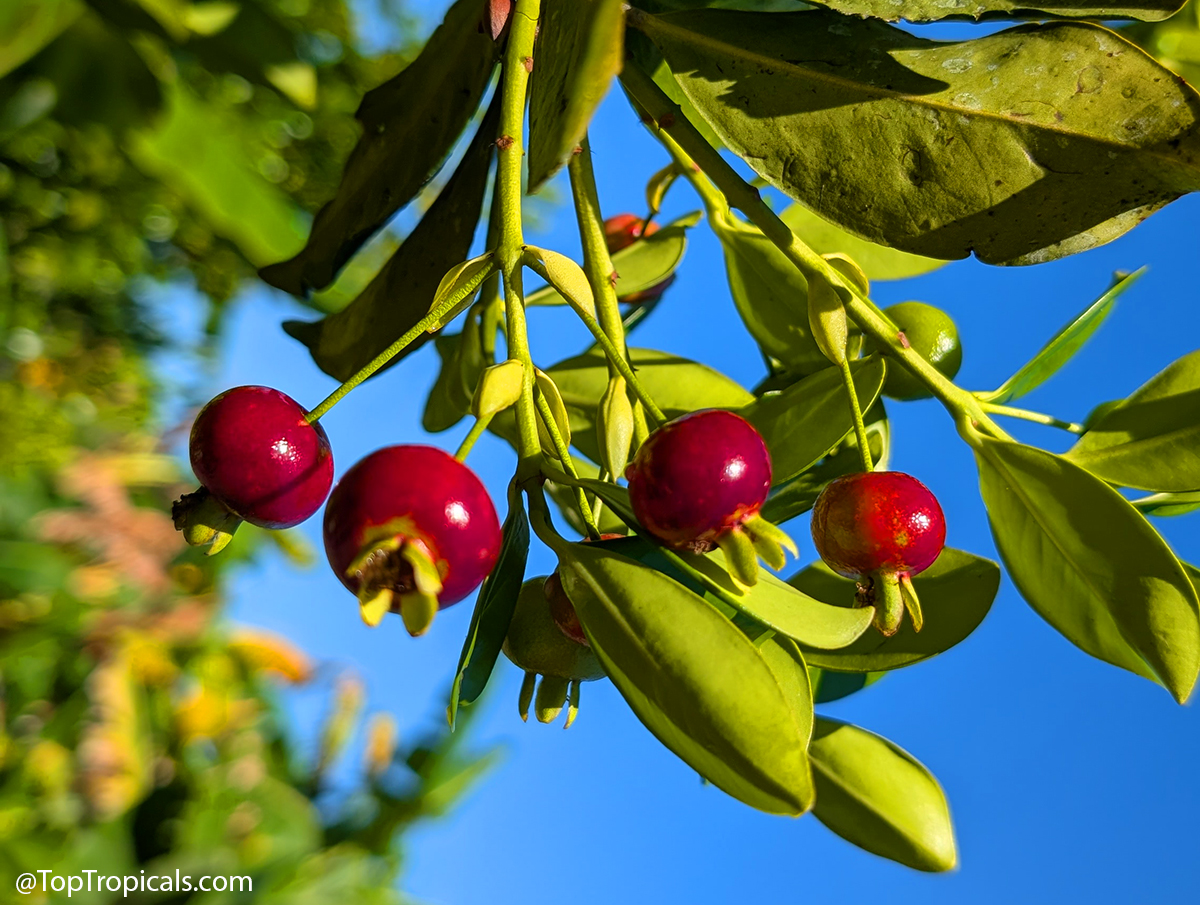
- Tropical cherries - fast-fruting Eugenias
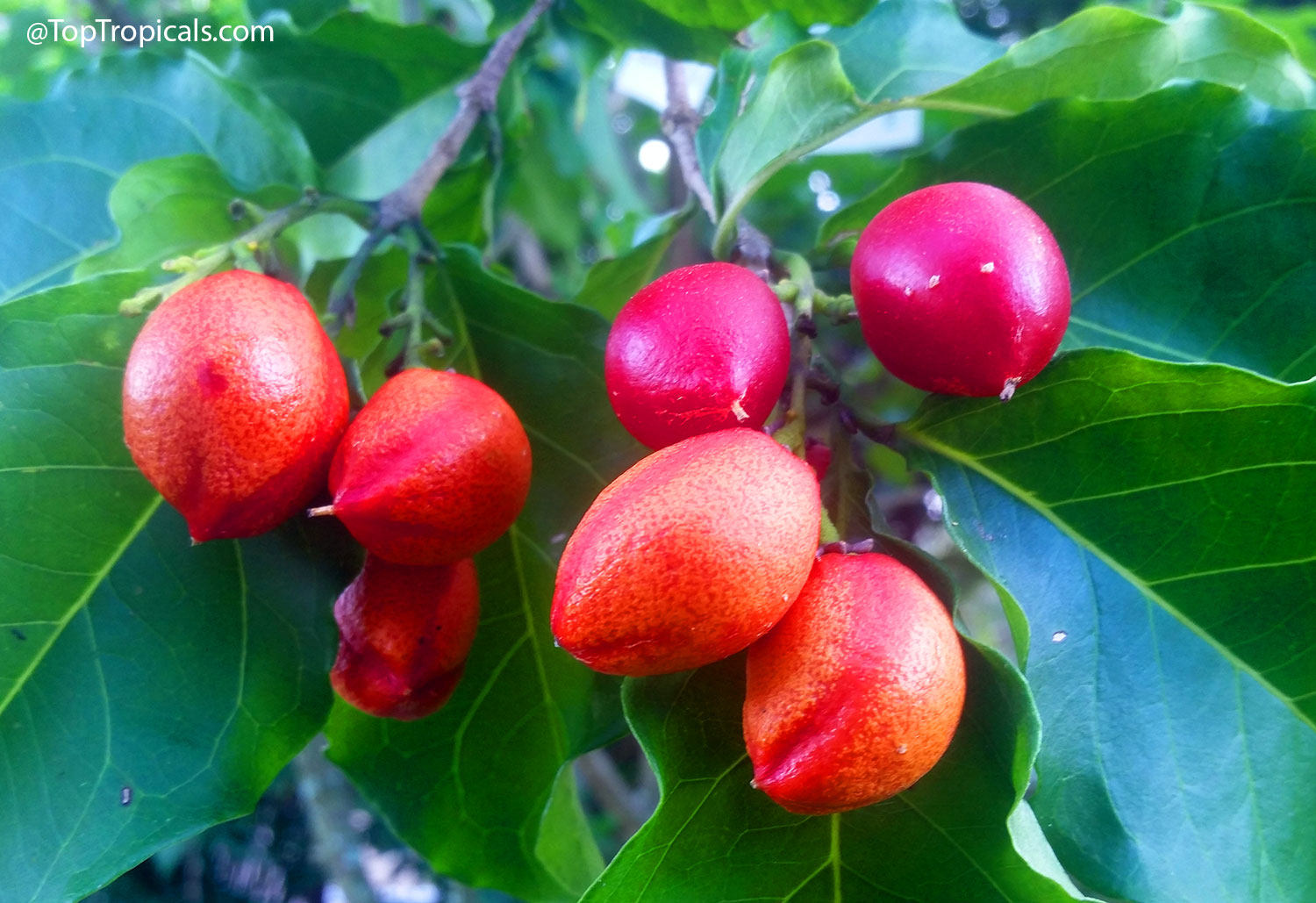
- Blackberry Jam Fruit and Peanut Butter Fruit - fun for kids and adults
- Fig Trees - compact and hardy
Simple rule: if it stays compact and handles pruning, it works in a container.
Skip the egg hunt this year - go on a plant hunt instead. Start with one or two plants this Easter - not ten. Get them established, learn how they grow, and then expand.
Container basics (keep it simple):
- Pot size: start with 3–7 gallon, upgrade as plant grows
- Soil: fast-draining mix (never heavy garden soil)
- Water: soak well, then let top inch dry
- Feeding: consistent light feeding works better than heavy doses
- Sun: most tropicals want full sun (6+ hours)
🐣 Browse our Easter Container Collection
Date: 10 Jul 2021
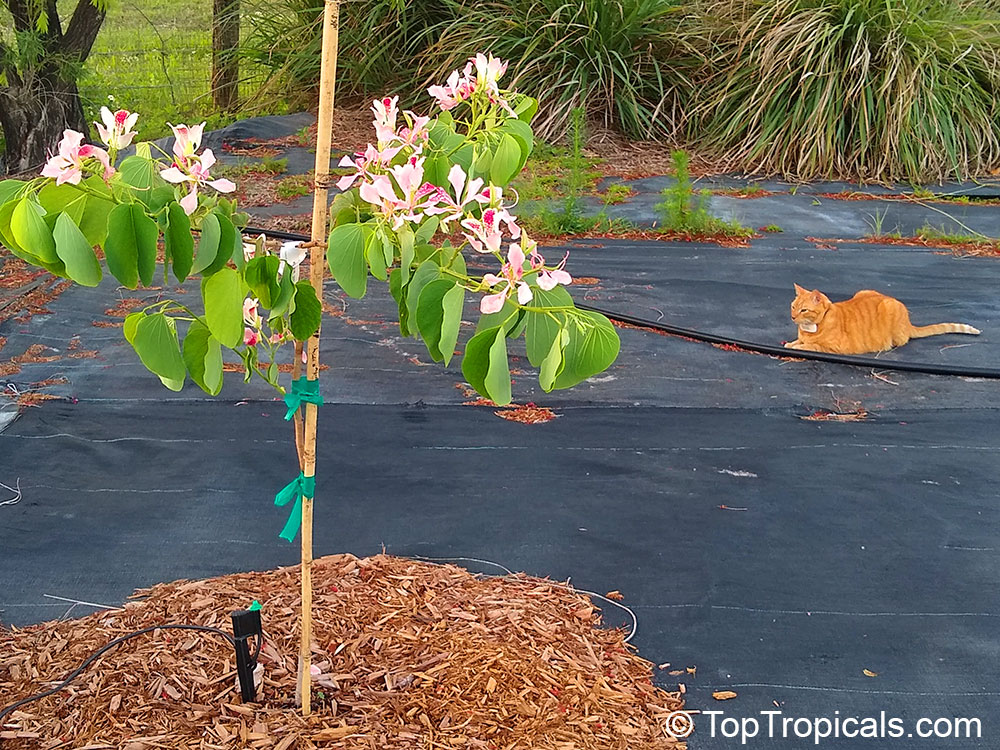
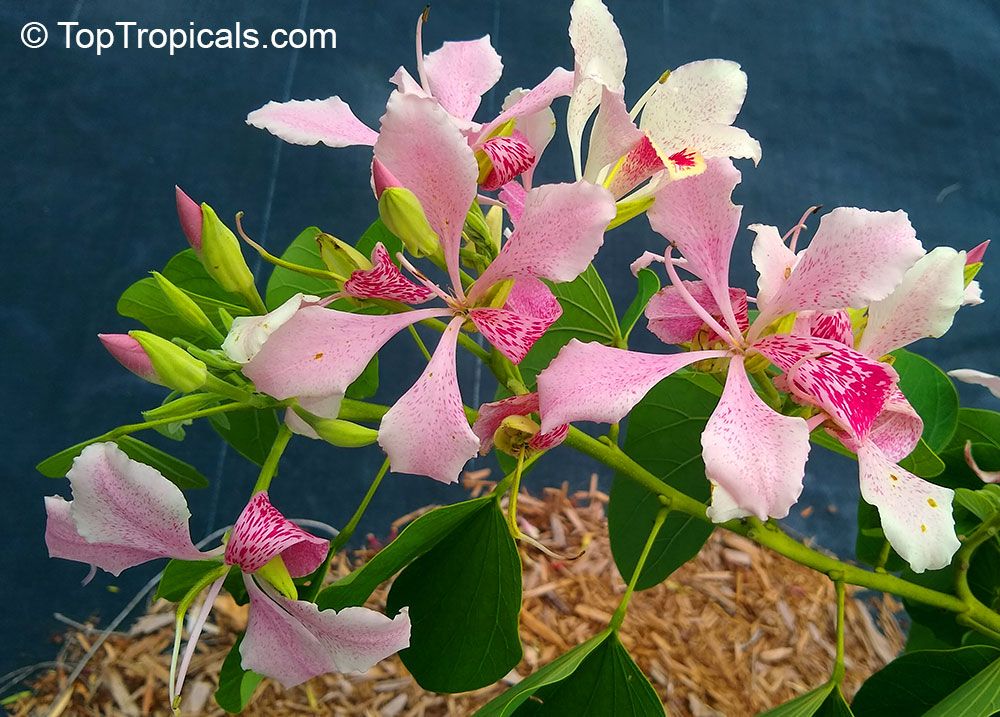
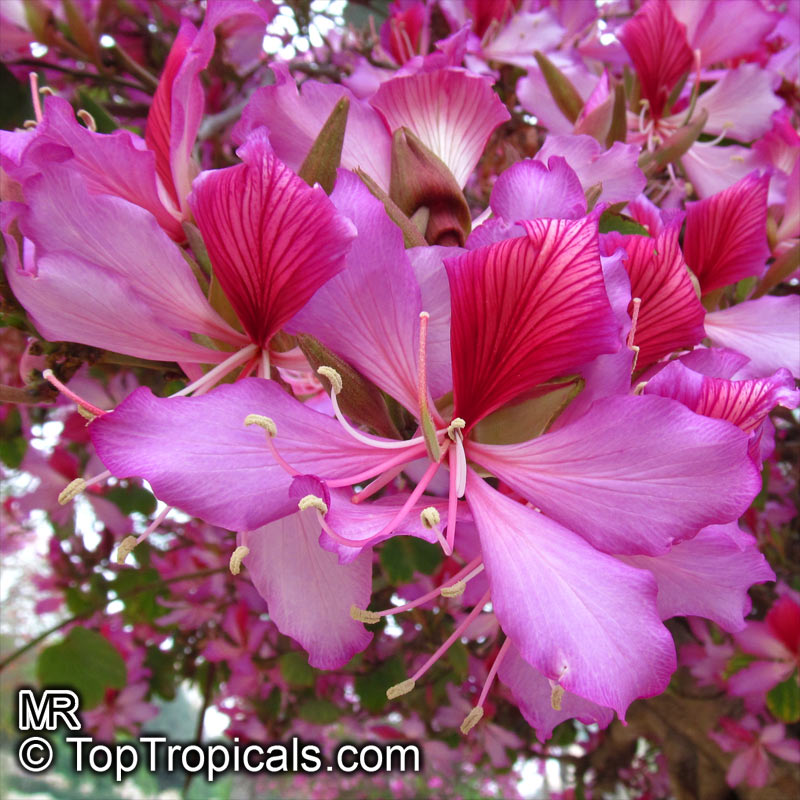
Bauhinias: Orchid trees with Butterfly leaves
by Alex Butova, the Witch of Herbs and Cats
...Have you seen butterflies? Yes, of course. Have you seen orchids?
Yes, of course. And have you seen a tree with flowers that look like both a
butterfly, and an orchid?...
...Bauhinias are beautiful and diverse. Their flowers are showy and
slightly perfumed; their leaves always cleft in the characteristic Bauhinia
manner... And they are gorgeous - all together and each in their own way... They turn
your garden into a colorful paradise and make you feel like living on exotic
island...
...Some of them are everblooming and start flowering in 1-3 gal pots!...