Garden Blog - Top Tropicals

Date: 28 Jun 2026

Which Pomegranate Is Right for You - Top 5 Amazing Varieties
Which Pomegranate Is Right for You - Top 5 Amazing Varieties Which Pomegranate Is Right for You - Top 5 Amazing Varieties
🍎 Which Pomegranate Is Right for You - Top 5 Amazing Varieties


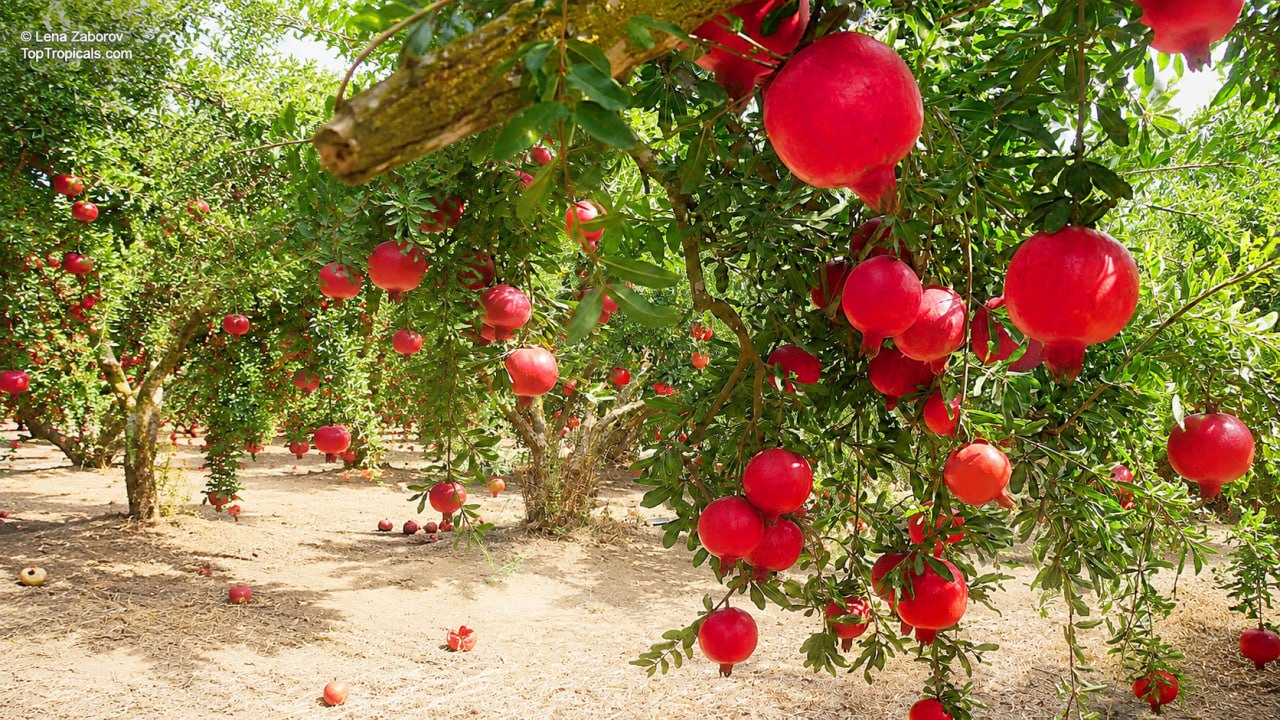
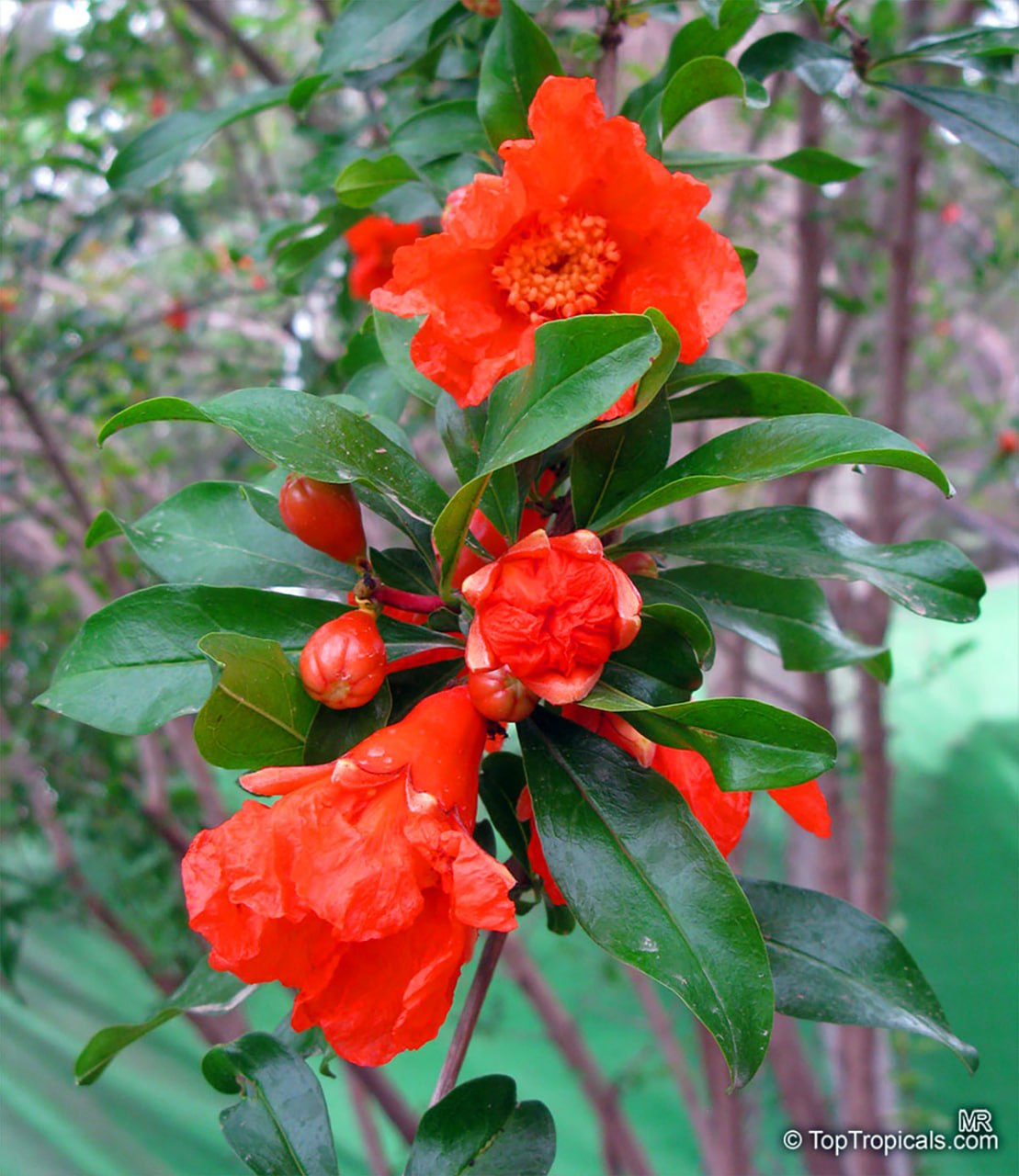
Pomegranate trees (Punica granatum) deserve a place in almost every garden. They are among the easiest fruit trees to grow, rewarding you with months of brilliant orange-red flowers followed by jewel-like fruit packed with sweet, refreshing arils. Beautiful enough to use as an ornamental and productive enough to fill your kitchen with fresh fruit, they have been cultivated for thousands of years and are still one of the healthiest fruits you can grow.
Which variety should you choose? They all produce delicious fruit, but each has its own personality.

  • ❣️ Angel Red: the biggest fruit and the juicing champion
    Large fruit with tender, edible seeds and exceptionally juicy ruby-red arils. Ripens earlier than Wonderful and is one of the best varieties for fresh juice.
  • ❣️ Eversweet: sweet before it's even ripe
    A unique variety with clear, non-staining juice and very soft seeds. Even slightly immature fruit is sweet, making it an excellent choice for cooler climates.


❣️ Eves: did Eve eat an apple, or was it a pomegranate? Rich flavor for fresh eating
Very large fruit with deep red arils and an outstanding sweet, cherry-like flavor. A favorite for eating fresh right off the tree.

❣️ Vietnam: evergreen and everbearing tropical producer


An evergreen, everbearing variety that flowers and fruits repeatedly in warm climates. Produces very large fruit with soft seeds and long harvest seasons.

❣️ Wonderful: the world's most famous classic favorite
The world's best-known pomegranate and the leading commercial variety. Famous for its rich, sweet-tart, wine-like flavor and outstanding juice quality.

🏡 Easy to grow, hard to beat


No matter which variety you choose, pomegranates are remarkably easy to grow.
· They are self-fertile, highly productive, drought tolerant once established, and thrive in full sun.
· They tolerate poor soils, salt, and heat, are cold hardy to about 15F, and grow beautifully as shrubs, small trees, or large container plants.
· Their long blooming season attracts pollinators, while the colorful fruit adds beauty to the landscape for months.

✨ A fruit treasured for thousands of years


According to Asian legend, the pomegranate was the "Tree of Life" in the Garden of Eden. Some historians even believe the famous forbidden fruit may have been a pomegranate rather than an apple.

The ruby-red arils have been treasured since ancient times, and an old Hindi saying reminds us: "One pomegranate can serve one hundred sick people." Rich in antioxidants, vitamins, and beneficial plant compounds, pomegranates remain one of the healthiest and most rewarding fruits you can grow in your own backyard.

🛒 Ready to grow One... or five?

📚 Learn more:

Pomegranate Plant Facts

Botanical name: Punica granatum
Also known as: Pomegranate, Granada, Grenade, Pomegranate, Granada, Anar, Granaatappel, Pomo Granato, Romeira, Melo Grano
USDA Zone: 8 - 11
Highligths Large shrub 5-10 ft tallSmall tree 10-20 ftFull sunWatering: Moderate. Water when top soil feels dryRed, crimson, vinous flowersThorny or spinyEdible plantDeciduous plantEthnomedical plant.
Plants marked as ethnomedical and/or described as medicinal, are not offered as medicine but rather as ornamentals or plant collectibles.
Ethnomedical statements / products have not been evaluated by the FDA and are not intended to diagnose, treat, cure, or prevent any disease. We urge all customers to consult a physician before using any supplements, herbals or medicines advertised here or elsewhere.Subtropical plant. Mature plant cold hardy at least to 30s F for a short timeSeaside, salt tolerant plant
Get personalized tips for your region

Punica granatum in Plant Encyclopedia
Healing drops of blood: why Pomegranate is a superfood
15 "Bulletproof" Fruit Trees for Tough Ground
Skip the lemon - 5 better fruits for a cough
Top Ten Fruit Tree Winners of Florida 2026 Record Freeze
Top nine plants of love, desire, and the senses: aphrodisiacs and sensory connections
Why you should grow your own Pomegranate Tree

#Food_Forest #Discover

🟢 Join 👉 TopTropicals

Date: 27 Jun 2026

Canistel coconut fritters: quick-n-fun exotic recipes

Canistel coconut fritters: quick-n-fun exotic recipes

🍴 Canistel coconut fritters: quick-n-fun exotic recipes


🟡Mash ripe canistel until smooth and stir in flour and a splash of coconut milk to form a thick batter.
🟡Add a drizzle of honey or a spoonful of sugar if you like a sweeter fritter.
🟡Drop spoonfuls of the mixture into a lightly oiled skillet and flatten slightly.
🟡Pan-fry until golden brown and crisp on both sides, with a soft, creamy center.
🟡Serve warm with a drizzle of honey, maple syrup, or a sprinkle of powdered sugar for a tropical breakfast or dessert.

🌿 About the plant:


Canistel, Pouteria campechiana, is a member of the sapote family. The fruit develops a smooth yellow to orange skin and firm flesh that becomes soft and custard-like when fully ripe.

🏡 In the garden:


Trees prefer full sun and well-drained soil. They handle heat well and are moderately drought tolerant once established. Light pruning helps maintain a manageable shape.

🛒 Plant Canistel Egg Fruit tree - grows well in container too

📚 Learn more:

Canistel Plant Facts

Botanical name: Pouteria campechiana
Also known as: Canistel, Eggfruit, Chesa
USDA Zone: 9 - 11
Highligths Large tree taller than 20 ftSmall tree 10-20 ftFull sunWatering: Regular. Let topsoil dry slightlyEdible plant
Get personalized tips for your region

Pouteria campechiana - Canistel, Eggfruit - in Plant Encyclopedia
Golden canistel cream: quick-n-fun exotic recipes
This old-school tropical fruit is making a quiet comeback: Eggfruit - Canistel
Canistel breakfast mash: quick-n-fun exotic recipes
Health Benefits of Canistel Fruit
Pouteria campechiana - Canistel, the curious heart-shaped Egg Super-Fruit

#Food_Forest #Recipes

🟢 Join 👉 TopTropicals

Date: 27 Jun 2026

This Tropical Tree Has Leaves Bigger Than Your Head

This Tropical Tree Has Leaves Bigger Than Your Head

This Tropical Tree Has Leaves Bigger Than Your Head


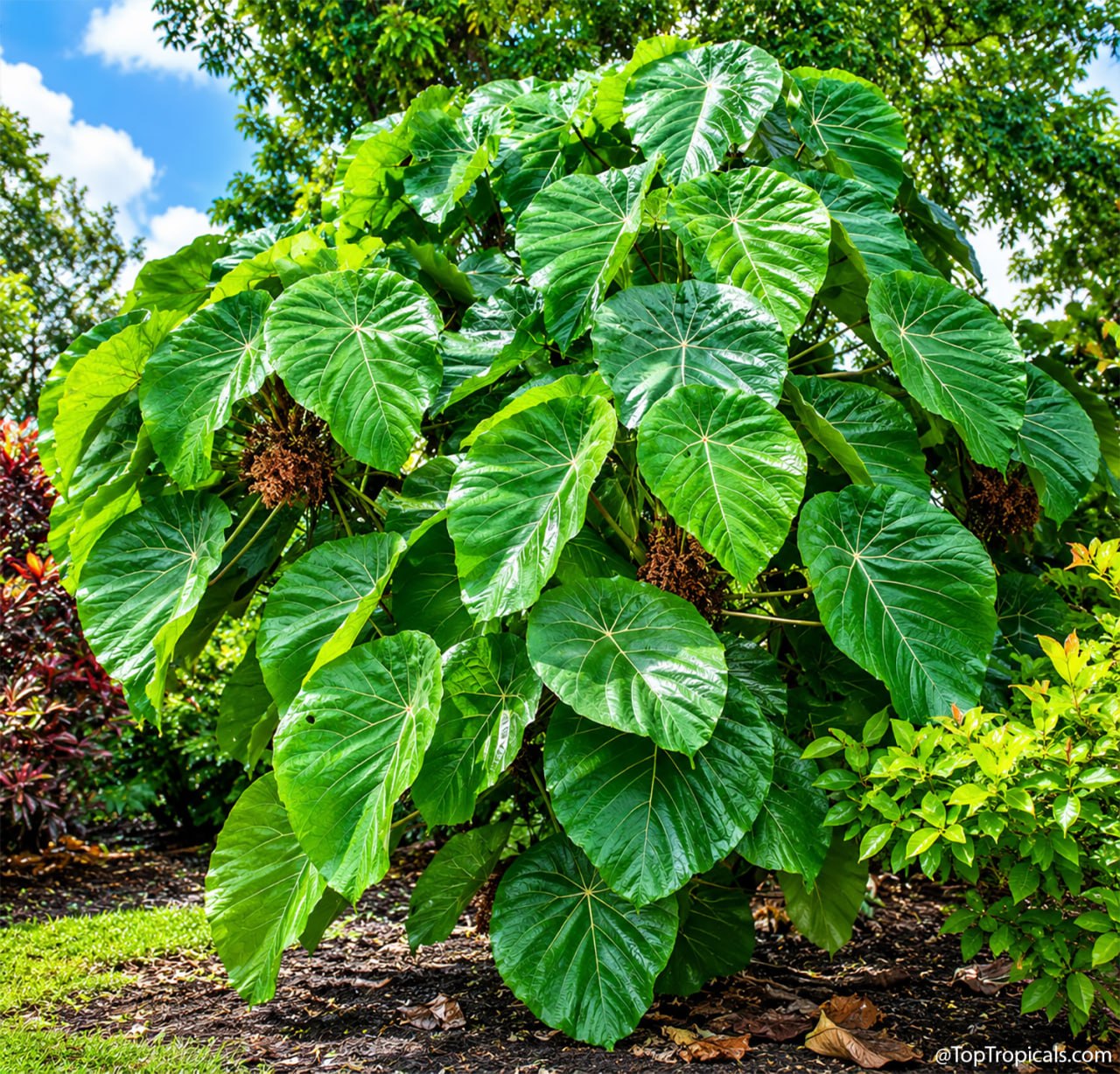
One look at Macaranga grandifolia and most gardeners have the same reaction: "What is THAT?"
Nicknamed the Elephant Ear Tree, this rare tropical beauty produces enormous, glossy leaves that can easily grow larger than a person's head. The effect is dramatic, bold, and impossible to ignore.


☂️ A Living Jungle Umbrella


Native to tropical regions of Southeast Asia and grown widely in Hawaii, Macaranga forms a small upright tree with huge rounded leaves stacked along its stems like giant green shields.

Unlike many tropical plants that rely on colorful flowers, Macaranga's foliage is the entire show. The leathery leaves create an unmistakable rainforest look that instantly transforms a garden into something exotic.

☂️ Why Gardeners Fall in Love With It


· Massive elephant-ear-shaped leaves
· Fast enough to make an impact quickly
· Rare and hard to find
· Surprisingly easy to grow
· Few serious pest or disease problems
· Excellent for creating a lush tropical effect

Even a young plant becomes a conversation piece.

☂️ Bigger Than Most Elephant Ears


Despite its nickname, the leaves often resemble real elephant ears more than many of the plants commonly sold as "elephant ears."

The tree grows upright and relatively narrow, making it useful where space is limited but a bold tropical statement is desired. Mature specimens create a striking column of giant foliage that looks almost prehistoric.

☂️ Easy Tropical Luxury


Macaranga thrives in warm, frost-free climates and appreciates rich, moist soil. It can grow in nearly full sun with adequate water, but the largest and most attractive leaves usually develop with some protection from intense afternoon sun.

It also performs well in large containers, making it an excellent choice for patios and tropical plant collectors.

☂️ The Plant Nobody Knows About


Perhaps the biggest mystery about Macaranga is why it isn't grown more often. It combines spectacular foliage, easy care, and a truly unique appearance, yet remains surprisingly uncommon in Florida gardens and nurseries.

If your goal is to create instant tropical drama, few plants deliver more impact than the Elephant Ear Tree. One glance at those gigantic leaves and you'll understand why collectors become obsessed with it.

🛒 Grow Your Own Elephant Ear Tree with Giant Leaves

📚 Learn more:
· Macaranga grandifolia in Plant Encyclopedia
· One look and you're hooked: Macaranga!
🎥 Shocking ears of Macaranga

#Nature_Wonders #Trees #Discover

Macaranga Plant Facts

Botanical name: Macaranga grandifolia, Macaranga longifolia, Macaranga mappa
Also known as: Macaranga, Nasturtium Tree, Parasol Leaf Tree, Bingabing, Sun Parasol Shrub, Elephant Ear Tree
USDA Zone: 9 - 11
Highligths Large shrub 5-10 ft tallSmall tree 10-20 ftSemi-shadeFull sunWatering: Regular. Let topsoil dry slightlyRed, crimson, vinous flowersOrnamental foliagePlant attracts butterflies, hummingbirdsEthnomedical plant.
Plants marked as ethnomedical and/or described as medicinal, are not offered as medicine but rather as ornamentals or plant collectibles.
Ethnomedical statements / products have not been evaluated by the FDA and are not intended to diagnose, treat, cure, or prevent any disease. We urge all customers to consult a physician before using any supplements, herbals or medicines advertised here or elsewhere.Subtropical plant. Mature plant cold hardy at least to 30s F for a short timeSeaside, salt tolerant plant
Get personalized tips for your region
🟢 Join 👉 TopTropicals

Date: 26 Jun 2026

Twins

Twins

👯 Twins


"Being a twin is like being born with a best friend." - Tricia Marrapodi

🐈📸 Cat Shura aka Lil Sht with her best friend at TopTropicals PeopleCats.Garden.

#PeopleCats #Quotes

🟢 Join 👉 TopTropicals

Date: 26 Jun 2026

How to Grow Mahoe: The Fast-Growing Shade Tree That Changes Color - Tropical Chameleon

How to Grow Mahoe: The Fast-Growing Shade Tree That Changes Color - Tropical Chameleon How to Grow Mahoe: The Fast-Growing Shade Tree That Changes Color - Tropical Chameleon How to Grow Mahoe: The Fast-Growing Shade Tree That Changes Color - Tropical Chameleon
🌳 How to Grow Mahoe: The Fast-Growing Shade Tree That Changes Color - Tropical Chameleon

Looking for a fast-growing, low-maintenance tropical tree that brings effortless shade, constant color, and a parade of pollinators to your yard - Mahoe is the one! Talipariti tiliaceum, formerly Hibiscus tiliaceus - is native to coastal pantropical regions. This sturdy evergreen is a true garden workhorse. Whether grown as a dense, 5-to-10-foot privacy shrub or trained into a beautiful, umbrella-shaped small tree reaching up to 20 feet, Mahoe delivers that lush, instant-jungle vibe in just one season.

🌳 Nature's Color-Changing Magic


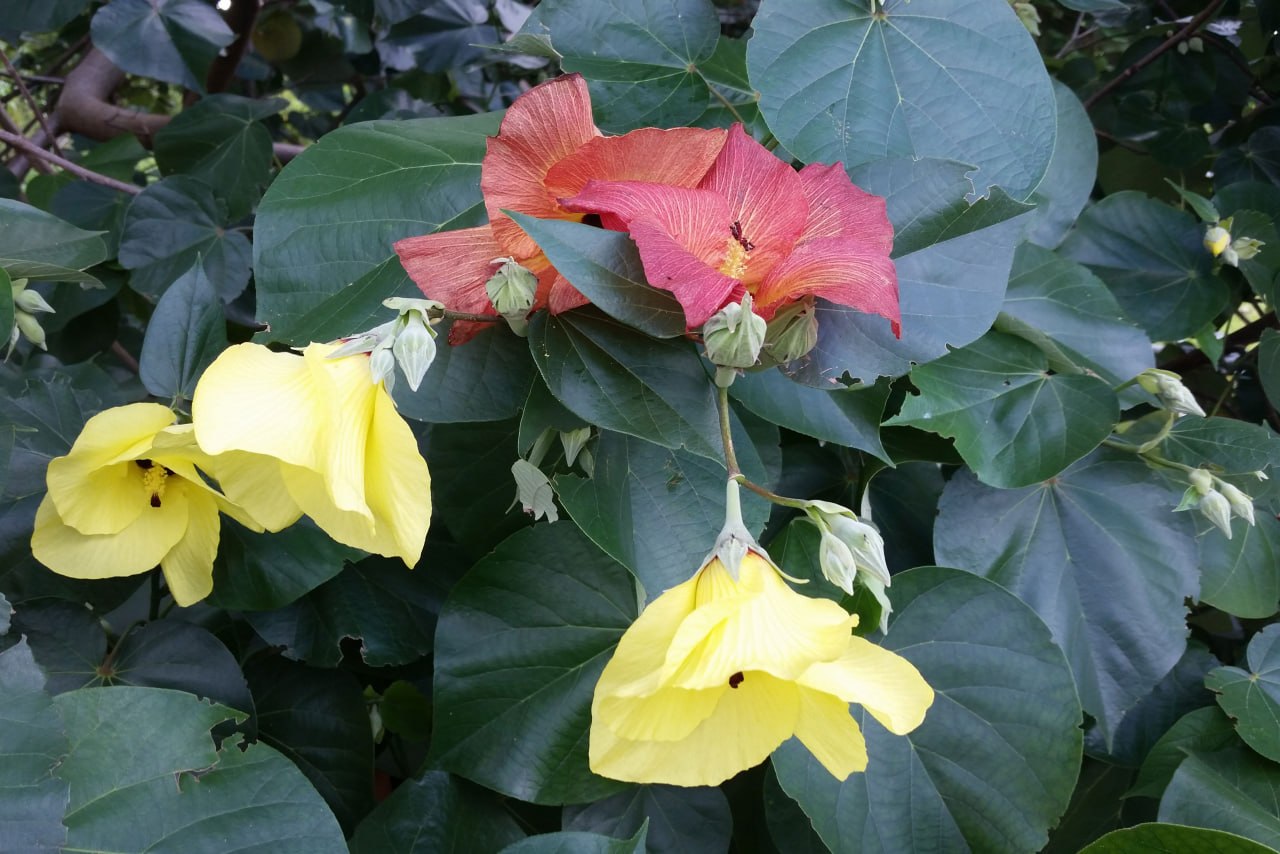
The real magic of the Mahoe lies in its blooms. Throughout the year, magnificent flowers open a bright, vibrant yellow in the morning. As the day goes on and the blooms age, they undergo a stunning transition - deepening to rich orange, crimson, and vinous red before they drop. This shifting color wheel creates a breathtaking, multi-colored display that acts as a magnet for hummingbirds and butterflies.

🌳 Landmark Shade for Warm Climate Landscapes


Mahoe thrives in full sun, loves regular water, and is exceptionally salt-tolerant, making it an absolute powerhouse for coastal and southern landscapes (USDA Zones 9b-11).

Instant Canopy: Because it grows with incredible vigor, it can transform a wide-open, sunny spot into a dense, shady retreat in just one or two seasons.

Growth Management: In the ground, it quickly matures into a substantial, wide-spreading tree. While its wild growth habit means regular, aggressive pruning is mandatory to keep it shaped and contained within typical garden bounds, it rewards that effort with unmatched privacy and a massive, tropical canopy.

🌳 The Designer Upgrade: Variegated Mahoe


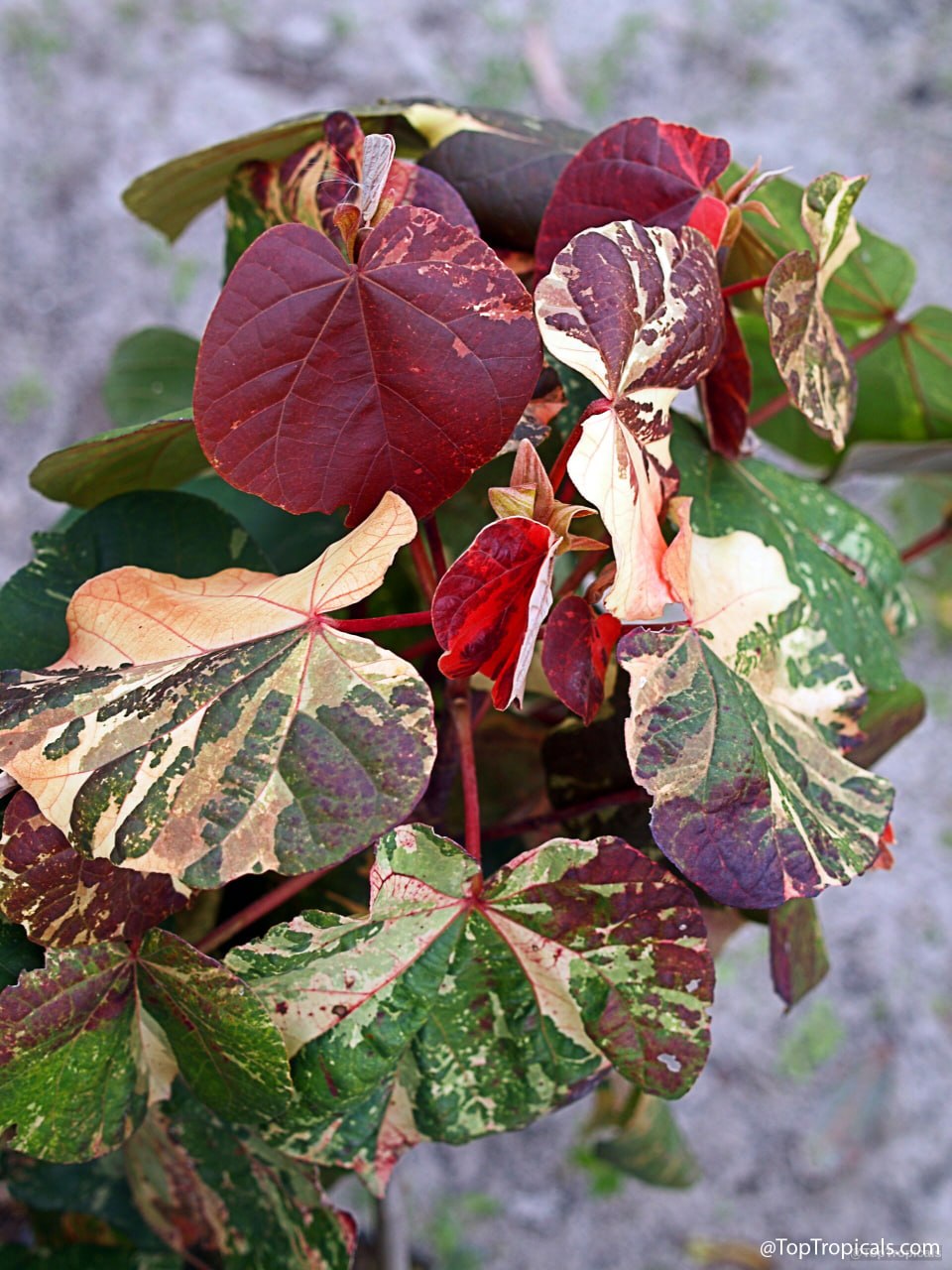
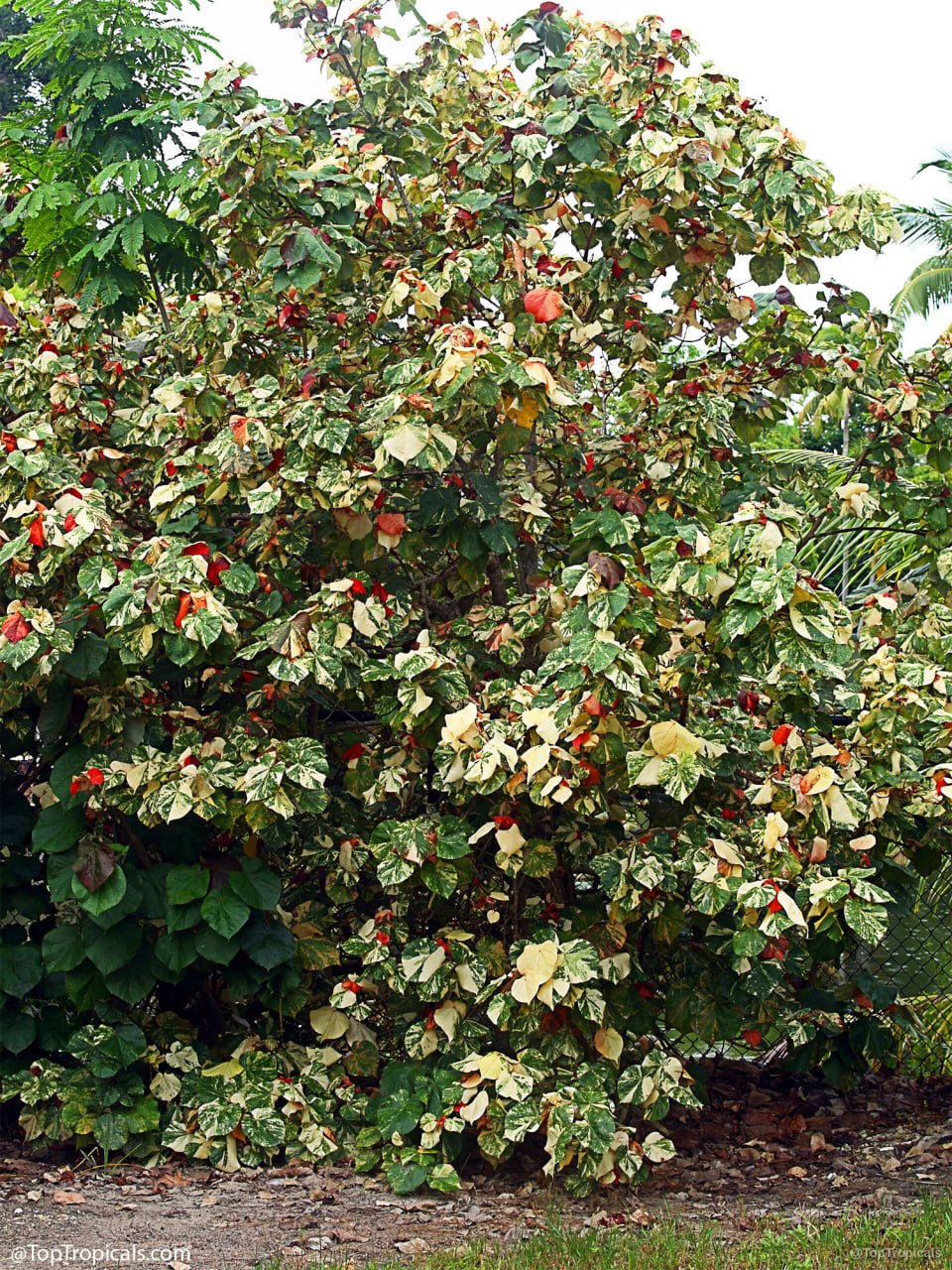
If you want all the fast-growing stamina of the standard Mahoe but want to turn the visual drama up to ten, the Variegated Mahoe (Hibiscus tiliaceus Variegatum) is the absolute must-have tree of the year.

While its color-changing flowers are just as magical as the original, its foliage is a spectacular show all on its own. The large, heart-shaped leaves are a living kaleidoscope, splashed with dramatic patterns of white, cream, deep green, and even soft pink and red.

Even better for smaller yards! The variegated variety tends to naturally maintain a tighter, more compact, and symmetrical umbrella-like shape than its wild green cousin, giving you high-end landscape style with minimal effort.

Whether you choose the classic, pollinator-loving green or the eye-popping variegated cultivar, the Mahoe family is guaranteed to be the centerpiece of your garden.

🛒 Get Instant Tropical Shade - Mahoe

📚 Learn more:
· Talipariti tiliaceum (Hibiscus tiliaceus) in Plant Encyclopedia
· The Tree Everyone's Talking About: Variegated Mahoe

#Trees #Discover

Mahoe Plant Facts

Botanical name: Talipariti tiliaceum, Hibiscus tiliaceus
Also known as: Mahoe
USDA Zone: 9 - 11
Highligths Large shrub 5-10 ft tallSmall tree 10-20 ftFull sunWatering: Regular. Let topsoil dry slightlyYellow, orange flowersRed, crimson, vinous flowersPlant attracts butterflies, hummingbirds
Get personalized tips for your region
🟢 Join 👉 TopTropicals