Garden Blog - Top Tropicals

Date: 21 Nov 2025

How to keep your house plants beautiful all year by feeding them right
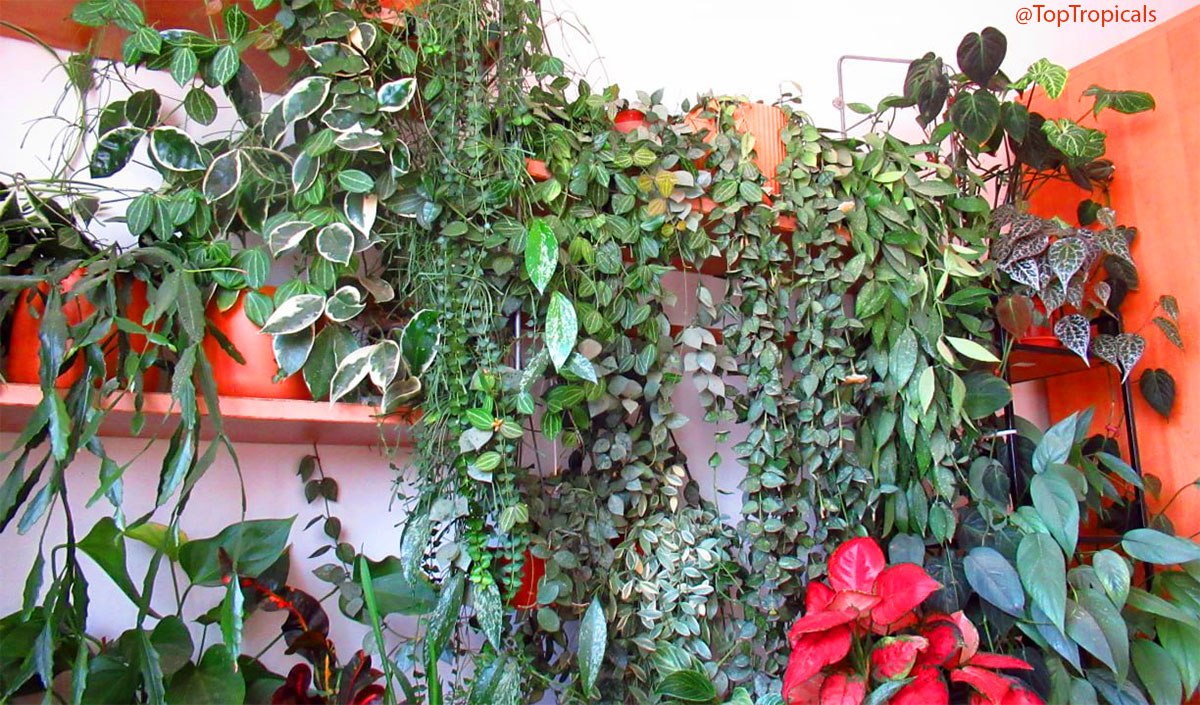
Indoor garden

Indoor garden

🍀 How to keep your house plants beautiful all year by feeding them right

  • 🌱 Healthy house plants are not just about light and water. They need food, just like we do. A good fertilizer routine keeps them green, strong, and blooming through every season. Here is a simple guide to feeding indoor plants the right way.
  • 🌱 General rules for fertilizing house plants


  • ▪️Feed lightly but regularly. Indoor plants grow in limited soil, so nutrients run out faster. Small, frequent feedings work better than one heavy dose.
  • ▪️Never fertilize dry soil. Water first, then feed.
  • ▪️Reduce feeding in winter when growth slows.
  • ▪️Watch your leaves. Pale, yellow, or slow-growing plants are asking for nutrients.
  • ▪️Use a complete formula. House plants need both macro-elements (N-P-K) and micro-elements, not just nitrogen.


🌱 What fertilizer to use


Sunshine Boosters - the everyday diet.
Sunshine Boosters are simple, balanced liquid fertilizers you mix with water. They give your plants everything they need for steady, healthy growth. They contain the right blend of nitrogen, phosphorus, potassium, and trace minerals. They do not contain harsh chemicals, so they are safe for homes with pets and kids. Regular use keeps plants growing faster, stronger, and more resilient to stress.

Sunshine Superfood - the vitamin supplement.
If a plant turns yellow or looks weak, it often needs micronutrients. These are the plant version of vitamins, including iron, zinc, copper, and manganese. Sunshine Superfood delivers these quickly and in the right proportions. Mix it with water and apply when you notice yellowing or slow growth. It corrects deficiencies fast and keeps leaves lush and green.

Green Magic - the long-term slow feeder.
Green Magic is a controlled-release fertilizer that works for six months. It uses poly-on coating technology to release nutrients slowly, without burning roots. It is perfect for repotting or for plant owners who want a set-it-and-forget-it option. Mix one teaspoon per gallon of soil during repotting or every six months. Excellent for container fruit trees and ornamentals that need steady feeding.

🌱 The simple routine

  • ▪️For regular watering: use Sunshine Boosters.
  • ▪️Once a month: add Sunshine Superfood to prevent yellowing.
  • ▪️Every six months: mix Green Magic into the soil for long-term support.

With the right diet, your house plants stay green, strong, and beautiful year-round. Feed them well, and they reward you every day.

📸 In the photo: Indoor garden of Marina Rybka, Israel, the Editor of TopTropicals.

🛒 Get your plants some food

📚 Learn more:
📱 What are Sunshine Boosters

#Fertilizers #How_to
🟢 Join 👉 TopTropicals

Date: 31 Dec 2025

How to create privacy in your yard fast

Tropical Hydrangea - Dombeya x wallichii

🌸 How to create privacy in your yard fast

  • 🌸 Tropical Hydrangea - Dombeya x wallichii - really shines, if you need privacy in your garden fast!
  • 🌸 Dombeya is the fastest-growing flowering shrub you can plant. In just one season, it can turn an open space into a thick, leafy privacy screen. Large, heart-shaped tropical leaves fill in quickly, creating solid coverage long before slower hedges even get started.
  • 🌸 The bonus comes in winter, when the plant is covered in big, soft pink, hydrangea-like flower clusters that also attract bees and pollinators. It loves water and handles wet spots with ease, making it a great choice for Florida gardens and rainy summers.
  • 🌸 If you are looking for a fast, flowering solution for privacy in your garden, Dombeya is your hedge with benefits!


🛒 Plant Dombeya today and get pricacy right away

📚 Learn more:

Plant Facts

Dombeya wallichii, Dombeya x cayeuxii
Pink Ball Tree, Tropical Hydrangea
USDA Zone: 9-11
Large shrub 5-10 ft tallSmall tree 10-20 ftFull sunModerate waterPink flowersPlant attracts butterflies, hummingbirdsFragrant plant

#Hedges_with_benefits #Butterfly_Plants

🟢 Join 👉 TopTropicals

Date: 19 Feb 2026

10 ways to enjoy Wild Medlar - Spanish Tamarind

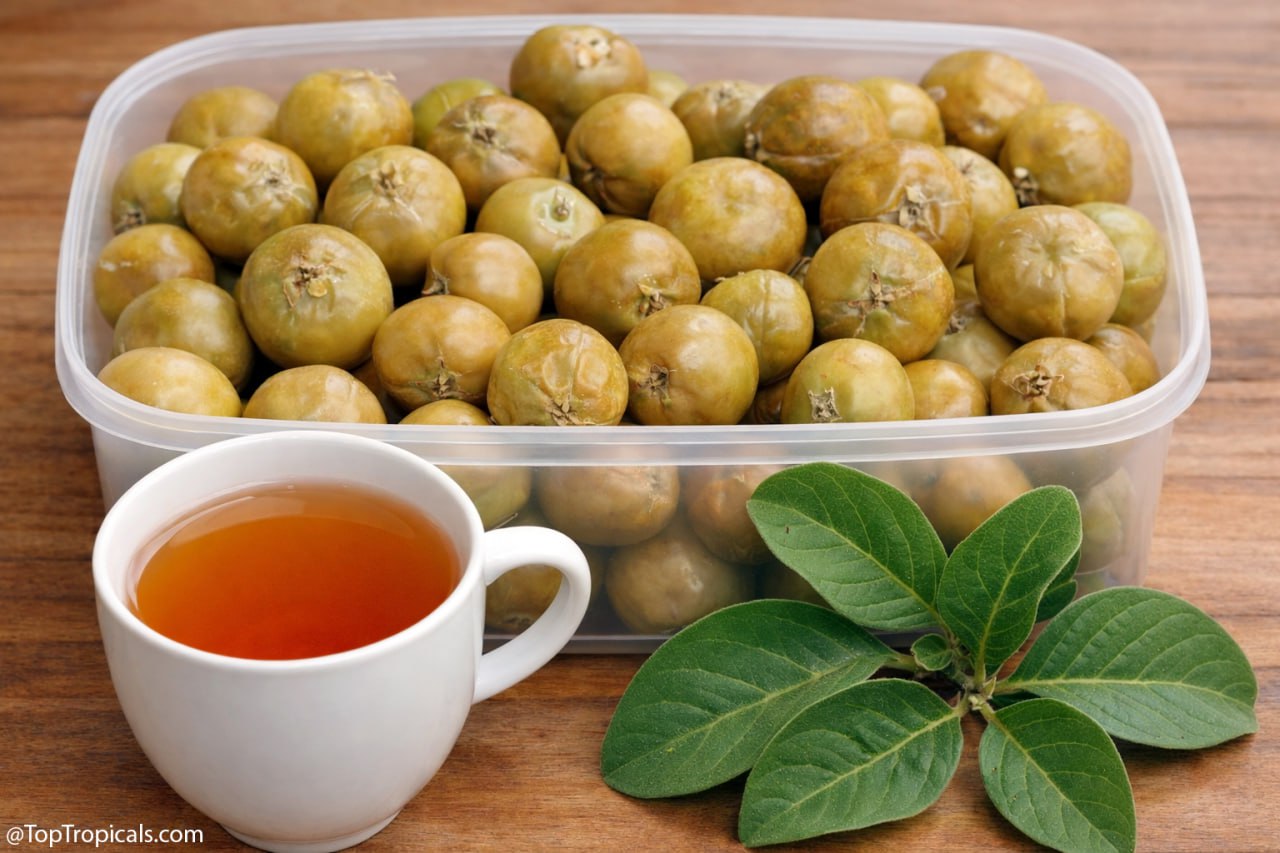
Vangueria infausta (Spanish Tamarind, Wild Medlar)

Vangueria infausta (Spanish Tamarind, Wild Medlar)

🍊 10 ways to enjoy Wild Medlar - Spanish Tamarind


Vangueria infausta (Spanish Tamarind, Wild Medlar) from Africa to your backyard: the fruit, the medicine, the tradition.

Spanish Tamarind may look like a small, unassuming fruit - but don’t let it fool you. In its native Africa, this tree is a food staple, a home remedy, and a cultural favorite, all wrapped into one. And now, it’s ready to bring that same magic into your garden and kitchen. People have used this fruit for generations - and how you can too.

🍊 1. Eat it fresh, off the tree


When ripe, the fruit turns golden brown and softens slightly. Its flavor is sweet-tart, almost like a tangy apple or tamarind with a hint of citrus. Just peel and eat!

🍬 2. Dry it for snacks


In many African regions, the fruit is sun-dried and enjoyed like natural fruit leather. It keeps well, travels well, and makes a great healthy snack.

🍵 3. Brew it into a fruit tea


Dried fruit can be steeped into a tart, refreshing tea that’s packed with vitamin C and antioxidants. Add honey or ginger for a soothing drink.

🍷 4. Ferment it into traditional beer or wine


In some local cultures, the fruit is fermented into a mild alcoholic drink, similar to fruit wine or beer. This is one of the tree’s oldest known traditional uses.

🍧 5. Make jams and preserves


Boil the pulp with sugar and lemon juice to make tangy medlar jam. Spread it on toast, stir into yogurt, or use it in baking.

6. Add to porridge or smoothies


Crushed or juiced medlar fruit is added to traditional maize porridge for a nutrient boost. You can do the same with oatmeal or smoothies.

7. Try traditional fruit pudding


A simple medlar mash with a little sweetener makes a rich, apple-like pudding with hints of spice. Great as a chilled dessert.

🌿 8. Use the leaves and bark medicinally


In folk medicine, leaves are brewed into a tea for treating fever, colds, and stomach aches. Bark is used for chest congestion and coughs. Roots are sometimes used for even stronger remedies like malaria treatment.

9. Clean your teeth the traditional way


Believe it or not, people use medlar leaves to clean their teeth! The leaves are antimicrobial and have a slight astringent taste that leaves your mouth feeling fresh.

🎨 10. Dye fabric naturally
Crush the bark or boil the leaves to create natural dyes in yellow, green, and even purple tones. This use is still practiced in rural areas of southern Africa.

✍️ Why this tree belongs in your life


Wild Medlar is more than just a fruit. It’s a versatile, resilient, and deeply cultural plant that connects generations. It’s food, it’s healing, it’s art—and now it can be part of your garden story.
Grow it for the fruit, the medicine, the tradition… or just for the joy of growing something wild and wonderful.

🛒 Plant Spanish Tamarind and enjoy exotic fruit benefits

📚 Learn more:

Plant Facts

Vangueria infausta
Wild Medlar, Spanish Tamarind
USDA Zone: 9-11
Small tree 10-20 ftFull sunModerate waterEdible plantDeciduous plantEthnomedical plant.
Plants marked as ethnomedical and/or described as medicinal, are not offered as medicine but rather as ornamentals or plant collectibles.
Ethnomedical statements / products have not been evaluated by the FDA and are not intended to diagnose, treat, cure, or prevent any disease. We urge all customers to consult a physician before using any supplements, herbals or medicines advertised here or elsewhere.Subtropical plant. Mature plant cold hardy at least to 30s F for a short time

#Food_Forest #Remedies #Recipes #Discover

🟢 Join 👉 TopTropicals

Date: 2 Mar 2026

Beyond fruit: how this African tree supports wildlife and garden health

Vangueria infausta - Spanish Tamarind

Vangueria infausta - Spanish Tamarind

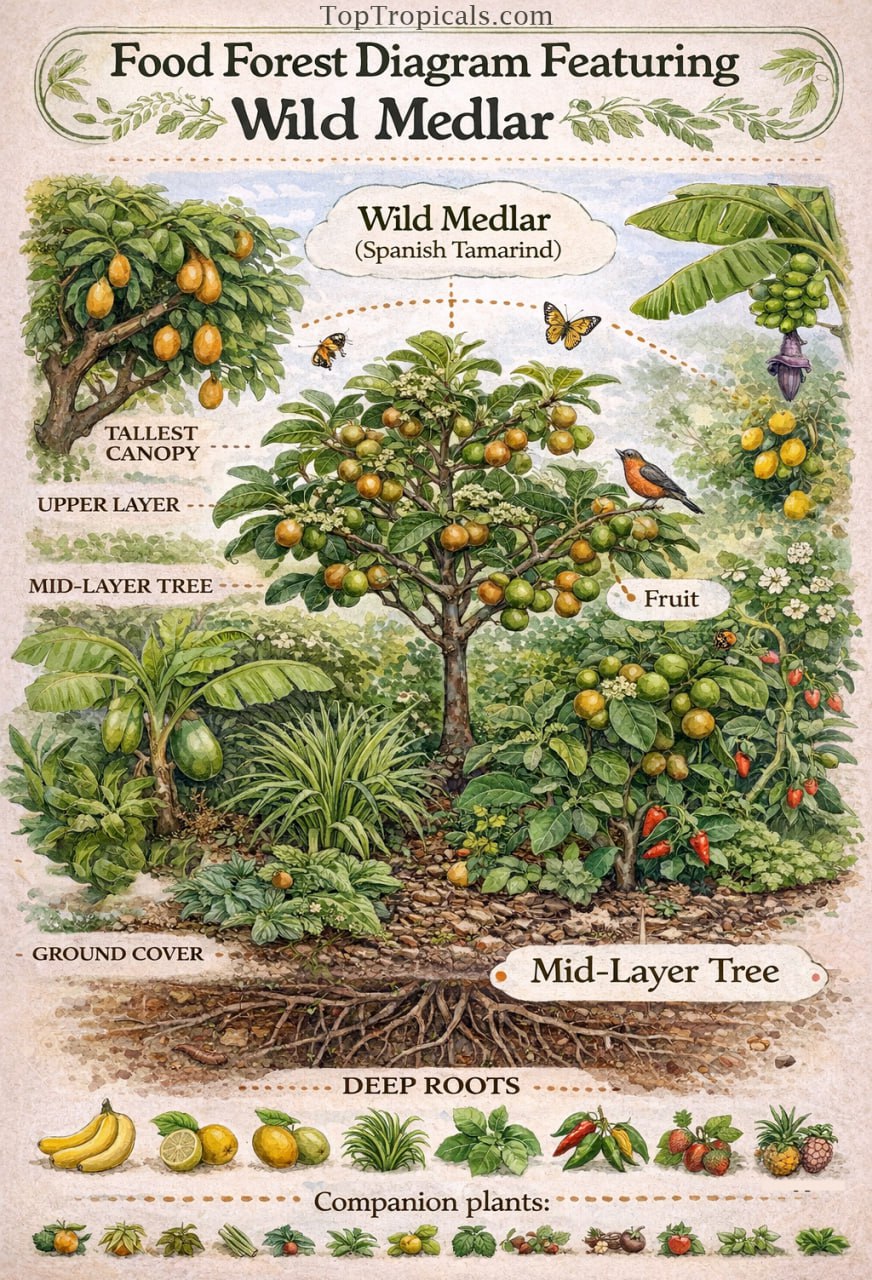
Beyond fruit: how this African tree supports wildlife and garden health: Wild Medlar in the ecological food forest 🍊

Vangueria infausta (Spanish Tamarind, Wild Medlar) might win your heart for its sweet-tart fruit and folk medicine magic - but did you know it’s also a quiet hero in the ecosystem? Whether you’re planting a full-blown food forest or just a mixed backyard garden, Vangueria infausta brings more than fruit to the table. It brings balance, beauty, and biodiversity.

🐝 Pollinator power


When in bloom, this tree produces nectar-rich flowers that attract bees, butterflies, and other pollinators. These beneficial insects don’t just help the Wild Medlar fruit - they boost productivity in your entire garden.
If you grow mangos, citrus, guava, or veggies nearby, Spanish Tamarind helps keep the pollinator traffic moving.

🐦 Bird magnet


Birds are big fans of this tree. They nest in its dense branching, snack on overripe fruit, and help spread seeds. In return, they’ll help keep down pests like caterpillars and beetles.
Even in a small garden, one Wild Medlar can be a micro-habitat for birds, insects, and other helpful wildlife.

🌱 Soil stabilizer


With its deep roots and drought-hardy nature, Wild Medlar helps hold soil in place, especially on slopes or rocky patches. It improves drainage and reduces erosion, which makes it a great addition to food forests in challenging spots.

🍂 Natural mulch & green cleanup


The tree drops a modest amount of leaf litter, which breaks down into soft, rich mulch. In a diverse planting, that means fewer weeds, better soil structure, and less watering needed.

🌿 Companion planting & food forest stacking
  • · Works great as a mid-layer tree in multi-tiered systems
  • · Provides light shade for herbs or smaller fruiting plants
  • · Plays well with bananas, papaya, guava, lemongrass, and ground covers
In zones 9-11, it can live happily in a mixed border or permaculture guild. In colder zones, just keep it potted and move it around as needed - it still offers many of the same benefits.

🛡 Pest and disease resistant


One more bonus: Spanish Tamarind is incredibly low-maintenance. It resists most common pests and doesn’t suffer from fungal issues like many tropical fruit trees do. That means fewer chemicals and more harmony in your garden ecosystem.

✍️ Ready to plant something that gives back?


Think you need more than just another fruit tree? More life. More movement. More meaning in your garden?
Grow Wild Medlar for the fruit - but keep it for everything else it brings. The pollinators. The shade. The quiet medicine. The steady presence that makes your space feel alive.
If you’re building a food forest - or simply want a tree that earns its place every single season - this one doesn’t just sit there. It contributes.

🛒 Plant Spanish Tamarind in your Food Forest for a happy wildlife

📚 Learn more:

Plant Facts

Vangueria infausta
Wild Medlar, Spanish Tamarind
USDA Zone: 9-11
Small tree 10-20 ftFull sunModerate waterEdible plantDeciduous plantEthnomedical plant.
Plants marked as ethnomedical and/or described as medicinal, are not offered as medicine but rather as ornamentals or plant collectibles.
Ethnomedical statements / products have not been evaluated by the FDA and are not intended to diagnose, treat, cure, or prevent any disease. We urge all customers to consult a physician before using any supplements, herbals or medicines advertised here or elsewhere.Subtropical plant. Mature plant cold hardy at least to 30s F for a short time

#Food_Forest #Discover

🟢 Join 👉 TopTropicals

Date: 26 Feb 2026

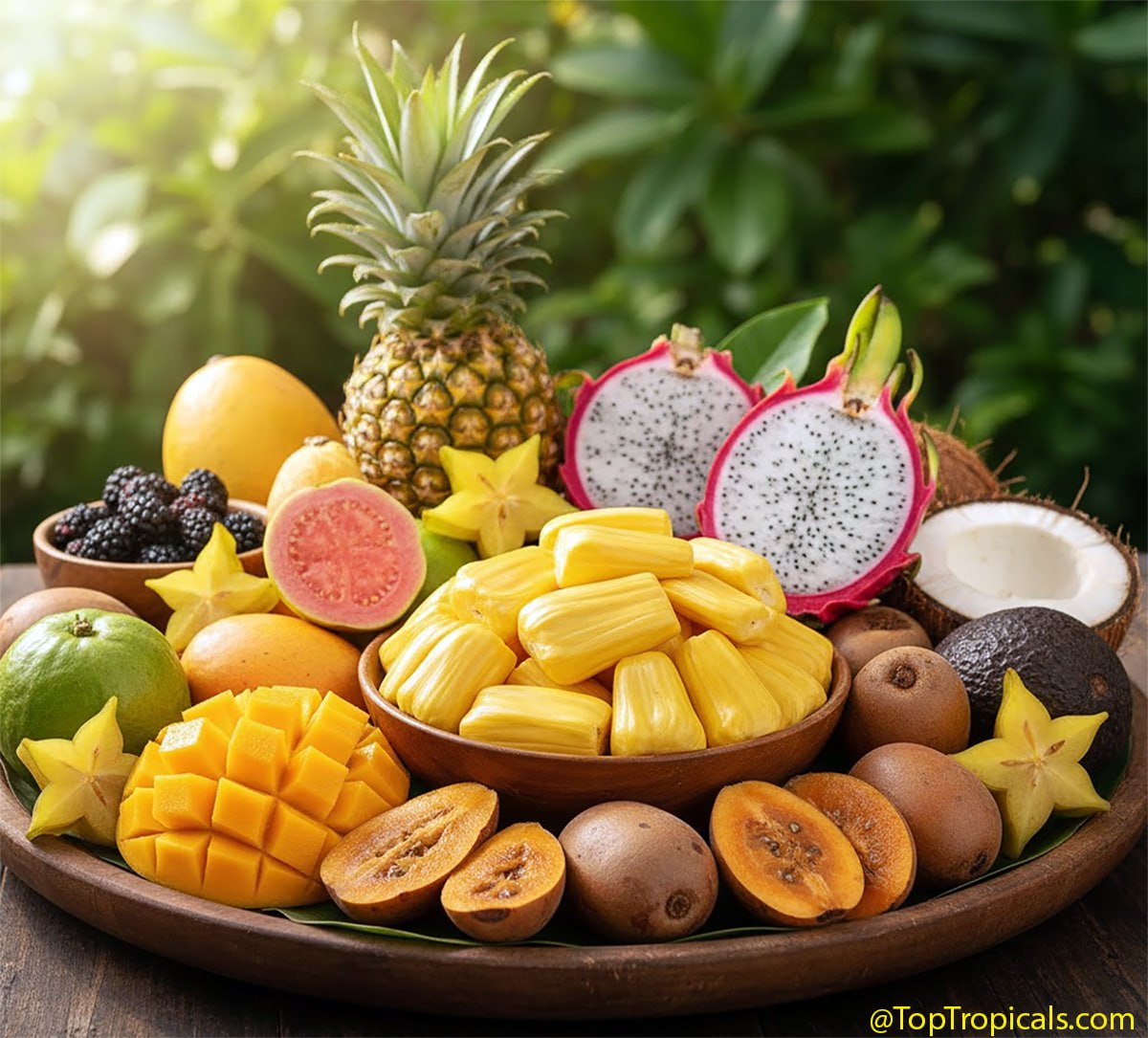
Stop Sugar Crashes: 5 Tropical Fruit Hacks for Healthy Dessert

Exotic Tropical Fruits for Blood Sugar Management. Stop the sugar crash cycle. Learn how to manage glucose levels and insulin spikes using tropical fruits, healthy fats, and metabolic hacks for healthy dessert.

Exotic Tropical Fruits for Blood Sugar Management. Stop the sugar crash cycle. Learn how to manage glucose levels and insulin spikes using tropical fruits, healthy fats, and metabolic hacks for healthy dessert.

🍨 Stop Sugar Crashes: 5 Tropical Fruit Hacks for Healthy Dessert


The smarter way to handle sugar cravings - no restriction required

Tired of the post-cookie slump? Sugar cravings are a physiological response to blood glucose fluctuations, not a lack of willpower. Refined sugars trigger an insulin spike followed by a hypoglycemic crash, trapping you in a cycle of fatigue and hunger.
The secret to metabolic health is managing glycemic load. By choosing nutrient-dense tropical fruits, you satisfy your sweet tooth while maintaining stable energy homeostasis.
The solution is not to give up dessert. It is to change what dessert means. Here is how to use tropical horticulture to hack your biology and regulate insulin:
  • 🍭 1. Choose fruit that comes with fiber


    Whole tropical fruits deliver sweetness wrapped in fiber, water, and nutrients. That slows sugar absorption and keeps energy steady.
    Try:

· Mango, chilled and sliced
  • · Sapodilla - naturally caramel-sweet
  • · Mulberries by the handful
  • · Loquat halves straight from the fridge
  • · Dragon Fruit for light, clean sweetness
Same pleasure. Less crash.
  • 🍭 2. Pair sweet with fat to blunt the glucose spike


    Healthy lipids are a biological hack for your metabolism. Fats slow gastric emptying, ensuring a steady glucose release rather than an inflammatory spike. Furthermore, lipids trigger cholecystokinin (CCK) - the hormone that signals satiety to the brain - effectively "turning off" cravings at the source.

· Avocado blended into a chocolate-style mousse: The monounsaturated fats create a creamy texture while blunting the sugar response.
  • · Banana with nut butter: Combining fast-acting fruit sugars with dense protein and fats.
  • · Pineapple with raw nuts: The bromelain in pineapple aids digestion, while the fats in nuts provide long-lasting satiety.
  • · Mango mixed into full-fat yogurt: The combination of probiotics, protein, and lipids turns a simple fruit into a complete, low-glycemic snack.
When fruit is balanced with fat, cravings calm down instead of escalating.
  • 🍭 3. Use naturally rich fruits in place of sugar


    Some tropical fruits taste like dessert already.

· Jackfruit has candy-like sweetness
  • · Sapote is creamy and custard-like
  • · Guava brings floral depth
  • · Cherries add brightness
  • · Mash Banana into baking instead of white sugar.
  • · Blend Mango into yogurt instead of syrup.
  • · Top oatmeal with Mulberry instead of brown sugar.
Dessert stays. The crash disappears.
  • 🍭 4. Balance sweet with tart


    Adding contrast reduces the urge to overeat sweetness.

· Carambola adds crisp tang.
  • · Pineapple brightens the palate.
  • · Loquat gives gentle acidity.
Balanced flavors satisfy faster.
  • 🍭 5. Start the day right


    Skipping breakfast increases late-day sugar cravings.
    A morning smoothie with Avocado, Banana, and Mango prevents the afternoon energy dip. Hydration also matters - thirst often disguises itself as a sweet craving.
  • 🍭 In essence


    Dessert is not the enemy. Refined sugar is.
    When sweetness comes from nature's bounty, it nourishes instead of draining energy.
    You do not need to quit dessert.
    You just need to let nature handle it.

    Consult with a healthcare professional before making significant dietary changes, especially if you have diabetes or metabolic conditions


🛒 Start your tropical fruit journey

Annona · Guava · Mango · Sapodilla · Mulberry · Pineapple · Avocado · Banana · Loquat · Dragon fruit · Jackfruit · Sapote · Cherries · Carambola

📚 Learn more:


#Food_Forest #Remedies #Discover

🟢 Join 👉 TopTropicals