Garden Blog - Top Tropicals

Date: 24 Jul 2023

Easy, stress-free plants
for Summer planting

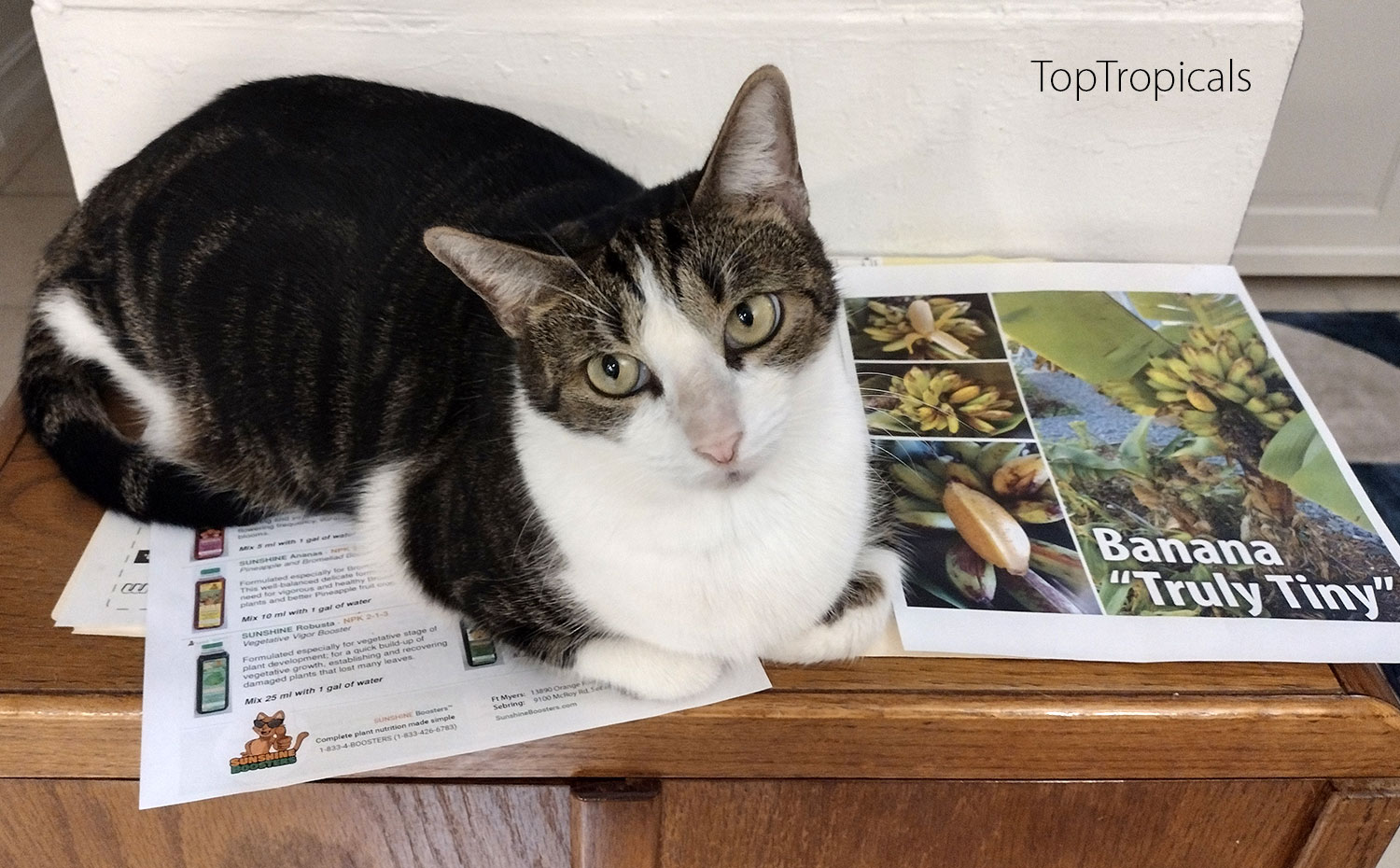
Cat  with  Bananas

Q: With the rising temperatures, I'm concerned about shipping my plants safely. Can they withstand the heat during transit? Also, is it okay to plant them in the ground now, or should I wait for cooler Fall weather?

A: Your concern about shipping plants in hot weather is valid. For sensitive plants, we'll delay shipping until conditions are more favorable in your area. However, there are plenty of heat-tolerant tropical plants that handle shipping well with minimal stress. These plants adapt easily when planted during the hot summer months. Simply follow the included planting instructions, gradually acclimate them to full sun, and they should thrive.

Certain flowering tropical plants, such as Allamandas, Calliandras, Caesalpinias, Adeniums, and Clerodendrums, are excellent options for shipping and establishing during the summer. Flowering vines like Jasmines also adapt well. Consider using Sunshine Booster fertilizers to promote robust growth, they are safe to use right after planting.

Additionally, many fruit trees flourish in heat. Mangoes, Avocados, Pomegranates, Pineapples, Loquats, Eugenias - Tropical cherries, Bananas, Jackfruits, Dragon Fruit, and Olive trees are great choices for summer planting. Noni trees are hardy survivors and usually ship and grow well during the summer, in spite of their lush tropical leaves.

Feel free to check with us about the specific plant you plan to order for its suitability in summer shipping. We're here to take care of your green babies and address your year-round planting needs!

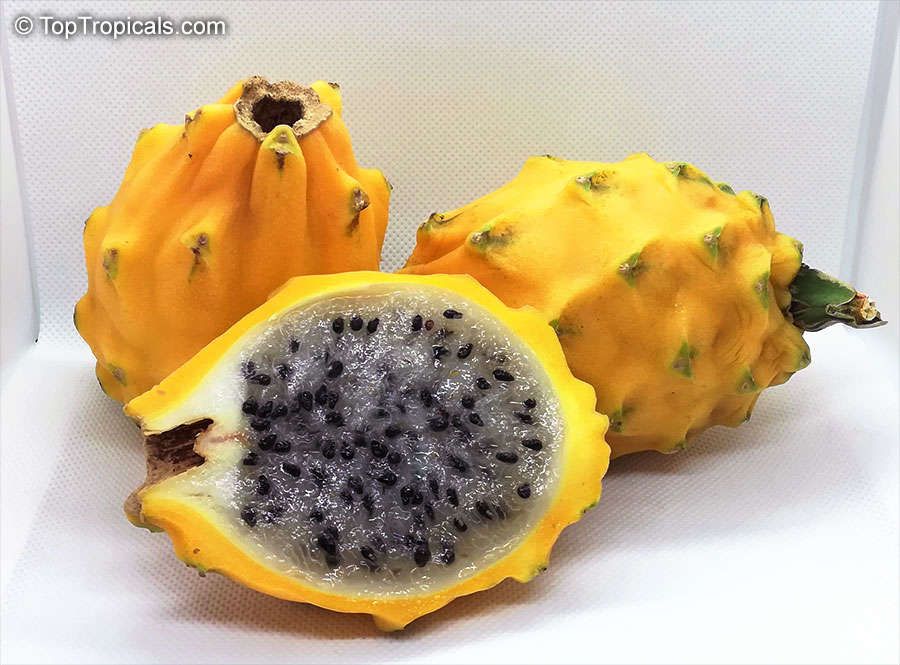
Pitaya  Yellow  Dragon  Fruit,  Selenicereus  megalanthus

Pitaya, Yellow Dragon Fruit, Selenicereus megalanthus

Cat  with  Bananas

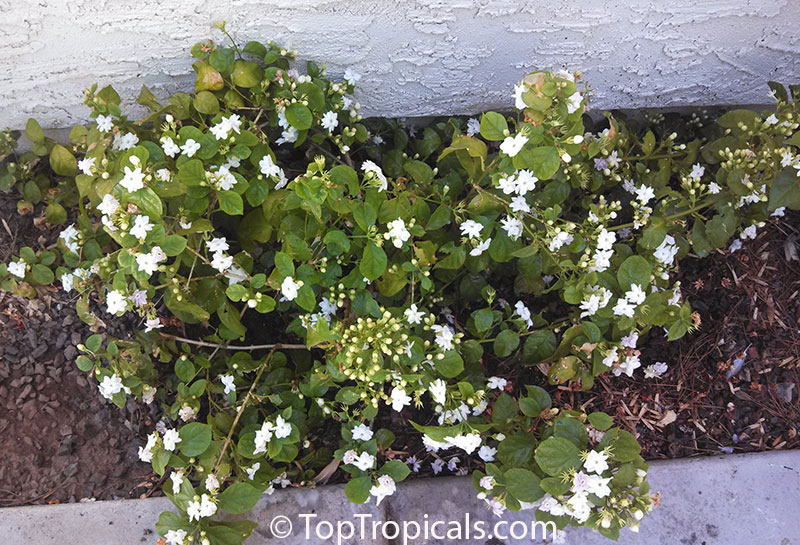
Jasminum sambac Maid of Orleans thrives and blooms in hot sun

Cat  with  Bananas

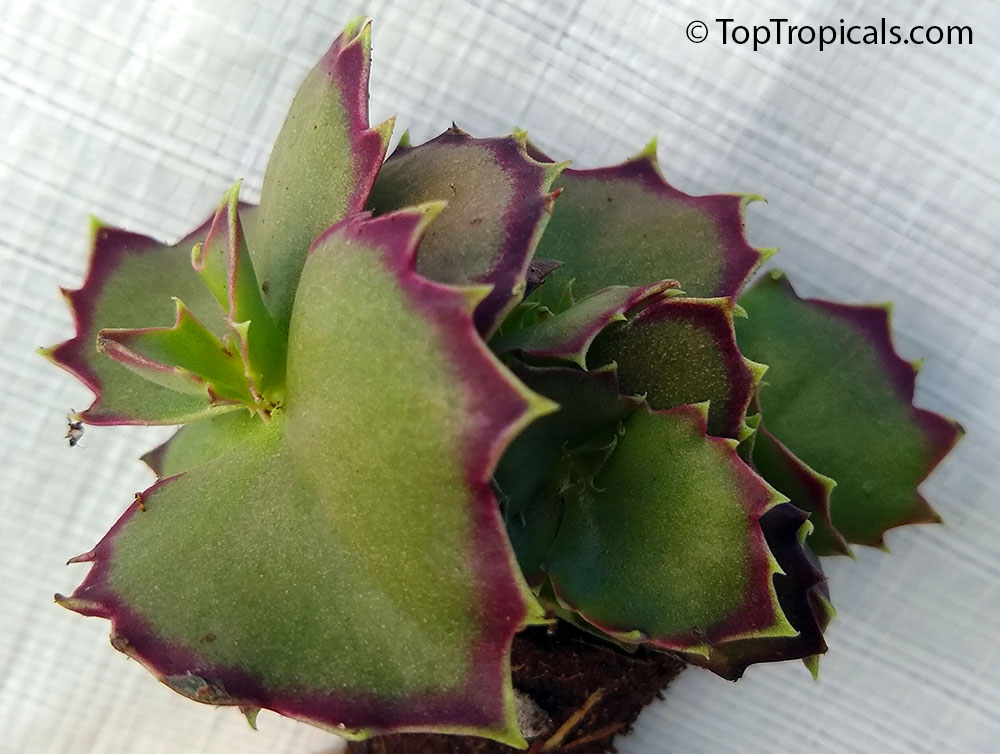
Kalanchoe synsepala Magnificent - Walking Cup Kalanchoe, spectacular plant, loves dry and hot conditions

Date: 15 Aug 2021

How to grow Cerbera and make it flower
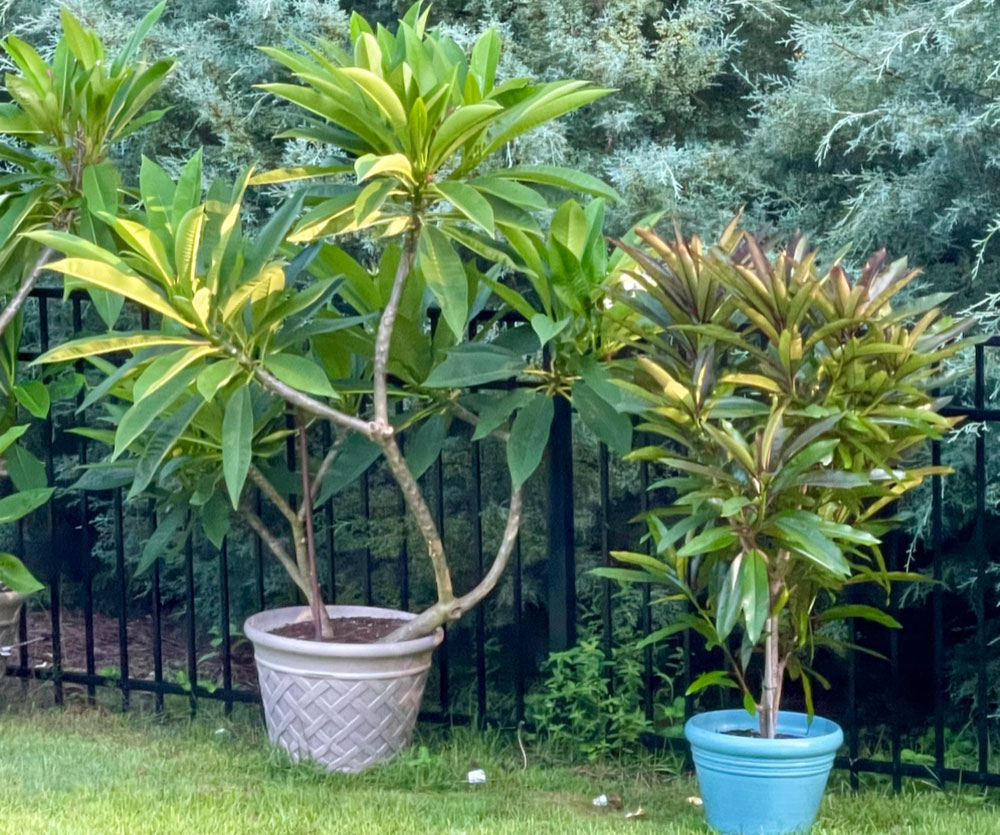
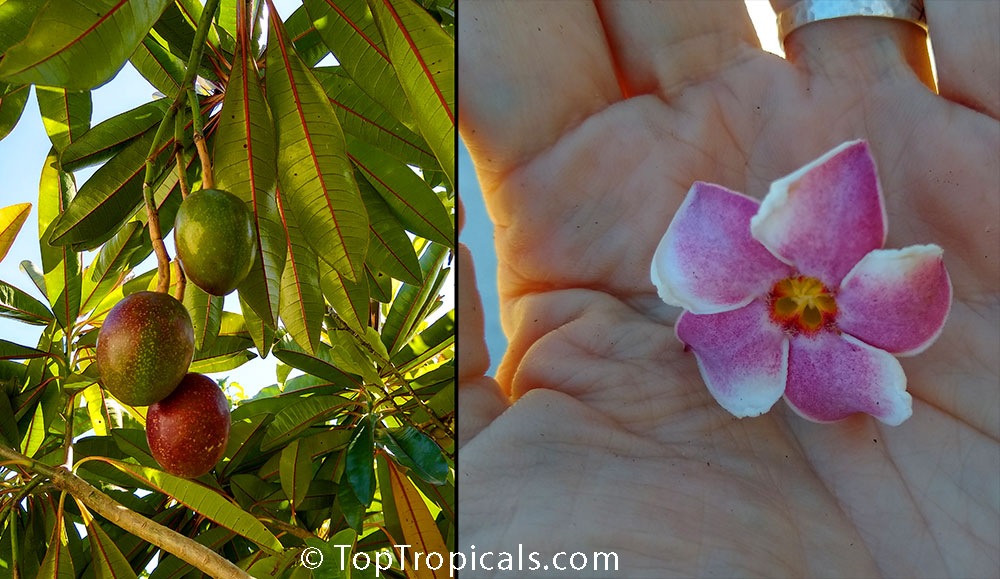
Q: I purchased Cerbera manghas - Enchanted Incense a year ago. As you see from the photo, it's doing great however, no blooms. I fertilize properly and very often and use worm castings for micronutrients. Yes it's not "your" fertilizer, but my plumerias, that are also in pots they are over 5 feet tall and blooming like crazy. I don't see any inflows coming on the Cerbera at all and it is hot and humid here in North Carolina, so it's happy but no sign of blooming. What is your advice?

A: Top Tropicals first brought Cerbera manghas into the US plant market a few years ago, it was recommended to us by our friend, plant taxonomist John Mood who visited Thailand, and among other exotic plants noted this fragrant beauty. Since then we've been successfully growing this plant, it has become one of everybody's favorites.

Generally speaking, Cerbera culture is very similar to Plumerias. These plants are closely related. So if you know how to grow Plumeria, you sure will succeed with Cerbera. Hot and sunny location, well-drained mix, moderate water and bloom boom fertilizer will do the trick. However, we have noticed a few distinctive features that make this plant somewhat challenging at times.

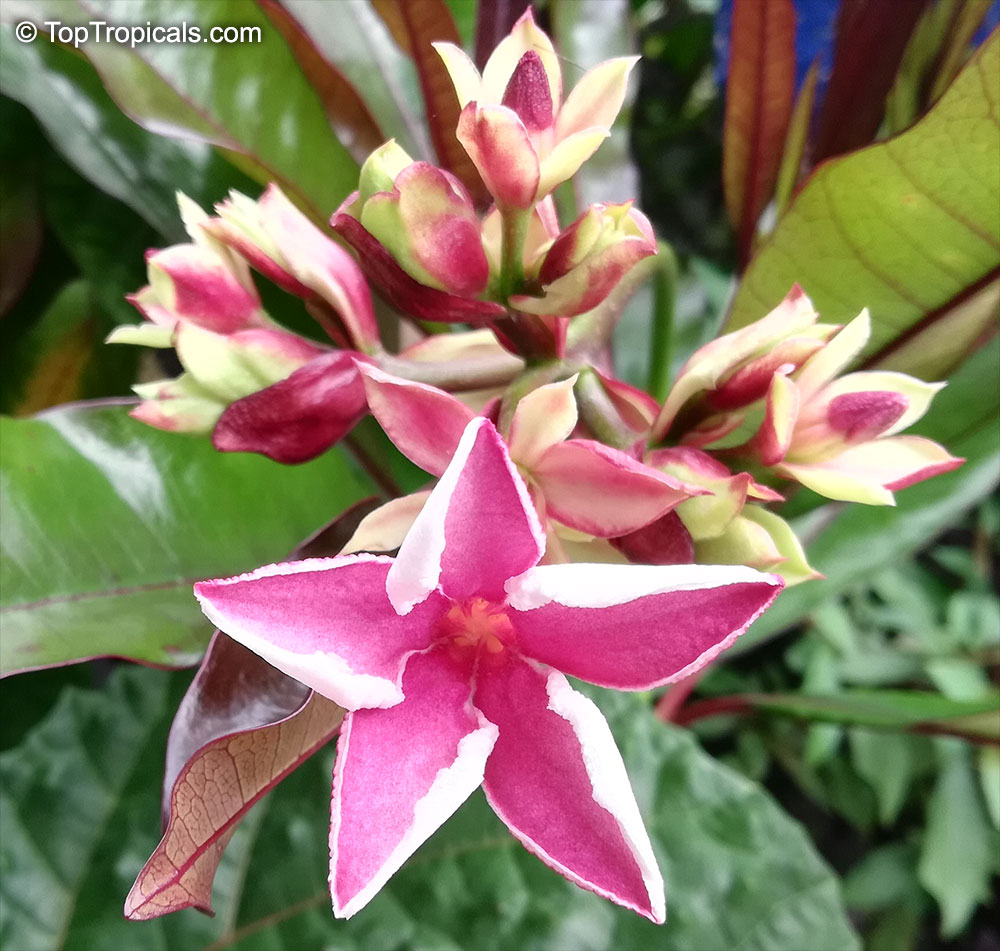
1) Flowers

For past years, we've been studying what triggers its flowering. Sometimes these plants start flowering in 1 gal pot, 1 ft tall. Other times a large developed tree 5-6 ft tall, in 5-7 gal pot, grows beautiful foliage with no signs of flowers. Eventually all of them bloom, no matter how stubborn they are, it's just some individual plants start flowering sooner than others, all grown in the same conditions.
One of our plants in the ground, a well-branched tree, was covered with flowers for a few months, but only on the 3d year after planting. Before that, it only produced a few random blooms. Others bloomed in pots at very young age.
The following factors benefit to Cerbera flowering:
- full sun at least 10 hours a day
- hot temperatures above 85F
- regular water but not heavy rains
- regular fertilizer - Bloom Booster type
- very good drainage and drying out before waterings. If root ball stays moist, the plant may look healthy but won't set flower buds. Keeping on a dry side will encourage flowering. Very similar to Jasmines: they bloom like crazy in April while it's hot and dry in Florida, but once our summer rainy season starts, they reduce blooming.

We highly recommend using Sunshine Megaflor bloom booster or SUNSHINE Pikake in combination with micro-element supplements Sunshine Honey (B-Mo) and Sunshine Superfood (complex micro) that induce flowering. Dry and granulated fertilizers may not supply exactly what a plant needs: certain elements that trigger flowering may be missing. Sunshine Boosters formulas are scientifically balanced, they contain precise amounts of nutrients needed for setting flowers. Besides, excessive salts from regular dry fertilizers create nutrient lock up that may retard plant metabolism; with liquid amino-acid based Sunshine boosters, plants consume the whole menu of elements without building them up in the soil.
2) Fruit

Fruit of Cerbera are very pretty and cover the tree after profuse flowering. To inexperienced eye they may look very much like small mango or avocado fruit - so make sure kids or visitors don't try to eat them! Cerbera seeds are extremely poisonous.

3) Leaves

If you ever grew Passiflora or Milkweed, you know how leaves can be eaten by caterpillars overnight. This may happen to Cerbera too, as we discovered. In Florida environment this exotic plant doesn't have natural predators for protection from certain insect species that may feed on it. So watch out and if noticed first signs of leaves damage - its time for insect control.
Other than that, Cerbera foliage is usually beautiful and colorful, here in Florida it looks much healthier than that of Plumerias often affected with rusty residue during high humidity months.

Hope this helps. The Cerbera fragrance is enchanting, it is worth the efforts and waiting!

Date: 7 Aug 2020

Healthy Plant Food

Q&A from Mr Booster

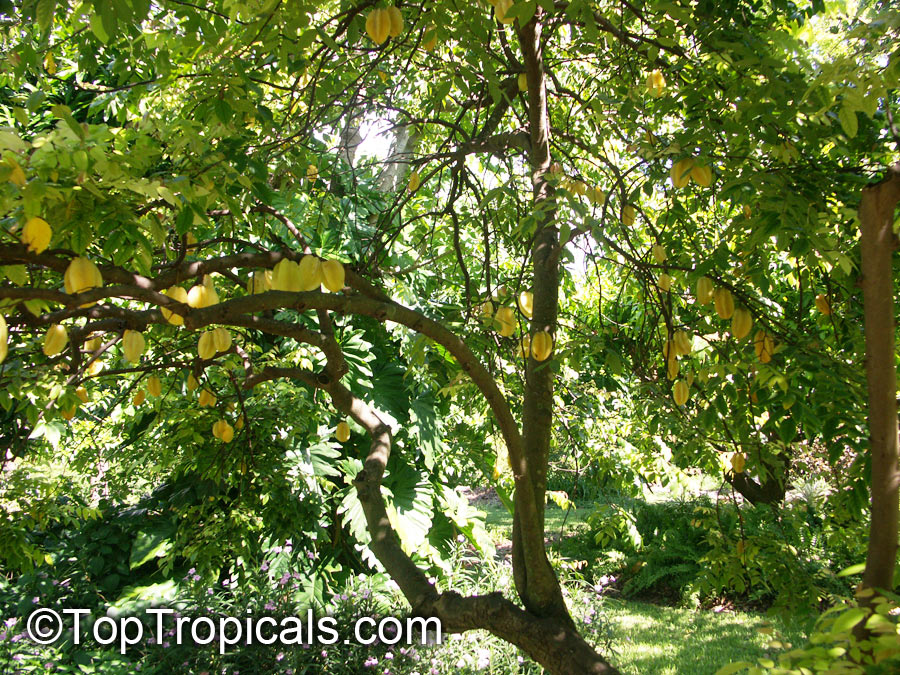
Plant food for a Star Fruit

Q: I have 2 Starfruit plants from you. One on the left is B10 has a lot of flowers but no fruit is developing. On the rite is Kenjeng. This one has no flowers at all. Both plants are growing very well. Plenty of sun and water. I am located in Boynton Beach Florida. So what to do?

A: Your trees on the pictures look very healthy, congratulations with a great care!
Starfruit, as well as other grafted fruit trees (like mango, avocado, etc) usually flower/fruit easily and readily while in pots in the nursery. Sometimes, once planted in the ground, they may reduce flowering or even stop flowering. What happened?
The answer is simple. In pots, we fertilize them on regular basis. In our nursery, we have fertilizer injector inline with irrigation system that dozes plant food with EVERY watering. In other nurseries, they may also use slow-release fertilizers, but it is still a regular routine to provide plant food to potted plants.
In the ground, especially in Florida poor soils, fruit trees may stop flowering or delay fruiting due to lack of nutrients, or dis-balance of elements in the ground. Without fertilizer, a tree may take extra time to develop bigger root system to reach out for necessary elements, and eventually will start fruiting anyway.
But we want it to fruit soon! The only way to fix the problem is to provide fertilizer on regular basis for a young tree. It is especially important during hot summer months when plant metabolism is fast due to high temperatures, plus nutrients may get washed away with frequent summer rains (like we have in Florida) even if you've added some fertilizer at time of planting.

You can use smart release fertilizer once a month during hot season, this one or similar:
Mango-Food - Smart Release Fruit Tree Booster.

But the most effective way to get a tropical tree to flowering and fruiting, is frequent applications of liquid fertilizer. We use Sunshine Boosters with every watering on our plants. They work great even on hard cases and weak plants, and you see the difference in a matter of weeks, sometimes even days.
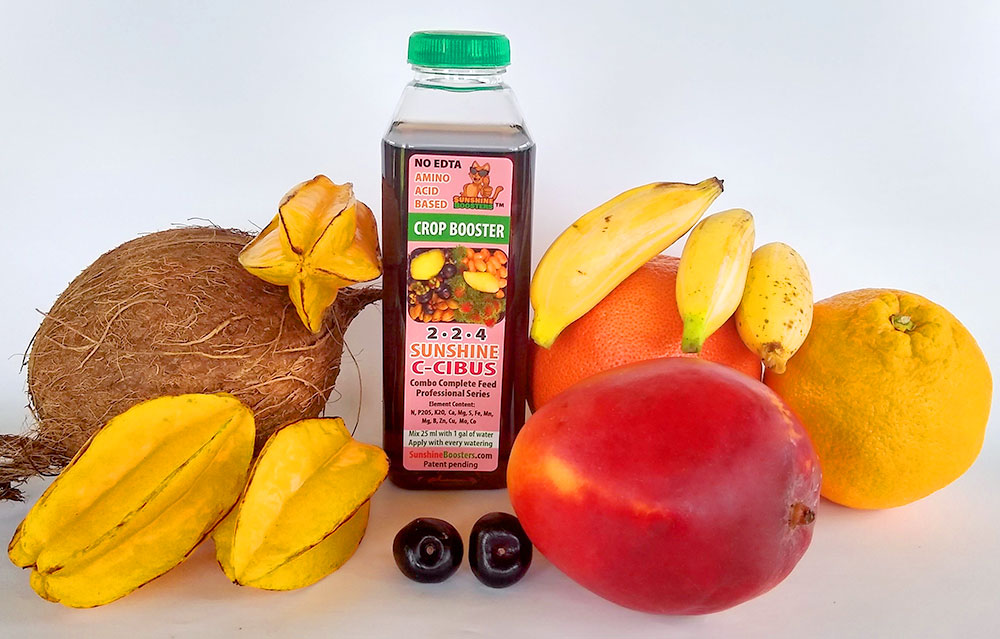
We recommend the following fertilizer that contains all necessary elements for young fruit trees: SUNSHINE C-Cibus - Crop Nutrition Booster

SUNSHINE C-Cibus - Crop Nutrition Booster from Garden Series, or Combo Total Feed Collection - all nutrients in just one bottle, for fruit trees and edibles.

Date: 22 May 2024

What was not on cats diet

🐈 What was not on cat's diet... but now it is.

Philemon loves Avocado, and Bob loves corn 🌽

Tastes differ. Good night.🌜

📸 😺 👇 Share your cats in comments!

🐾 #PeopleCats in our Garden:
PeopleCats.Garden

🏵 TopTropicals

Date: 2 Jul 2024

Say Cheese! Bob is eating his favorite shredded cheese and purring - sound on!

🍿 Say Cheese! Bob is eating his favorite shredded cheese and purring - sound on! 🎤


He has extended healthy diet beyond his Corn and Philemon's Avocado.

🕯 Good night...

What special treats do your cats like? Share your cats in comments!
📸 🐈🐈🐈👇

🐾 More #PeopleCats in our Garden:
PeopleCats.Garden 

🏵 TopTropicals