Garden Blog - Top Tropicals

Date: 10 Jan 2026

Long pepper curry: quick-n-fun exotic recipes
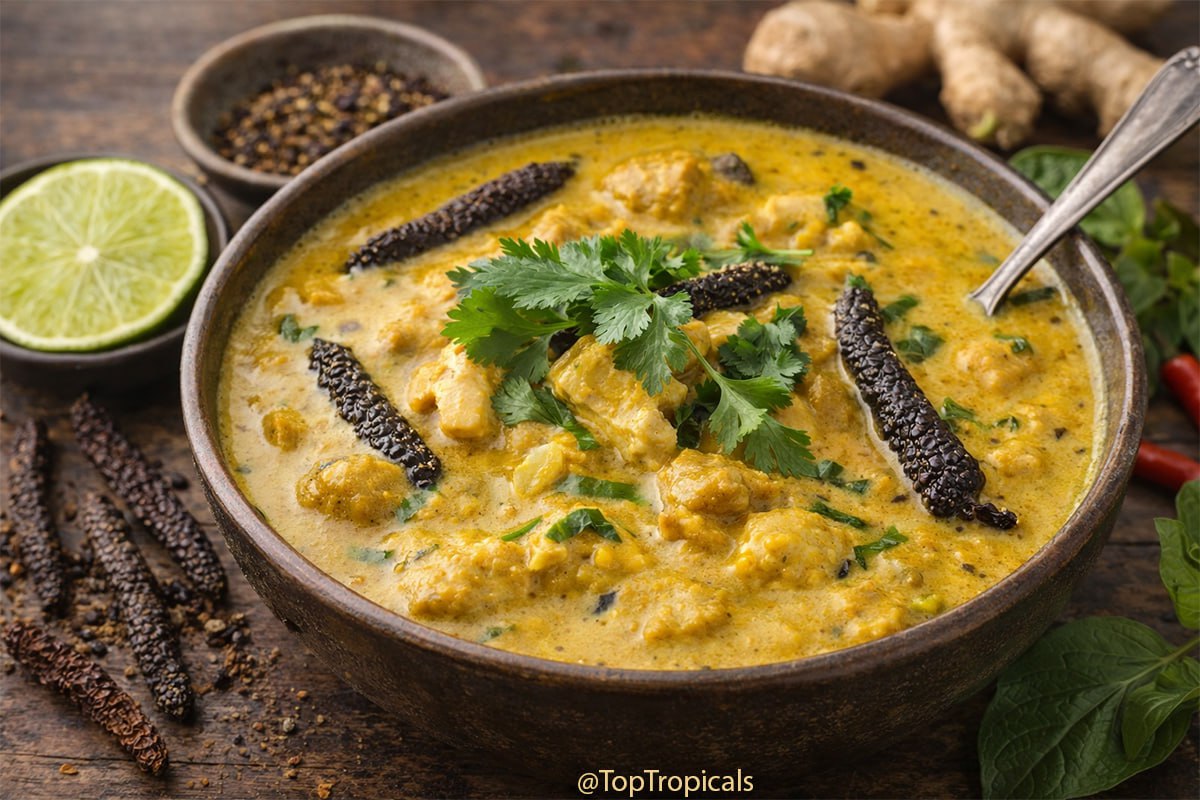
Long pepper curry
Long pepper curry

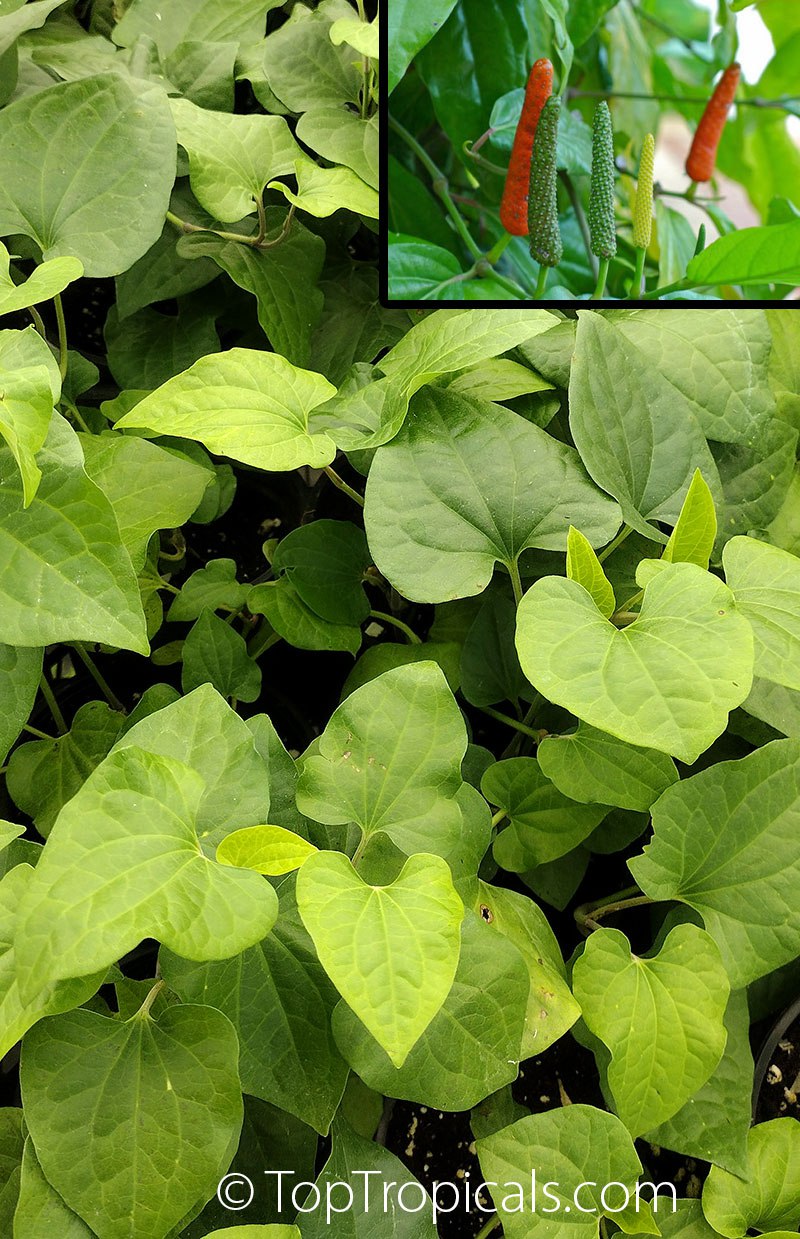
Piper longum - Indian Long Pepper, Bengal Pepper or Pippali

Piper longum - Indian Long Pepper, Bengal Pepper or Pippali

🍴 Long Pepper Curry (Quick-n-Fun Exotic Recipe)

Ingredients

  • 1 can (13.5 oz) coconut milk
  • 1/2 tsp crushed dried long pepper (Piper longum)
  • 1 tbsp vegetable or coconut oil
  • 1 small onion, finely chopped
  • 2 cloves garlic, minced
  • 1 tsp fresh grated ginger
  • 1/2 tsp turmeric
  • Salt to taste
  • Fresh cilantro for garnish (optional)

Instructions

  1. Heat oil in a pan over medium heat.
  2. Add onion and saute until soft and translucent.
  3. Add garlic, ginger, turmeric, and crushed long pepper. Stir for 30 seconds.
  4. Pour in coconut milk and bring to a gentle simmer.
  5. Cook for 8 to 10 minutes, stirring occasionally.
  6. Season with salt and garnish with cilantro before serving.

🌿 About the plant:


Indian long pepper, also known as Pippali or Bengal pepper (Piper longum), is an ancient spice and medicinal plant from South Asia. Closely related to black pepper, it has a warmer, slightly sweeter heat and a complex aroma. Long pepper has been used for centuries in traditional medicine for respiratory and digestive support, including coughs, congestion, and stomach discomfort.

🌱 In the garden:


Piper longum grows as a climbing vine or shrubby climber that can be trained on a trellis, fence, or tree. It prefers warm conditions, regular moisture, and shade to partial shade. The plant starts with heart-shaped leaves that become more elongated as it matures, making it both useful and ornamental in tropical and subtropical gardens.

🛒 Add an easy plant - Indian Long Pepper - to your garden

📚 Learn more:

Bengal Pepper Plant Facts

Botanical name: Piper longum
Also known as: Bengal Pepper, Indian Long Pepper, Pippali, Piplamul
USDA Zone: 9 - 11
Highligths Large shrub 5-10 ft tallVine or creeper plantFull sunWatering: Regular. Let topsoil dry slightlySpice or herb plantEthnomedical plant.
Plants marked as ethnomedical and/or described as medicinal, are not offered as medicine but rather as ornamentals or plant collectibles.
Ethnomedical statements / products have not been evaluated by the FDA and are not intended to diagnose, treat, cure, or prevent any disease. We urge all customers to consult a physician before using any supplements, herbals or medicines advertised here or elsewhere.
Get personalized tips for your region

Piper longum - Indian Long Pepper, Bengal Pepper or Pippali - in Plant Encyclopedia
How to grow your own Pepper plants. Five most valuable 'Pipers'

#Food_Forest #Recipes #Remedies

🟢 Join 👉 TopTropicals
Date: 8 Jan 2026

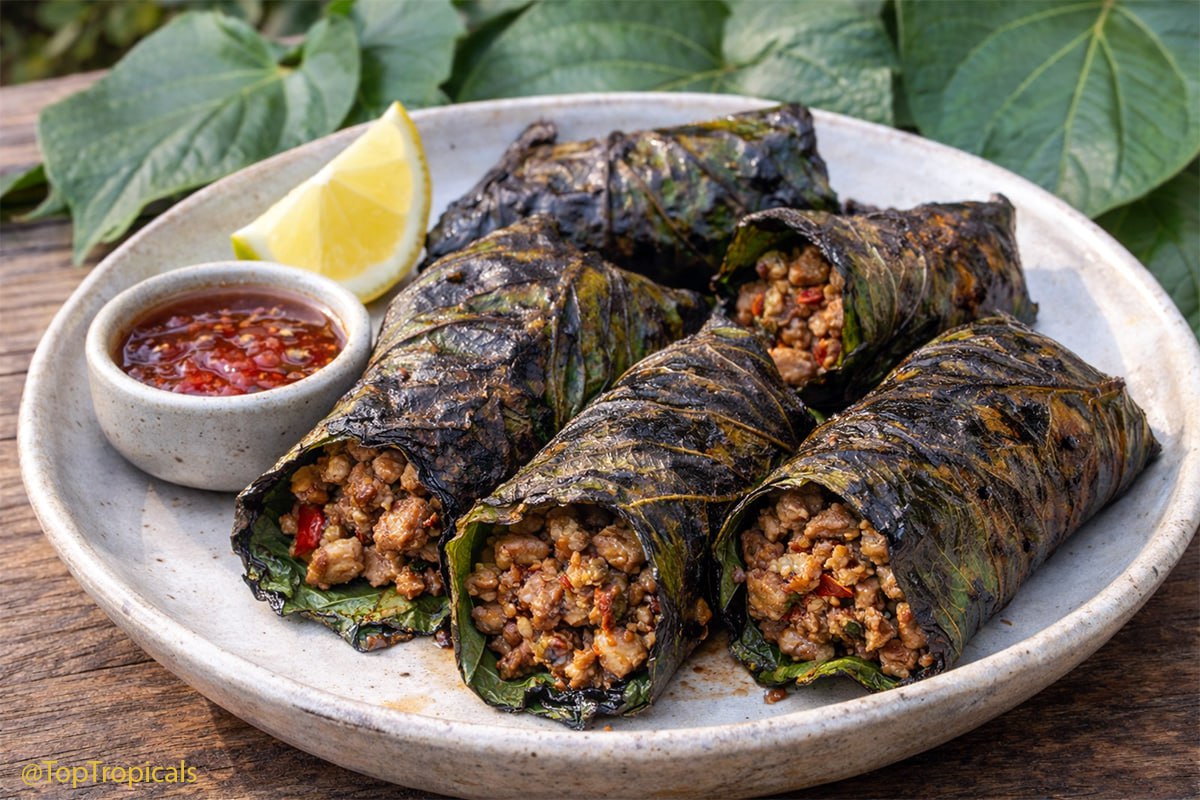
Root beer leaf wraps: quick-n-fun exotic recipes

Root beer leaf wraps

Root beer leaf wraps

Piper auritum - Root Beer Plant

Piper auritum - Root Beer Plant

🍴 Root Beer Leaf Wraps

Ingredients

  • 6 to 8 large fresh Root Beer leaves (Piper auritum)
  • 1 lb ground meat or firm tofu
  • 1 small onion, finely chopped
  • 2 cloves garlic, minced
  • 1 tbsp vegetable oil
  • Salt and pepper to taste
  • Optional: chili flakes, paprika, or cumin
  • Lemon wedges, for serving

Instructions

  1. Rinse the Root Beer leaves and pat dry. Trim thick stems if needed.
  2. In a bowl, mix ground meat or tofu with onion, garlic, oil, salt, pepper, and spices.
  3. Place a portion of filling onto each leaf and roll tightly into wraps.
  4. Grill over medium heat until the leaves are lightly charred and the filling is cooked through.
  5. Serve warm with lemon wedges or dipping sauce.

☘️ About the plant:


Piper auritum - Root beer plant, also known as Acuyo or false Kava-Kava, is a large-leaved tropical herb native to Central and South America and also grown in the South Pacific. It belongs to the same family as Kava-Kava and black pepper. The leaves are prized for their bold, aromatic flavor, often described as root beer, anise, or clove-like. Traditionally, the leaves are chopped for seasoning or used whole as natural wrappers for meats, fish, and tamales.

🌱 In the garden:


Piper auritum is easy to grow in warm climates and forms a lush, fast-growing perennial. Its huge, soft leaves - often over a foot long - make it both edible and ornamental. It prefers warmth, moisture, and partial shade and is often mistaken for Kava-Kava due to its similar appearance and close relation.

🛒 Plant the beautiful Root Beer Plant - it always will be with you

📚 Learn more:

Root Beer Plant Facts

Botanical name: Piper auritum
Also known as: Root Beer Plant, Mexican Pepperleaf, Hoja Santa , Veracruz Pepper, False Kava-Kava, Sacred Pepper
USDA Zone: 8 - 11
Highligths Large shrub 5-10 ft tallSmall plant 2-5 ftSemi-shadeShadeFull sunWatering: Regular. Let topsoil dry slightlyKeep soil moistInvasive plantSpice or herb plantEthnomedical plant.
Plants marked as ethnomedical and/or described as medicinal, are not offered as medicine but rather as ornamentals or plant collectibles.
Ethnomedical statements / products have not been evaluated by the FDA and are not intended to diagnose, treat, cure, or prevent any disease. We urge all customers to consult a physician before using any supplements, herbals or medicines advertised here or elsewhere.Irritating plantSubtropical plant. Mature plant cold hardy at least to 30s F for a short time
Get personalized tips for your region

Piper auritum - Root Beer Plant in Plant Encyclopedia
How to always have your own Root Beer
How to grow your own Pepper plants. Five most valuable 'Pipers'

#Food_Forest #Recipes

🟢 Join 👉 TopTropicals

Date: 2 Jan 2026

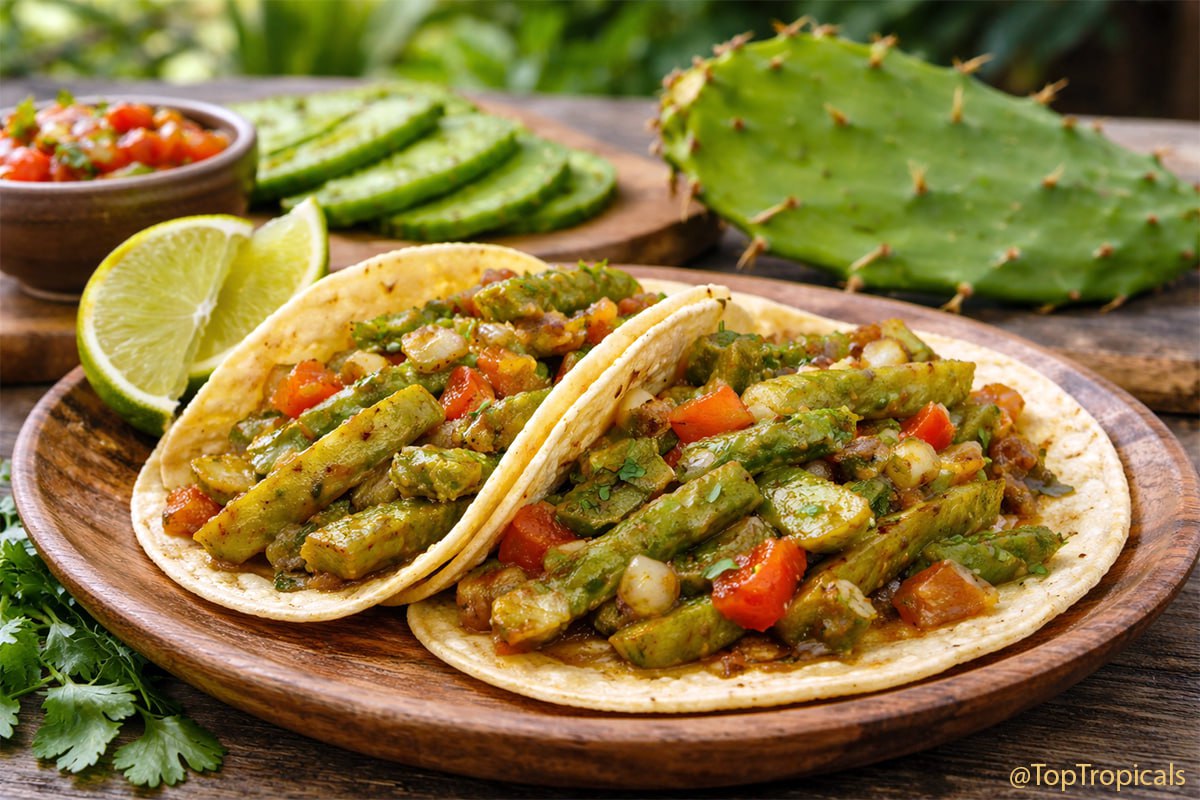
Velvet Nopal tacos: quick-n-fun exotic recipes

Velvet Nopal tacos

Velvet Nopal tacos

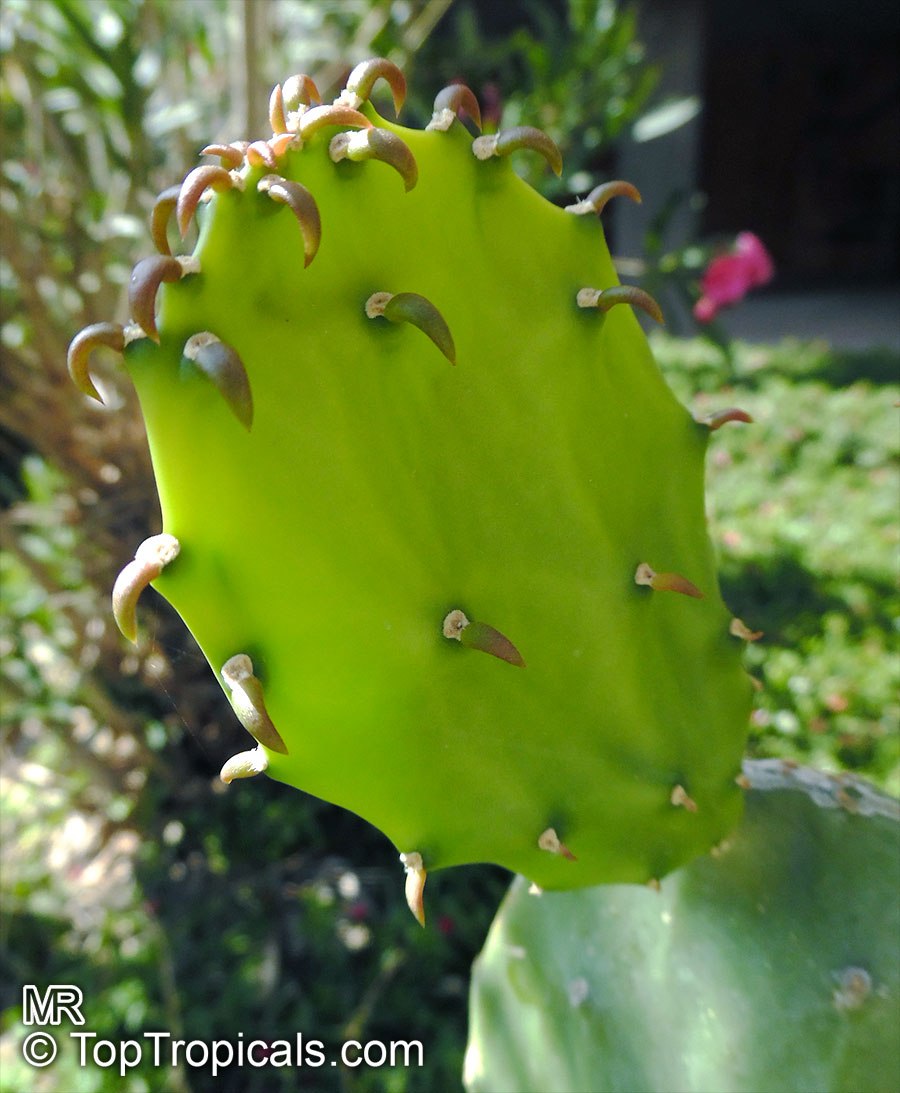
Opuntia cochenillifera - Velvet Nopal Cactus, Prickly Pear

Opuntia cochenillifera - Velvet Nopal Cactus, Prickly Pear

🍴 Velvet Nopal Tacos

Ingredients

  • 2 to 3 tender velvet nopal pads (Opuntia cochenillifera)
  • 1 small onion, diced
  • 1 small tomato, diced
  • 1 tablespoon vegetable oil
  • Salt to taste
  • Corn tortillas

Instructions

  1. Remove spines from nopal pads and slice into strips.
  2. Boil the sliced nopal for 5 minutes, then drain well.
  3. Heat oil in a pan and saute onion until soft.
  4. Add tomato and cooked nopal, season with salt, and saute until tender.
  5. Serve warm in corn tortillas.

🌵 About the plant:


Nopal Opuntia (prickly pear cactus pads) is a cornerstone vegetable in Mexican cuisine and a long-standing staple across Central and South America. It is valued both as food and medicine. Traditionally eaten sauteed, grilled, or stewed, nopal is rich in fiber, minerals, and antioxidants. It is especially well known for its role in blood sugar management - many people who eat it regularly report significant improvement in diabetes control.

🌱 In the garden:


Prickly pear is a fast-growing, tough desert plant with showy red flowers. It thrives on neglect, tolerates drought, and also handles Florida rain surprisingly well. Easy to grow, productive, and edible, it is one of the most practical food plants you can add to your landscape.

🛒 Add Nopal Cactus to your kitchen garden

📚 Learn more:

Cochineal Cactus Plant Facts

Botanical name: Opuntia cochenillifera, Nopalea cochenillifera, Opuntia nuda
Also known as: Cochineal Cactus, Warm hand, Velvet Opuntia, Nopales Opuntia, Nopal Cactus
USDA Zone: 8 - 11
Highligths Large shrub 5-10 ft tallSemi-shadeFull sunWatering: Moderate. Water when top soil feels dryRed, crimson, vinous flowersEdible plantSubtropical plant. Mature plant cold hardy at least to 30s F for a short time
Get personalized tips for your region

Opuntia cochenillifera - Velvet Nopal Cactus, Prickly Pear in Plant Encyclopedia
Edible cactus with health benefits that your tortoise will love too

#Food_Forest #Recipes #Remedies

🟢 Join 👉 TopTropicals
Date: 9 Jan 2026

Mango Tree for Zone 5: top 15 Condo Mango for growing in cold areas

Mango Tree for Zone 5

🥭 Mango Tree for Zone 5: top 15 Condo Mango for growing in cold areas


🥭 Can you grow a mango tree in Zone 5? Short answer - yes! The trick is - containers!
Mango trees are tropical plants but they do great in pots when you choose the right varieties.

🥭 Compact types stay short, respond well to pruning, and produce in containers.
You can grow them on a patio, balcony, even move them indoors in your condo for winter. That is why they are called condo mangoes!
During warm months, they live outside.
When cold weather hits, they come inside.

🥭 With good light, proper watering, fertilizing, and some patience, these trees can reward you with real mangoes. Not a farm harvest, but enough to enjoy and share.

🏆 Most popular Condo Mango varieties:


Baptiste
Carrie
Cogshall
Diamond
Fairchild
Ice Cream
Julie
Keitt
Lancetilla
Lemon Meringue
Mallika
Nam Doc Mai
Okrung
Pickering
Venus

🛒 Discover Condo Mango

📚 Learn more:
What are the Condo Mangos - a practical guide
Top 10 Dwarf "Condo" Mango, great for container culture
Best tropical fruit and edibles to grow in Zone 5 and anywhere outside the Tropics

#Food_Forest #How_to #Discover #Mango

🟢 Join 👉 TopTropicals

Date: 16 Dec 2019

Meet PeopleCats of TopTropicals. Cat of the Day: Jim the Founder

Jim is the oldest cat of Top Tropicals. In fact, he is one of the Founders. In 2004 a tiny kitten showed up at first TopTropicals Nursery - a small quarter acre in Ft Lauderdale... Jim looked very important and confident and told us that he wants to stay with us because he sees a great future for TopTropicals... and he was right. Since then, Jim traveled with us through all nursery locations we ever had!

Jim used to lay on top of a warm monitor and help with our first website designs... if you look at his favorite monitor in the picture, you now can imagine how old this cat is!
In spite of his age, Jim is very active and likes to eat a lot. He believes that a good meal is key to a healthy living, and prefers variety. He eats everything: meat, fish, soup, pasta, pizza, veggies, cucumbers, salad... eats well and stays healthy!
Jim happily participates in all costume parties. Yes, it is him in a Santa costume greeting you at the top of this newsletter!

Don't miss out: Loquat Big Jim - we only have 4 plants, they all named after Jim!

Check out and more Cat of the Day stories.