Garden Blog - Top Tropicals

Date: 15 Apr 2026

7 best exotic dwarf trees for maximum impact in small tropical landscapes
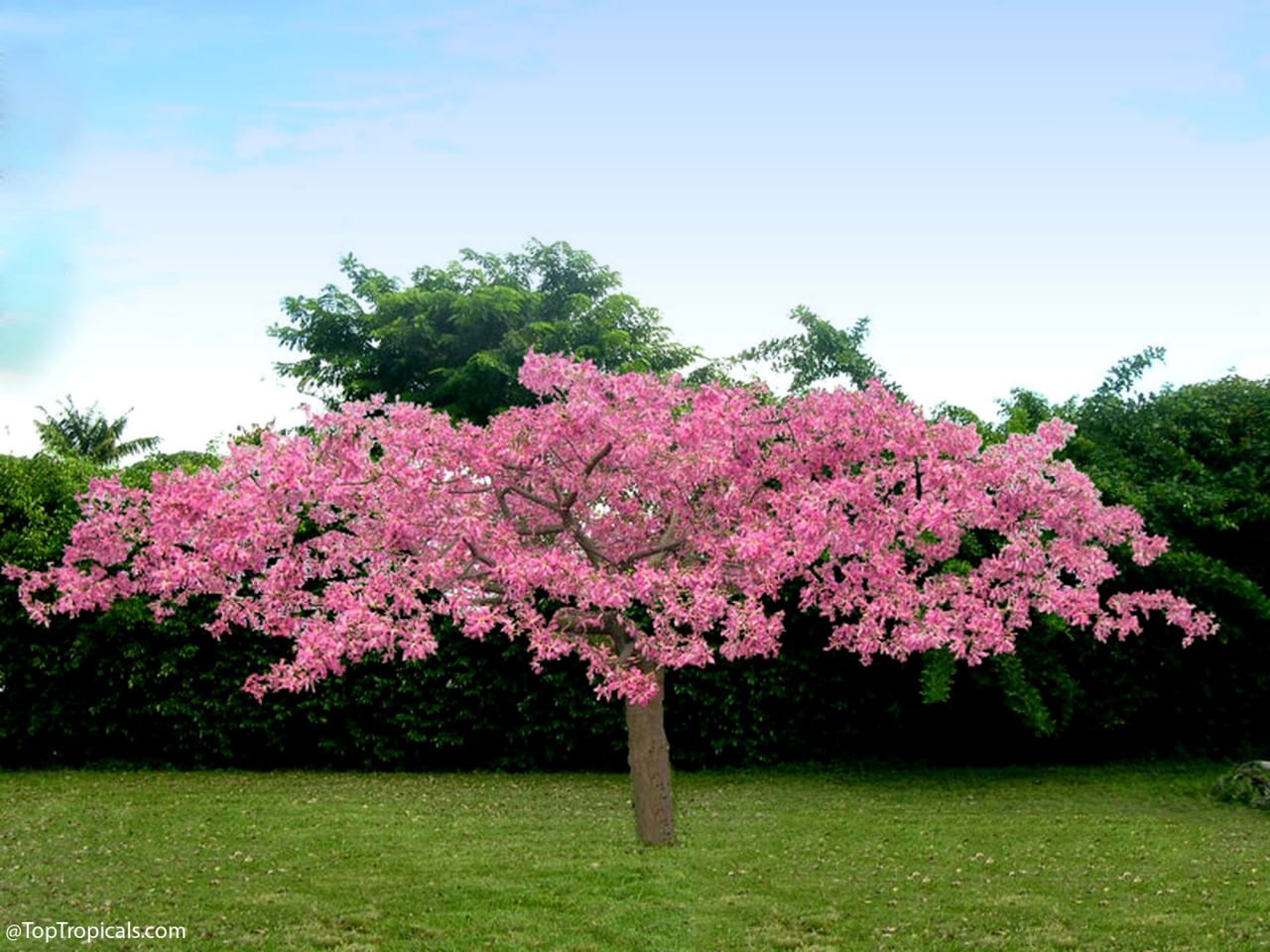
Dwarf Pink Princess Silk Floss Tree (Ceiba hybrid)
Dwarf Pink Princess Silk Floss Tree (Ceiba hybrid)

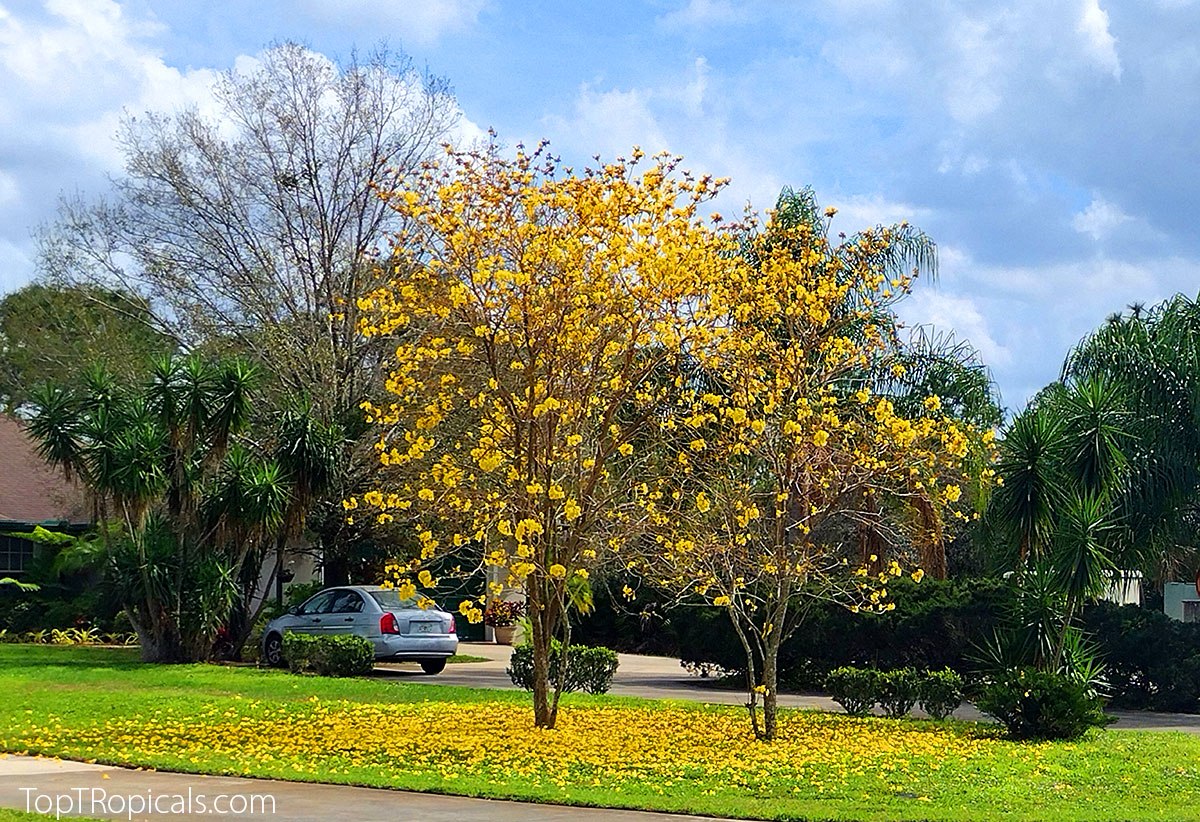
Dwarf Golden Tabebuia (Tabebuia chrysotricha)
Dwarf Golden Tabebuia (Tabebuia chrysotricha)

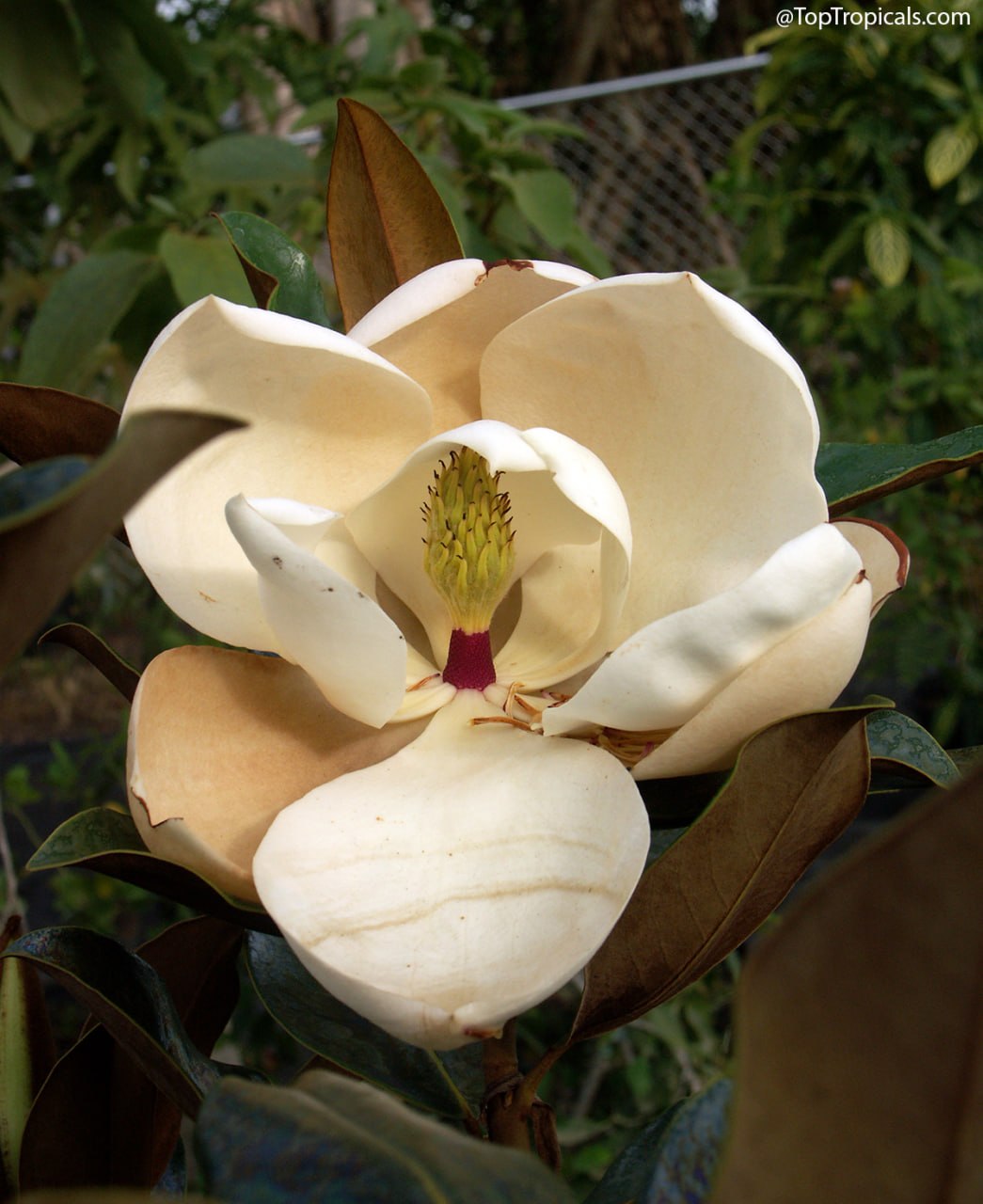
Little Gem Southern Magnolia (Magnolia grandiflora)
Little Gem Southern Magnolia (Magnolia grandiflora)

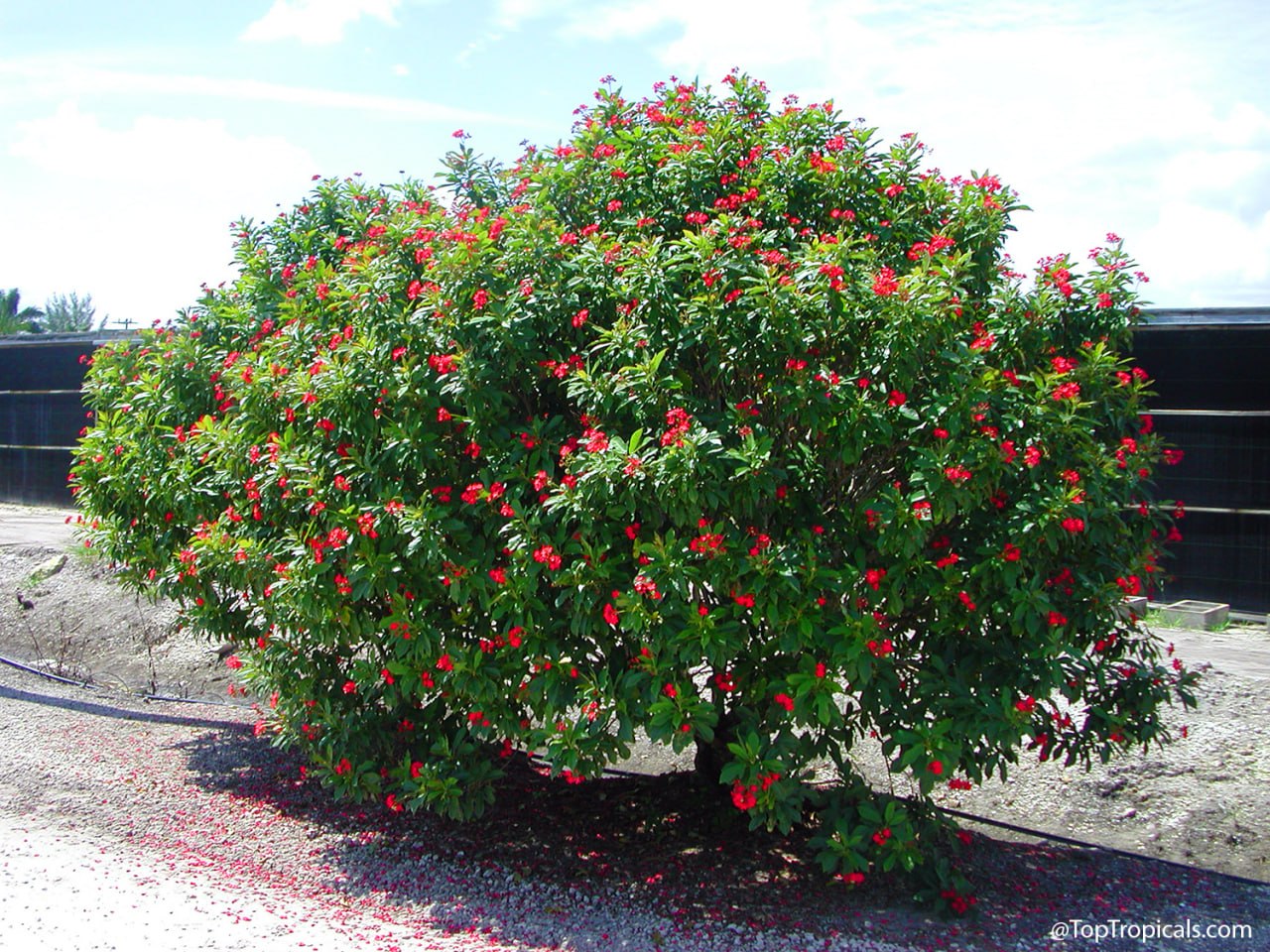
Compact Butterfly Jatropha (Jatropha integerrima Compacta)
Compact Butterfly Jatropha (Jatropha integerrima Compacta)

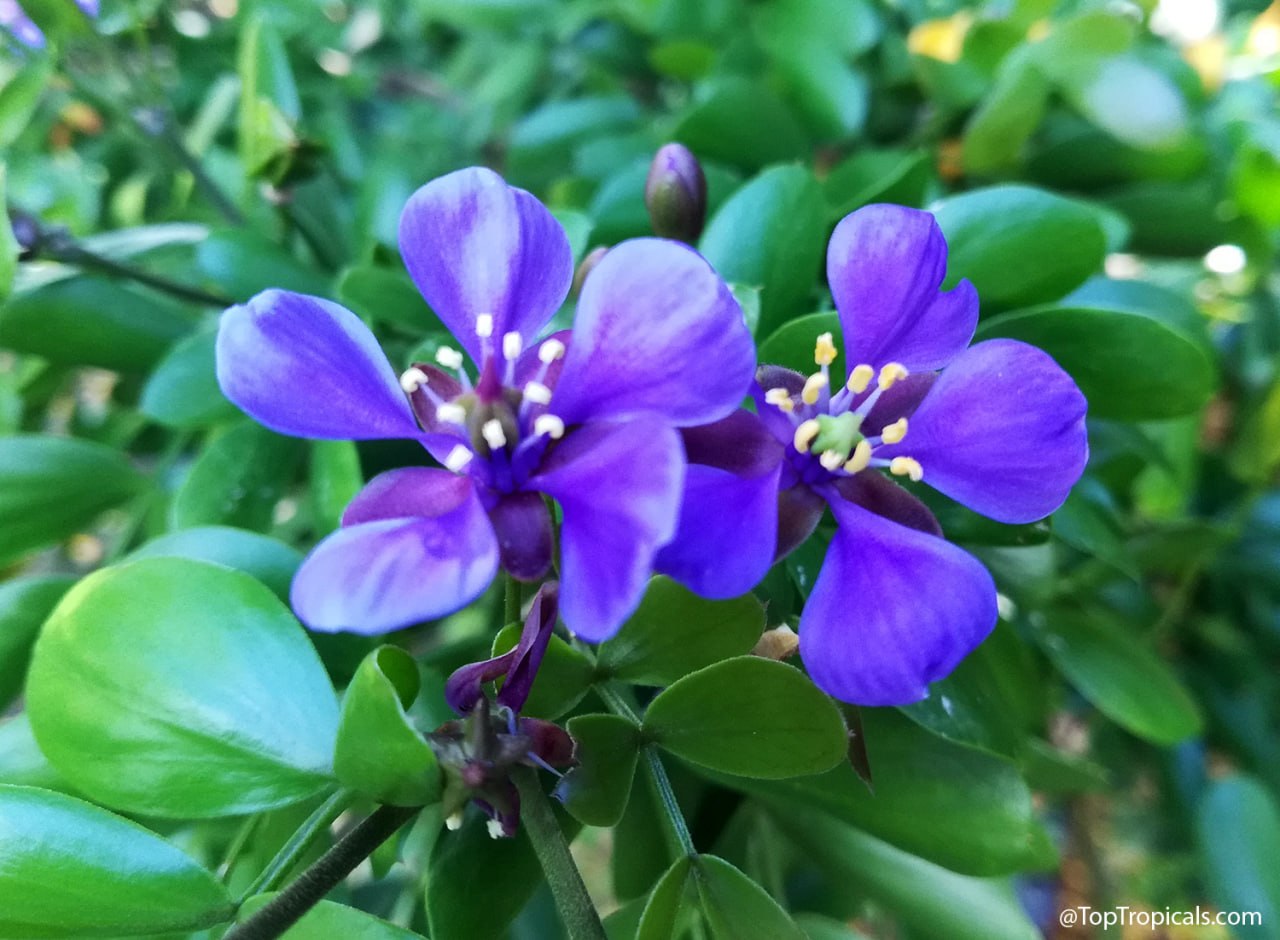
Lignum Vitae (Guaiacum sanctum)
Lignum Vitae (Guaiacum sanctum)

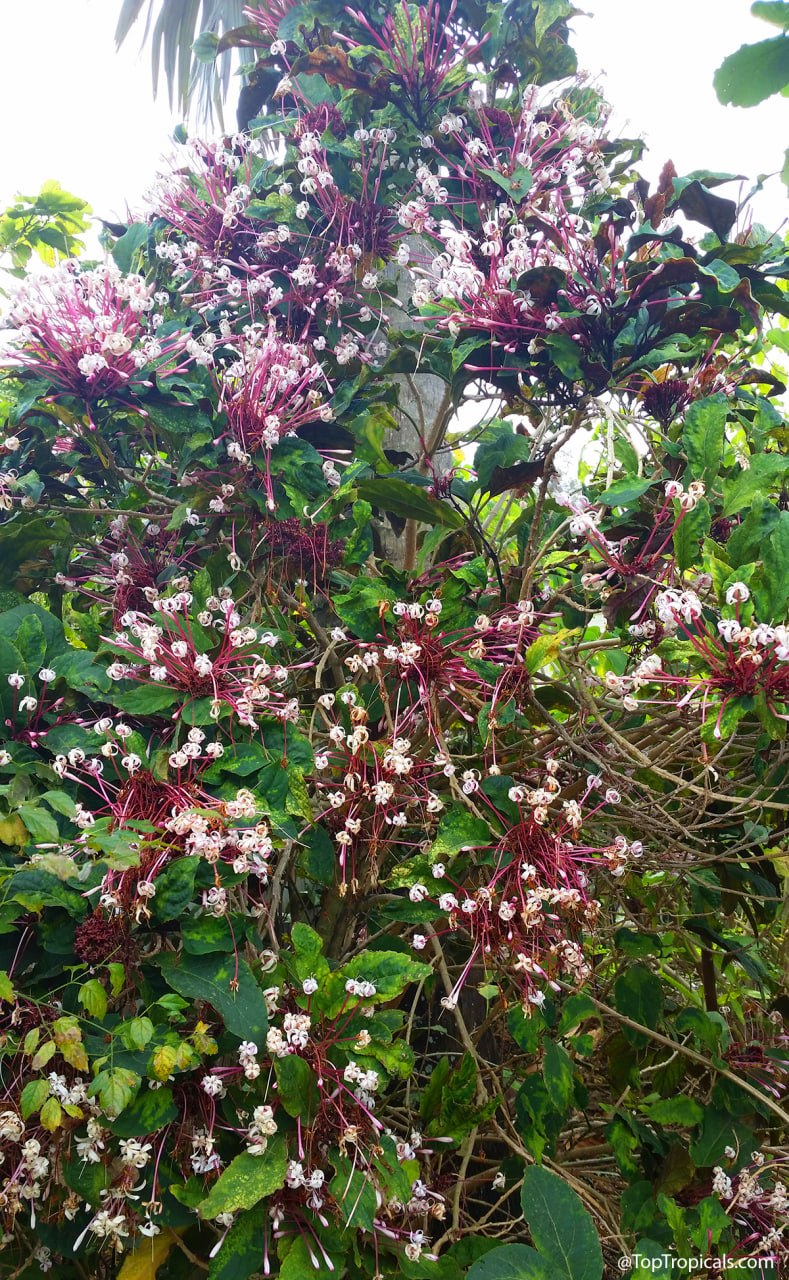
Winter Starburst (Clerodendrum quadriloculare)
Winter Starburst (Clerodendrum quadriloculare)

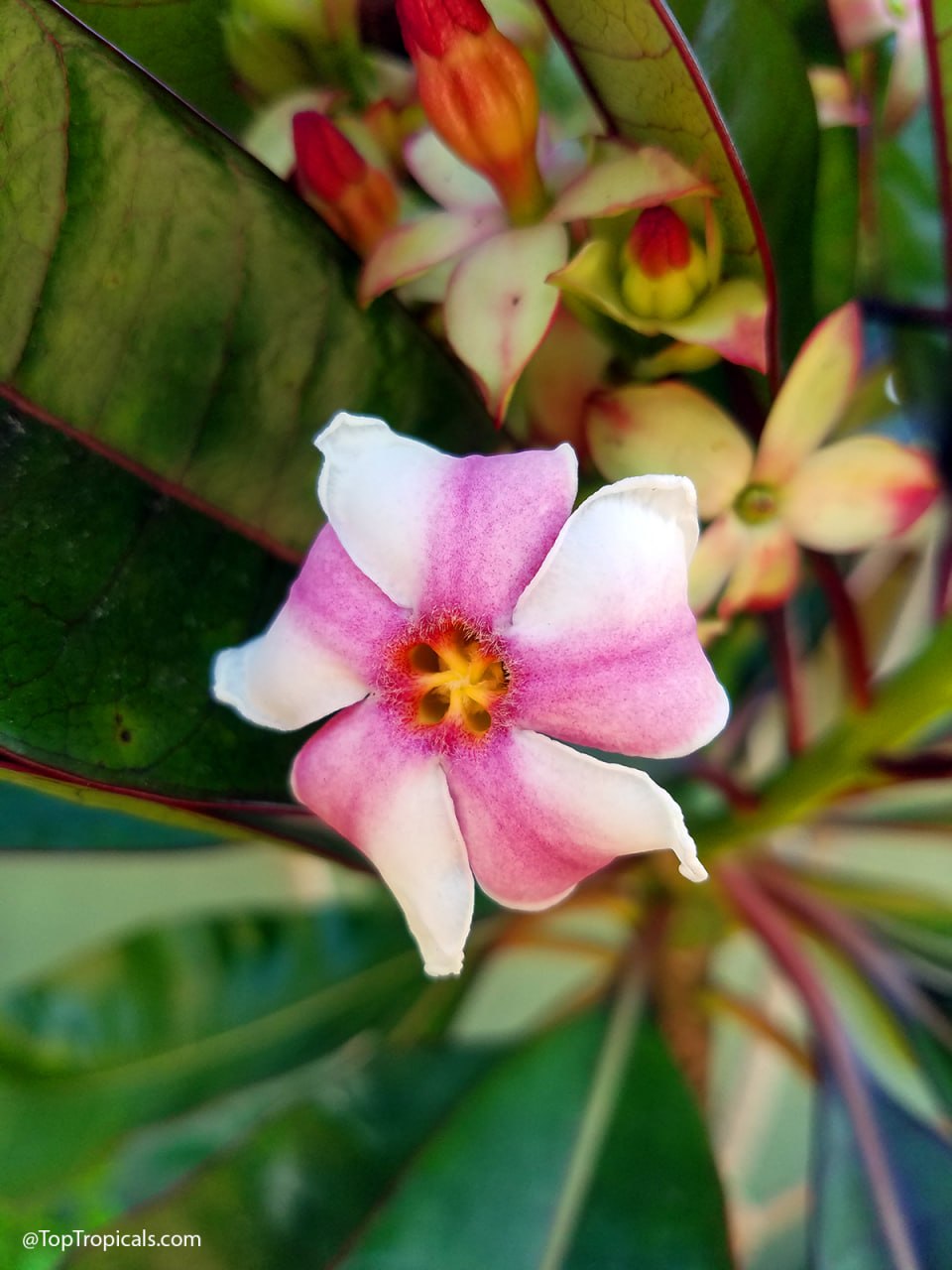
Enchanted Incense (Cerbera x manghas)

Enchanted Incense (Cerbera x manghas)

7 best exotic dwarf trees for maximum impact in small tropical landscapes 🏡

For a yard that feels like a tropical escape but doesn't have the space for a massive jungle, these seven selections from TopTropicals are game-changers, chosen for their compact size, high "curb appeal," and unique tropical flair.

1. Dwarf Pink Princess Silk Floss Tree (Ceiba hybrid)

🌳 A spectacular grafted hybrid of the famous Silk Floss tree, but in a much smaller package: a unique, often "fat" or bottle-shaped trunk and large, showy pink flowers with white centers.
🏡 Unlike the standard Ceiba which can become a giant, the 'Pink Princess' is grafted to stay compact (usually under 10 - 12 feet), allowing you to enjoy those exotic, orchid-like blooms even in a tiny garden.

Ceiba Plant Facts

Botanical name: Ceiba sp.
Also known as: Ceiba, Floss Silk Tree, Kapok Tree
USDA Zone: 9 - 11
Highligths Large tree taller than 20 ftFull sunWatering: Moderate. Water when top soil feels dryYellow, orange flowersRed, crimson, vinous flowersWhite, off-white flowersPink flowersThorny or spinyDeciduous plant
Get personalized tips for your region

👉 more

2. Dwarf Golden Tabebuia (Tabebuia chrysotricha)

🌳 Known as the "Golden Trumpet Tree," this dwarf selection puts on one of the most brilliant displays in the plant kingdom. Before the leaves emerge in spring, the entire tree is covered in bright, trumpet-shaped yellow flowers.
🏡 This specific dwarf form stays much smaller and more manageable than the standard Tabebuias seen on city streets. Its silver-green foliage and rounded canopy make it an ideal "specimen" tree that acts as a focal point for your front yard.

Dwarf Golden Tabebuia Plant Facts

Botanical name: Handroanthus chrysotrichus, Tabebuia chrysotricha, Tabebuia chrysantha
Also known as: Dwarf Golden Tabebuia
USDA Zone: 9 - 11
Highligths Small tree 10-20 ftFull sunWatering: Moderate. Water when top soil feels dryYellow, orange flowersDeciduous plantSubtropical plant. Mature plant cold hardy at least to 30s F for a short time
Get personalized tips for your region

👉 more

3. Little Gem Southern Magnolia (Magnolia grandiflora)

🌳 All the elegance of a classic Southern Magnolia but in a miniaturized version. It has the iconic waxy white, lemon-scented flowers and glossy leaves with fuzzy bronze undersides.
🏡 'Little Gem' is narrow and columnar, typically reaching only 15-20 feet (half the size of the standard species). It starts blooming at a very young age, so you don't have to wait years for those famous fragrant flowers.

Southern Magnolia Plant Facts

Botanical name: Magnolia grandiflora
Also known as: Southern Magnolia, Bull Bay
USDA Zone: 7 - 10
Highligths Small tree 10-20 ftFull sunWatering: Moderate. Water when top soil feels dryWhite, off-white flowersPlant attracts butterflies, hummingbirdsFragrant plantSubtropical plant. Mature plant cold hardy at least to 30s F for a short time
Get personalized tips for your region

👉 more

4. Compact Butterfly Jatropha (Jatropha integerrima Compacta)

🌳 This "ever-blooming" small tree is a butterfly magnet. It features clusters of bright, cherry-red star flowers against glossy, fiddle-shaped leaves.
🏡 The Compacta variety is specifically bred to stay bushy and small. It blooms almost 365 days a year in warm climates, providing a constant splash of red that draws in hummingbirds and pollinators.

Peregrina Plant Facts

Botanical name: Jatropha integerrima, Jatropha pandurata
Also known as: Peregrina, Spicy Jatropha, Coral Plant, Physic Nut
USDA Zone: 9 - 11
Highligths Plant used for bonsaiLarge shrub 5-10 ft tallSmall tree 10-20 ftSemi-shadeFull sunWater Requirement: Low. Allow soil to dry out between wateringsRed, crimson, vinous flowersPink flowersPlant attracts butterflies, hummingbirdsIrritating plantSubtropical plant. Mature plant cold hardy at least to 30s F for a short timeSeaside, salt tolerant plant
Get personalized tips for your region

👉 more

5. Lignum Vitae (Guaiacum sanctum)

🌳 Known as the "Wood of Life," this is one of the slowest-growing trees in the world. It has fine-textured, dark green foliage and produce stunning, small blue flowers that fade to white, followed by bright orange seed pods.
🏡 Because it grows so slowly, it will never outgrow its space. It is extremely hardy, salt-tolerant, and hurricane-resistant, making it a "plant it and forget it" heirloom tree for coastal or small urban lots.

Lignum Vitae Plant Facts

Botanical name: Guaiacum sanctum
Also known as: Lignum Vitae, Tree of Life, Gaiac tree
USDA Zone: 9 - 11
Highligths Plant used for bonsaiSmall tree 10-20 ftSemi-shadeFull sunWater Requirement: Low. Allow soil to dry out between wateringsWatering: Moderate. Water when top soil feels dryBlue, lavender, purple flowersEthnomedical plant.
Plants marked as ethnomedical and/or described as medicinal, are not offered as medicine but rather as ornamentals or plant collectibles.
Ethnomedical statements / products have not been evaluated by the FDA and are not intended to diagnose, treat, cure, or prevent any disease. We urge all customers to consult a physician before using any supplements, herbals or medicines advertised here or elsewhere.Subtropical plant. Mature plant cold hardy at least to 30s F for a short timeSeaside, salt tolerant plant
Get personalized tips for your region

👉 more

6. Winter Starburst (Clerodendrum quadriloculare)

🌳 A visual firework display. The leaves are deep green on top and rich purple underneath. In late winter, it produces massive, 8-inch wide clusters of tubular pink-and-white flowers that look like an exploding star.
🏡 It is easily pruned to a single-trunk tree form. The purple foliage provides "curb appeal" year-round, while the winter blooms provide a much-needed pop of color when other plants are dormant.

Winter Starburst Plant Facts

Botanical name: Clerodendrum quadriloculare
Also known as: Winter Starburst, Fireworks, Clerodendron
USDA Zone: 8 - 10
Highligths Large shrub 5-10 ft tallSmall tree 10-20 ftSemi-shadeShadeFull sunWatering: Moderate. Water when top soil feels dryOrnamental foliageWhite, off-white flowersPink flowersSubtropical plant. Mature plant cold hardy at least to 30s F for a short time
Get personalized tips for your region

👉 more

7. Enchanted Incense (Cerbera x manghas)

🌳 This is a rare, small evergreen tree with glossy, dark green leaves and clusters of highly fragrant, star-shaped white flowers with a red "eye."
🏡 It has an naturally architectural, upright habit. The fragrance is incredible - sweet and heavy - making it a perfect "sensory" tree to plant near a patio where you can enjoy the scent on summer evenings.
👉 more

🛒 Choose small trees for a small yard

📚 Learn more:


Dwarf Ceiba Princess in Plant Encyclopedia
2 most favorite flowering trees for small yards
A small tree of a pure gold
5 small tropical trees that bloom all summer or year around
Center of the world tree that stops traffic in Florida - now fits in a pot
How this breath-taking flowering tree stays so compact

#How_to #Discover #Trees

🟢 Join 👉 TopTropicals
Date: 13 Apr 2026

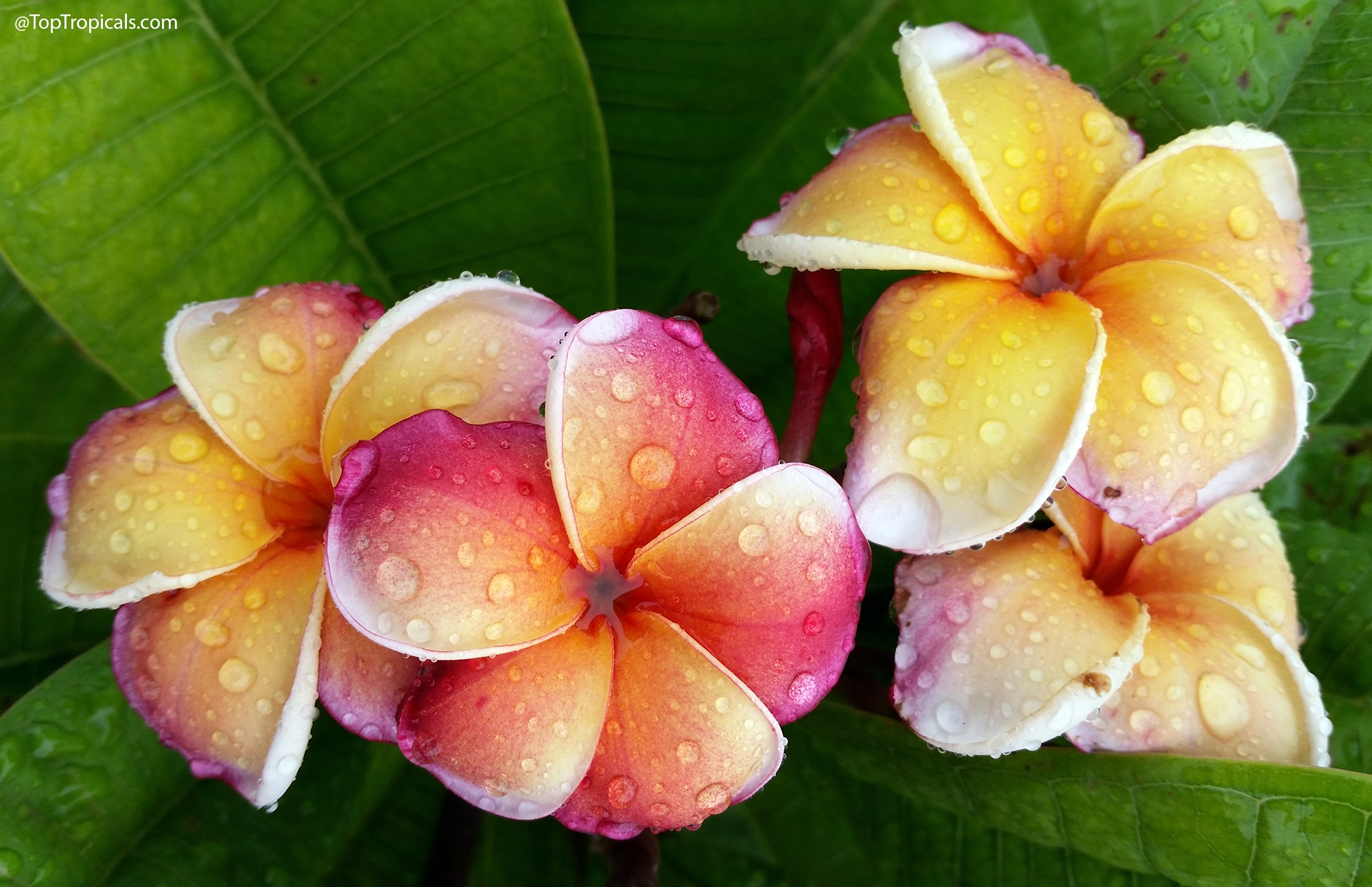
🌸 Secrets of Blooming Plumerias

Plumeria  Orange  KLS  stands  out  with  a  rare  mix  of  five  colors  -  peach, 
 yellow,  orange,  white,  and  crimson  -  all  blending  into  one  vivid  bloom. 
 Fragrant  and  eye-catching,  it’s  a  truly  unique  plumeria.

Plumeria Orange KLS stands out with a rare mix of five colors - peach, yellow, orange, white, and crimson - all blending into one vivid bloom. Fragrant and eye-catching, it’s a truly unique plumeria.

Plumeria Plant Facts

Botanical name: Plumeria sp.
Also known as: Plumeria, Frangipani
USDA Zone: 9 - 11
Highligths Large shrub 5-10 ft tallSmall tree 10-20 ftFull sunWatering: Moderate. Water when top soil feels dryYellow, orange flowersRed, crimson, vinous flowersWhite, off-white flowersPink flowersPlant attracts butterflies, hummingbirdsDeciduous plantFragrant plantSeaside, salt tolerant plant
Get personalized tips for your region

Practical Growing Tips (Keep It Simple)

  • Sun: Full sun is key. 6+ hours daily for best blooms.
  • Soil: Fast-draining mix. In pots, use cactus mix or add perlite and sand. The best soil for Plumerias is a 50:50 mix of Abundance potting soil with coarse sand.
  • Watering: Water well, then let soil dry out before watering again.
  • Containers: Excellent for pots. Easier control and mobility.
  • Feeding: Light feeding during active growth helps more blooms. Use liquid Sunshine Boosters Megaflor for profuse blooming and controlled release Green Magic fertilizer every 6 months.
  • Airflow: Good airflow keeps plants healthy and clean.
  • Spacing: Give each plant room - better shape and more flowers.

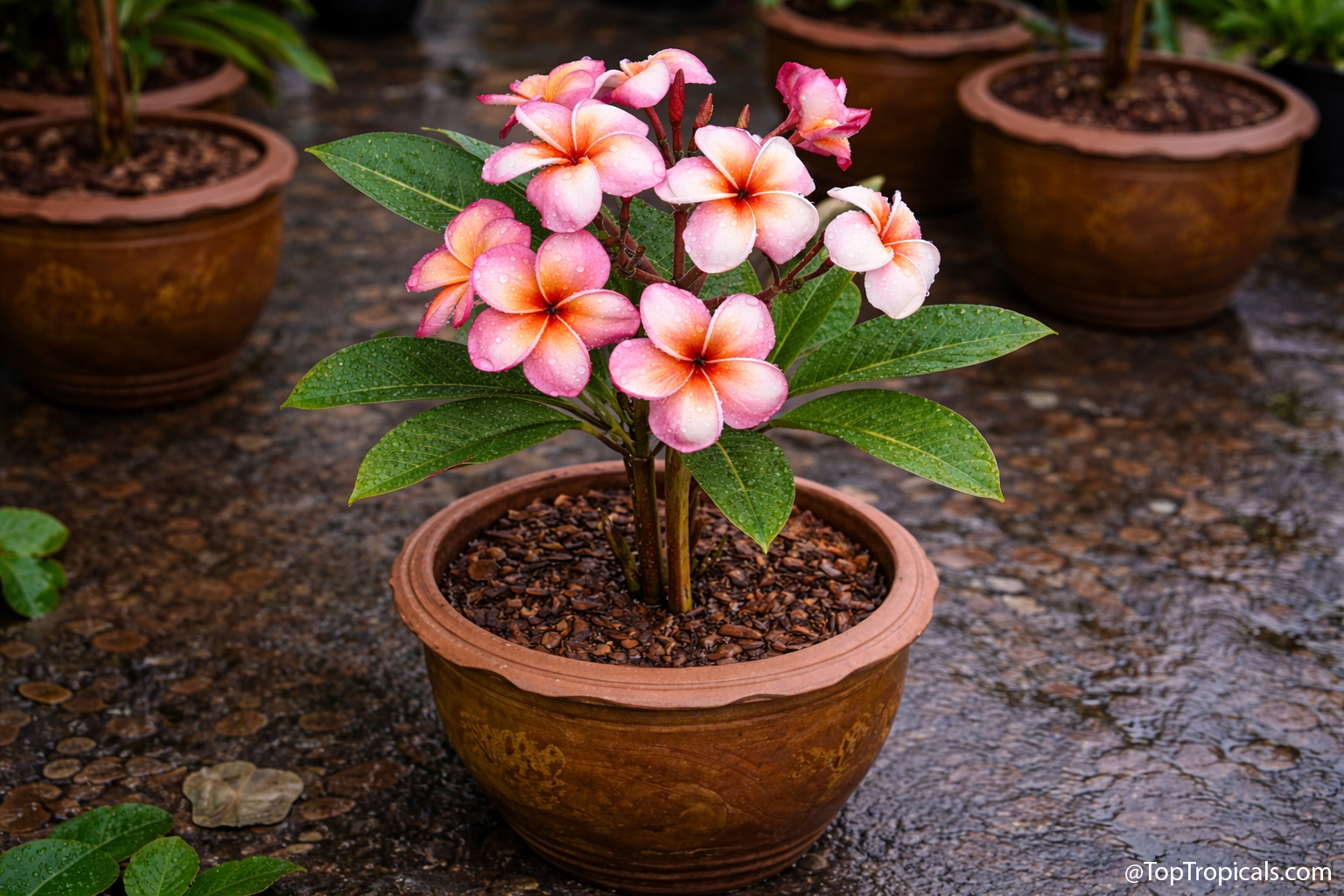
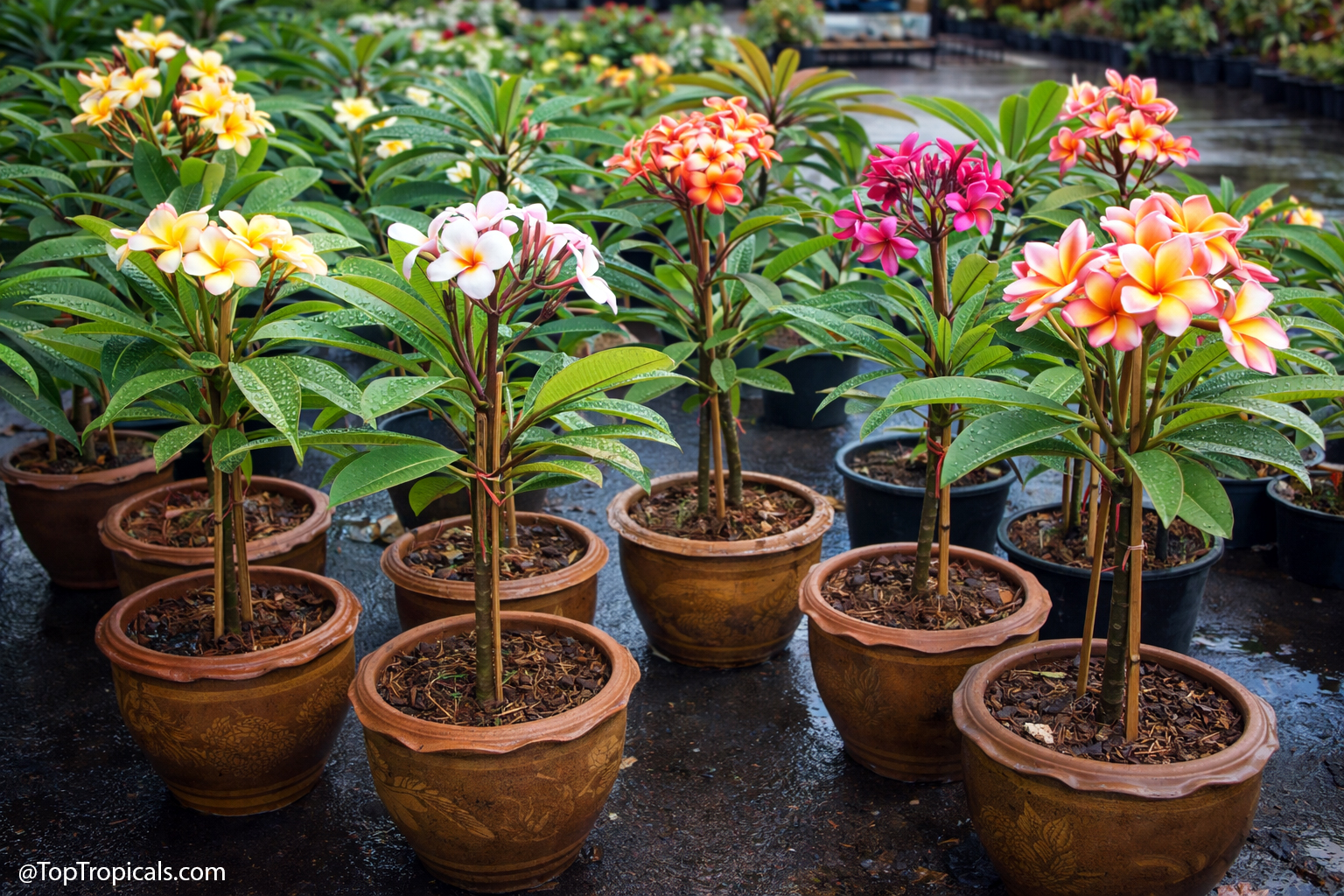
Blooming  plumeria  plants  in  multiple  pots  with  colorful  flowers, 
 arranged  outdoors  in  a  nursery  setting  after  rain.

Blooming plumeria plants in pots after rain.

Winter Care (Very Important)

  • Temperature: Protect from freeze. Below 40F they need protection.
  • Dormancy: Leaves drop in winter. This is normal.
  • Watering: Almost dry during dormancy.
  • Indoors: Move containers inside if frost is expected.
  • Light: Bright spot is enough. No need for full sun in dormancy.
  • No feeding: Do not fertilize during winter rest.
  • Restart: Resume watering when new growth appears in spring.

potted  plumeria  plant  pink  orange  flowers  with  water  droplets  on  leaves
   and  petals

Potted plumeria in bloom.

About Plumeria Rust (Florida Reality)

If you are growing plumerias in Florida, you will likely see plumeria rust at some point. It shows up as orange powdery spots on the underside of leaves and can cause leaves to yellow and drop early. It is driven by high humidity and is most common in the fall, right before the plant naturally starts dropping its leaves.

It looks alarming, but it is mostly a cosmetic issue and does not harm the plant long term. Good airflow, full sun, and avoiding overhead watering help reduce it. If needed, you can remove affected leaves or use a simple fungicide (in our experience, the most effective one for Plumeria rust is Southern Ag Garden Friendly Fungicide), but in most cases the plant grows right through it and comes back clean with fresh growth.

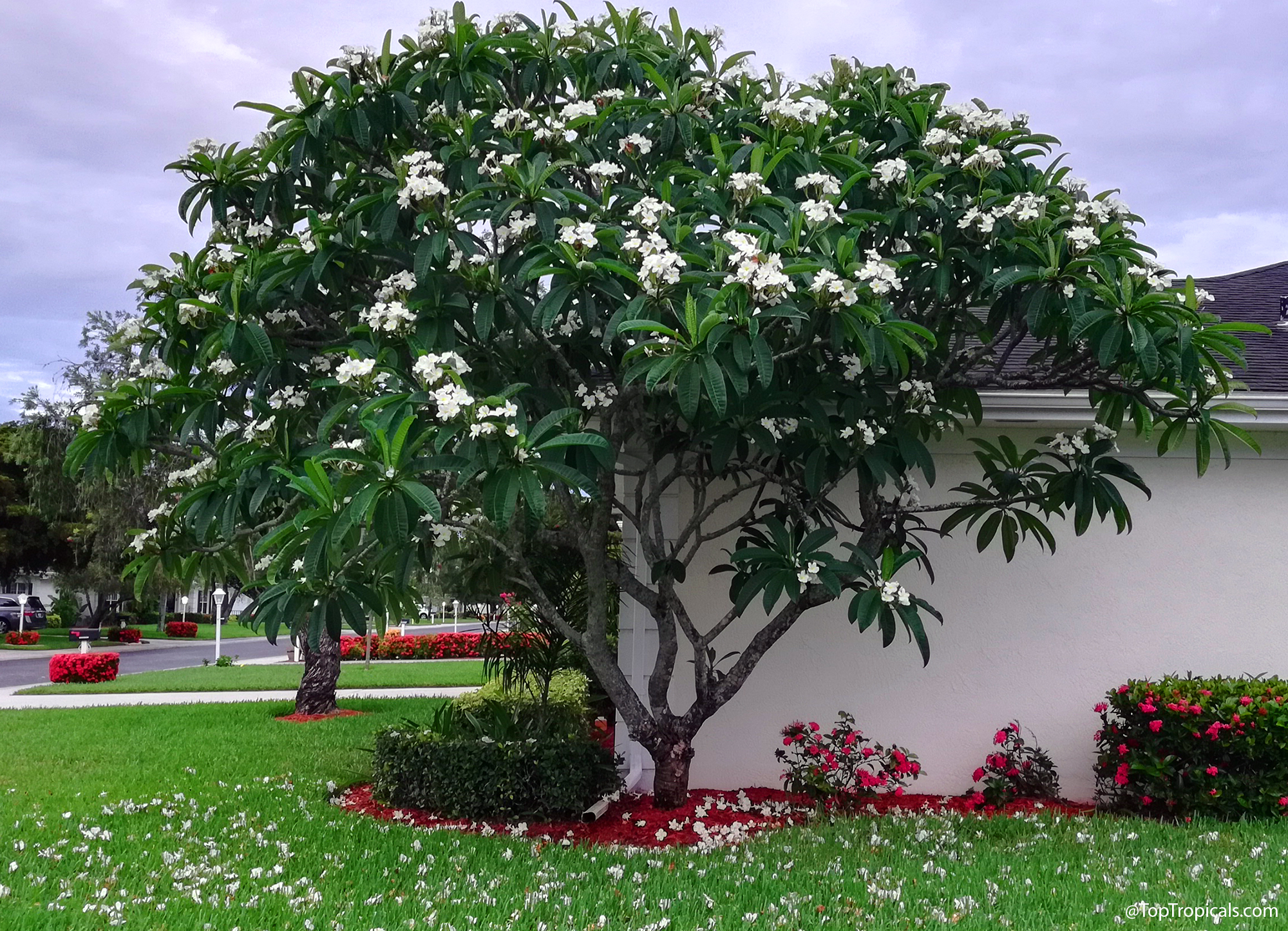
white  plumeria  tree  full  bloom  in  yard  with  green  leaves  and  fallen 
 flowers  on 
 grass

White and Yellow Plumerias are the most fragrant.

Plumeria Fragrance - Bring It Anywhere

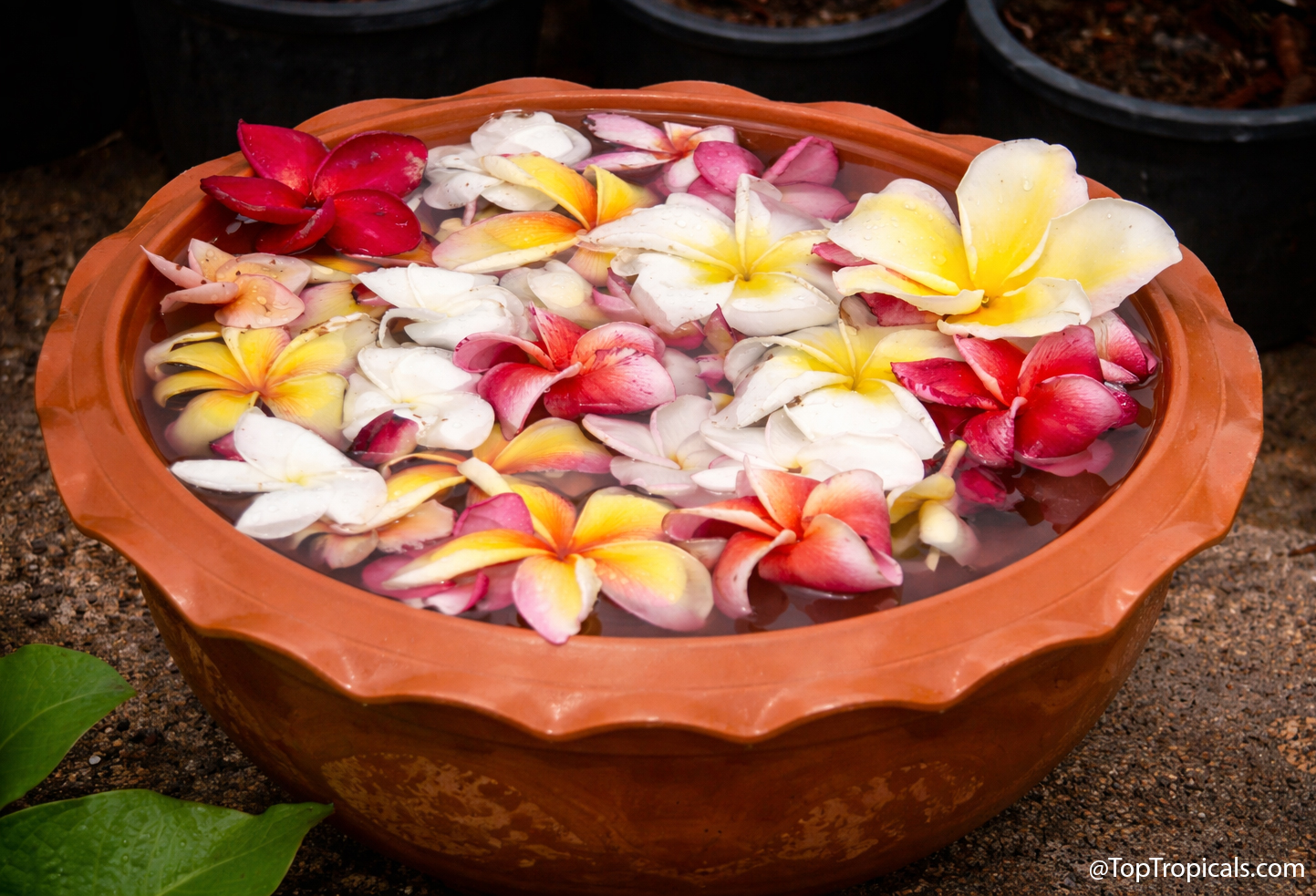
That scent does not have to stay in the garden. Fresh plumeria flowers can be brought inside and placed in a small bowl of water they will float and gently perfume the room. You can make a simple lei, keep a few blooms on a table, or even place a flower in your car on a hot day - the warmth releases the fragrance.

Terracotta  bowl  filled  with  floating  plumeria  flowers  in  white,  yellow,
   pink,  and  red,  set  outdoors  on  wet  ground  in  a  garden 
 setting.

Bowl with Plumeria flowers creates a scented space anywhere

🎥 Watch Plumeria videos

📚 Learn about Plumerias from our Blog

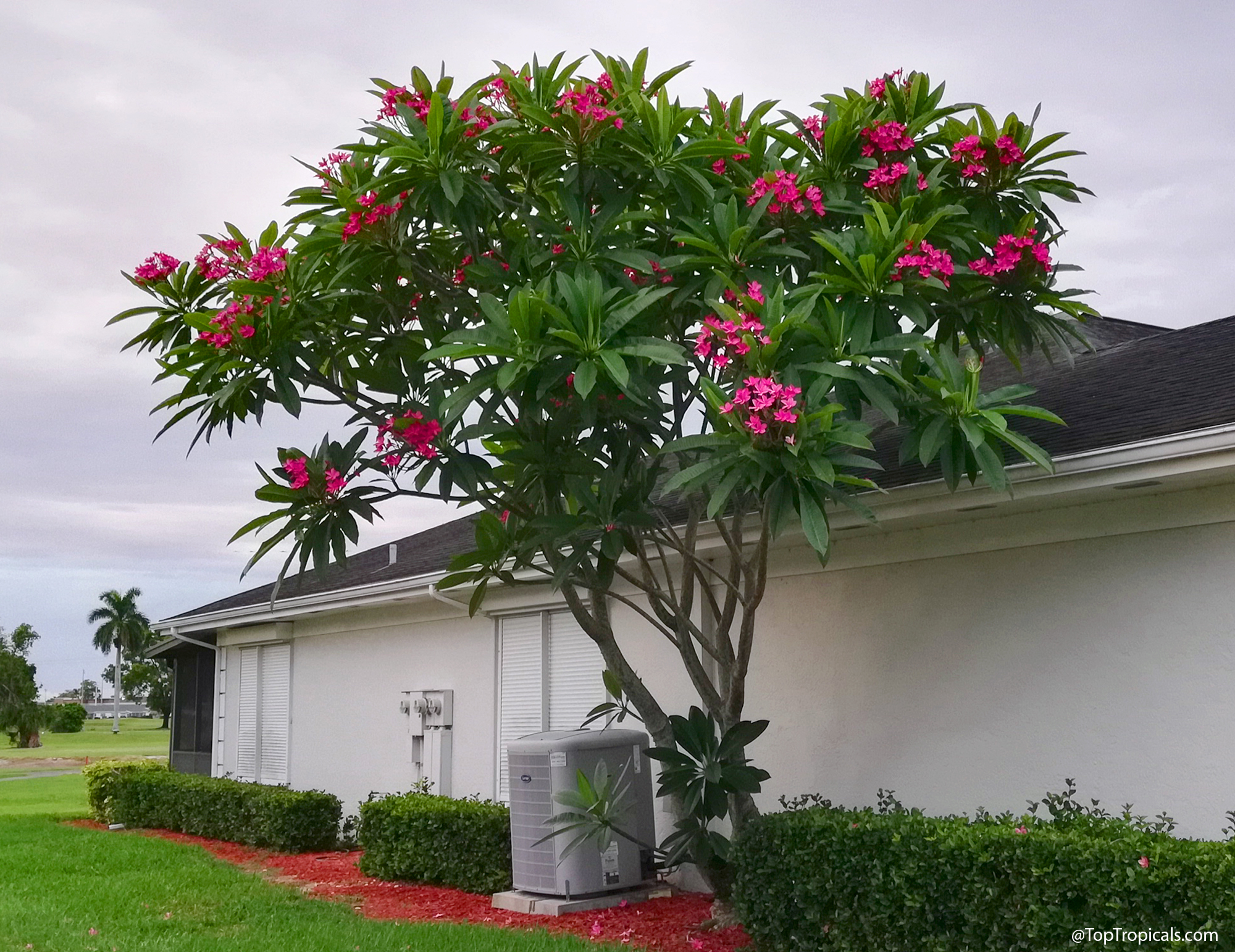
red  plumeria  tree  full  bloom  pink  red  flowers  in  residential  yard 
 tropical  flowering  tree

Red Plumeria is not just fragrant, it is one of the most spectacular trees when in full bloom

Build Your Plumeria Paradise - Save 10%
Get 10% off with coupon code PLUMERIA2026 on plumeria trees.
Offer valid through 04/15/2026.
Discount applies to plumeria plants only. Not valid on previous purchases and cannot be combined with other promotions or discounts. Offer subject to change without notice.

Date: 26 Jan 2026

Why Turmeric was named the 2026 Herb of the Year

Turmeric - Curcuma

Turmeric - Curcuma

🌷 Why Turmeric was named the 2026 Herb of the Year


🌷 Turmeric was named the 2026 Herb of the Year by the International Herb Association, and it is easy to see why gardeners are paying attention. This tropical plant from the ginger family is best known for its bright orange underground rhizomes, used for centuries as a spice, natural dye, and traditional remedy.

🌷Native to India, Turmeric (Curcuma longa) is closely related to Ginger and Cardamom. Its rhizomes are a staple in curry and widely used in Asian, African, and Caribbean cuisines. In recent years, turmeric has also gained attention for potential anti-inflammatory properties.

Spice Turmeric Plant Facts

Botanical name: Curcuma longa
Also known as: Spice Turmeric, Longevity Spice, Indian Saffron, Tumeric
USDA Zone: 8 - 11
Highligths Small plant 2-5 ftSemi-shadeFull sunWatering: Regular. Let topsoil dry slightlyPink flowersSpice or herb plantDeciduous plantEthnomedical plant.
Plants marked as ethnomedical and/or described as medicinal, are not offered as medicine but rather as ornamentals or plant collectibles.
Ethnomedical statements / products have not been evaluated by the FDA and are not intended to diagnose, treat, cure, or prevent any disease. We urge all customers to consult a physician before using any supplements, herbals or medicines advertised here or elsewhere.Subtropical plant. Mature plant cold hardy at least to 30s F for a short time
Get personalized tips for your region


🌷 Herb, spice or flower?


• Botanically, turmeric is a spice, since it comes from the plant’s rhizomes rather than its leaves. In the kitchen, however, it often functions like an herb. Fresh turmeric can replace powdered turmeric in most recipes and delivers brighter flavor and color.
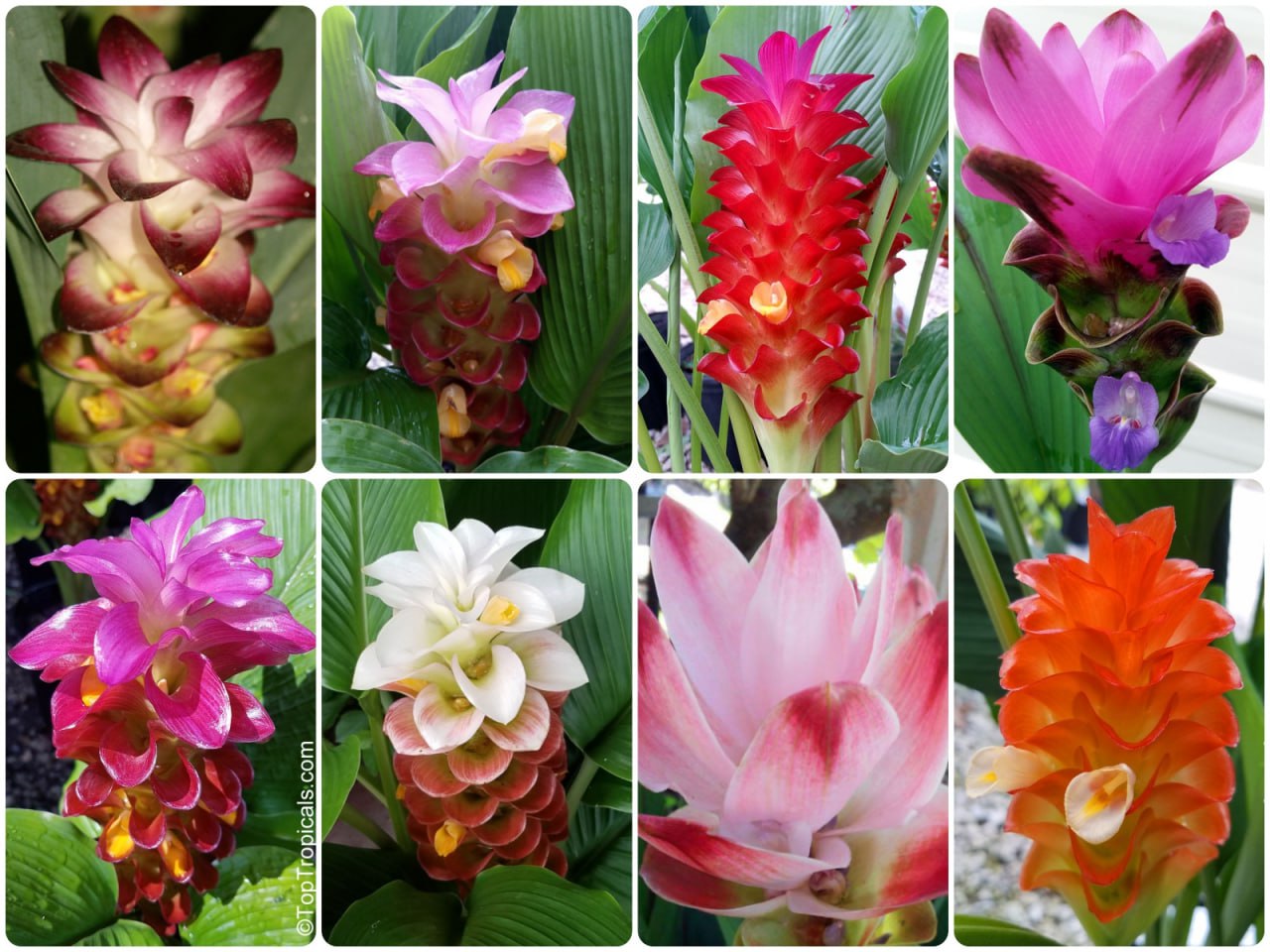
• Beyond edible Turmeric, there are many Curcuma hybrids grown purely for ornament. These selections produce striking, long-lasting flower spikes in shades of pink, white, orange, red, and purple, rising above lush tropical foliage. Ornamental curcumas are popular as patio plants and indoor accents, adding dramatic color and texture even where they are grown strictly in containers.

🌷 Growing turmeric anywhere - even in cool climates


Although Turmeric is a tropical perennial, it grows very well in containers, making it suitable for gardeners everywhere. When grown in pots, turmeric is treated as a warm-season plant that can be moved indoors as temperatures cool.

🌷 How to grow Turmeric


Turmeric is a compact, but bold plant, reaching 3-4 feet tall and wide, so it needs a roomy container. It prefers:

• Rich, well-drained soil
• Slightly acidic conditions (around pH 6–6.5)
• Consistent moisture
• Warm temperatures and bright, indirect light

The plant produces flowers that do not set seed, so turmeric is grown entirely from rhizomes.

🌷 Harvesting and using Turmeric


As the season ends, turmeric naturally goes dormant and the leaves yellow and dry. This signals harvest time. Dig the rhizomes, clean them, and dry them in a cool, shaded place.

Rhizomes can be:
• Boiled, dried, and ground into powder
• Frozen whole and grated as needed
• Pickled for long-term storage

Some healthy rhizomes can also be saved and replanted the following season, making turmeric both productive and renewable.

Compact, bold, and useful, turmeric proves that tropical plants can thrive well beyond the tropics - especially when grown in pots.

🛒 Plant Curcuma for both flowers, spice and herb

📚 Learn more :


Turmeric (Curcuma) in Plant Encyclopedia
Curcuma - the tropical tulip with a secret spice twist
Curcuma: one plant, two powers - color and spice!
How Curcuma Turmeric keeps blood pressure in balance.
Turmeric Curcuma: Grow Your Own Brain Boosters
The most interesting edible gingers?

#Food_Forest #Container_Garden #Remedies #Discover

🟢 Join 👉 TopTropicals

Date: 9 May 2026

9 tough trees for hot, dry spots that actually thrive

Tropical Almond - Terminalia catappa

Tropical Almond - Terminalia catappa

Sausage Tree - Kigelia pinnata

Sausage Tree - Kigelia pinnata

Plumeria pudica

Plumeria pudica

Pony Tail Palm - Beaucarnea recurvata

Pony Tail Palm - Beaucarnea recurvata

☀️ 9 tough trees for hot, dry spots that actually thrive


Why that one brutal spot in your yard never works? There’s always that one place - blazing sun, sandy or rocky soil, dries out fast, and everything you plant there struggles. In Florida, Arizona, and California, this isn’t rare - it’s the norm. The good news? Some trees don’t just tolerate it - they prefer it. Once established, these picks handle heat, drought, and neglect far better than typical landscape plants.
What makes these trees different? These are survivors. Many store water, have deep root systems, or evolved in dry climates. Translation - less watering, fewer losses, and a lot less frustration.


🔥 9 best trees for hot, dry spots


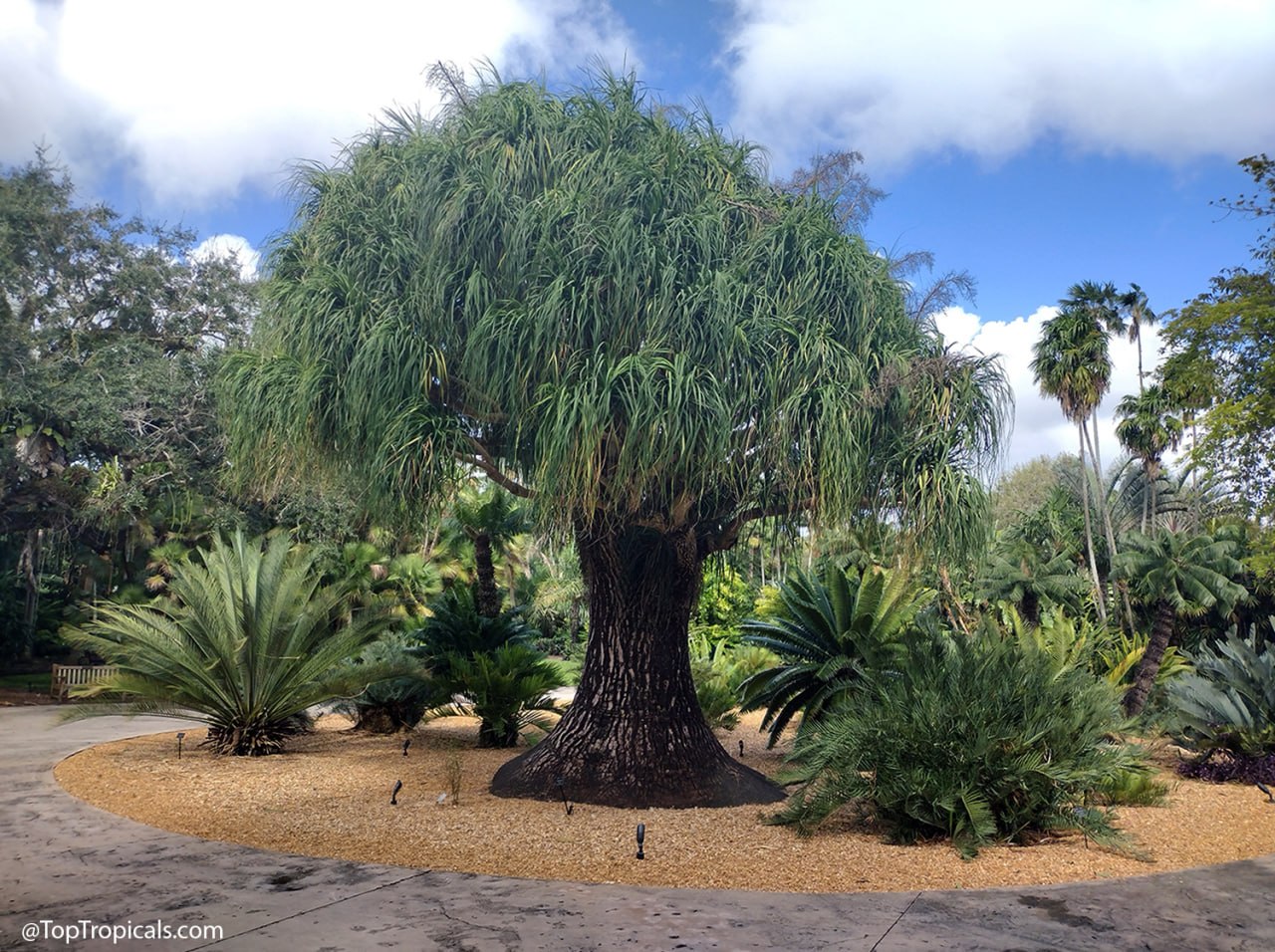
☀️ 1. Pony Tail Palm - Beaucarnea recurvata 📸
Not a true palm - it stores water in its showy, swollen trunk, making it incredibly drought tolerant and perfect for harsh, dry areas.

Ponytail Palm Plant Facts

Botanical name: Beaucarnea recurvata, Nolina recurvata
Also known as: Ponytail Palm, Pony Tail, Bottle Palm, Nolina, Elephant-foot Tree
USDA Zone: 10 - 11
Highligths Plant with caudexPlant used for bonsaiSmall tree 10-20 ftFull sunWater Requirement: Low. Allow soil to dry out between wateringsPalm or palm-like plant
Get personalized tips for your region
More details

☀️ 2. Monkey Ear Tree - Enterolobium cyclocarpum


A fast-growing shade tree with curious seed pods, surprisingly tough in heat and drought, with massive canopy benefits.

Monkey Ear Plant Facts

Botanical name: Enterolobium cyclocarpum
Also known as: Monkey Ear, Ear Pod Tree, Elephant Ear Tree, Eartree, Guanacaste Tree, Arbol de Guanacaste
USDA Zone: 9 - 11
Highligths Large tree taller than 20 ftFull sunWatering: Regular. Let topsoil dry slightlyWhite, off-white flowersDeciduous plantSubtropical plant. Mature plant cold hardy at least to 30s F for a short time
Get personalized tips for your region
More details

☀️ 3. Firebush - Hamelia patens
Technically a large shrub/small tree - thrives in heat, blooms nonstop, attracts butterflies, and handles dry conditions once rooted in.

Fire Bush Plant Facts

Botanical name: Hamelia patens
Also known as: Fire Bush, Firecracker Plant
USDA Zone: 8 - 11
Highligths Large shrub 5-10 ft tallSmall tree 10-20 ftFull sunWater Requirement: Low. Allow soil to dry out between wateringsYellow, orange flowersRed, crimson, vinous flowersPlant attracts butterflies, hummingbirdsSeaside, salt tolerant plant
Get personalized tips for your region
More details

☀️ 4. Peregrina - Jatropha integerrima compacta
Compact, colorful, and very forgiving - keeps flowering even when conditions get hot and dry.

Peregrina Plant Facts

Botanical name: Jatropha integerrima, Jatropha pandurata
Also known as: Peregrina, Spicy Jatropha, Coral Plant, Physic Nut
USDA Zone: 9 - 11
Highligths Plant used for bonsaiLarge shrub 5-10 ft tallSmall tree 10-20 ftSemi-shadeFull sunWater Requirement: Low. Allow soil to dry out between wateringsRed, crimson, vinous flowersPink flowersPlant attracts butterflies, hummingbirdsIrritating plantSubtropical plant. Mature plant cold hardy at least to 30s F for a short timeSeaside, salt tolerant plant
Get personalized tips for your region
More details

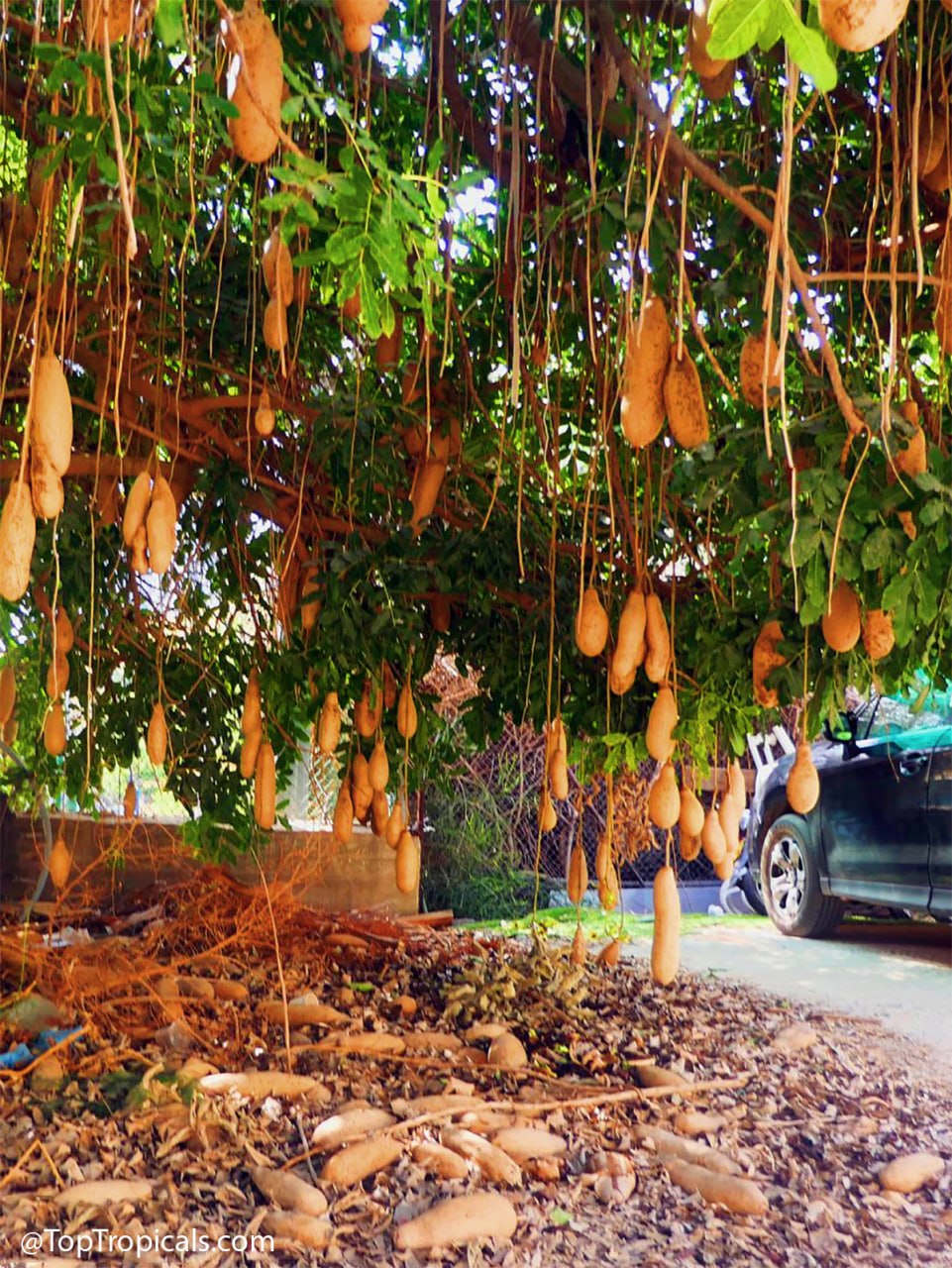
☀️ 5. Sausage Tree - Kigelia pinnata 📸
A bold tropical look with bizarre flowers and fruit, with serious heat tolerance; once established, it handles dry spells better than expected.

Sausage Tree Plant Facts

Botanical name: Kigelia pinnata, Kigelia africana
Also known as: Sausage Tree
USDA Zone: 9 - 11
Highligths Large tree taller than 20 ftSemi-shadeFull sunWatering: Moderate. Water when top soil feels dryDeciduous plantEthnomedical plant.
Plants marked as ethnomedical and/or described as medicinal, are not offered as medicine but rather as ornamentals or plant collectibles.
Ethnomedical statements / products have not been evaluated by the FDA and are not intended to diagnose, treat, cure, or prevent any disease. We urge all customers to consult a physician before using any supplements, herbals or medicines advertised here or elsewhere.Fragrant plantSubtropical plant. Mature plant cold hardy at least to 30s F for a short time
Get personalized tips for your region
More details

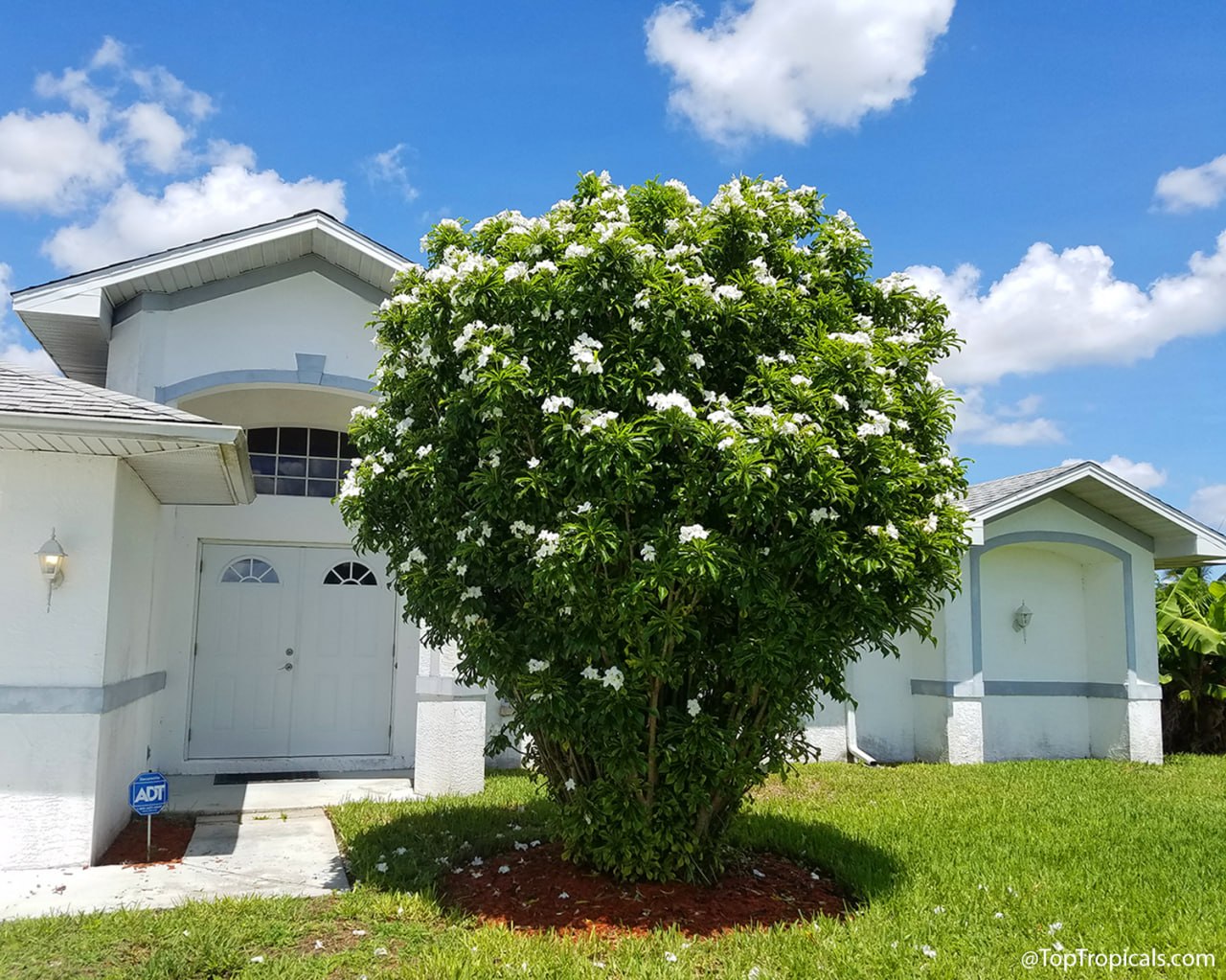
☀️ 6. Plumeria 📸
Built for sun and neglect - thrives in poor and sandy soil, needs minimal water, and rewards with fragrant blooms.

Plumeria Plant Facts

Botanical name: Plumeria sp.
Also known as: Plumeria, Frangipani
USDA Zone: 9 - 11
Highligths Large shrub 5-10 ft tallSmall tree 10-20 ftFull sunWatering: Moderate. Water when top soil feels dryYellow, orange flowersRed, crimson, vinous flowersWhite, off-white flowersPink flowersPlant attracts butterflies, hummingbirdsDeciduous plantFragrant plantSeaside, salt tolerant plant
Get personalized tips for your region
More details

☀️ 7. Pomegranate


One of the most drought-tolerant fruit trees - handles heat, poor soil, and still produces reliably.

Pomegranate Plant Facts

Botanical name: Punica granatum
Also known as: Pomegranate, Granada, Grenade, Pomegranate, Granada, Anar, Granaatappel, Pomo Granato, Romeira, Melo Grano
USDA Zone: 8 - 11
Highligths Large shrub 5-10 ft tallSmall tree 10-20 ftFull sunWatering: Moderate. Water when top soil feels dryRed, crimson, vinous flowersThorny or spinyEdible plantDeciduous plantEthnomedical plant.
Plants marked as ethnomedical and/or described as medicinal, are not offered as medicine but rather as ornamentals or plant collectibles.
Ethnomedical statements / products have not been evaluated by the FDA and are not intended to diagnose, treat, cure, or prevent any disease. We urge all customers to consult a physician before using any supplements, herbals or medicines advertised here or elsewhere.Subtropical plant. Mature plant cold hardy at least to 30s F for a short timeSeaside, salt tolerant plant
Get personalized tips for your region
More details

☀️ 8. Aster Tree / Snow Bush - Baccharis halimifolia


A tough Florida native option - thrives in sandy, dry soils and coastal conditions with no fuss.

Aster Tree Plant Facts

Botanical name: Baccharis halimifolia
Also known as: Aster Tree, White Cloud Tree, Snow Bush, Eastern Baccharis, Flannel Bush
USDA Zone: 8 - 11
Highligths Plant used for bonsaiLarge shrub 5-10 ft tallSmall tree 10-20 ftSemi-shadeFull sunWatering: Regular. Let topsoil dry slightlyWhite, off-white flowersPlant attracts butterflies, hummingbirdsSubtropical plant. Mature plant cold hardy at least to 30s F for a short timeFlood tolerant plant
Get personalized tips for your region
More details

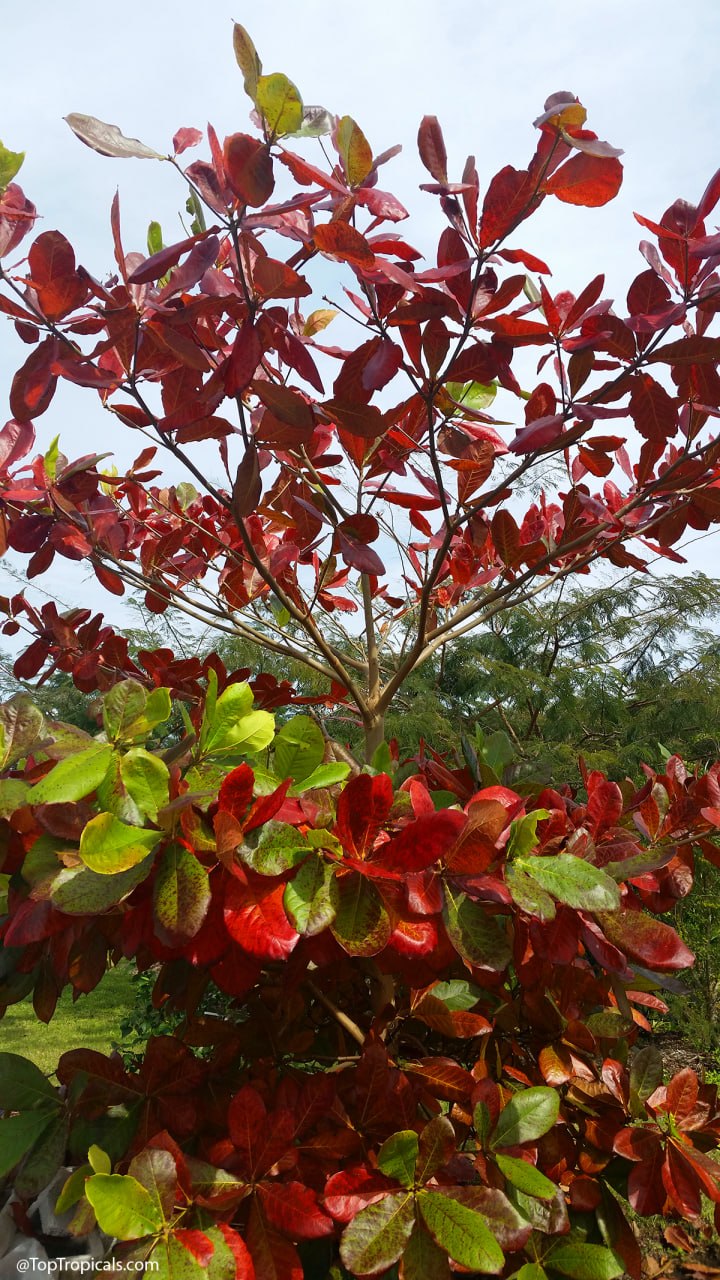
☀️ 9. Tropical Almond - Terminalia catappa 📸
A classic coastal shade tree that thrives in heat, wind, and dry sandy soil once established. Its broad, layered canopy provides excellent shade, and the large leaves turn striking shades of red and orange before dropping - a rare bonus color show for hot-climate landscapes. Plus almond nuts as extra bonus!

Tropical Almond Plant Facts

Botanical name: Terminalia catappa
Also known as: Tropical Almond, Badamier, Java Almond, Indian Almond, Malabar Almond, Singapore Almond, Ketapang, Huu Kwang, Pacific Almond
USDA Zone: 9 - 11
Highligths Large tree taller than 20 ftFull sunWatering: Moderate. Water when top soil feels dryWhite, off-white flowersEdible plantDeciduous plantEthnomedical plant.
Plants marked as ethnomedical and/or described as medicinal, are not offered as medicine but rather as ornamentals or plant collectibles.
Ethnomedical statements / products have not been evaluated by the FDA and are not intended to diagnose, treat, cure, or prevent any disease. We urge all customers to consult a physician before using any supplements, herbals or medicines advertised here or elsewhere.Subtropical plant. Mature plant cold hardy at least to 30s F for a short timeSeaside, salt tolerant plant
Get personalized tips for your region
More details

👉 These trees are just the start - stay with us as we move into shrubs and smaller plants that thrive in the same harsh conditions.

🛒 Shop drought tolerant plants - for hot and dry spots

📚
Learn more:
Pony Tail Palm - Beaucarnea recurvata in Plant Encyclopedia
15 "Bulletproof" Fruit Trees for Tough Ground
7 best exotic dwarf trees for maximum impact in small tropical landscapes
5 small tropical trees that bloom all summer or year around

#Discover #Trees #How_to

🟢 Join 👉 TopTropicals

Date: 24 Sep 2023

Go Bananas!
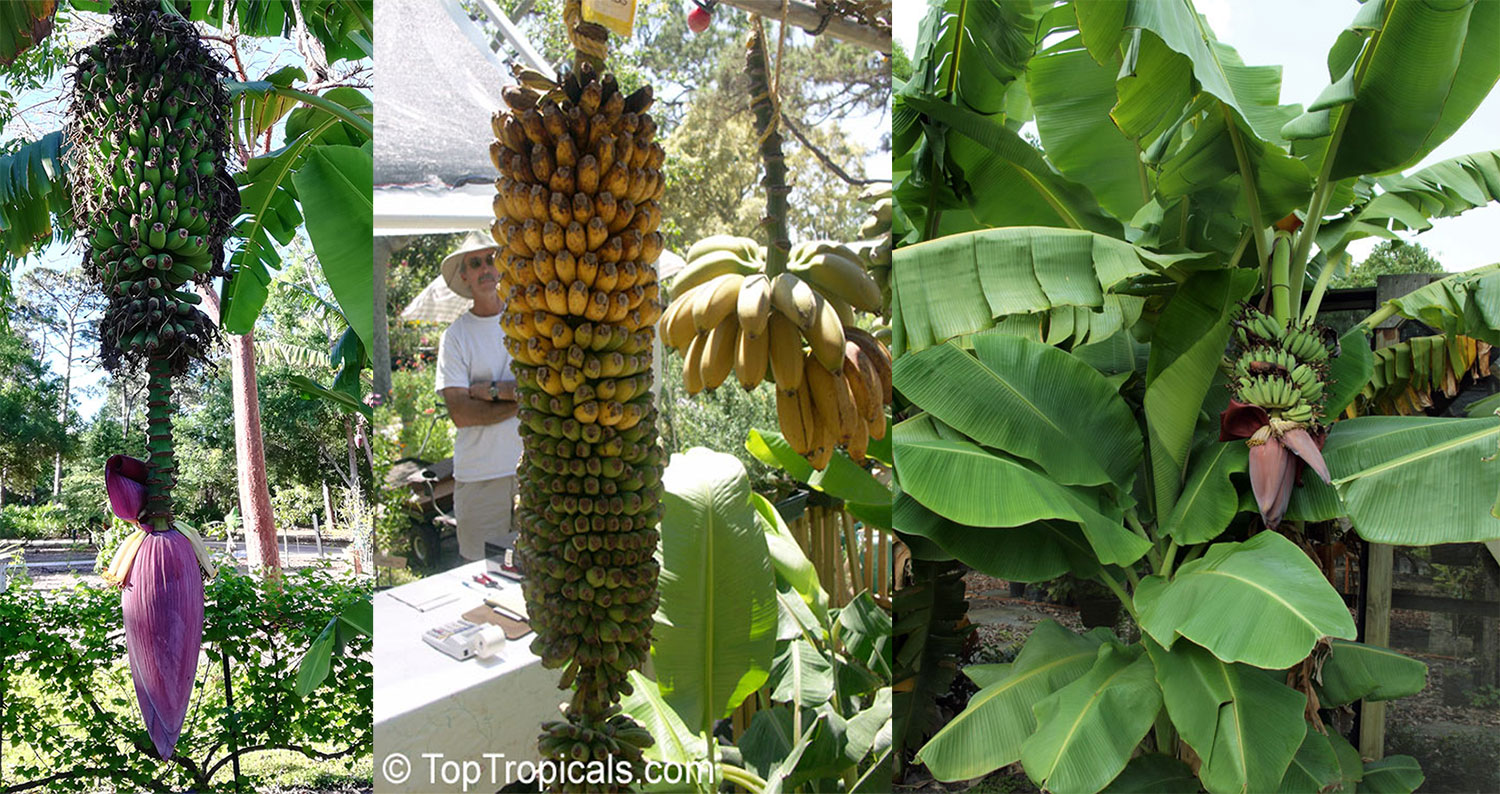
10 good reasons to plant bananas in your garden

Cat  with  bananas  in  refrigerator

Adding banana plants to your subtropical garden or plant collection can enhance the aesthetics of your outdoor and indoor space, provide fresh and nutritious fruits, and offer a fun gardening experience with relatively low maintenance requirements. It's a delightful way to connect with nature and enjoy the benefits of homegrown produce.

1. Tropical Ambiance: Banana plants bring a touch of the tropics to your subtropical garden. Their large, lush leaves create a lush and exotic atmosphere that can transform your garden into a tropical paradise.

2. Homegrown Flavor: Growing your own banana trees allows you to enjoy the freshest, most flavorful bananas right from your garden. Homegrown bananas often have a superior taste compared to store-bought varieties.

3. Nutritional Benefits: Bananas are packed with essential vitamins, minerals, and dietary fiber. By cultivating your own banana trees, you gain access to a nutritious and healthy snack option right in your backyard.

4. Quick Results: Banana plants are known for their fast growth. In subtropical climates, they can produce fruit in as little as one to two years. This means you don't have to wait long to savor the fruits of your labor!

5. Low Maintenance: Banana trees are relatively low-maintenance once established. They require regular watering, but their hardy nature makes them a relatively easy addition to your garden. They are not messy in a landscape.

6. Versatility: Bananas offer versatility in your garden. You can choose from dessert bananas for snacking, cooking bananas like plantains for culinary experiments, or even ornamental banana varieties to enhance your garden's aesthetics. There are so many varieties to enjoy! You can't find this big selection in a grocery store.

7. Sustainable Living: Growing your own bananas reduces your reliance on store-bought produce, contributing to a more sustainable lifestyle. It also minimizes the carbon footprint associated with transporting fruits to market.

8. Educational Value: Cultivating banana plants can be an educational experience for both adults and children. It offers insights into tropical horticulture and can foster an appreciation for gardening and botany.

9. Landscaping Appeal: Beyond their fruit-bearing potential, banana plants add visual interest to your garden. Their unique form and striking leaves make them an excellent choice for landscaping and providing shade in your outdoor space.

10. Resilience: While bananas thrive in tropical conditions, many banana varieties are hardy enough to withstand cooler climates, making them a durable addition to your garden.

bananas  and  banana  trees