Garden Blog - Top Tropicals

Date: 25 Dec 2025

Do not throw out your poinsettia - 4 simple tips how to keep it alive for next Christmas
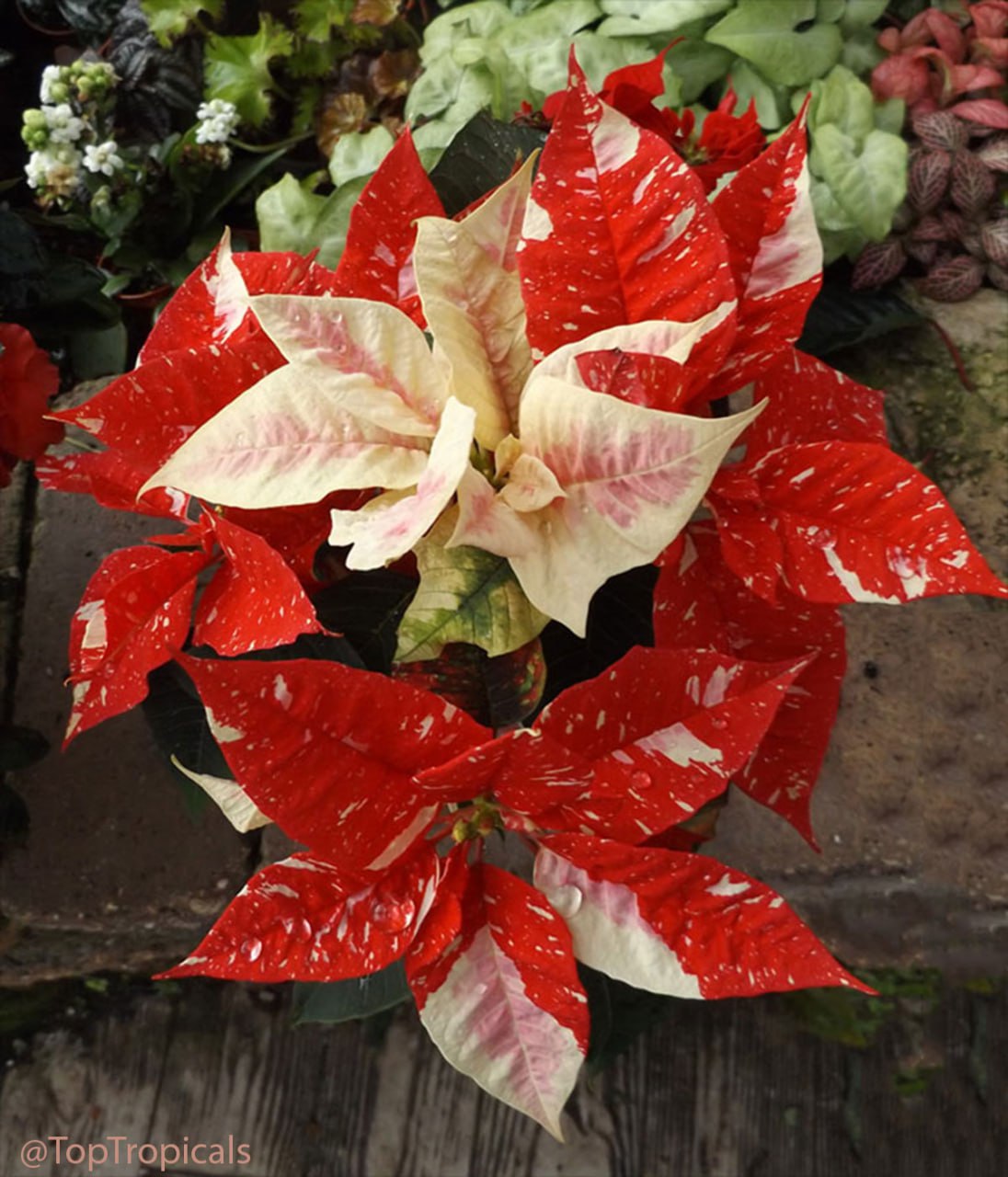
Poinsettia - Euphorbia pulcherrima veriegated leaves
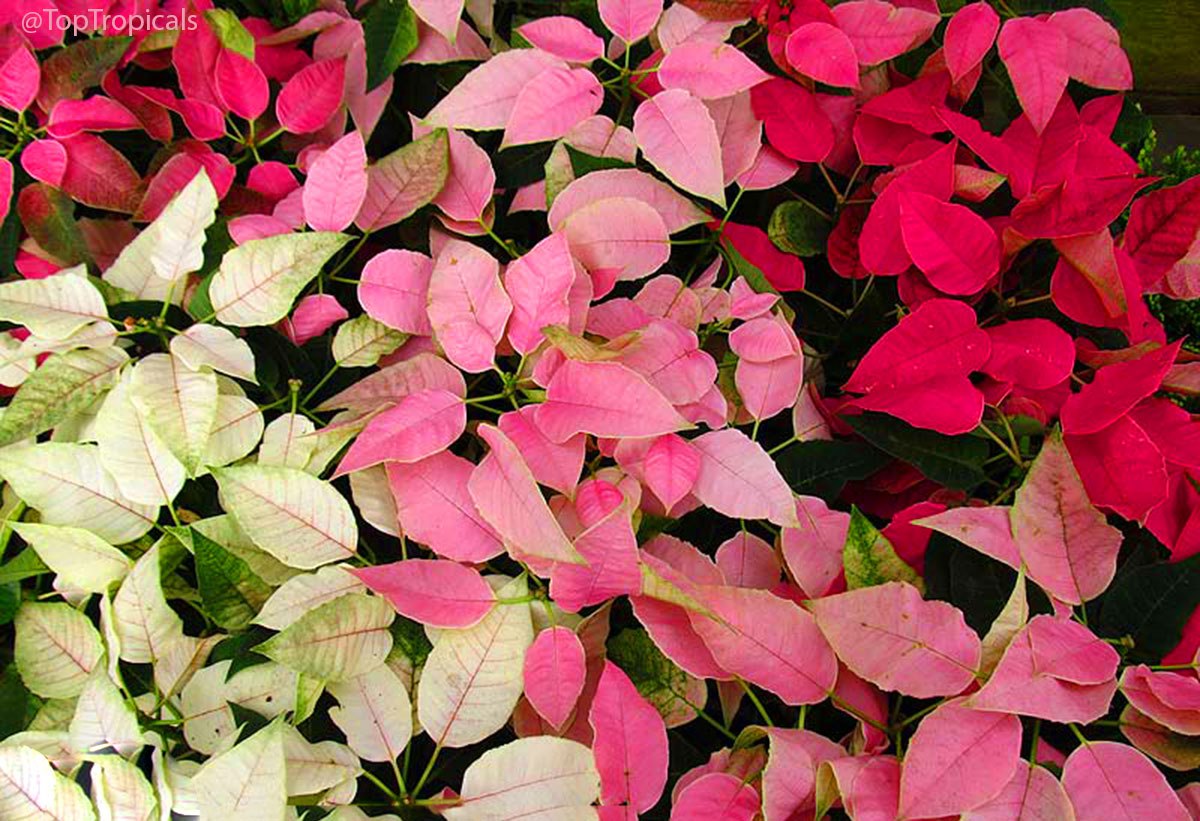
Poinsettia - Euphorbia pulcherrima veriegated leaves

Poinsettia - Euphorbia pulcherrima - white, pink and red
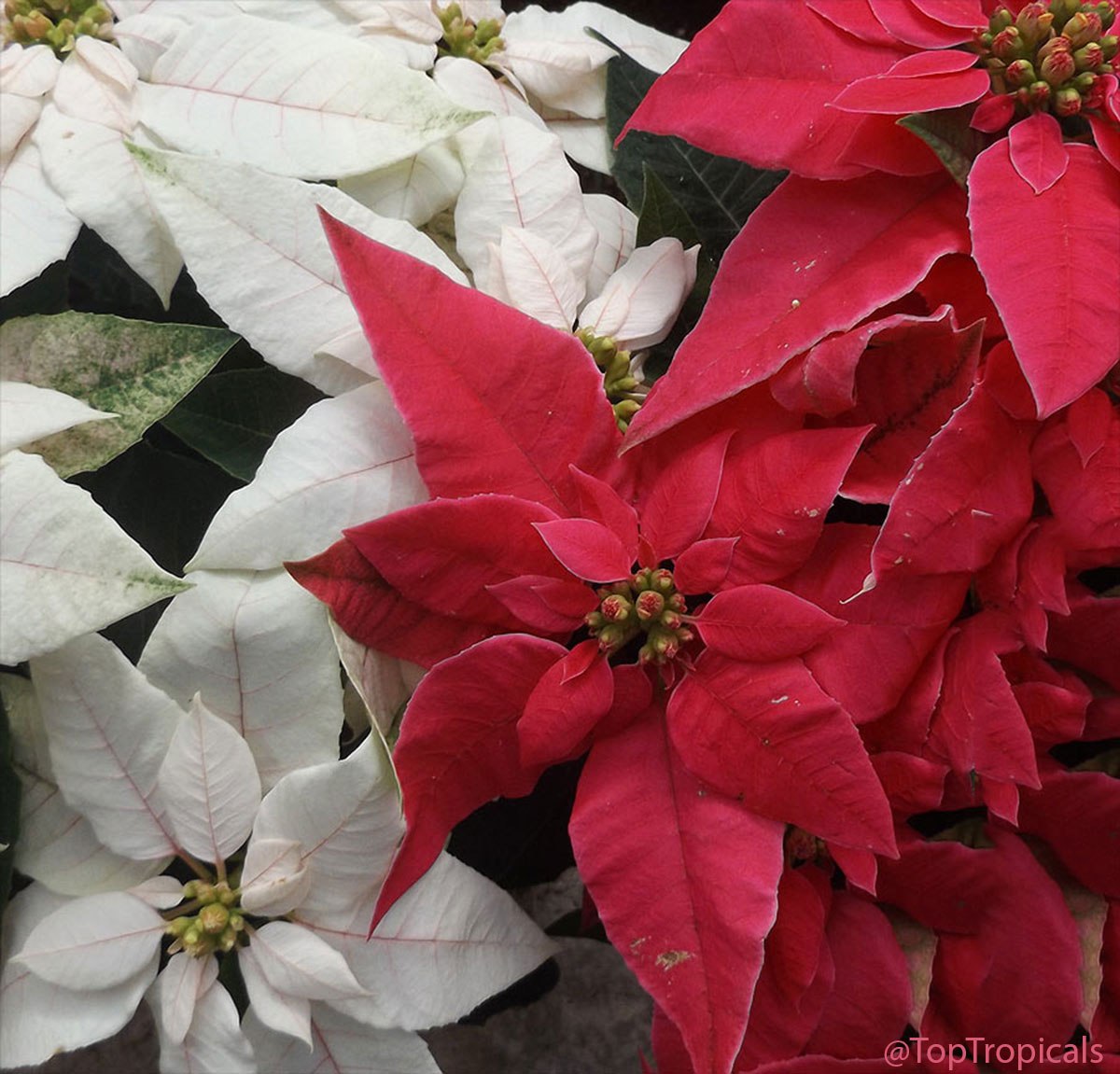
Poinsettia - Euphorbia pulcherrima - white, pink and red

Poinsettia - Euphorbia pulcherrima - white and red
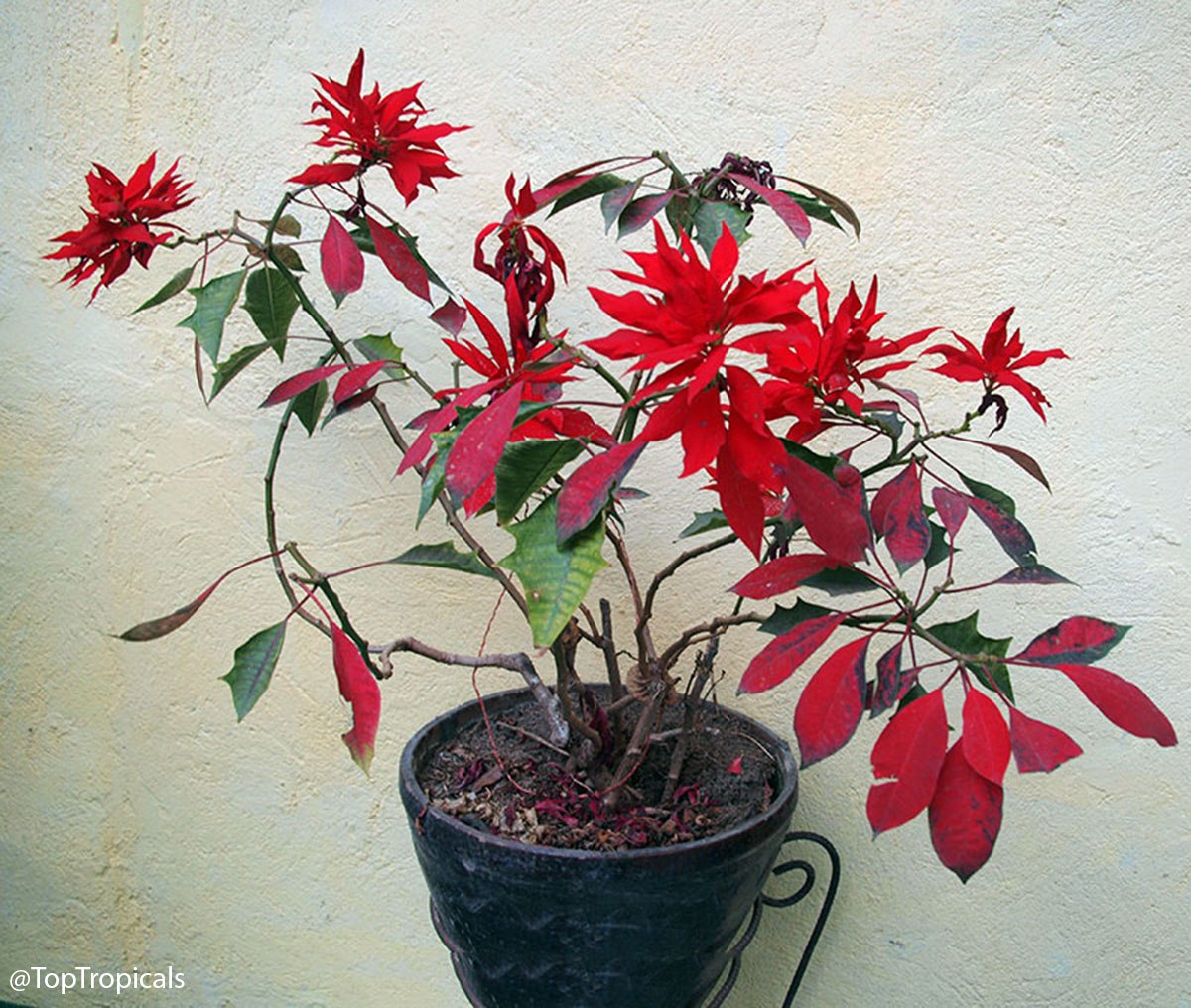
Poinsettia - Euphorbia pulcherrima - white and red

Poinsettia - Euphorbia pulcherrima - in a pot

Poinsettia - Euphorbia pulcherrima - in a pot

🎄 Do not throw out your poinsettia - 4 simple tips how to keep it alive for next Christmas


Poinsettias - Euphorbia_pulcherrima - are tender perennials, not one-season plants. After the holidays they naturally fade, rest, and regroup. With a few simple care tweaks, a healthy plant can live all year and rebloom next winter.
  • 🎄 1. Let it rest after the holidays


  • ✦ Flowering ends naturally - faded bracts and some leaf drop are normal.
  • ✦ Prune when bracts fall: cut stems back by 1/3 to 1/2, leaving 4-5 inches.
  • ✦ Wear gloves - the sap can irritate skin.
  • ✦ Move to a cooler, bright spot for 4-6 weeks.
  • ✦ Ideal temp: 55-60°F
  • ✦ Reduce watering.
  • ✦ Water only when the top 2 inches of soil are dry.
  • ✦ Avoid soggy soil.


🎄 2. Repot in late spring

  • ✦ New growth usually starts in late spring.
  • ✦ Repot at this stage to refresh nutrients and give roots space.
  • ✦ Use a well-draining, slightly acidic potting mix.
  • ✦ Choose a pot only slightly larger, with drainage holes.
  • ✦ Loosen roots gently and remove old compacted soil.
  • ✦ Water lightly, then place in a bright, warm spot.
  • ✦ Resume regular watering and light feeding through spring and summer.


🎄 3. Adjust care during the growing season

  • ✦ Increase temperature gradually to 64-68°F.
  • ✦ Water more often once growth resumes.
  • ✦ Wilted or curling leaves signal thirst.
  • ✦ Water thoroughly and evenly.
  • ✦ Bright light is key, but avoid harsh direct sun.
  • ✦ Use sheer curtains or a grow light if needed.
  • ✦ Fertilize periodically with a balanced houseplant fertilizer.
  • ✦ Pinch back new shoots in late spring for a fuller, bushier plant.


🎄 4. Preparing for winter color

  • ✦ In fall, poinsettias need long nights to bloom.
  • ✦ Provide 12-14 hours of complete darkness nightly for 6-8 weeks.
  • ✦ This triggers colorful bracts in time for the holidays.


❓ Quick FAQ


Can it go outside?
Yes, in warm months only. Bring it indoors before temps drop below 50°F.

Winter outdoors?
No - poinsettias are cold-sensitive and must stay inside.

🎄 Poinsettias don't die after Christmas - they just take a nap. Give them rest, light, and patience, and they will reward you next year.

✍️ Expert reference: Homes and Gardens

🛒 Explore plants for containers

📚 Learn more:

Ponsettia Plant Facts

Euphorbia pulcherrima
Ponsettia, Poinsettia, Christmas Plant, Poincettia
USDA Zone: 9-11
Large shrub 5-10 ft tallSemi-shadeShadeModerate waterOrnamental foliageIrritating plantSeaside, salt tolerant plant

#How_to #Container_Garden

🟢 Join 👉 TopTropicals

Date: 16 Jan 2026

The most asked-about tree in the Sunshine State: Bauhinia

Purple Orchid tree - Bauhinia purpurea

🌸 The most asked-about tree in the Sunshine State: Bauhinia

  • 🌸 If you visit Florida in winter, chances are you will notice a tree covered in orchid-like flowers and wonder what it is. That tree is often an orchid tree, most commonly Bauhinia purpurea. It is fast growing, wide spreading, and blooms from late winter through spring, sometimes with a second round in summer. The flowers range from magenta to lavender, are lightly fragrant, and stand out even from a distance. The leaves are just as distinctive - split into two halves like butterfly wings, which is why these trees are also called butterfly trees.
  • 🌸 Orchid trees are easygoing and practical. They thrive in full sun, tolerate many soil types as long as drainage is good, and need little water once established. Growth is quick, often 2–3 feet per year, making them excellent shade trees for hot climates. The flowers attract bees, butterflies, and hummingbirds, and in some cultures the buds and blossoms are used in cooking, while the bark has a long history in folk remedies. Beautiful, useful, and low maintenance, orchid trees are a perfect fit for Southern landscapes.


🛒 Discover Bauhinias - Orchid trees

📚 Learn more:

Dwarf White Orchid Tree Plant Facts

Bauhinia acuminata
Dwarf White Orchid Tree, White Bauhinia, Kaa-long, Snowy Orchid
USDA Zone: 9-11
Large shrub 5-10 ft tallSmall tree 10-20 ftFull sunModerate waterWhite, off-white flowersDeciduous plant

#Trees

🟢 Join 👉 TopTropicals

Date: 22 Jan 2026

Free shipping on Exotic Adenium Desert Roses - limited time!

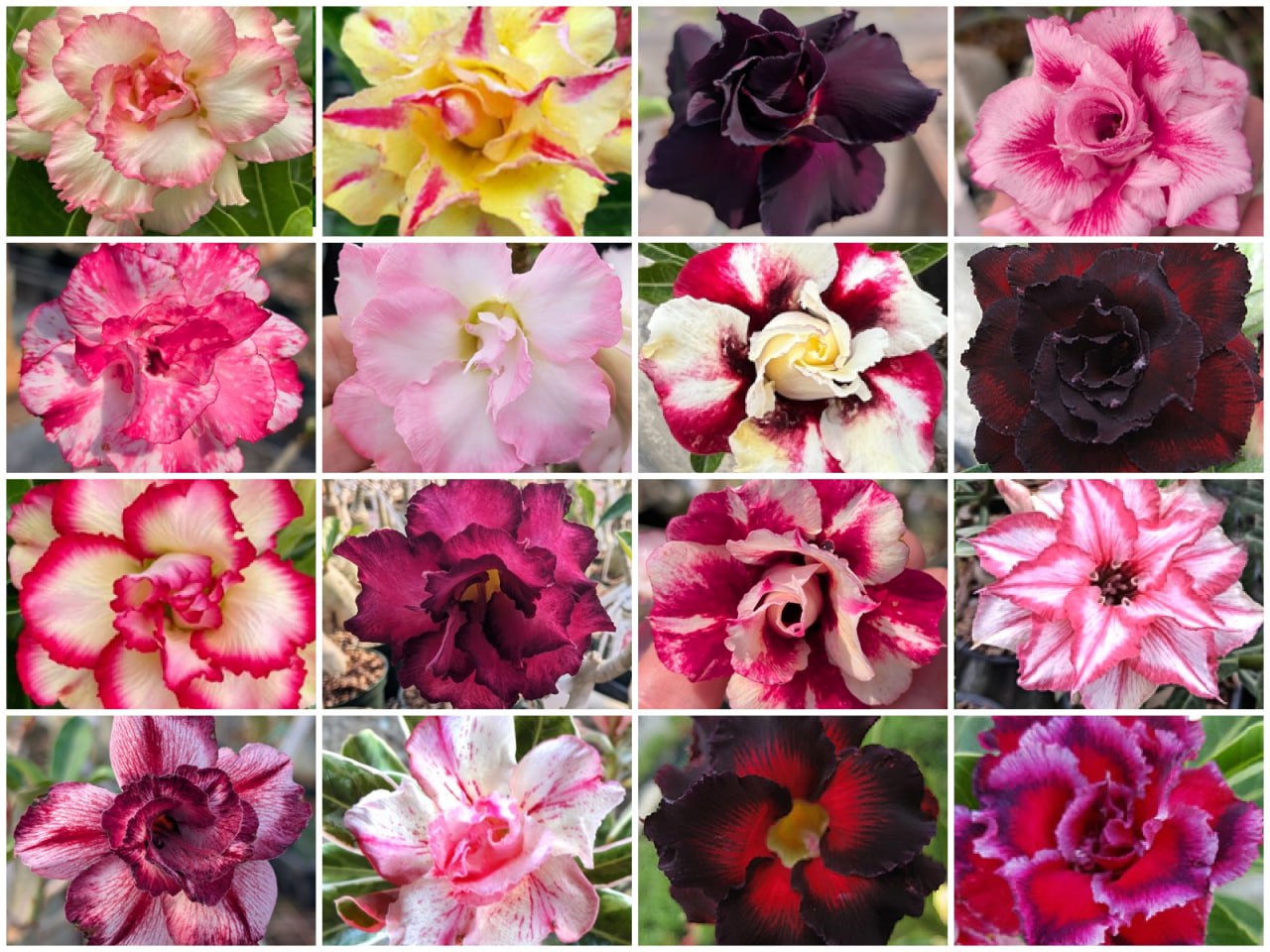
Adenium hybrids

Adenium hybrids

🆓 Free shipping on Exotic Adenium Desert Roses - limited time!

🛍 One week only, all adenium desert roses ship FREE!
  • 🌸 Perfect time to grab the varieties you have been eyeing or add a few more to your collection.
  • 🌸 Many selections are limited and selling quickly. Orders are filled first come, first served.
  • 🌸 We will pack all your adeniums together and ship them safely in one big box for you (or many boxes if that's what it takes) - with free shipping on us!
  • 🌸 Don’t wait on this one. When they’re gone, they’re gone. While supply lasts.


🛒 Explore collectible Adeniums

📚 Learn more:


#Container_Garden #Adeniums #Shade_Garden

🟢 Join 👉 TopTropicals

Date: 20 Feb 2026

What tropical plants survived Floridas historic freeze without protection

Florida historic freeze

What tropical plants survived Florida's historic freeze without protection

In the first week of February 2026, arctic air pushed deep into Florida. For many areas, this was the coldest event in over a century.
We received one question over and over: How did your gardens do?
Top Tropicals Farm in Sebring, Florida is up and running - and this freeze became a real-world hardiness test for tropical and subtropical plants. Below is our initial field report after inspecting established plantings.

📊 Weather data - February 1-6, 2026


Sebring, Florida - 132 years of recorded observations
This was not a light frost. It was prolonged, windy, penetrating hard freeze.


🌡 Minimum temperature: 25F
❄️ Wind chill: 14F
⏳ Duration: 3 nights of 8-10 hour hard freeze
☀️ Daytime temperatures: around 50F for 7 days
🌀 Wind: sustained 20 mph, gusts 40-50 mph
  • Cold protection


    In-ground trees: selected plants covered with frost cloth, especially mango and young avocado trees.
    Tender container plants: moved into greenhouses with propane heat above 34F.
    Hardy container plants: frost cloth and wind protection only - no plastic
    Nutrition support: plants fertilized regularly during the growing season with Green Magic and Sunshine Boosters to maintain vigor and hardiness.

    However, the plants listed below had no protection at all.
    All were established trees 2-3 years in the ground.
  • The plants below had NO PROTECTION, established trees 2-3 years old


✅ Survived with no damage
:
  • 🍑 Tropical Fruit Trees and Edibles:


    Citrus
    Loquats
    Mulberries
    Macadamia Nut
    Jaboticabas
    Pomegranates
    Avocado - cold hardy varieties
    Feijoa - Pineapple Guava
    Psidium littorale - Cattley Guavas
    Eugenias (Grumichama, Rio Grande, Surinam and more)
    Olive trees
    Bay Leaf (Laurus nobilis)
    Fig trees (Ficus carica)
    Prunus sp - Peaches, Plums, Nectarines
    Persimmons
    Rubus (Blackberries) including Tropical Mysore Raspberry
    Elderberry (Sambucus)
    Yerba Mate - Ilex paraguariensis
    Opuntia - Nopal Cactus, Prickly Pear


🌸 Flowering Trees and Shrubs:


Beaucarnea recurvata - Pony Tail
Callistemon - Bottlebrush
Yucca
Tabebuias
Magnolia figo and Little Gem
Calliandra tweedii - Red Powderpuff
Sophora tomentosa
Galphimia gracillis - Thriallis
Acacia trees
Osmanthus fragrans
Abutilon trees
Erythrina - several species
Monkey Ear tree - Enterolobium cyclocarpum
Bauhinia Orchid Trees - several species
Pseudobombax ellipticum - Shaving Brush Tree
Bulnesia arborea- Vera Wood
Caesalpinia mexicana, Mexican Bird of Paradise
Sansevieria - Snake Plant
Foxtail fern - Asparagus densiflorus
Lonicera - several varieties
Jacaranda tree
Eucalyptus
Plumbago Imperial Blue
Philodendron bipinnatum
Gardenias
Gingers (dormant rhizomes)

✳️ Minimal leaf damage only:
(These plants showed light cosmetic damage but no structural injury)

🍑 Tropical Fruit Trees and Edibles:


Glycosmis pentaphylla - Gin Berry
Black sapote tree
Tamarind tree
Syzygiums: Rose Apple and Java Plum

🌸 Flowering Trees and Shrubs:


Pandora vine
Jasminum - several species
Stenocarpus sinuatus - Firewheel Tree
Xanthostemon
Quisqualis indica
Schotia tree
Eranthemum pulchellum - Blue Sage
Hiptage benghalensis - Helicopter Flower

🏡 What this means for Florida gardeners


This freeze was a stress test few gardens are prepared for. Yet many species handled 25F, wind, and multi-night freeze conditions without protection.
Choosing proven survivors, planting in smart microclimates, and maintaining strong plant health during the growing season makes a measurable difference.
More updates will follow as full recovery continues - but these early results already help define a stronger plant palette for future winters.

🛒 Explore cold tolerant tropical plants and cold hardy Avocados

📚 Learn more:


🎥 These Avocados survived 3 nights of 25F hard freeze, Florida Record Freeze

#Discover #How_to

🟢 Join 👉 TopTropicals

Date: 30 Mar 2026

How big does the Condo Mango grow?

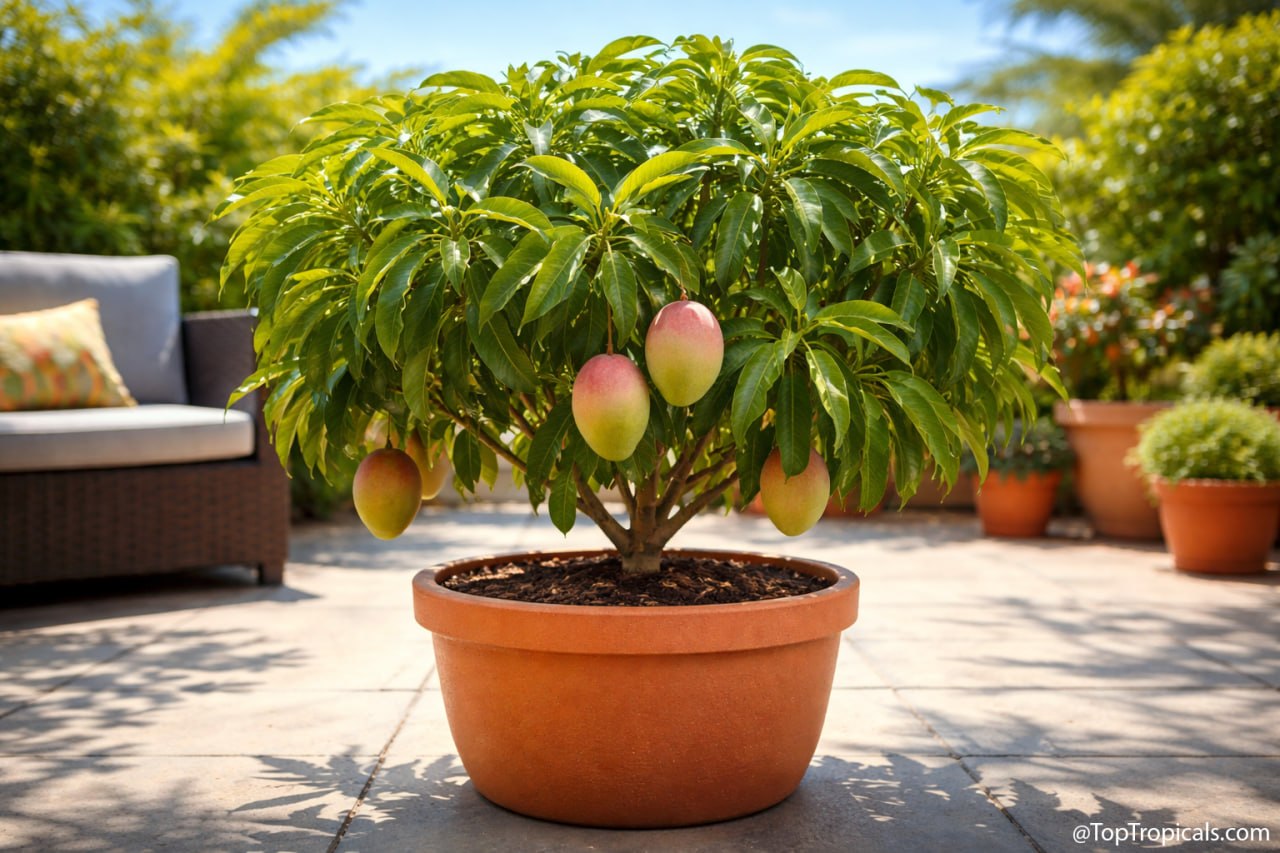
Mango tree fruiting in container

Mango tree fruiting in container

How big does the Condo Mango grow? 🥭

All mango trees are naturally vigorous and, if planted in the ground, they all can grow into full-size trees reaching 15-20 ft or more. The term "Condo Mango" refers to varieties with a more compact growth habit that can be kept small in containers with light pruning. In a pot, their size is controlled by root space and regular trimming, allowing them to stay manageable and productive for many years. Here is how:
  • 🥭 Condo mango = mango trees that stay compact in containers with light pruning.

  • ✔️ In ground: 15–20+ ft
  • ✔️ In pots: keep them 6–8 ft


🥭 Best pot sizes

  • · 3-7 gal - starter (3–6 months)
  • · 7-5 gal - young tree (1–2 years)
  • · 15-25 gal - ideal long-term
  • · 25-40 gal - faster growth, more pruning

  • 👉 Smaller pot = easier care
  • 👉 Bigger pot = more growth + more work


🥭 Best mango types for containers


True dwarf (easiest)
Minimal pruning, perfect patio trees

Baptiste
Carrie
Cogshall
Diamond
Ice Cream
Julie
Little Gem
Mallika
Manilita
Nam Doc Mai
Pickering
Rapoza (Dwarf Hawaiian)

Semi-dwarf (manageable)
More growth, bigger harvest, need more pruning

Cushman
Fairchild
Florigon
Fralan
Glenn
Graham
Irwin
Ivory
Keitt
Lancetilla
Lemon Meringue
Maha Chinook
Mun Kun Si
Neelum
Okrung
Philippine (Manila)
Val Carrie
Van Dyke
Venus

✂️ Simple rules that matter

  • · Keep tree 6–8 ft with pruning
  • · Use fast-draining soil (critical)
  • · Full sun = fruit
  • · Feed regularly - Green Magic + Mango Tango
  • · Repot or root-prune every few years


🛒 Select from Condo Mango varieties

📚 Learn more:
#Food_Forest #How_to #Discover #Mango

Mango Plant Facts

Mangifera indica
Mango
USDA Zone: 9-11
Large tree taller than 20 ftSmall tree 10-20 ftFull sunModerate waterYellow, orange flowersPink flowersEdible plantSeaside, salt tolerant plant
🟢 Join 👉 TopTropicals