Garden Blog - Top Tropicals
Date: 3 Dec 2025
Can Poinsettia grow for years? 5 most common mistakes with new container plants
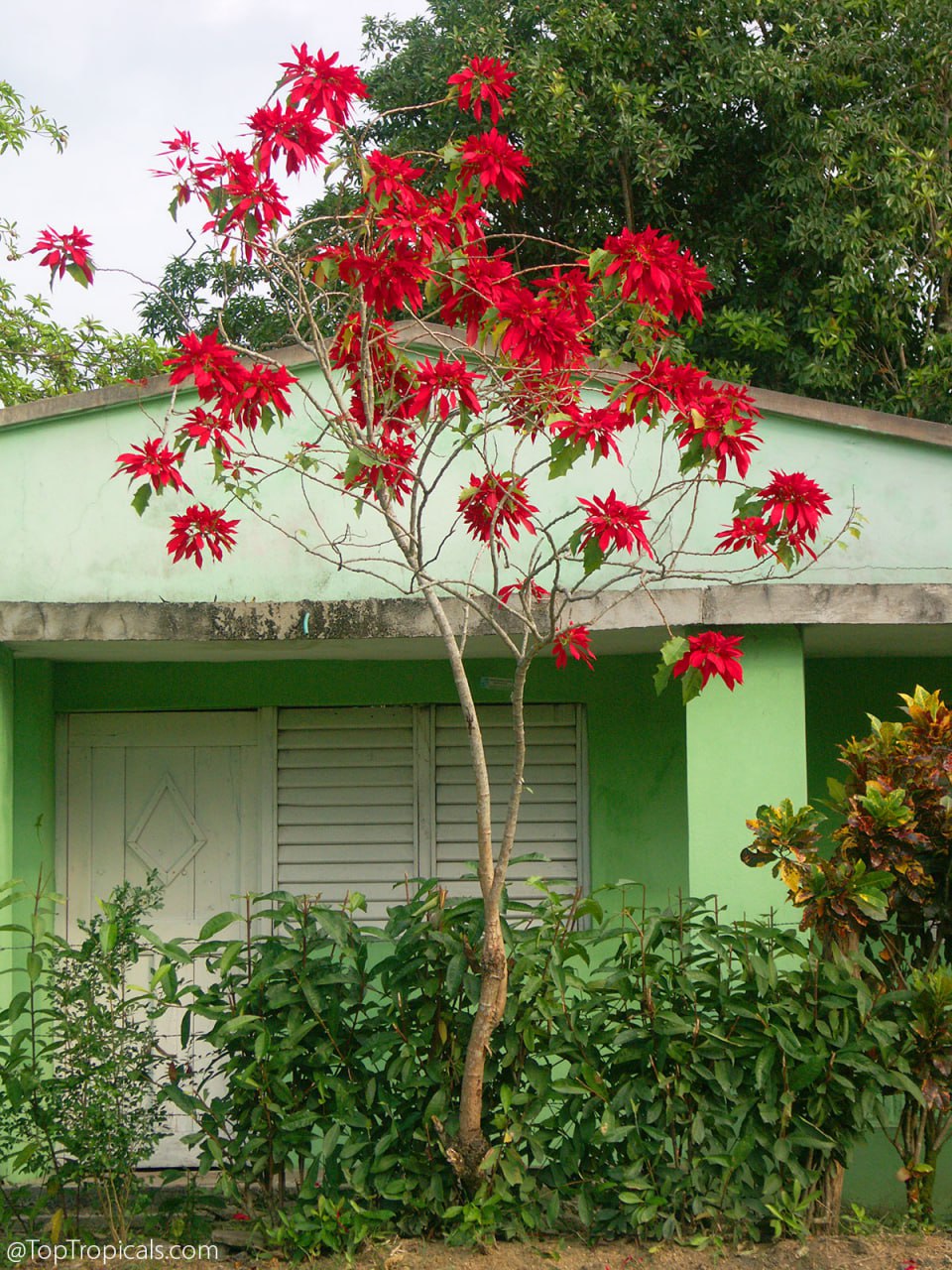
Poinsettia - Euphorbia pulcherrima tree
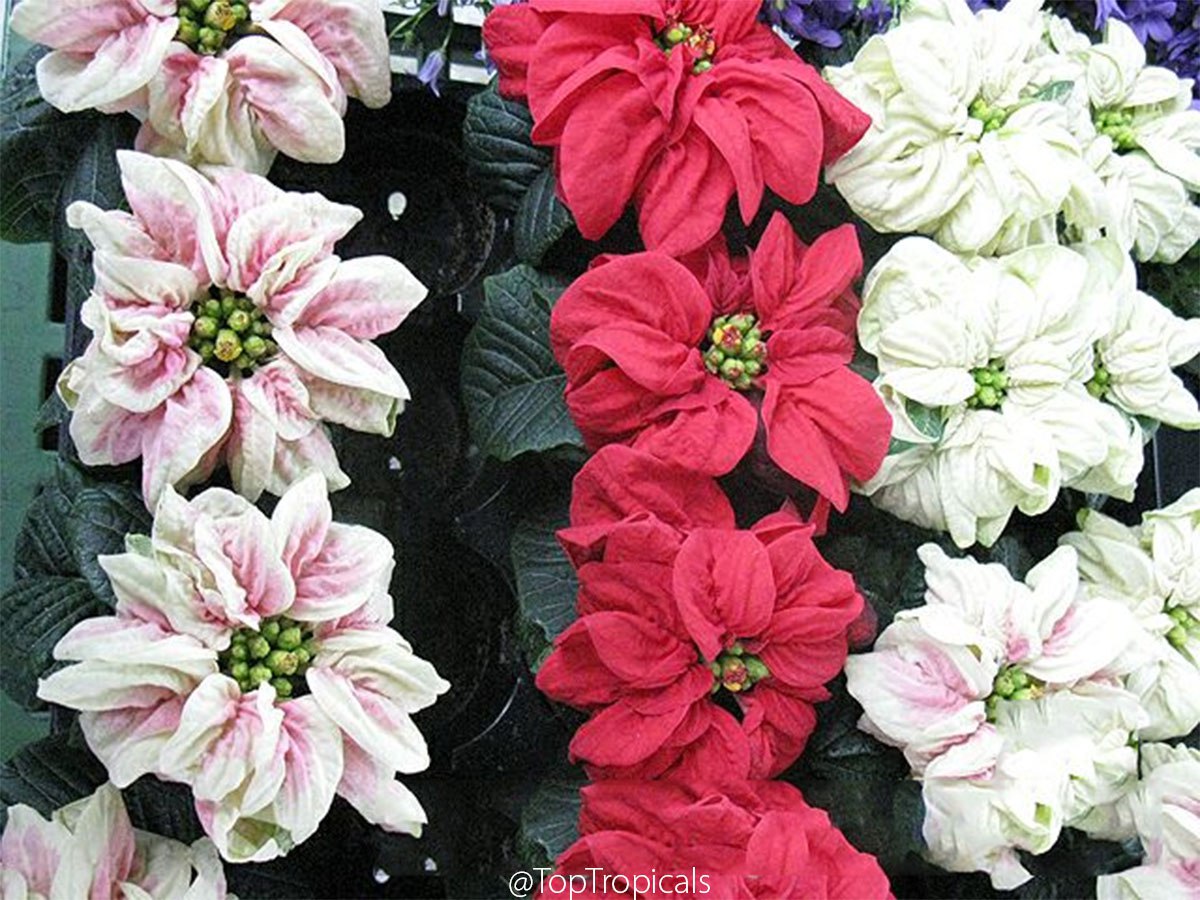
Poinsettia - Euphorbia pulcherrima colorful leaves
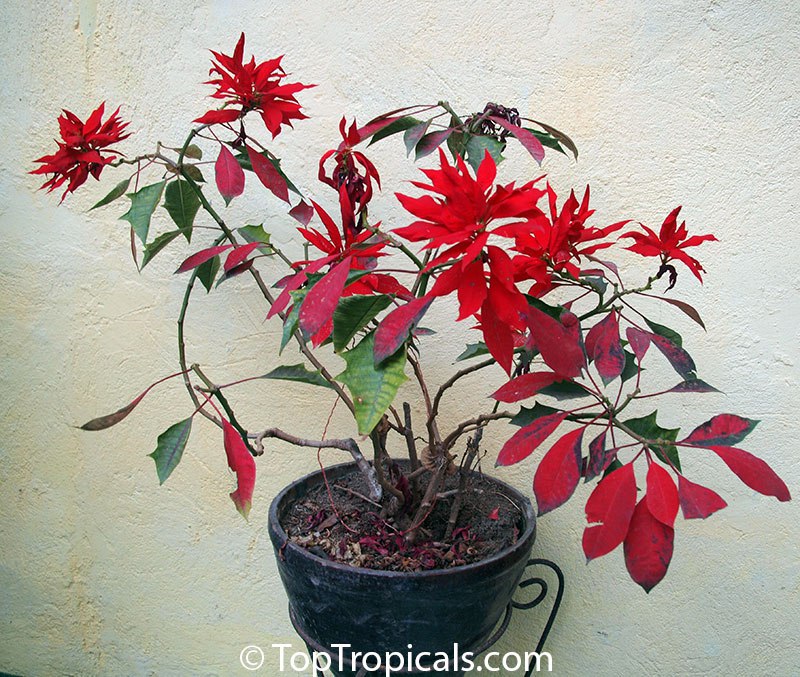
Poinsettia - Euphorbia pulcherrima in a pot
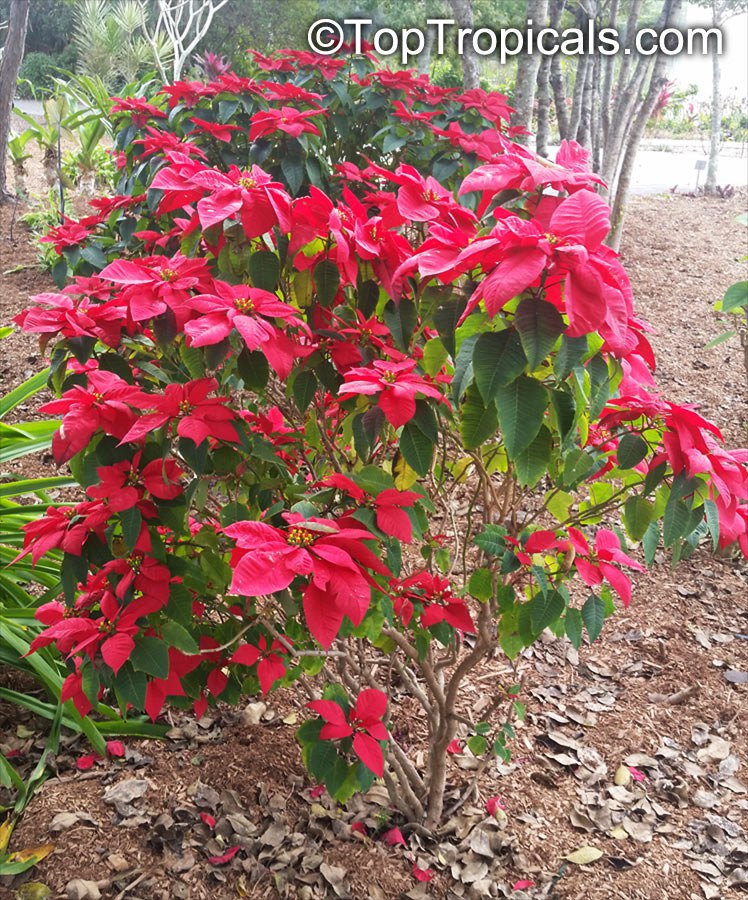
Poinsettia - Euphorbia pulcherrima bush
Can Poinsettia grow for years? 5 most common mistakes with new container plants.
You buy a beautiful plant from a big garden center, or maybe you received one as a holiday gift. It looks perfect - lush, bushy, colorful, spotless. But a few weeks later… what happened? It is dropping leaves, getting leggy, or simply dying. Think about poinsettias after Christmas - most end up in the trash like annuals. But poinsettias are actually perennial shrubs that live for many years in their native environment!
So what went wrong? Here are simple ways to avoid these disappointments and keep your new plants as happy as they were in the greenhouse - and even help them grow bigger and nicer for a long time.
❌ Do not put a plant directly into hot, bright sun.
Most nursery plants are grown in filtered light under shade cloth, and sudden full sun can burn the leaves.
✅ Move sun-loving plants gradually into full sun.
❌ Do not rely on the original container.
Holiday and gift plants often come in decorative pots that have issues:
- no drainage holes
- glazed or heavy plastic that traps moisture and causes root rot
- dry, porous terra cotta that loses moisture too fast
- cone-shaped pots that hold water and create waterlogging
- pots that are simply too big or too small for the root system
✅ Use simple black nursery pots with straight sides.
They:
- hold moisture at the right level
- are made of safe professional-grade plastic
- make it easy to remove the root ball when stepping up
For a fancy display, place the black pot inside a decorative planter. It will also act as a saucer to collect excess water - no stress, no mess.
❌ Do not skip checking the soil. Even plants from professional growers can hide surprises:
- the plant may be buried too deep. Large nurseries sometimes add extra soil on top to make the pot look full, but burying the stem can kill the plant in days.
- soil type on top may be wrong. They may pack peat moss or sphagnum on top to keep stems tight for display.
- the entire soil media might be temporary. Many orchids in stores, for example, sit in glazed pots stuffed with soggy sphagnum - not how orchids should grow.
✅ Take the plant out of the pot and inspect the roots and soil.
Remove excess peat or sphagnum. Use a quality, well-drained mix like Abundance and repot into a container that matches the root size or is just slightly larger.
❌ Do not forget fertilizer.
Your plant came from a professional nursery where it likely received constant feeding through a liquid injection system - almost like being on life support. Once removed, it can decline within weeks.
✅ Put your plant on a regular fertilizer schedule.
When repotting, mix in Green Magic controlled-release fertilizer and refresh it every 6 months. Simple and easy! You can also apply liquid Sunshine Boosters - safe to use with each watering.
❌ Do not ignore individual plant needs.
✅ Take a moment to ask what the plant prefers and what to avoid, when buying from a nursery where you can talk to a grower, like Top Tropicals. The grower knows exactly how it was grown and what it likes. Getting a plant is like adopting a baby - knowing its habits makes all the difference!
🛒 Select plants for containers
#How_to #Container_Garden
🟢 Join 👉 TopTropicals