Garden Blog - Top Tropicals

Date: 26 Feb 2026

Stop Sugar Crashes: 5 Tropical Fruit Hacks for Healthy Dessert
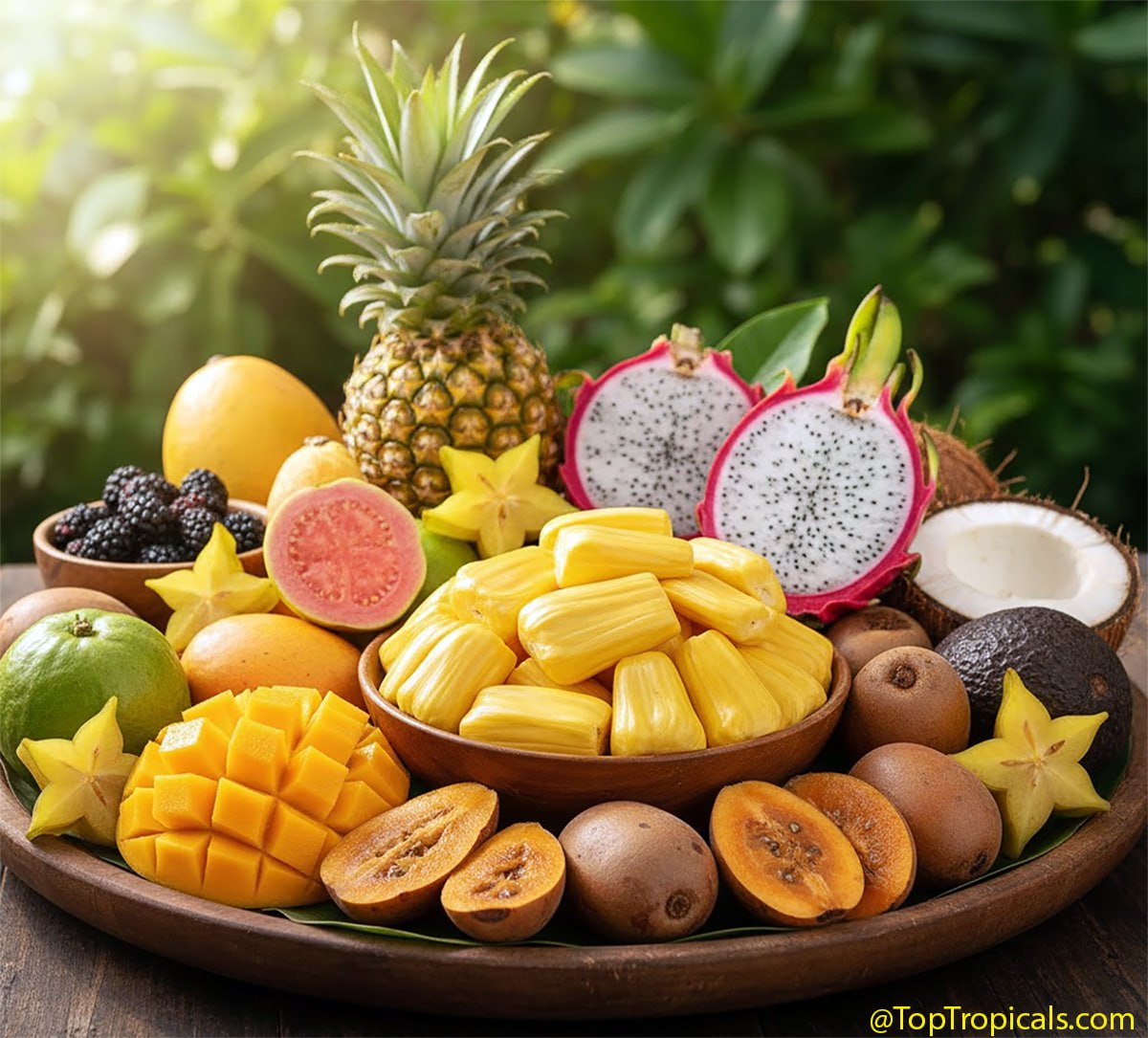
Exotic Tropical Fruits for Blood Sugar Management. Stop the sugar crash cycle. Learn how to manage glucose levels and insulin spikes using tropical fruits, healthy fats, and metabolic hacks for healthy dessert.

Exotic Tropical Fruits for Blood Sugar Management. Stop the sugar crash cycle. Learn how to manage glucose levels and insulin spikes using tropical fruits, healthy fats, and metabolic hacks for healthy dessert.

🍨 Stop Sugar Crashes: 5 Tropical Fruit Hacks for Healthy Dessert


The smarter way to handle sugar cravings - no restriction required

Tired of the post-cookie slump? Sugar cravings are a physiological response to blood glucose fluctuations, not a lack of willpower. Refined sugars trigger an insulin spike followed by a hypoglycemic crash, trapping you in a cycle of fatigue and hunger.
The secret to metabolic health is managing glycemic load. By choosing nutrient-dense tropical fruits, you satisfy your sweet tooth while maintaining stable energy homeostasis.
The solution is not to give up dessert. It is to change what dessert means. Here is how to use tropical horticulture to hack your biology and regulate insulin:

🍭 1. Choose fruit that comes with fiber


Whole tropical fruits deliver sweetness wrapped in fiber, water, and nutrients. That slows sugar absorption and keeps energy steady.
Try:
· Mango, chilled and sliced

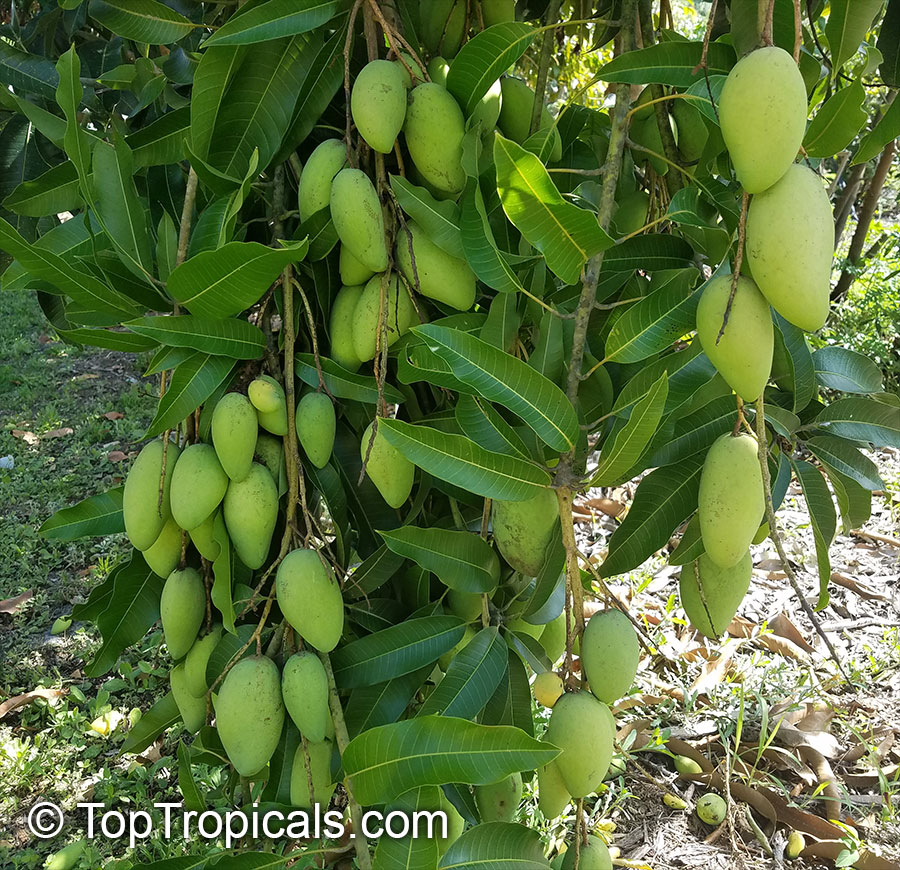
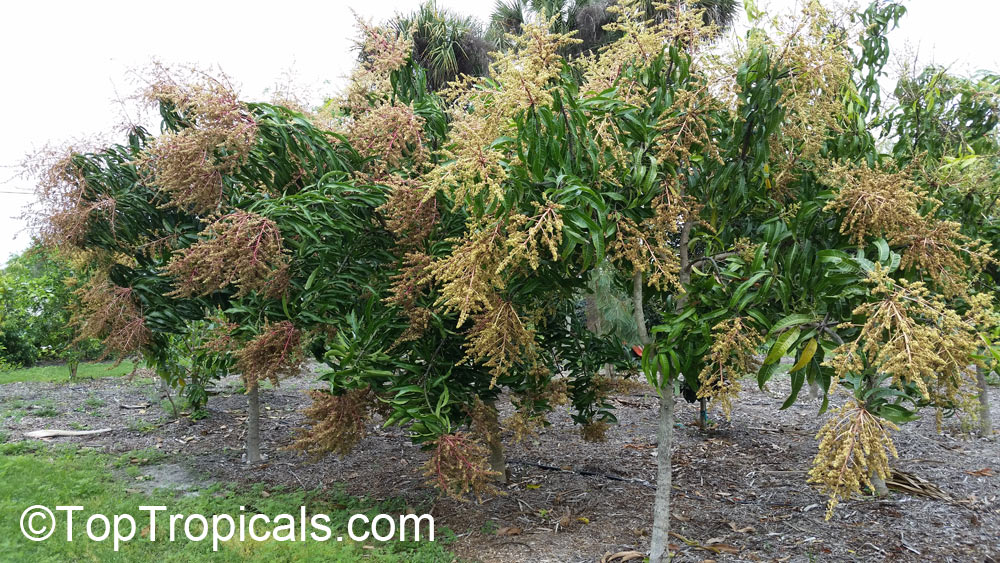
Mango Plant Facts

Botanical name: Mangifera indica
Also known as: Mango
USDA Zone: 9 - 11
Highligths Large tree taller than 20 ftSmall tree 10-20 ftFull sunWatering: Moderate. Water when top soil feels dryYellow, orange flowersPink flowersEdible plantSeaside, salt tolerant plant
Get personalized tips for your region

· Sapodilla - naturally caramel-sweet
· Mulberries by the handful
· Loquat halves straight from the fridge
· Dragon Fruit for light, clean sweetness Same pleasure. Less crash.

🍭 2. Pair sweet with fat to blunt the glucose spike


Healthy lipids are a biological hack for your metabolism. Fats slow gastric emptying, ensuring a steady glucose release rather than an inflammatory spike. Furthermore, lipids trigger cholecystokinin (CCK) - the hormone that signals satiety to the brain - effectively "turning off" cravings at the source.
· Avocado blended into a chocolate-style mousse: The monounsaturated fats create a creamy texture while blunting the sugar response.

Avocado Plant Facts

Botanical name: Persea americana, Persea gratissima
Also known as: Avocado, Alligator Pear, Aguacate, Abacate
USDA Zone: 9 - 11
Highligths Large tree taller than 20 ftSmall tree 10-20 ftFull sunWatering: Regular. Let topsoil dry slightlyEdible plantSubtropical plant. Mature plant cold hardy at least to 30s F for a short time
Get personalized tips for your region

· Banana with nut butter: Combining fast-acting fruit sugars with dense protein and fats.
· Pineapple with raw nuts: The bromelain in pineapple aids digestion, while the fats in nuts provide long-lasting satiety.
· Mango mixed into full-fat yogurt: The combination of probiotics, protein, and lipids turns a simple fruit into a complete, low-glycemic snack. When fruit is balanced with fat, cravings calm down instead of escalating.

🍭 3. Use naturally rich fruits in place of sugar


Some tropical fruits taste like dessert already.
· Jackfruit has candy-like sweetness
· Sapote is creamy and custard-like
· Guava brings floral depth
· Cherries add brightness
· Mash Banana into baking instead of white sugar.
· Blend Mango into yogurt instead of syrup.
· Top oatmeal with Mulberry instead of brown sugar. Dessert stays. The crash disappears.

🍭 4. Balance sweet with tart


Adding contrast reduces the urge to overeat sweetness.
· Carambola adds crisp tang.
· Pineapple brightens the palate.
· Loquat gives gentle acidity. Balanced flavors satisfy faster.

🍭 5. Start the day right


Skipping breakfast increases late-day sugar cravings.
A morning smoothie with Avocado, Banana, and Mango prevents the afternoon energy dip. Hydration also matters - thirst often disguises itself as a sweet craving.

🍭 In essence


Dessert is not the enemy. Refined sugar is.
When sweetness comes from nature's bounty, it nourishes instead of draining energy.
You do not need to quit dessert.
You just need to let nature handle it.

Consult with a healthcare professional before making significant dietary changes, especially if you have diabetes or metabolic conditions

🛒 Start your tropical fruit journey

Annona · Guava · Mango · Sapodilla · Mulberry · Pineapple · Avocado · Banana · Loquat · Dragon fruit · Jackfruit · Sapote · Cherries · Carambola

📚 Learn more:


A leaf you grow, not a pill you buy: Insulin ginger - the plant people actually use
How to lose weight naturally with tropical fruit and plants
What's for breakfast? Guava versus Banana
11 tropical fruits to eat instead of taking a fiber supplement
How to make lots of Insulin Ginger plants quickly and get more health benefits
Truth about which fruit helps you lose weight faster: Mango or Papaya?
Five best tropical fruits to naturally boost your energy
Finally: a sugar that’s good for your health

#Food_Forest #Remedies #Discover

🟢 Join 👉 TopTropicals

Date: 21 Apr 2021

Healthy Plants: Q&A from Mr Booster

Mango leaves and fertilizing

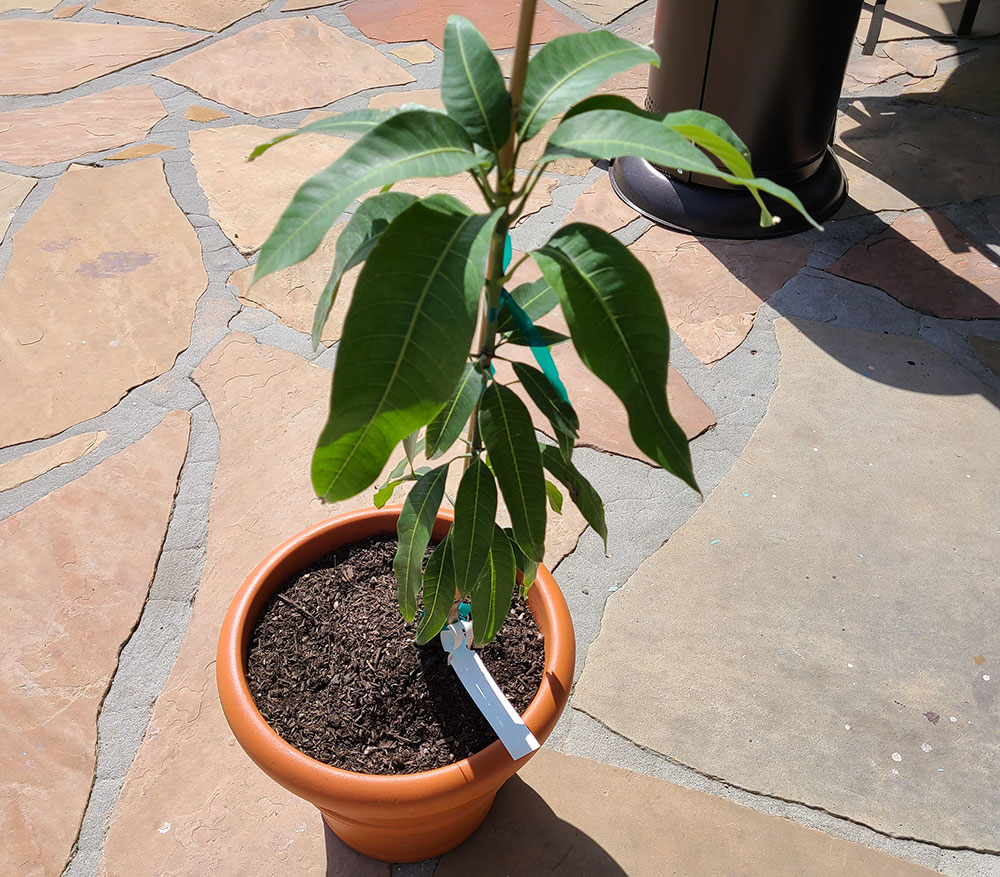
Q: I received a mango tree we ordered last week (I am in California) and am trying to make sure we take care of it properly. I noticed the corners of some leaves have began drying out. I wanted to see if there was anything else we should be doing or if it is something normal. Overall the tree looks good and the leaves have perked up, but I noticed the dry tips on a handful of leaves. Any help is appreciated! I have not fertilized in the pot yet or applied the mango sunshine booster.

A:Your mango tree looks pretty healthy, and these dry leaf tips may be caused by overall shipping stress. You have dry air in California, and temperatures may be getting up, this may cause additional drying effect. You may start fertilizing with a liquid fertilizer, it will help the plant to get stronger and grow faster - then heat and dry air won't be a problem as soon as the plant becomes better established and hopefully go into a bigger pot soon, or in the ground. Make sure to provide regular water if you have hot dry summers.

Date: 15 Oct 2020

Healthy Plants. Q&A from Mr Booster: Fertilizing Mango trees in Winter

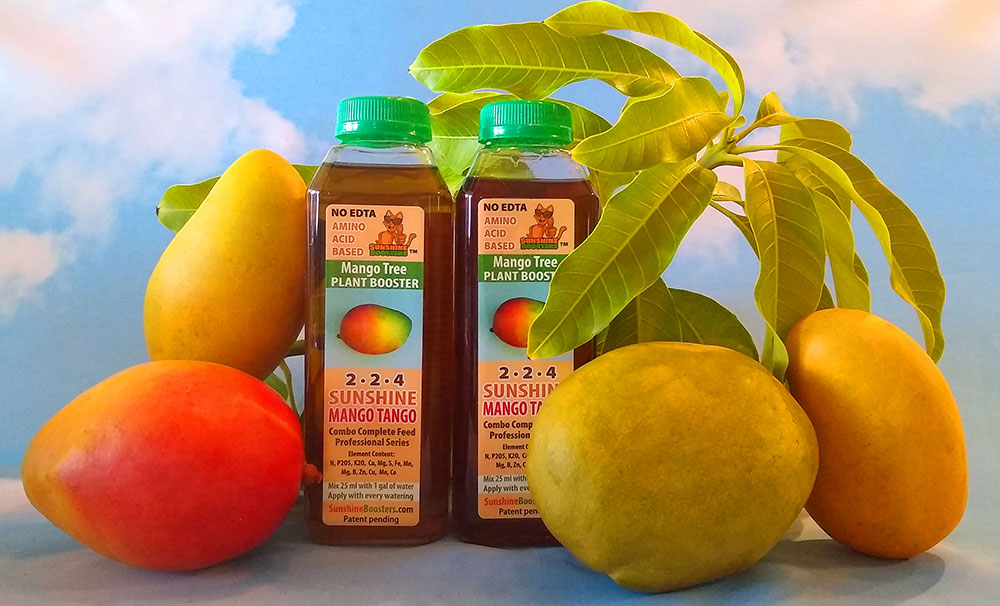
Q: I'm living in Maryland growing zone 7A and would like some info on when to fertilize my potted mango trees. I ordered your Sunshine Mango Tango 2-2-4. All your mango trees are in pots.

A: You can start using this fertilizer right away, any time of the year, and every time you water your plants.
Sunshine Mango Tango, as well as other Sunshine boosters, is an amino-acid based liquid fertilizer that is scientifically developed for daily plant needs in all necessary nutrients. This means, you may use this fertilizer with every watering, including winter period.
Traditional fertilizers (both granulated and soluble, EDTA-chelated) can only be used during hot months while plants grow actively, and must be limited or not used at all during cooler months, to avoid nutrient lock up in soil (which basically means "building up unused elements"). With Liquid Sunshine Boosters, it is safe to add them every time you water your tree.
During cooler weather and when plant metabolism slows down, a tree will consume less water (as well as food), and you will automatically reduce watering, to keep over-wintering plants on a dry side. This means, less fertilizer too. This allows you to control elements intake naturally, like you control water amount just as much as the plant needs.

Date: 30 May 2019

Triple Sec Mango

TopTropicals.com

By Onika Amell, tropical plant specialist

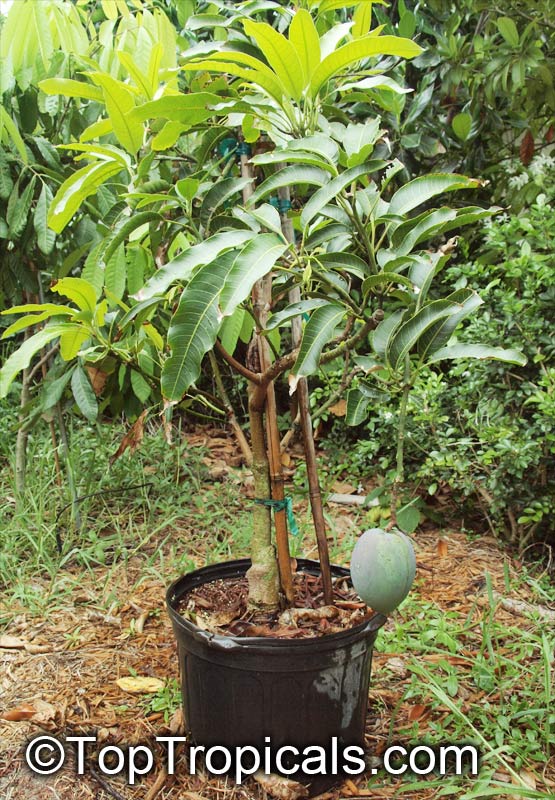
Q: I live in Mesa, Arizona. I am considering purchasing two of you Triple Sec Mango trees. Can you please give me some information on this variety and how to grow it successfully here in hot and arid Arizona, if at all?

A: Triple Sec Mango is a new name for the superior variety Seacrest. The aroma of this fruit resembles Triple Sec - an orange liqueur. It's a juicy, mid-season variety that has good disease resistance.
Mango has pretty good heat and drought tolerance. It loves sun, but there are a lot of factors to consider when growing Mango in your area.
Check your soil. Soil quality is always first and foremost: when you live in an area of Arizona with hardpan (extremely compacted desert soil) or caliche (layers of soil cemented by calcium carbonate) you will have to learn how to deal with such soil types. Amend the soil as needed.
The best time to plant is spring or fall to give your Mango a chance to get established before the really intense Summer heat starts. Alternatively, protect the tree with a shade cloth. Tender, new growth will not stand a chance unprotected, especially newly planted and/or young trees.
Mangoes are tropical and sensitive to frost and freeze damage. Young trees especially will also need winter protection when temperatures go near or below freezing. Always plant trees in a location where they will be protected from cold wind. Consider staking your newly planted Mango trees for the first year. It's never a bad idea to even stake during periods of high winds.
Make sure your planting site has very good drainage. Always use a good quality mulch around your tree as it helps to trap moisture, keeping the ground and the roots beneath it cool. Keep mulch a couple of inches from the trunk of the tree. Avoid a location that gets full day sun. Morning sun, afternoon shade is ideal. Give regular watering until the tree is established. Once established, water only when the soil feels dry.
Fertilizer with a Mango-Food. A foliar spray of micronutrient solution is always recommended during the active growing period. Use plant stimulants and microelements to improve cold hardiness and vigor.

See more info on growing mango in hot climate and container grown mangoes in Arizona.

Date: 20 Apr 2019

Growing mango tree in California

TopTropicals.com

Q: I just ordered a mango tree. I live in Southern California and was wondering if you have any tips on how to acclimate the mango to our climate. I know it is coming from hot and humid Florida to hot and dry Southern California and don't want to kill it because of the differences in climate.

A: Mangos in fact prefer dry conditions rather then humid. It may be perfect conditions for a mango tree at your place. Plant your tree in a pot size of the root ball; give it ample water and then let the soil surface slightly dry before watering again. Keep the plant in bright shade and gradually move into full sun. Once the tree is recovered from shipping stress, you may plant it in the ground and make sure to protect from freezing temperatures in winter. Use Mango Food for quick establishing and better fruit production. More to read:
Mango boosters
How to grow Mango in hot climates
Growing Mango in Arizona.