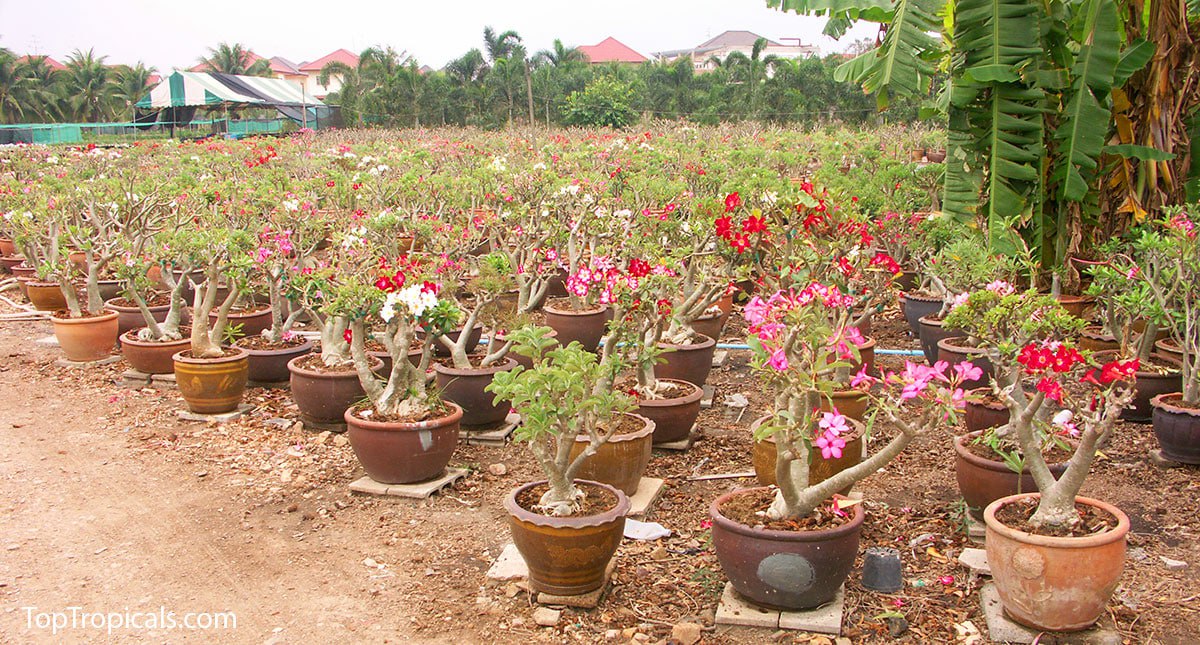
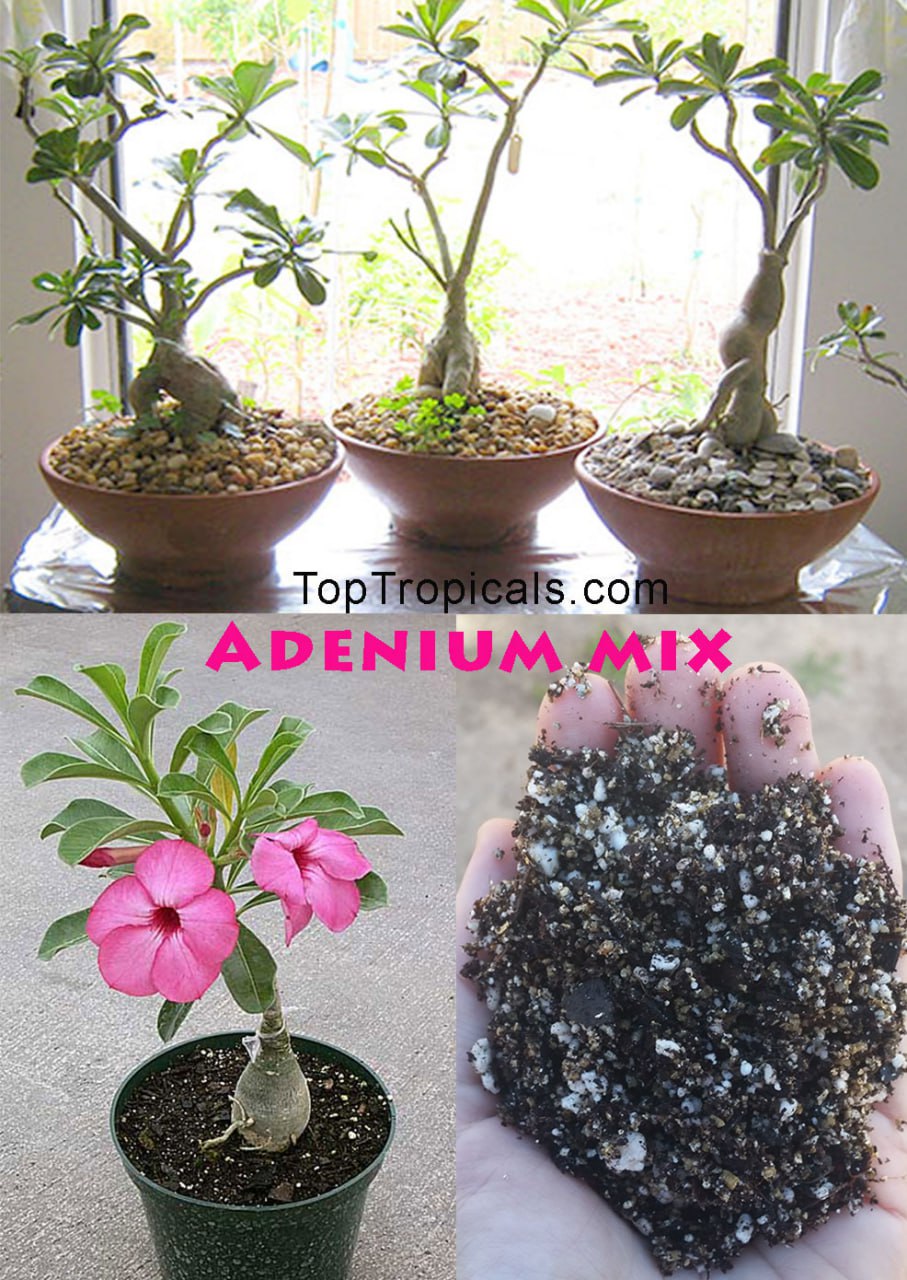
Adeniums, also known as Desert Roses, are exotic and striking plants with curious caudex and bright flowers. They can bring beauty to any indoor or outdoor garden. Despite their desert origins, they require a bit of care to thrive. Here's a simple guide to help you grow healthy and vibrant adeniums:
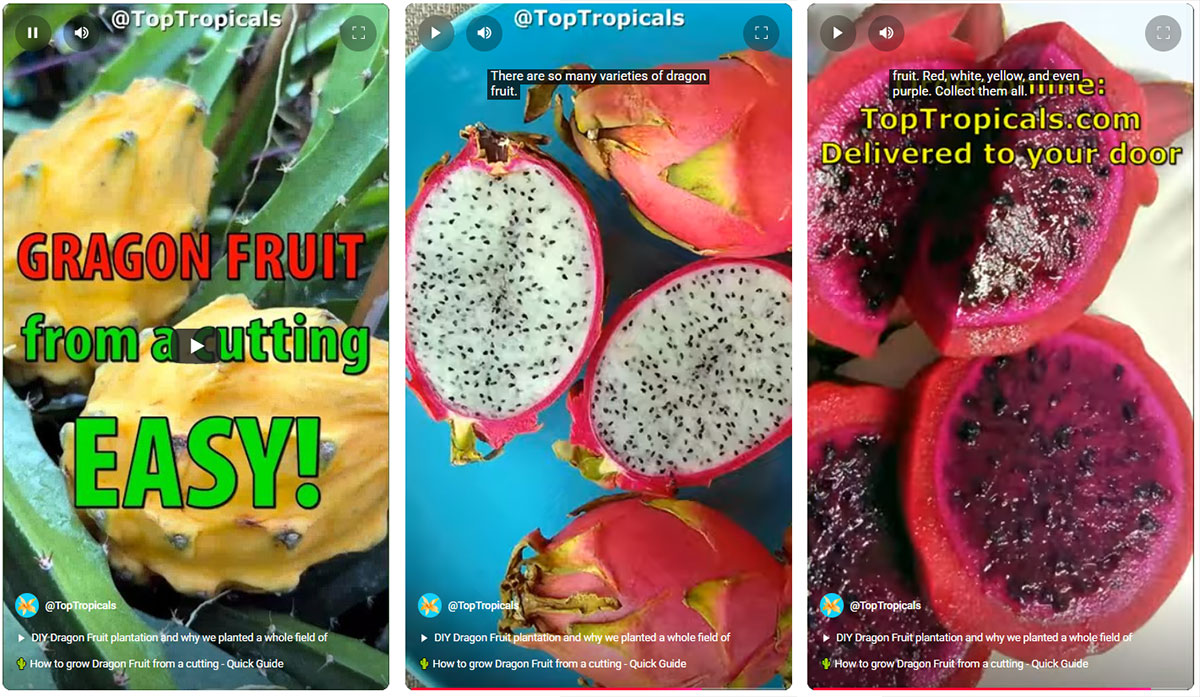
How to grow Dragon Fruit from a cutting - Quick Guide
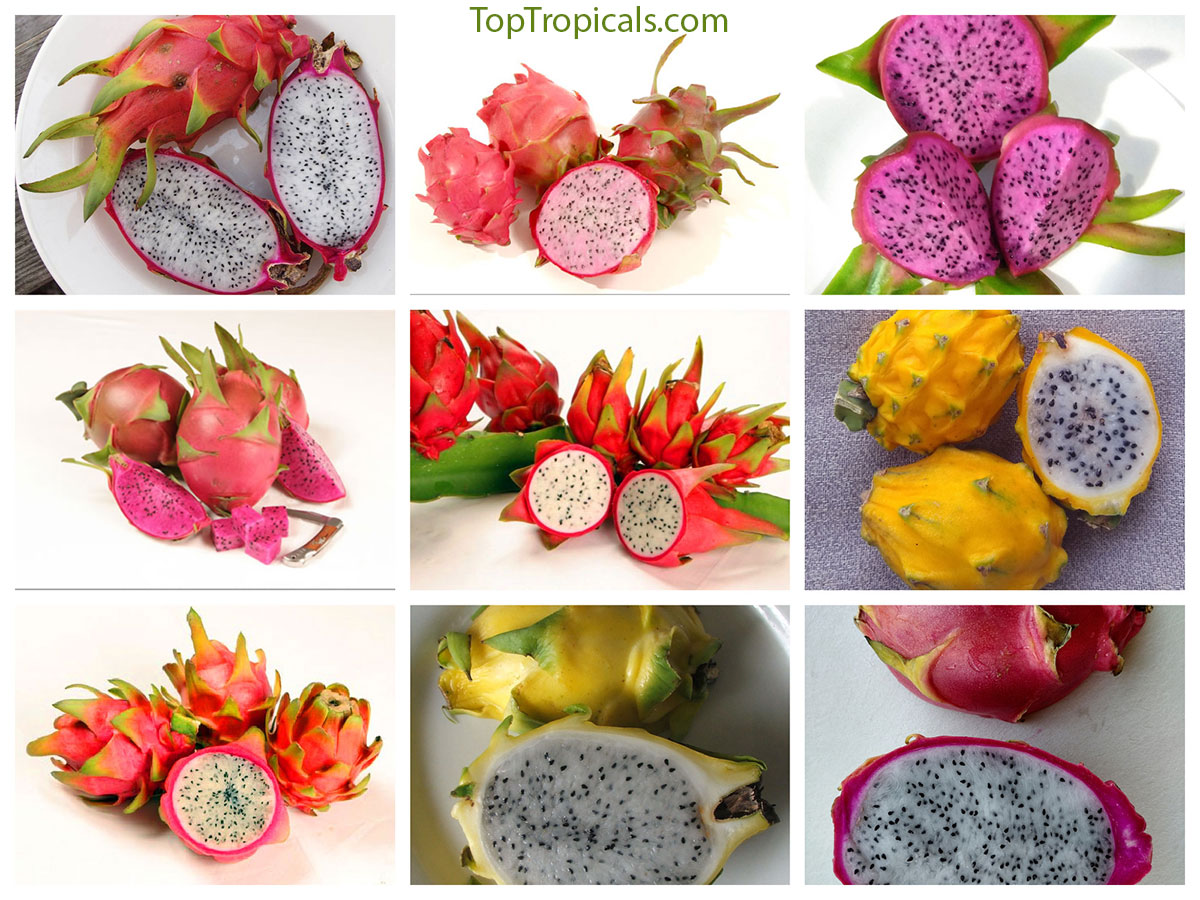
Dragon fruit, Pitaya - Hylocereus sp.
🌵 How to grow Dragon Fruit from a cutting - Quick Guide
🐉 Get a healthy cutting
Use a 6-10 inch long stem cutting from a mature dragon fruit plant. Let the cut end dry in the shade for 2-5 days so it forms a callus. This also helps prevent rot and fungus.
🐉 New video:
Quick Guide - How to grow Dragon Fruit from a cutting
Step by step guide:
1. Use a 6-10 inch long stem cutting from a mature dragon fruit
plant. Let the cut end dry in the shade for 2-5 days so it forms a callus.
This also helps prevent rot and fungus.
3. Plant the cutting. Stick the callused end about 2-3 inches
deep into the soil. Make sure it's planted upright (the way it grew on the
parent plant).
4. Support it. Add a trellis or post. Dragon fruit is a climbing
cactus and needs something to grow on.
5. Water lightly. Water once after planting, then wait until the
soil dries before watering again. Overwatering can rot the cutting.
6. Give it light and warmth. Place in bright, indirect sunlight
while it roots. Once established, it can handle full sun. Watch it grow! Roots
usually form in 2-4 weeks. New growth means it's taking off! This is the
time to
Ferilize it!
1. Consider her/his interests and environment: Think about the
recipient's favorite colors, preferred growing conditions (e.g. sunlight,
temperature), and any specific plants they already have and like.
2. Choose an easy plant, especially when giving it to
inexperienced gardener.
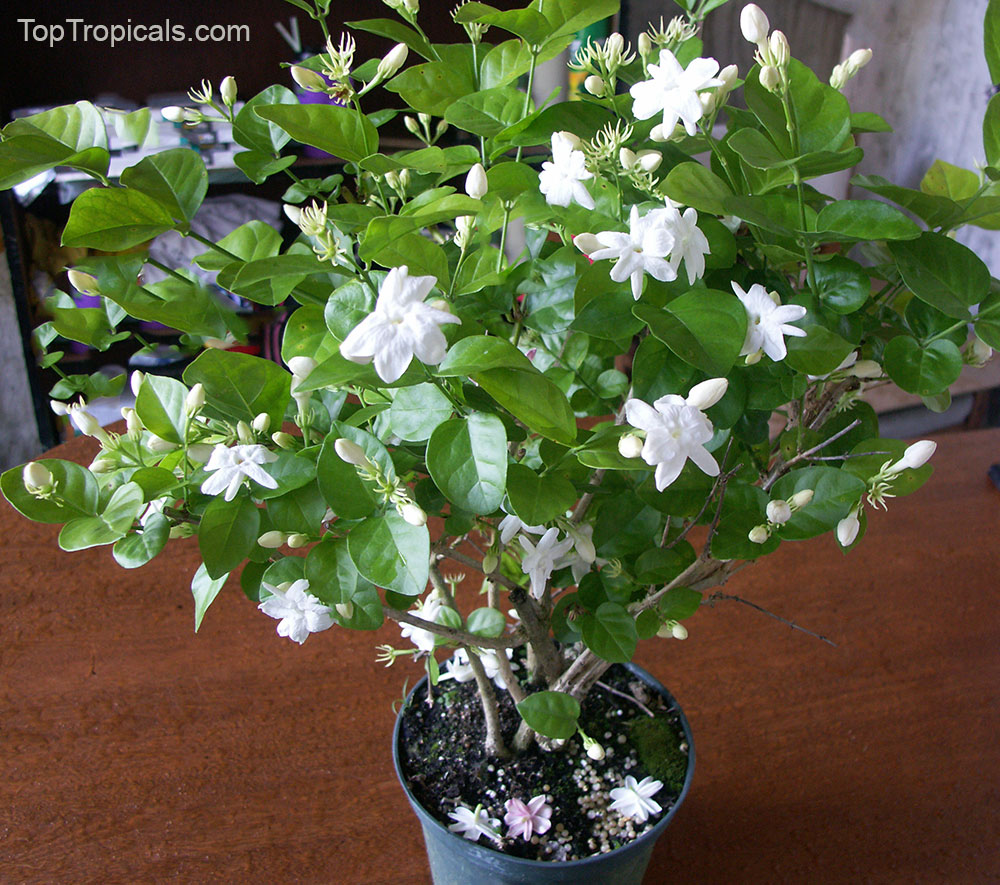
Desert roses, Plumerias,
Indoor plants are great for both beginners and experts.
3. Something to enjoy right away: Select an established plant
with developed roots and foliage. Grafted fruit trees will produce soon, and aroma of a spice tree can be appreciated without waiting for it to grow bigger.
House plants such as Philodendrons with ornamental foliage will brighten the room.
4. Presentation matters: Wrap the plant in decorative paper or a
gift bag, and consider adding a bow or tag for a personal touch.
5. Add a personal touch: Consider pairing the plant with a
personalized message or a small item such as a watering can, plant food, or a pretty planter. Your thoughtfulness will make the gift
even more special.
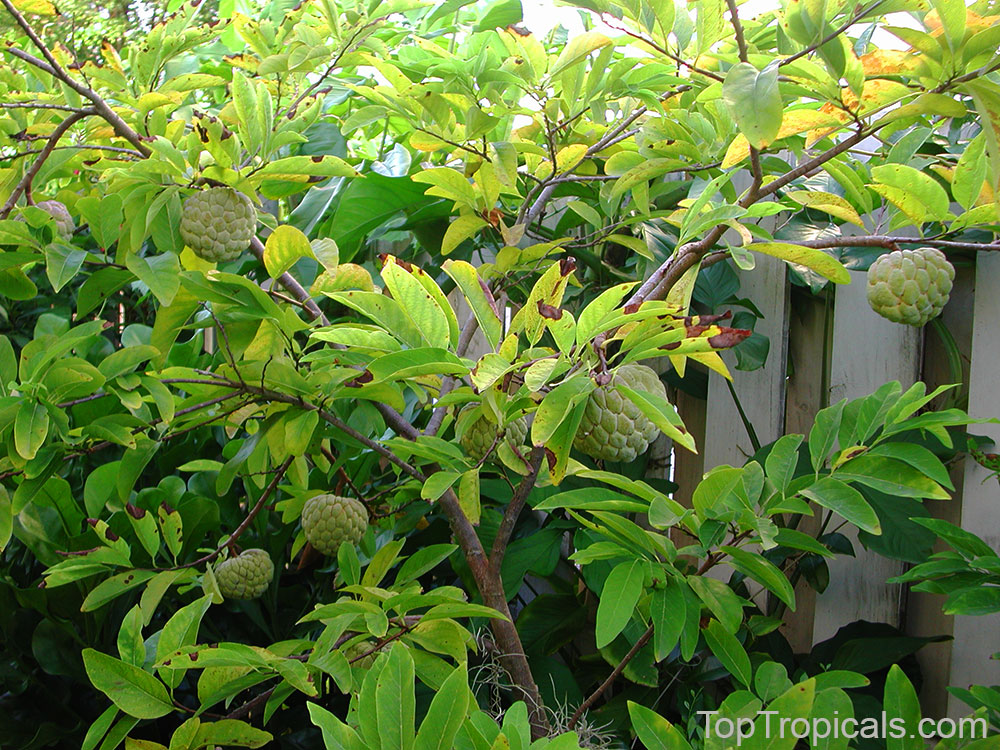
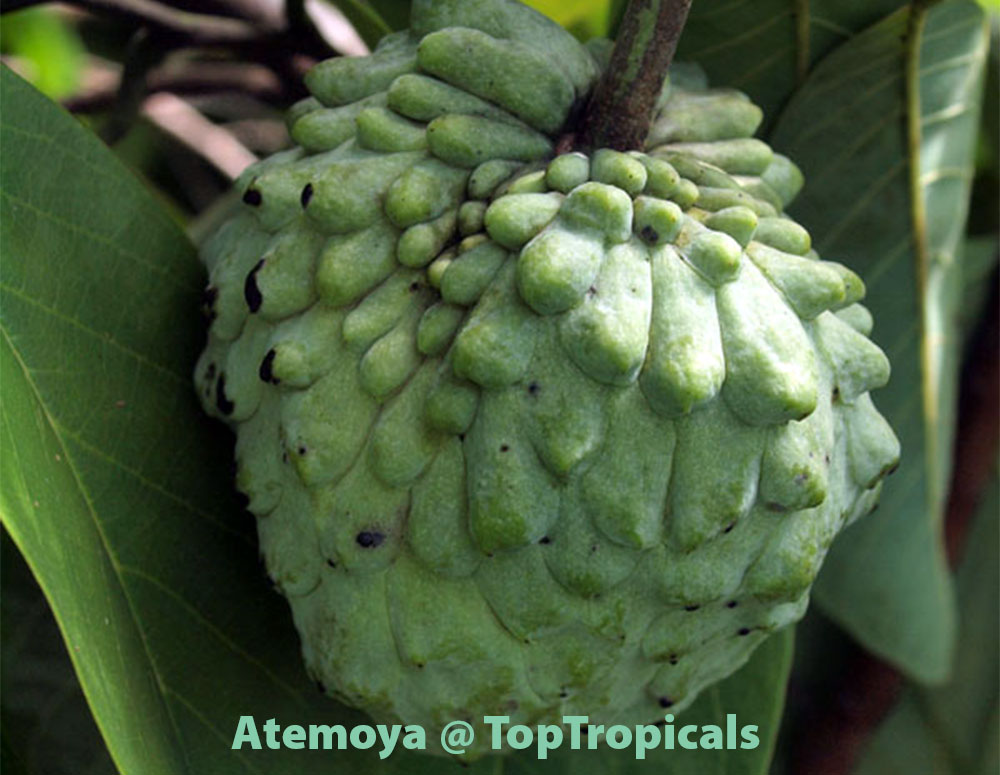
In the photo: Atemoya, one of the Annonas - fruit lover favorites.
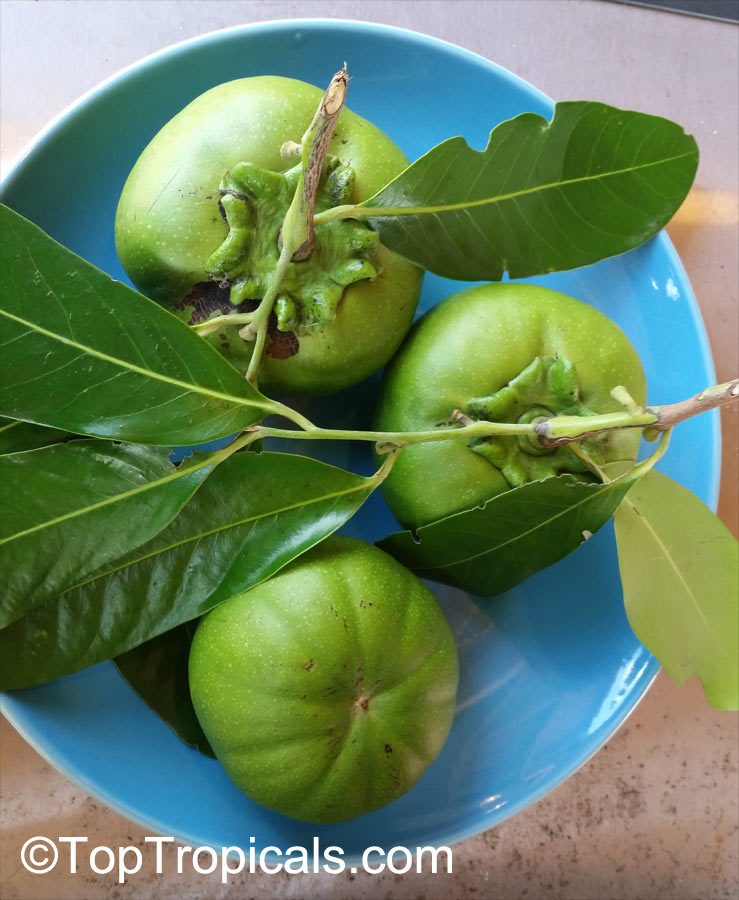
Q: Aloha guys, I purchased a Diospyros digyna - Black Sapote grafted var. Black Beauty from you and
am checking to make sure it will fruit by itself and not need both sexes.
Also checking to see if the grafted atemoya I bought from you will fruit at sea level (where I'm at) or if
I should give it to a friend who is above 1,000 so it will fruit? My grafted
Maimi soursop is thriving! Looking at getting a grafted jackfruit from
you all next.
A:Black sapote Black Beauty does not need a second plant to produce
fruit. Grafted trees should be flowering and setting fruit right away, or
sometimes on the second year. Atemoya does not require high elevation for fruiting. It is a hybrid
Annona squamosa x Annona cherimola (A. cherimola species prefers higher
elevation) so Atemoya is usually is happy at sea level.
Congratulations with your Soursop! It should be really happy in your location.
As for grafted Jackfruits, this is the list of varieties we usually carry. Since many of them are very rare,
they sell out quickly once we get new arrivals. If you are looking for a
specific variety, I strongly recommend to add it to your wishlist (click on "Notify me when available") and you will receive
email from us as soon as we have it in stock, so you will be the first one to
know about it!
Our favorite Jackfruit varieties (and also hot
sellers)