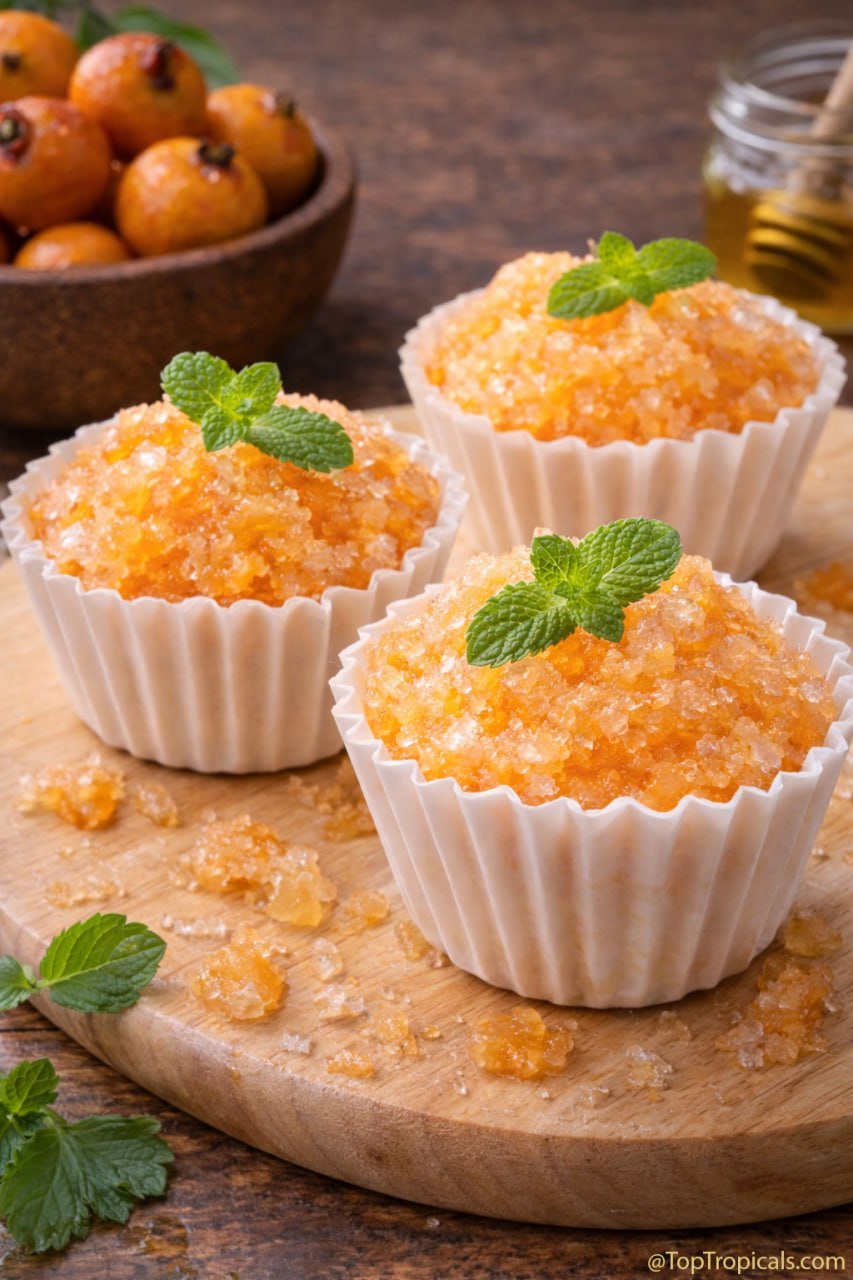
Mix with honey and a little water to soften the texture.
Spoon the mixture into small cups or molds.
Freeze until icy-soft.
Serve topped with fresh mint for a refreshing tropical snack.
🌿 About the plant:
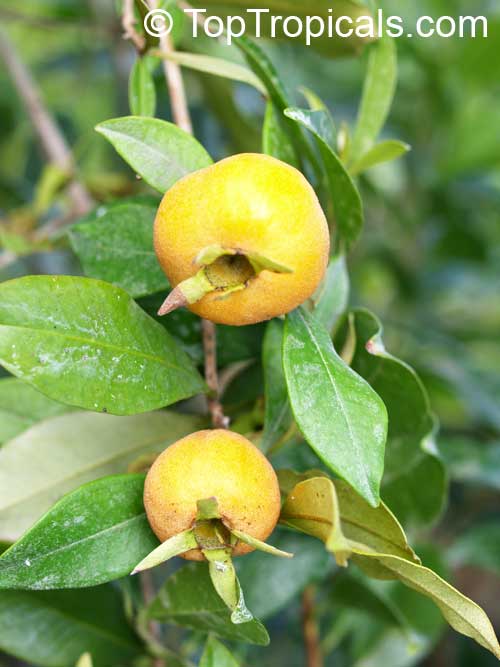
Pitomba (Eugenia luschnathiana) is a tropical fruit native to Brazil, prized for its bright, citrusy pulp with a sweet-sour kick. The flavor is often compared to a mix of apricot, citrus, and mild resin, making it refreshing and snack-worthy straight from the fruit.
🌱 In the garden:
Pitomba grows as a small to medium-sized slow growing tree with glossy evergreen leaves. It thrives in warm climates, prefers full sun to light shade, suitable for USDA zones 10-11, it can also be grown in large containers and responds well to pruning, making it manageable for home gardens.
Guavas love full sun — aim for 6–8 hours of direct light.
They’re adaptable to many soils but do best in well-drained, organic-enriched
mixes. Plant them in a spot where you can water
easily; guavas are thirsty trees during fruiting.
Container & Indoor Growing
Don’t have space or live in a cooler climate? Guavas thrive in
large pots. Use well-drained potting mix. LINK TO OUR SOIL Keep them on a
sunny
patio during warm months and bring them indoors when nights dip below
freezing. Compact varieties like Dwarf Hawaiian
Rainbow or Tikal are especially
good for pots.
Winter Care
Mature guavas can handle a light frost (down into the high 20s F), but
young plants need protection. If planted outdoors, cover them with frost
cloth
on cold nights. Container guavas can be wheeled into a garage, greenhouse,
or bright indoor window until the weather warms.
Watering and Fertilizing
Water deeply once or twice a week, more often in hot weather or when
fruit is developing. They don’t like soggy soil, but they won’t
complain about short floods either. Fertilize 3–4 times a year during
the
growing season with a balanced fruit tree fertilizer. Guavas especially love
potassium and phosphorus for strong flowering and heavy crops. We recommend
liquid crop booster Sunshine
C-Cibus and balanced controlled release fertilizer Green
Magic.
Pruning
Prune after fruiting to keep them compact and open up airflow. Remove
crossing or dead branches. In containers, trim back vigorous shoots
regularly
to manage size and encourage more fruiting wood.
Pests and Problems
Guavas are generally tough and pest-resistant. The main thing to watch
for in humid or rainy climates is mealybugs - those cottony white clusters
on
leaves or stems. They're easy to manage with neem oil or a quick spray of
horticultural soap.
Fruit time
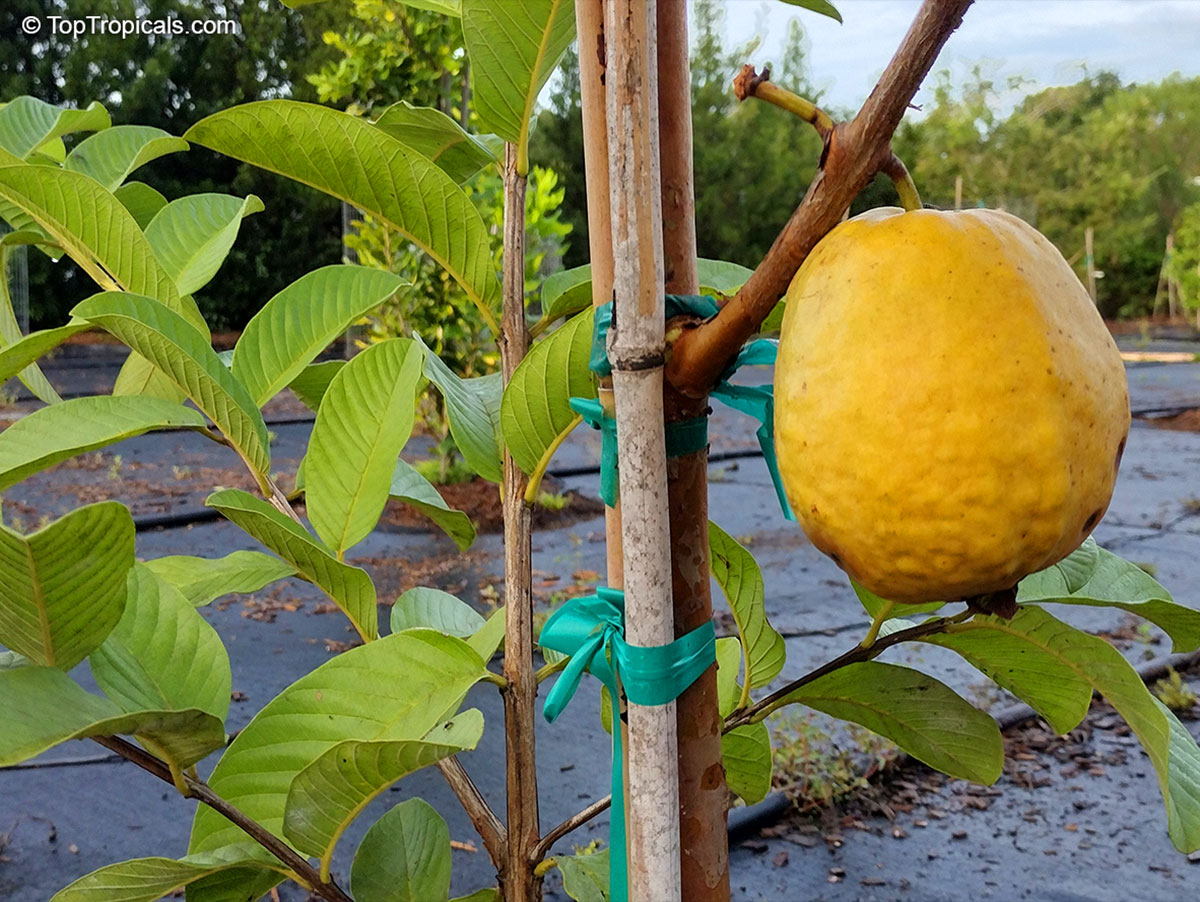
Guavas fruit young - often within a year or two.
Pollination
Guavas are self-pollinating, so you'll get fruit even with a single
tree. Planting more than one tree, however, often boosts harvests and gives
you a
longer fruiting season.
If you've ever wanted instant gratification from a fruit tree, guava is
it.
🍴
Guava Recipes
With all that fruit, the next question is always: "What do I do with
it?" Here are our favorites:
Cas Guava: Make Agua de Cas
Boil halved Cas Guava fruits with sugar, simmer, strain, and bottle.
Dilute with water when serving. The concentrate keeps for months in the
fridge.
Check out the recipe.
Hawaiian Gold: Make Drinks
Perfect for Mojitos or Margaritas. Sweet, tangy juice pairs beautifully
with lime and mint. Learn more
Araca Pera: Guava Wine
Famous in Brazil, where the fruit is turned into a vibrant rosу wine.
Locals say it’s the taste of summer in a glass — and yes, you
can make it at home too. Learn more...
Quick snack: Guava Grilled Cheese
Spread guava paste or fresh mashed fruit with cheese, grill until
golden. Sweet and savory heaven. Learn more...
Simple Guava Juice
Blend ripe guavas with water, ice, and a little sugar if you like. Instant
refreshment.
✅Ready to Grow? Whether you want fresh juice, sweet fruit,
or even your own guava wine, we’ve got the best varieties in stock
right now. Your future self, sipping guava juice on a hot summer afternoon,
will
thank you.
A colorful mix of mango varieties - different shapes,
colors, and flavors all in one harvest.
Mango Plant Facts
Botanical name: Mangifera indica Also known as: Mango
USDA Zone: 9 - 11
Highligths
Mango Practical Growing Tips (Keep It
Simple)
Sun: Full sun is key. 6–8+ hours daily for best
growth and fruiting.
Soil: Excellent drainage is critical. In pots, use
well-draining mix with added perlite or sand. Mango does not like wet
roots.
Watering: Water deeply, then let soil dry slightly
before watering again. Avoid constantly wet soil.
Containers: Excellent for pots. Condo mango varieties
stay compact and are easy to manage on patios.
Feeding: Light but consistent feeding during active
growth makes a big difference. Use controlled-release Green
Magic for steady nutrition, and supplement
with liquid Sunshine
Boosters Mango Tango during warm months to push growth and
fruiting.
USDA Zones: Best suited for Zones 9b–11. In Zone
9b, choose a warm, protected microclimate (south-facing wall, patio, or near
structures) and be prepared to protect during cold snaps. In Zones
10–11, mango grows reliably in-ground. If you live in colder zones,
grow in a pot so you can
move the tree indoors or protect it during cold weather.
Cold Protection: Protect young trees during cold
nights. Use cover or place near a wall or warm microclimate. Mature trees
are more tolerant.
Airflow: Good airflow helps prevent disease and keeps
growth clean.
Spacing: Give the tree room for light and airflow. Even
compact trees benefit from space.
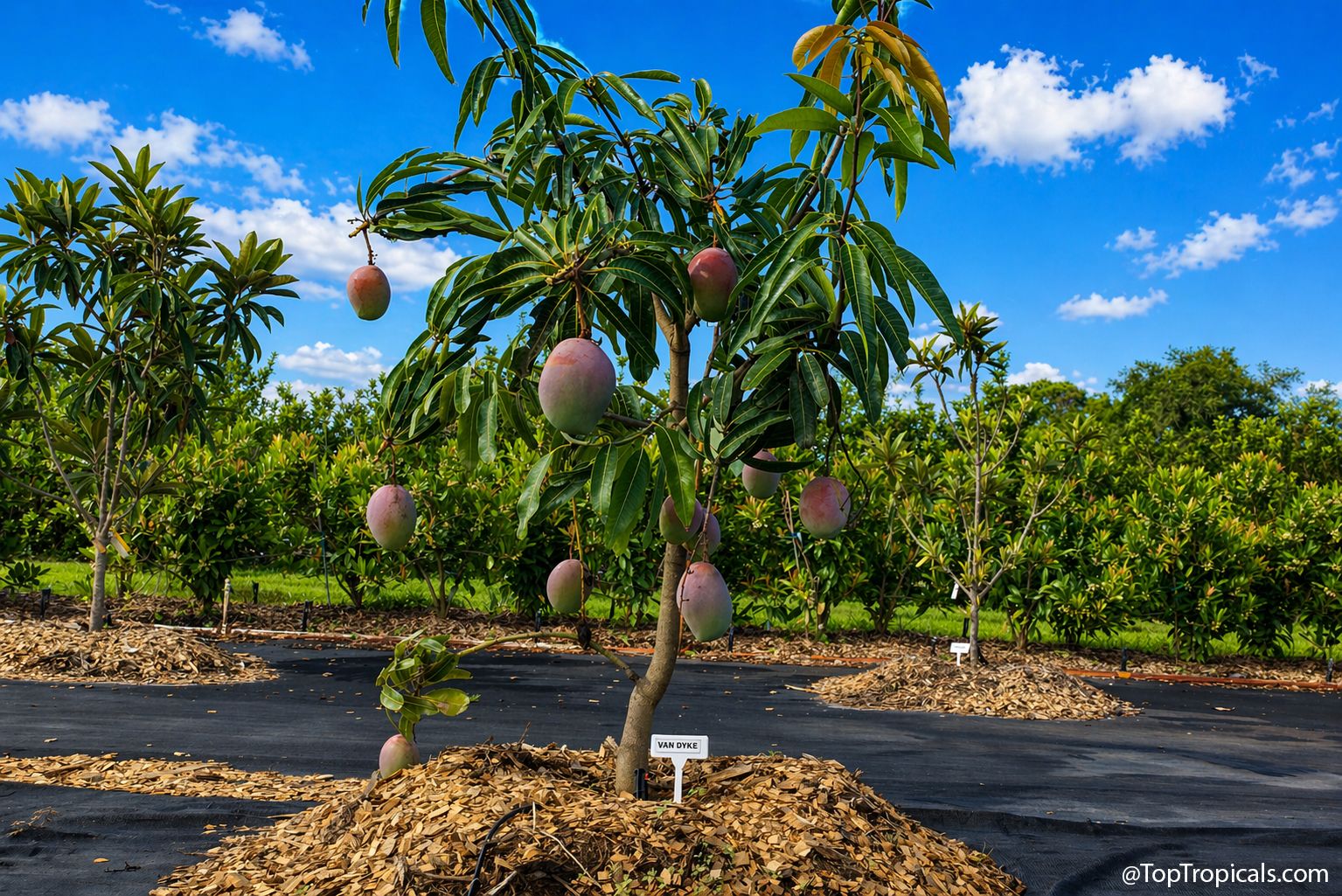
A fruiting mango tree Van Dyke in the grove, heavy
with developing mangoes and enjoying full sun.
Mango Winter Care (Very Important)
Mango is not a truly cold-hardy plant. It performs best in USDA Zone 9b
and warmer, where freezes are rare and short. In borderline areas, winter
protection becomes part of the routine. Mango trees should be covered during
cold nights, and planting near a south-facing wall helps protect from cold
winds. That small microclimate can make a real difference. If your winters
are less predictable, growing mango in a container becomes the simplest
solution. It gives you full control — you can move the tree to a
protected space when temperatures drop, and bring it back into the sun when
conditions improve.
That is where condo mango varieties make the most sense. They are
naturally compact, easier to manage in pots, and still produce full-size,
high-quality fruit. You get all the benefits of a mango tree
without needing a large yard or perfect climate — just sun, a
container, and a bit of seasonal movement when needed.
Young mango tree in a container, already holding fruit
and thriving in a sunny garden setting.
Growing mango in a container is one of the easiest ways to control size,
soil, and winter protection. Condo mango varieties stay naturally compact
and adapt well to pots, making them ideal for patios, small spaces, or
colder climates. You get full flexibility — move the tree when needed,
manage its growth, and still enjoy real tree-ripened fruit.
Pot size: Start with 3–7 gallon, move up to
15–25 gallon as the tree grows.
Climate Flexibility: Can be grown in any USDA zone when
kept in a container. Simply move indoors or to a protected area during cold
weather to keep the tree safe.
Pruning: Light pruning keeps the tree compact and
productive.
Once you taste a real mango from your own tree, everything changes. It is
no longer something you buy — it is something you grow, wait for, and
look
forward to every season. What felt like hype suddenly makes sense. The
passion people have for mango is not exaggerated — it just comes from
a completely different experience.
And for people who have never tasted a fresh, juicy mango warmed by the sun,
that moment comes as a surprise — the first time they realize what
mango is actually supposed to taste like.
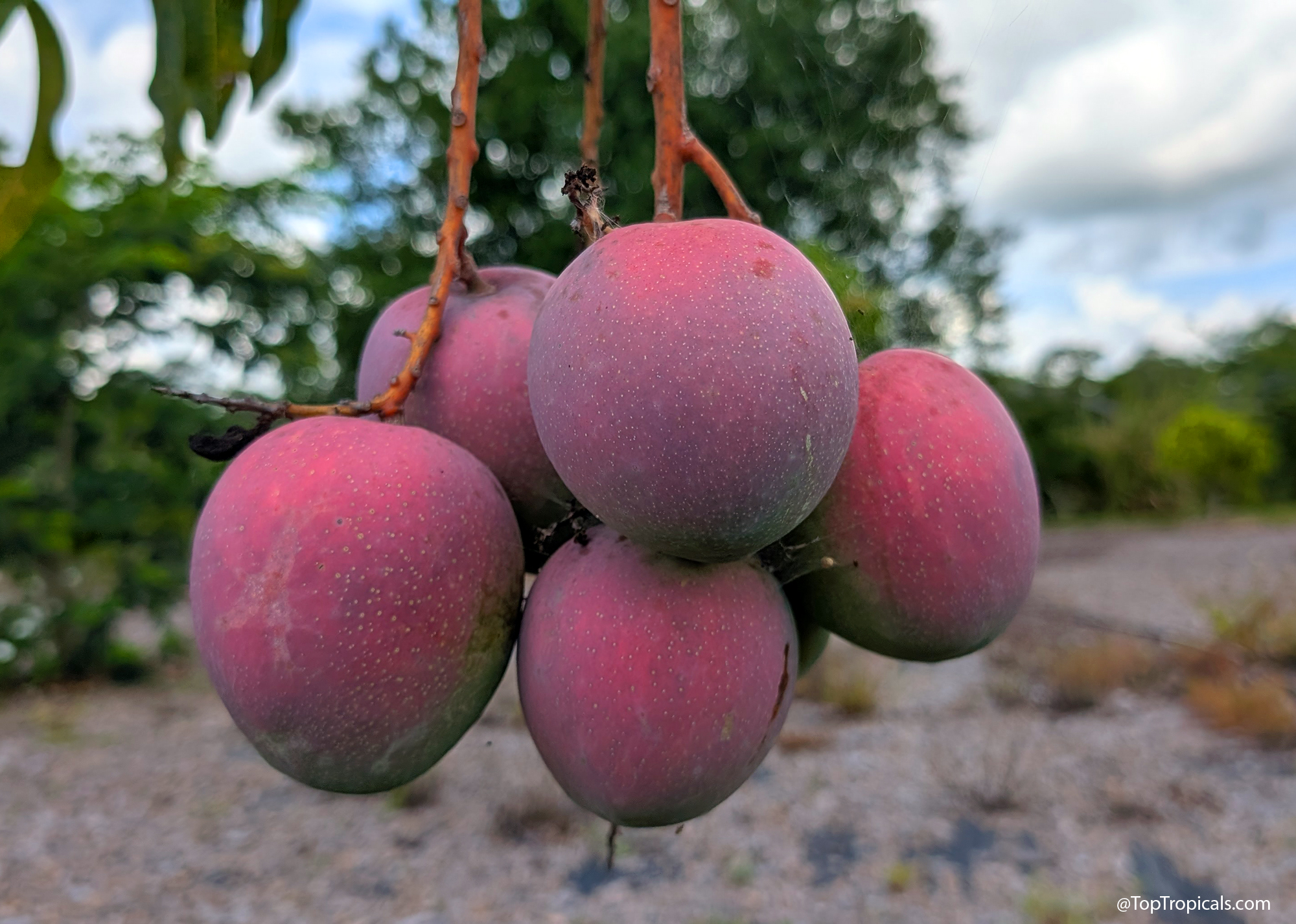
Cluster of ripening mangoes developing rich color on
the tree just before harvest.
Taste the Mango Difference - Save 10%
Once you taste a real mango from your own tree, everything changes. Now you
know. Get 10% off with coupon code
MANGO2026 on 3 gal mango trees.
Offer valid through 04/28/2026.
Discount applies to 3 gal plants only. Not valid on previous purchases and
cannot be combined with other promotions or discounts. Offer subject to
change without notice.
Date: 26 Feb 2026
Stop Sugar Crashes: 5 Tropical Fruit Hacks for Healthy Dessert
Exotic Tropical Fruits for Blood Sugar Management. Stop the sugar crash cycle. Learn how to manage glucose levels and insulin spikes using tropical fruits, healthy fats, and metabolic hacks for healthy dessert.
🍨 Stop Sugar Crashes: 5 Tropical Fruit Hacks for Healthy Dessert
The smarter way to handle sugar cravings - no restriction required
Tired of the post-cookie slump? Sugar cravings are a physiological response to blood glucose fluctuations, not a lack of willpower. Refined sugars trigger an insulin spike followed by a hypoglycemic crash, trapping you in a cycle of fatigue and hunger.
The secret to metabolic health is managing glycemic load. By choosing nutrient-dense tropical fruits, you satisfy your sweet tooth while maintaining stable energy homeostasis.
The solution is not to give up dessert. It is to change what dessert means. Here is how to use tropical horticulture to hack your biology and regulate insulin:
🍭 1. Choose fruit that comes with fiber
Whole tropical fruits deliver sweetness wrapped in fiber, water, and nutrients. That slows sugar absorption and keeps energy steady.
Try: · Mango, chilled and sliced
Mango Plant Facts
Botanical name: Mangifera indica Also known as: Mango
USDA Zone: 9 - 11
Highligths
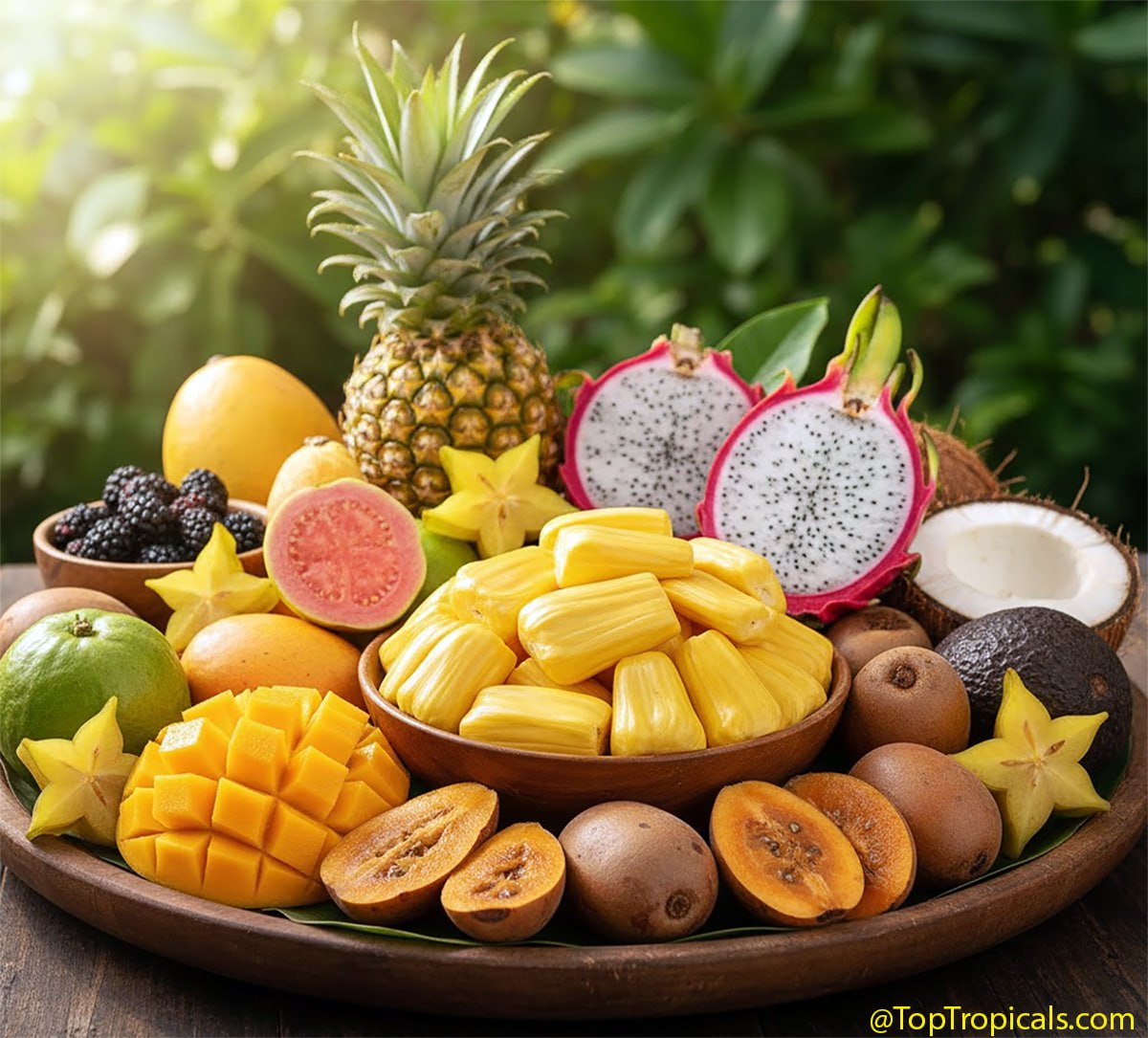
· Sapodilla - naturally caramel-sweet · Mulberries by the handful · Loquat halves straight from the fridge · Dragon Fruit for light, clean sweetness
Same pleasure. Less crash.
🍭 2. Pair sweet with fat to blunt the glucose spike
Healthy lipids are a biological hack for your metabolism. Fats slow gastric emptying, ensuring a steady glucose release rather than an inflammatory spike. Furthermore, lipids trigger cholecystokinin (CCK) - the hormone that signals satiety to the brain - effectively "turning off" cravings at the source. · Avocado blended into a chocolate-style mousse: The monounsaturated fats create a creamy texture while blunting the sugar response.
Avocado Plant Facts
Botanical name: Persea americana, Persea gratissima Also known as: Avocado, Alligator Pear, Aguacate, Abacate
USDA Zone: 9 - 11
Highligths
· Banana with nut butter: Combining fast-acting fruit sugars with dense protein and fats. · Pineapple with raw nuts: The bromelain in pineapple aids digestion, while the fats in nuts provide long-lasting satiety. · Mango mixed into full-fat yogurt: The combination of probiotics, protein, and lipids turns a simple fruit into a complete, low-glycemic snack.
When fruit is balanced with fat, cravings calm down instead of escalating.
🍭 3. Use naturally rich fruits in place of sugar
Some tropical fruits taste like dessert already. · Jackfruit has candy-like sweetness · Sapote is creamy and custard-like · Guava brings floral depth · Cherries add brightness · Mash Banana into baking instead of white sugar. · Blend Mango into yogurt instead of syrup. · Top oatmeal with Mulberry instead of brown sugar.
Dessert stays. The crash disappears.
🍭 4. Balance sweet with tart
Adding contrast reduces the urge to overeat sweetness. · Carambola adds crisp tang. · Pineapple brightens the palate. · Loquat gives gentle acidity.
Balanced flavors satisfy faster.
🍭 5. Start the day right
Skipping breakfast increases late-day sugar cravings.
A morning smoothie with Avocado, Banana, and Mango prevents the afternoon energy dip. Hydration also matters - thirst often disguises itself as a sweet craving.
🍭 In essence
Dessert is not the enemy. Refined sugar is.
When sweetness comes from nature's bounty, it nourishes instead of draining energy.
You do not need to quit dessert.
You just need to let nature handle it.
Consult with a healthcare professional before making significant dietary changes, especially if you have diabetes or metabolic conditions


 Guava Tree Plant Care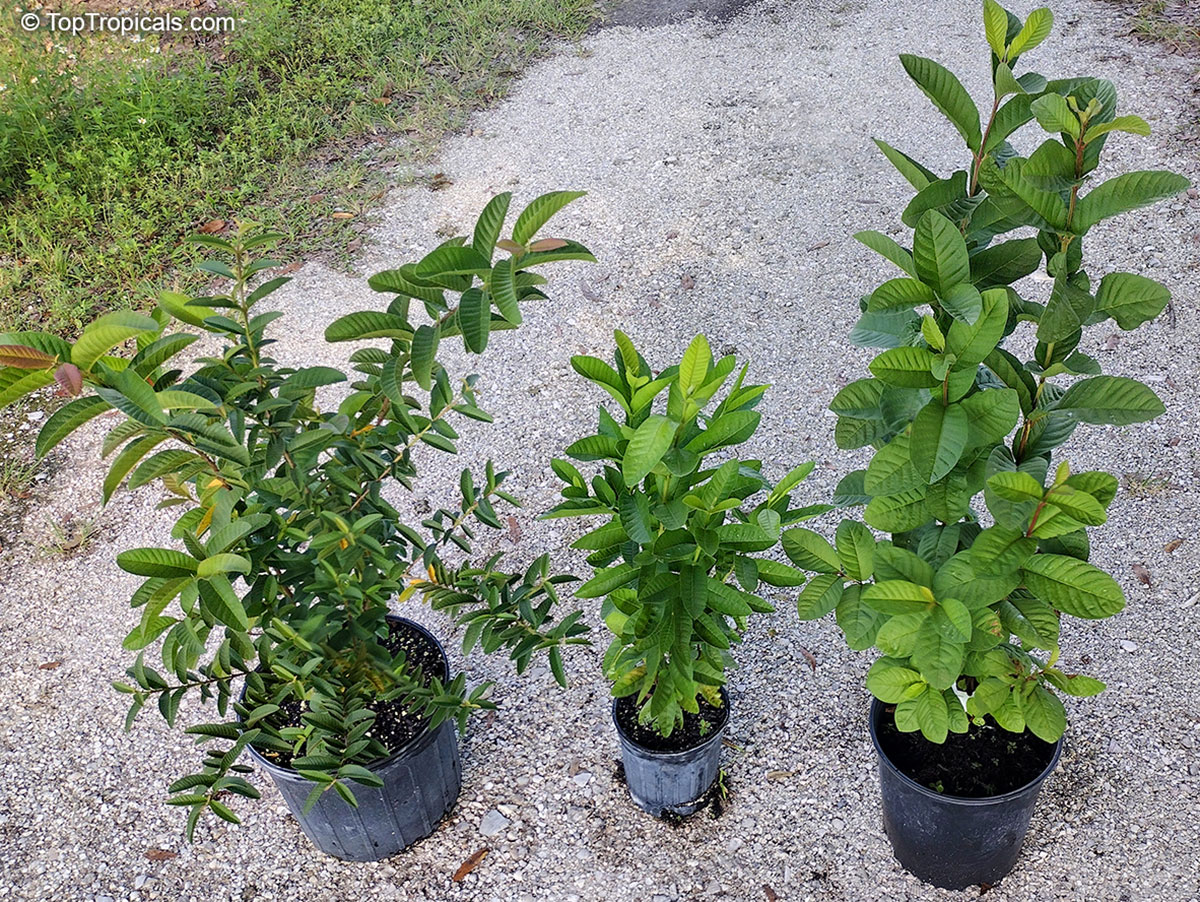



 Mango Winter Care (Very Important)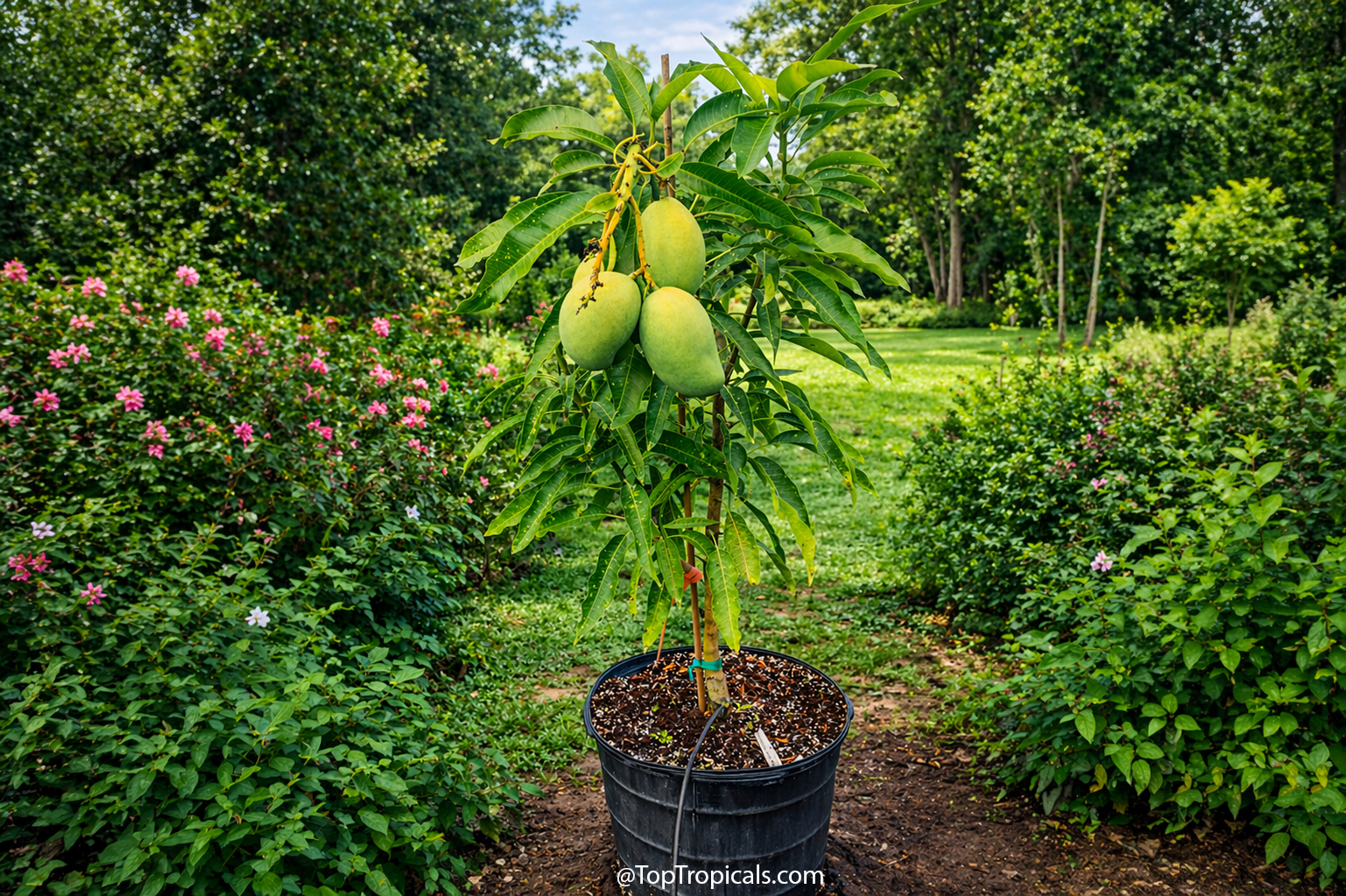
 Taste the Mango Difference - Save 10%