Garden Blog - Top Tropicals

Date: 22 Sep 2025

Dragon Fruit Plant Care – Tips from the Garden Expert

Stages  of  dragon  fruit  pitaya  plant  growth  and  trellis  support 


system

Dragon fruit is one of those plants that look exotic but are surprisingly easy once you know the basics. Here is what works best in the garden:

  • Soil: They hate wet feet. A sandy, fast-draining soilless-mix is your friend. If water sits around the roots, rot comes fast.
  • Watering: Deep watering is better than frequent sips. Let the soil dry between waterings. In rainy season they cope well, but in pots you need to be careful.
  • Sunlight: Full sun is great, but in very hot places a touch of afternoon shade keeps them happy.
  • Support: They are natural climbers. A wooden post, concrete pole, or trellis will give them something to grab and makes harvest easier.
  • Fertilizer: Feed lightly but often. A gentle liquid like Sunshine C-Cibus liquid booster with every watering, or Green Magic controlled release fertilizer every 5-6 months. It encourages strong roots, lush growth, and lots of flowers.
  • Pruning: Trim off tangled or weak stems. This guides energy into strong branches that will flower and fruit.

Think of it as training a cactus vine into a small tree. Once it settles in, it almost takes care of itself — and pays back with fruit you can’t buy in stores.

🌱 Dragon Fruit Plant Care – Outdoors and Indoors

Outdoors: Dragon fruit thrives in USDA Zones 10–11 year-round. In warm regions like Florida, Texas, California, and Hawaii, you can grow it outside in the ground. Give it fast-draining soil, full sun with a little afternoon shade in the hottest months, and a sturdy trellis or post to climb. Deep watering with drying periods in between keeps roots healthy. A yearly pruning shapes the plant and boosts flowering.

Indoors or Patio Pots: Gardeners in cooler zones can still enjoy dragon fruit in containers. Use a large pot with sandy, well-draining mix or soilless-mix and a pole for support. Place the pot in the brightest spot — a greenhouse, sunroom, or patio that gets 6+ hours of light daily. Move pots inside when temperatures drop below 40F. Even indoors, a healthy plant can bloom and fruit if it has enough light and warmth.

❓ Dragon Fruit FAQ


How soon will a dragon fruit start producing?

Cuttings can flower and fruit in as little as 2–3 years. Seed-grown plants take longer, often 4–6 years. Large developed specimens can start flowering and fruiting within a year or even the same season.

Do I need more than one plant for pollination?

Some varieties are self-fertile, others need a second plant for cross-pollination. Even self-fertile types usually set more fruit with a partner nearby.

How big do they get?

In the ground, dragon fruit can climb 15–20 ft if you let it. With pruning and a trellis, you can keep it shaped like a small tree, 6–8 ft tall.

Can I grow it in a pot?

Yes. A large container with sandy mix or soilless-mix and a pole for climbing works well. Indoors it will need bright light or a grow lamp.

What does a dragon fruit taste like?

Sweet and juicy, like a blend of blackberry and raspberry. Varieties differ: flesh can be white, pink, deep red, or purple, wrapped in skins of red, pink, or yellow. White flesh is mild and refreshing, red flesh is sweeter, and yellow flesh is the sweetest with a honey-pineapple flavor.

What zones can I grow dragon fruit outside?

USDA Zones 10–11 are best for year-round outdoor planting. In cooler areas, grow it in containers and bring inside for winter.

How often should I water?

Deep water, then let the soil dry. Too much water causes root rot. Think “desert cactus with a taste for rain.”

Is dragon fruit easy to grow?

Yes. Pitayas grow like cactus trees on strong supports, but they are easy to care for — little water, sun or semi-shade, and they thrive.

How long do they live?

A healthy dragon fruit cactus can produce for 10 years or more with proper care.

What are the health benefits?

Dragon fruit is high in fiber, supports digestion, and is low in calories. It is rich in antioxidants and vitamin C, making it good for immunity and overall wellness. Many gardeners enjoy it as a healthy snack or in smoothies.

Explore Dragon Fruit varieties

Date: 22 Sep 2025

When do I get the fruit from my Dragon Fruit?

Dragon fruit varieties

🍉 When do I get the fruit from my Dragon Fruit?

  • 🌵Dragon Fruit (Pitaya) is one of the most rewarding exotic fruits to grow. Sweet pulp, striking looks, and plenty of health benefits make it a favorite. You'll see it in three main types: white-fleshed (Hylocereus undatus), red-fleshed (Hylocereus costaricensis), and yellow-skinned (Hylocereus, or Selenicereus megalanthus).
  • 🌵Don't want to wait years for fruit? Here’s the good news: unlike many tropical trees that test your patience, dragon fruit is a fast-fruiting, easy-going cactus. With the right care, you can harvest in just 1-2 years from a cutting - or even the same season if you plant a well-established specimen.
  • 🌵 How to get Dragon Fruit faster


  • Give it strong support - trellis, fence, or post. This cactus loves to climb.
  • Full sun and good drainage - sandy or well-draining soil works best.
  • Smart watering - water deeply in hot weather, then let the soil dry. Dragon fruit loves water during active summer growth, but remember it's still a cactus - don’t keep soil soggy.
  • Pollination matters - flowers open at night. Some varieties are self-fertile, but planting a few different types boosts fruit set. This is why it helps to keep several varieties close together.
  • Feed well - use organic liquid fertilizers like Sunshine Boosters C-Cibus with every watering, or Green Magic controlled-release fertilizer every 6 months.

With these steps, dragon fruit quickly rewards you with flowers, followed by colorful, delicious fruit. Few exotics are this easy - or this fast!

🛒 Start your fast-growing Dragon Fruit production


📚 Learn more:


#Food_Forest #How_to #Dragon_Fruit

🟢 Join 👉 TopTropicals

Date: 2 Feb 2022

5 most rewarding tropical fruit trees

Top Tropicals @ Garden America Radio Show

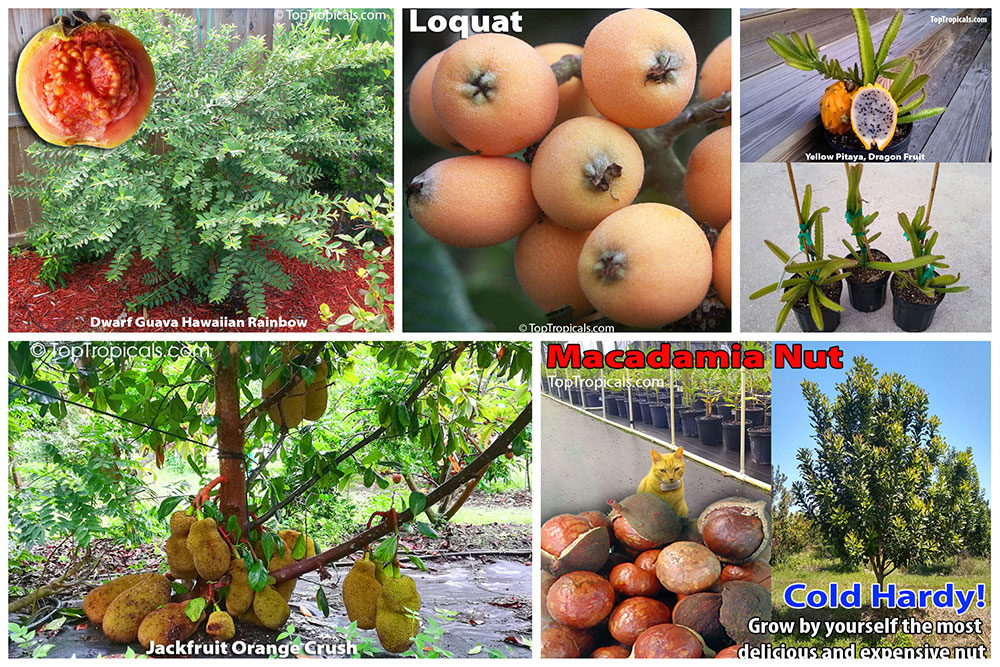
...The most popular garden radio show Garden America is featuring Top Tropicals topic "5 most practical and rewarding fruit trees for subtropical areas".

1) Jackfruit Orange Crush (Artocarpus heterophyllus)
...We recently obtained this variety and it is hands down the best Jackfruit we ever tasted. It is crunchy, sweet, aromatic, with bright orange pulp...

2) Dwarf Guava Hawaiian Rainbow (Psidium nana)
- A very small version of the favorite aromatic Guava.
- Grows only up to 5-6 ft tall with a short trunk and branching, bushy habit.

3) Yellow Pitaya, Dragon Fruit (Selenicereus megalanthus)
- This particular species of Dragon fruit is the sweetest and has great flavor unlike most pitayas
- doesn't mind regular water and rains but is also drought-tolerant

4) Loquat (Eriobotrya japonica)
- Can be kept as a very compact tree, and fruits in a pot.
- Flowers and fruits right away. The plants are covered with flowers now and setting fruit.
- Very cold hardy to upper 20's, drought tolerant, fast growing

5) Macadamia Nut (Macadamia integrifolia x tetraphylla)
- The most delicious and popular sweet nuts that are usually so expensive, can be produced in your garden!
- Cold hardy, fast growing, and very productive.

Listen to Facebook-Live Show (recording):

Date: 28 Nov 2021

Easy Sunday Morning Deals: Sweet Dragon or Sweet Cherry?.. Both!
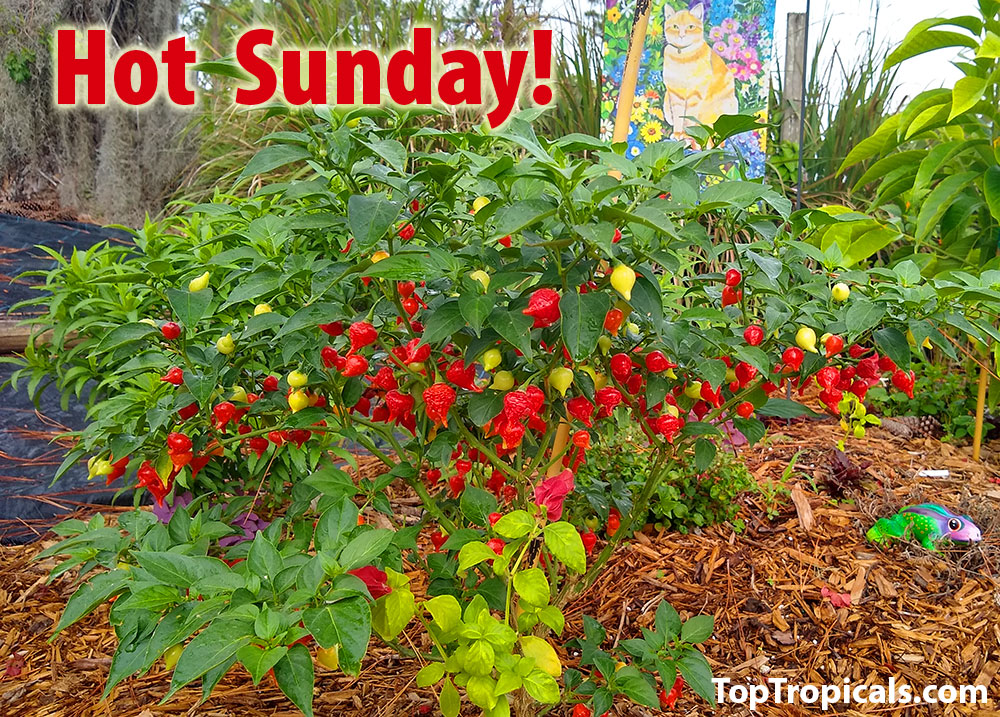
Sweet Dragon or Sweet Cherry?.. Both!

Photo above: Biquinho Pepper (Capsicum annuum x chinense) - nipple-shaped bright orange to red fruits with unique flavor which packs quite a bang!
Not because of its heat, but because of its intense fruity habanero flavor!

Saving on your favorite plants is Easy. Easy like Sunday Morning...

This weekend we celebrate our Easy Sunday and Cyber Monday together!
So we've doubled your opportunity to Save AND we've added a second beautiful plant to help you save even more!
Take an extra day to enjoy your Easy stroll through Top Tropicals' Garden with savings of

50% OFF and MORE!

For two days only, you can easily get the sweetest variety of the Dragon Fruit and add a super rare variety of Tropical Black Cherry Lolita to your garden!
Both plants Easy Priced at $19, that's a savings of more than 50% from the regular $39 price!
Learn more about these plants:

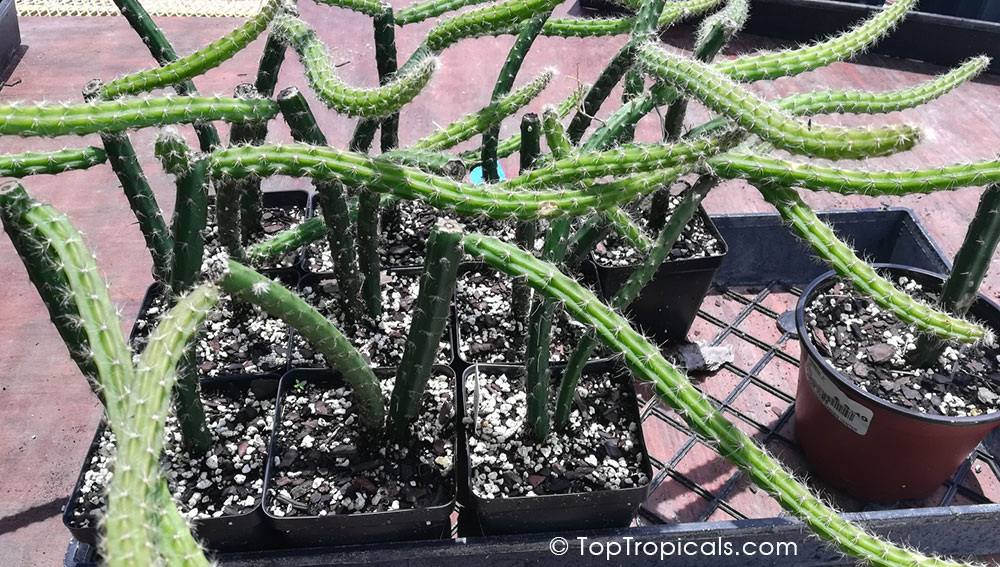
Yellow Dragon Fruit

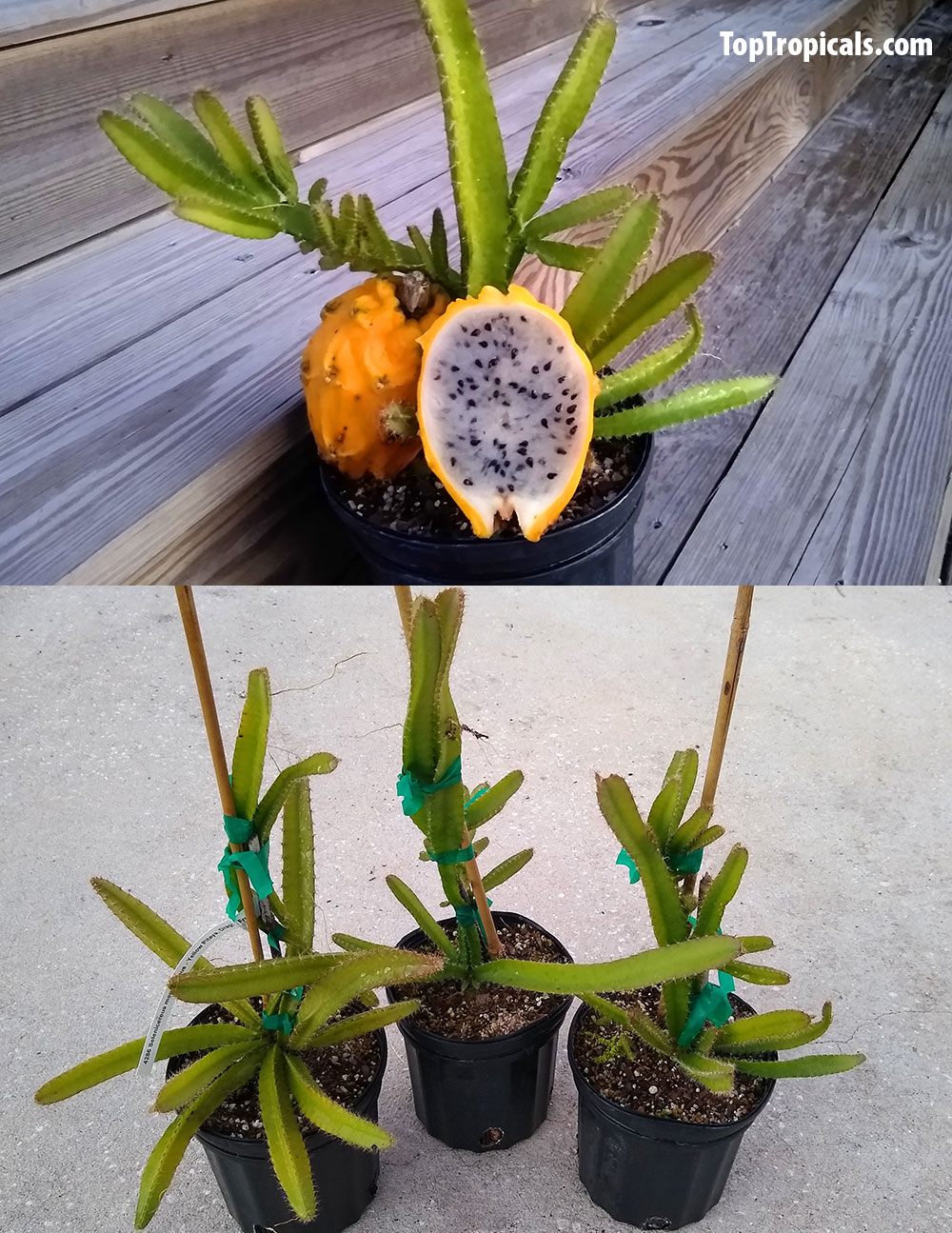
Selenicereus megalanthus - Yellow Pitaya, Dragon Fruit
- is the best tasting Dragon Fruit in the world that is not only sweet, it has a great flavor (unlike most Pitayas that are pretty watery).
These plants originated from Ecuador and are well-developed, multi-branched, as you can see from the photo.

Picture of the actual plants for sale:
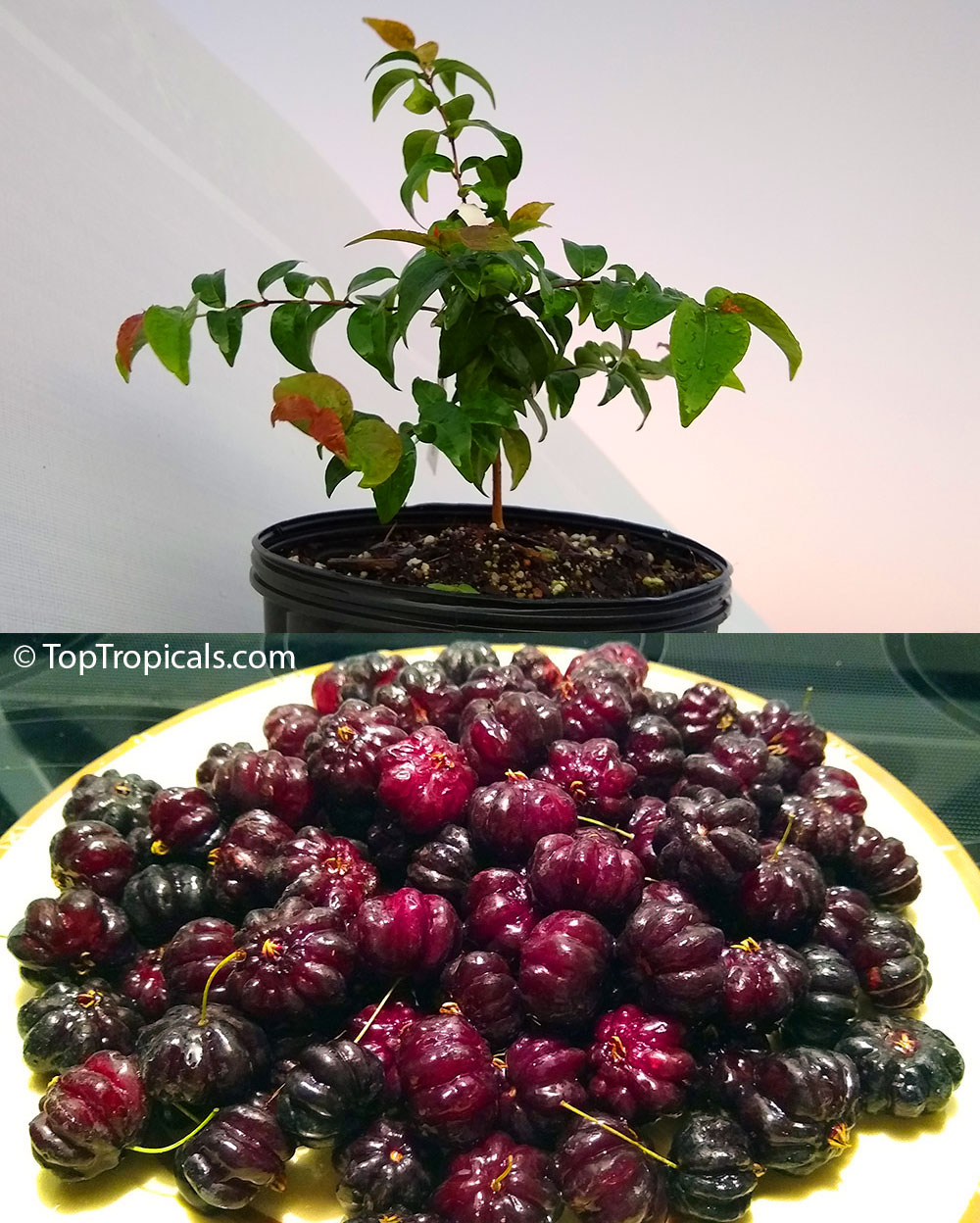
Lolita Cherry

Eugenia uniflora - Black Surinam Cherry Lolita
- rare, hard-to-find black-fruited variety Surinam Cherry starts as red and turns black as it ripens.
It is very sweet and has exceptional flavor, without aftertaste, large 1-1.2 inch, very juicy.
Reliable producer. The tree is upright, freely branching, cold hardy to upper 20's once established.
Plants are in 2 gal pots, well branched and ready to fruit next season.

Picture of the actual plants for sale:

You can save even more by using our Black Friday sales discount code on your order:

FRIDAY20 - 20% OFF - for orders over $200
FRIDAY15 - 15% OFF - for orders over $150
FRIDAY10 - 10% OFF - for orders over $100

Excluding S&H. Codes extended through Monday: 11/29/21

Remember, the special $19 prices are good for only 48 hours and expire Tuesday morning at 7 am EST.
Limited to availability, while supply lasts, hurry up!

Enjoy!

Date: 2 Jan 2026

Why white-flesh Dragon fruits deserve more attention?

White Dragon fruit varieties (Hylocereus undatus)

🏆 Why white-flesh Dragon fruits deserve more attention?

  • ✔️ Fast growers, heavy producers.


    White-fleshed Dragon fruits are often overlooked, but they are the real workhorses of the Pitaya world. These varieties tend to be more vigorous, faster growing, and less demanding than red-fleshed types. They establish quickly, handle a wider range of conditions, and are usually heavier producers.
  • ✔️ Juicy, light, and refreshing.


    Flavor-wise, white-flesh types are milder and juicier, with higher water content and lower sugar. That makes them refreshing, hydrating, and a good choice for people watching sugar intake. Because they set fruit more reliably and produce larger crops, white-fleshed dragon fruits are often the best option for beginners and for anyone who wants dependable harvests without fuss.
  • ✔️ The sweetest of them all.


    Yellow-skinned dragon fruit with white flesh takes things one step further. While the plant itself is a bit slower and more selective, the fruit is the sweetest and most flavorful of all dragon fruits, often described as honeyed or tropical with pineapple notes.


✍️ The best white-fleshed Dragon fruit varieties:

  • 🔴 ⚪️ Red skin, white flesh (Hylocereus undatus): the most common and productive group. These plants are vigorous, fast-growing, and known for large fruit size. Flavor is mildly sweet and very refreshing, often compared to kiwi or pear. Excellent choice for heavy production and easy care.
  • Varieties: David Bowie, Delight, Hana, Lake Atitlan, Seoul Kitchen, Vietnamese Jaina, Hana

  • 🟡⚪️ Yellow skin, white flesh (Hylocereus, or Selenicereus megalanthus) - Smaller fruit but unmatched sweetness. Crisp, juicy flesh with honey, pineapple, or tropical notes. Less productive than red-skin whites, but prized for flavor above all else.
  • Varieties: Amarilla (Kirin), Colimbiana, Godlen Dragon, Palora, Thai Gold (Hawaiian)

    Quick Takeaway:


⚪️ White-flesh reds = most vigorous, most productive, easiest to grow
🟡 Yellow with white flesh = sweetest and most flavorful
🔴 Red-flesh types = richer flavor but usually slower and less productive

🛒 Explore and collect Dragon Fruit varieties

📚 Learn more:


#Food_Forest #Dragon_Fruit #Discover

🟢 Join 👉 TopTropicals