Black pepper (Piper nigrum) is famous for its berries, but the leaves are edible too, and in some regions they’re used just like betel leaves or bay leaves. Here are a few ways you can use them:
Cooking wrap: Fresh leaves can be used to wrap fish, meat, or rice before steaming or grilling, similar to banana or betel leaves. They add a mild peppery aroma. Flavoring curries and soups: Whole leaves can be simmered in curries, broths, or stews to infuse a gentle peppery note, then removed before serving (like bay leaves). Herbal teas: Fresh or dried leaves can be steeped with ginger, turmeric, or lemongrass to make a warming tea traditionally used for digestion and colds. Chutneys and pastes: In South India, young pepper leaves are ground with coconut, tamarind, and chilies to make a tangy chutney. Medicinal uses: Folk remedies use the leaves for coughs, sore throats, and as a poultice for muscle aches.
🍛 Black pepper leaf chutney
♨️Lightly saute 6-8 pepper leaves in a little oil. ♨️Blend with 1/2 cup grated coconut, 2 green chilies, tamarind, salt, and cumin. ♨️Optional: top with a quick tempering of mustard seeds and curry leaves. ♨️Serve with rice or dosa.
☕️ Pepper leaf tea - when you feel under the weather
Boil 2-3 leaves with a cup of water. Add a slice of ginger and a pinch of turmeric (optional). Simmer 5 minutes, strain, and sweeten with honey.
Both recipes give a warm, peppery aroma without being too spicy. Pepper leaves are milder than the berries, so you’ll get aroma more than heat.
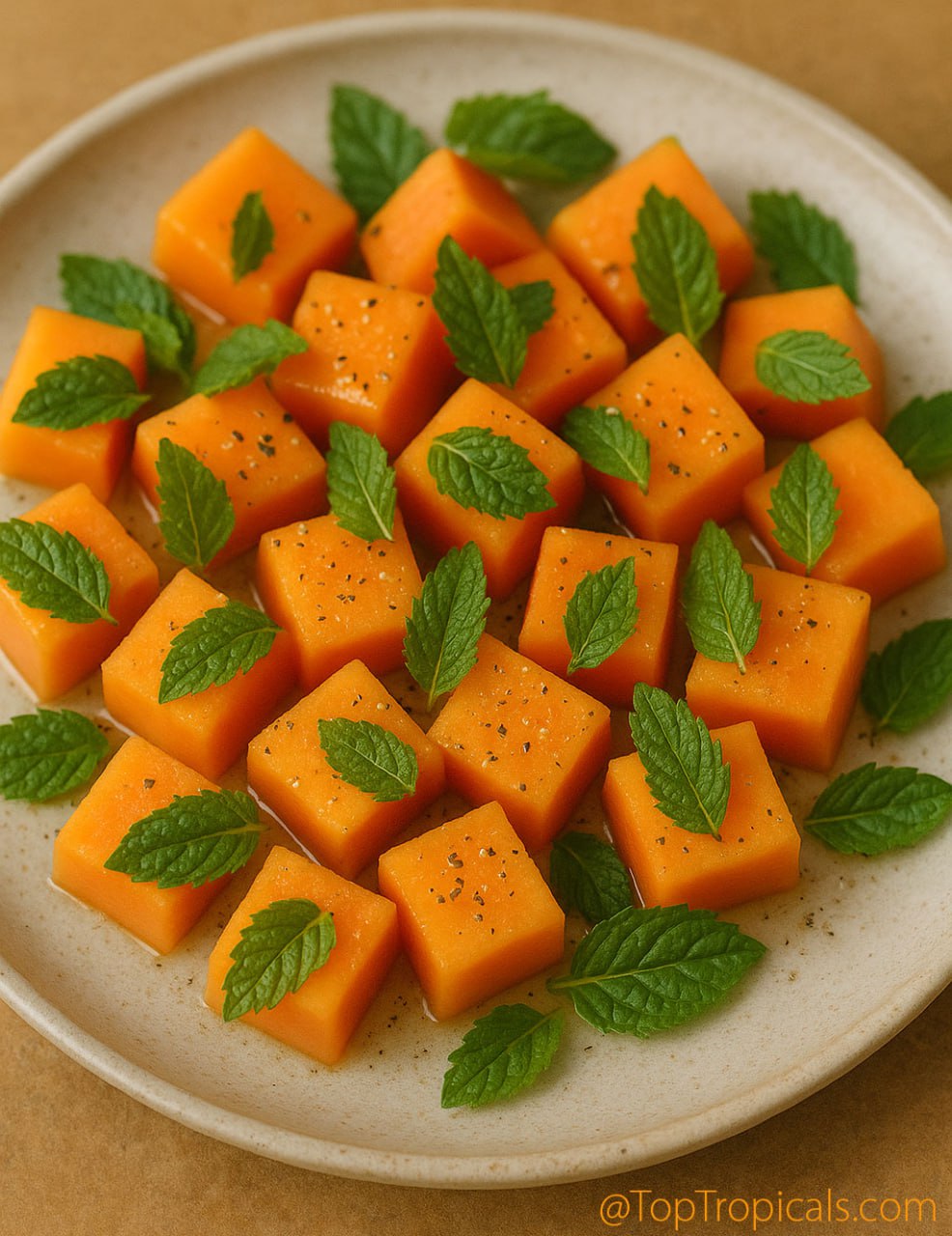
🟢Cube ripe papaya into bite-sized pieces. 🟢Toss gently with fresh mint leaves, a drizzle of lime juice, and a pinch of black pepper. 🟢Chill before serving for a refreshing, lightly spiced tropical snack.
Papaya Mint Salad
Ingredients
1 ripe papaya, peeled and cubed
Fresh mint leaves
1 tsp lime juice
Pinch of black pepper
Instructions
Cube ripe papaya into bite-sized pieces.
Toss gently with fresh mint leaves, a drizzle of lime juice, and a pinch of black pepper.
Chill before serving for a refreshing, lightly spiced tropical snack.
What does a dragon taste like? Does Dragon Fruit come from a monster cactus? Learn why you need to grow your own
Hylocereus and Selenicereus Dragon Fruit or Pitaya
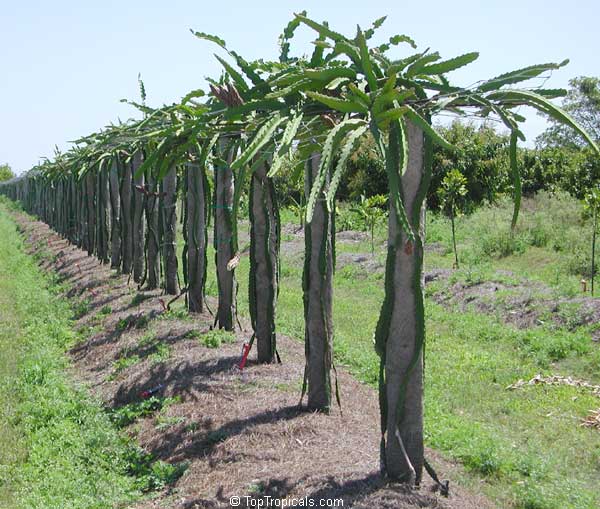
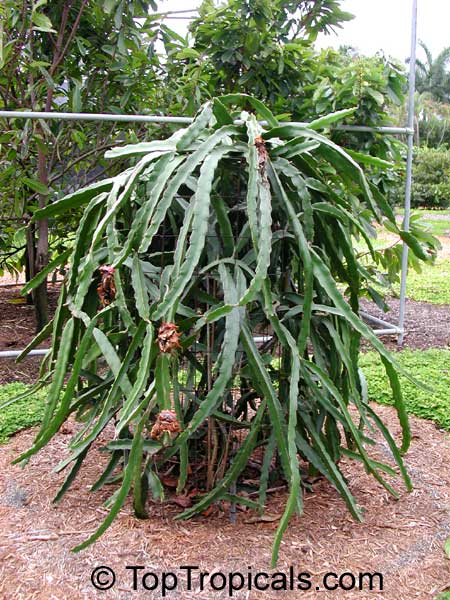
Hylocereus and Selenicereus Dragon Fruit or Pitaya trees on trellis
Hylocereus and Selenicereus Dragon Fruit or Pitaya on trellis
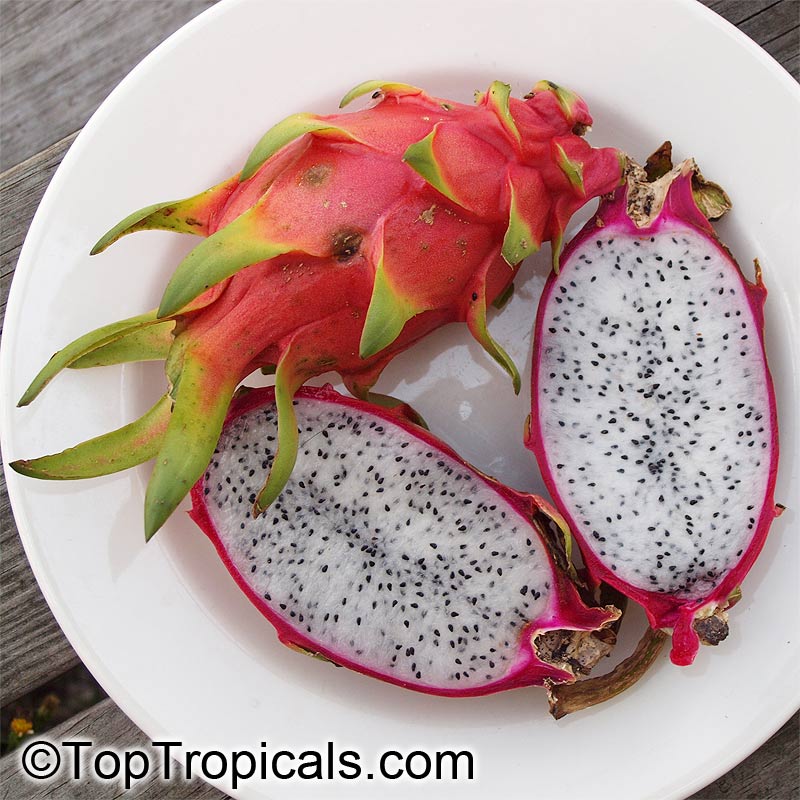
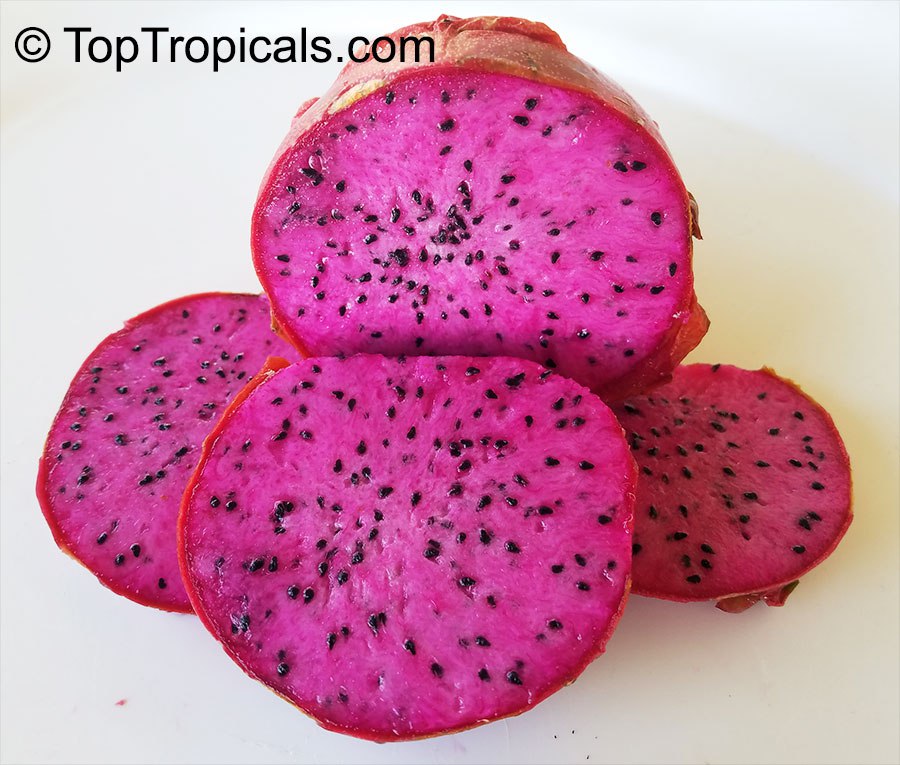
Hylocereus and Selenicereus Dragon Fruit or Pitaya red fruit
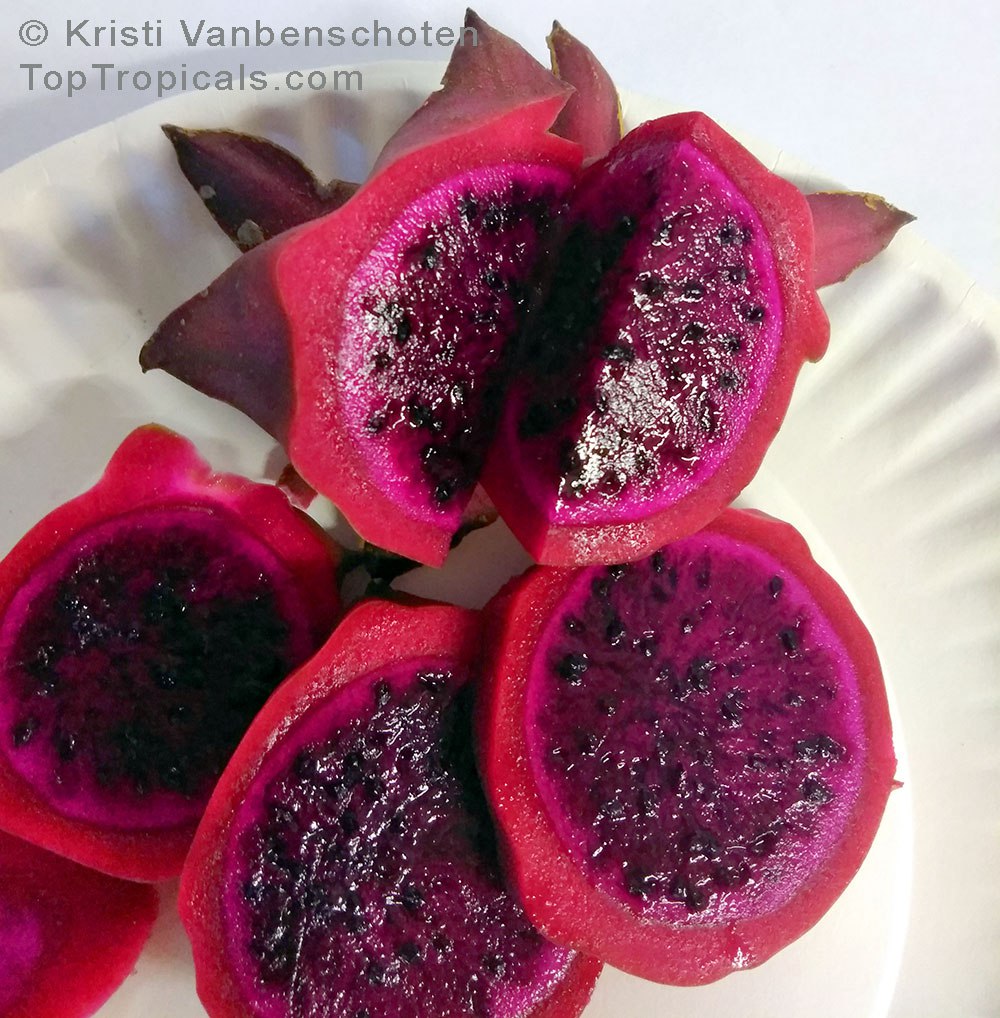
Hylocereus and Selenicereus Dragon Fruit or Pitaya purple fruit
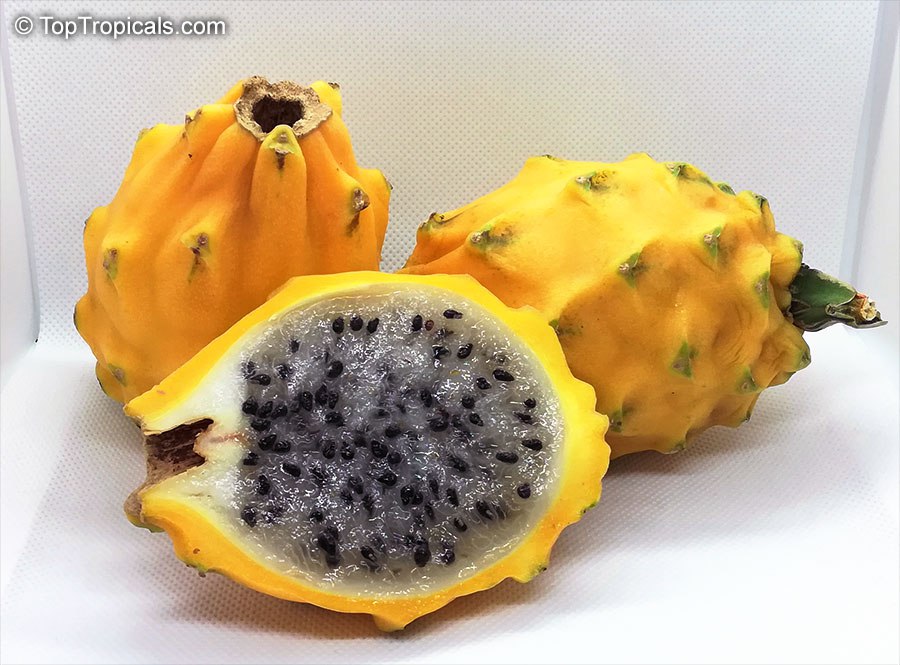
Hylocereus and Selenicereus Dragon Fruit or Pitaya Yellow Parlora
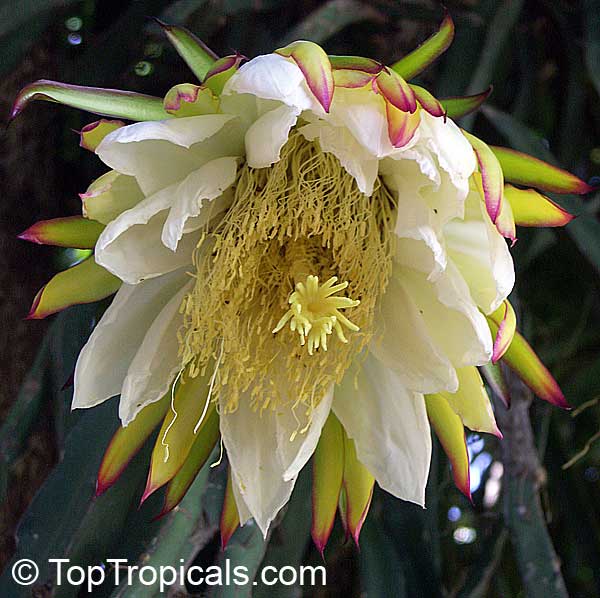
Hylocereus and Selenicereus Dragon Fruit or Pitaya flower
🐲 What does a dragon taste like? Does Dragon Fruit come from a monster cactus? Learn why you need to grow your own. 🌵
🔴 You may have tried a Dragon fruit from the store l, but do you know how it grows? On a cactus tree!
🔴 Names: varieties of Hylocereus and Selenicereus - these fruit bearing cactus plants are also called Dragon Fruit or Pitaya.
🔴 Commercially grown fruit sold in a grocery store may be tasteless. You need to grow your own good variety to have tasty, sweet, flavorful fruit!
🔴 Dragon fruit comes in many varieties. Colors of flesh differ: white, pink, dark red and even purple. The outside of the fruit can be red/pink or yellow.
🔴 In commercial groves, Pitayas grow like cactus trees, over a strong support - big "umbrella frames" ☂️
🔴 It is an easy plant, with low water needs, takes both sun and semi-shade.
🔴 Our favorite variety is Yellow Dragon Fruit Palora, (Selenicereus megalanthus). It is the sweetest and has the most flavor of all. We shared some recipesearlier.
🔴 Can be grown in container with a wooden trellis. And the flower is beautiful, too!