Garden Blog - Top Tropicals

Date: 18 Apr 2026

The Secret to a Sharper Mind Might Be Growing in Your Backyard
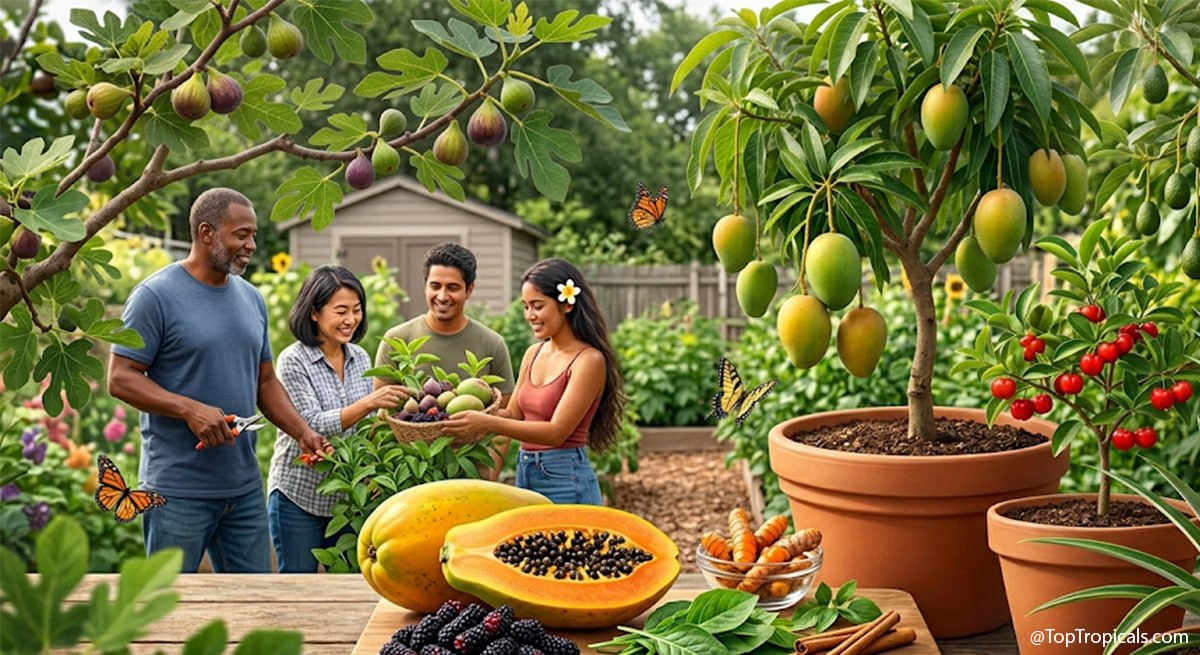
Harvesting tropical fruits

Harvesting tropical fruits

The Secret to a Sharper Mind Might Be Growing in Your Backyard


Your garden shed might hold a more powerful tool for brain health than your medicine cabinet. What if the best defense against cognitive decline isn’t found in a pill bottle - but right outside your door? While we often think of gardening as just a hobby, new research suggests that the combination of physical "zone-pushing" and harvesting your own nutrient-dense tropical fruit could be a literal life-saver for your brain.
  • 🍒 What the Research Actually Says


    A massive study recently published in the journal Neurology followed more than 92,000 people to see how diet impacts the mind. The findings were clear: the quality of the plant-based foods you eat plays a massive role in your risk of dementia. It isn't just about "eating your veggies" - it's about which ones you choose.
    (The full study: Plant-Based Dietary Patterns and Risk of Alzheimer Disease and Related Dementias in the Multiethnic Cohort Study)
  • 🍒 Why Growing Your Own Fruit Changes the Game


    If you grow your own fruit, you quietly solve two problems at once. It turns a "diet plan" into a natural part of your day.

    1. Effortless Nutrition
    When a ripe mango, a handful of mulberries, or a fresh guava is hanging within arm's reach, you eat it. It replaces processed, sugary snacks without any "willpower" required. You are naturally moving toward the high-quality, whole-food diet the research supports.

    2. Functional Fitness
    Gardening doesn't feel like a workout, but it is. Bending, pruning, carrying pots, and digging are all forms of functional movement. It’s steady, useful physical activity that supports your heart and brain while you’re focused on your plants.

    3. The "Outdoor" Effect
    Sunlight and fresh air are natural mood boosters. The mental focus required to manage tropical plants - especially when you’re protecting them from a surprise freeze - provides a level of mental engagement and stress relief that you just can't get from a treadmill.
  • 🍒 What to plant if you are just starting


    You don’t need a massive orchard to start investing in your brain health. One or two plants can shift your habits immediately.

    For Fast Results: Papaya and Mulberries produce fruit quickly and are incredibly easy to manage. Turmeric (curcuma), leafy greens (Longevity spinach, Katuk) and Cinnamon proved instant harvest.
    For Small Spaces: Dwarf Mango varieties and Cherries (Eugenias or Acerola), Pineapples thrive in containers and provide massive doses of antioxidants.
    For the "Zone Pusher": Figs and cold-hardy Avocados offer healthy fats and fiber that are essential for long-term health.
  • 🍒 Start Small, Start Now


    The research makes one thing clear: improving your food quality matters, and you can see results no matter your age. Planting a fruit tree changes what you eat, how you move, and how often you step outside.
    That’s more than just gardening - that’s a lifestyle shift your brain will thank you for.
  • 🍒 FAQ


    Does fruit really support brain health?
    Yes. Diets rich in whole, high-quality plant foods are linked to a lower risk of dementia, especially when they replace processed snacks and added sugars.

    Is gardening enough to count as exercise?
    Absolutely. Regular gardening provides steady, functional movement that improves circulation and supports overall physical health.

    Is it too late for me to start?
    No. The study showed that even participants who improved their diet quality in their 60s and 70s saw a measurable reduction in dementia risk.


🛒 Start your tropical fruit journey

Guava · Mango · Mulberry · Papaya · Pineapple · Avocado · Cherries · Figs

📚 Learn more:


#Food_Forest #Remedies #Discover

🟢 Join 👉 TopTropicals
Date: 16 Apr 2026

5 striking variegated plumerias you cant ignore

Plumeria Pink Border Leaf Variegated

Plumeria Pink Border Leaf Variegated

Plumeria Golden Leaf

Plumeria Golden Leaf

Plumeria Anyamanee Yellow Variegated

Plumeria Anyamanee Yellow Variegated

Plumeria Maya Red Variegated

Plumeria Maya Red Variegated

Plumeria Silver Leaf Variegated

Plumeria Silver Leaf Variegated

5 striking variegated plumerias you can’t ignore. Soil tip 🌈

Variegated plumerias are a whole different level - not just flowers, but foliage that steals the show even when the plant is not in bloom. This batch feels rare, collectible, and a little addictive… once you see them, it’s hard to stop at just one.

🌸 Today's featured plumerias

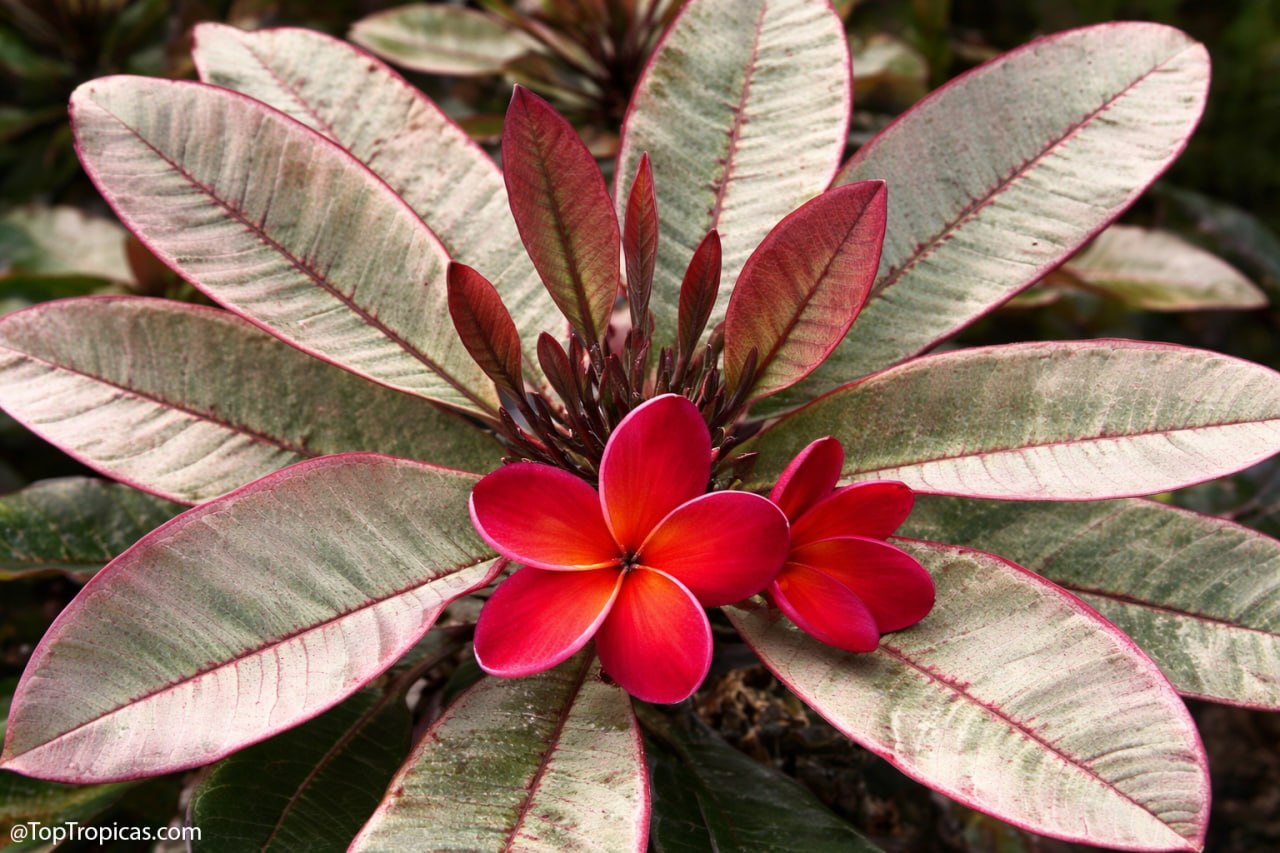
  •  ✦ Plumeria Pink Border Leaf Variegated - silver-green leaves with dark pink veins and a distinct pink edge, often deepening in new growth. Bright red flowers add strong contrast.
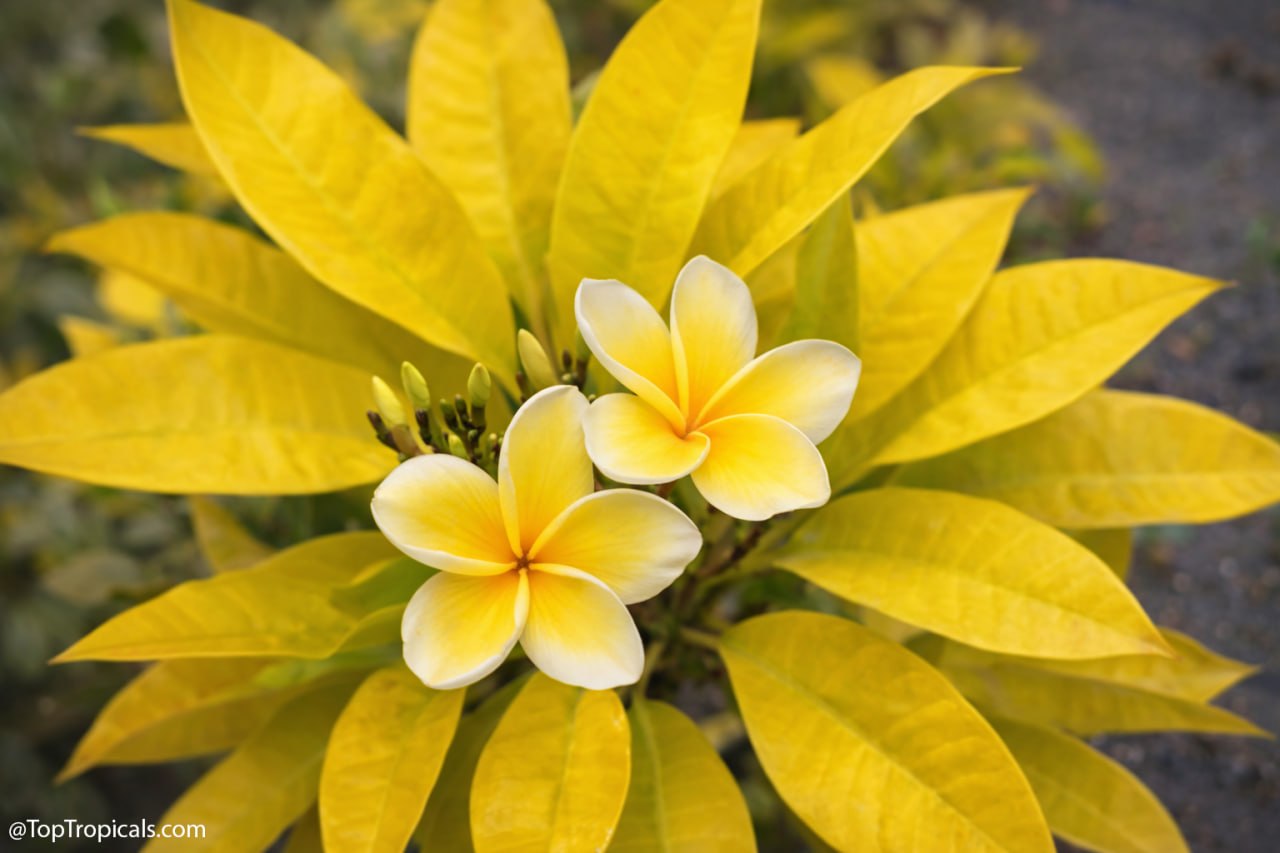
  •  ✦ Plumeria Golden Leaf - grown as much for its glowing golden foliage as for its soft yellow flowers with creamy edges. One of those varieties that stands out even without blooms.
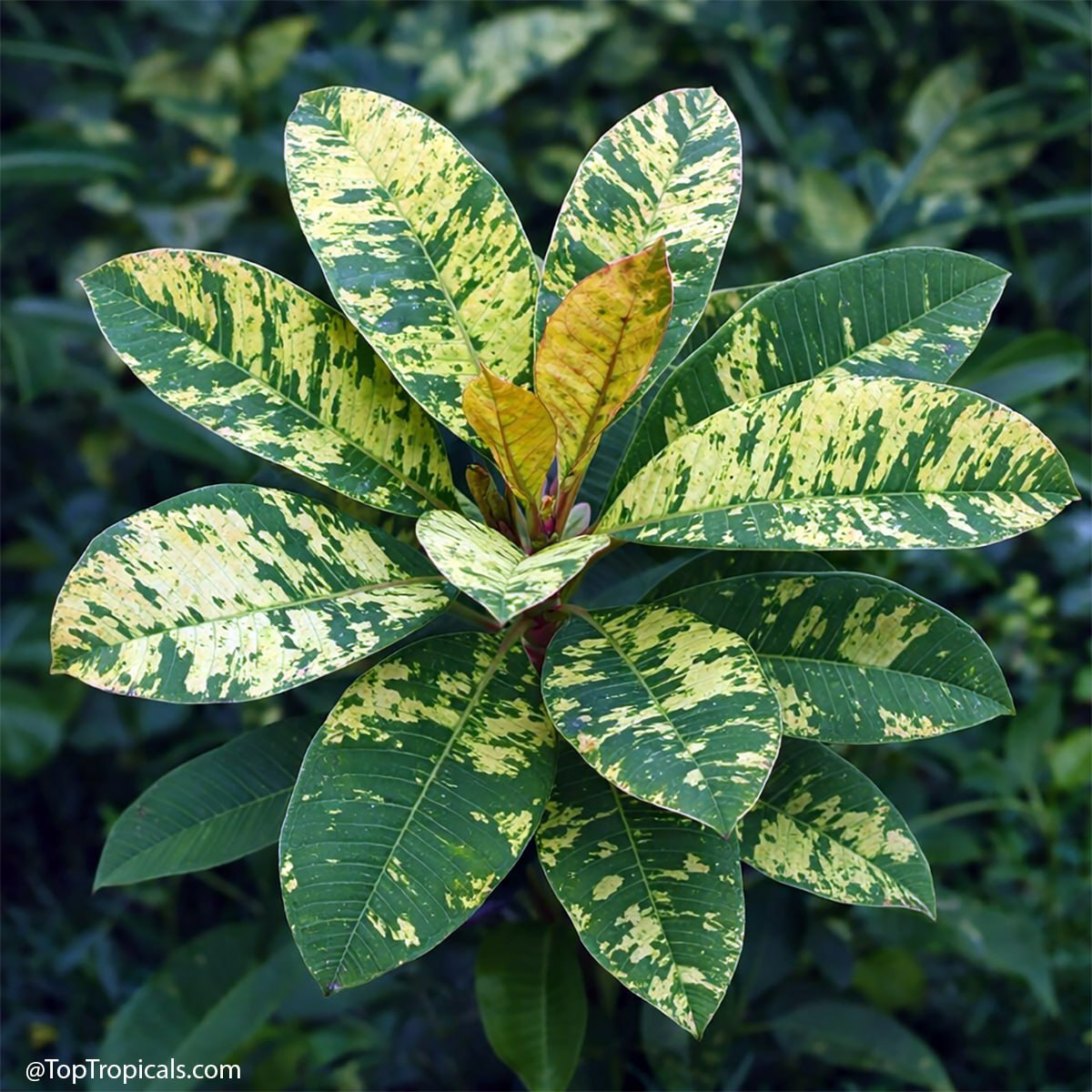
  •  ✦ Plumeria Anyamanee Yellow Variegated - bright yellow flowers paired with dark green leaves streaked in yellow, creating a bold, high-contrast look. The Thai name means rare jewel, and it fits perfectly.
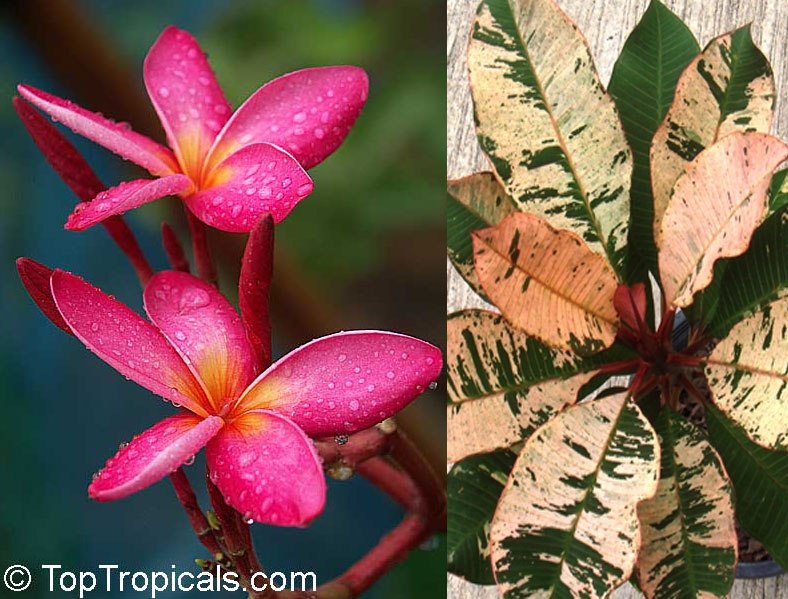
  •  ✦ Plumeria Maya Red Variegated - rich red-pink flowers with variegated leaves touched by reddish tones, giving the whole plant a warm, layered look. Fragrant and very eye-catching.
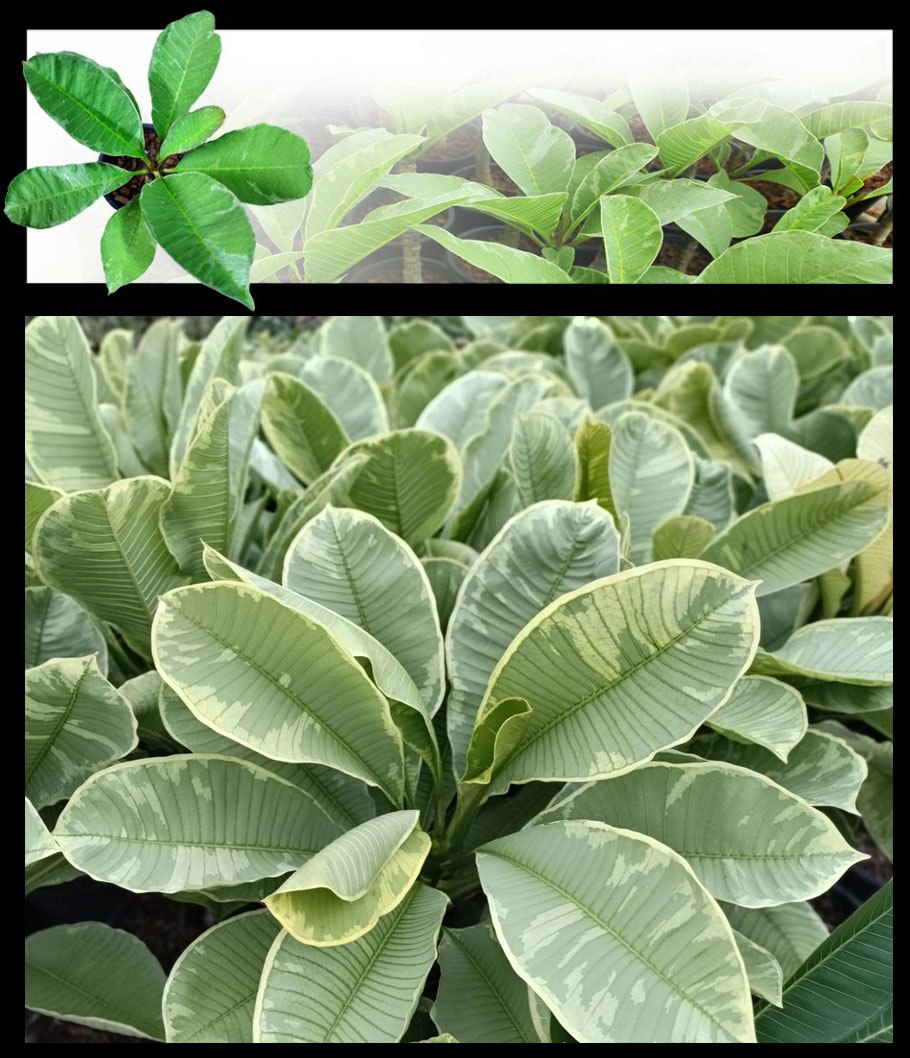
  •  ✦ Plumeria Silver Leaf Variegated - silvery variegated foliage paired with soft yellow blooms, creating a clean, elegant contrast. A collectible type that feels a bit different from typical plumerias.


💡 Plumeria tip: soil and drainage


Plumerias hate wet feet. Give them a fast-draining, airy mix so roots can breathe - think chunky soil with perlite, bark, and coconut fiber. A simple formula that works very well is Sunshine Abundance soilless formula mixed 50/50 with coarse sand - it drains quickly and keeps roots healthy and rot-free.

🛒 Shop Plumeria Collection and Enjoy the fragrant blooms

📚 Learn more:
🎥 How to get endless Plumeria Blooms

#Perfume_Plants #Container_Garden #How_to #Discover #PlumeriaRainbow

Dwarf Plumeria Plant Facts

Plumeria alba
Dwarf Plumeria
USDA Zone: 9-11
Large shrub 5-10 ft tallSmall tree 10-20 ftFull sunModerate waterWhite, off-white flowersFragrant plant
🟢 Join 👉 TopTropicals

Date: 7 May 2026

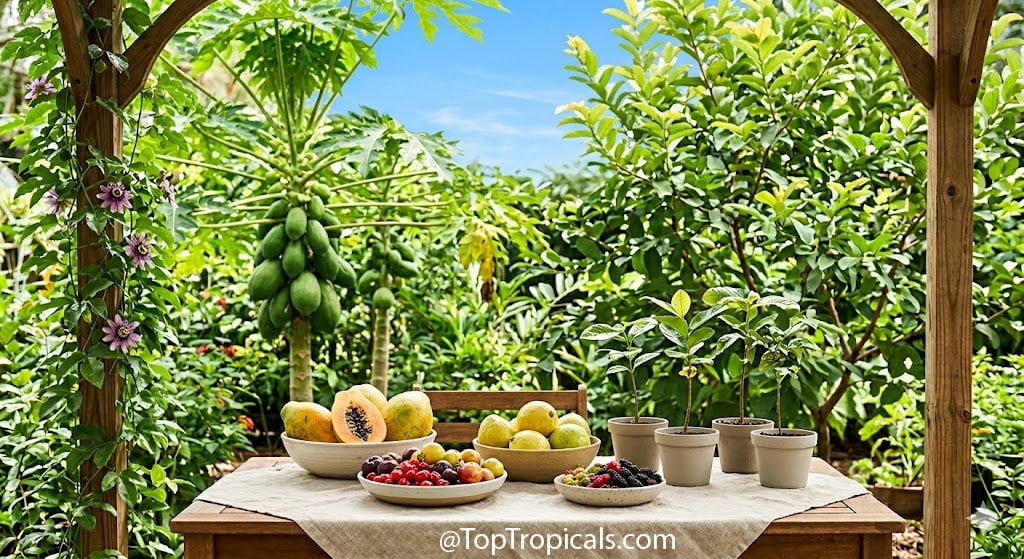
3 Best Trees for a Fast-Fruit Garden

3 Best Trees for a Fast-Fruit Garden
3 Best Trees for a "Fast-Fruit" Garden 🍒

Want fruit without the wait? These tropical powerhouses deliver a "fast-food" garden in record time.

  • 🍓 The Top 3 Speed Demons


1. The Favorite: Papaya 🍊
If you want speed, Papaya is king. It can go from a small seedling to heavy fruit in 6-10 months. It behaves more like a giant herb than a tree: it is fast, has shallow roots, and is incredibly responsive to water and fertilizer. In warm climates, it is a plant it and watch it go legend. 👉 More

2. The Reliable: Guava 🍉
Guava is the most forgiving fruit tree you can own. It handles heat, poor soil, and the occasional week of neglect without missing a beat. Most varieties begin producing in just 1-2 years, staying compact enough for small yards or large pots. 👉 More

3. The Surprise: Eugenias 🍒
This family (including Surinam Cherry, Grumichama, Cherry of the Rio Grande, and Pitomba) often flies under the radar. They look like ornamental shrubs, but they establish quickly and can fruit within year two. They handle pruning beautifully, making them perfect for edible hedges. 👉 More

  • 🍓 The Fast-Fruit Honor Roll


  • 🍓 Ultra-Fast (Under 1 Year)

Papaya and Banana: The heavyweight champions of speed.
Strawberry Tree (Muntingia calabura): Non-stop cotton candy berries.
Grafted Favorites: High-quality Mango, Avocado, Peach, Nectarine, and Persimmon.

  • 🍓 Very Fast (1-2 Years)

The Berries: Mulberry (especially Everbearing), Fig, and Barbados Cherry.
The Exotics: Strawberry Guava, Loquat, and the curious Peanut Butter Tree (Bunchosia).
The Sweet Treats: Blackberry Jam Fruit (Randia formosa).

  • 🍓 Tropical Staples (2-3 Years)

Starfruit (Carambola): A heavy producer that looks stunning in the garden.
Annona Family: Sweet Sugar Apples and creamy Atemoyas.
Macadamia Nut: A long-term investment that starts surprisingly early.

🍓 Fast Climbers and Bush Fruit


Passionfruit: Will cover a fence and fruit in a single season.
Berries: Mysore Raspberry and classic Blackberries for quick returns.

🛒 Ready to harvest? Shop the "Fast-Fruit" Collection

📚 Learn more:

Murta Plant Facts

Blepharocalyx salicifolius, Eugenia salicifolia
Murta
USDA Zone: 9-11
Small tree 10-20 ftSemi-shadeFull sunRegular waterWhite, off-white flowers

#Food_Forest #How_to #Discover

🟢 Join 👉 TopTropicals

Date: 12 May 2026

EXCLUSIVE INTERVIEW: Behind the scenes with Smokey and Sunshine - after years of rumors they speak out!

EXCLUSIVE INTERVIEW: Behind the scenes with Smokey and Sunshine - after years of rumors they speak out!

🎙 EXCLUSIVE INTERVIEW: Behind the scenes with Smokey and Sunshine - after years of rumors they speak out!


Many people loved our mascots - Smokey and Sunshine - and kept asking the same questions over and over. So we finally decided to sit them down for an interview and ask everything at once.

Smokey is the tuxedo "engineering cat" with professor glasses, serious plant advice, and strong opinions about fertilizer and soil pH.

Sunshine is the fluffy orange Aloha guy of the group - chubby, relaxed, permanently snack-oriented, and somehow never in a hurry about anything. He approaches life with the confidence of a cat who believes coffee breaks, warm sunshine, and donuts are all basic human rights. He is also the one asking the questions normal people are actually thinking.

Together, they somehow turned gardening into conversations about plants, coffee, cats, donuts, and the meaning of life in a greenhouse.

In this interview, you will find out:

  • 🐾 Are Smokey's glasses fake?
  • 🐾 Are Sunshine's donuts real?
  • 🐾 Are these cats based on real rescued Top Tropicals cats?
  • 🐾 How many cats have been adopted by Top Tropicals over the years and how many are currently living in the gardens?
  • 🐾 Why does Smokey take gardening so seriously?
  • 🐾 Why does Sunshine think every problem can be solved with snacks?

Some answers may surprise you.
Some may explain a lot.

Read the full Smokey & Sunshine interview

📚 Learn more:


About Smokey & Sunshine

#PeopleCats

🟢 Join 👉 TopTropicals
Date: 12 May 2026

The strange tropical plant that eats bugs - and gardeners cant stop collecting

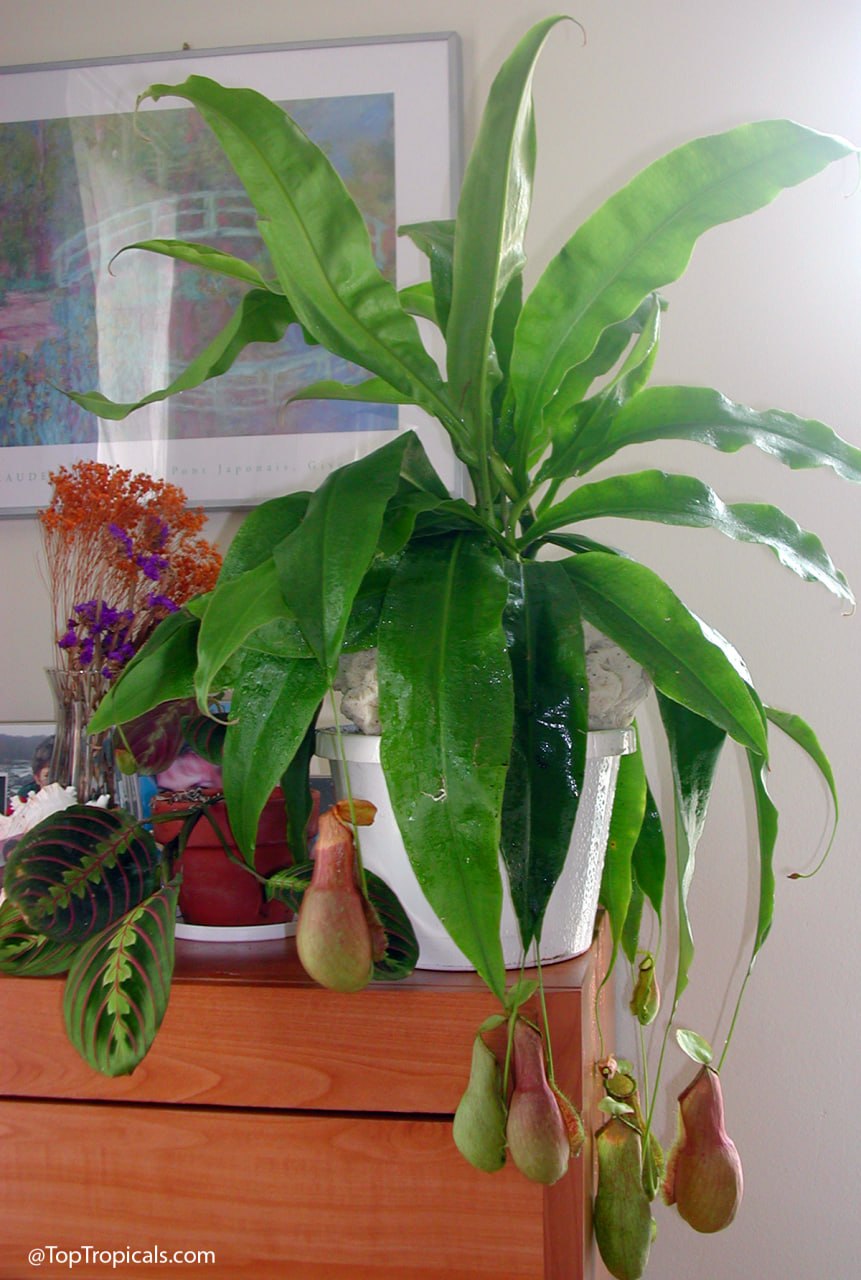
The strange tropical plant that eats bugs - and gardeners cant stop collecting The strange tropical plant that eats bugs - and gardeners cant stop collecting The strange tropical plant that eats bugs - and gardeners cant stop collecting

🐸 The strange tropical plant that eats bugs - and gardeners can't stop collecting


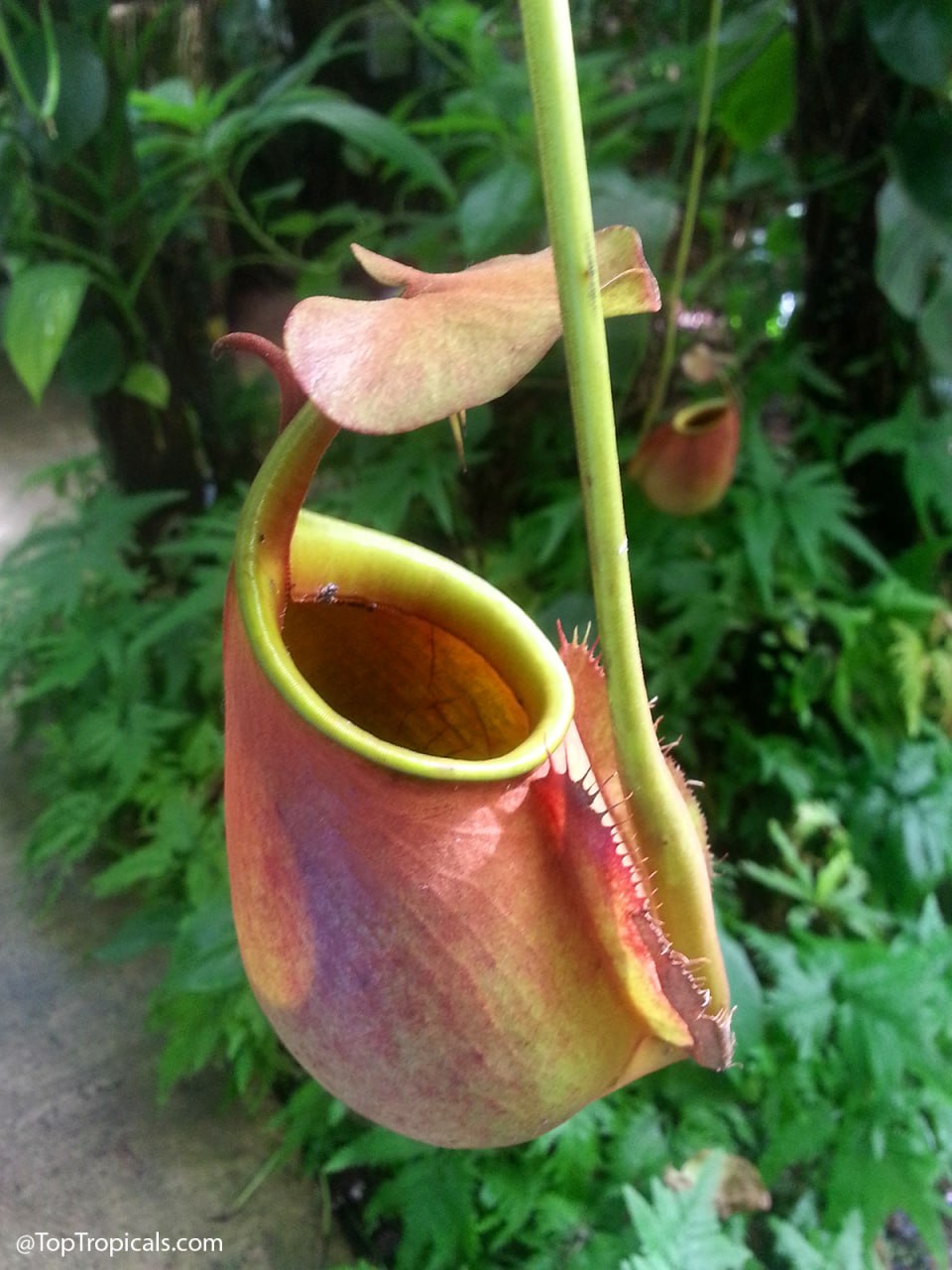
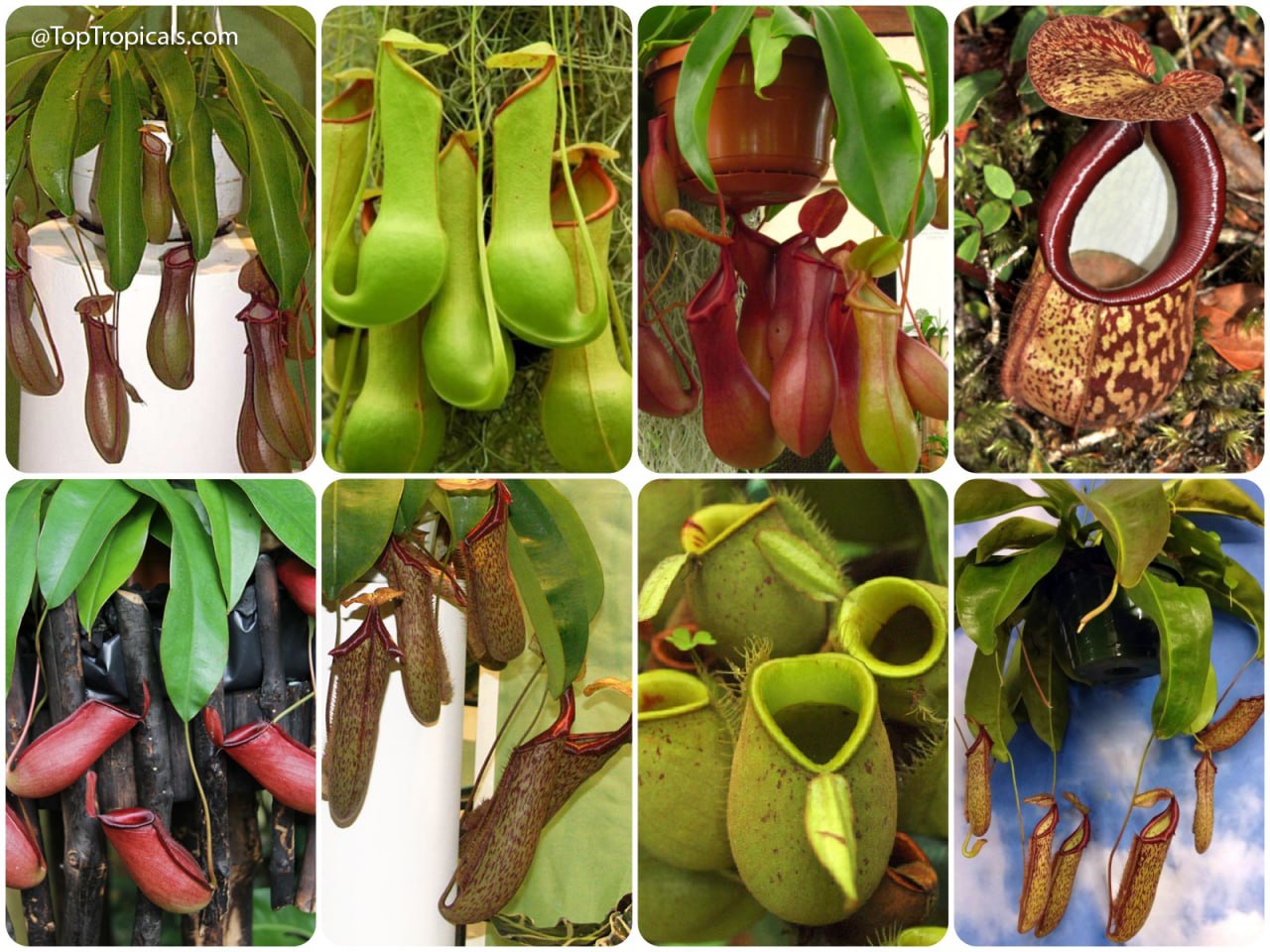
Nepenthes - tropical Pitcher Plants - look almost fake. Long vines and shiny leaves give way to colorful pitchers resembling exotic lanterns or sci-fi creatures. But these aren't flowers; they are sophisticated traps. Among the world's most fascinating carnivores, they lure insects into fluid-filled vessels to digest them for nutrients. Giant species can even trap small frogs or mice! 🐸🐭

  • 🐱 Why pitcher plants look so unreal


Pitchers are modified leaves designed to attract prey with vibrant colors and nectar. Many feature dramatic stripes or flared, sculpted rims. The diversity is immense: compact species fit on windowsills, while jungle giants produce foot-long traps. Some thrive in steamy lowlands, others in misty mountains. Their digestive fluid can even become sticky and elastic, making escape impossible.

  • 🐱 The plant that inspired engineering


These plants have inspired more than just gardeners. Their slippery surfaces led to "liquid-infused" materials used in anti-fogging and water-repelling tech. Engineers study them as nature’s original biological pitfall trap, a masterclass in biomimetic design.

  • 🐱 Why collectors become obsessed with Pitcher plants


What starts as a curiosity often becomes an obsession. With hundreds of species and hybrids, pitchers can resemble cobra heads, wine goblets, or alien pods. Under bright light, they develop stunning hues of burgundy, orange, or candy-stripes. Because of their popularity, ethical hobbyists emphasize buying nursery-propagated plants to protect wild populations from poaching.

  • 🐱 Surprisingly easier than people think


Despite their reputation, many hybrids thrive indoors with basic care. They need bright indirect light, high humidity, and excellent drainage. Crucially, they require mineral-free water (distilled or rainwater) and airy media like sphagnum moss. Regular potting soil or tap water can be fatal to these sensitive plants.

🐱 The pitchers are temporary - and that's normal


It is normal for old pitchers to dry up as the plant grows. Healthy Nepenthes constantly replace traps, often changing shape and color as they mature. This shape-shifting behavior makes them addictive to watch - one month it’s an ordinary vine, the next it’s a living rainforest documentary.

🛒 Ready to go carnivorous? Feed your curiosity - get one for your collection

📚 Learn more:

Winged Nepenthes Plant Facts

Nepenthes alata, Nepenthes graciliflora
Winged Nepenthes, Pitcher Plant
USDA Zone: 9-11
Vine or creeper plantSmall plant 2-5 ftSemi-shadeRegular waterEpiphyte plantUnusual color

#Container_Garden #Nature_Wonders

🟢 Join 👉 TopTropicals