Nepenthes - Plant Encyclopedia Results
| Number of plants found: 6 |
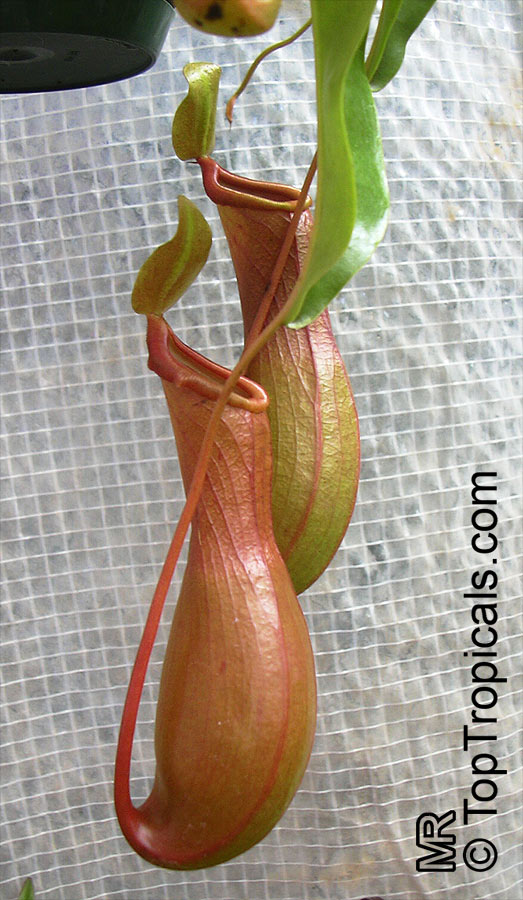
Botanical names: Nepenthes alata, Nepenthes graciliflora
Common names: Winged Nepenthes, Pitcher Plant
Family: Nepenthaceae
Origin: Philippines
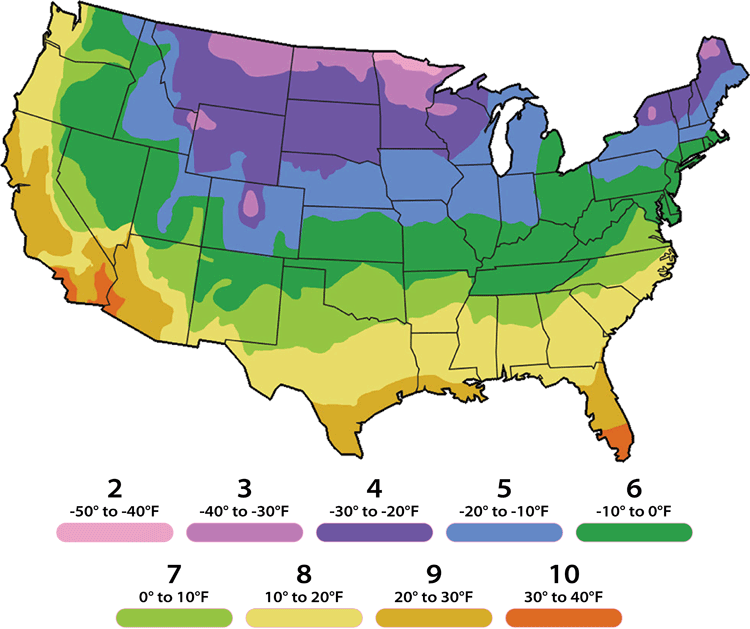
USDA Zone: 9-10


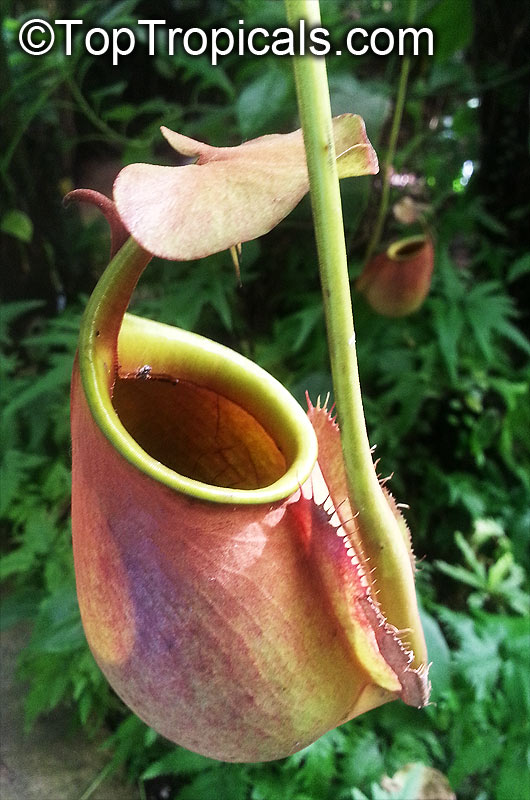
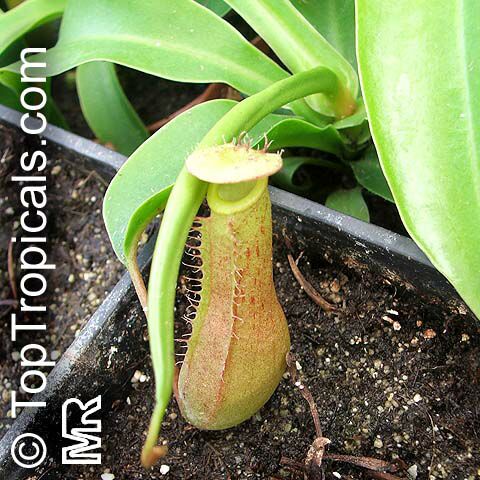
Carnivorous climbing vine. Passive pitfall traps produced at the tips of the leaves trap and digest small insects.
In 2013, Nepenthes alata was redelimited by Martin Cheek and Matthew Jebb to encompass only those populations from northern and central Luzon with conspicuously hairy pitchers (a taxon known in horticultural circles as the "hairy N. alata") Under this interpretation, the more southerly plants previously referred to this species actually represent the newly resurrected N. graciliflora (the "typical N. alata" of horticulture)
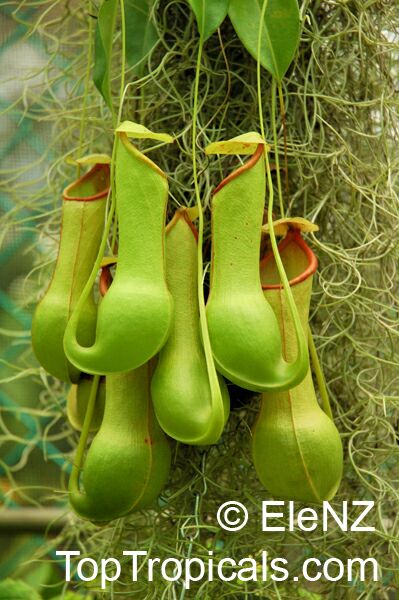
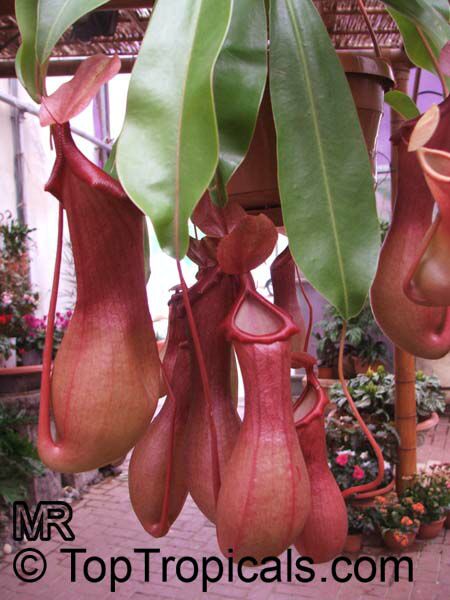
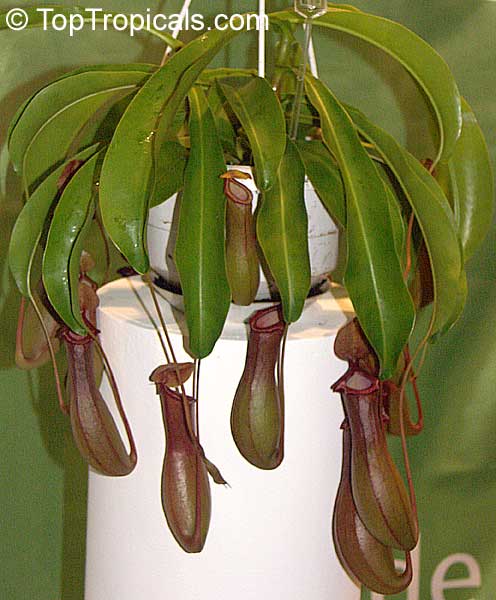
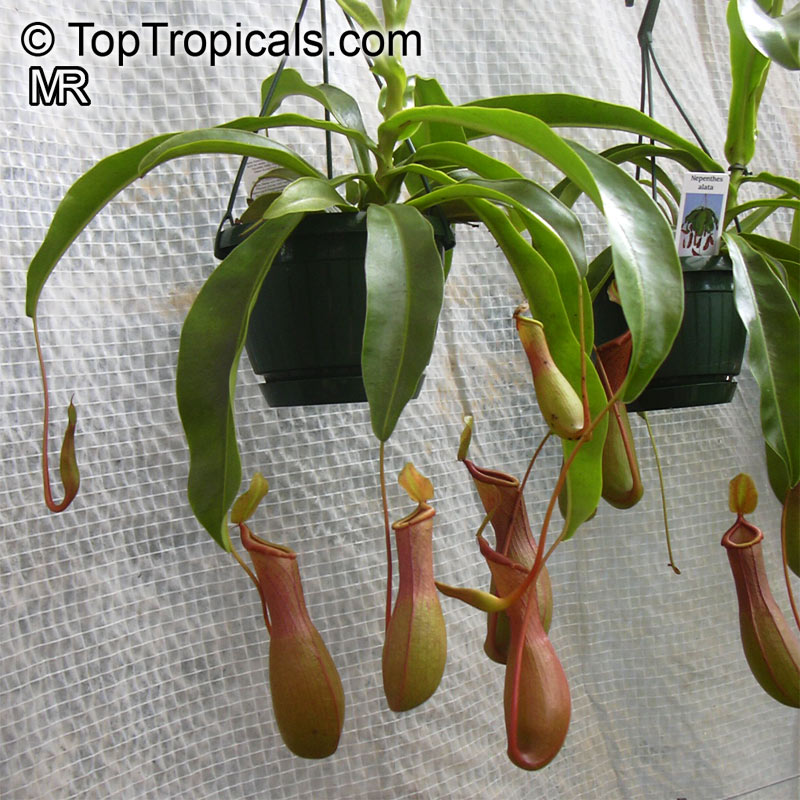

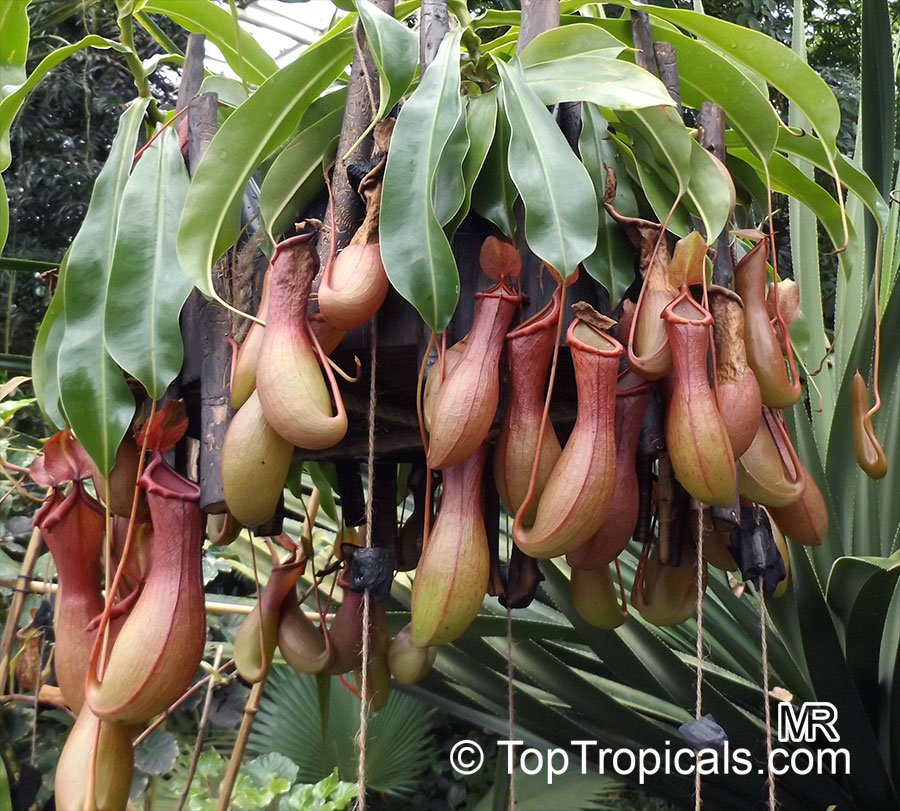
Nepenthes are extremely versatile and adaptable to many different growing conditions. The number one choice to try on a windowsill or tank, very easy, vigorous and attractive.
Do not fertilize these plants with dry fertilizer! They get all their food from "eating" insects! If you are growing the plant where it cannot catch insects for long periods, you can add an occasional small insect such as a fly, a cockroach or a few very small insects to mature pitchers. Many types benefit from very mild, diluted liquid orchid fertilizer such as SUNSHINE Orchidasm, and solution should be added only to the pitchers when they are 3/4 filled with water.
See Article about this plant.
Recommended Fertilizer: SUNSHINE Orchidasm - Rapid Growth Booster
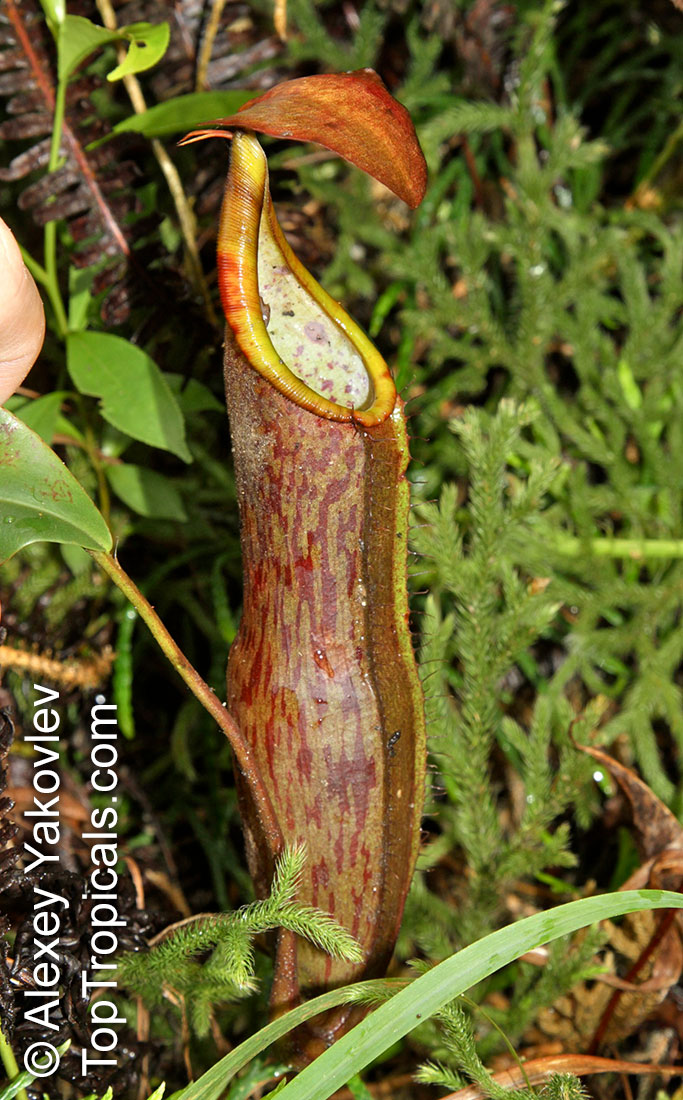
Botanical name: Nepenthes sanguinea
Common names: Highland Nepenthes, Intermediate Nepenthes, Lowland Nepenthes
Family: Nepenthaceae
Origin: Thailand
USDA Zone: 9-10
Nepenthes sanguinea, or the Highland Nepenthes, is a carnivorous plant native to Thailand. It is easily distinguishable for its unusual coloration, with pitchers ranging from green and yellow to orange and red, and the interior of these oddly-hued containers covered in speckles of their two primary colors.
This small plant, typically standing between 2 feet and 5 feet in height, prefers to be grown in semi-shade. It is considered an epiphyte, meaning that while it will happily grow in soil, it prefers to be planted among the branches of trees. The roots are well-suited for this type of environment, and the plant's ability to easily climb make it a popular choice for hanging planters.
Nepenthes sanguinea is best grown in USDA Zones 9-11, and requires regular hydration and humidity. As with many carnivorous plants, it is suited for areas with wet, acidic soil.
In cold regions, this plant can be grown in a pot indoors, where its can be easily maintained in a humid environment. If you live in a colder climate and want to give it a try, it is a good idea to place the pot near a humidifier, or mist the pitcher's interior with a mister on a regular basis.
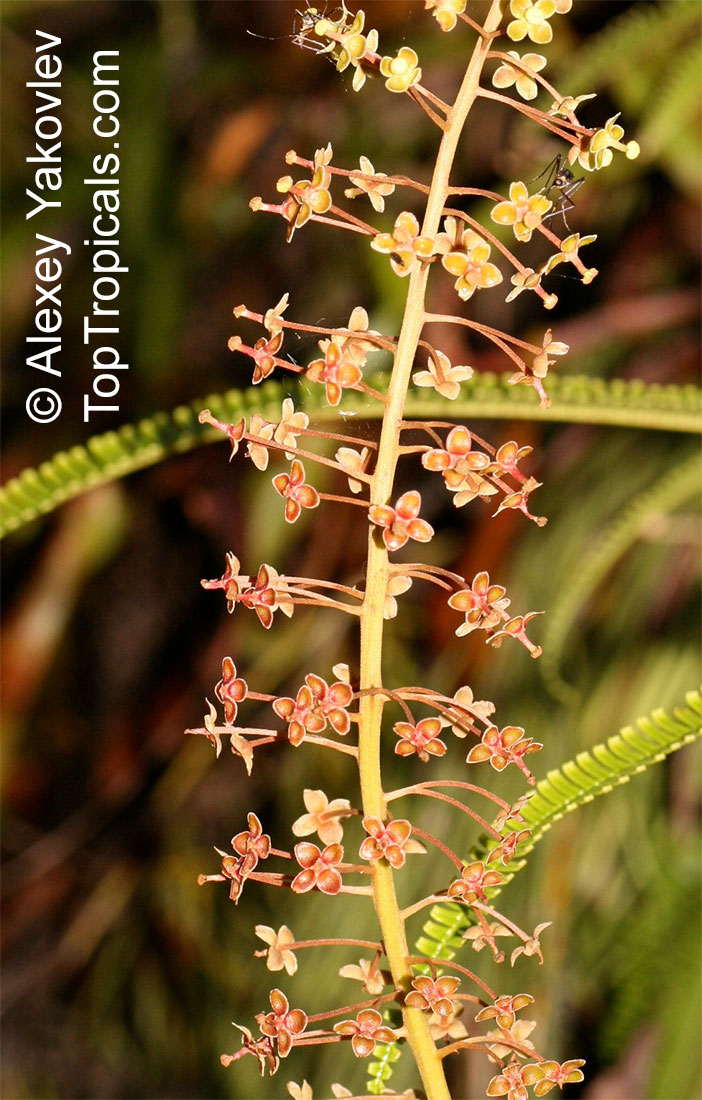
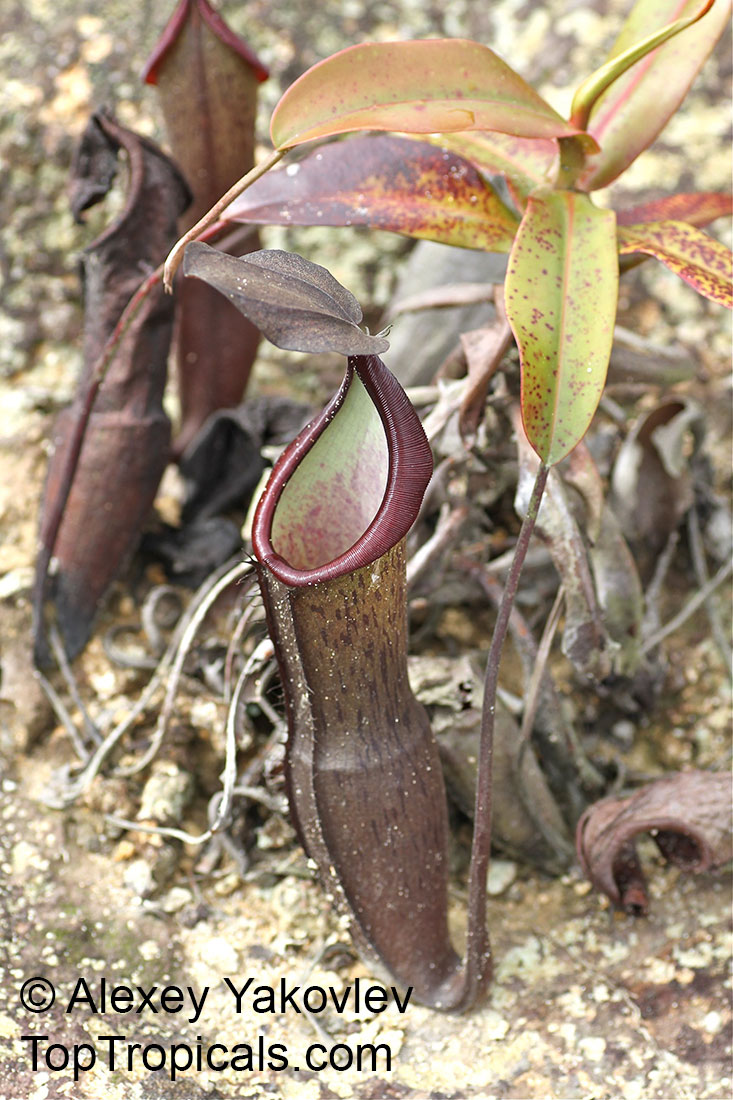
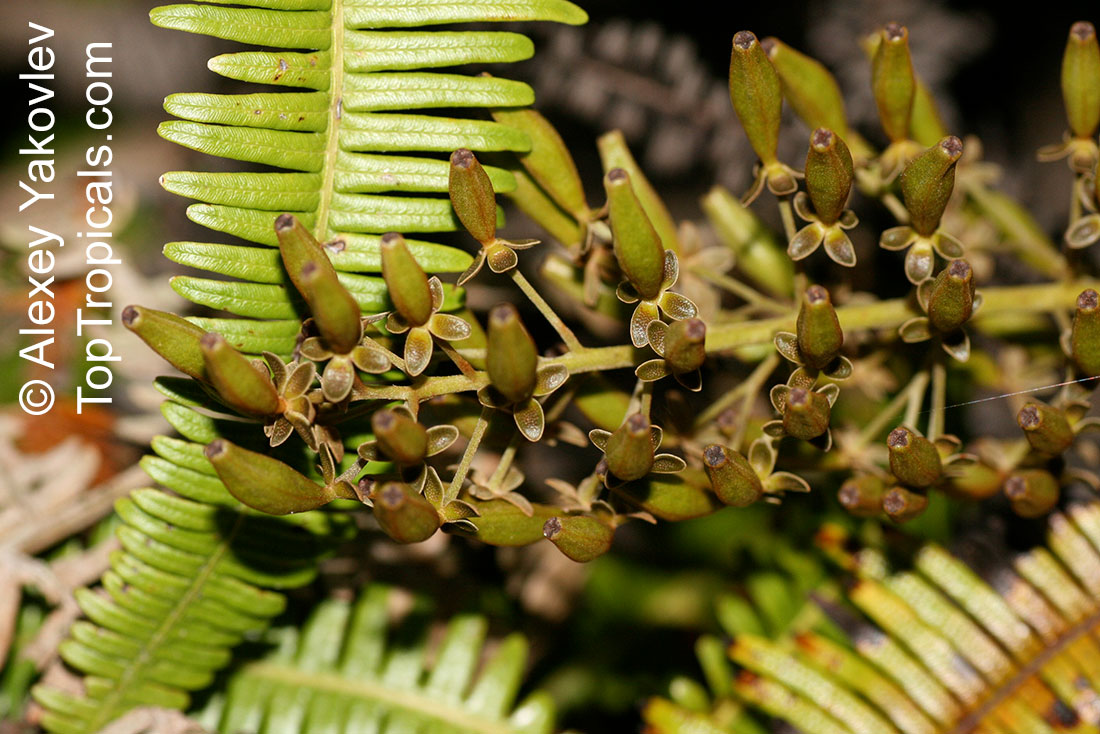

Botanical name: Nepenthes sp.
Common names: Winged Nepenthes, Pitcher Plant, Monkey Cups
Family: Nepenthaceae
Origin: Borneo, Malaysia, Philippines & Sumatra
USDA Zone: 10-11
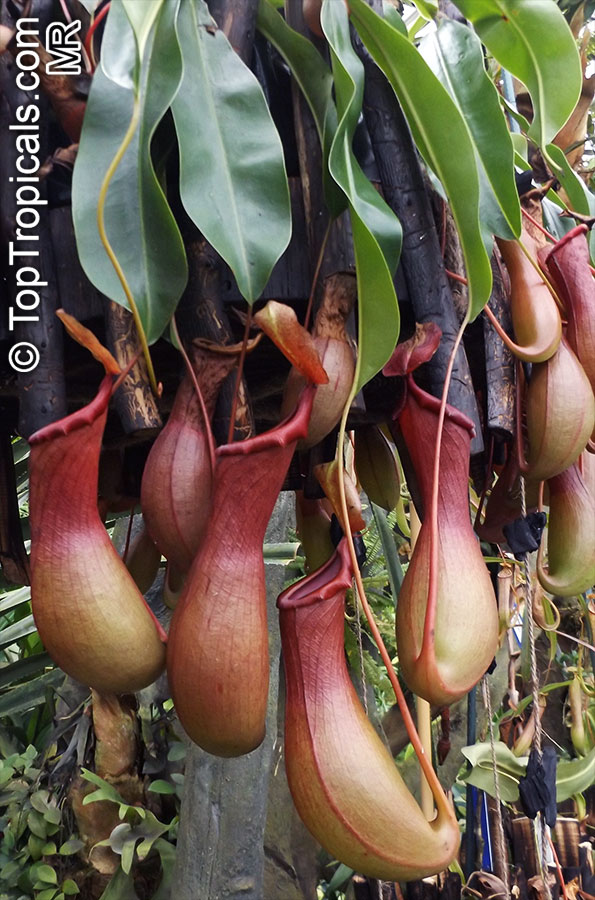
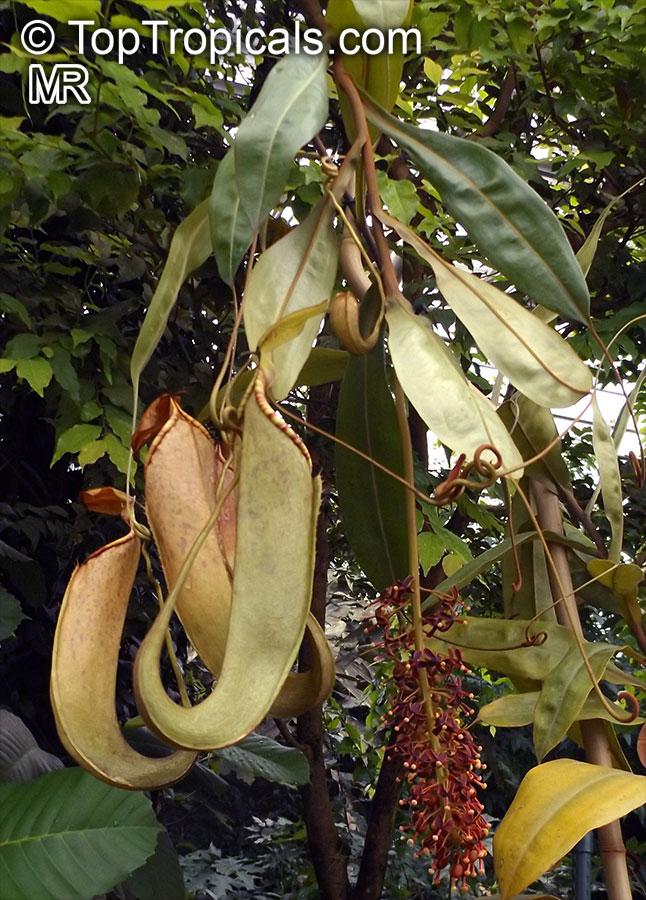
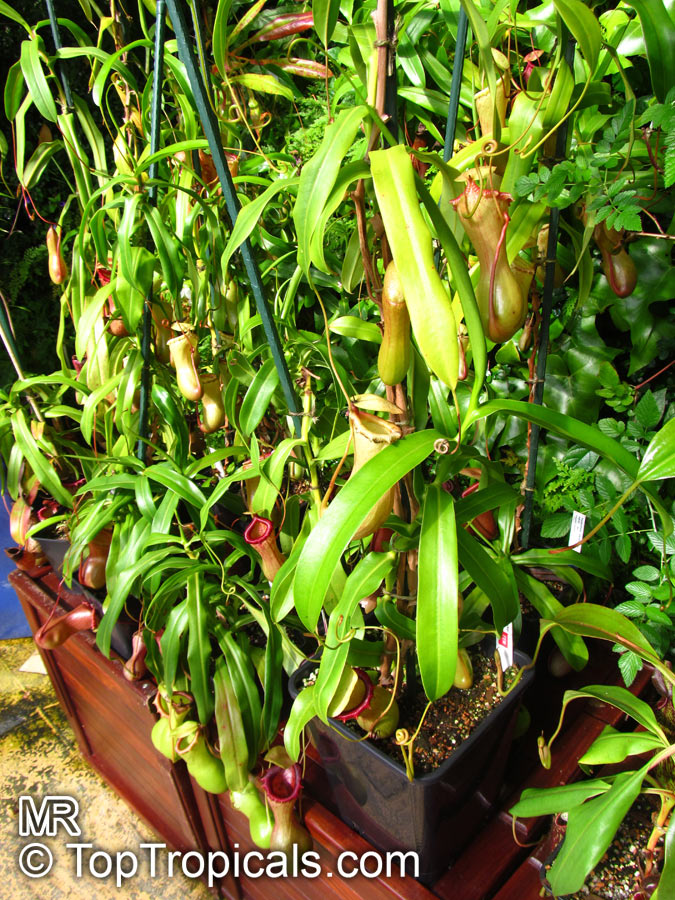
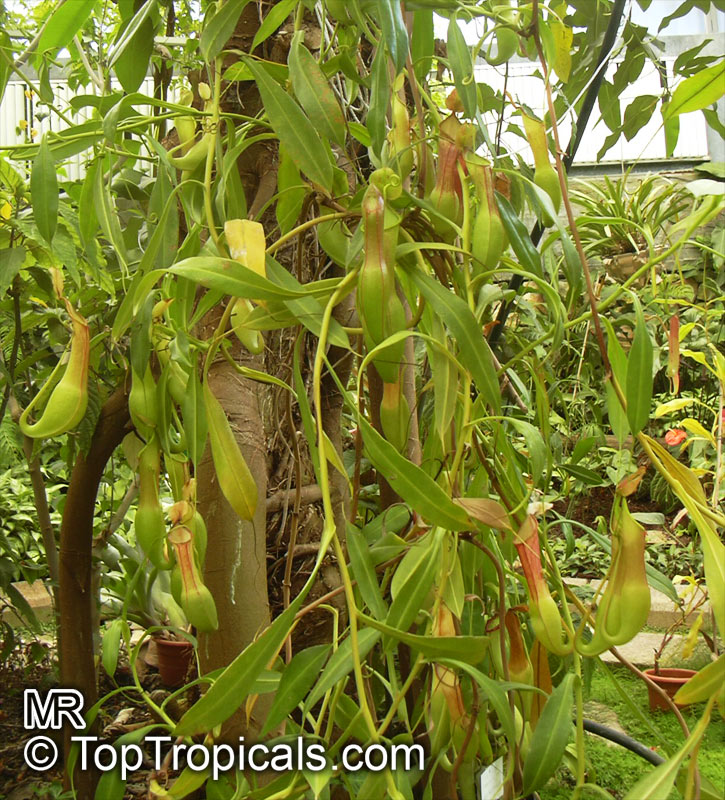
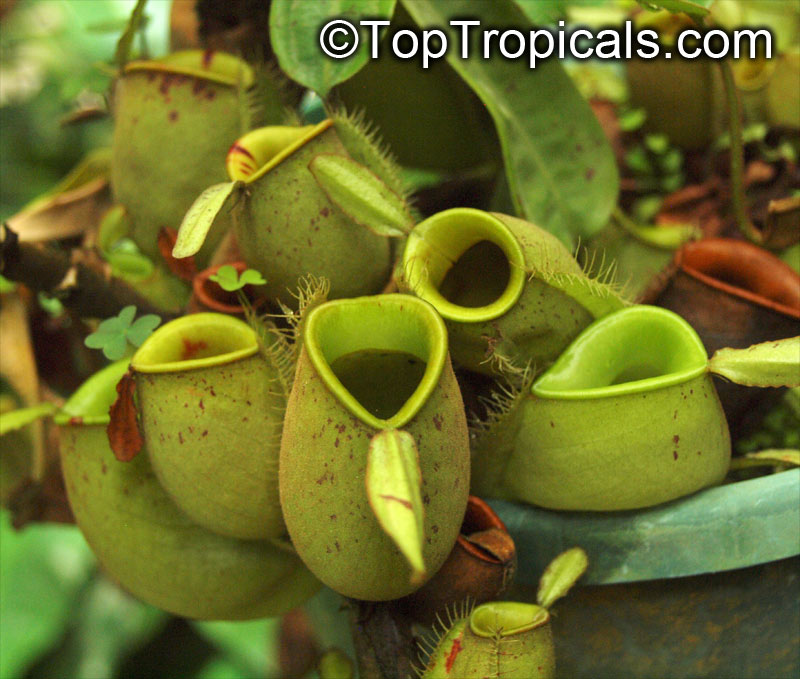
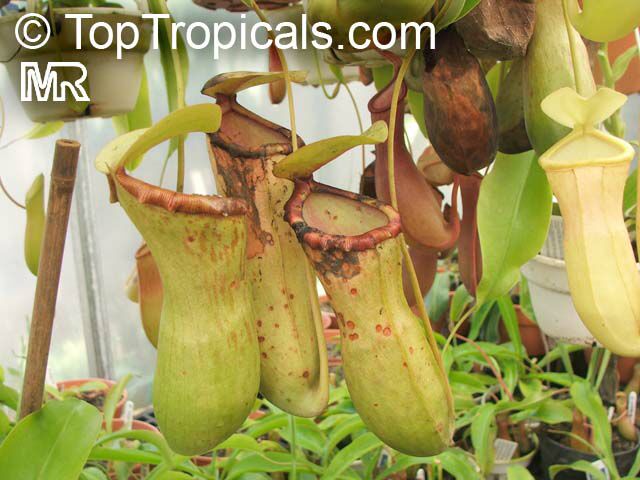
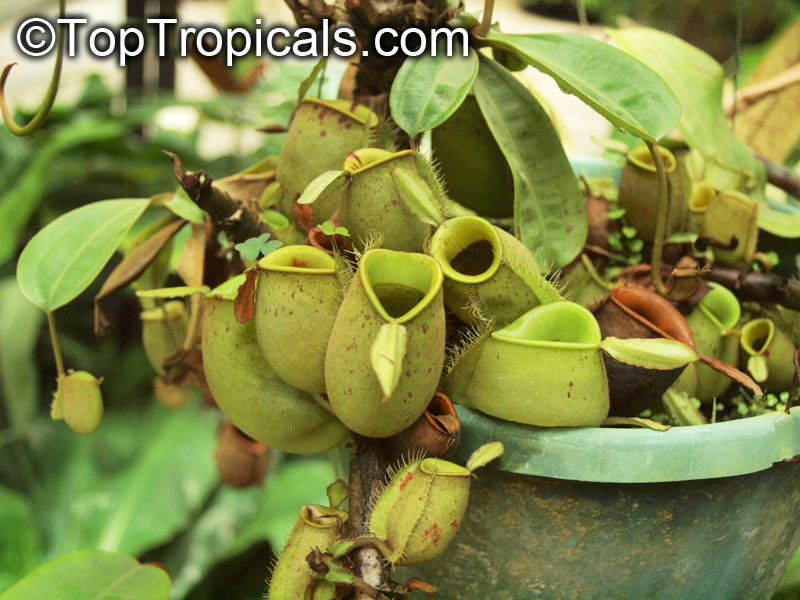
Carnivorous climbing vine. Passive pitfall traps produced at the tips of the leaves trap and digest small insects. Color of the pitchers light-green, often with light or dark-red or violet spots. Depending on where you live many of the needs of Nepenthes can be met by adapting them to your growing environment. Nepenthes are extremely versatile and adaptable to many different growing conditions.
Do not fertilize these plants with dry fertilizer! They get all their food from "eating" insects! If you are growing the plant where it cannot catch insects for long periods, you can add an occasional small insect such as a fly, a cockroach or a few very small insects to mature pitchers. Many types benefit from very mild, diluted liquid orchid fertilizer such as SUNSHINE Orchidasm, and solution should be added only to the pitchers when they are 3/4 filled with water.
See Article about Pitcher Plant.
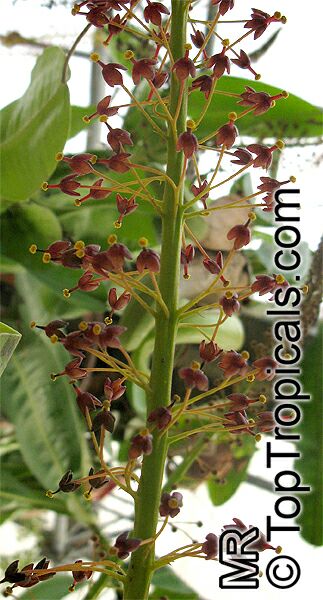
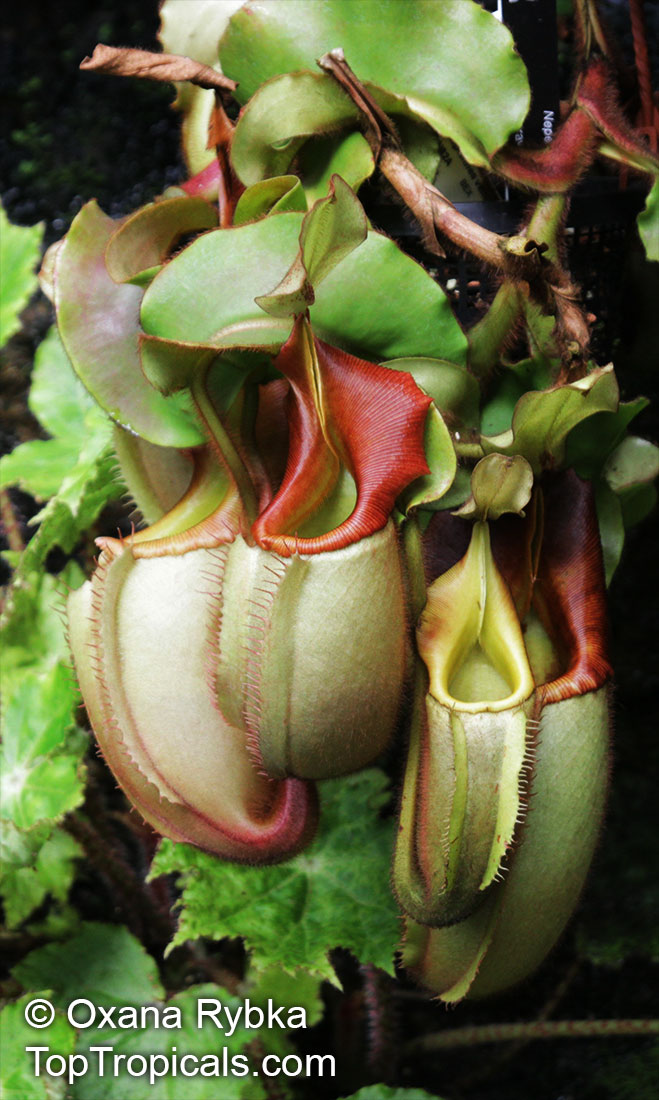
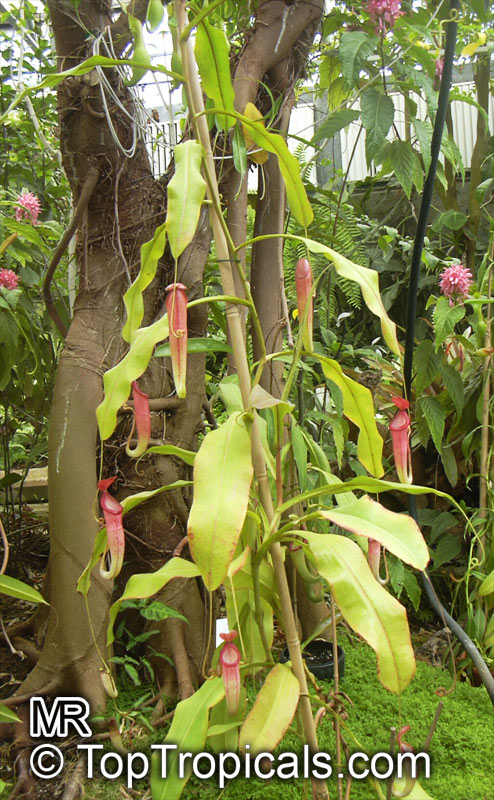
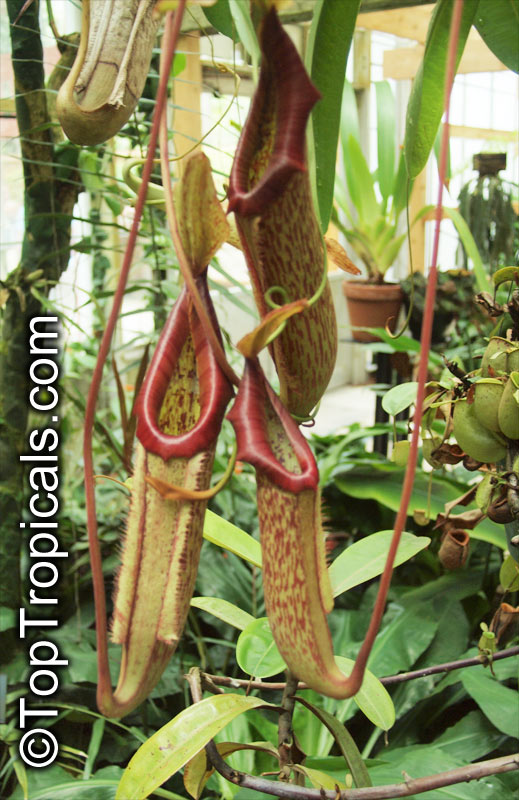

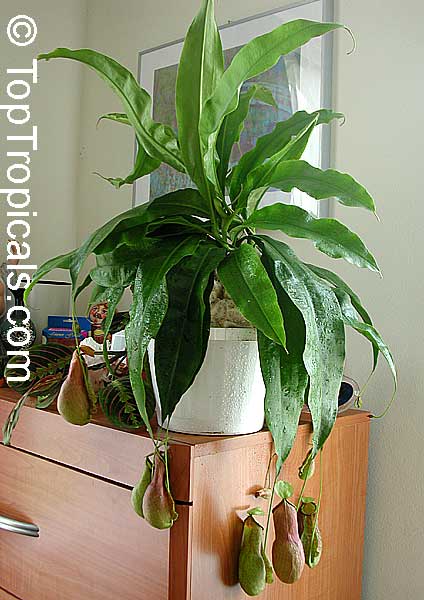
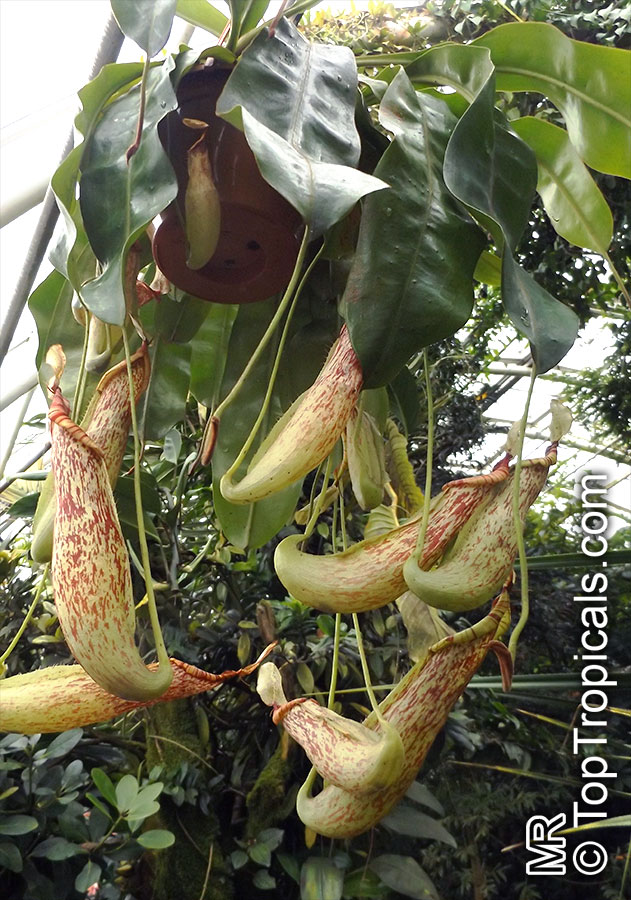
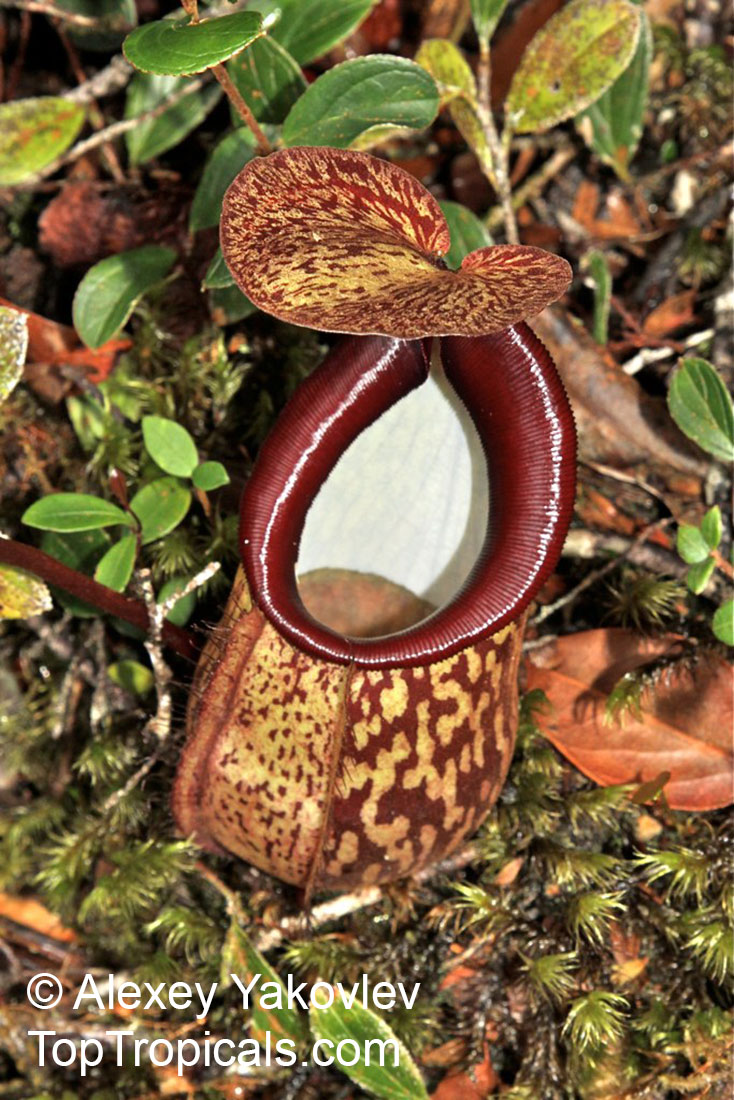
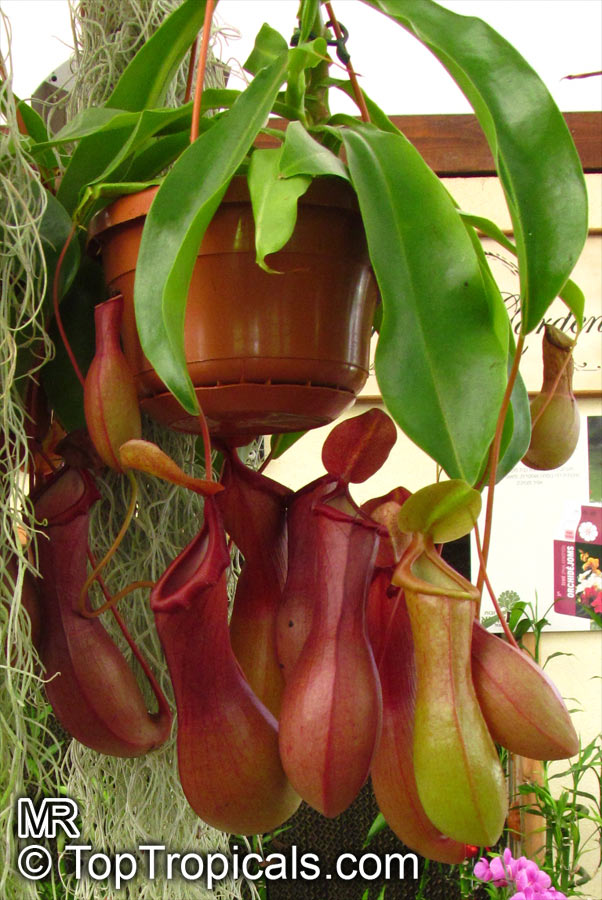
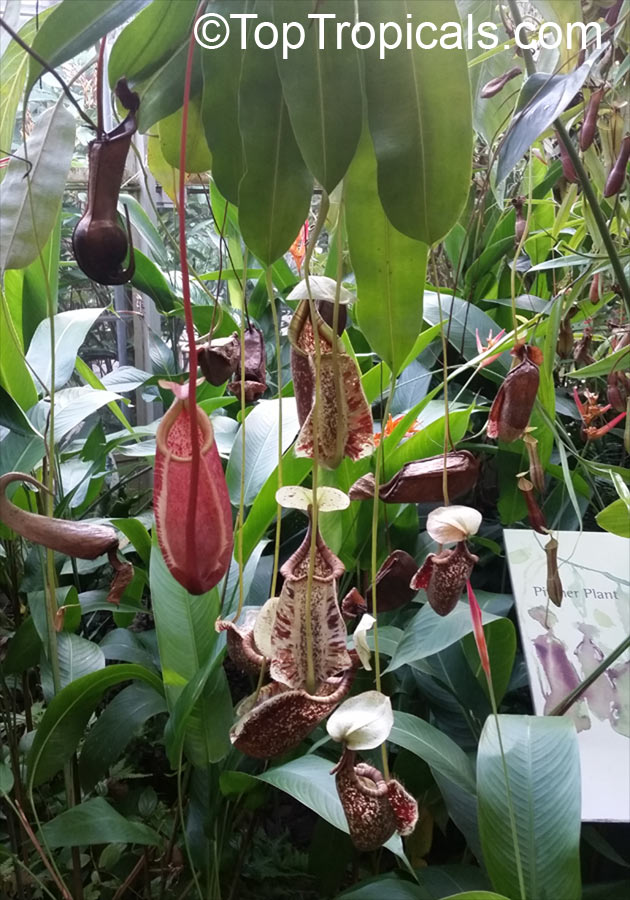
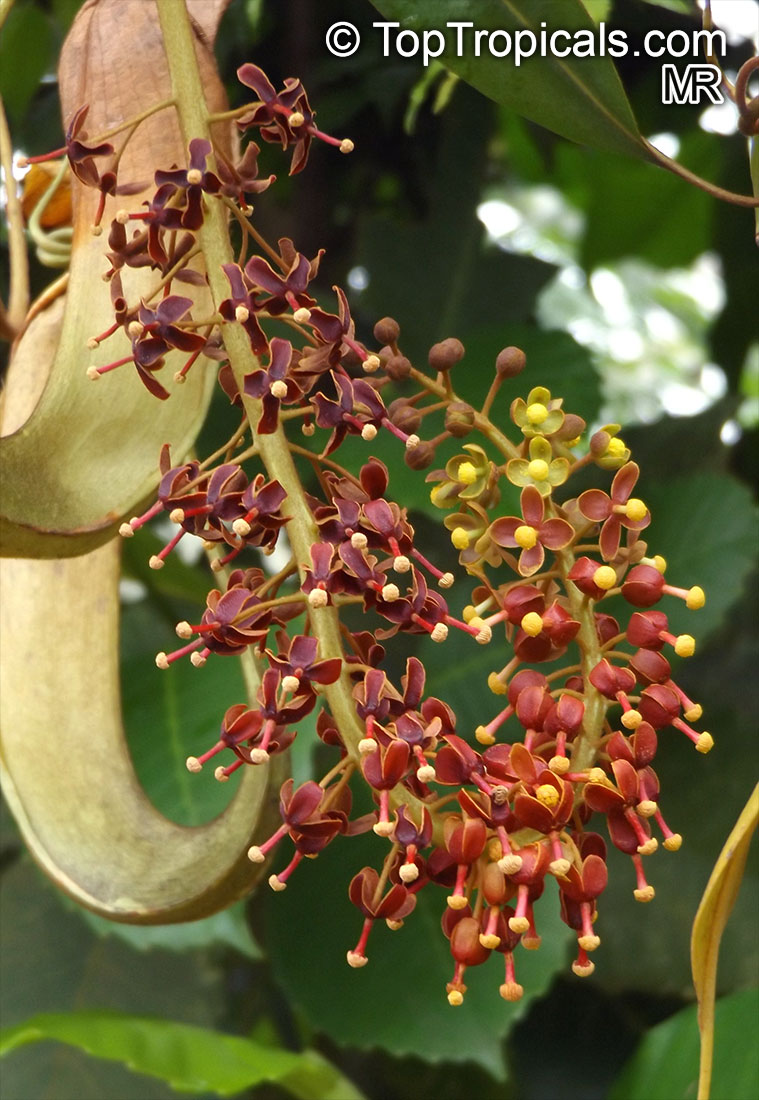

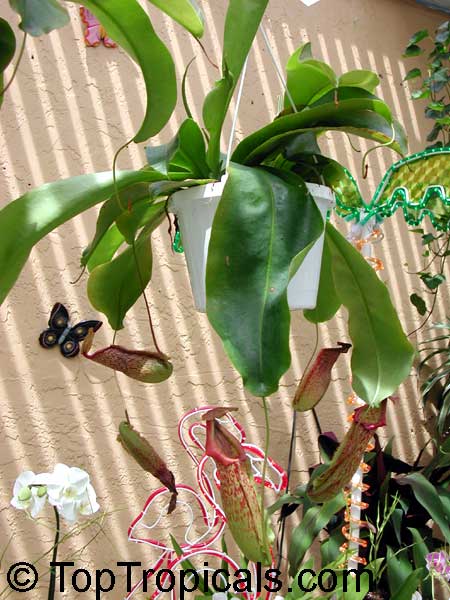
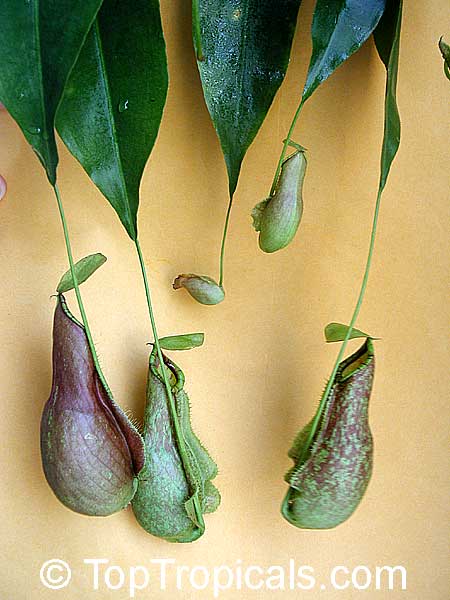
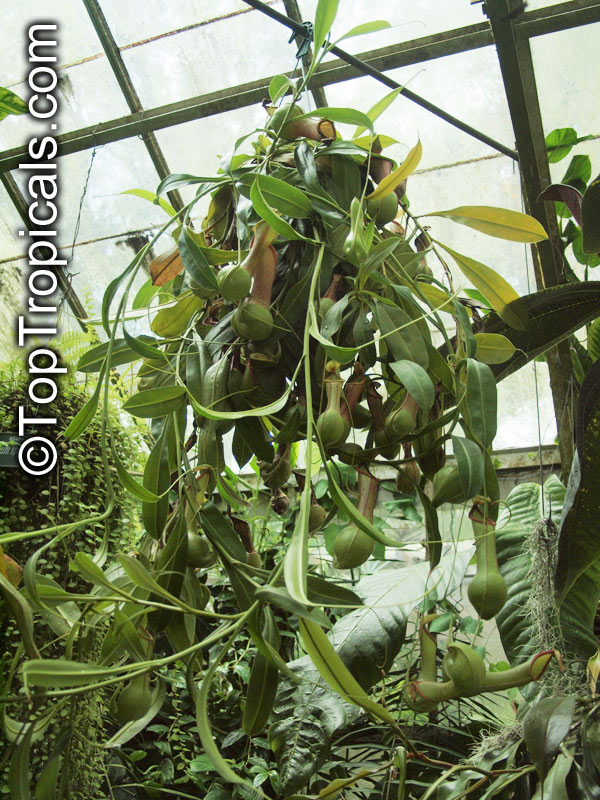
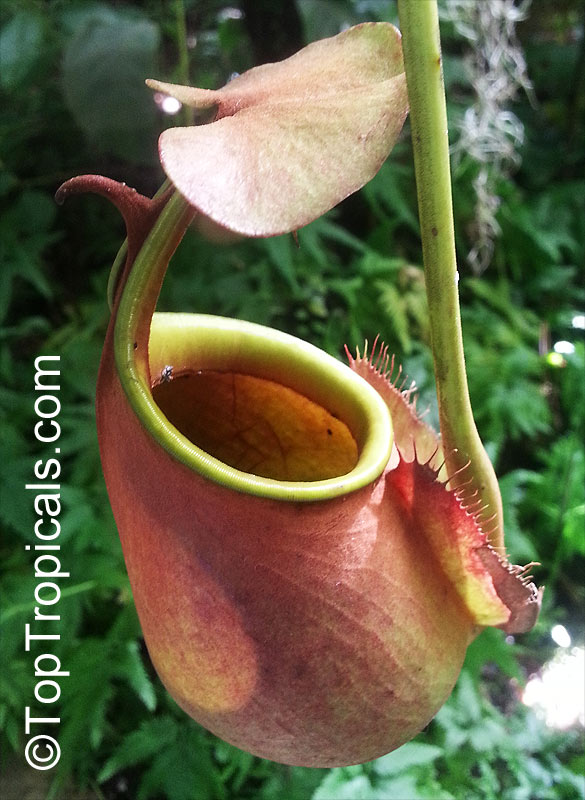
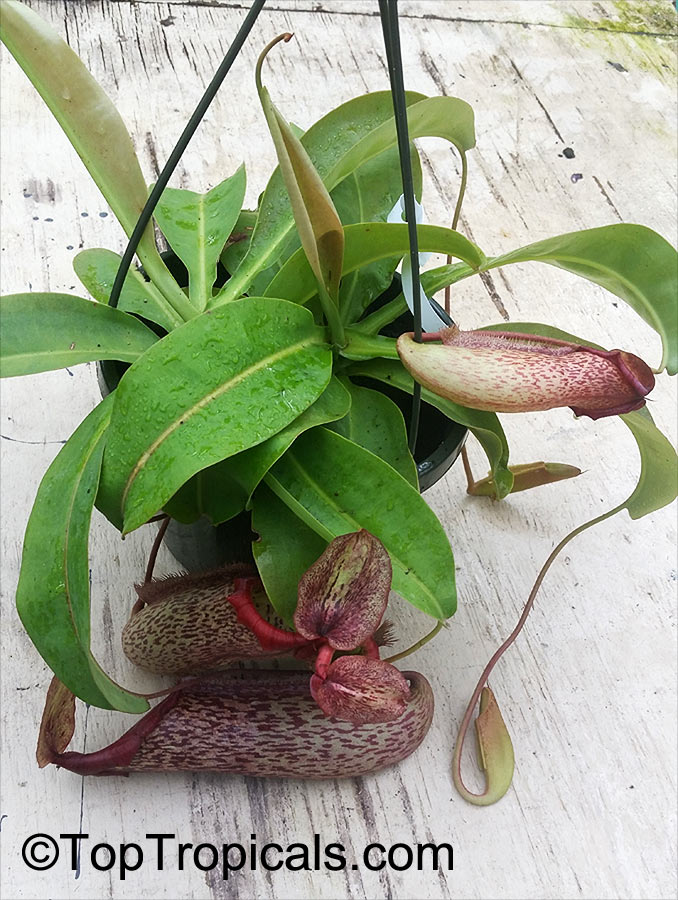
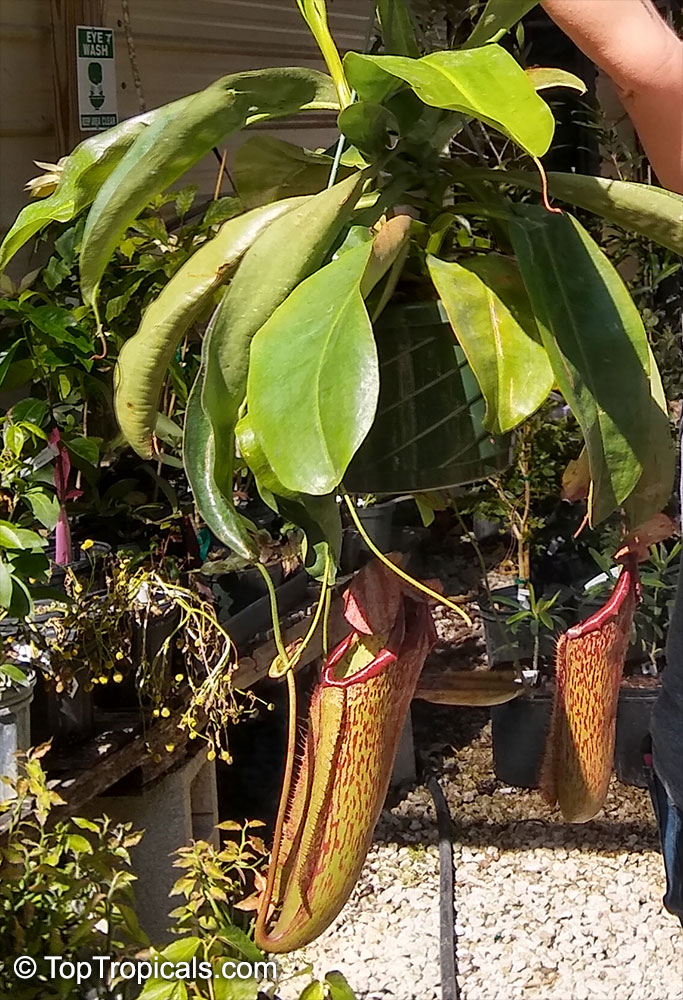
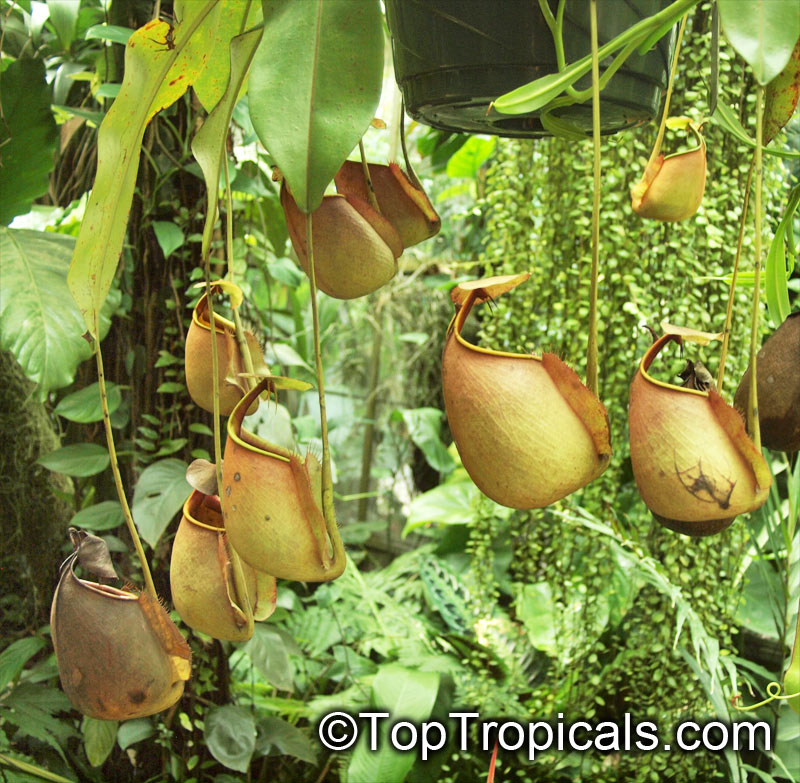
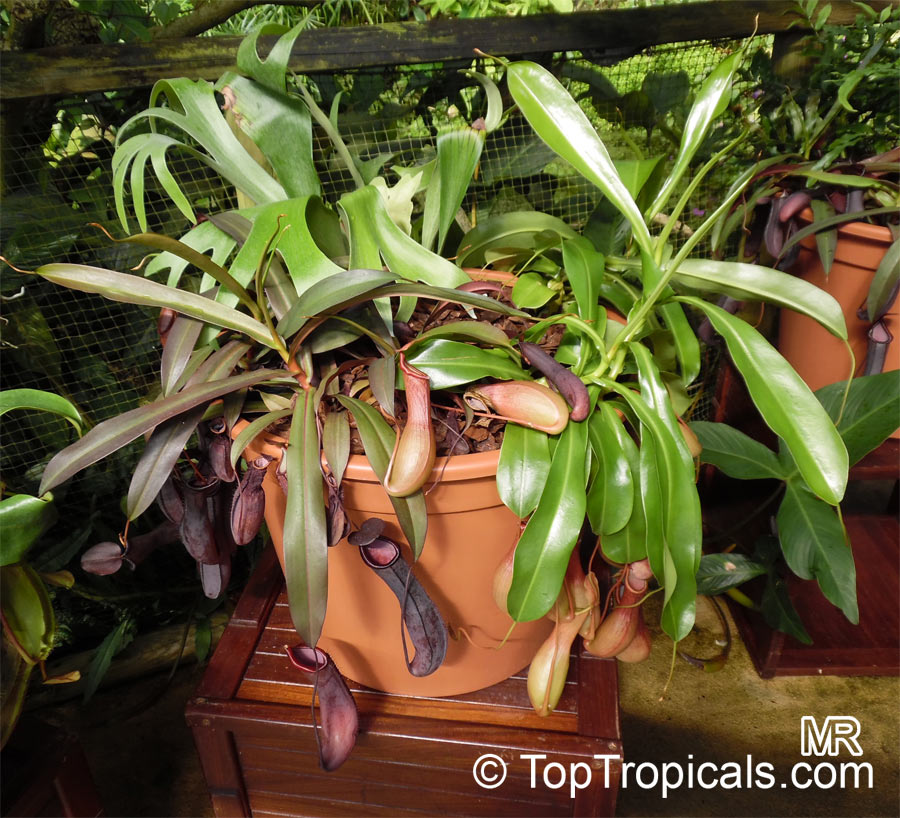
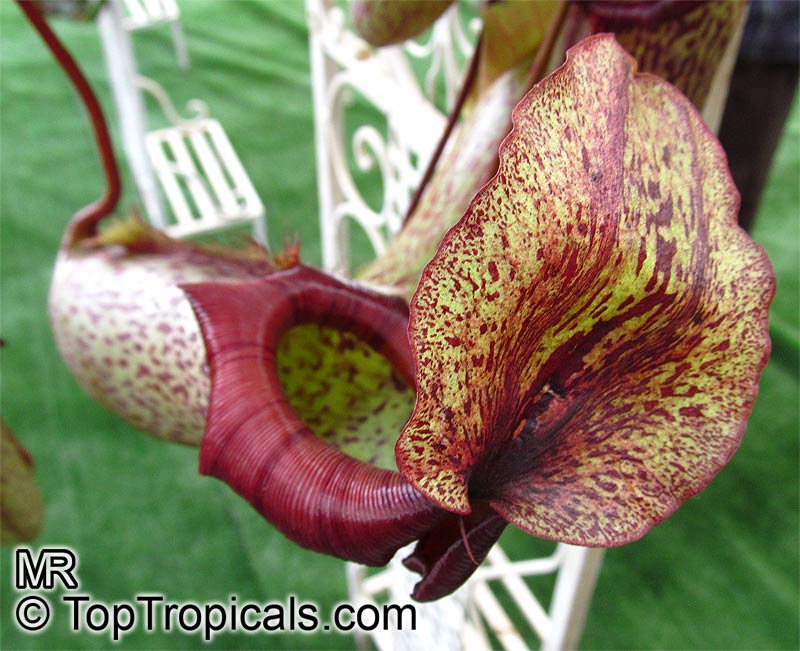
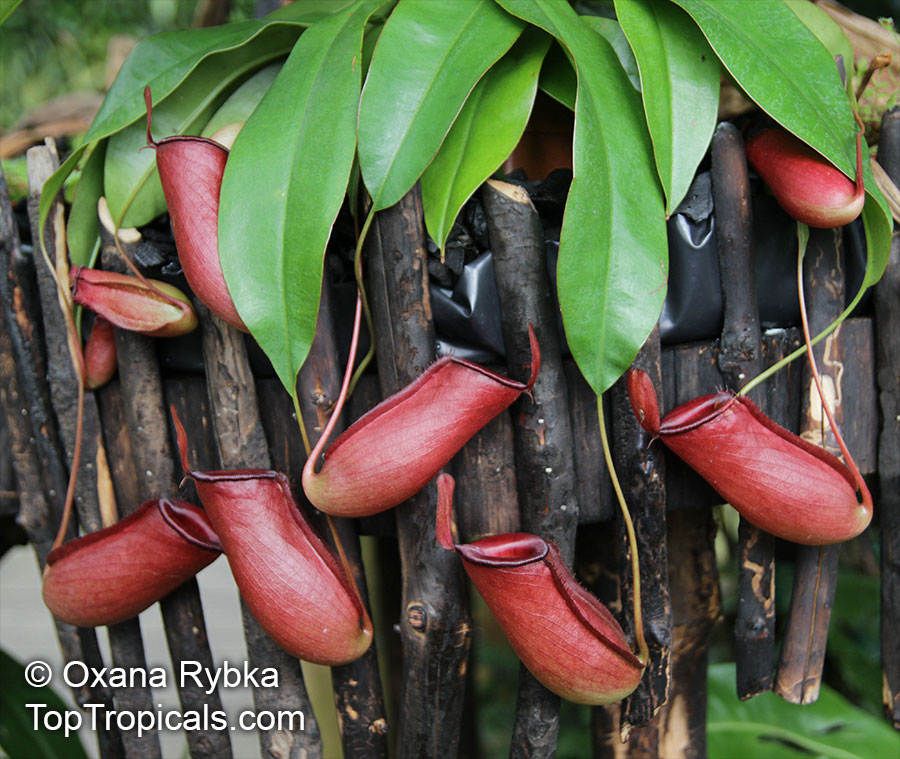
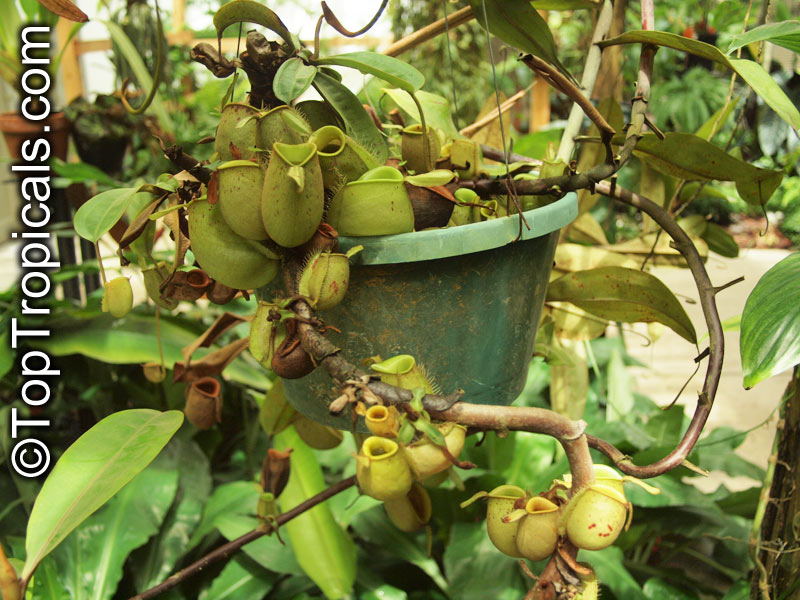
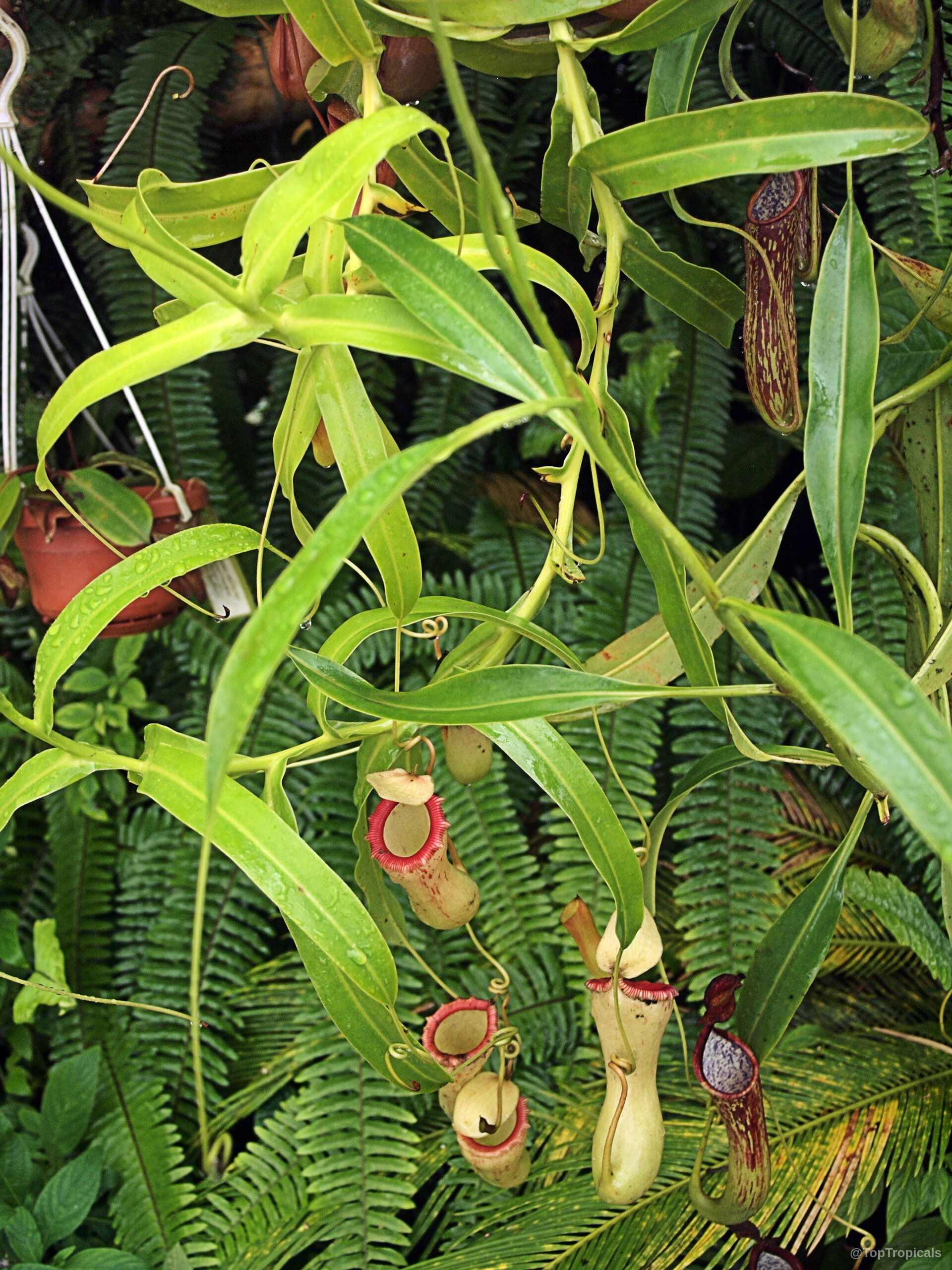

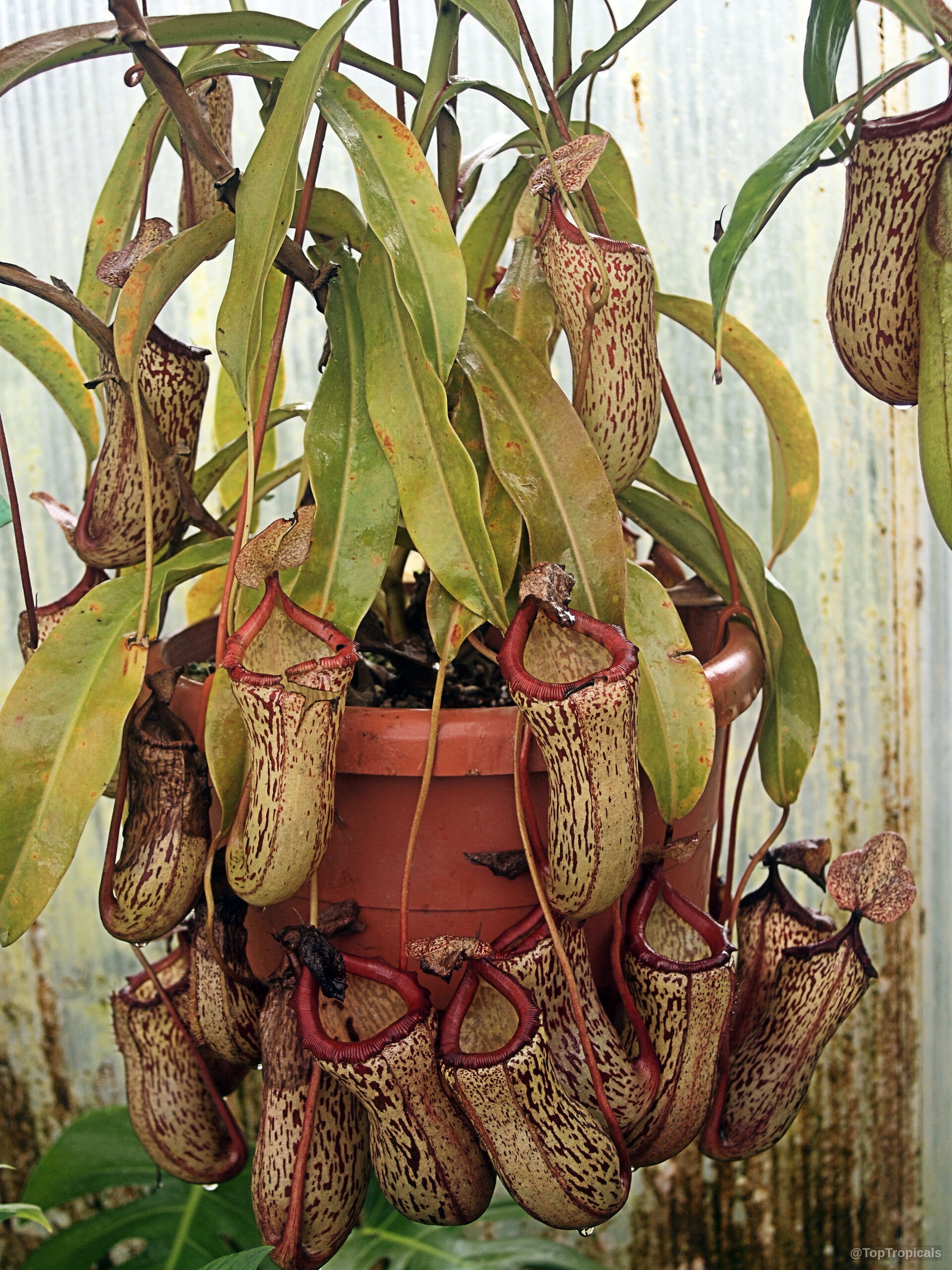

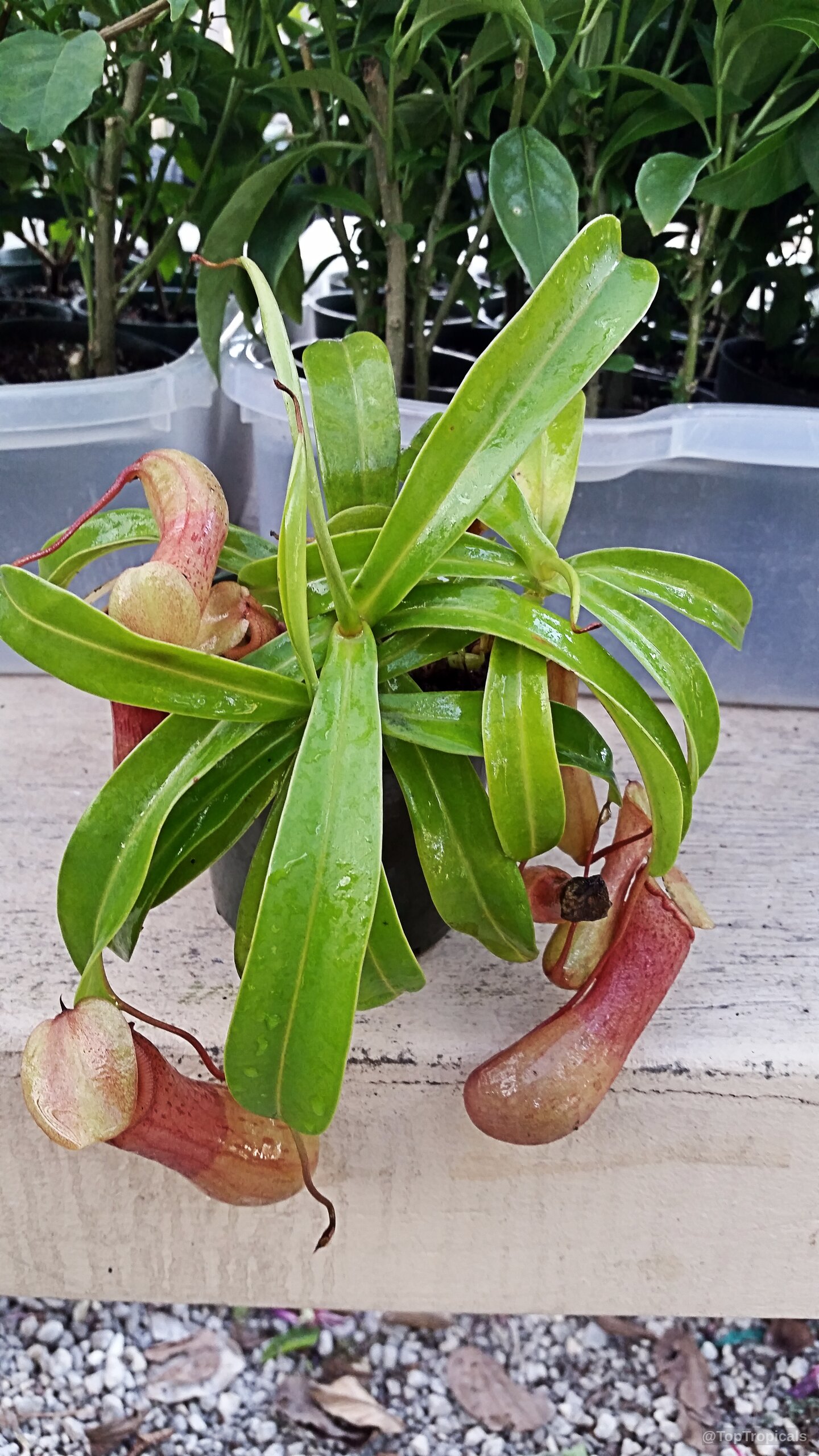
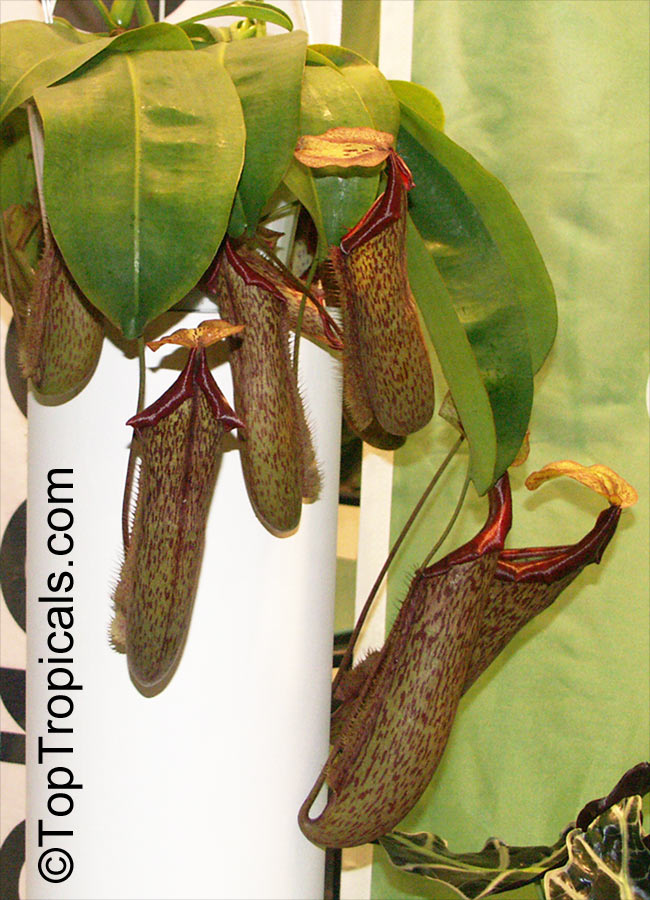
Botanical name: Nepenthes sp.
Common name: Nepenthes 'Miranda'
Cultivar: Miranda
Family: Nepenthaceae
USDA Zone: 9-10
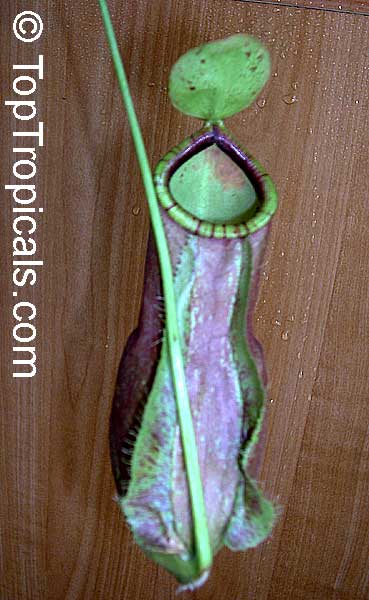
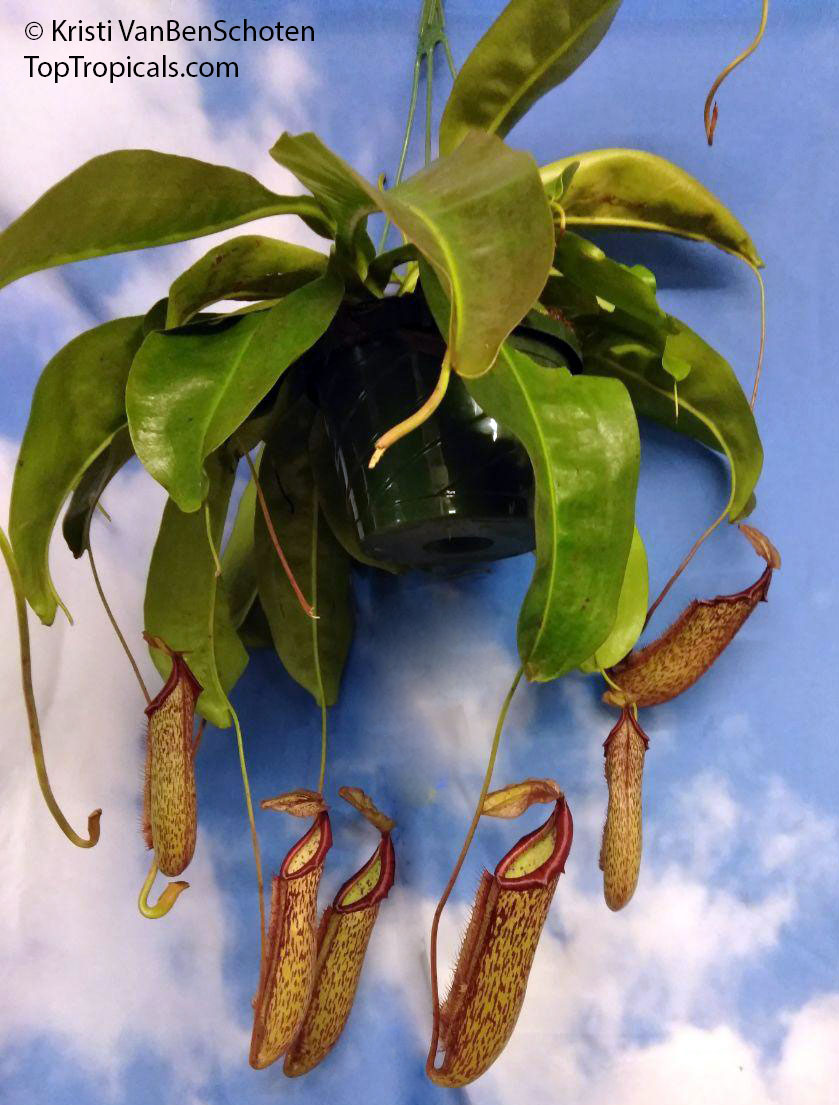
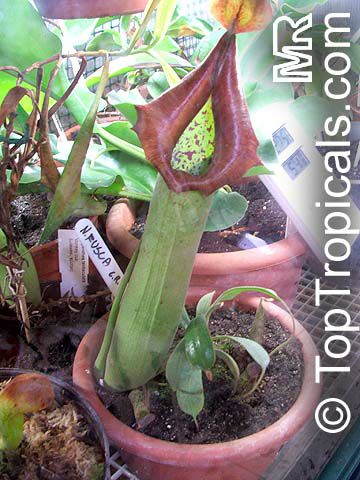
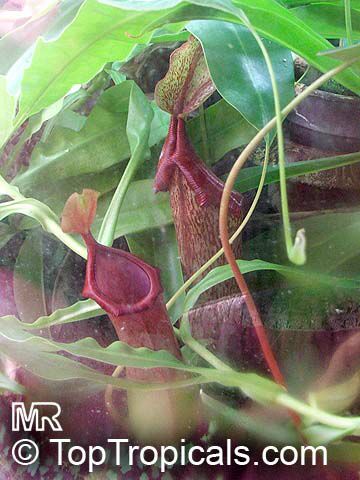
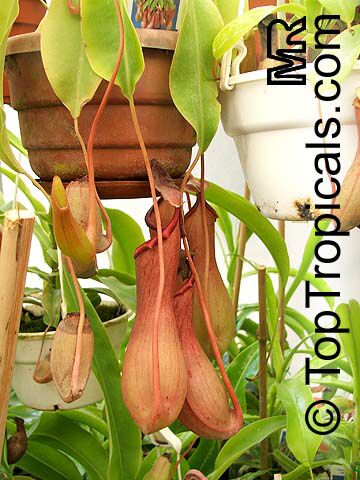
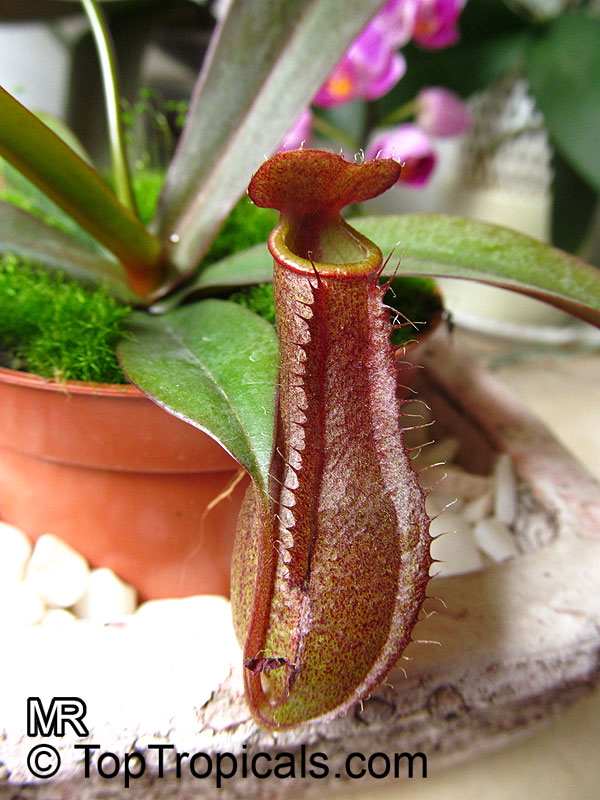
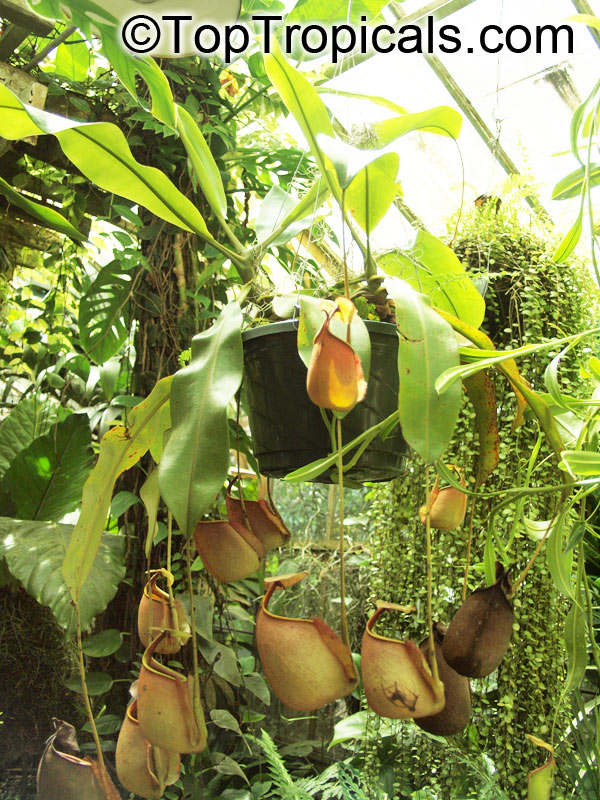
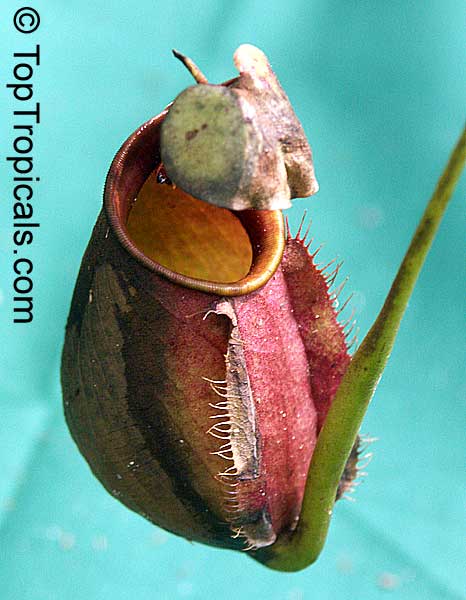
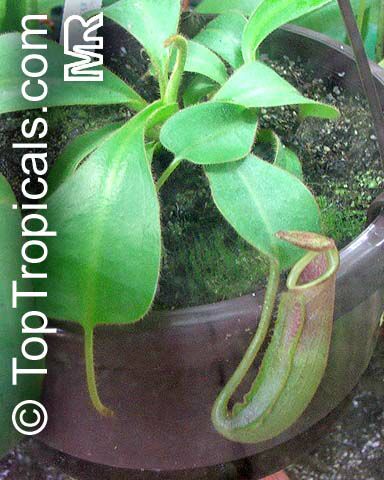
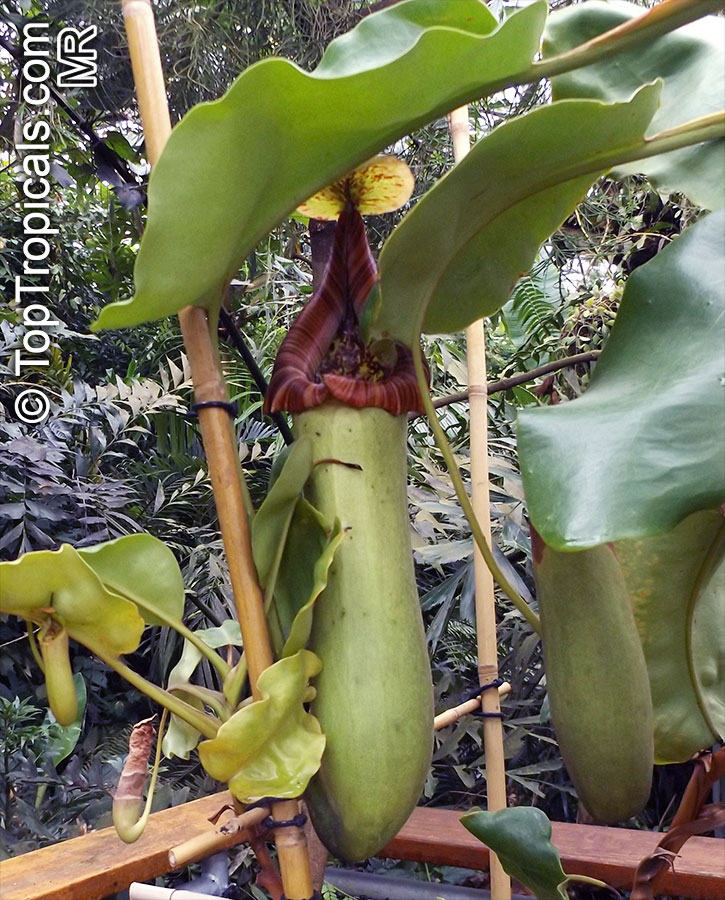
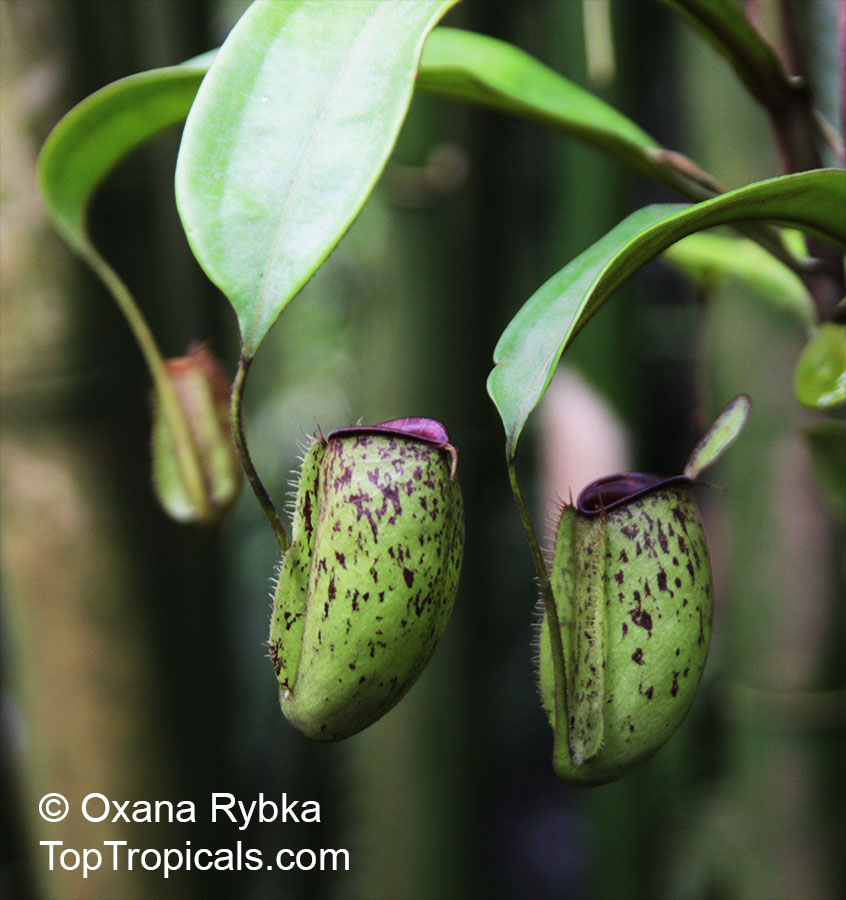
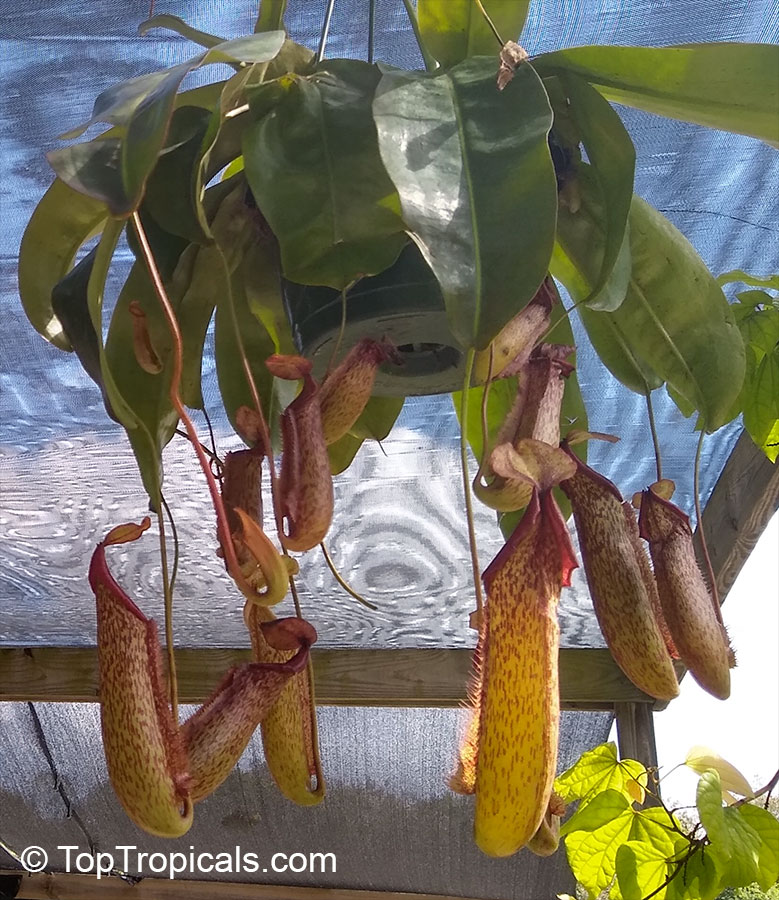
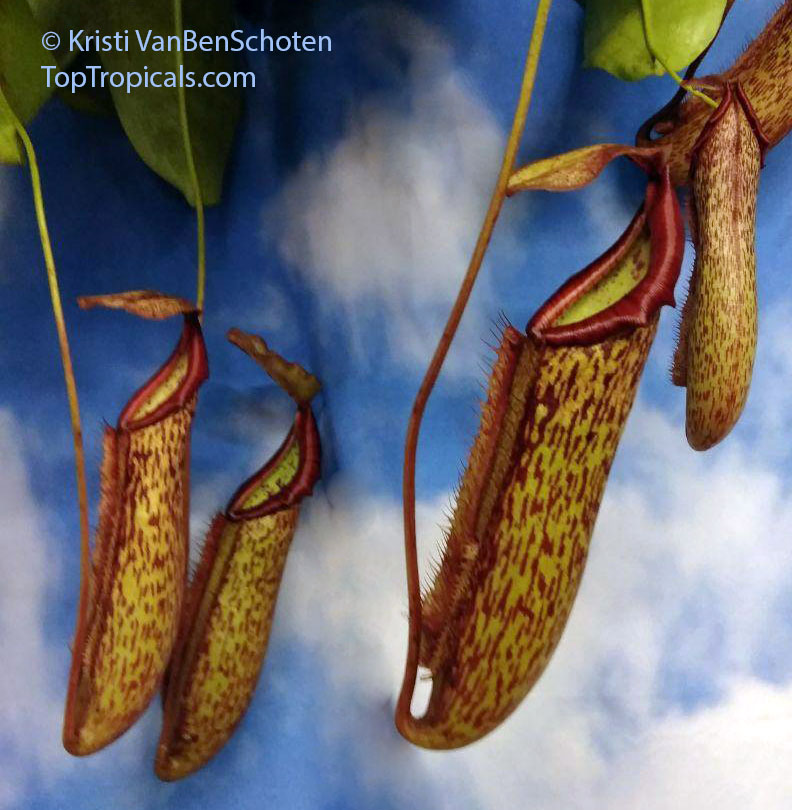
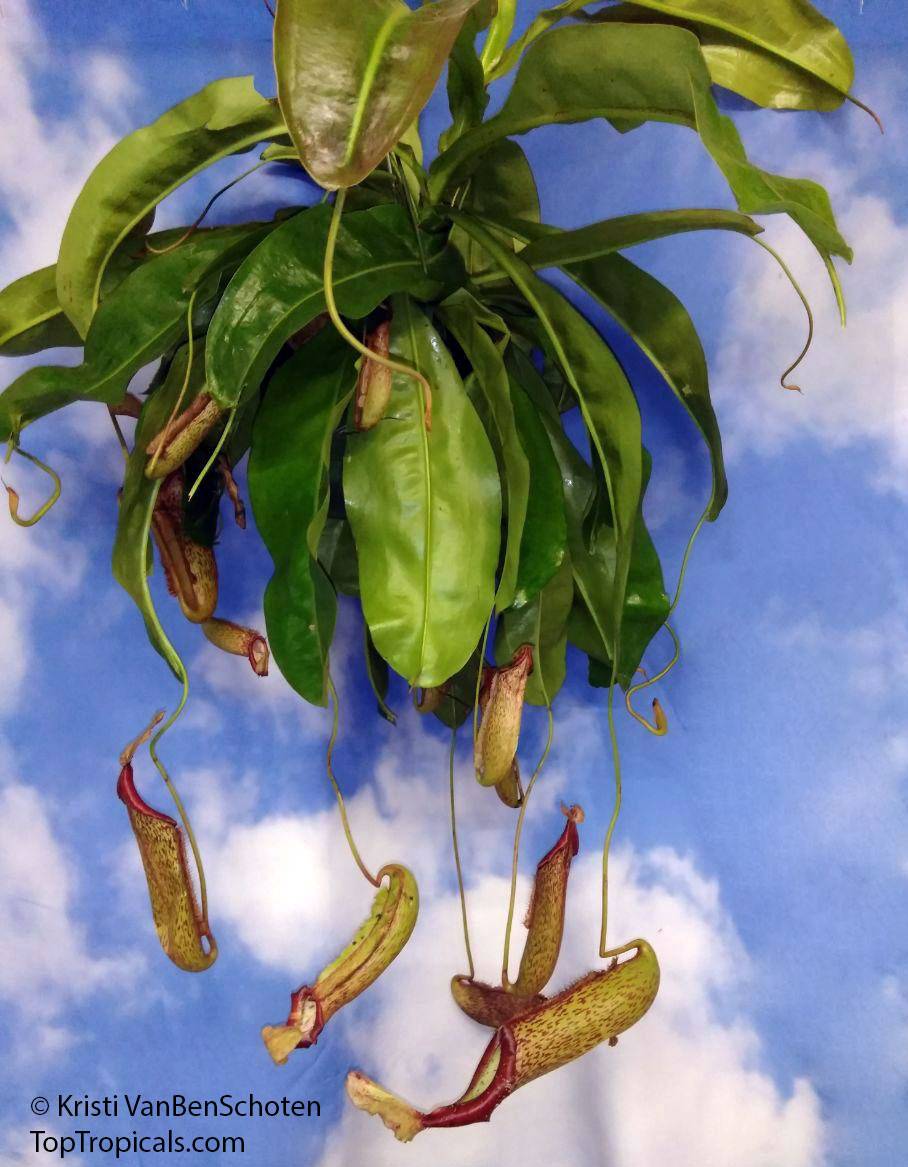
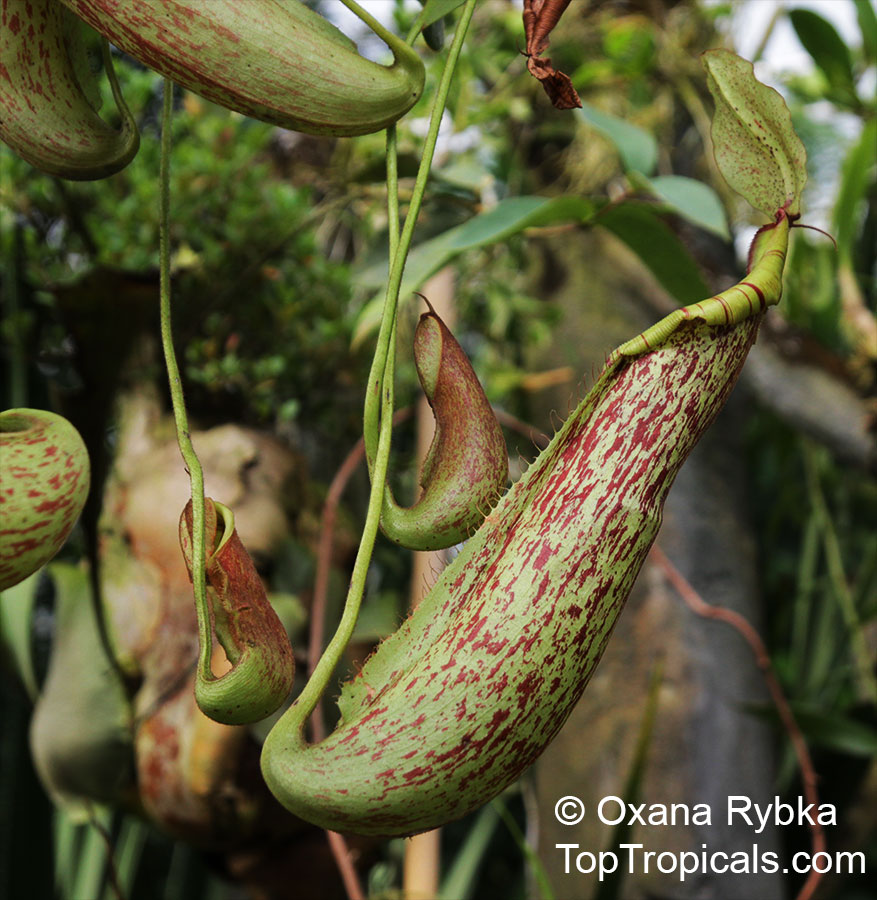
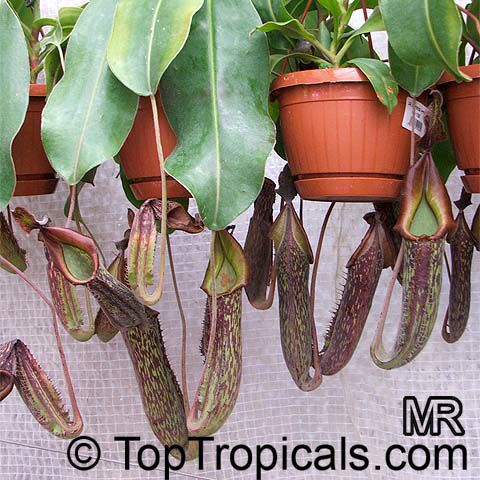
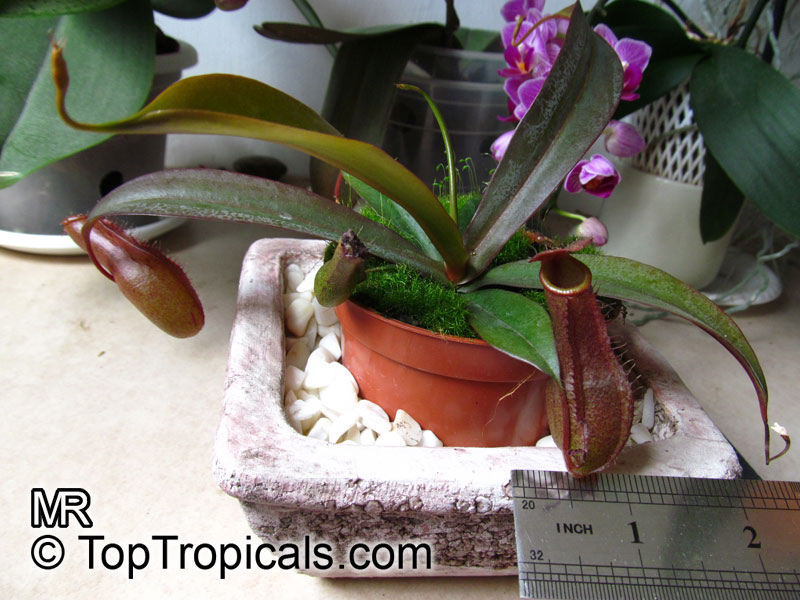
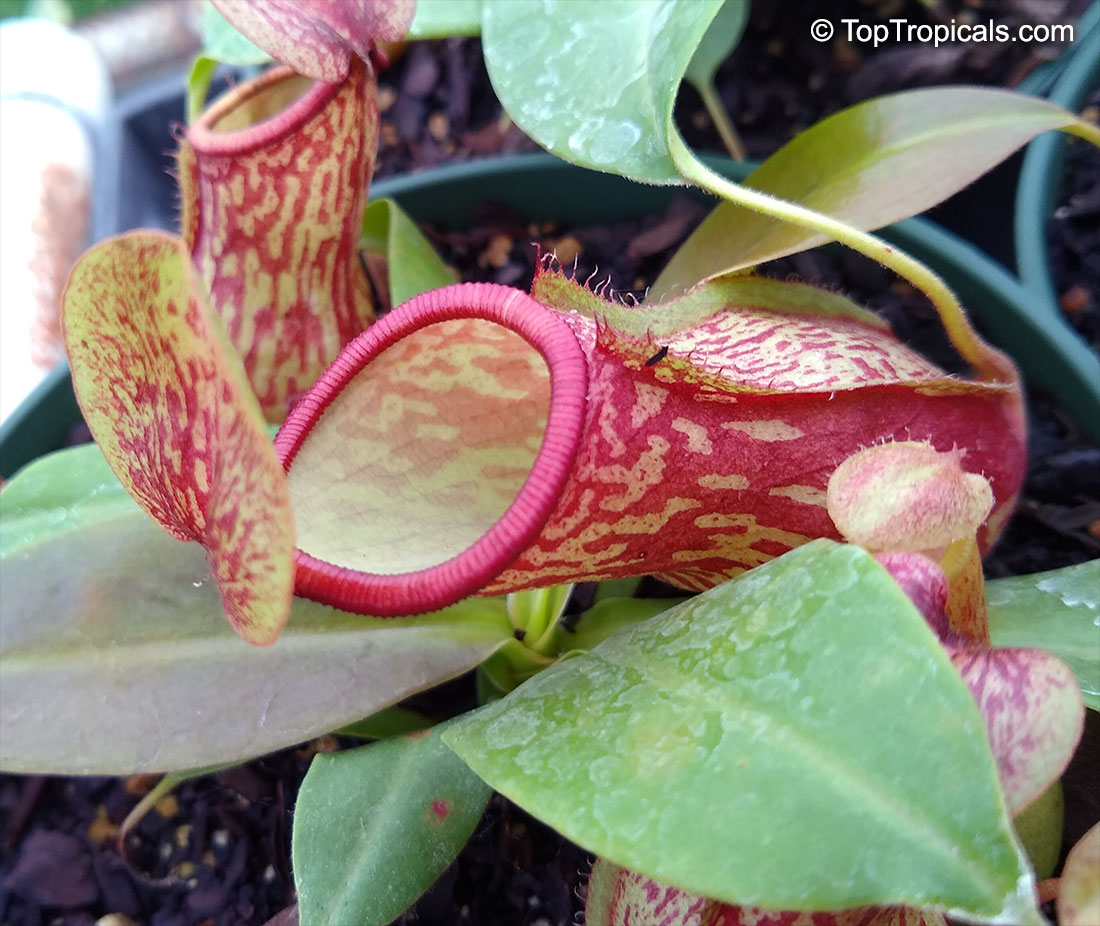
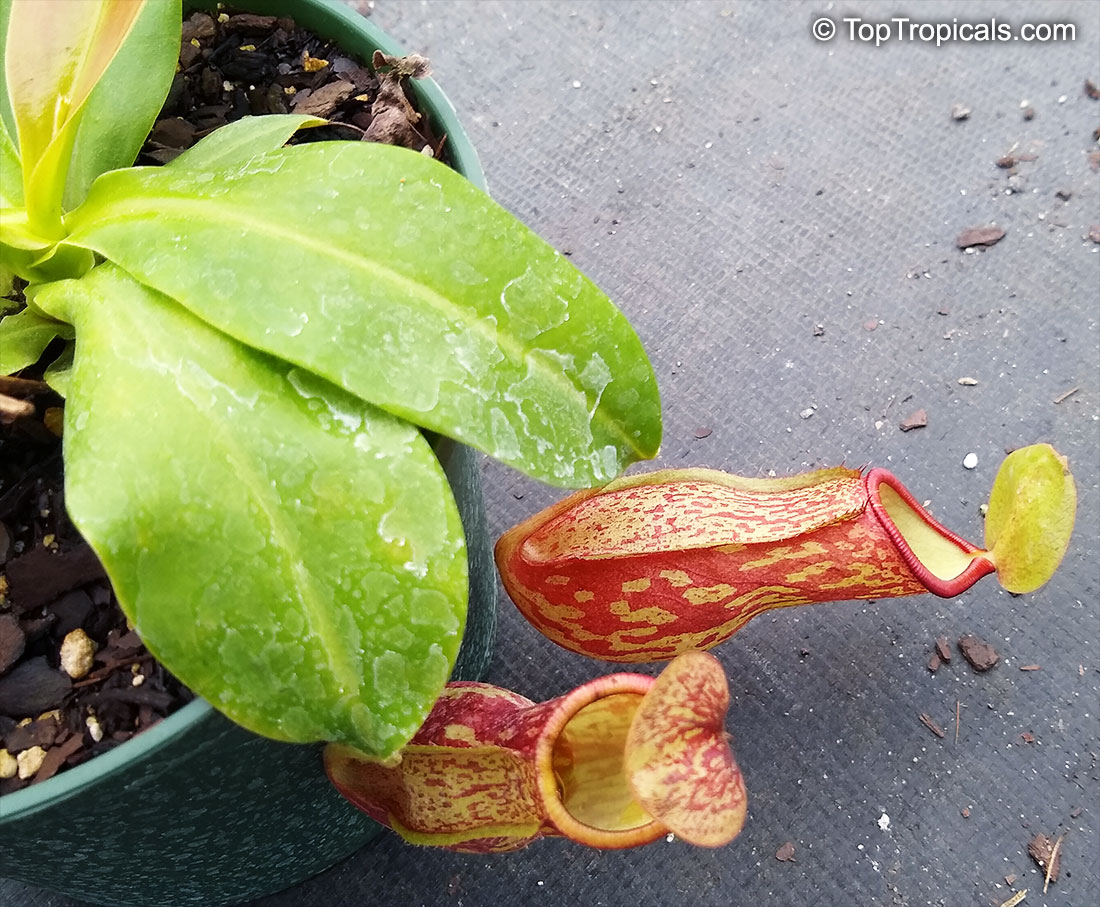
Nepenthes 'Miranda' is a small plant with unusual color of its pitchers make it an eye-catching addition to any garden. It features half-moon-shaped striped pitchers with lid-like structures on a vine-like stem. The mature pitchers are a deep red-purple color on the outside and contain a lovely pale yellow liquid inside.
Nepenthes 'Miranda' prefers to be grown in a sheltered spot in semi-shade and will thrive in moist, acidic soil. It is an epiphyte, so ideally the soil should be mossy or have lots of organic matter. Regular water will help to keep the plant healthy and vigorous. In colder areas, it is best to grow Nepenthes 'Miranda' in a large pot and bring it indoors over winter. Ensure that the pot has plenty of drainage holes and use a high quality, based potting medium to ensure well-draining.
It is important to keep the soil moist at all times, as the plant is used to living in wet, humid conditions. It can be grown in USDA zones 9 to 11 and will enjoy a good misting with tepid water to replicate its natural misty environment.
Do not fertilize these plants with dry fertilizer! They get all their food from "eating" insects! If you are growing the plant where it cannot catch insects for long periods, you can add an occasional small insect such as a fly, a cockroach or a few very small insects to mature pitchers.
Nepenthes 'Miranda' is a unique plant with an interesting form and unusual pitcher colors that make it the perfect specimen for the tropical garden. With the right growing conditions and care, it can thrive for many years and be enjoyed by generations to come.
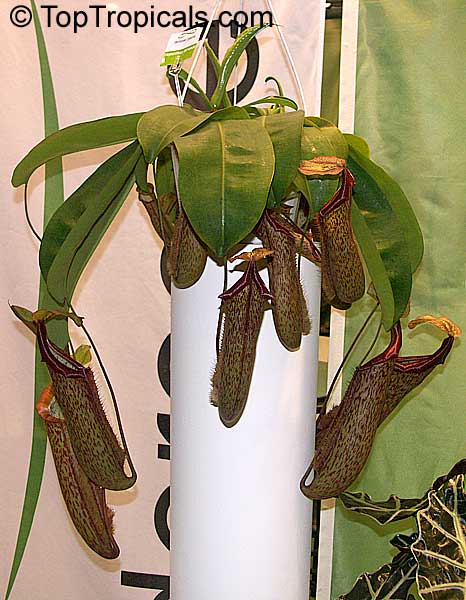
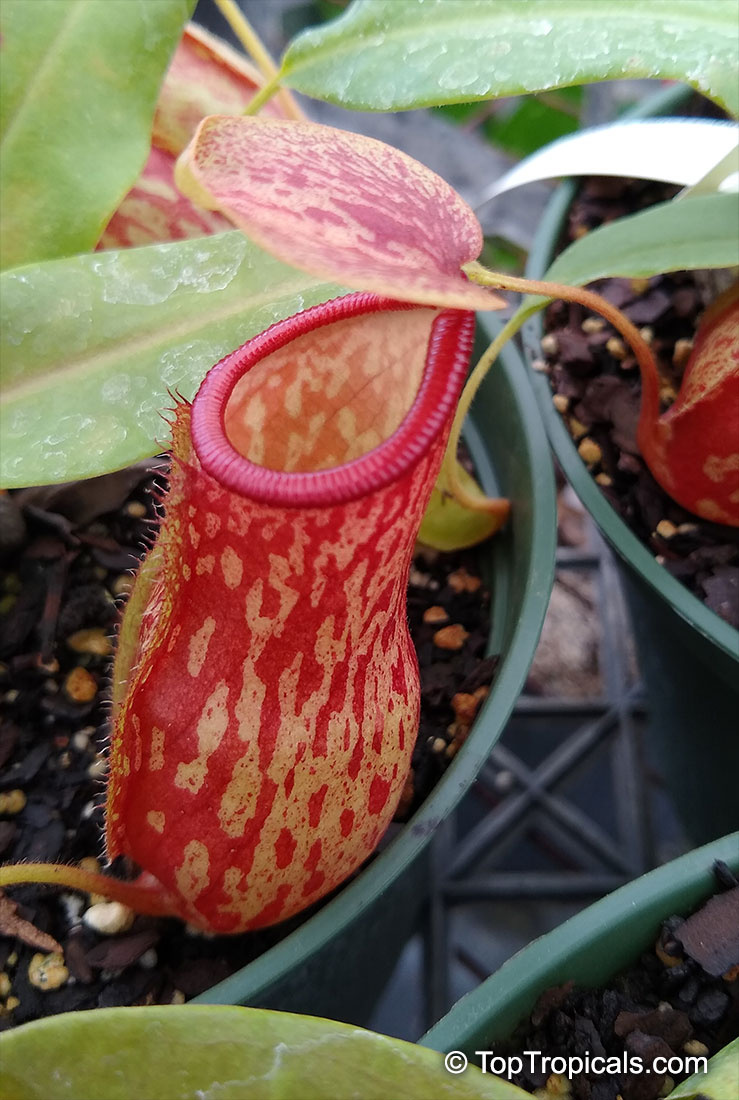
Botanical name: Nepenthes sp.
Common name: Pitcher Plant 'Gaya'
Cultivar: Gaya
Family: Nepenthaceae
USDA Zone: 11-12
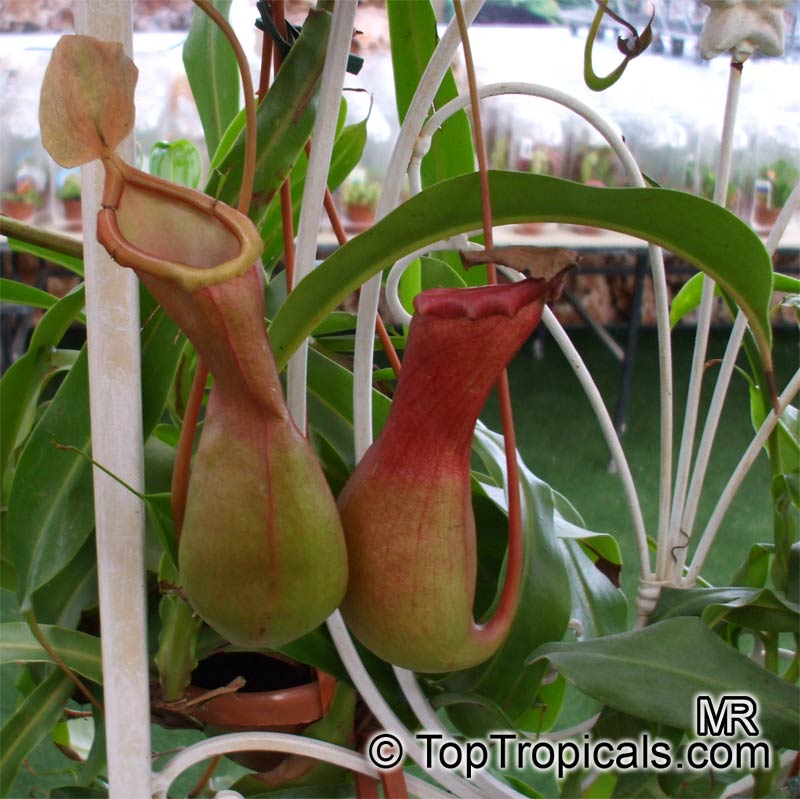
Carnivorous climbing vine. Passive pitfall traps produced at the tips of the leaves trap and digest small insects.
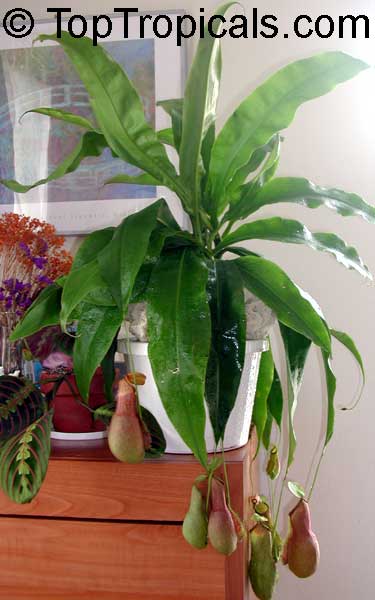
It grows very well as a houseplant and appreciates lots of bright filtered sunlight or partial sun. The full parentage of this plant is Nepenthes khasiana x (ventricosa x maxima).
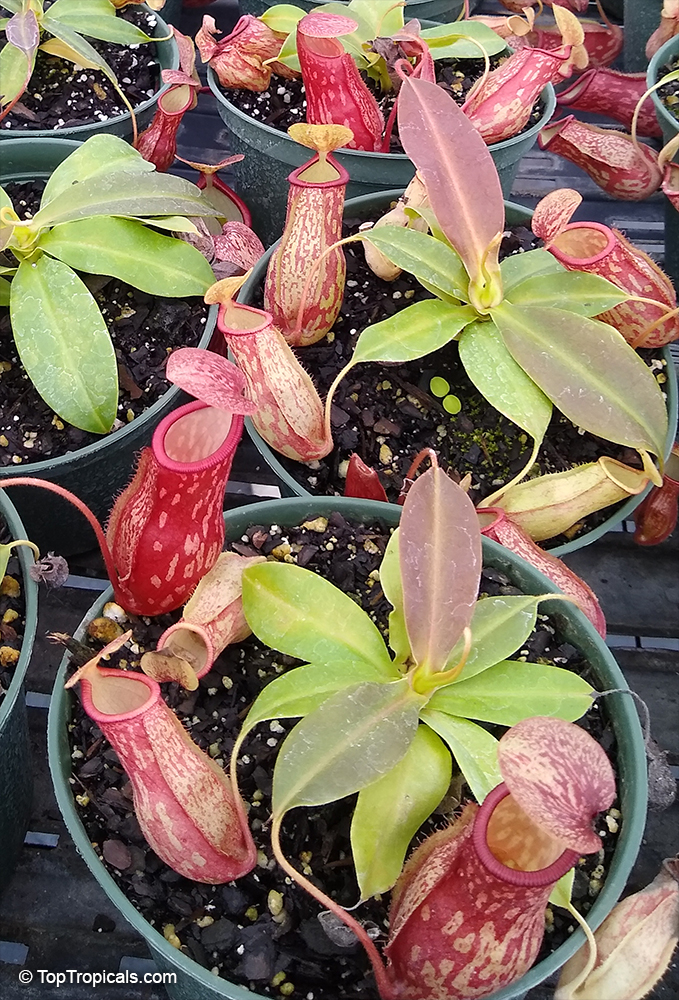
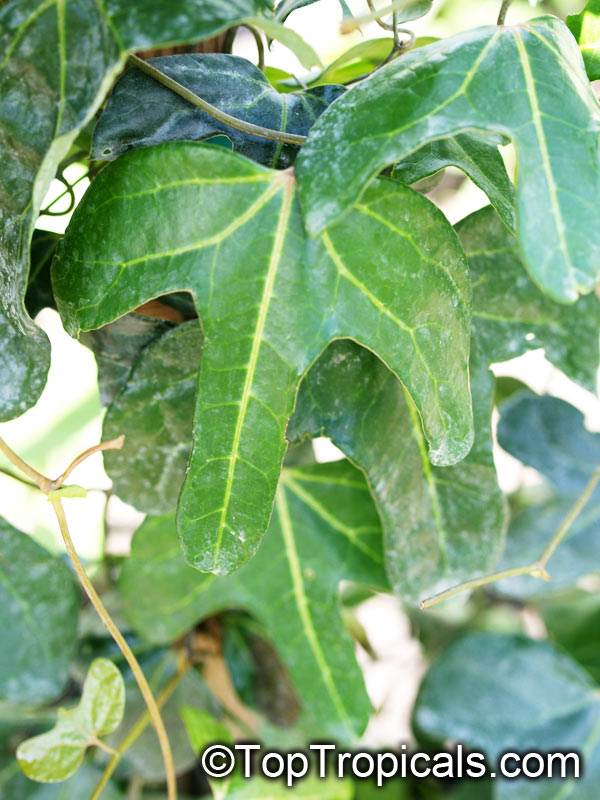
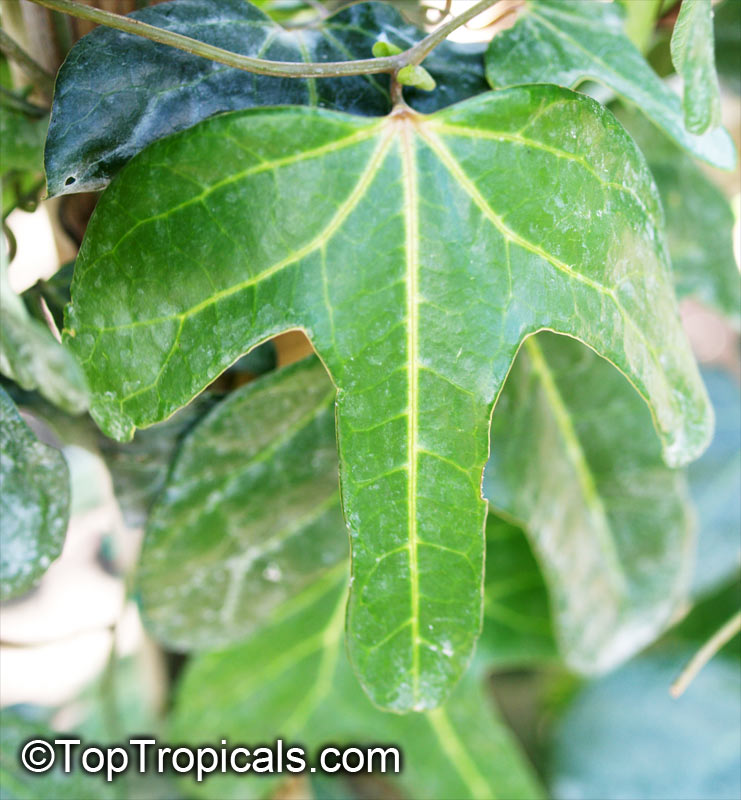
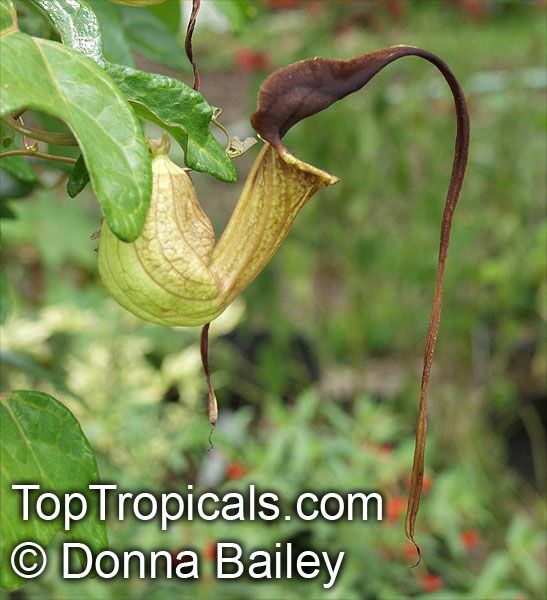
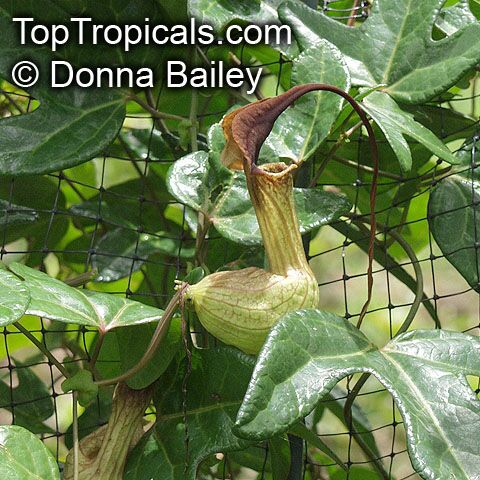
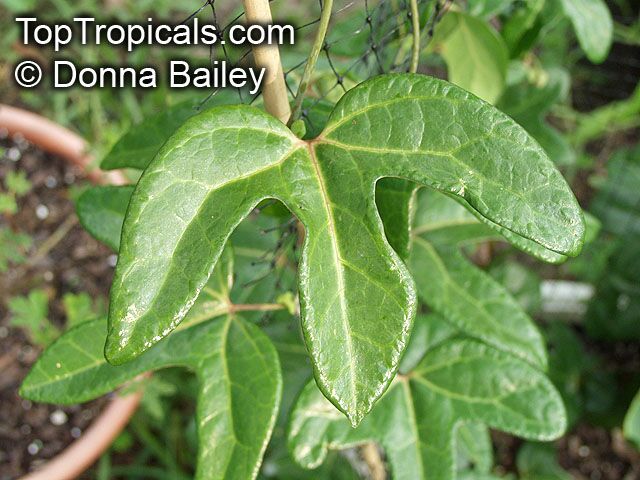
Botanical name: Aristolochia trilobata
Common names: Dutchman's Pipe, Birthwort, Bejuco de Santiago
Family: Aristolochiaceae
Origin: Central America
USDA Zone: 9-11


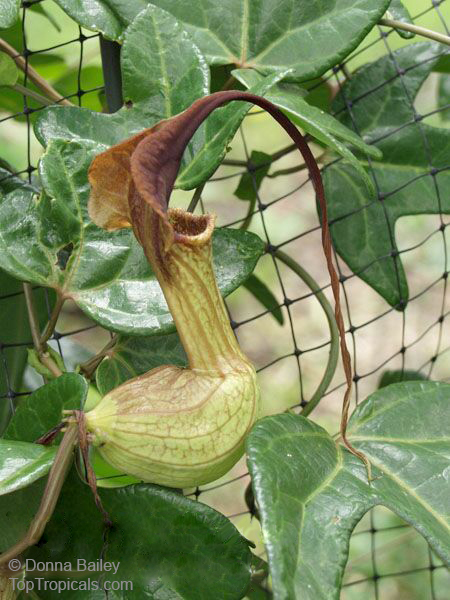
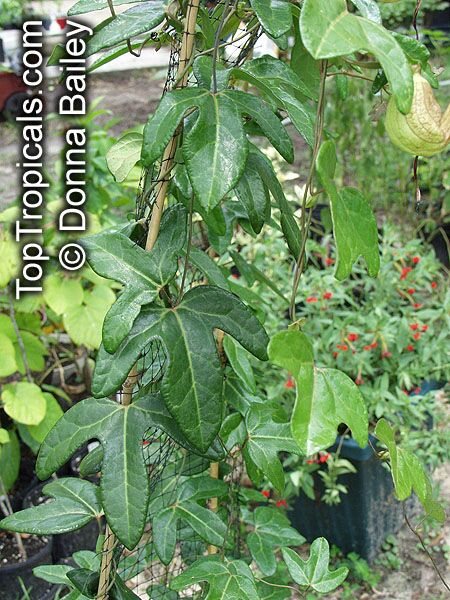
Pale green nepenthes shaped flowers striped tan with a long tail. Deeply lobed glossy leaves with light veins. It is quite adaptable and can be grown in subtropical areas, tropical areas, and any place where temperatures don't frequently drop below 30F. It also does well in low light conditions and can be grown indoors. Will tolerate high humidity or arid climates with little rain, although irrigation should be provided. Grow in full sun or shade.
Recommended Fertilizer: SUNSHINE Megaflor - Bloom Nutrition Booster
Use link to repeat this search:
https://toptropicals.com/cgi-bin/garden_catalog/cat.cgi?find=nepenthes&search_op=and&keyword_op=and&language=e&number=10
&no_change_lang=1&user=tt&sale=1&first=0