Garden Blog - Top Tropicals

Date: 19 Feb 2026

10 ways to enjoy Wild Medlar - Spanish Tamarind
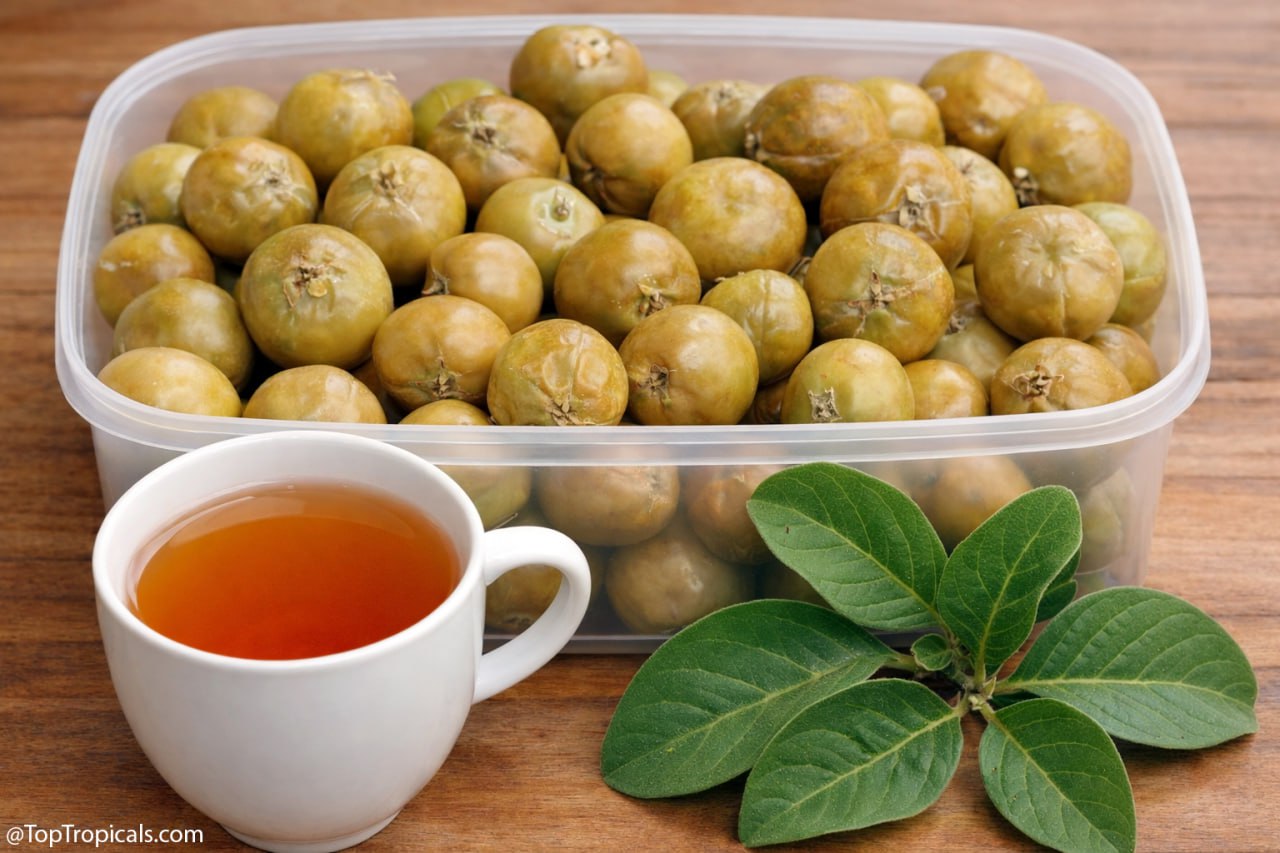
Vangueria infausta (Spanish Tamarind, Wild Medlar)

Vangueria infausta (Spanish Tamarind, Wild Medlar)

🍊 10 ways to enjoy Wild Medlar - Spanish Tamarind


Vangueria infausta (Spanish Tamarind, Wild Medlar) from Africa to your backyard: the fruit, the medicine, the tradition.

Wild Medlar Plant Facts

Botanical name: Vangueria infausta
Also known as: Wild Medlar, Spanish Tamarind
USDA Zone: 9 - 11
Highligths Small tree 10-20 ftFull sunWatering: Moderate. Water when top soil feels dryEdible plantDeciduous plantEthnomedical plant.
Plants marked as ethnomedical and/or described as medicinal, are not offered as medicine but rather as ornamentals or plant collectibles.
Ethnomedical statements / products have not been evaluated by the FDA and are not intended to diagnose, treat, cure, or prevent any disease. We urge all customers to consult a physician before using any supplements, herbals or medicines advertised here or elsewhere.Subtropical plant. Mature plant cold hardy at least to 30s F for a short time
Get personalized tips for your region


Spanish Tamarind may look like a small, unassuming fruit - but don’t let it fool you. In its native Africa, this tree is a food staple, a home remedy, and a cultural favorite, all wrapped into one. And now, it’s ready to bring that same magic into your garden and kitchen. People have used this fruit for generations - and how you can too.

🍊 1. Eat it fresh, off the tree


When ripe, the fruit turns golden brown and softens slightly. Its flavor is sweet-tart, almost like a tangy apple or tamarind with a hint of citrus. Just peel and eat!

🍬 2. Dry it for snacks


In many African regions, the fruit is sun-dried and enjoyed like natural fruit leather. It keeps well, travels well, and makes a great healthy snack.

🍵 3. Brew it into a fruit tea


Dried fruit can be steeped into a tart, refreshing tea that’s packed with vitamin C and antioxidants. Add honey or ginger for a soothing drink.

🍷 4. Ferment it into traditional beer or wine


In some local cultures, the fruit is fermented into a mild alcoholic drink, similar to fruit wine or beer. This is one of the tree’s oldest known traditional uses.

🍧 5. Make jams and preserves


Boil the pulp with sugar and lemon juice to make tangy medlar jam. Spread it on toast, stir into yogurt, or use it in baking.

6. Add to porridge or smoothies


Crushed or juiced medlar fruit is added to traditional maize porridge for a nutrient boost. You can do the same with oatmeal or smoothies.

7. Try traditional fruit pudding


A simple medlar mash with a little sweetener makes a rich, apple-like pudding with hints of spice. Great as a chilled dessert.

🌿 8. Use the leaves and bark medicinally


In folk medicine, leaves are brewed into a tea for treating fever, colds, and stomach aches. Bark is used for chest congestion and coughs. Roots are sometimes used for even stronger remedies like malaria treatment.

9. Clean your teeth the traditional way


Believe it or not, people use medlar leaves to clean their teeth! The leaves are antimicrobial and have a slight astringent taste that leaves your mouth feeling fresh.

🎨 10. Dye fabric naturally
Crush the bark or boil the leaves to create natural dyes in yellow, green, and even purple tones. This use is still practiced in rural areas of southern Africa.

✍️ Why this tree belongs in your life


Wild Medlar is more than just a fruit. It’s a versatile, resilient, and deeply cultural plant that connects generations. It’s food, it’s healing, it’s art—and now it can be part of your garden story.
Grow it for the fruit, the medicine, the tradition… or just for the joy of growing something wild and wonderful.

🛒 Plant Spanish Tamarind and enjoy exotic fruit benefits

📚 Learn more:


Vangueria infausta - Spanish Tamarind in Plant Encyclopedia
7 steps for a care-free Spanish Tamarind - the easiest rare fruit to grow
The wild fruit with a secret: health benefits of rare Spanish Tamarind - the exotic fruit you've never heard of

#Food_Forest #Remedies #Recipes #Discover

🟢 Join 👉 TopTropicals
Date: 7 Apr 2025

Grow Your Own Exotic Dragon Fruit Garden - Part 3

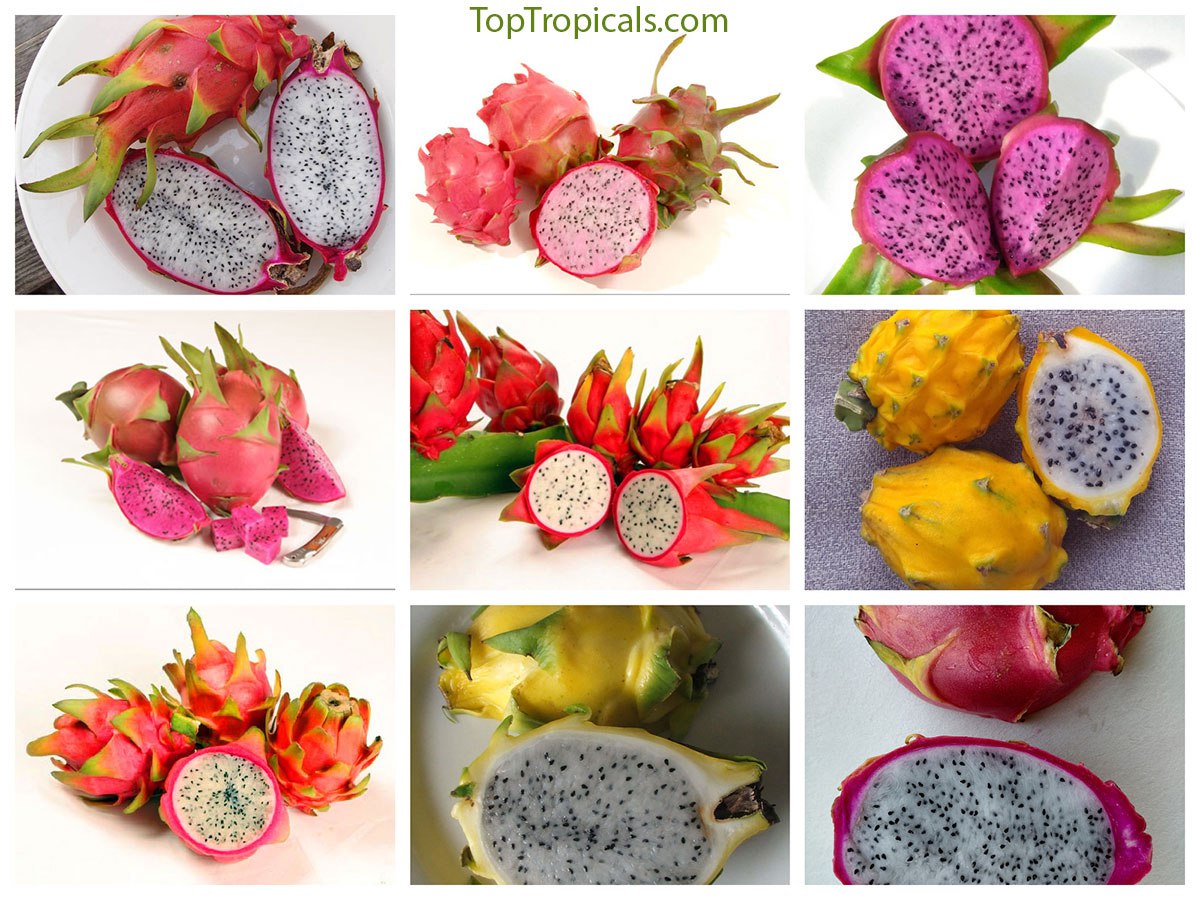
Dragon Fruit varieties collage

Dragon Fruit varieties collage

🐲 Grow Your Own Exotic Dragon Fruit Garden - Part 3


Continued from previous post ⤴️

🛍 Limited-Time Offer:


This week only, enjoy an instant 5% discount on all dragon fruit plants, no code needed! Hurry - some varieties are in limited supply and highly sought after!​

🎮 Explore Our Unique Varieties:

💋David Bowie - Red-skinned with white flesh, offering a sweet, tangy, lemon-like flavor. Self-pollinating and best enjoyed fresh.

💋 Delight - Pink-skinned with light pink flesh, this variety is exceptionally fertile and produces large, flavorful fruits.

💋 Eureka Red - Large, red-skinned fruit with red flesh, known for its sweet and tangy flavor. Self-pollinating and originally from Nicaragua.

💋 Halleys Comet - A hybrid with pink skin and purple flesh, producing impressively large fruits up to 2 pounds. The flesh is sweet, and the plant features large, striking flowers. ​

💋 Lake Atitlan - Named after the Guatemalan lake, this variety has pinkish-red skin with white flesh, offering a sweet and tangy taste. Fruits typically weigh between 0.75 to 1.5 pounds.

💋 Palora (Ecuador, Columbian) - Yellow-skinned with white flesh, Palora is renowned for being the sweetest dragon fruit variety. It originates from Ecuador and is self-fertile.

💋 Seoul Kitchen - This variety produces medium to large red-skinned fruits with white flesh. The pulp is smooth and sweet, excellent when chilled and eaten fresh. Self-pollinating.

💋 Thai Gold - A rare yellow-skinned variety with white flesh, known for its sweet flavor with a hint of tartness. ​

💋 Vietnamese Jaina - Pink-skinned with white flesh, this variety is among the most common and is known for its mild, sweet flavor with a hint of Strawberry.

📚 Learn more about Dragon fruit:


· How to make Dragon Fruit Smoothie - what to do with a Dragon Fruit
· Does Dragon Fruit come from a monster cactus? Learn why you need to grow your own
· Do red, white and yellow Dragon fruit taste differently?
· What does Dragon Fruit Flower look like?
· Top 10 fruit you'll ever need for your health benefits: #6 Dragon fruit

🛒 Start your dragon fruit journey today and savor the unmatched flavors of homegrown, exotic fruits!

#Food_Forest #Discover #Dragon_Fruit

🔴 Join 👉 TopTropicals

Date: 23 Jul 2025

Five best fruit trees to plant in Summer

James Coconuts and Bob introducing Five best fruit trees

🌳 Five best fruit trees to plant in Summer


☀️ Summer might be scorching, but it’s actually a great time to plant fruit trees that love the heat. If you've got sunshine and a little space, these five tropical picks will reward you with fresh, homegrown fruit - some you’ll never find in a store!

1.🥭 Mango - the King of all fruit, a must have in every garden. Fiberlress varieties only! You can't buy those in the store.

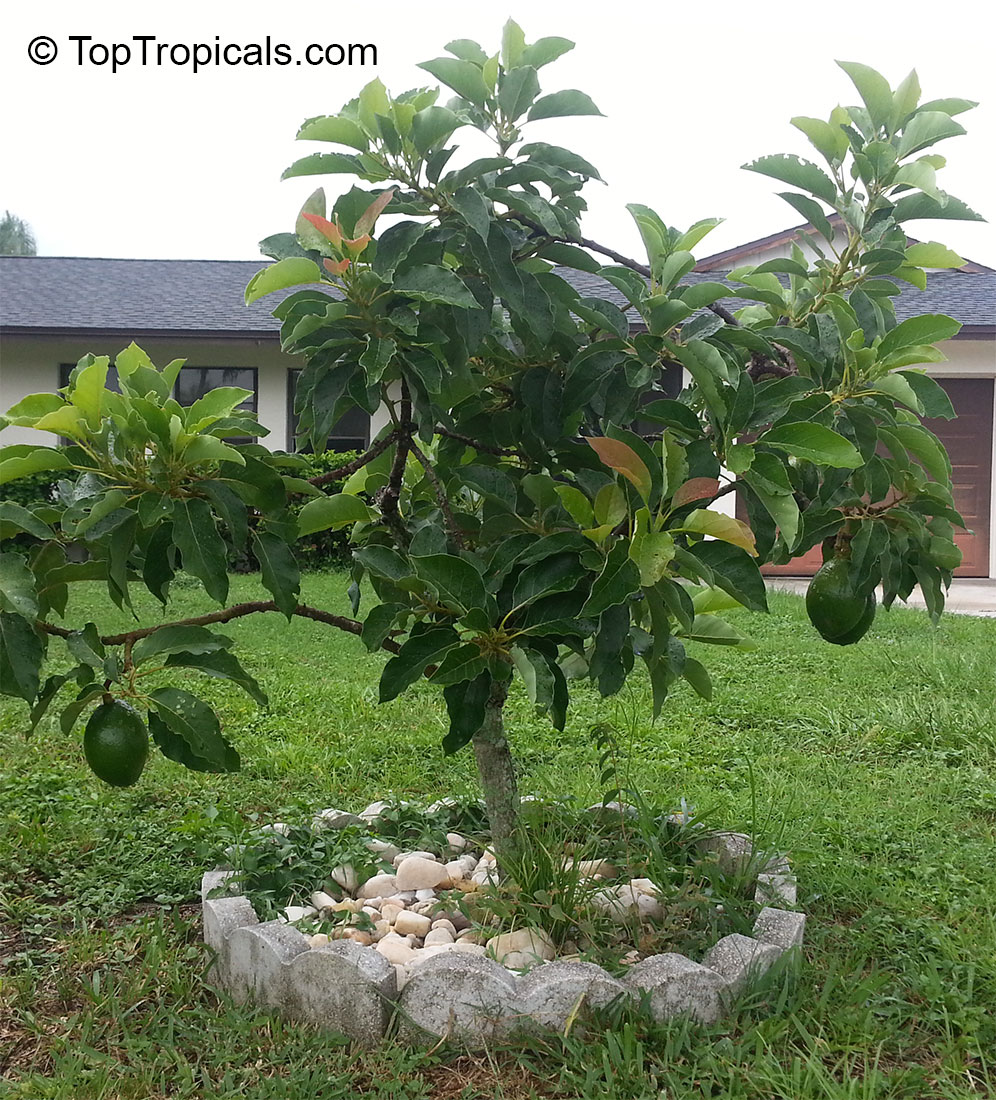
2. Avocado - a must have super-fruit in everyone's diet, grow your own!

3.🐲 Dragon fruit - heat tolerant easy plant with low water needs, sweet fruit-bearing cactus

4. 🍉 Guava - by far the most flavorful tropical fruit, great for Summer drinks

5. 🍐 Black Sapote - fast growing, heat- and flood-tolerant, fruit tastes like chocolate pudding

📚 Learn more from previous posts:
🟡10 best fruit trees to grow in Florida and Southern landscapes
🟡Top 10 fast-fruiting trees
🟡Top 10 fruit you'll ever need for your health benefits

🛒 Explore the finest rare tropical fruit trees

#Food_Forest #Discover

🟢 Join 👉 TopTropicals
Date: 18 Apr 2020

Fast-fruiting trees

Grafted trees, including Mango and Avocado, will start flowering and fruiting right away

Q: It would be easier for us buyers, if we could search for plants that produce fruit in 2 years or less... I don't have the patience to wait longer than that for fruit. I'm trying to buy for a fairly good sized garden but want some fast growers and fruit produced in 2 yrs. Can you help me out?

A: Fruiting time depends on many factors (growing conditions, fertilizing, and even specific variety), this is why we can not just put a simple icon "will fruit within 2 years". However, most grafted and air-layered fruit trees, including all Mango, Avocado, Loquat, Sapote, Sapodilla, Longan, Peaches and Nectarines - will fruit right away.
If you see in our store "grafted" or "air-layered" in plant description - these trees will fruit soon. Some of them are already flowering and fruiting!

Some non-grafted trees will fruit within a couple of years or even sooner (those from cuttings, root division or even seedlings) - such as: Annona, Artocarpus (Jackfruit), Eugenia, Guava, Banana, Dragon fruit, Mulberry, Blackberry/Raspberry. Banana, Mulberry, Dragon fruit, Blackberry-Raspberry - usually fruit within a year. You may refer to our store directory page for fruit specials.

Also, all spice trees like Bay Leaf, Bay Rum, Allspice and many more - will produce spice for you right away, so you don't need to wait at all!

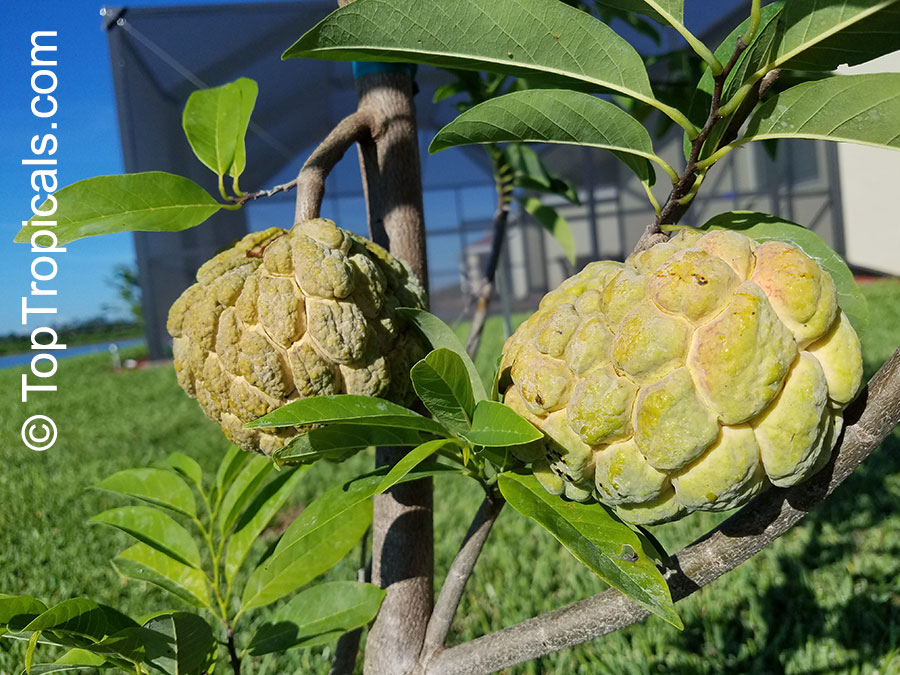
Annonas start fruiting within 3 years from seed and are the most popular fruit trees for both container culture and small gardens.

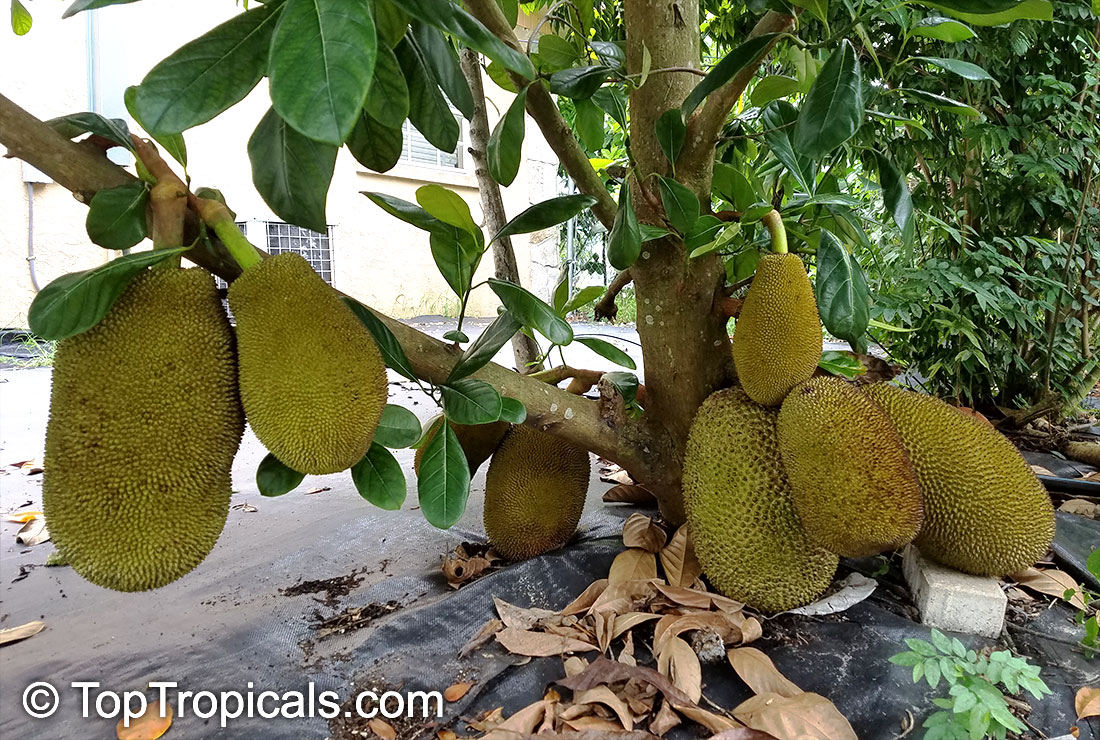
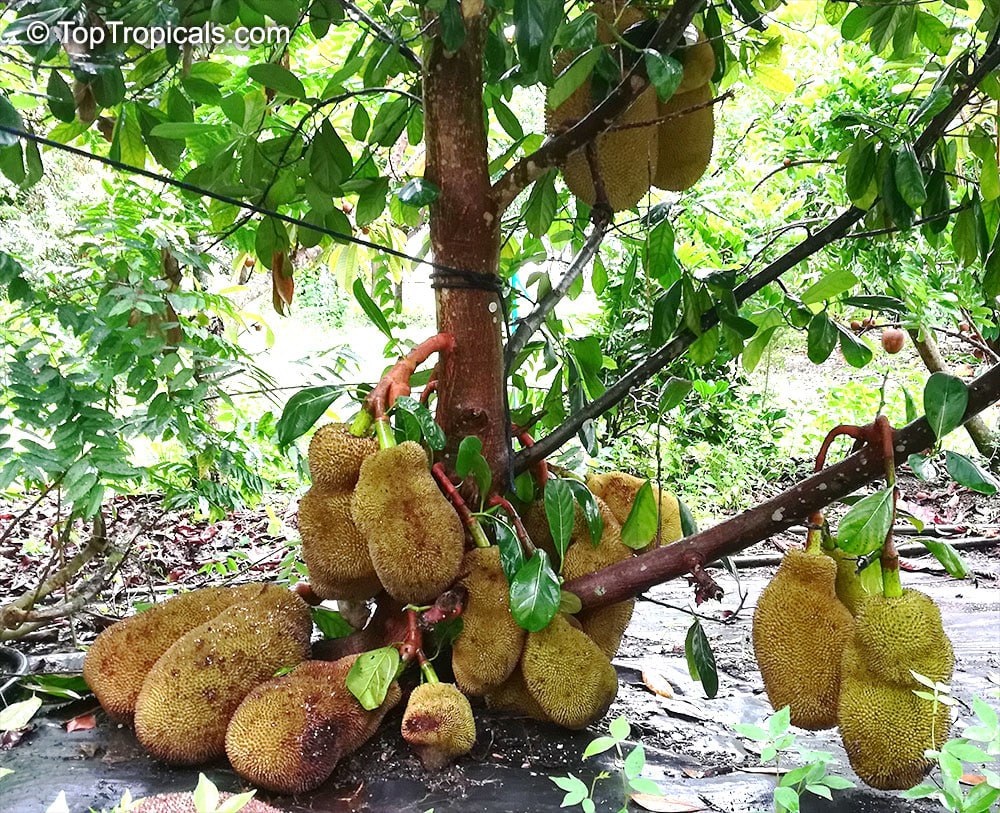
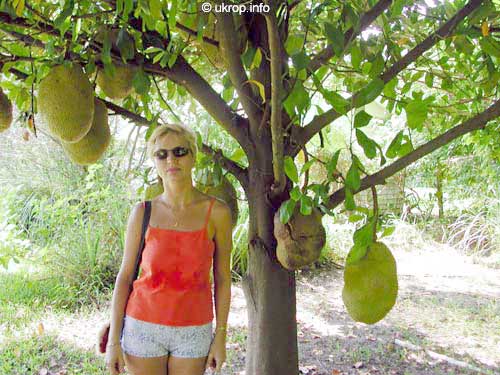
This Jackfruit started fruiting on the second year after planting in the ground.

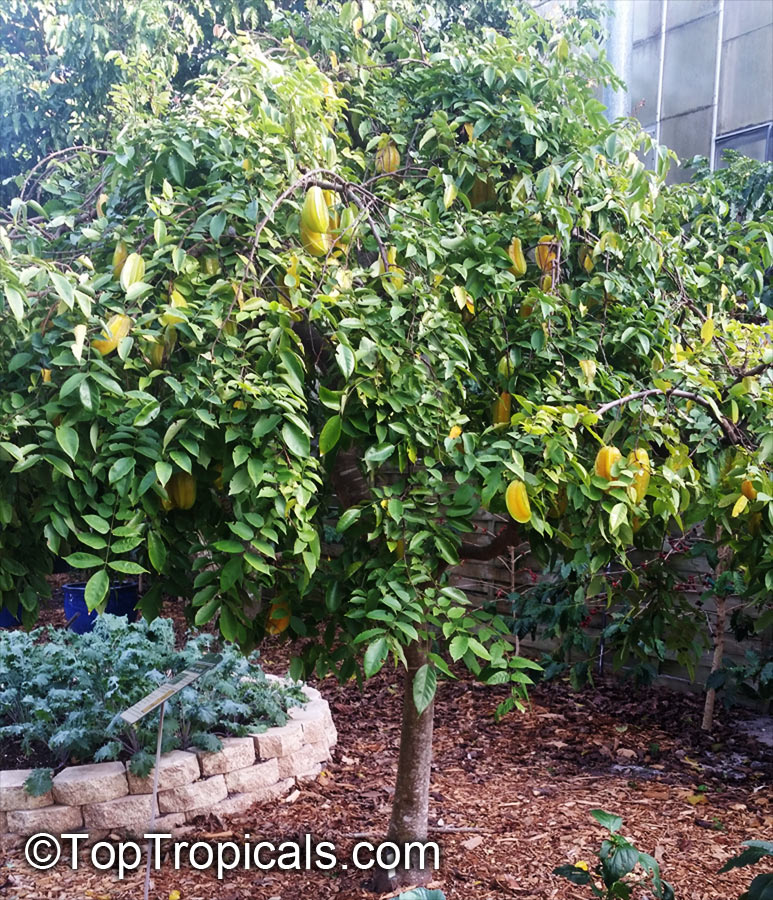
Carambola - Start Fruit - will start producing fruit the same year or next year. We have them fruiting in pots, sometimes as small as 1 gal pots!

Date: 22 Oct 2024

How to grow Jackfruit in a pot:
the biggest fruit in the world

Jackfruit  -  Artocarpus  heterophyllus

Q: Can I grow Jackfruit in a pot?

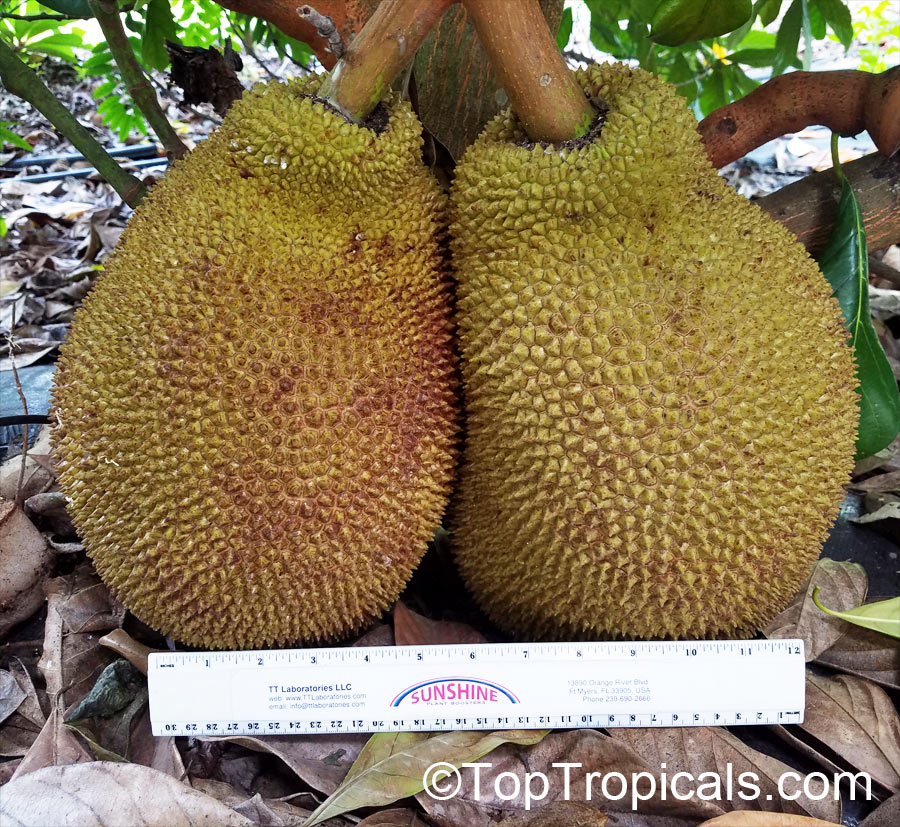
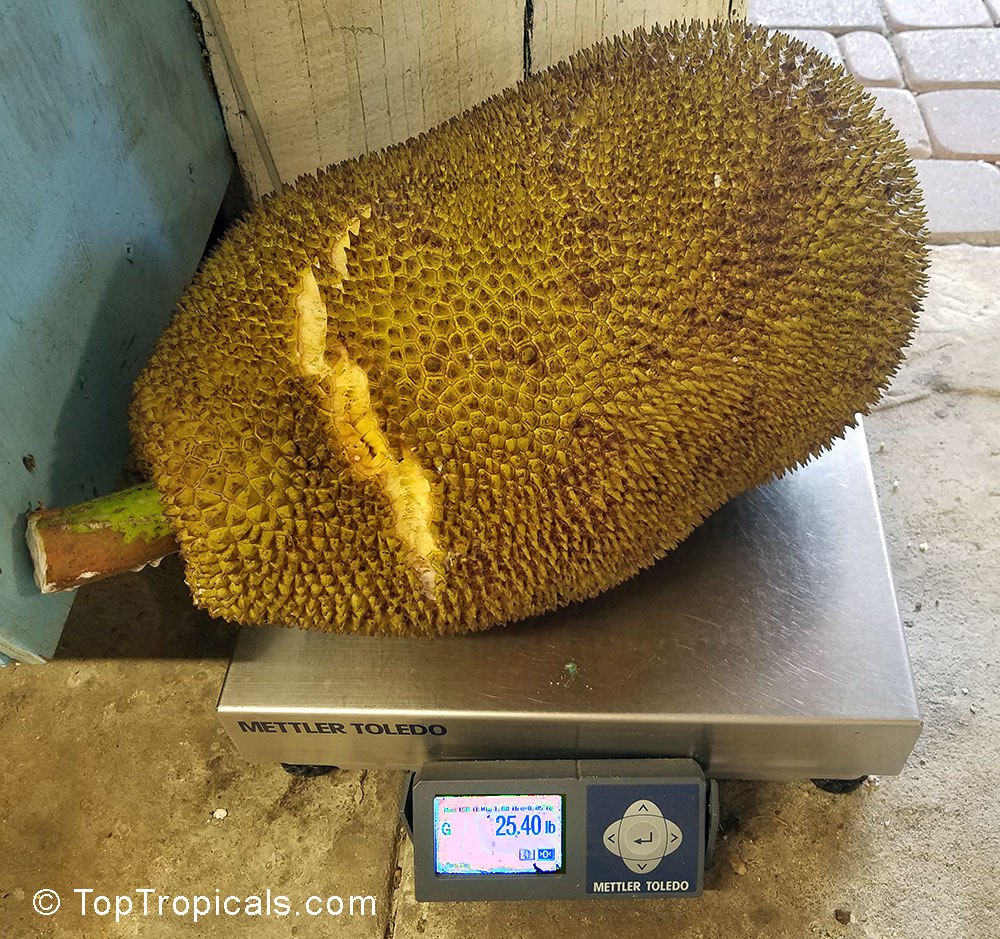
A: Yes, you can! Jackfruit trees, despite producing the largest tree-borne fruit in the world - up to 80 pounds and 36 inches long - can thrive and fruit in containers. The tree has a clever feature: it grows fruit only at the base of the trunk, allowing you to manage its height and size. With regular pruning, the tree can stay compact at just 6-7 feet tall, making it perfect for pot culture.

1. Getting started: pot sizes and growth tips

Start with: A 3-7 gallon container.
As it grows: Gradually increase to a 15-25 gallon pot by the time it reaches fruiting size (2-4 years).
Pruning is key: Keep the tree topped at 6-7 feet to focus its energy on fruit production.
Fertilize regularly: Use high-quality plant food like Sunshine Boosters C-Cibus to promote healthy growth and fruit development. C-Cibus is the best natural plant food for fruit and edibles.

2. Fun facts about Jackfruit - Artocarpus heterophyllus

Jackfruit  -  Artocarpus  heterophyllus

A mature Jackfruit tree can produce 200 pounds of fruit per year.
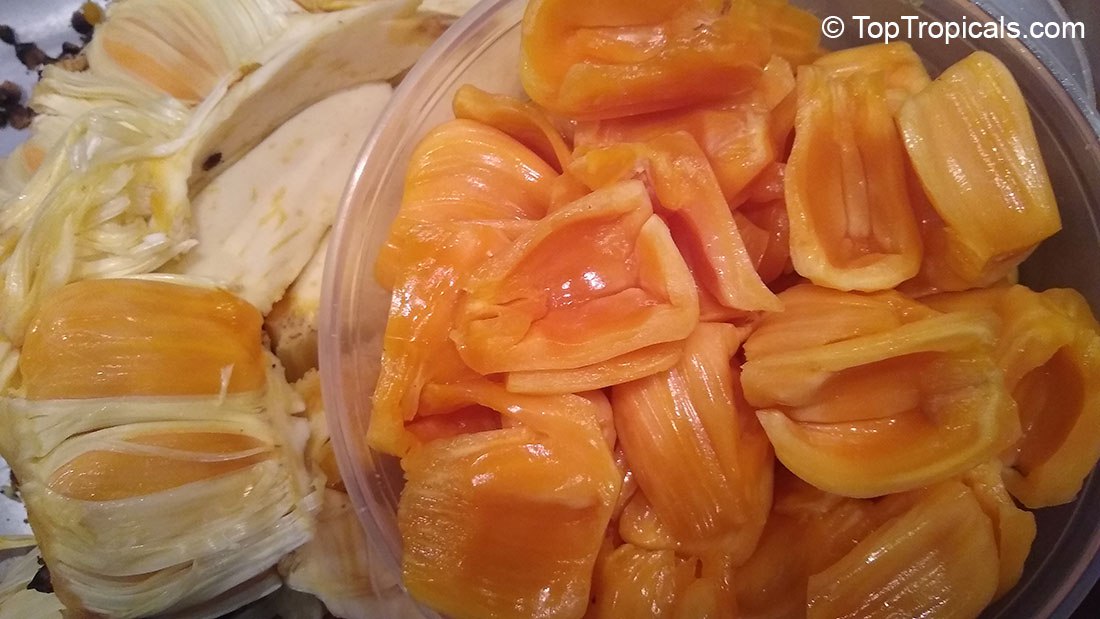
The fruit consists of large, sweet, yellow bulbs with a banana-like aroma.
Seedlings start fruiting within 3-4 years, with fruits ripening in just 4-6 months after flowering.

3. Cold tolerance of Jackfruit trees

Though often thought of as ultra-tropical, mature trees can withstand light frost for short periods without major damage. Keeping Jackfruit in pots also offers an easy way to move them indoors during cold spells if you're in a cooler climate.

4. Secrets for successful Jackfruit production

- Frost-free temperatures are essential.
- Use rich, organic soil with compost, manure, or peat moss.
- Maintain moist soil with regular watering.
- Constant pruning to keep the tree under 7 feet promotes healthy fruiting.
- Apply fertilizer and microelements regularly for better fruit quality.

By following these tips, you'll be able to enjoy the world's biggest fruit right from your patio!

Jackfruit  -  Artocarpus  heterophyllus

Learn more:
About Jackfruit
How to grow the biggest fruit on Earth
Cheena - Jackedack

Videos:
Jackfruit Fruit

Jackfruit  -  Artocarpus  heterophyllus

Jackfruit  -  Artocarpus  heterophyllus