Garden Blog - Top Tropicals

Date: 29 Jun 2026

Which Passion Fruit Vine should you grow - 3 top varieties
Which Passion Fruit Vine should you grow - 3 top varieties

🍊 Which Passion Fruit Vine should you grow - 3 top varieties


There are few plants that reward gardeners as quickly as a Passion Fruit Vine (Passiflora edulis). In just a season or two, a single vine can transform a fence, arbor, or trellis into a lush green wall covered with spectacular flowers, followed by dozens of delicious tropical fruits.
Passion fruit combines beauty and productivity like few other plants. The flowers look almost too exotic to be real, attracting butterflies and pollinators, while the aromatic fruit is perfect for fresh eating, smoothies, desserts, juices, and jams.

3 top varieties of Passion Fruit

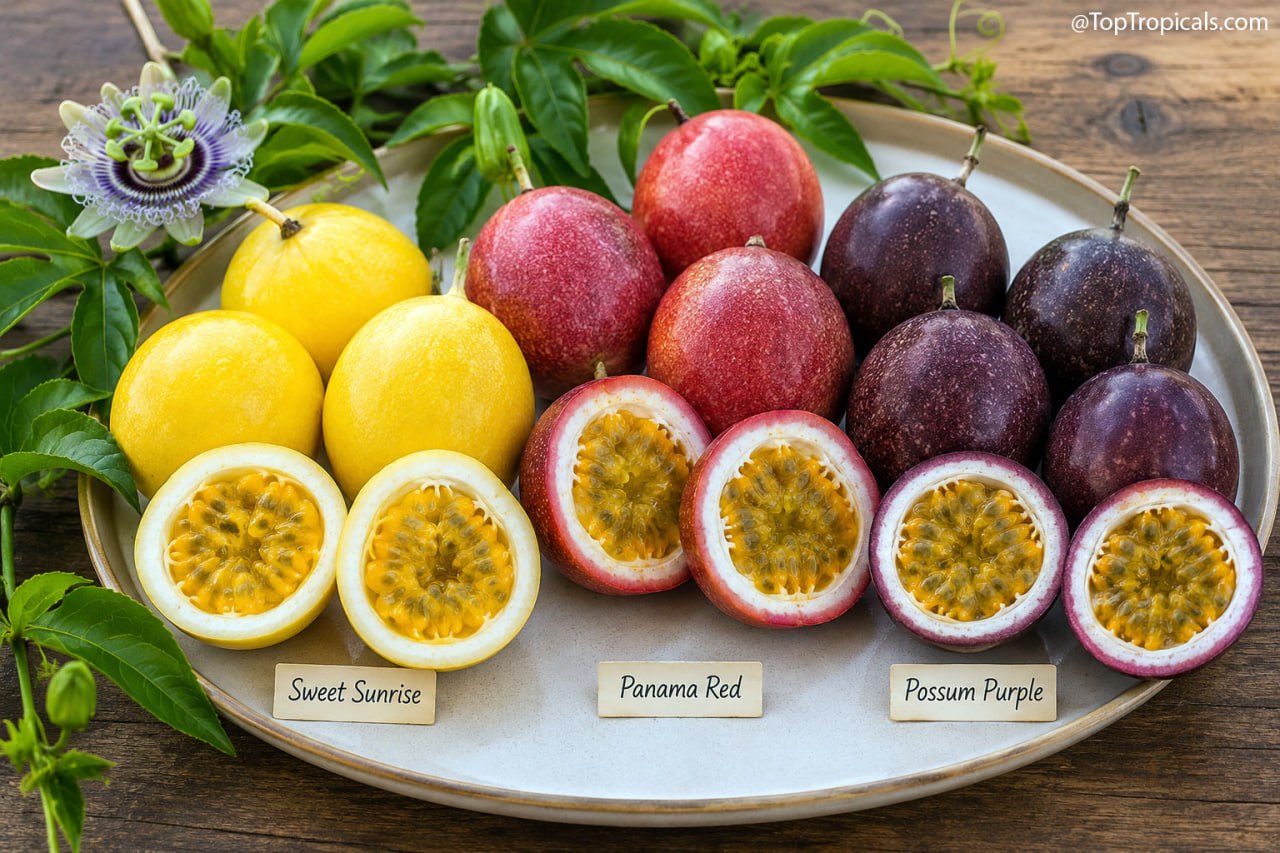
🟡 Sweet Sunrise: the sweetest choice


Large golden-yellow fruit with bright orange pulp and a smooth, sweet tropical flavor. Lower acidity makes it especially enjoyable fresh, right out of the shell.
Perfect for: Fresh eating, smoothies, desserts, and juice.

🟣 Possum Purple: the classic purple passion fruit


Medium-sized deep purple fruit with the traditional sweet-tart flavor and intense tropical aroma that passion fruit lovers expect. The most cold hardy variety.
Perfect for: Fresh eating, juices, desserts, jams, and all-around garden performance.

🔴 Panama Red: go big with giant fruit


Produces impressive burgundy-red fruits that are much larger than standard passion fruits. A vigorous vine known for heavy crops and bold tropical flavor.
Perfect for: Gardeners who want oversized fruit and abundant harvests.

🏡 Why gardeners love passion fruit


📌 No matter which variety you choose, all three are vigorous tropical vines that quickly cover fences, pergolas, arches, and trellises with attractive glossy foliage and some of the most unusual flowers in the plant world.
📌 Once established, passion fruit vines can produce generous harvests over a long season. The fragrant orange pulp is packed with sweet-tart tropical flavor and can be eaten fresh, scooped into yogurt, blended into drinks, or used in countless desserts and preserves.
📌 They thrive in full sun with fertile, well-drained soil and regular watering during active growth. In frost-free climates they can fruit for many years, while gardeners in cooler regions often enjoy growing them in large containers that can be protected during winter.

✅ Which one is right for you?


Choose Sweet Sunrise if you love sweeter, less acidic fruit.
Choose Possum Purple if you want the classic passion fruit experience with outstanding balance of sweetness and tang.
Choose Panama Red if your goal is giant, show-stopping fruit and heavy harvests.

Whichever you plant, you'll enjoy one of the fastest-growing and most rewarding edible vines you can add to your garden.

🛒 Plant Passionfruit - fast growing and rewarding

📚 Learn more:

Passion Fruit Plant Facts

Botanical name: Passiflora edulis
Also known as: Passion Fruit, Parcha, Maracuya, Granadilla
USDA Zone: 8 - 11
Highligths Vine or creeper plantFull sunWatering: Moderate. Water when top soil feels dryBlue, lavender, purple flowersWhite, off-white flowersEdible plantSubtropical plant. Mature plant cold hardy at least to 30s F for a short time
Get personalized tips for your region

Passiflora edulis in Plant Encyclopedia
Passion fruit butter glaze: quick-n-fun exotic recipes
The truth about Passion flower and Passion fruit.

#Food_Forest #Recipes

🟢 Join 👉 TopTropicals
Date: 20 Sep 2025

Banana cinnamon fritters: Quick-n-Fun exotic recipes

Banana cinnamon fritters

Banana cinnamon fritters

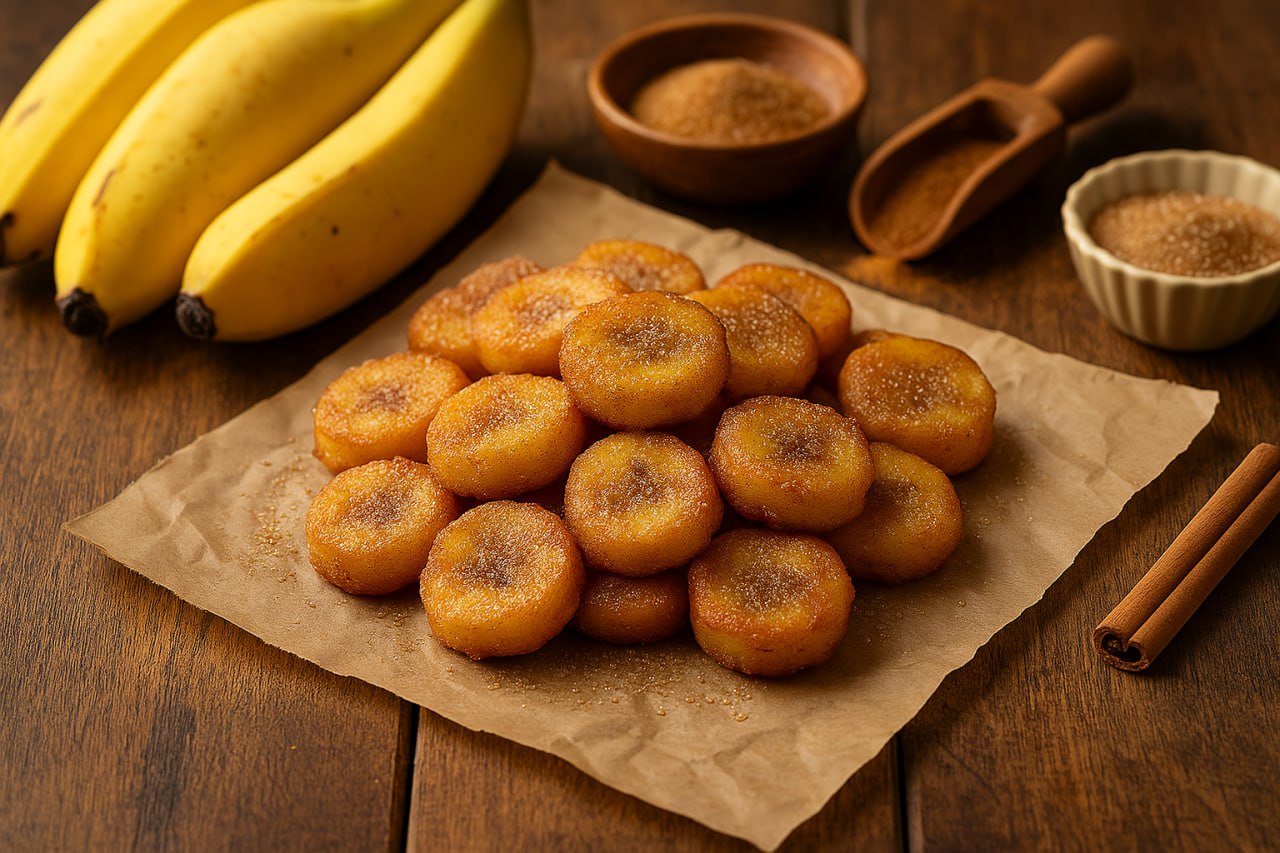
🍴 Banana cinnamon fritters: Quick-n-Fun exotic recipes 🍌


🟡Dip banana slices in a light batter, fry quickly, then dust with cinnamon sugar.
🟡Sweet street-food style snack!

Banana Cinnamon Fritters recipe

Ingredients

  • 2 ripe bananas
  • 1/2 cup flour
  • 1/4 cup water (or milk)
  • 1 tbsp sugar
  • 1/2 tsp cinnamon
  • 1/4 tsp baking powder
  • Pinch of salt
  • Oil for frying
  • Extra cinnamon sugar for dusting

Instructions

  1. Slice bananas into thick rounds.
  2. Mix flour, baking powder, sugar, cinnamon, salt, and water to form a light batter.
  3. Dip banana slices in batter and fry in hot oil until golden brown.
  4. Remove and drain on paper towels.
  5. Dust with cinnamon sugar and serve warm.

🛒 For home grown ingredients you will need:
Banana trees
Cinnamon tree

#Food_Forest #Recipes #Bananas

🟢 Join 👉 TopTropicals

Date: 23 Sep 2025

Dragon fruit coconut parfait: quick-n-fun exotic recipes

Dragon fruit coconut parfait

Dragon fruit coconut parfait

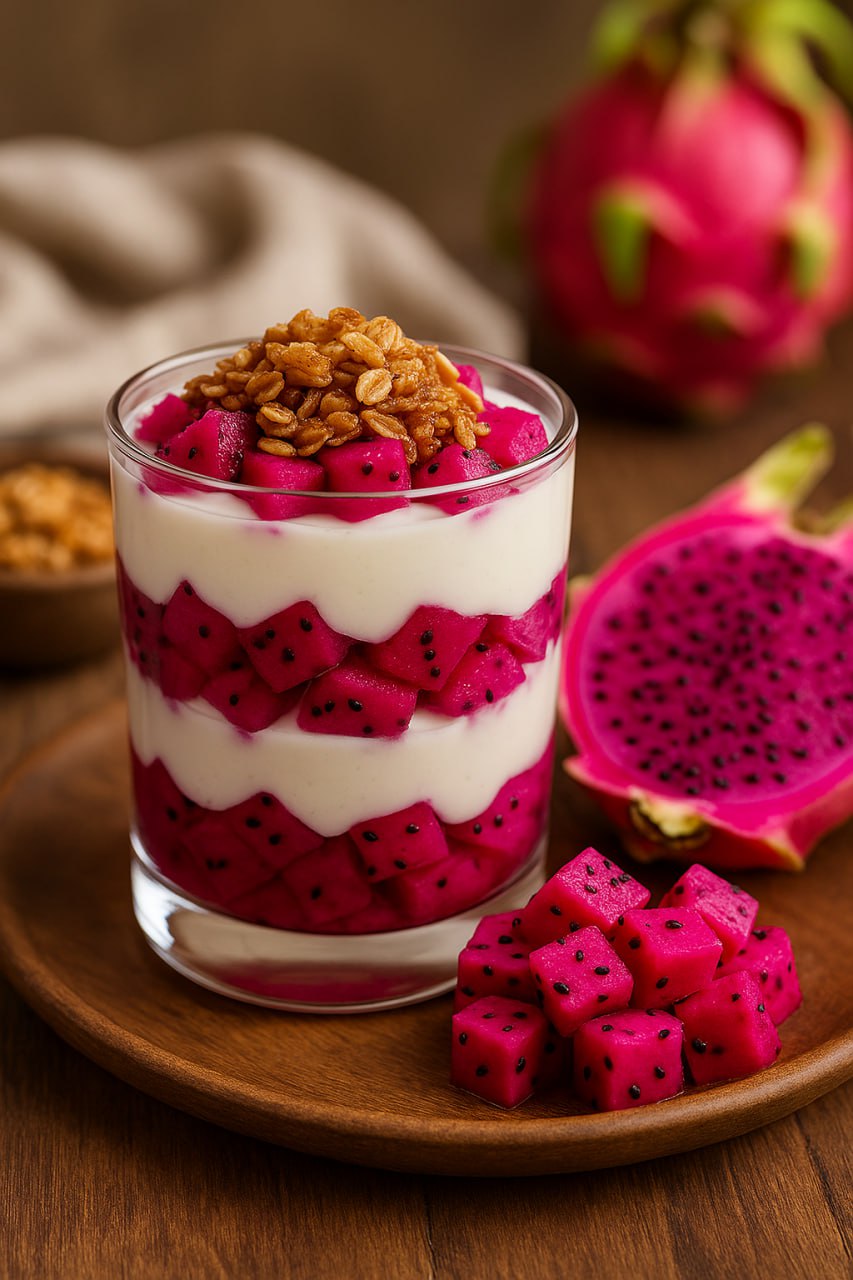
🍴 Dragon fruit coconut parfait: quick-n-fun exotic recipes


🔵Layer Dragon Fruit cubes with coconut cream and toasted granola.
🔵A tropical breakfast that looks neon and tastes fresh!

Dragon fruit coconut parfait recipe

Ingredients

  • 1 fresh Dragon Fruit, diced into cubes
  • 1 cup coconut cream
  • 1/2 cup toasted granola
  • Optional: honey or maple syrup for drizzle

Instructions

  1. Layer Dragon Fruit cubes in a glass or bowl.
  2. Add a layer of coconut cream, then sprinkle toasted granola.
  3. Repeat layers until glass is full, finishing with granola on top.
  4. Serve immediately for a refreshing tropical breakfast or snack.

🛒 Explore Dragon Fruit varieties

#Food_Forest #Recipes

🟢 Join 👉 TopTropicals
Date: 23 Sep 2025

Eight most spectacular winter blooming trees

Eight most spectacular winter blooming trees

💐 Eight most spectacular winter blooming trees


🍁 Fall is the right time to get winter bloomers in the ground. Plant them now, and by the time the cool season settles in, you’ll have flowers to enjoy. We get a lot of snowbirds asking us what to plant when they’re here for just the season, and the answer is simple: pick trees and shrubs that show off in winter!

🏆 8 best flowering trees that will bloom for you in Winter


💐 1. Royal poinciana - Flamboyant tree, Delonix regia


Known for fiery red-orange blooms, the flamboyant tree creates a spectacular canopy. Even in the cooler season, mature specimens may flower heavily in warm climates.
👉 Learn more

💐 2. Tabebuia chrysotricha - Dwarf Golden Tabebuia


One of the brightest winter bloomers, this small tree bursts into golden-yellow flowers on bare branches, turning the whole crown into a glowing dome.
👉 Learn more

💐 3. Tabebuia impetiginosa - Dwarf Pink Tabebuia


A smaller tabebuia with trumpet-shaped pink to lavender blooms. Its leafless winter display is striking and well-suited for compact gardens.
👉 Learn more

💐 4. Jacaranda mimosifolia (acutifolia)


Famous for its lavender-blue clouds of trumpet flowers, Jacaranda puts on a dramatic show even when most trees are bare. Perfect for lining streets or as a specimen tree.
👉 Learn more

💐 5. Koelreuteria paniculata (bipinnata) - Golden Rain Tree


This tree stands out in winter with clusters of golden flowers followed by papery lantern-like seed pods. It’s ornamental in every stage, even when not in full bloom.
👉 Learn more

💐 6. Callistemon citrinus - Weeping Red Bottlebrush


Its crimson brush-like flowers appear in flushes during the cooler months. This tree is tough, drought-tolerant, and attracts pollinators while keeping color in the winter garden.
👉 Learn more

💐 7. Bauhinia variegata - Pink Butterfly Orchid Tree


Soft pink to lavender blooms open on leafless branches in the cool season. The butterfly-shaped petals make this tree both graceful and eye-catching.
👉 Learn more

💐 8. Bauhinia blakeana - Hong Kong Orchid Tree


A sterile hybrid that doesn’t produce seed, this tree is prized for its huge magenta flowers that cover bare branches in winter. Rare and highly ornamental, it’s a true collector’s tree.
👉 Learn more

🛒 Plant a tree now for winter flowers

#Trees #Discover

🟢 Join 👉 TopTropicals

Date: 3 Aug 2025

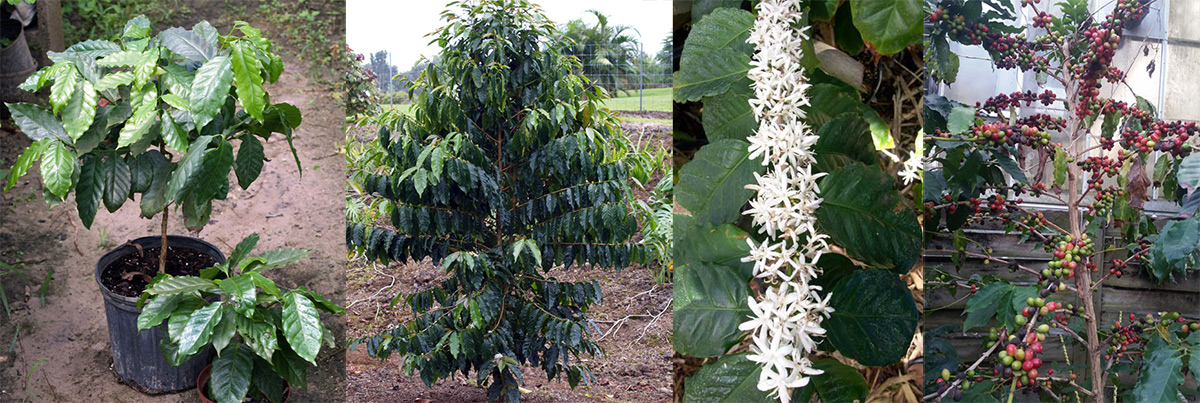
Four  stages  of  Coffee  Tree  growth:  a  young  potted  plant,  a  mature  tree  in  the  ground,  white  star-shaped  blooms,  and  a  branch  full  of  ripening  red  and  green  coffee  cherries.

What is the most popular and easiest tropical fruit tree to grow indoors?

No doubt about it - it's the Coffee Tree.

  • Coffee is shade-loving and easy to grow with regular water
  • It grows into a dark green shrub or small tree (about 3 to 5 feet tall in a pot)
  • Its fragrant, star-shaped flowers resemble gardenias
  • The whole fruit is edible and turns green to yellow to red
  • The seeds are real "coffee beans" that can be dried, roasted, and ground at home.

Five Reasons to Grow a Coffee Plant

  • Perfect Indoor Fruit Tree: Thrives in filtered light and stays compact
  • Low Maintenance: Forgiving, adaptable, and ideal for new gardeners
  • Aesthetic Appeal: Glossy green leaves and clusters of white blooms
  • Homegrown Coffee: Yes, you can roast your own beans.
  • Year-Round Beauty: Evergreen with seasonal fragrance

Coffee Plant Care Tips

  • Light: Bright, indirect light is best. Avoid harsh afternoon sun.
  • Water: Keep soil lightly moist but not soggy. Let the top inch dry out before watering again.
  • Humidity: Loves higher humidity. Mist regularly or place on a pebble tray.
  • Fertilizer: Use a balanced, gentle fertilizer like Sunshine Boosters C-Cibus every few weeks during growing season.
  • Soil: Loose, rich, and well-drained. High in organic matter and slightly acidic. For potted plants, use a quality indoor tropical mix, such as Top Tropicals Abundance mix
  • Repotting: Refresh soil and size up the pot every 1–2 years to keep roots healthy.
  • Can I grow it outdoors?: Yes - bring it outside in warm months and back indoors before frost. It's best suited for USDA zones 10-11, but container growing gives you flexibility in cooler climates.
  • How long until I get beans?: Expect flowers and fruit within 3 to 4 years from seedling stage - often sooner if you start with a young tree.
  • What does the fruit taste like?: Mild and sweet-tart, like a mix between a cherry and a cranberry. You can eat it fresh.

How to Make Coffee from Your Own Tree

  • Harvest: Pick the ripe red cherries
  • Pop and Soak: Squeeze out the beans and ferment 1-2 days to remove pulp
  • Dry: Spread out to dry for 1-2 weeks until hard and papery
  • Husk: Remove the thin shell to reveal green beans
  • Roast: Use a dry skillet or oven until fragrant
  • Grind and Brew: Cool, grind, and enjoy the freshest coffee you've ever had.
    Learn more: How to make your own coffee from homegrown beans

Coffee Health Benefits

  • Rich in antioxidants - supports heart and brain health
  • Boosts focus and mental alertness
  • Supports metabolism and fat-burning

Why Coffee Makes the Perfect Gift Plant

  • Long-living and beautiful
  • Symbolic, useful, and personal
  • Great for coffee lovers, gardeners, and the "person who has everything"

Read Garden Blog about Coffee

Shop Coffee Plants