Date: 24 Jun 2018
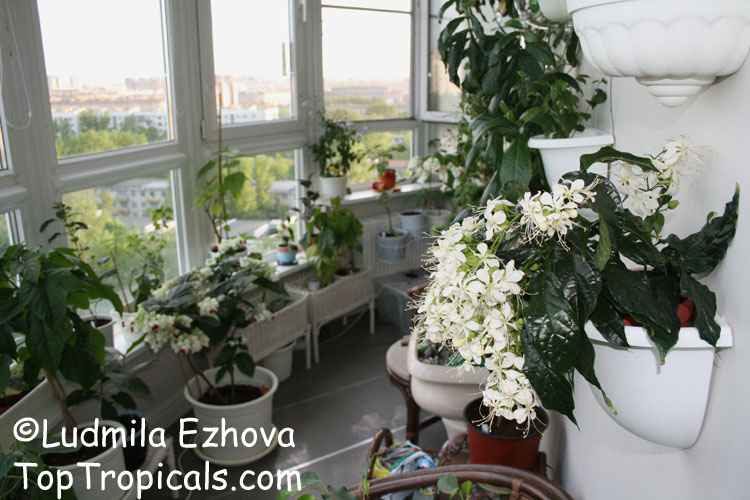
Date: 24 Jun 2018
When should you start growing plants from seed indoors?
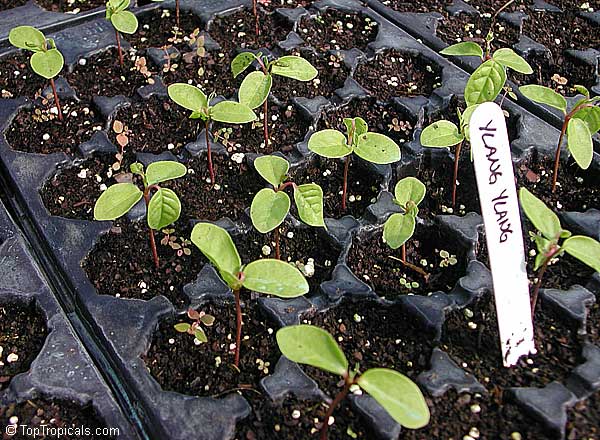
"Happiness held is the seed; Happiness shared is the flower." (John Harrigan.)
Q: Our growing season is very short so I decided to start some of tropicals from seed indoors. When should I start?
A:
It is always a good time to start from seed. If you want
to feel happier, get into gardening. If you want to feel
God, start plants from seeds and watch New Life grow from
a tiny grain.
Traditionally, people prefer sowing seeds in Spring,
especially temperate species for vegetable garden:
tomatoes, peppers, cucumbers... My grandmother up North
started them in early Spring in small pots on a
windowsill, then once the temperatures raised just above
freezing, she planted them out in garden beds, and that
early start always helped her to have the best early
harvest in the neighborhood.
When we deal with tropical plants, "just above freezing"
is not warm enough. Which means, you have to grow small
babies indoors for quite a while, providing additional
heating when needed. Heating pads always work best... When
we had large size monitors and TV's, I always put couple
trays on top of hot monitors, and even on warm top of a
refrigerator, if space by the radiator was all taken. But
that was in very cold apartment...
If you keep your living space around 75F (ideal for many
species), this is a perfect temperature to get your seeds
started. Tropical plants are not like annual tomatoes that
try to grow through the season as fast as possible. They
may take time. So the sooner you start, the more chances
to get small seedlings just in time when Spring air
outside is warm enough - at least in 70's.
A great advantage of starting tropical seeds indoors is
controlled temperature and moisture. In the plant world,
environment extremes are not good for germination process.
Mild conditions of your home or a greenhouse create better
chances for successful growth. Seeds won't get overheated
in hot Summer sun, and won't get rotten because of a
sudden heavy rain. Just keep in mind that some species
require light for good germination.
Conditions for the best seed germination:
- Soak seeds for a few hours. Adding a few drops of Sunshine Seed Germination booster
is very beneficial and improves germination rate by 30-50%
- Well-drained mix, you may use our Professional Seed Germination Mix.
Put seeds not too deep (1/2 inch deep or less) to allow
air circulation
- Keep warm (75-85F) and in bright light
- Keep soil slightly moist but not soggy.
See more info on seed germination
Check out our seeds selection
Date: 22 Oct 2025
 Detailed Cassia and Bauhinia Care Guide
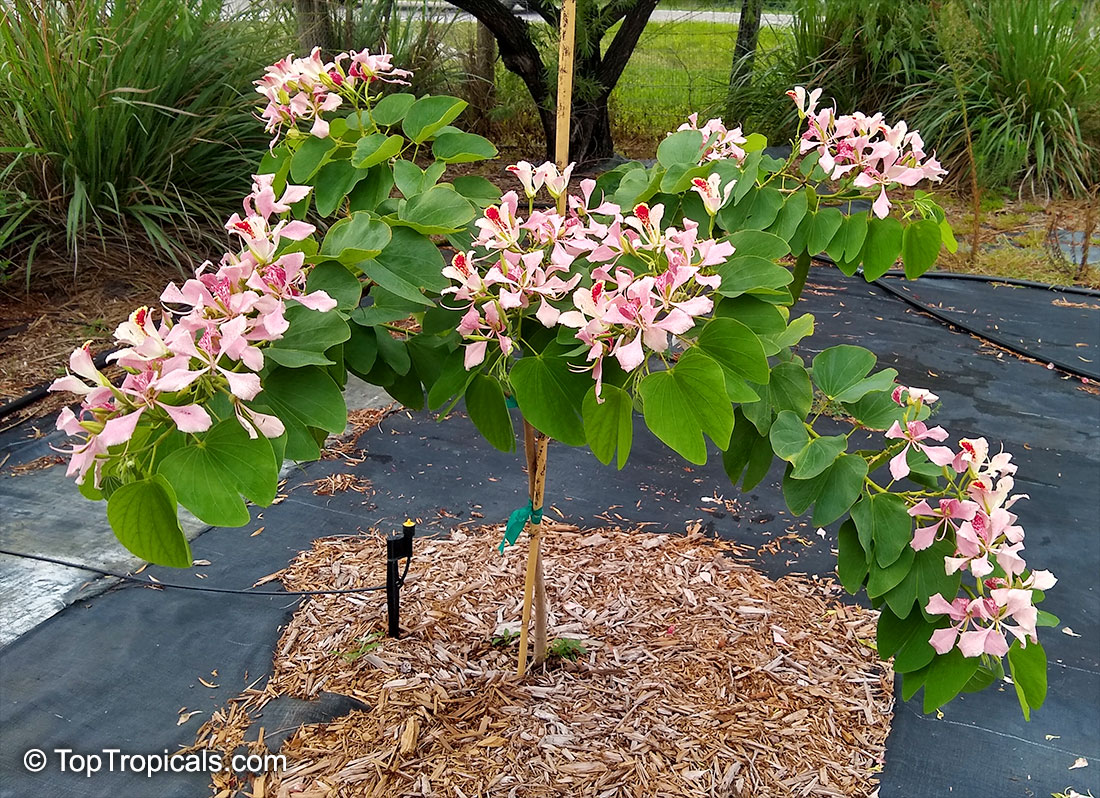
Outdoor Cassia and Bauhinia Care
- Light: Both Cassia and Bauhinia need at least 6 hours of direct sunlight daily. Cassias handle intense heat; Bauhinias can take light afternoon shade.
- Soil: Use loose, fast-draining soil. Mix equal parts garden soil, coarse sand, and compost.
- Watering: Keep evenly moist but never soggy. Cassias tolerate dry spells once established; Bauhinias prefer steady moisture. Water when the top inch feels dry.
- Feeding: For profuse flowering, feed with liquid Sunshine Boosters Megaflor that is safe to use with every watering, year around. You may also apply Green Magic controlled release fertilizer every 6 months. Bauhinias and Cassias respond quickly to feeding.
- Pruning: After flowering, prune lightly to shape and remove dead tips. Cassias can be trimmed to shrub form; Bauhinias stay bushy with pinching.
- Mulch: Add a 2-inch mulch layer around the base to conserve moisture and prevent weeds, but keep mulch off the trunk.
- Cold protection: Most Cassias handle brief frost; some Bauhinias like B. acuminata and B. monandra must be sheltered below freezing. For cold nights, cover with frost cloth or move containers into shelter.
- Dormancy: Outside of tropics, most Bauhinias drop leaves in winter for a short period of time, right before flowering and are called "semi-deciduous". Cassias stay evergreen.
Indoor or Porch Care (cool-climate growers)
- Container: Choose a sturdy pot with several drainage holes, one size larger than the root ball. Unglazed clay or thick plastic pots work best for heat regulation. Use a light, well-drained mix such as professional soilless mix Abundance. Both Cassias and Bauhinias dislike soggy roots. Add a thin layer of coarse gravel at the bottom to improve drainage. Repot every 1–2 years in spring
- Light: Brightest spot possible - south-facing window or heated sunroom. Supplement with a grow light if sunlight is weak.
- Temperature: Keep potted trees in warm environment for best results. The optimum temperature for Cassias and Bauhinias is between 60–85 F, although many species can tolerate cooler temperatures. Avoid cold drafts and sudden drops.
- Humidity: Average indoor humidity is fine; occasional misting keeps foliage glossy.
- Watering: Water sparingly in winter when growth slows; allow the top inch to dry between waterings. Do not let roots sit in water.
- Fertilizing: Feed with Sunshine Boosters Megaflor that is safe to use with every watering, year around, to maintain flowering indoors. You may also apply Green Magic controlled release fertilizer every 6 months.
- Pest watch: Check undersides of leaves for aphids or whitefly. A light spray of neem oil or insecticidal soap clears them fast.
"Whether you crave golden summer fireworks or soft orchid blooms that last nearly all year, both Cassia and Bauhinia bring pure joy to the garden. 💖 Bring color that never quits."
Did you know: Fall is the best planting season — roots grow faster and you’ll have flowers by spring!
Date: 24 Oct 2025
Guava beats banana in the potassium game
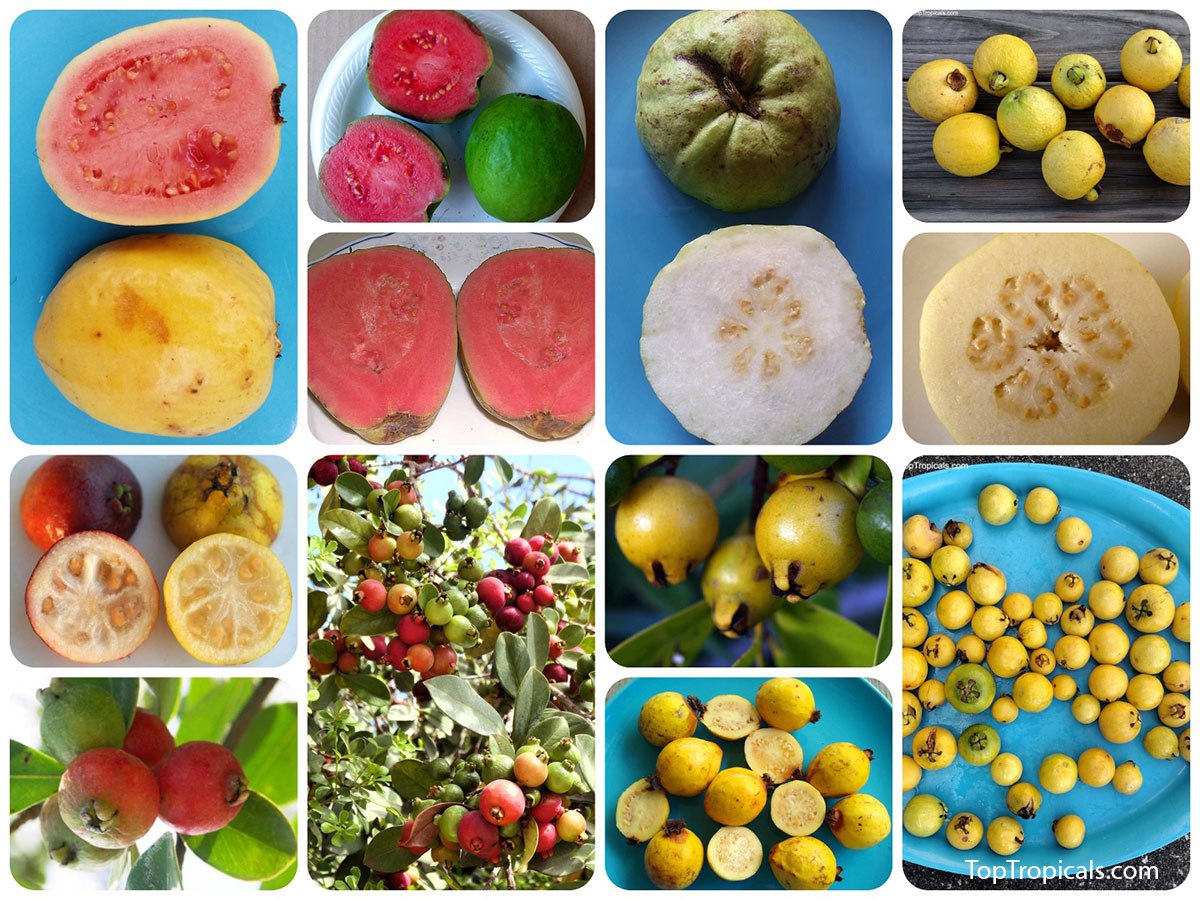
Tropical Guava - Psidium guajava
🍉 Guava beats banana in the potassium game
- 🍉Everyone talks about bananas when it comes to potassium, but guava (Tropical Guava - Psidium guajava) quietly beats them! One cup of guava packs around 688 milligrams of potassium, compared to about 450 in a banana!
- 🍉Potassium is essential for strong bones, steady blood pressure, muscle function, and a healthy nervous system. Adults need between 2,600 and 3,400 mg daily, according to the National Institute of Health - so adding guava to your fruit bowl is a smart move.
- 🍉Guavas are common across the tropics - from Mexico to the Caribbean - with green or yellow skin and beautiful pink or off-white flesh. Sweet, aromatic, and easy to grow in warm climates, guava is one tropical fruit that truly earns its place in the garden and on your plate.
🛒 Your body needs potassium - your garden grows it on guava tree!
📚 Learn more:
- Six guava varieties that will keep you picking year-round
- How to grow a Guava Tree: Practical Guide to Growing Guava
- More about #Guava
#Food_Forest #Guava #Discover
🟢 Join 👉 TopTropicals
Date: 27 Oct 2025
Large Grafted Mango Trees - Plant Now Before Winter!
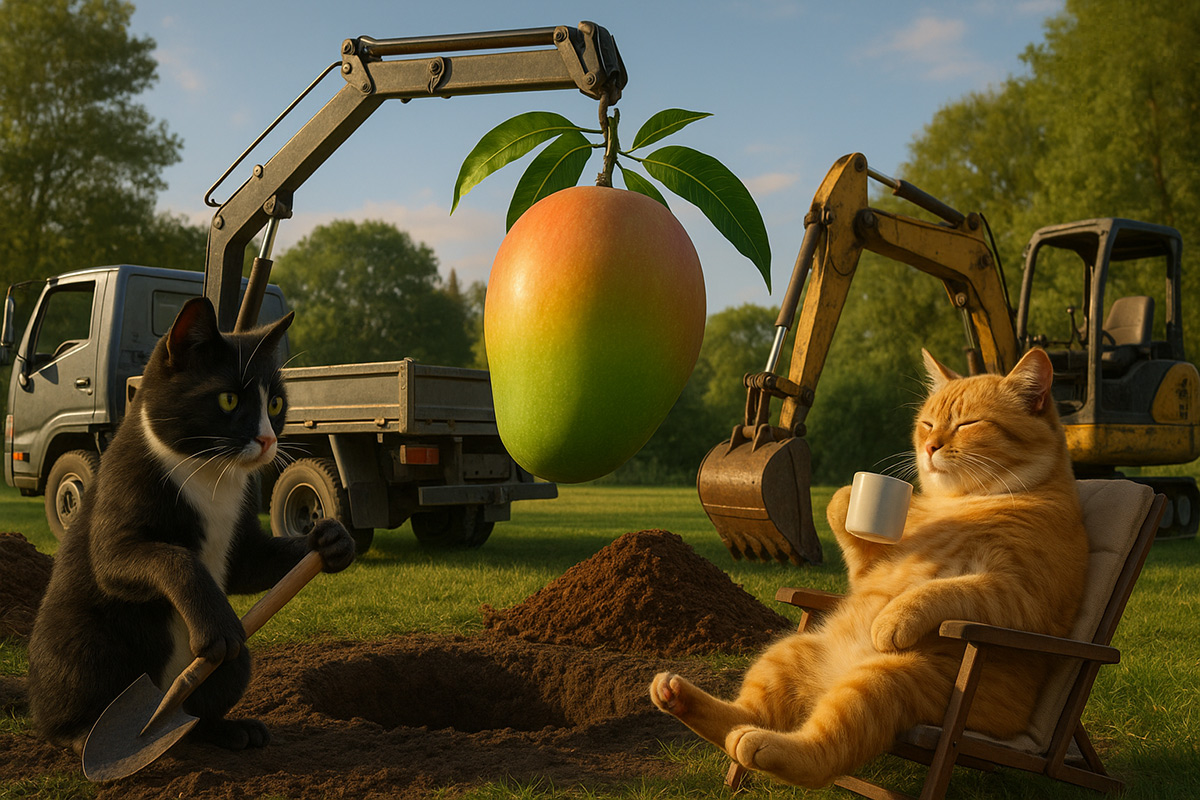
"Next Time We'll Specify - A TREE!" - Smokey and Sunshine Plant a Giant Mango
🌡️ Why plant now?
Fall is the perfect time to plant tropical fruit trees. The soil is still warm, the air is mild, and your trees can quietly build strong roots. By spring, they’ll already be settled and ready to grow fast.
Imagine walking outside next summer and picking your own mangoes from a tree you planted this fall!
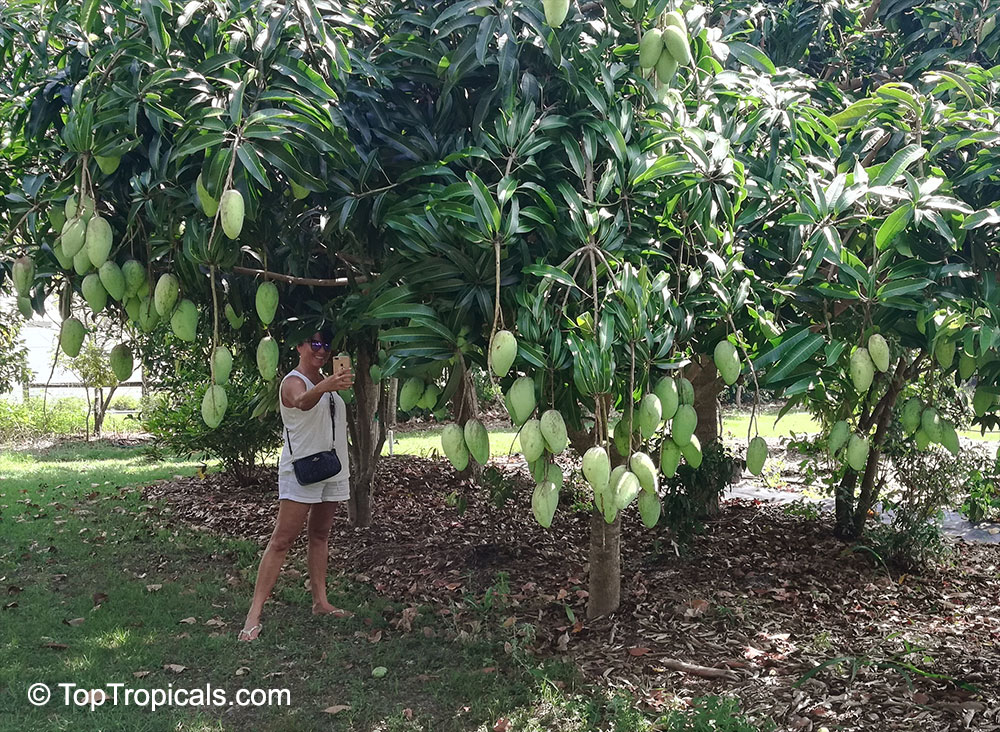
💲 Special Offer – 20% off Large Mango Trees: 7-15 gal
Get 20% OFF large grafted Mango trees (7-25 gal) with code
MANGO2025
Min order 150 (excluding S/H), valid online only, cannot be combined with other offers.
Hurry, offer expires November 03, 2025!
👉 Explore Mango Varieties:
15 gal pots: pick up or delivery