Garden Blog - Top Tropicals

Date: 7 Aug 2020

Healthy Plant Food

Q&A from Mr Booster
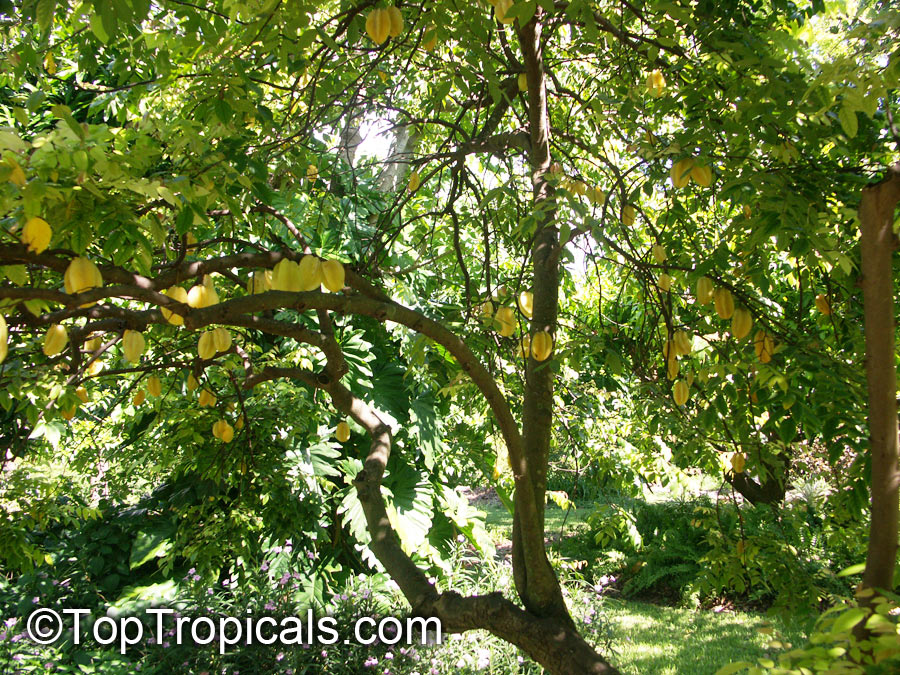
Plant food for a Star Fruit

Q: I have 2 Starfruit plants from you. One on the left is B10 has a lot of flowers but no fruit is developing. On the rite is Kenjeng. This one has no flowers at all. Both plants are growing very well. Plenty of sun and water. I am located in Boynton Beach Florida. So what to do?

A: Your trees on the pictures look very healthy, congratulations with a great care!
Starfruit, as well as other grafted fruit trees (like mango, avocado, etc) usually flower/fruit easily and readily while in pots in the nursery. Sometimes, once planted in the ground, they may reduce flowering or even stop flowering. What happened?
The answer is simple. In pots, we fertilize them on regular basis. In our nursery, we have fertilizer injector inline with irrigation system that dozes plant food with EVERY watering. In other nurseries, they may also use slow-release fertilizers, but it is still a regular routine to provide plant food to potted plants.
In the ground, especially in Florida poor soils, fruit trees may stop flowering or delay fruiting due to lack of nutrients, or dis-balance of elements in the ground. Without fertilizer, a tree may take extra time to develop bigger root system to reach out for necessary elements, and eventually will start fruiting anyway.
But we want it to fruit soon! The only way to fix the problem is to provide fertilizer on regular basis for a young tree. It is especially important during hot summer months when plant metabolism is fast due to high temperatures, plus nutrients may get washed away with frequent summer rains (like we have in Florida) even if you've added some fertilizer at time of planting.

You can use smart release fertilizer once a month during hot season, this one or similar:
Mango-Food - Smart Release Fruit Tree Booster.

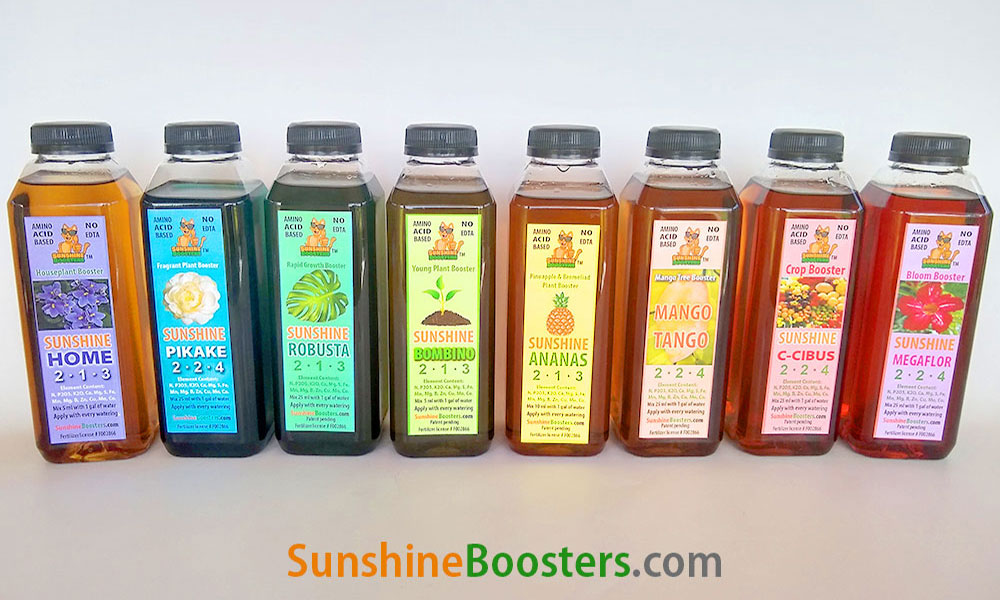
But the most effective way to get a tropical tree to flowering and fruiting, is frequent applications of liquid fertilizer. We use Sunshine Boosters with every watering on our plants. They work great even on hard cases and weak plants, and you see the difference in a matter of weeks, sometimes even days.
We recommend the following fertilizer that contains all necessary elements for young fruit trees: SUNSHINE C-Cibus - Crop Nutrition Booster
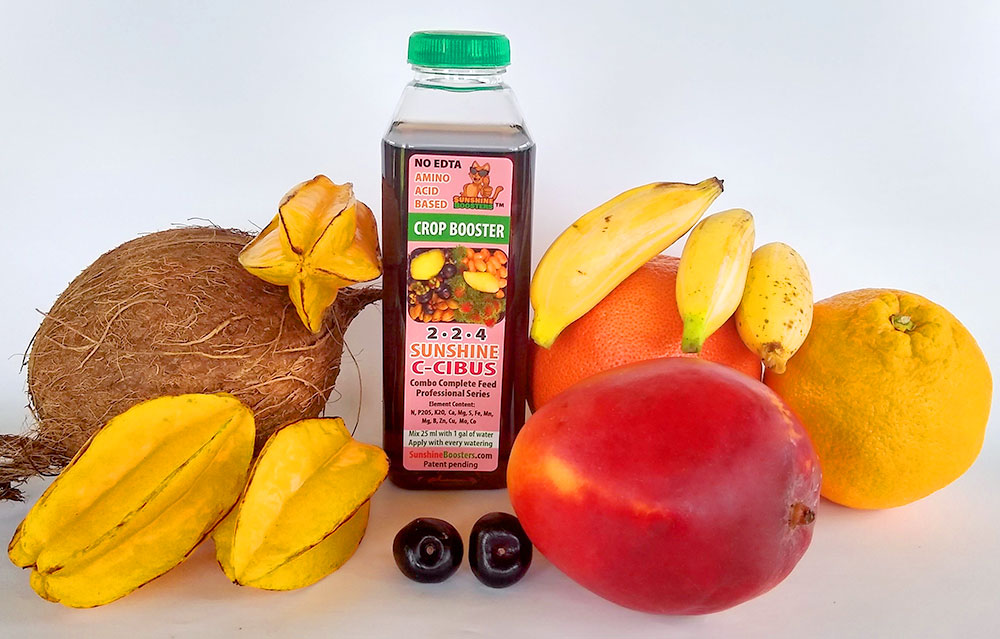
SUNSHINE C-Cibus - Crop Nutrition Booster from Garden Series, or Combo Total Feed Collection - all nutrients in just one bottle, for fruit trees and edibles.

Date: 2 May 2020

Which fertilizer is right?

Q: I need some advice on which fertilizer(s) would be perfect for my C​annonball tree and its cousin Heaven's Lotus (Gustavia augusta). ​I also have fruit trees... soursops, mango, etc. and a collection of flowers including pua keni keni, plumeria, bougainvillea, etc. I am wondering if you can recommend a custom fertilizing regimen for my garden (especially the cannonball and the gustavia since they are young).

A: It is a perfect time now to fertilize your plants as they start active growth. We have suggestions on fertilizing programs for your trees. You will find here our recommendations for:

1. Young trees
2. Flowering trees
3. Fragrant plants
4. In-ground grown fruit trees... CONTINUE READING >>

Date: 3 Aug 2019

Grafted or seedling?

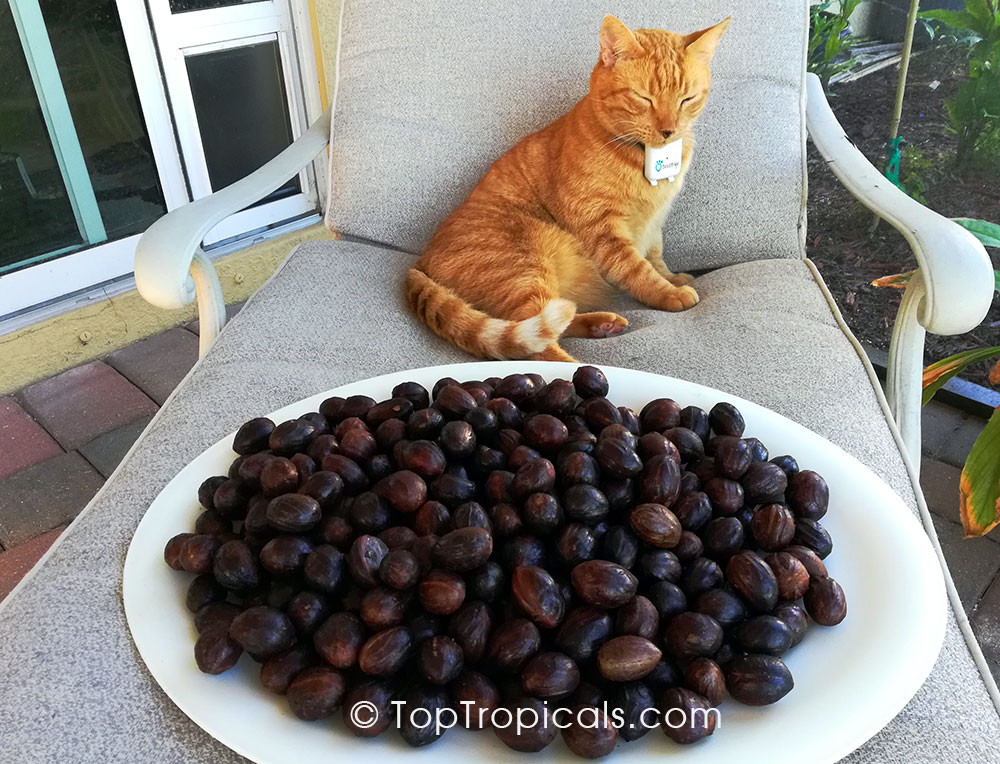
Photo: Mr Barcy meditating before planting Nutmeg seeds

Q: I planted an avocado seed and it sprouted quickly, it has been only a couple months and I already have a small plant. How soon will it produce fruit? Can I grow other tropical fruit from seed?

A: Unfortunately, some fruit trees, including varieties of avocado, mango, lychee, as well as apples and peaches - must be either grafted or air-layered in order to produce, for 2 main reasons:
- seedlings may take a very long time until fruiting, up to 10-15 years
- seedling gives no guarantee on the quality of the fruit or variety
These fruit trees should be propagated as "clones" - both grafted material or cuttings are actually copies of the mother plant and will keep the same fruit qualities. Grafted trees usually start producing immediately.
However there is a number of fruit trees that come true from seed, and take a very short time to start flowering. Jackfruit, Annonas (Sugar Apple, Guanabana, etc), Papaya, Icecream Bean, Eugenias start producing at a young age (3-4 years from seed).

Recommended fertilizers for fruit trees:

Fruit Festival Plant Food - Super Crop Booster
Mango-Food - Smart Release Fruit Tree Booster
SUNSHINE-Honey - for sweeter fruit
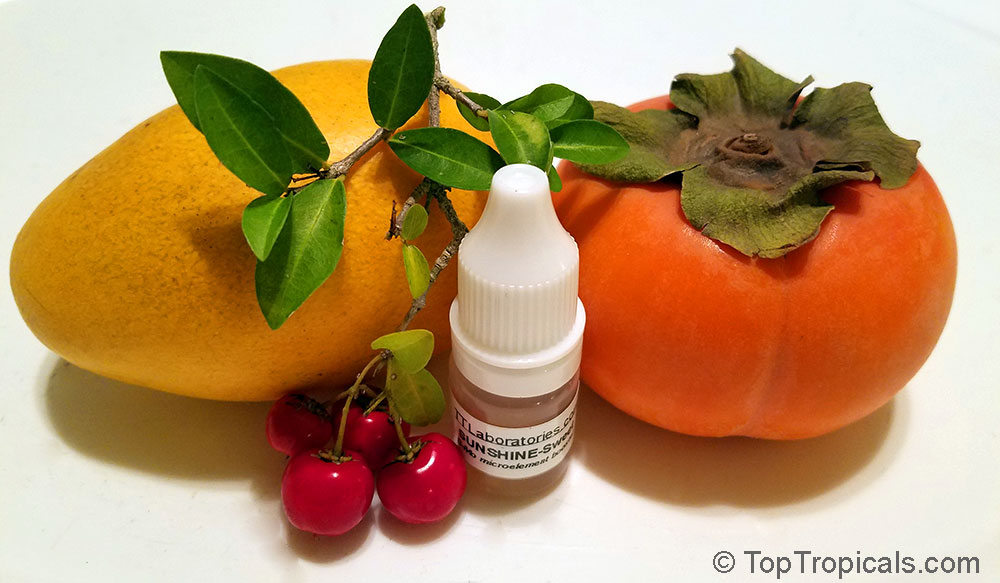
SUNSHINE SuperFood - microelement supplement

Date: 22 Mar 2026

Do Fruit Trees Increase Property Value? Tropical Plants That Pay Off

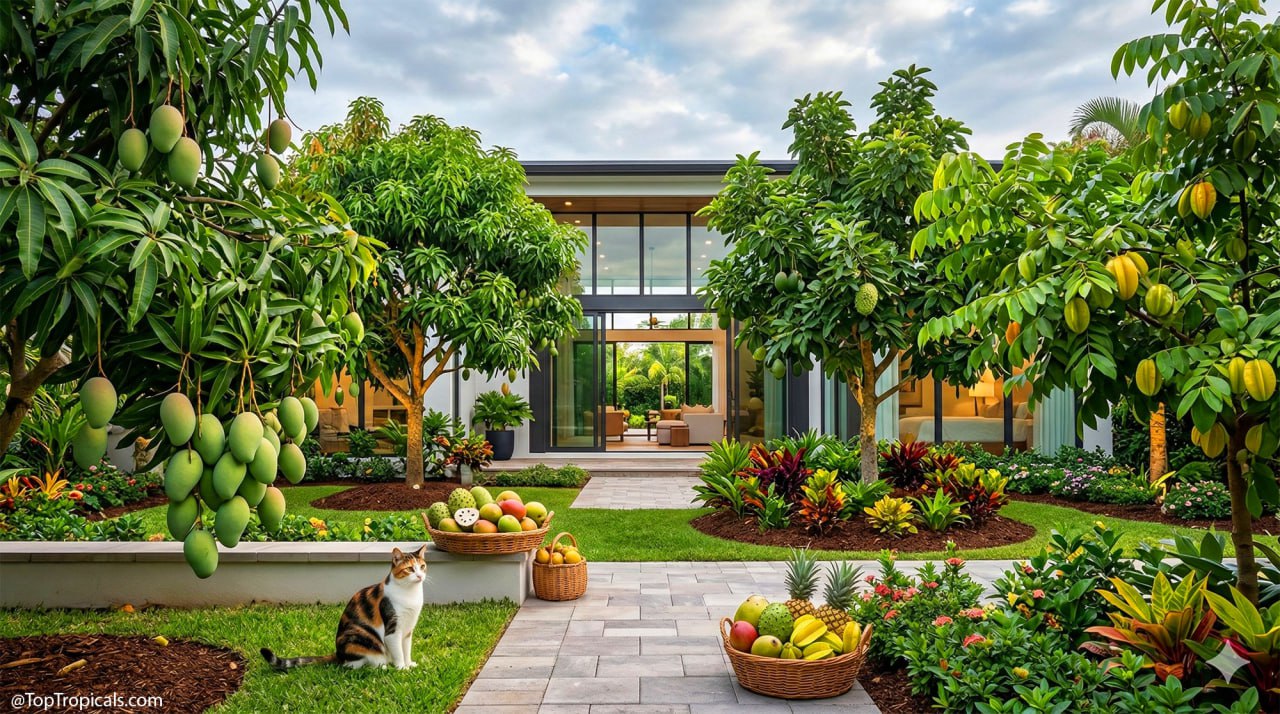
Yard with fruiting tropical trees

Yard with fruiting tropical trees

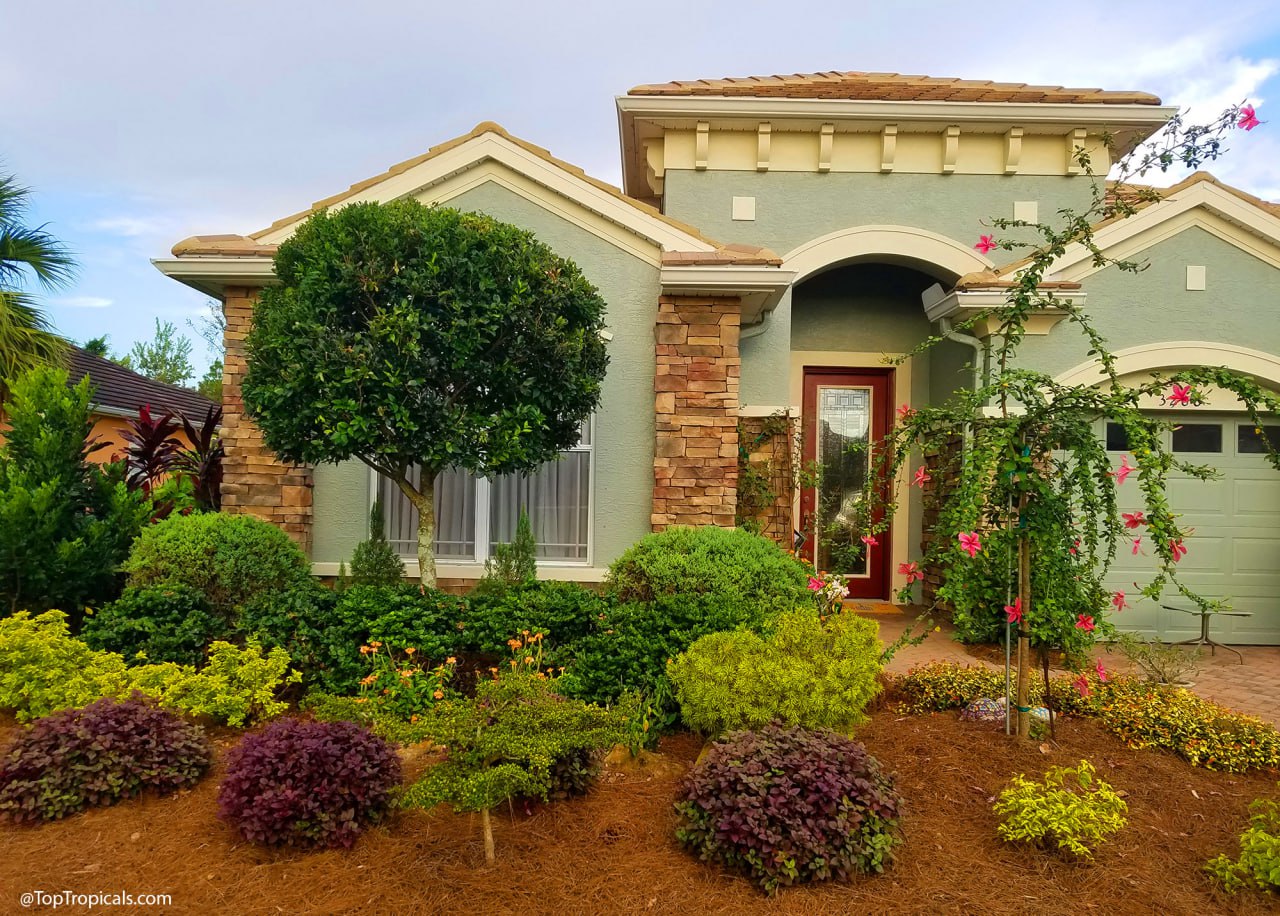
Landscaped yard in Florida

Landscaped yard in Florida

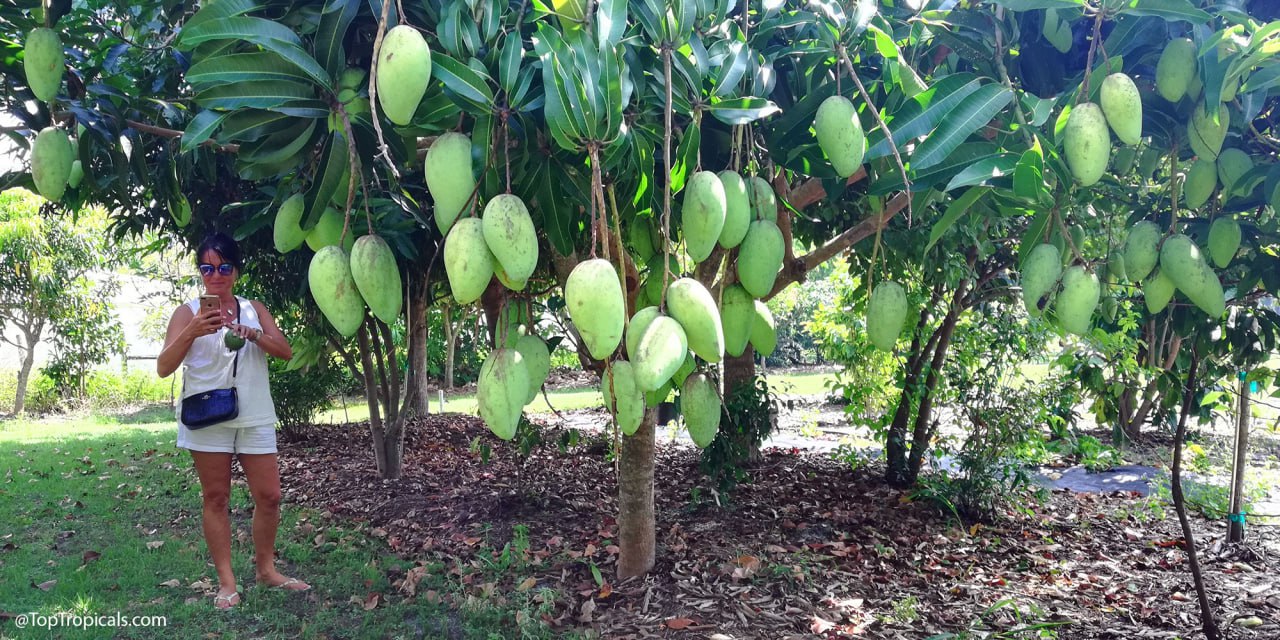
Mango tree fruiting in the garden

Mango tree fruiting in the garden

Do Fruit Trees Increase Property Value? Tropical Plants That Pay Off 🏡

Can your backyard pay for itself? Learn which 12 tropical fruit trees real estate experts say are the smartest investment for your landscape. Discover how tropical fruit trees like mango and avocado add "edible equity" and curb appeal to your property, making it more desirable to future buyers. Turn your yard into a private paradise that lowers grocery bills and boosts home value.

In warm climates like Florida, a mango tree isn't just landscaping - it’s a food-producing asset. Mature tropical fruit trees offer "edible equity," saving homeowners hundreds in grocery bills while creating a unique, memorable aesthetic for buyers.
  • 🥭 1. Focus on "Instant Recognition" Favorites


    Trees buyers already know and love provide the strongest ROI. They signal that the yard is already productive - something new builds can’t offer.

  • •  Top Picks: Mango, Avocado, Papaya, Banana, Guava, and Loquat.
  • •  The Value: A single mature avocado or mango tree can yield hundreds of pounds of fruit annually.


🥭 2. Create a "Memorable Discovery" with Exotic Varieties


Unusual fruits turn a standard yard into a tropical orchard, acting as a conversation piece during home tours.
  • •  The Exotic List: Jackfruit, Sugar Apple, Soursop, Sapodilla, Ice Cream Bean, and Star Fruit.


🥭 3. Strategic Placement for Energy Savings


Large-canopy trees like jackfruit or mango do more than provide food; they act as natural insulation.
  • •  Natural Cooling: Strategic planting reduces afternoon sun exposure and lowers AC costs.
  • •  Indoor/Outdoor Flow: Use trees to frame window views, block neighbors, and create private "outdoor rooms."


🥭 4. The Power of the "Mini Orchard"


A collection of 3–5 trees creates a stronger emotional pull than a lone plant. Buyers begin to visualize a lifestyle of smoothies and harvests.
  • •  Winning Combos: Mango + Avocado + Papaya or Guava + Star Fruit + Banana.


🥭 5. Maintenance: Health Equals Value


Fruit trees only add value if they look manageable. A neglected tree suggests a neglected home.
  • •  Pre-Sale Prep: Prune for tidiness, mulch the base, and clear fallen fruit.
  • •  Spacing Matters: Avoid overcrowding; ensure buyers can walk comfortably through the yard without feeling "closed in."


🥭 The Long-Term Play


Unlike decorative plants that may need frequent replacement, fruit trees appreciate over time. Because a mango tree takes years to reach peak production, the best time to plant for future resale value is now. By the time you list, your yard will offer shade, privacy, and a harvest that buyers find hard to resist.

🛒 Start Growing Your Edible Equity - Find the Perfect Fruit Tree for Your Yard

📚 Learn more:

Plant Facts

Mangifera indica
Mango
USDA Zone: 9-11
Large tree taller than 20 ftSmall tree 10-20 ftFull sunModerate waterYellow, orange flowersPink flowersEdible plantSeaside, salt tolerant plant

Mango trees in Plant Encyclopedia

#Food_forest #How_to #Discover

🟢 Join 👉 TopTropicals

Date: 24 Mar 2024

Bauhinias: trees with Orchid Flowers
and Butterfly Wings...

Bauhinia  variegata  -  Purple  Orchid  Tree

Photo above: Bauhinia variegata - Purple Orchid Tree, one of the most spectacular varieties.

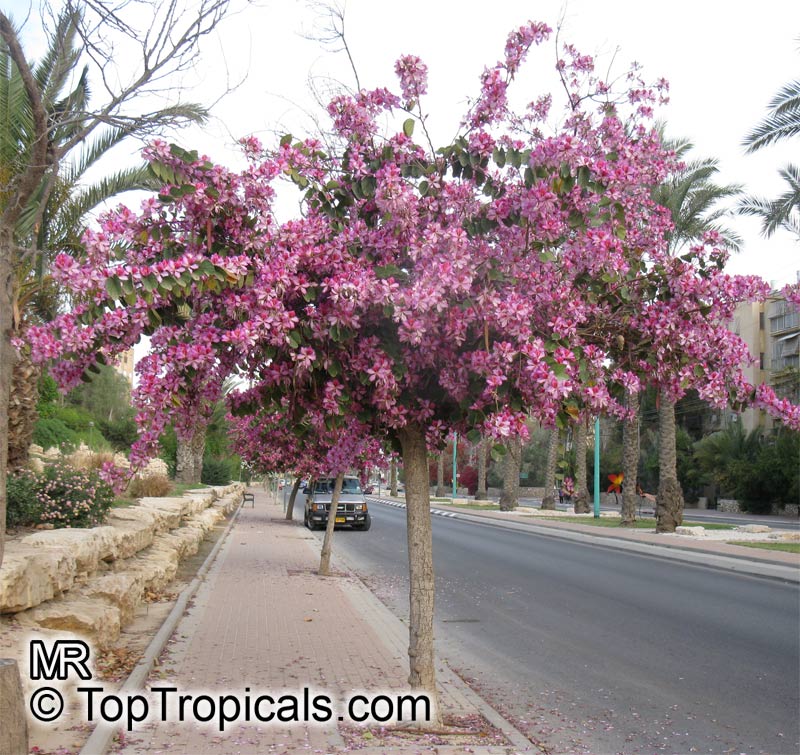
Q: We just moved to Florida and I see these beautiful trees with large purple flowers. I was told these are Orchid trees, do you have them?

A: Bauhinias, commonly known as Orchid trees, are renowned for their captivating flowers and unique foliage. These trees typically grow to a moderate height of 15-25 feet with a spread of 10-15 feet, showcasing a rounded to vase-like shape. Thriving in hardiness zones 9-11, they exhibit resilience to heat and can withstand mild frost. There are over 300 species of Bauhinia, which are distributed in tropical and subtropical areas. These species vary in characteristics such as size, foliage, and flower color, contributing to the diversity and appeal of this genus. You can find them as trees, shrubs, and even vines.

Bauhinias are evergreen (in tropics) to semi-deciduous (in cooler climates), offering year-round beauty with intermittent blooming cycles. The peak bloom time varies depending on the species and location, often occurring in late winter to early spring, bedecking the tree with striking orchid-like flowers in hues ranging from white and pink to purple and red. The flowers boast delicate petals with intricate patterns, resembling the elegance of true orchids.

One of the distinguishing features of Bauhinia leaves is their unique bi-lobed or bilobed structure, which gives them a distinct appearance. The leaves are deeply divided, typically into two lobes or halves, hence the common name "Butterfly tree" due to their resemblance to butterfly wings. This characteristic is often used as an identifying trait for Bauhinia species. The bilobed leaves add to the visual appeal of the tree, contributing to its ornamental value in addition to its beautiful flowers.

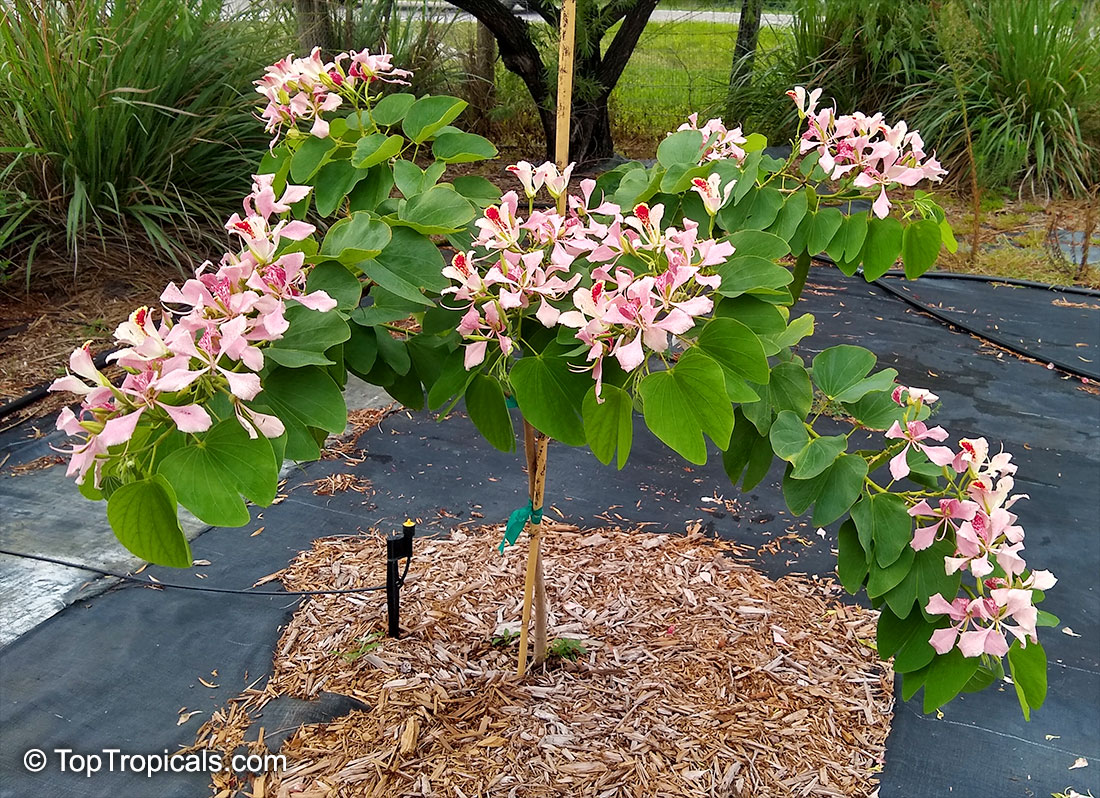
Bauhinia  monandra  -  Napoleons  plume

Photo above: Bauhinia monandra - Napoleons Plume, starts flowering in small size. This one is very beautiful but the most cold sensitive and should be grown in pots in areas with winter freeze. It will happily bloom in container!

Low-maintenance by nature, Bauhinias require minimal upkeep. Annual feeding with a balanced fertilizer enhances growth and flowering. Pruning is generally optional but can be done in late winter or spring, after flowering, to maintain shape or remove dead or damaged branches. These trees thrive in full sun, preferring well-drained soil. With their enchanting blooms and easy care requirements, Bauhinia orchid trees are a delightful addition to any landscape, and a colorful specimen for tropical winter gardens.

In addition, Orchid trees grow fast and provide excellent shade. They can make a shady spot in your garden in no time, giving relief from the hot sun. This is really valuable, especially in places where it gets very hot. So, not only are Orchid trees pretty to look at with their lovely flowers, but they're also great for keeping you cool!

Read more about Bauninias:
Bauihnias: Orchid trees with Butterfly flowers... and leaves

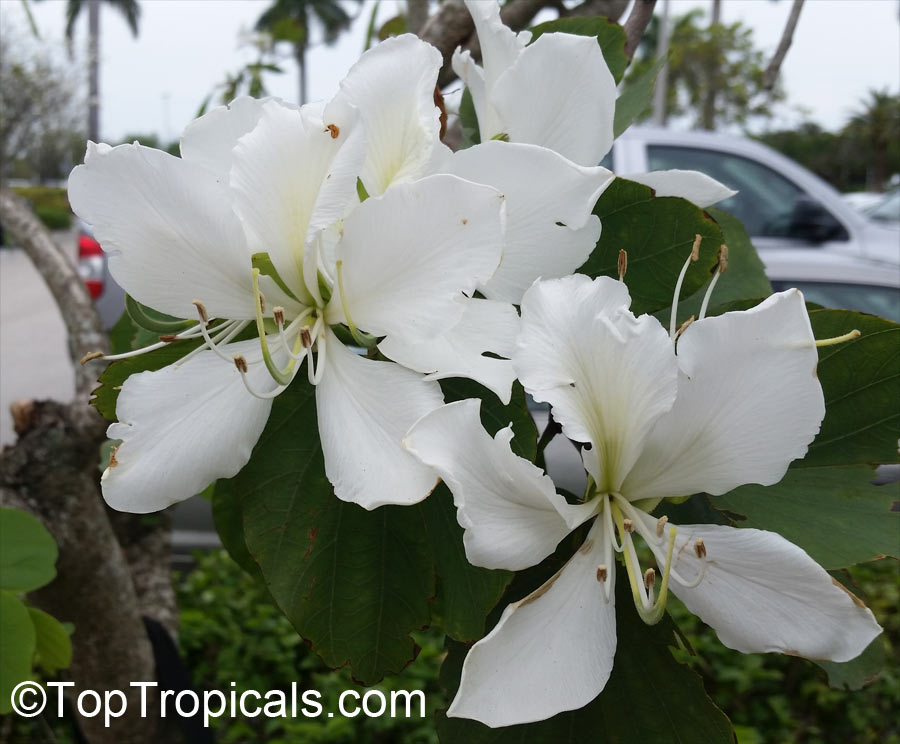
Bauhinia  x  alba  (candida)  -  White  orchid  tree

Photo above: Bauhinia x alba (candida) - White orchid tree, the most cold hardy variety that can take light freeze once established.

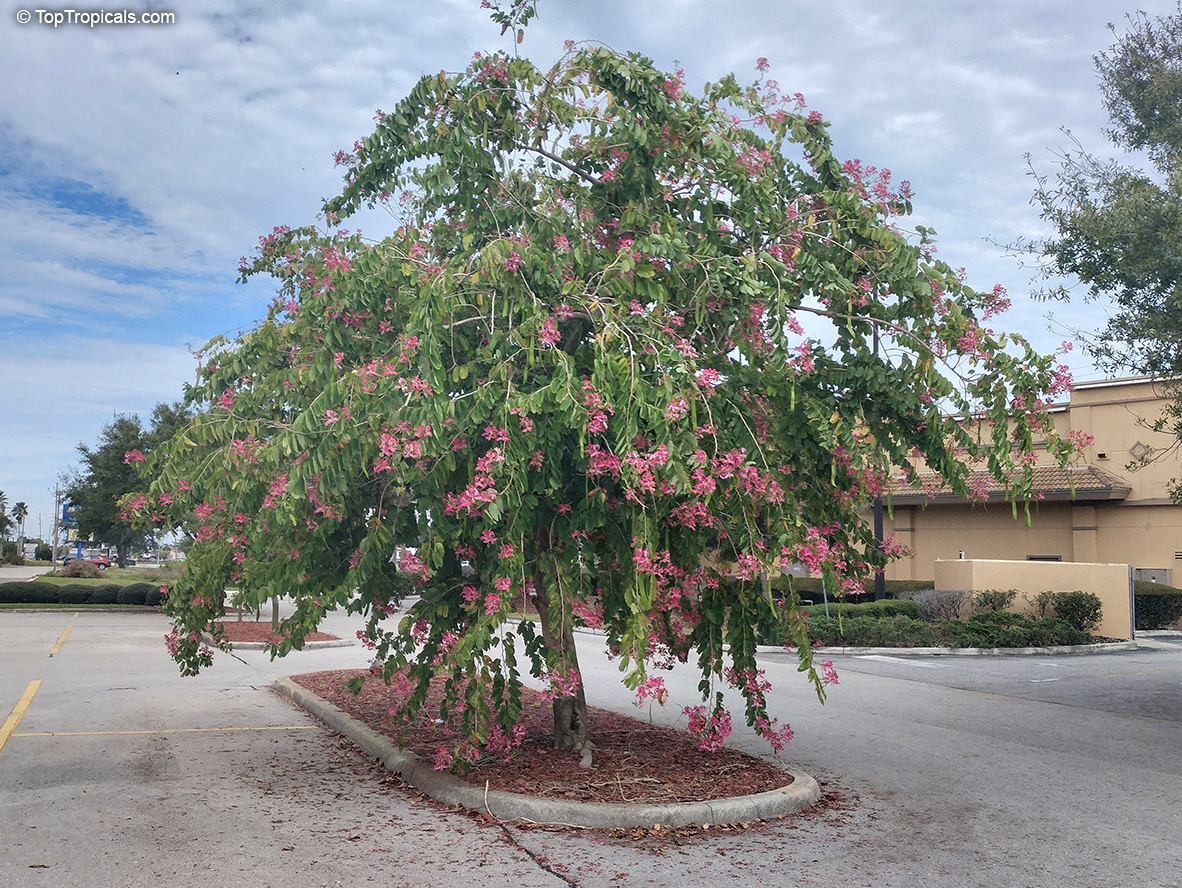
Bauhinia  purpurea  -  Purple  Orchid  Tree

Photo above: Bauhinia purpurea - Purple Orchid Tree, one of the most popular and easy trees in Southern landscapes.