Date: 2 May 2020
Which fertilizer is right?
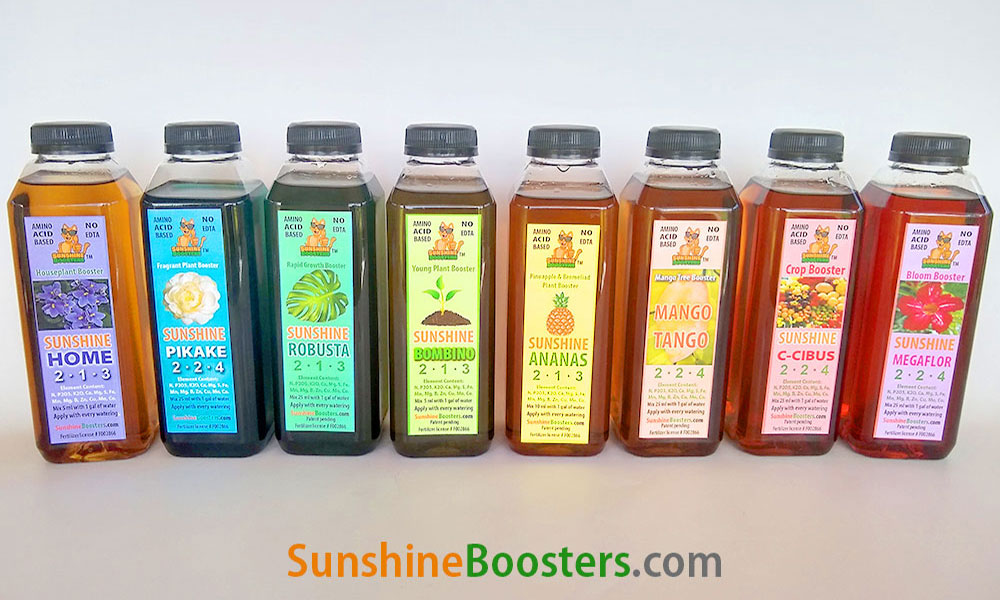
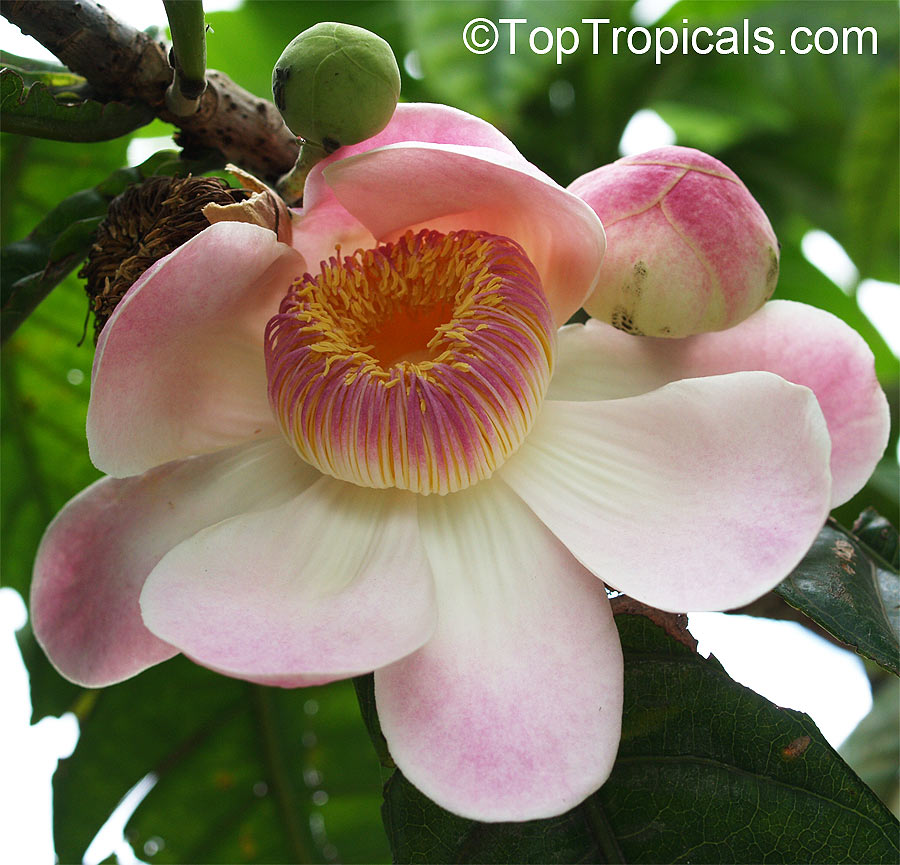
Q: I need some advice on which fertilizer(s) would be perfect for my C​annonball tree and its cousin Heaven's Lotus (Gustavia augusta). ​I also have fruit trees... soursops, mango, etc. and a collection of flowers including pua keni keni, plumeria, bougainvillea, etc. I am wondering if you can recommend a custom fertilizing regimen for my garden (especially the cannonball and the gustavia since they are young).
A: It is a perfect time now to fertilize your plants as they start active growth. We have suggestions on fertilizing programs for your trees. You will find here our recommendations for:
1. Young trees
2. Flowering trees
3. Fragrant plants
4. In-ground grown fruit trees... CONTINUE READING >>

Date: 3 Aug 2019
Grafted or seedling?
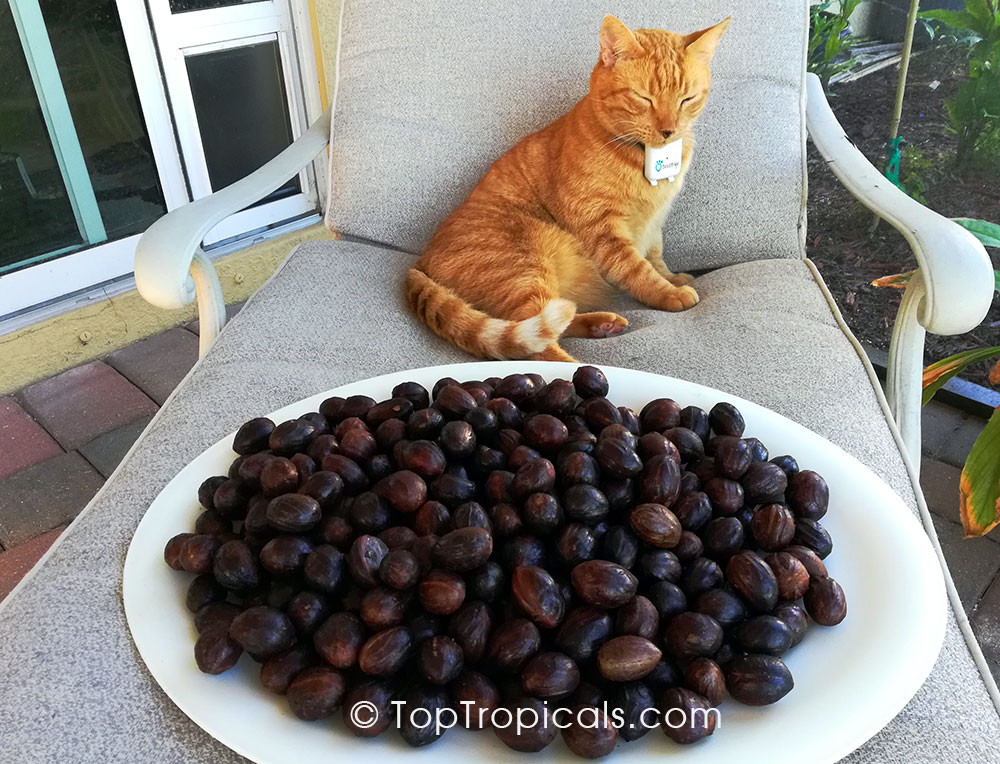
Photo: Mr Barcy meditating before planting Nutmeg seeds
Q: I planted an avocado seed and it sprouted quickly, it has been only a couple months and I already have a small plant. How soon will it produce fruit? Can I grow other tropical fruit from seed?
A: Unfortunately, some fruit trees, including varieties of
avocado, mango, lychee, as well as apples and peaches - must be either grafted or
air-layered in order to produce, for 2 main reasons:
- seedlings may take a very long time until fruiting, up to 10-15 years
- seedling gives no guarantee on the quality of the fruit or variety
These fruit trees should be propagated as "clones" - both grafted
material or cuttings are actually copies of the mother plant and will keep the
same fruit qualities. Grafted trees usually start producing immediately.
However there is a number of fruit trees that come true from seed, and
take a very short time to start flowering. Jackfruit, Annonas (Sugar Apple, Guanabana, etc), Papaya, Icecream Bean, Eugenias start producing at a young age (3-4 years from seed).
Recommended fertilizers for fruit trees:
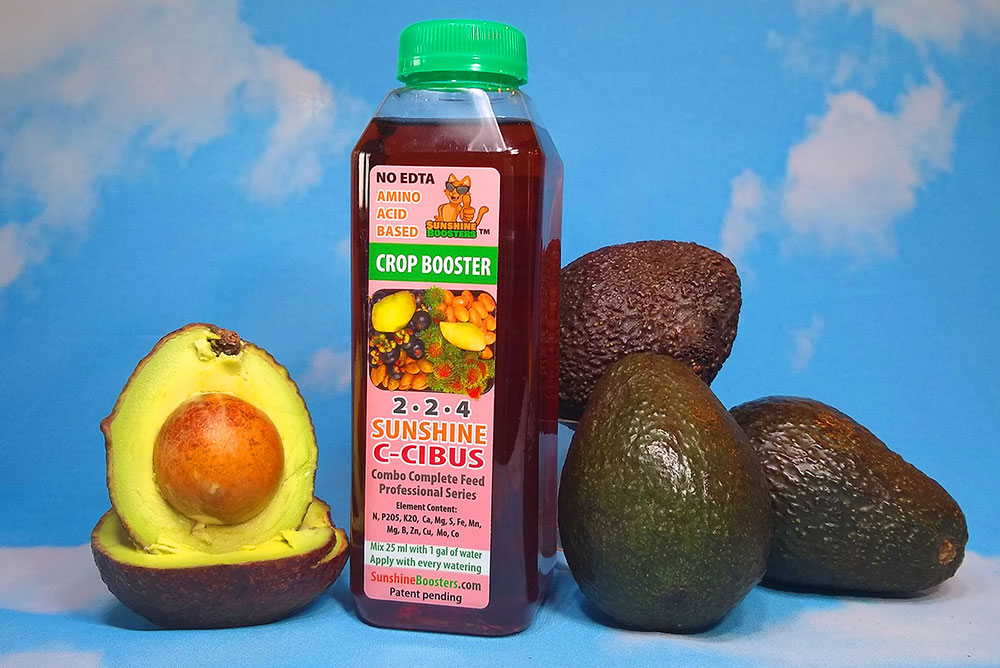
Fruit Festival Plant Food - Super Crop Booster
Mango-Food - Smart Release Fruit Tree Booster
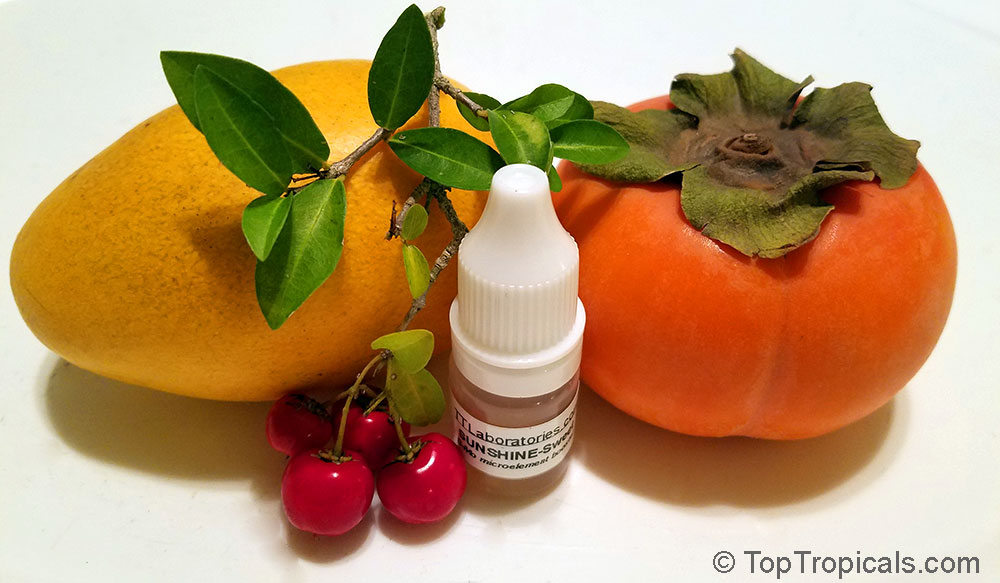
SUNSHINE-Honey - for sweeter fruit
SUNSHINE SuperFood - microelement supplement

Date: 22 Mar 2026
Do Fruit Trees Increase Property Value? Tropical Plants That Pay Off
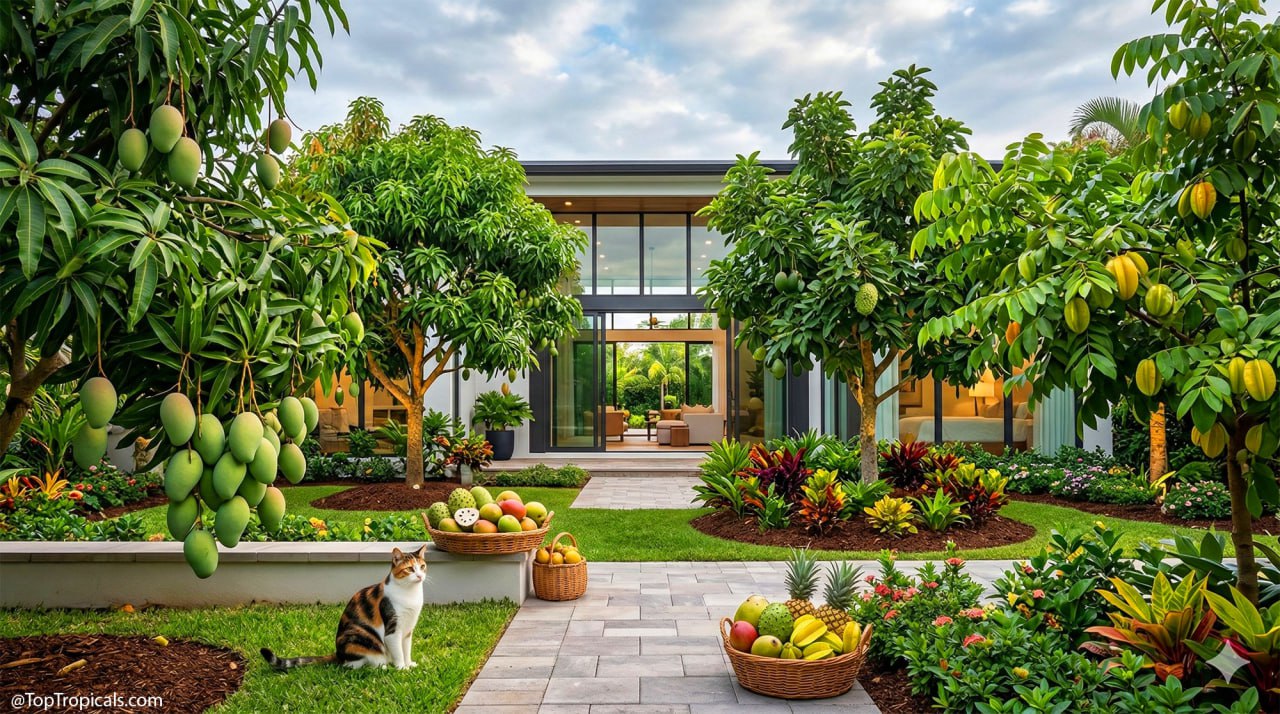
Yard with fruiting tropical trees
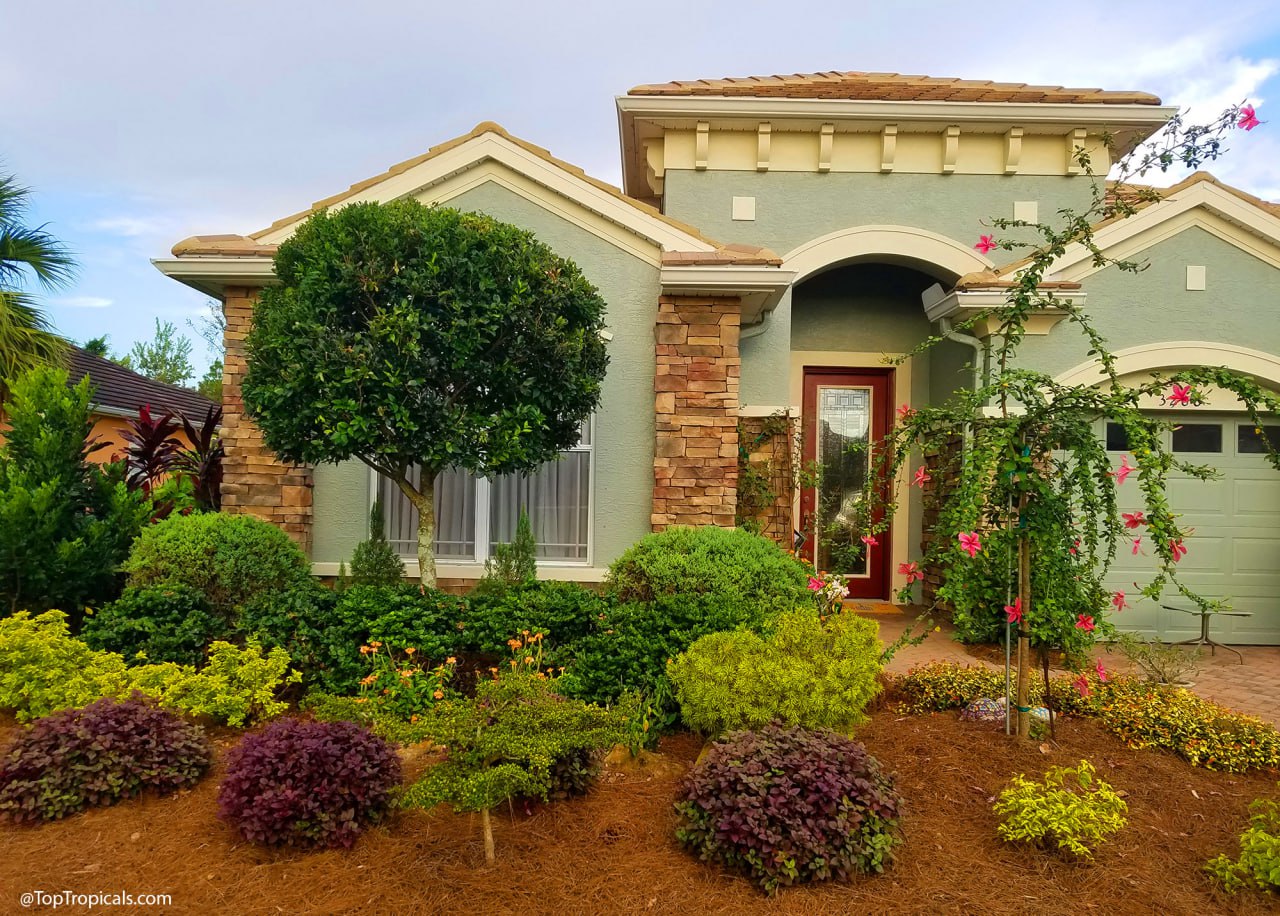
Landscaped yard in Florida
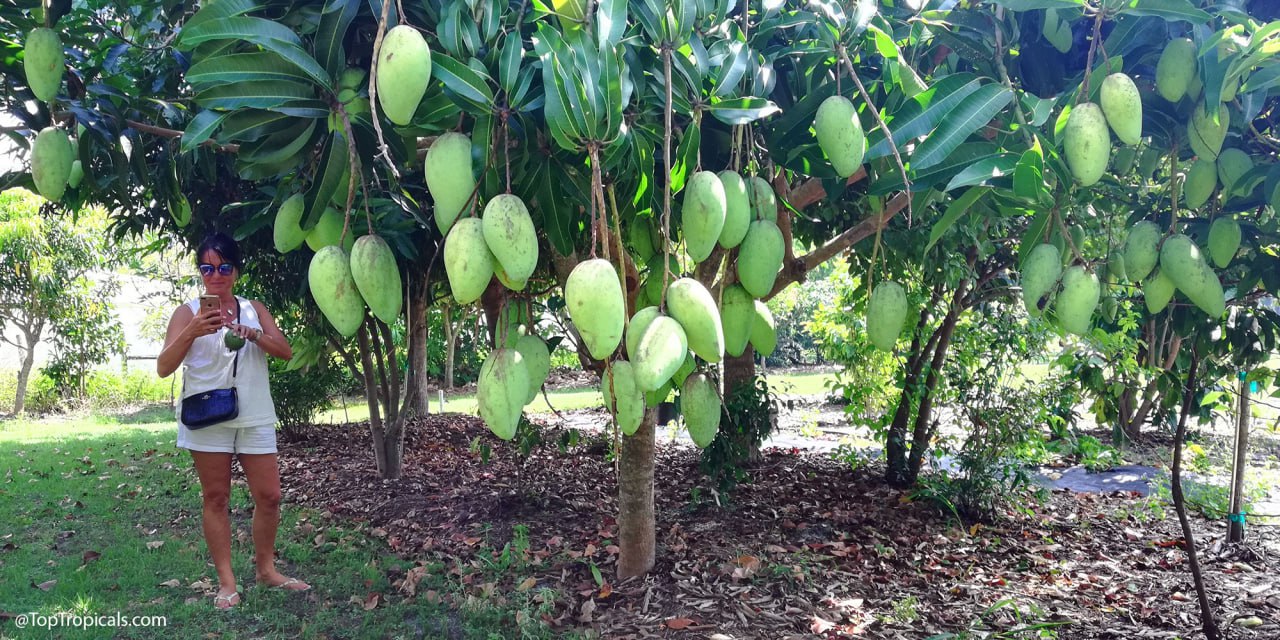
Mango tree fruiting in the garden
Can your backyard pay for itself? Learn which 12 tropical fruit trees real estate experts say are the smartest investment for your landscape. Discover how tropical fruit trees like mango and avocado add "edible equity" and curb appeal to your property, making it more desirable to future buyers. Turn your yard into a private paradise that lowers grocery bills and boosts home value.
In warm climates like Florida, a mango tree isn't just landscaping - it’s a food-producing asset. Mature tropical fruit trees offer "edible equity," saving homeowners hundreds in grocery bills while creating a unique, memorable aesthetic for buyers.
🥭 1. Focus on "Instant Recognition" Favorites
Trees buyers already know and love provide the strongest ROI. They signal that the yard is already productive - something new builds can’t offer.
- • Top Picks: Mango, Avocado, Papaya, Banana, Guava, and Loquat.
- • The Value: A single mature avocado or mango tree can yield hundreds of pounds of fruit annually.
🥭 2. Create a "Memorable Discovery" with Exotic Varieties
Unusual fruits turn a standard yard into a tropical orchard, acting as a conversation piece during home tours.
- • The Exotic List: Jackfruit, Sugar Apple, Soursop, Sapodilla, Ice Cream Bean, and Star Fruit.
🥭 3. Strategic Placement for Energy Savings
Large-canopy trees like jackfruit or mango do more than provide food; they act as natural insulation.
- • Natural Cooling: Strategic planting reduces afternoon sun exposure and lowers AC costs.
- • Indoor/Outdoor Flow: Use trees to frame window views, block neighbors, and create private "outdoor rooms."
🥭 4. The Power of the "Mini Orchard"
A collection of 3–5 trees creates a stronger emotional pull than a lone plant. Buyers begin to visualize a lifestyle of smoothies and harvests.
- • Winning Combos: Mango + Avocado + Papaya or Guava + Star Fruit + Banana.
🥭 5. Maintenance: Health Equals Value
Fruit trees only add value if they look manageable. A neglected tree suggests a neglected home.
- • Pre-Sale Prep: Prune for tidiness, mulch the base, and clear fallen fruit.
- • Spacing Matters: Avoid overcrowding; ensure buyers can walk comfortably through the yard without feeling "closed in."
🥭 The Long-Term Play
Unlike decorative plants that may need frequent replacement, fruit trees appreciate over time. Because a mango tree takes years to reach peak production, the best time to plant for future resale value is now. By the time you list, your yard will offer shade, privacy, and a harvest that buyers find hard to resist.
🛒 Start Growing Your Edible Equity - Find the Perfect Fruit Tree for Your Yard
📚 Learn more:


Mango trees in Plant Encyclopedia
#Food_forest #How_to #Discover
🟢 Join 👉 TopTropicals
Date: 24 Jun 2018
Full Sun Garden vs Shade Garden
"Someone is sitting in the shade today because someone planted a tree a long time ago." (Warren Buffett)
Q: I live in California and I have a large area of my garden in full shade. Are there any plants that will be happy there? I am looking for something colorful. I also have a smaller area in front of the house that has full sun almost all day long, but I am afraid this can be too hot for flowering plants? Can you recommend something?
A:
Full sun gardens have a strong, bright look while shade
gardens have cooler, subdued appearance. Both types of
gardens are fun to design and maintain as long as you pick
the right plants.
Full Sun Garden is the easiest to grow. Depending
on exposure, it may require some plants that can tolerate
the hottest summer days and the dry conditions in your
area. The good news is, the majority of tropical and
subtropical plants prefer full sun, so you have a large
selection to pick from - fruit trees, flowering trees,
shrubs, vines, and small perennials. The more sun, the
more flowers and fruit you will get! However, keep in mind
that sun gardens require more water, but generous mulching
will help to minimize watering.
Shade Garden is much more restful in appearance,
but sometimes may be a little more difficult to work with.
As shade trees grow bigger and thicker, it may become too
dark; nothing will grow in total darkness. In this case
you need to prune back some branches to let more light in.
Filtered sunlight or dappled light coming through the
leaves of the trees is beneficial and considered light
shade, which would be the best light conditions for shade
loving plants to thrive. Although shady cooler spaces
attract more insects and will require more attention to
control them, they also have some advantages over sun
gardens. You can enjoy working in cooler conditions, and
your garden will require less water. Many foliage plants
look more deeply colored and healthier than in full sun;
white flowers shine instead of looking washed out!
Our favorite shade plants are fragrant brunfelsias , clerodendrums, and of course
colorful gingers and heliconias. You
may also consider ornamental foliage of Calatheas, lush Alocasias, Colocasias, and colorful Cordylines. Check out our shade loving plant list for
more colorful suggestions. These are also great for indoor
gardens!
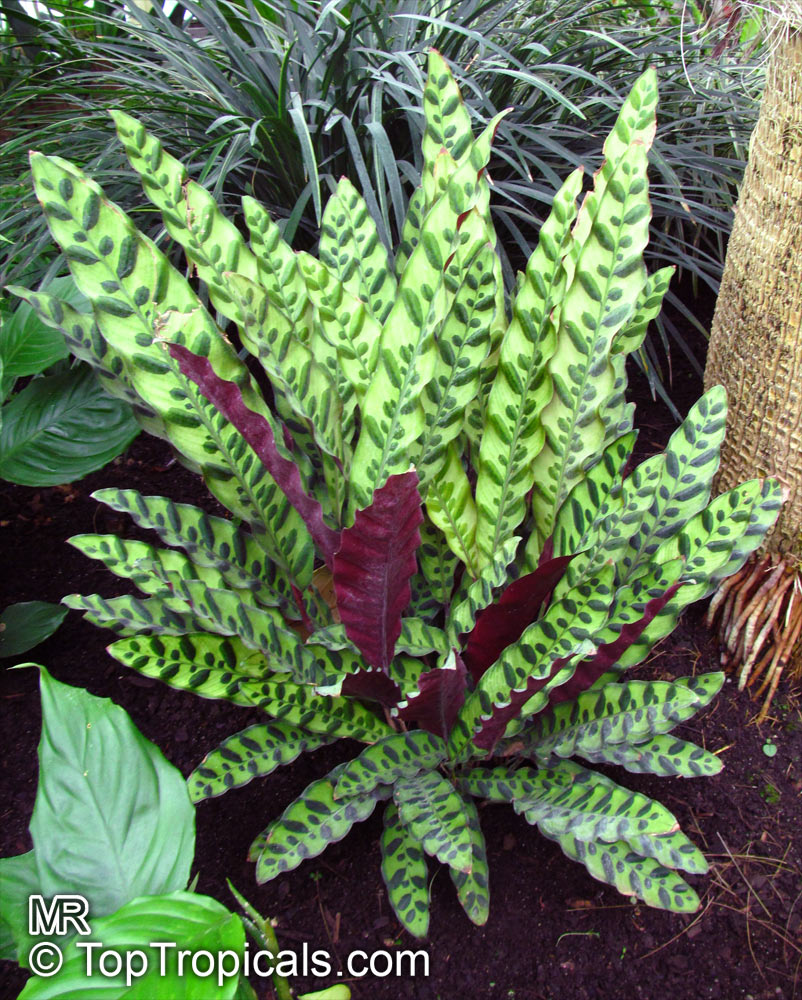
On the photo: Calathea lancifolia Rattlesnake

Date: 18 Feb 2021
Healthy Plants - Q&A from Mr Booster: Feeding Avocado Tree

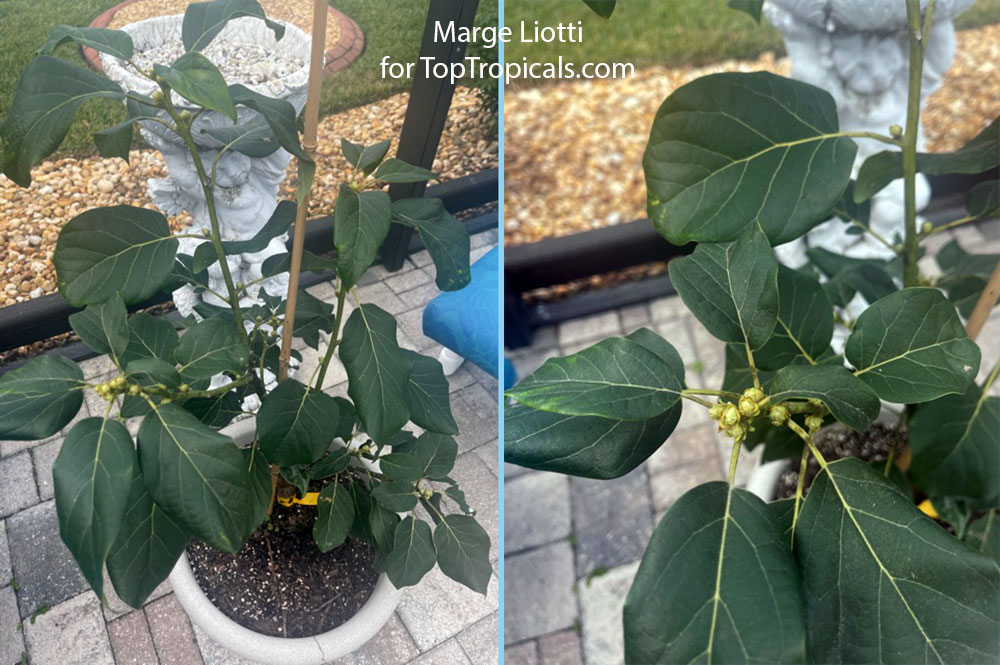
Q:We bought one of your avocado grafts and it's doing great, lots of buds for fruit. It's still in a pot and fertilizing with the Sunshine Boosters. Should we continue with this product? We'll plant it in the ground in March. Thought you'd enjoy pictures of our wonderful tree. No freezing temperatures in Riverview, but when it got down into the 30s, the plant came in. One good thing about growing in the pot. I'll be buying some more Sunshine Boosters. This stuff is working great on all our plants.
A: Congratulations with a good job on growing avocado over
winter. Avocado trees are not easy, we are happy to hear that your plant is ready
for production, this is amazing! We've noticed that Sunshine Boosters perform
miracles. Here are some suggestions for you:
1) Continue fertilizing with Sunshine Boosters according to the feeding chart
2) When ready to plant, dig a large hole and fill it with good soil full of
organic matter (compost mixed with existing sandy soil will be good). Make
sure to plant the tree on 3-4"high elevation, like on a little hill. Avocados
need perfect drainage and can't tolerate wet feet. See more info on planting and planting instructions (pdf).
3) Water daily with a hose, do not rely on sprinklers. Avocados like water
(considering perfect drainage)
4) Continue applications of Sunshine Boosters at least until the tree is established and starts
growing new branches with lots of leaves. After that, you can switch to
slow-release fertilizers once a month if it makes it easier, but if you can, continue
Sunshine Boosters at least on weekly basis - they really boost plant growth!