Garden Blog - Top Tropicals

Date: 12 May 2026

The strange tropical plant that eats bugs - and gardeners cant stop collecting
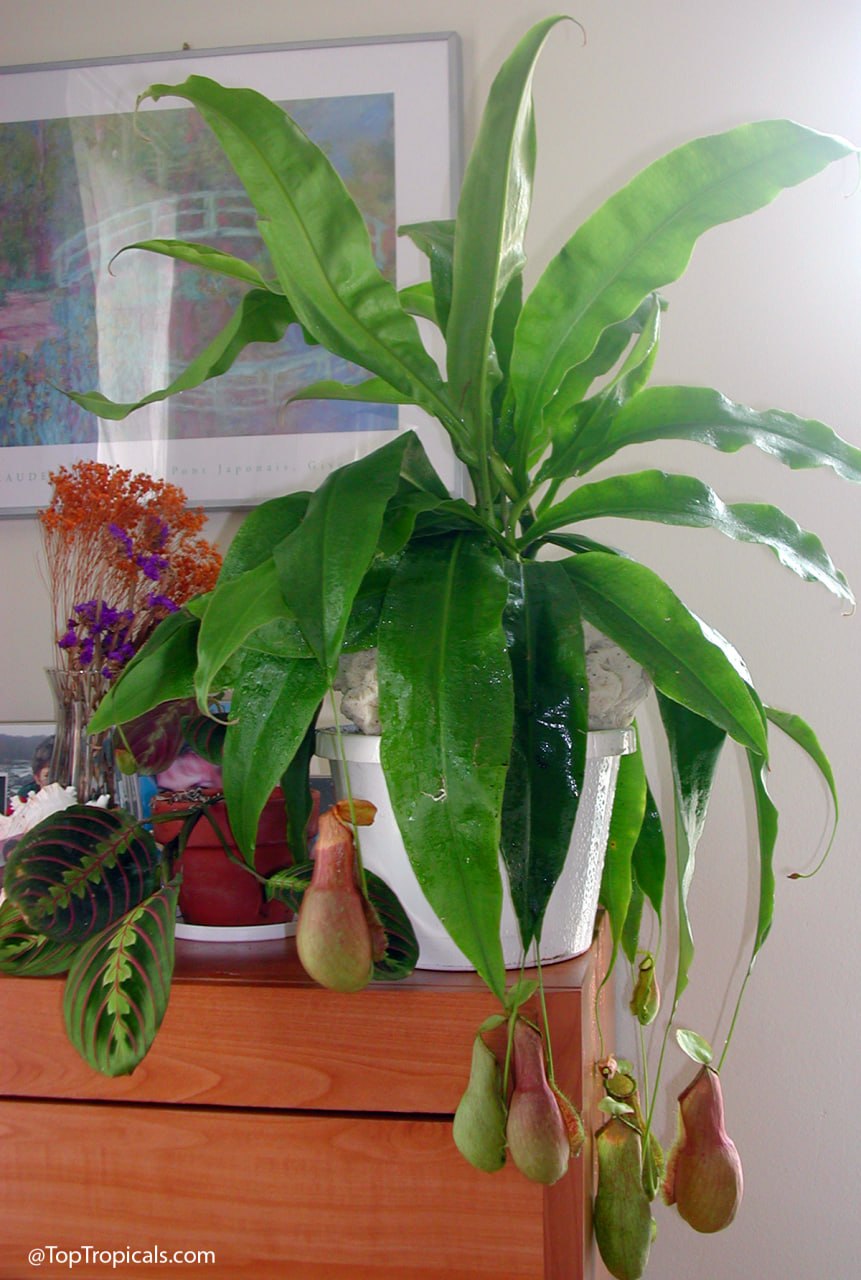
Nepenthes - Pitcher Plant
Nepenthes - Pitcher Plant

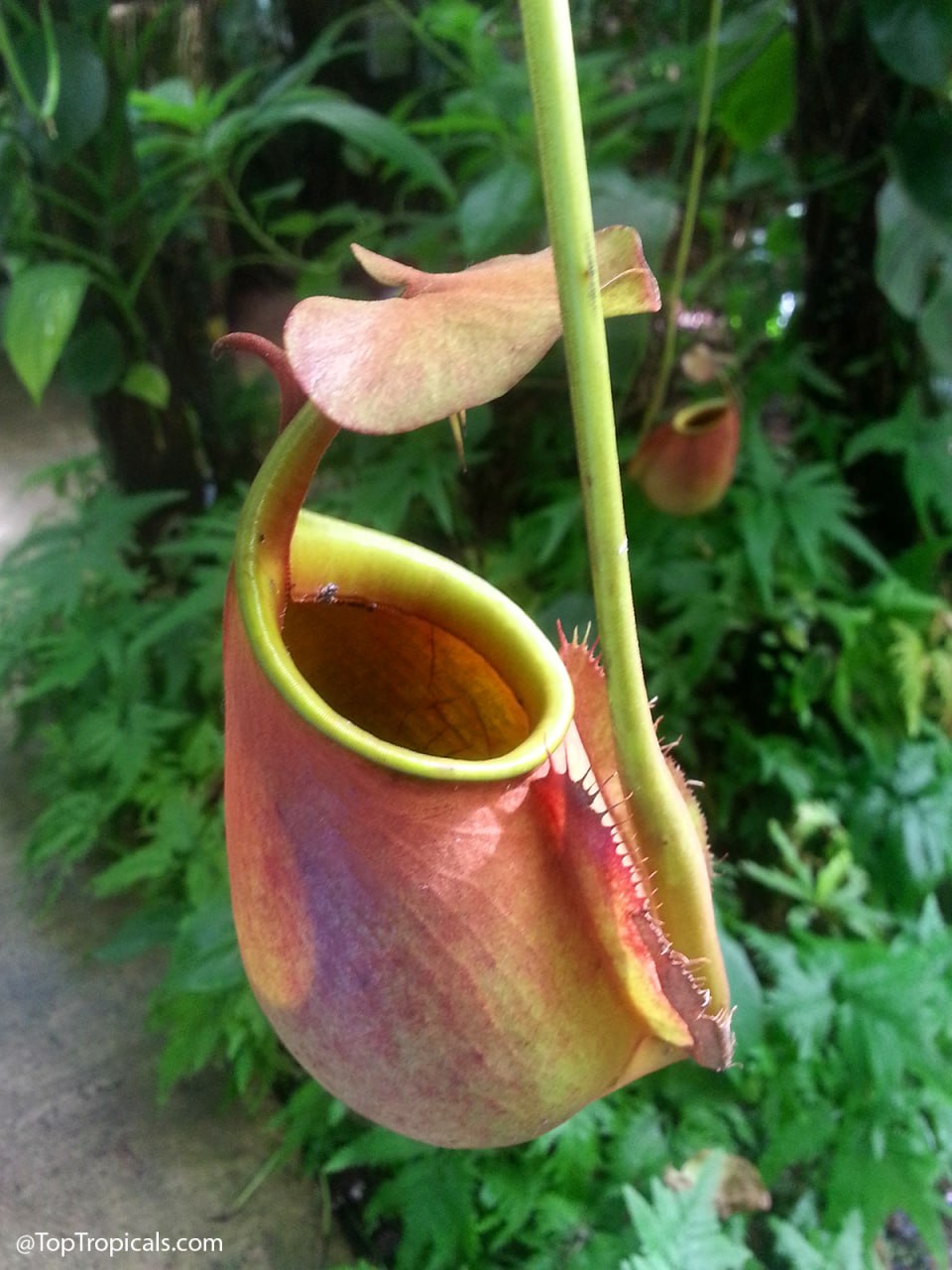
Nepenthes - Pitcher Plant close up
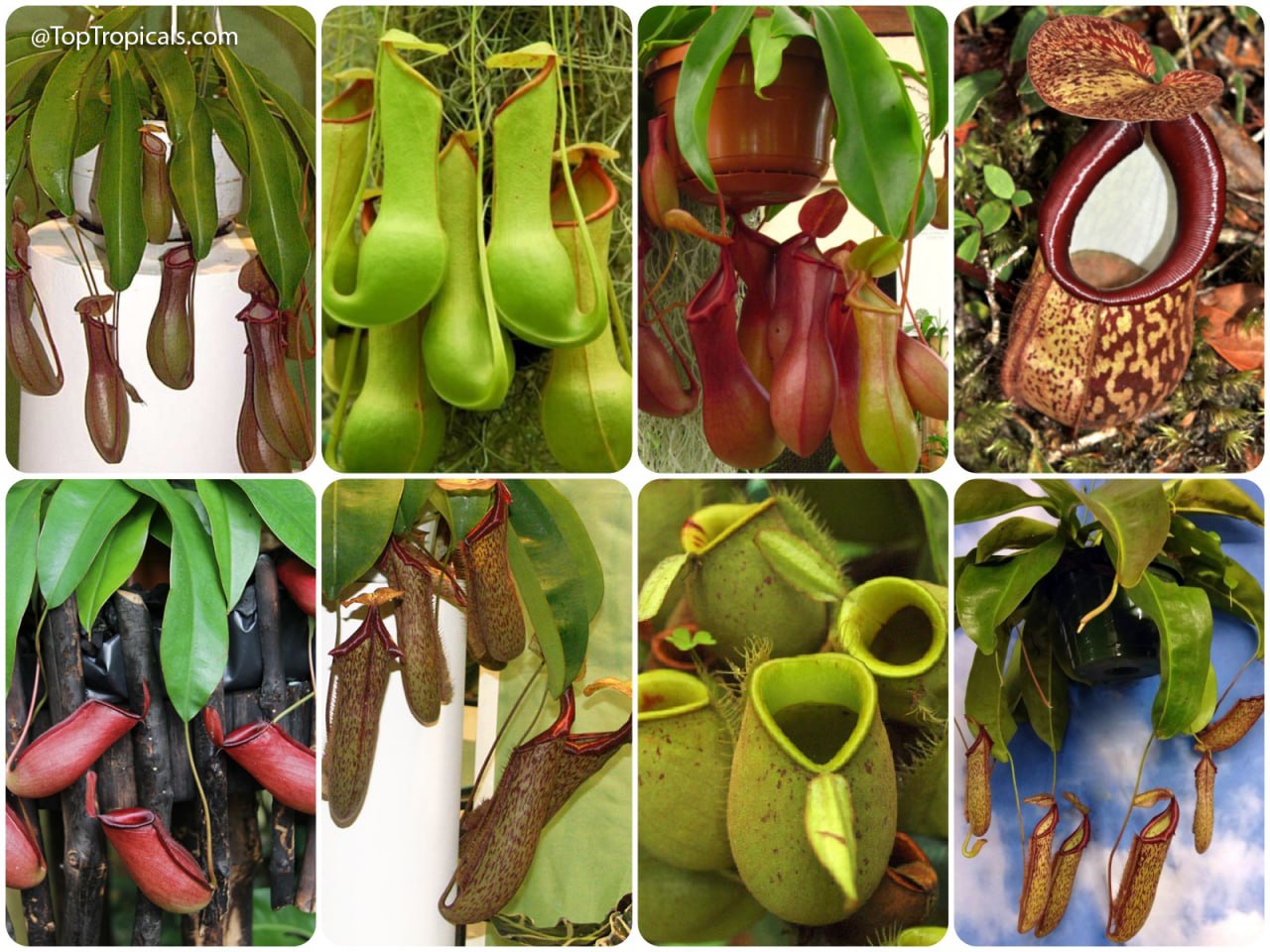
Nepenthes - Pitcher Plant close up

Nepenthes - Pitcher Plants collage

Nepenthes - Pitcher Plants collage

🐸 The strange tropical plant that eats bugs - and gardeners can't stop collecting


Nepenthes - tropical Pitcher Plants - look almost fake. Long vines and shiny leaves give way to colorful pitchers resembling exotic lanterns or sci-fi creatures. But these aren't flowers; they are sophisticated traps. Among the world's most fascinating carnivores, they lure insects into fluid-filled vessels to digest them for nutrients. Giant species can even trap small frogs or mice! 🐸🐭

🐱 Why pitcher plants look so unreal


Pitchers are modified leaves designed to attract prey with vibrant colors and nectar. Many feature dramatic stripes or flared, sculpted rims. The diversity is immense: compact species fit on windowsills, while jungle giants produce foot-long traps. Some thrive in steamy lowlands, others in misty mountains. Their digestive fluid can even become sticky and elastic, making escape impossible.

🐱 The plant that inspired engineering


These plants have inspired more than just gardeners. Their slippery surfaces led to "liquid-infused" materials used in anti-fogging and water-repelling tech. Engineers study them as nature’s original biological pitfall trap, a masterclass in biomimetic design.

🐱 Why collectors become obsessed with Pitcher plants


What starts as a curiosity often becomes an obsession. With hundreds of species and hybrids, pitchers can resemble cobra heads, wine goblets, or alien pods. Under bright light, they develop stunning hues of burgundy, orange, or candy-stripes. Because of their popularity, ethical hobbyists emphasize buying nursery-propagated plants to protect wild populations from poaching.

🐱 Surprisingly easier than people think


Despite their reputation, many hybrids thrive indoors with basic care. They need bright indirect light, high humidity, and excellent drainage. Crucially, they require mineral-free water (distilled or rainwater) and airy media like sphagnum moss. Regular potting soil or tap water can be fatal to these sensitive plants.

🐱 The pitchers are temporary - and that's normal


It is normal for old pitchers to dry up as the plant grows. Healthy Nepenthes constantly replace traps, often changing shape and color as they mature. This shape-shifting behavior makes them addictive to watch - one month it’s an ordinary vine, the next it’s a living rainforest documentary.

🛒 Ready to go carnivorous? Feed your curiosity - get one for your collection

📚 Learn more:

Winged Nepenthes Plant Facts

Botanical name: Nepenthes alata, Nepenthes graciliflora
Also known as: Winged Nepenthes, Pitcher Plant
USDA Zone: 9 - 10
Highligths Vine or creeper plantSmall plant 2-5 ftSemi-shadeWatering: Regular. Let topsoil dry slightlyEpiphyte plantUnusual color
Get personalized tips for your region

Nepenthes Pitcher plants in Plant Encyclopedia
Nepenthes: Deadly traps of Monkey Cups

#Container_Garden #Nature_Wonders

🟢 Join 👉 TopTropicals
Date: 9 May 2026

9 tough trees for hot, dry spots that actually thrive

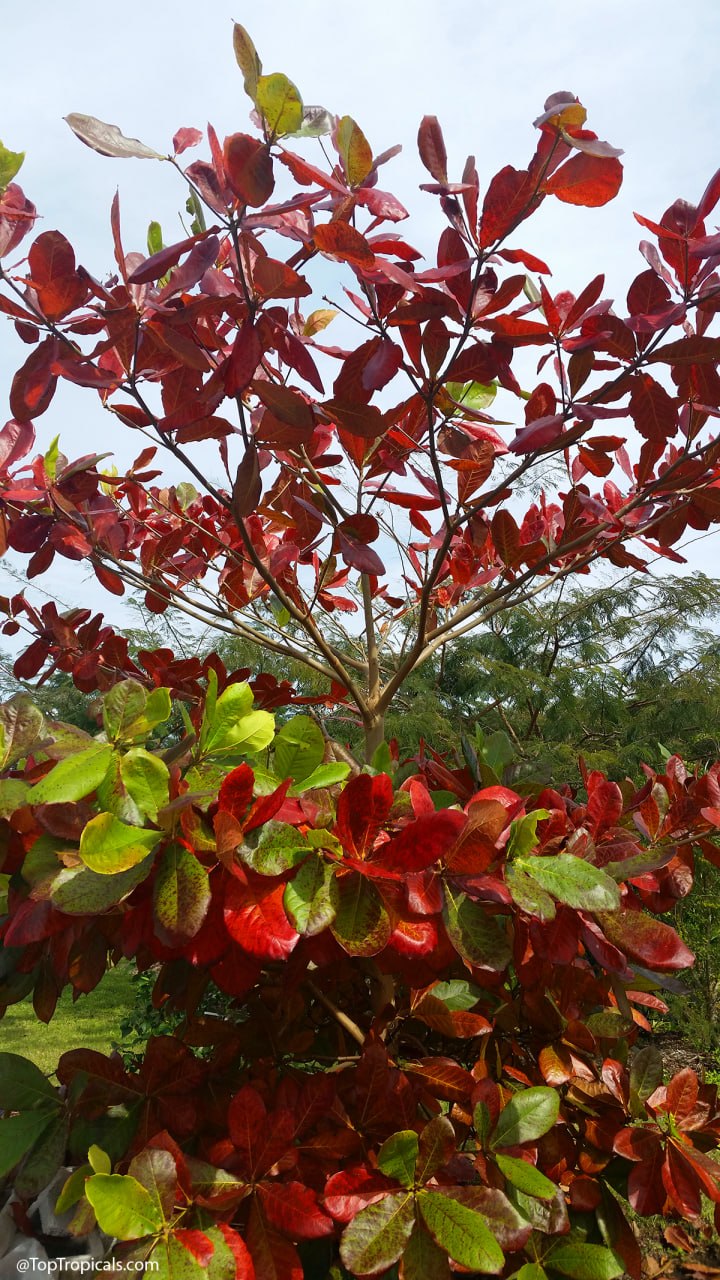
Tropical Almond - Terminalia catappa

Tropical Almond - Terminalia catappa

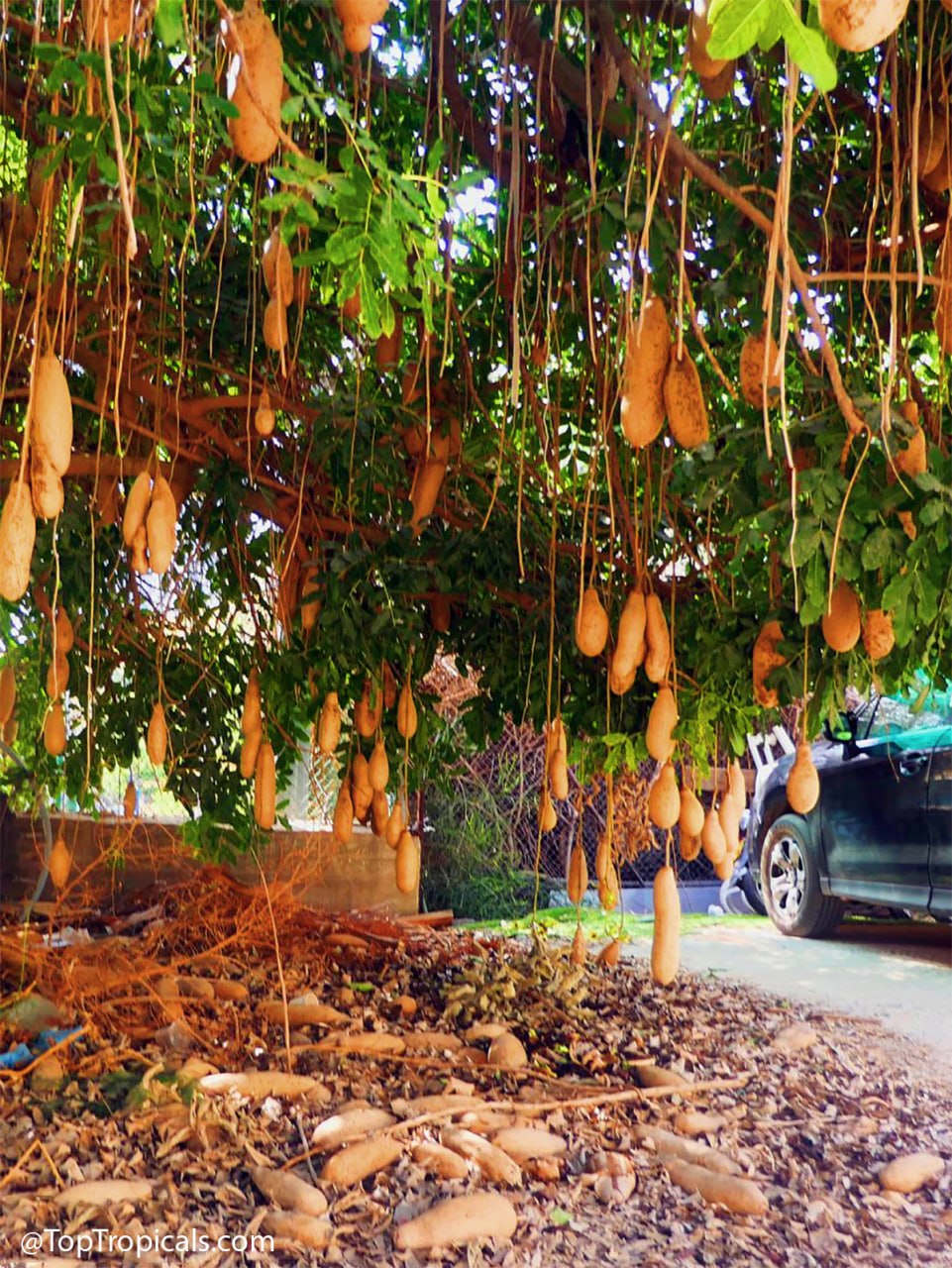
Sausage Tree - Kigelia pinnata

Sausage Tree - Kigelia pinnata

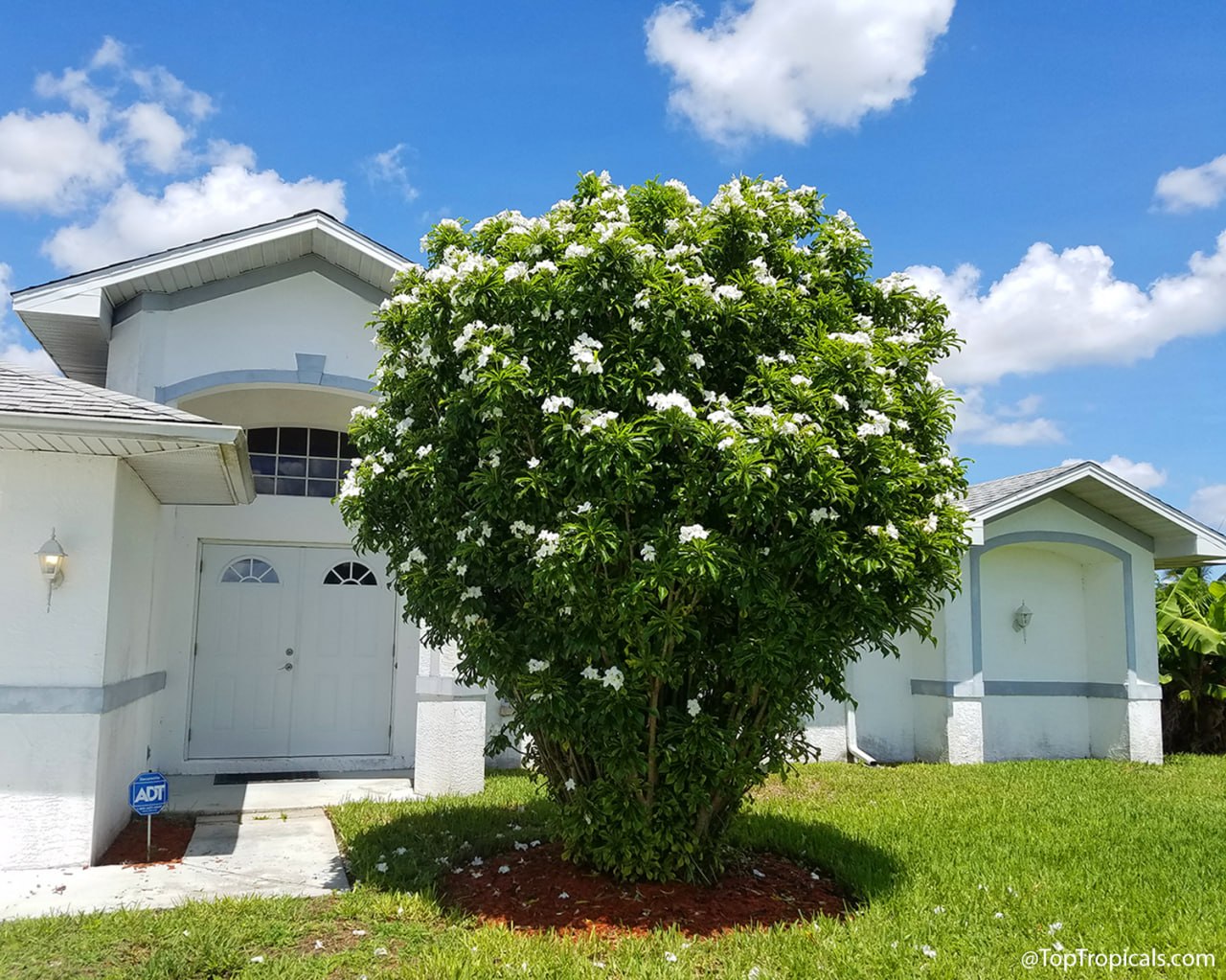
Plumeria pudica

Plumeria pudica

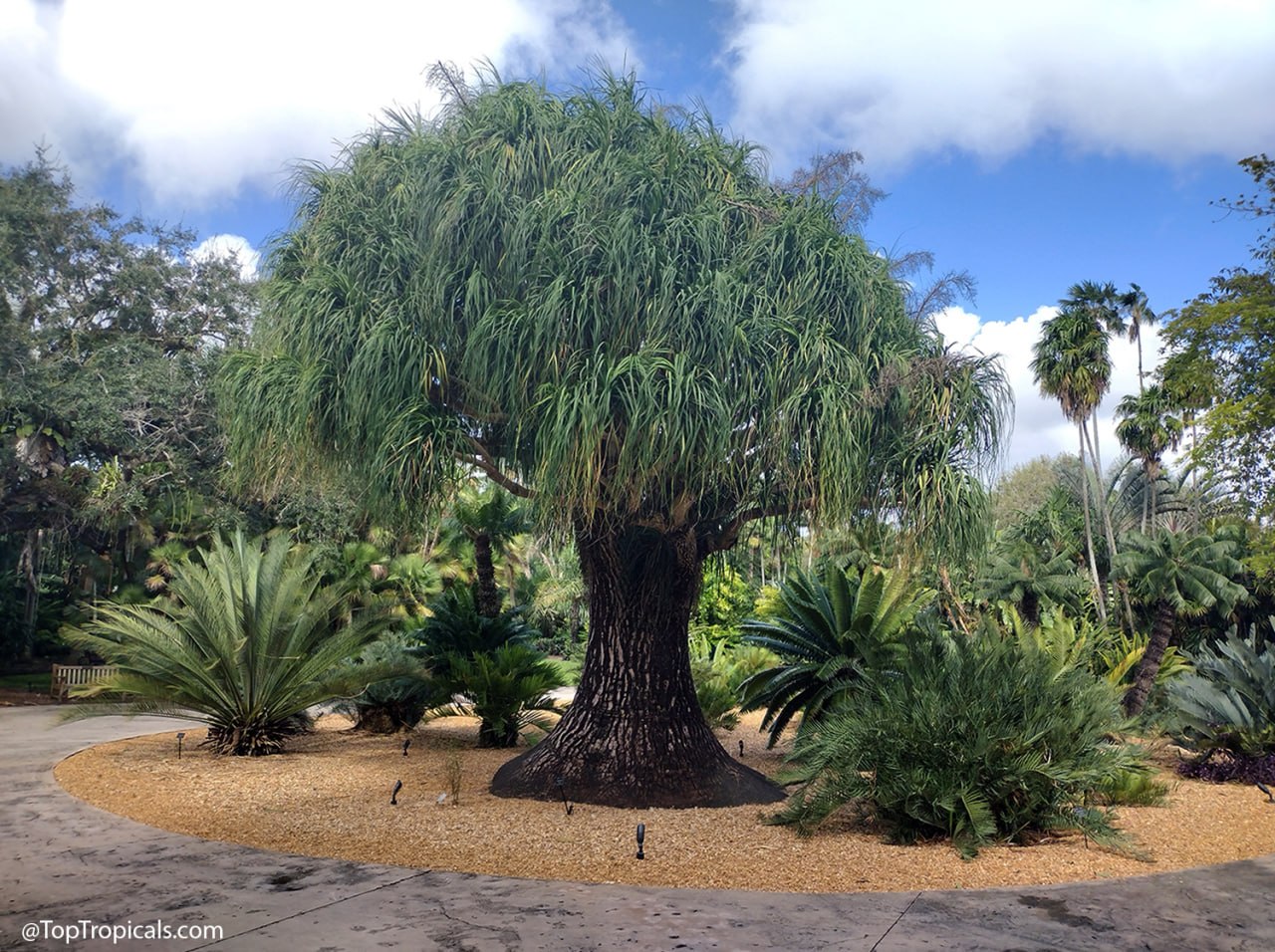
Pony Tail Palm - Beaucarnea recurvata

Pony Tail Palm - Beaucarnea recurvata

☀️ 9 tough trees for hot, dry spots that actually thrive


Why that one brutal spot in your yard never works? There’s always that one place - blazing sun, sandy or rocky soil, dries out fast, and everything you plant there struggles. In Florida, Arizona, and California, this isn’t rare - it’s the norm. The good news? Some trees don’t just tolerate it - they prefer it. Once established, these picks handle heat, drought, and neglect far better than typical landscape plants.
What makes these trees different? These are survivors. Many store water, have deep root systems, or evolved in dry climates. Translation - less watering, fewer losses, and a lot less frustration.


🔥 9 best trees for hot, dry spots


☀️ 1. Pony Tail Palm - Beaucarnea recurvata 📸
Not a true palm - it stores water in its showy, swollen trunk, making it incredibly drought tolerant and perfect for harsh, dry areas.

Ponytail Palm Plant Facts

Botanical name: Beaucarnea recurvata, Nolina recurvata
Also known as: Ponytail Palm, Pony Tail, Bottle Palm, Nolina, Elephant-foot Tree
USDA Zone: 10 - 11
Highligths Plant with caudexPlant used for bonsaiSmall tree 10-20 ftFull sunWater Requirement: Low. Allow soil to dry out between wateringsPalm or palm-like plant
Get personalized tips for your region
More details

☀️ 2. Monkey Ear Tree - Enterolobium cyclocarpum


A fast-growing shade tree with curious seed pods, surprisingly tough in heat and drought, with massive canopy benefits.

Monkey Ear Plant Facts

Botanical name: Enterolobium cyclocarpum
Also known as: Monkey Ear, Ear Pod Tree, Elephant Ear Tree, Eartree, Guanacaste Tree, Arbol de Guanacaste
USDA Zone: 9 - 11
Highligths Large tree taller than 20 ftFull sunWatering: Regular. Let topsoil dry slightlyWhite, off-white flowersDeciduous plantSubtropical plant. Mature plant cold hardy at least to 30s F for a short time
Get personalized tips for your region
More details

☀️ 3. Firebush - Hamelia patens
Technically a large shrub/small tree - thrives in heat, blooms nonstop, attracts butterflies, and handles dry conditions once rooted in.

Fire Bush Plant Facts

Botanical name: Hamelia patens
Also known as: Fire Bush, Firecracker Plant
USDA Zone: 8 - 11
Highligths Large shrub 5-10 ft tallSmall tree 10-20 ftFull sunWater Requirement: Low. Allow soil to dry out between wateringsYellow, orange flowersRed, crimson, vinous flowersPlant attracts butterflies, hummingbirdsSeaside, salt tolerant plant
Get personalized tips for your region
More details

☀️ 4. Peregrina - Jatropha integerrima compacta
Compact, colorful, and very forgiving - keeps flowering even when conditions get hot and dry.

Peregrina Plant Facts

Botanical name: Jatropha integerrima, Jatropha pandurata
Also known as: Peregrina, Spicy Jatropha, Coral Plant, Physic Nut
USDA Zone: 9 - 11
Highligths Plant used for bonsaiLarge shrub 5-10 ft tallSmall tree 10-20 ftSemi-shadeFull sunWater Requirement: Low. Allow soil to dry out between wateringsRed, crimson, vinous flowersPink flowersPlant attracts butterflies, hummingbirdsIrritating plantSubtropical plant. Mature plant cold hardy at least to 30s F for a short timeSeaside, salt tolerant plant
Get personalized tips for your region
More details

☀️ 5. Sausage Tree - Kigelia pinnata 📸
A bold tropical look with bizarre flowers and fruit, with serious heat tolerance; once established, it handles dry spells better than expected.

Sausage Tree Plant Facts

Botanical name: Kigelia pinnata, Kigelia africana
Also known as: Sausage Tree
USDA Zone: 9 - 11
Highligths Large tree taller than 20 ftSemi-shadeFull sunWatering: Moderate. Water when top soil feels dryDeciduous plantEthnomedical plant.
Plants marked as ethnomedical and/or described as medicinal, are not offered as medicine but rather as ornamentals or plant collectibles.
Ethnomedical statements / products have not been evaluated by the FDA and are not intended to diagnose, treat, cure, or prevent any disease. We urge all customers to consult a physician before using any supplements, herbals or medicines advertised here or elsewhere.Fragrant plantSubtropical plant. Mature plant cold hardy at least to 30s F for a short time
Get personalized tips for your region
More details

☀️ 6. Plumeria 📸
Built for sun and neglect - thrives in poor and sandy soil, needs minimal water, and rewards with fragrant blooms.

Plumeria Plant Facts

Botanical name: Plumeria sp.
Also known as: Plumeria, Frangipani
USDA Zone: 9 - 11
Highligths Large shrub 5-10 ft tallSmall tree 10-20 ftFull sunWatering: Moderate. Water when top soil feels dryYellow, orange flowersRed, crimson, vinous flowersWhite, off-white flowersPink flowersPlant attracts butterflies, hummingbirdsDeciduous plantFragrant plantSeaside, salt tolerant plant
Get personalized tips for your region
More details

☀️ 7. Pomegranate


One of the most drought-tolerant fruit trees - handles heat, poor soil, and still produces reliably.

Pomegranate Plant Facts

Botanical name: Punica granatum
Also known as: Pomegranate, Granada, Grenade, Pomegranate, Granada, Anar, Granaatappel, Pomo Granato, Romeira, Melo Grano
USDA Zone: 8 - 11
Highligths Large shrub 5-10 ft tallSmall tree 10-20 ftFull sunWatering: Moderate. Water when top soil feels dryRed, crimson, vinous flowersThorny or spinyEdible plantDeciduous plantEthnomedical plant.
Plants marked as ethnomedical and/or described as medicinal, are not offered as medicine but rather as ornamentals or plant collectibles.
Ethnomedical statements / products have not been evaluated by the FDA and are not intended to diagnose, treat, cure, or prevent any disease. We urge all customers to consult a physician before using any supplements, herbals or medicines advertised here or elsewhere.Subtropical plant. Mature plant cold hardy at least to 30s F for a short timeSeaside, salt tolerant plant
Get personalized tips for your region
More details

☀️ 8. Aster Tree / Snow Bush - Baccharis halimifolia


A tough Florida native option - thrives in sandy, dry soils and coastal conditions with no fuss.

Aster Tree Plant Facts

Botanical name: Baccharis halimifolia
Also known as: Aster Tree, White Cloud Tree, Snow Bush, Eastern Baccharis, Flannel Bush
USDA Zone: 8 - 11
Highligths Plant used for bonsaiLarge shrub 5-10 ft tallSmall tree 10-20 ftSemi-shadeFull sunWatering: Regular. Let topsoil dry slightlyWhite, off-white flowersPlant attracts butterflies, hummingbirdsSubtropical plant. Mature plant cold hardy at least to 30s F for a short timeFlood tolerant plant
Get personalized tips for your region
More details

☀️ 9. Tropical Almond - Terminalia catappa 📸
A classic coastal shade tree that thrives in heat, wind, and dry sandy soil once established. Its broad, layered canopy provides excellent shade, and the large leaves turn striking shades of red and orange before dropping - a rare bonus color show for hot-climate landscapes. Plus almond nuts as extra bonus!

Tropical Almond Plant Facts

Botanical name: Terminalia catappa
Also known as: Tropical Almond, Badamier, Java Almond, Indian Almond, Malabar Almond, Singapore Almond, Ketapang, Huu Kwang, Pacific Almond
USDA Zone: 9 - 11
Highligths Large tree taller than 20 ftFull sunWatering: Moderate. Water when top soil feels dryWhite, off-white flowersEdible plantDeciduous plantEthnomedical plant.
Plants marked as ethnomedical and/or described as medicinal, are not offered as medicine but rather as ornamentals or plant collectibles.
Ethnomedical statements / products have not been evaluated by the FDA and are not intended to diagnose, treat, cure, or prevent any disease. We urge all customers to consult a physician before using any supplements, herbals or medicines advertised here or elsewhere.Subtropical plant. Mature plant cold hardy at least to 30s F for a short timeSeaside, salt tolerant plant
Get personalized tips for your region
More details

👉 These trees are just the start - stay with us as we move into shrubs and smaller plants that thrive in the same harsh conditions.

🛒 Shop drought tolerant plants - for hot and dry spots

📚
Learn more:
Pony Tail Palm - Beaucarnea recurvata in Plant Encyclopedia
15 "Bulletproof" Fruit Trees for Tough Ground
7 best exotic dwarf trees for maximum impact in small tropical landscapes
5 small tropical trees that bloom all summer or year around

#Discover #Trees #How_to

🟢 Join 👉 TopTropicals

Date: 2 May 2026

What makes Sunshine Boosters different

What makes Sunshine Boosters different

What makes Sunshine Boosters different

What makes Sunshine Boosters different

If your plants look stressed, slow, or inconsistent, the issue might not be your care - it might be how you're feeding them. Most fertilizers are harder to use than they should be. Once you understand why, everything starts to make sense.

Why fertilizers are so confusing?

If you've ever stood in front of a shelf full of fertilizers thinking "what do I even pick?" - you're not alone.
Most feeding programs are a mess. Different brands, different formulas, different schedules. One for growth, one for bloom, one for micros, one more "just in case".
And somehow it still feels like guesswork.
Easy to overfeed. Easy to underfeed. Easy to waste money.
That's exactly the problem Sunshine Boosters were built to solve.
The formulas are balanced and mild, so you can use them regularly without stressing about mistakes.
Now here's where it gets interesting.

The problem with traditional fertilizers

Most traditional fertilizers weren't made for how we actually grow plants today. Dry fertilizers are built for large field use. They often carry excess salts and don't work well in containers or soilless mixes. Many don't even include enough trace elements.
And over time, they can build up in the soil.
Sunshine Boosters works differently.

Why liquid feeding wins

First - it's liquid.
Plants don't eat nutrients, they drink them. Liquid feeding means nutrients are available right away. Every watering becomes feeding. No waiting, no uneven supply.

Amino-acid chelation - the real difference

Second - the way nutrients are delivered is completely different.
Most fertilizers use synthetic chelators like EDTA. They keep nutrients stable, but plants have to spend energy to use them.
Sunshine Boosters use amino-acid chelation instead.
That means nutrients come in a form plants already recognize and use naturally. Less effort for the plant, more energy for growth, flowers, and fruit.
And there's no salt buildup over time.

Low salt index - better water uptake

Speaking of salts - this is a big one.
High salt levels in fertilizers actually make it harder for plants to absorb water. That's why plants can look stressed even when the soil is wet.
Sunshine Boosters has a low salt index.
Less resistance, better water flow into the roots, better hydration, stronger plants.

Faster growth without the risk

Put it all together and you get faster growth, stronger structure, more flowers and fruit - without the usual risk of burning or overdoing it.
Because the nutrient levels are balanced and not overly concentrated, they do not affect the natural taste of fruits and edibles.
The products are also safe for regular use and friendly to pollinating insects, which is important for fruit production.

Feeding made simple

And the best part?
It's simple.
Mix Sunshine Boosters with water. Use it when you water. That's it.

Stay with us - next we'll break down how different formulas match different plant needs, so you can get even better results. More...

Get your plants real food

"
Learn more:
This changes how you feed your plants
Sunshine Boosters: Complete Plant Nutrition System
Frequently Asked Questions: Plant Nutrition & Fertilizer
Green Magic + SUNSHINE Boosters: A Complete System for Strong Plant Growth
Spring Nutrition Strategy: Is Your Garden Starving?
How to keep your house plants beautiful all year by feeding them right
Why do you need Sunshine Boosters?
Which dry fertilizer to use - slow release or controlled release?
Green Magic effect: before and after
The SECRET growers never tell you: simple trick how to bring plants back to life and keep green
" What are Sunshine Boosters

#Discover #Fertilizers #How_to

Join TopTropicals

Date: 2 May 2026

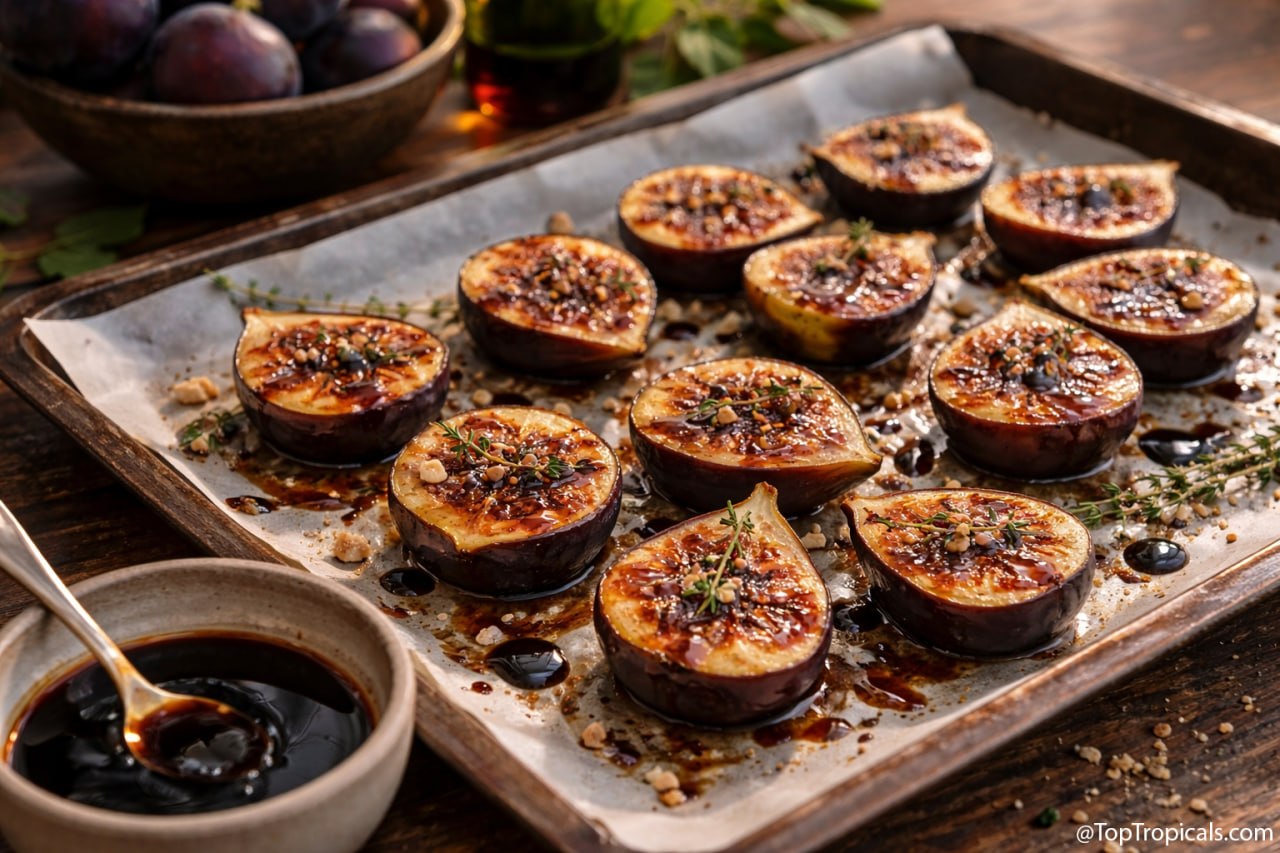
Roasted figs with balsamic: quick-n-fun exotic recipes

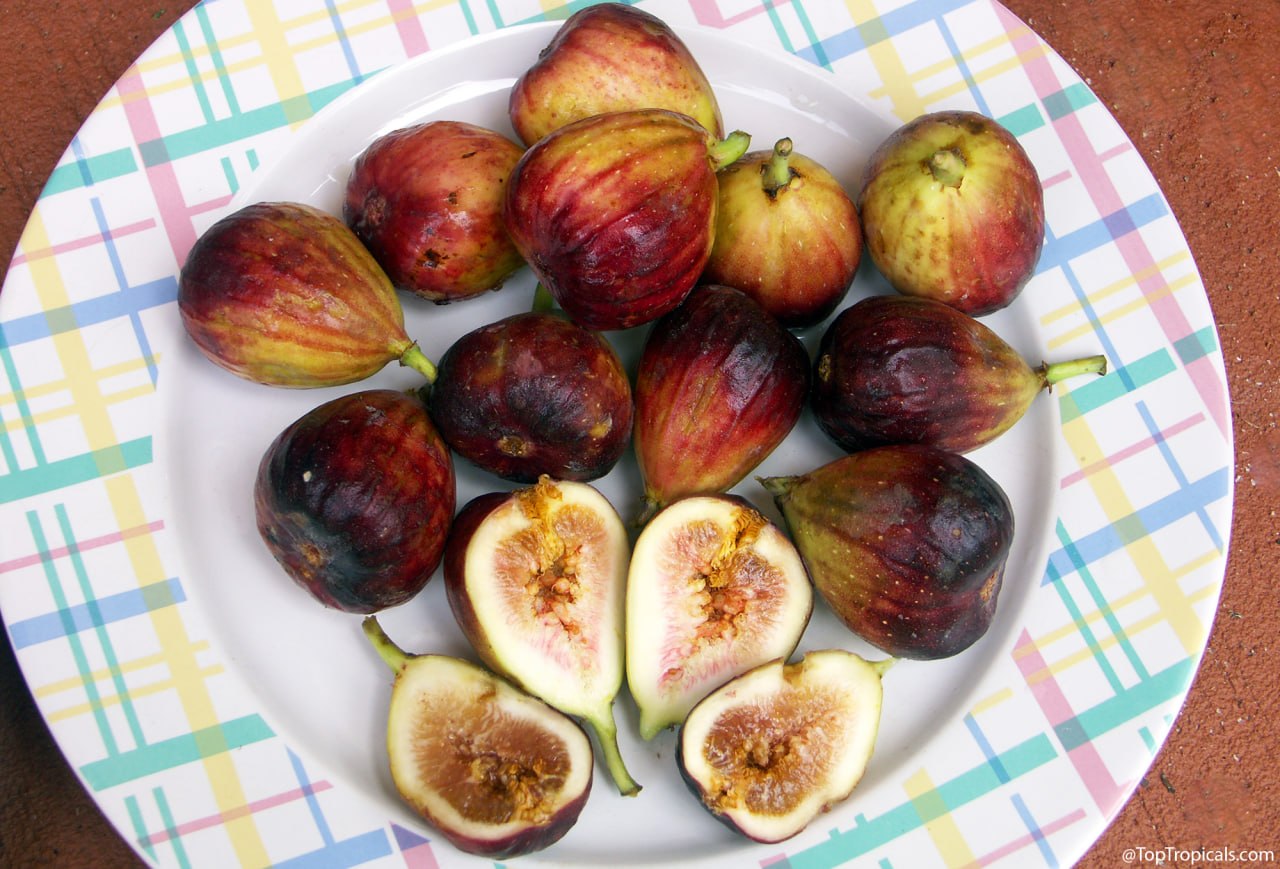
Roasted figs with balsamic

Roasted figs with balsamic

Ficus carica - fig fruits

Ficus carica - fig fruits

%s

🍴 Roasted figs with balsamic: quick-n-fun exotic recipes


🟡Slice ripe figs in half and place them cut-side up on a baking tray.
🟡Roast until they soften and start to caramelize at the edges.
🟡Drizzle with a little balsamic reduction while still warm, letting it soak into the fruit.
🟡Serve right away - sweet, tangy, and rich with that deep roasted flavor.

🌿 About the plant:


Figs are ancient fruit trees producing soft, honeyed fruit with edible seeds inside.

🏡 In the garden:


Many varieties grow well in warm climates and even containers. Prefer sun and good drainage.
🛒 Plant a hardy fig tree

Fig Tree Plant Facts

Botanical name: Ficus carica
Also known as: Fig Tree, Brevo
USDA Zone: 7 - 10
Highligths Plant used for bonsaiSmall tree 10-20 ftFull sunWatering: Moderate. Water when top soil feels dryOrnamental foliageEdible plantDeciduous plantSubtropical plant. Mature plant cold hardy at least to 30s F for a short timeFlood tolerant plantSeaside, salt tolerant plant
Get personalized tips for your region


📚 Learn more:


Fig tree - Ficus carica - in Plant Encyclopedia
Figs with honey and nuts: quick-n-fun exotic recipes
The fruit tree that every garden must have

#Food_Forest #Recipes

🟢 Join 👉 TopTropicals

Date: 16 May 2026

🔮 When the World Around Becomes Too Gray: Plant a Tree. Eat a Donut. Keep going.

When  the  world  feels  gray,  plant  another  tree.  Smokey  brings  the 
 jaboticaba.  Sunshine  brings  donuts  and 
 encouragement.
Sunshine: Smokey, what do we do when the world around becomes too gray?
Smokey: Plant a tree.
Sunshine: And if that does not help?
Smokey: Plant another one.
Sunshine: And eat a donut.
Smokey: Not strictly necessary, but statistically beneficial.

If you have been feeling a little worn down lately, you are not alone.

You already know about the headlines. We do not need to list them. You have probably seen them today before breakfast.

We are not here to pretend that is not happening. It is happening. And it is a lot. But here is the thing we keep coming back to, the thing that has been true for as long as people have had hands and a patch of ground: when the world feels out of control, you can still plant something.

Gardening is not an escape. It is an answer. When you put a tree in the ground, you are making a quiet statement. You are saying that you expect there to be a future. That you intend to be in it. That shade and fruit and flowers still matter, and you are going to make sure they exist in your corner of the world.

That is not naive. That is courageous in the most ordinary and underrated way.

One tree, planted this season, might give you fruit in a few years. It might give butterflies somewhere to stop. It might give a bird a place to nest. It will almost certainly give you something to look at on a hard day that reminds you the world still contains beauty, and that you put some of it there. And if one tree does not quite do it? Plant another one.

Dostoevsky said beauty will save the world. We think a mango fruiting in your backyard counts. So does a Magnolia opening on a quiet morning.

Do not skip the donut.

A donut is a small, simple, completely unnecessary thing. That is exactly the point. It is not productive. It does not solve anything. It is just good, and sometimes that is the whole reason. In a world that constantly demands you be useful and informed and concerned, eating a donut is a quiet act of being human. You are allowed to enjoy a small thing on a hard day. You do not have to earn it.

Rest a little. Then go put something in the ground. Anything that will grow and flower and remind you that beautiful things are still happening whether the headlines mention them or not.

We have the plants. You bring the donuts.

🛒 Plant a sweeter world: grow color and flavor

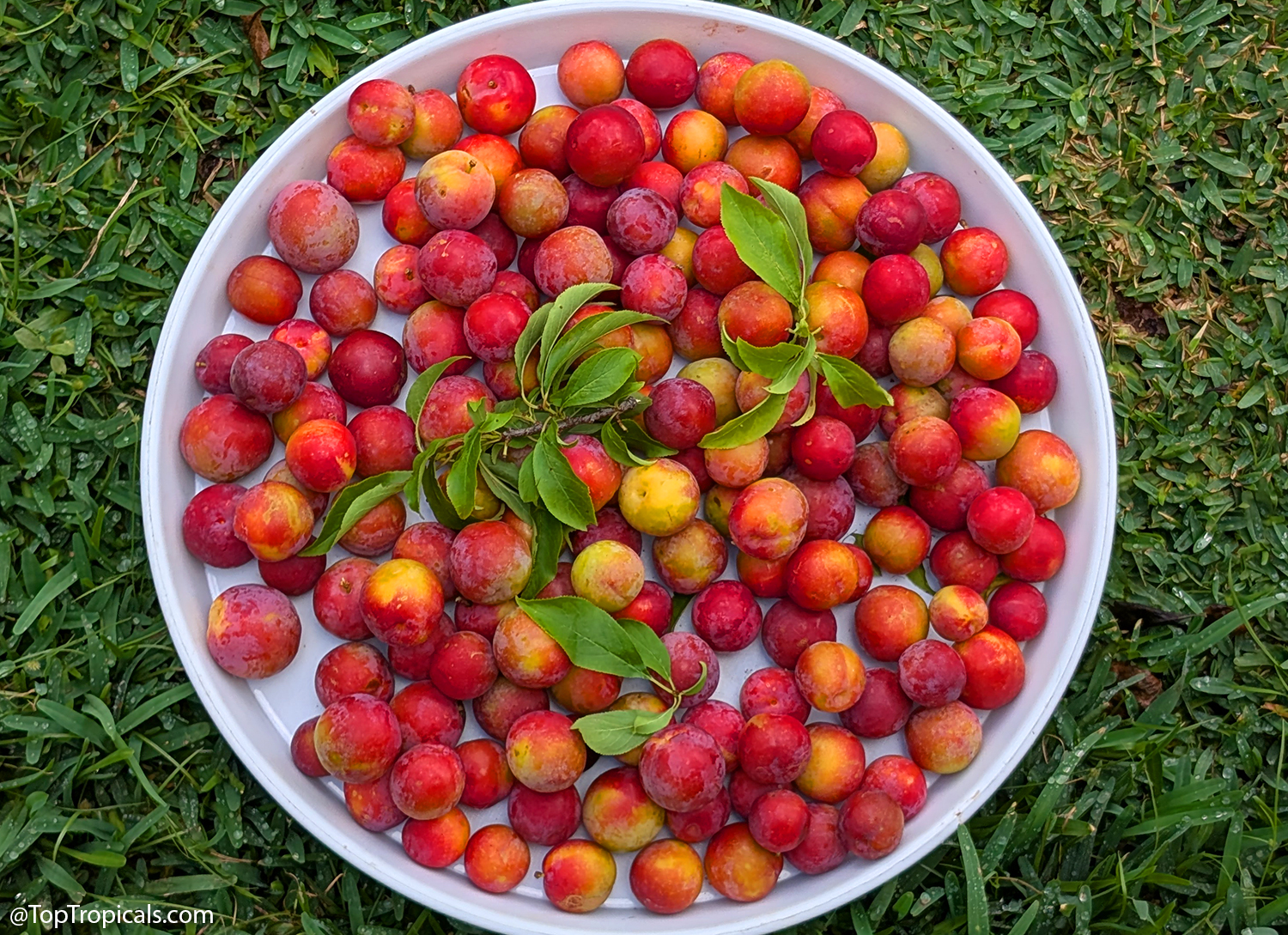
Tray  filled  with  freshly  harvested  tropical  plums  in  shades  of  red, 
 orange,  and  yellow  resting  on  green  grass,  with  a  few  leafy  branches  placed 
 on  top  of  the 
 fruit.

We just finished harvesting loquats and mulberries, and now another wave is coming in - low chill plums, peaches, and nectarines fresh from the garden. This is one of the most rewarding times of the year, when every season brings the fruit of your labor and all that work finally turns into something sweet.

📚 Learn more from our garden Blog