Garden Blog - Top Tropicals

Date: 17 May 2026

9 awesome accent plants and vines that love heat and dry conditions
9 awesome accent plants and vines that love heat and dry conditions 9 awesome accent plants and vines that love heat and dry conditions 9 awesome accent plants and vines that love heat and dry conditions 9 awesome accent plants and vines that love heat and dry conditions 9 awesome accent plants and vines that love heat and dry conditions
☀️ 9 awesome accent plants and vines that love heat and dry conditions


The hardest spots aren’t for trees - they’re for everything else. The toughest areas are often smaller spaces - along walls, patios, containers, or rocky patches where soil dries out fast. This is where most plants fail quickly.
These picks don’t just survive - they stand out. They bring texture, color, and structure - without needing constant watering or perfect soil.


Why containers are the toughest of all in heat


Growing in pots in hot, dry conditions is a different game. The soil heats up fast, roots can literally overheat, and moisture disappears much quicker than in the ground. If you’re using containers, protect the root zone - group pots together, tuck them into partial shade, or shield the container itself from direct sun. Choosing drought-tolerant plants helps, but don’t assume they can go totally without water - even tough plants in pots can dry out quickly, so check regularly and don’t let them go bone dry.

🔥 9 best smaller plants and vines for hot, dry spots


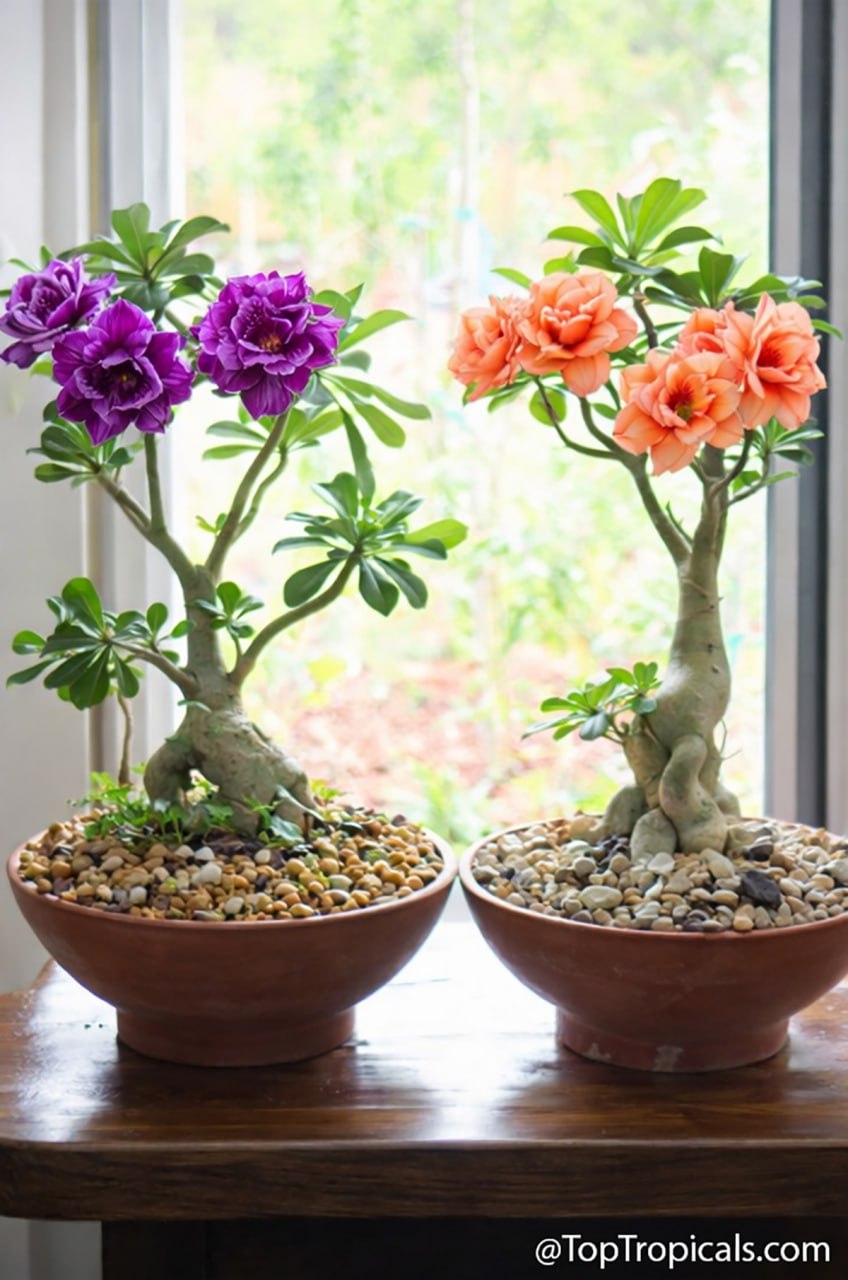
  1. ☀️ 1. Adenium - Desert Rose 📸
    Stores water in its caudex and thrives in heat - one of the best flowering plants for dry conditions.

    Adenium Plant Facts

    Botanical name: Adenium sp.
    Also known as: Adenium, Desert Rose, Impala Lily
    USDA Zone: 9 - 10
    Highligths Plant with caudexLarge shrub 5-10 ft tallSmall tree 10-20 ftFull sunWater Requirement: Low. Allow soil to dry out between wateringsWatering: Moderate. Water when top soil feels dryYellow, orange flowersRed, crimson, vinous flowersUnusual colorBlue, lavender, purple flowersWhite, off-white flowersPink flowersToxic or Poisonous
    Get personalized tips for your region
    More details
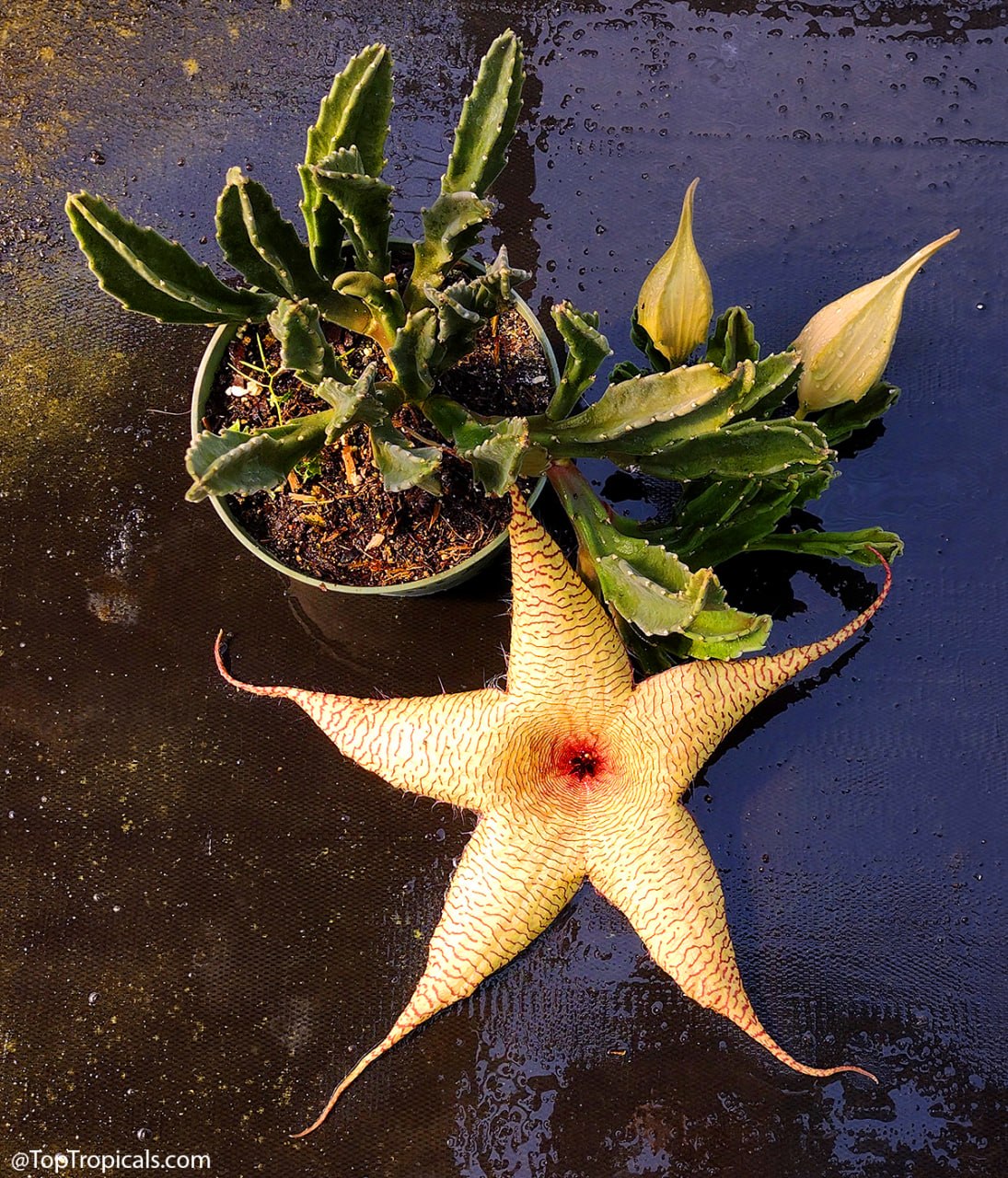
  2. ☀️ 2. Stapelia gigantea - Starfish Flower 📸
    Unusual and tough - thrives in dry soil and produces massive, eye-catching blooms.

    Zulu Giant Plant Facts

    Botanical name: Stapelia gigantea
    Also known as: Zulu Giant, Carrion Plant, Starfish Flower
    USDA Zone: 9 - 10
    Highligths Small plant 2-5 ftFull sunWatering: Moderate. Water when top soil feels dryUnusual colorPlant attracts butterflies, hummingbirds
    Get personalized tips for your region
    More details
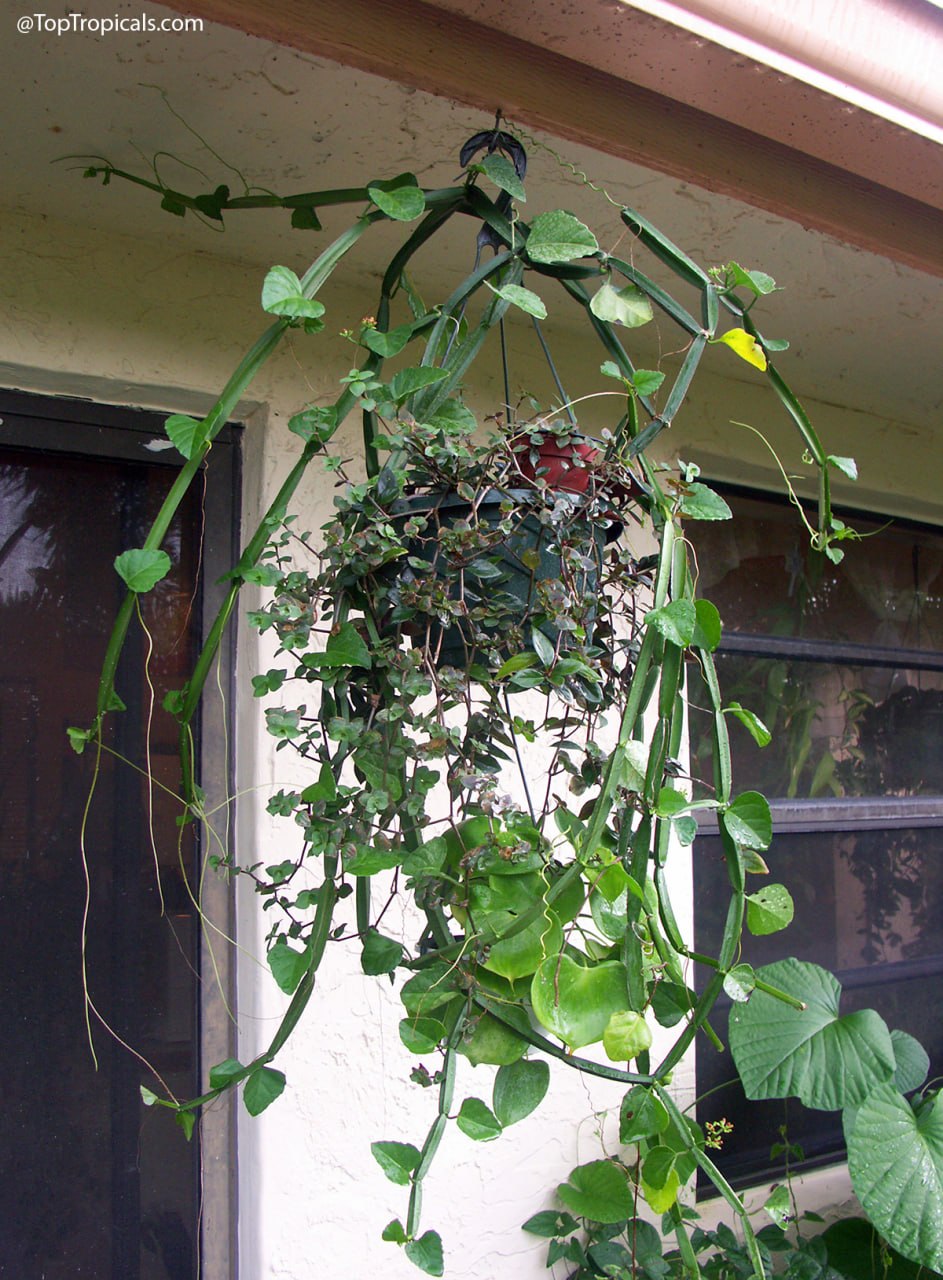
  3. ☀️ 3. Cissus quadrangularis - Veld Grape Vine 📸
    A succulent vine that handles heat and drought while adding a unique structural look.

    Veld grape Plant Facts

    Botanical name: Cissus quadrangularis, Vitis quadrangularis
    Also known as: Veld grape
    USDA Zone: 9 - 11
    Highligths Groundcover and low-growing 2ft plantVine or creeper plantSemi-shadeFull sunWatering: Moderate. Water when top soil feels dryOrnamental foliageEthnomedical plant.
Plants marked as ethnomedical and/or described as medicinal, are not offered as medicine but rather as ornamentals or plant collectibles.
Ethnomedical statements / products have not been evaluated by the FDA and are not intended to diagnose, treat, cure, or prevent any disease. We urge all customers to consult a physician before using any supplements, herbals or medicines advertised here or elsewhere.Subtropical plant. Mature plant cold hardy at least to 30s F for a short time
    Get personalized tips for your region
    More details
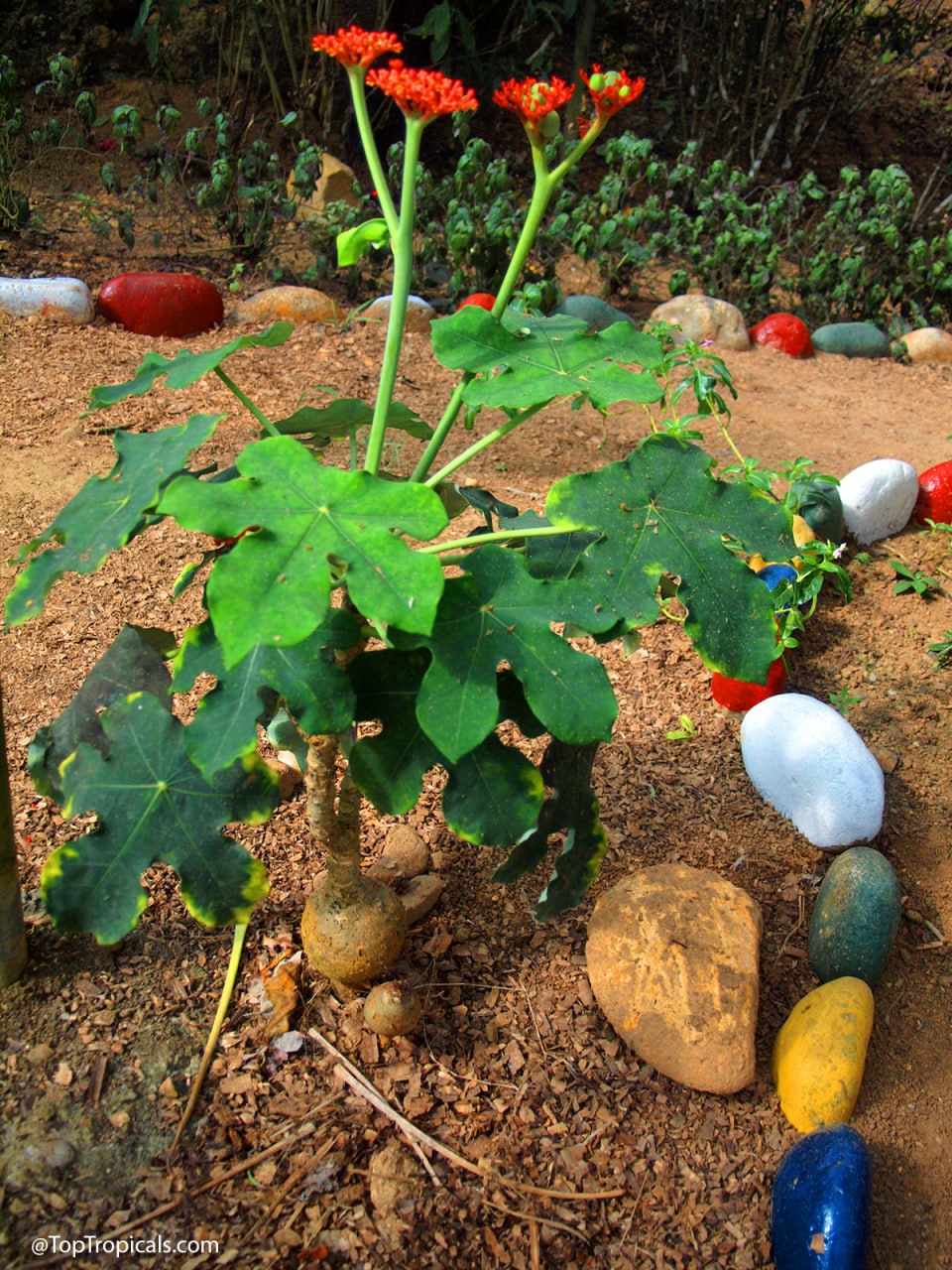
  4. ☀️ 4. Jatropha podagrica - Gout Plant 📸
    Thick stems store water, making it surprisingly drought tolerant with a bold tropical look.

    Gout Plant Facts

    Botanical name: Jatropha podagrica
    Also known as: Gout Plant, Gout Stick, Buddha Belly, Guatemala Rhubarb, Tartogo
    USDA Zone: 9 - 11
    Highligths Plant with caudexPlant used for bonsaiSmall plant 2-5 ftSemi-shadeShadeFull sunWatering: Moderate. Water when top soil feels dryYellow, orange flowersRed, crimson, vinous flowersOrnamental foliageToxic or PoisonousPlant attracts butterflies, hummingbirdsSubtropical plant. Mature plant cold hardy at least to 30s F for a short timeSeaside, salt tolerant plant
    Get personalized tips for your region
    More details
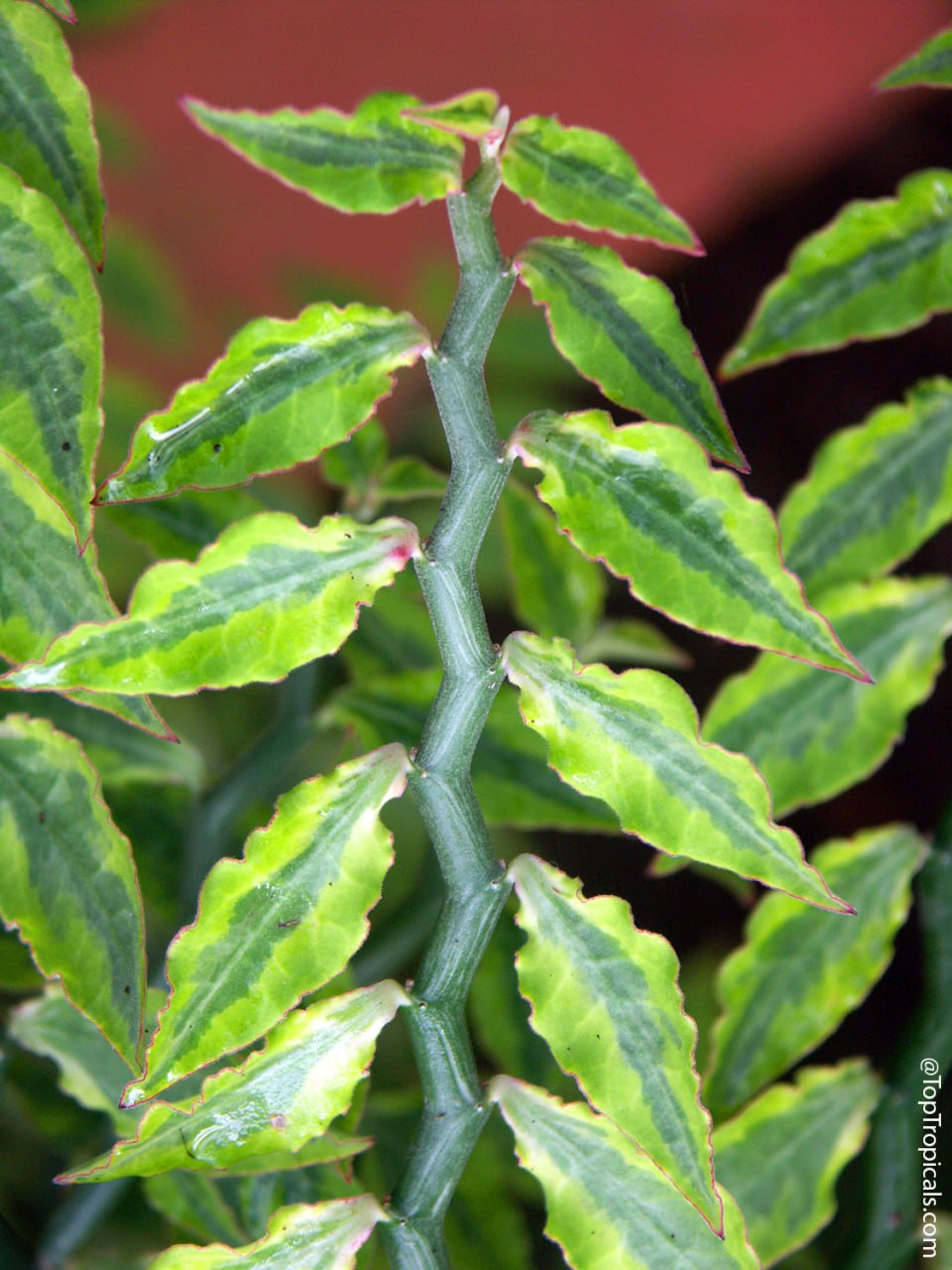
  5. ☀️ 5. Pedilanthus tithymaloides - Devil's Backbone 📸
    Extremely forgiving - thrives on neglect, heat, and dry soil.

    Devil's backbone Plant Facts

    Botanical name: Euphorbia tithymaloides, Pedilanthus tithymaloides
    Also known as: Devil's backbone, Zigzag plant, Jacob's ladder
    USDA Zone: 9 - 11
    Highligths Large shrub 5-10 ft tallSmall plant 2-5 ftSemi-shadeFull sunWatering: Moderate. Water when top soil feels dryOrnamental foliagePink flowersIrritating plantSubtropical plant. Mature plant cold hardy at least to 30s F for a short time
    Get personalized tips for your region
    More details
  6. ☀️ 6. Agave species - Tequila Agave, Century Plant
    Classic drought plants - architectural, extremely tough, and almost maintenance-free.

    Century plant Facts

    Botanical name: Agave americana
    Also known as: Century plant
    USDA Zone: 8 - 11
    Highligths Large shrub 5-10 ft tallFull sunWater Requirement: Low. Allow soil to dry out between wateringsWatering: Moderate. Water when top soil feels dryThorny or spinySubtropical plant. Mature plant cold hardy at least to 30s F for a short time
    Get personalized tips for your region
    More details
  7. ☀️ 7. Crocosmia species - Coppertips / Falling Stars
    Handles heat well once established and adds bright seasonal color with minimal care.

    Coppertips Plant Facts

    Botanical name: Crocosmia sp.
    Also known as: Coppertips, Falling Stars, Montbretia
    USDA Zone: 8 - 11
    Highligths Small plant 2-5 ftSemi-shadeFull sunWatering: Moderate. Water when top soil feels dryWatering: Regular. Let topsoil dry slightlyYellow, orange flowersRed, crimson, vinous flowersPlant attracts butterflies, hummingbirdsSubtropical plant. Mature plant cold hardy at least to 30s F for a short time
    Get personalized tips for your region
    More details
  8. ☀️ 8. Ipomoea platensis - Caudiciform Morning Glory
    A rare vine with a swollen base - built to handle dry cycles and intense sun.

    Plata Ipomoea Plant Facts

    Botanical name: Ipomoea platensis, Ipomoea platense, Ipomoea lineariloba
    Also known as: Plata Ipomoea, Caudiciform Morning Glory
    USDA Zone: 9 - 11
    Highligths Plant with caudexVine or creeper plantSemi-shadeWatering: Moderate. Water when top soil feels dryWatering: Regular. Let topsoil dry slightlyPink flowersSubtropical plant. Mature plant cold hardy at least to 30s F for a short time
    Get personalized tips for your region
    More details
  9. ☀️ 9. Plectranthus hadiensis tomentosus - Camphor Basil
    Soft, aromatic foliage that tolerates dry conditions better than most leafy plants.

    Camphor Plant Facts

    Botanical name: Plectranthus tomentosus, Plectranthus hadiensis var. tomentosus
    Also known as: Camphor Plant, Camphor Basil, Vicks Plant, Succulent Coleus
    USDA Zone: 9 - 10
    Highligths Groundcover and low-growing 2ft plantSmall plant 2-5 ftSemi-shadeFull sunWater Requirement: Low. Allow soil to dry out between wateringsWatering: Moderate. Water when top soil feels dryOrnamental foliageBlue, lavender, purple flowersPlant attracts butterflies, hummingbirdsSpice or herb plantEthnomedical plant.
Plants marked as ethnomedical and/or described as medicinal, are not offered as medicine but rather as ornamentals or plant collectibles.
Ethnomedical statements / products have not been evaluated by the FDA and are not intended to diagnose, treat, cure, or prevent any disease. We urge all customers to consult a physician before using any supplements, herbals or medicines advertised here or elsewhere.Fragrant plant
    Get personalized tips for your region
    More details


🛒 Shop drought tolerant plants - for hot and dry spots

📚
Learn more:
Jatropha podagrica - in Plant Encyclopedia
7 tough shrubs that handle heat and dry soil
9 tough trees for hot, dry spots that actually thrive
9 best tropical shrubs that bloom all summer long or year around
The bizarre bloom you cant stop staring at
Coral-blooming bonsai with a bottle-shaped trunk - perfect container plant
Caudiciform Morning Glory
Grows in neglect: tough plant for tough spots

#Discover #Hedges_with_benefits #How_to

🟢 Join 👉 TopTropicals
Date: 15 May 2026

The Tropical Survivor: Why This Pink Plume Defied a 25F Freeze

The Tropical Survivor: Why This Pink Plume Defied a 25F Freeze The Tropical Survivor: Why This Pink Plume Defied a 25F Freeze

The Tropical Survivor: Why This Pink Plume Defied a 25F Freeze


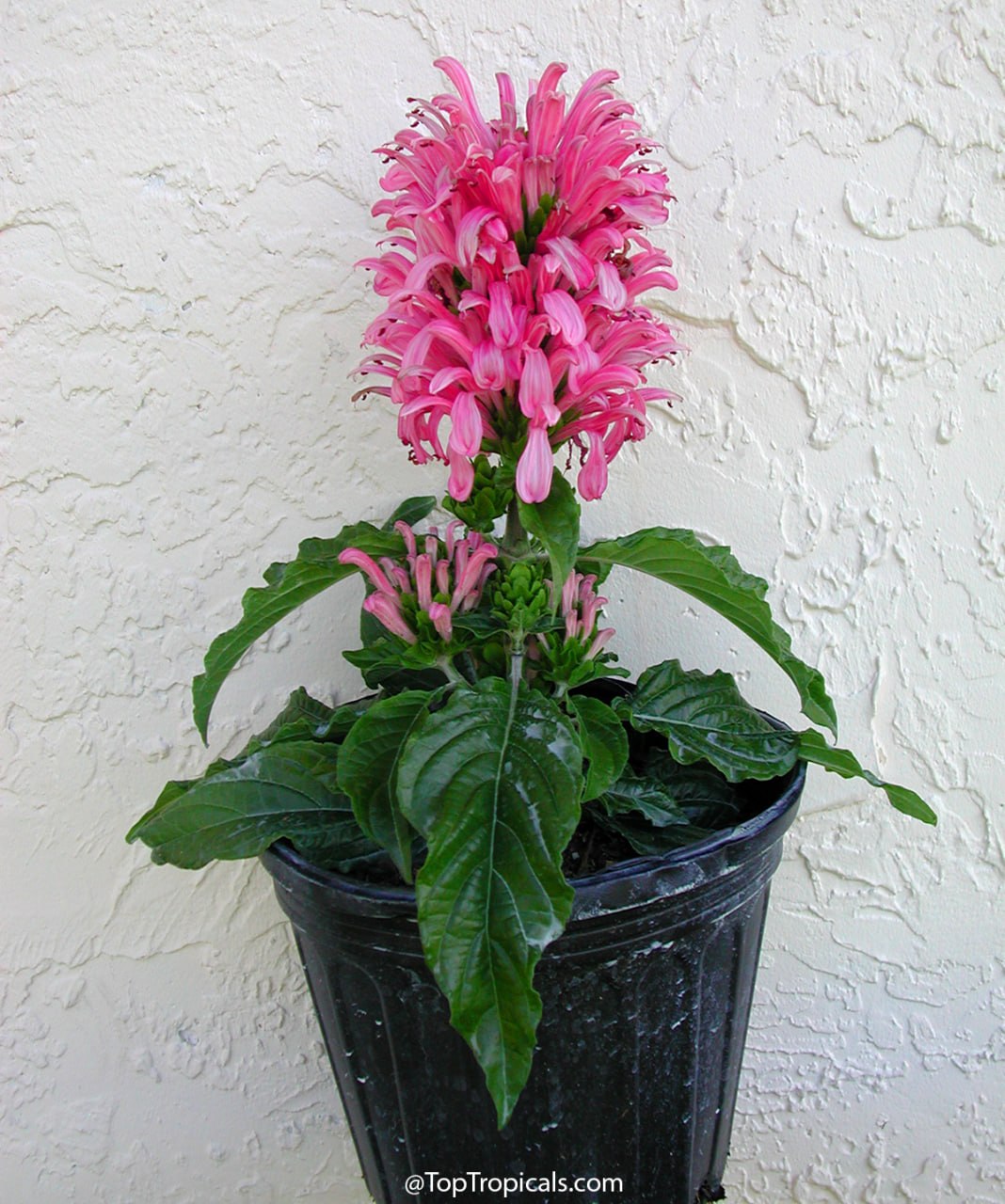
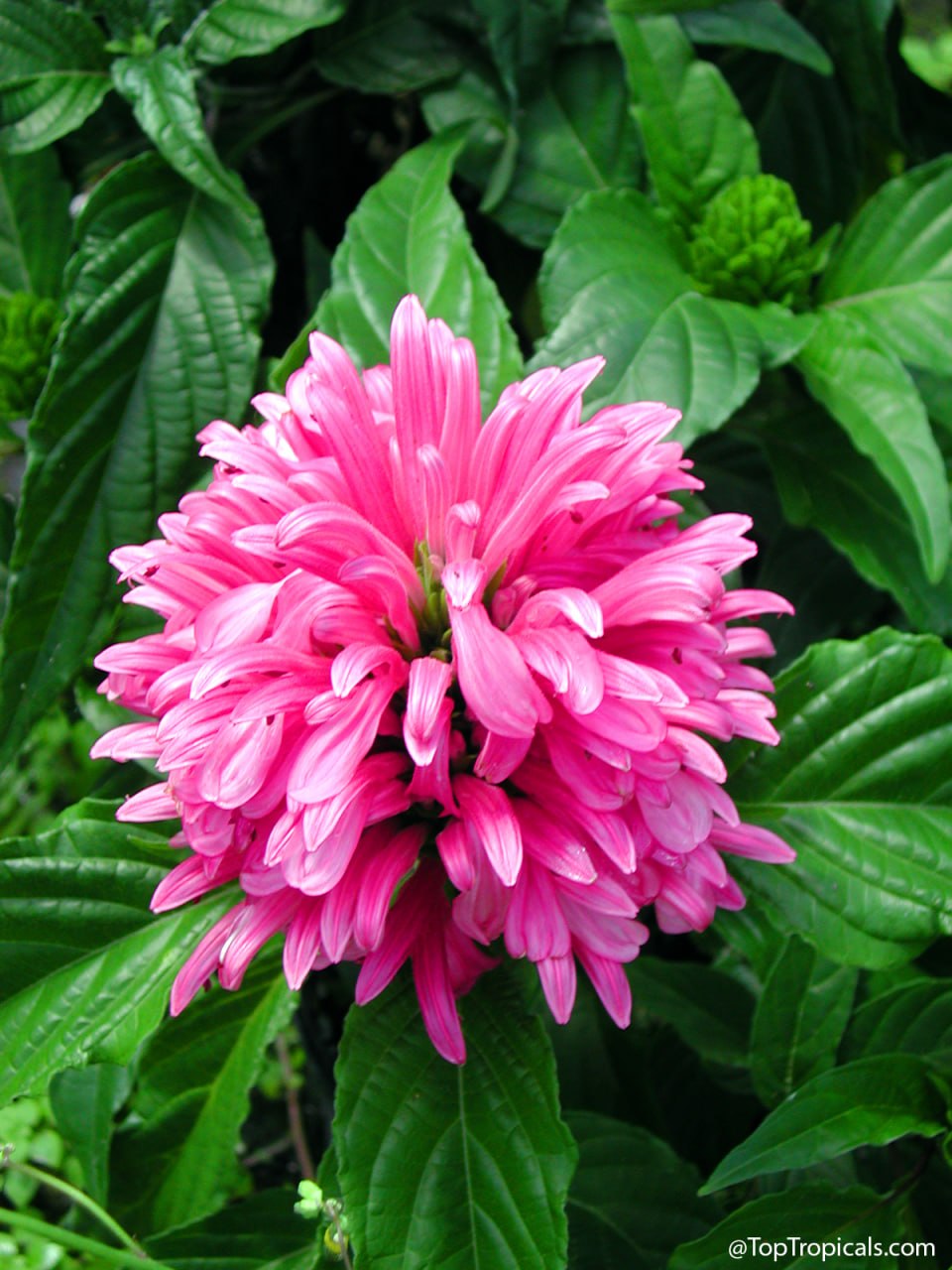
When Central Florida temperatures plummeted to 25F for two days, many gardeners braced for a total loss; and while most tropicals melted into black mush, Justicia carnea - the Pink Brazilian Plume or Jacobinia - proved that looks can be deceiving.

Brazilian Plume Plant Facts

Botanical name: Justicia carnea, Jacobinia carnea
Also known as: Brazilian Plume, Flamingo Flower
USDA Zone: 9 - 11
Highligths Small plant 2-5 ftSemi-shadeFull sunWatering: Regular. Let topsoil dry slightlyWhite, off-white flowersPink flowersPlant attracts butterflies, hummingbirdsSubtropical plant. Mature plant cold hardy at least to 30s F for a short time
Get personalized tips for your region


Tougher Than it Looks


As many other tropical plants from Acanthaceae family - Justicia plants are much hardier than they look.

At first glance, the Brazilian Plume looks like a greenhouse diva. It boasts huge, lush leaves and giant, cotton-candy pink flower clusters. However, it harbors a secret: it behaves more like a hardy perennial than a delicate shrub.

Even when a hard freeze burns the top growth to the ground, the root system remains remarkably resilient. Once the soil warms, fresh shoots often push through the dirt faster than expected.

A Hummingbird Magnet for the Shade


The real draw of Justicia carnea isn't just its survival skills - it’s the show-stopping blooms.

Large upright plumes can reach the size of a football. The tubular flowers are a primary target for hummingbirds and butterflies. Unlike most tropical bloomers, it thrives in filtered light and bright shade, making it perfect for understory planting.

👉 Gardener’s Tip:


Don't dig it up too soon! Freeze-damaged stems may look finished for weeks, but patience usually rewards you with new growth by late spring.

🌱 Quick Care Guide


Light: Bright shade or filtered sun
Soil: Rich, well-draining
Water: Regular moisture during heat
Best For: Pool areas, woodland gardens, and pollinator beds

For gardeners wanting that high-impact tropical aesthetic without the heartbreak of constant replanting, this Jacobinia is the ultimate comeback kid.

🛒 Plant beautiful and hardy Jacobinia

📚 Learn more:


· Justicia plants in Plant Encyclopedia
· Top 20 plants for a Butterfly Haven
· What flowers do NOT attract bees?
· Five best butterfly attractors for a Southern garden
· What tropical plants survived Florida's historic freeze without protection

#Butterfly_Plants #Discover #Container_Garden

🟢 Join 👉 TopTropicals

Date: 16 May 2026

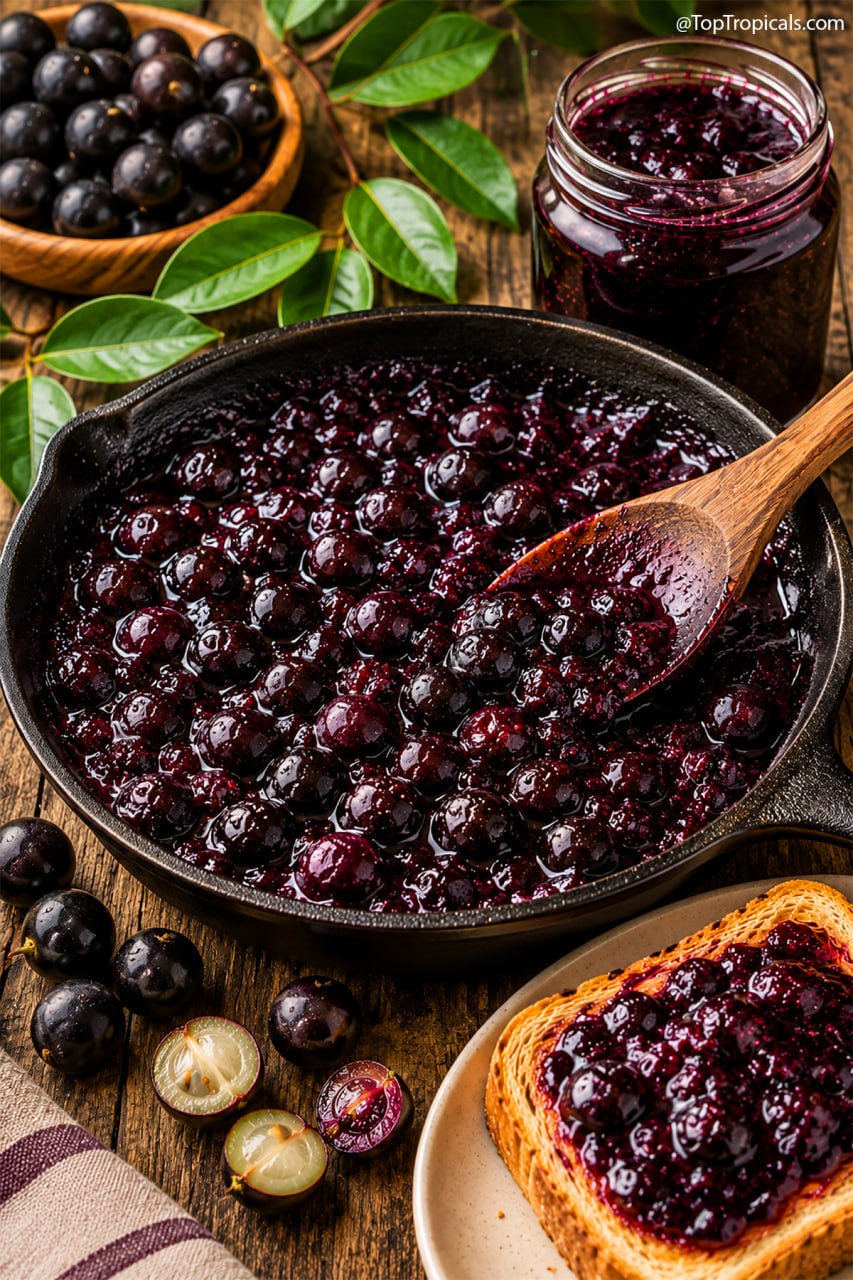
Jaboticaba skillet jam

Jaboticaba skillet jam Jaboticaba skillet jam
🍴 Jaboticaba skillet jam: quick-n-fun exotic recipes

🔵Add whole jaboticabas and a spoonful of sugar to a skillet over medium heat.
🔵Cook until the skins burst and the fruit releases its deep purple juice.
🔵Stir gently as the mixture thickens into a glossy jam.
🔵Spread warm over toast, biscuits, or even pancakes while still slightly syrupy.

🌿 About the plant:


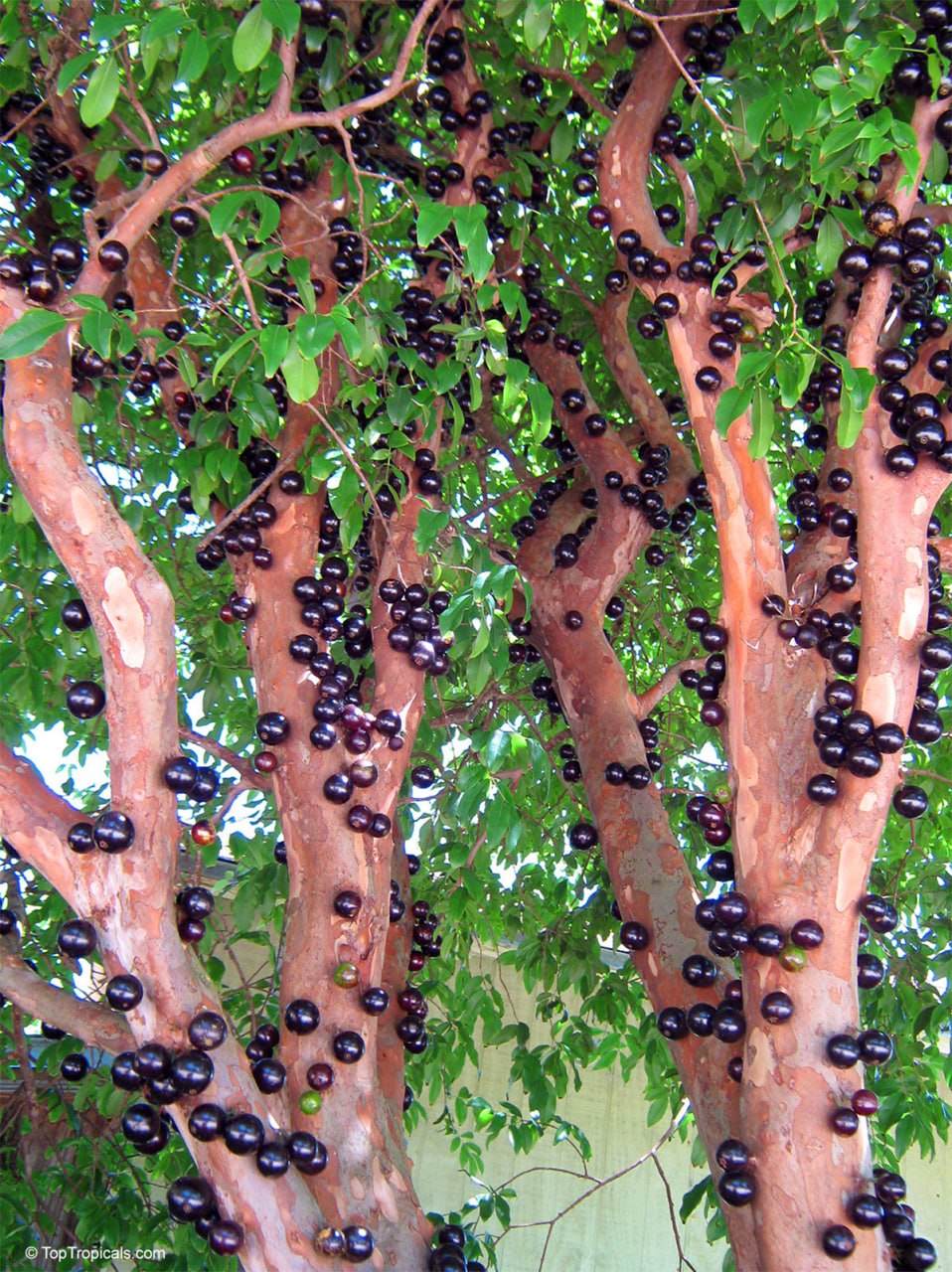
Jaboticaba, Plinia cauliflora, is famous for its cauliflorous habit - fruit forming directly on the trunk and older branches. During heavy fruiting, the bark can look almost studded with dark purple beads.

🏡 In the garden:


It prefers slightly acidic soil and steady moisture. Mulching helps maintain humidity around the roots. Though slow growing, it can fruit while still relatively small.

🛒 Plant Jaboticaba tree - while we have large size plants

📚 Learn more:


Jaboticaba (Myrciaria cauliflora) in Plant Encyclopedia

Jaboticaba Plant Facts

Botanical name: Myrciaria cauliflora, Plinia cauliflora, Eugenia cauliflora
Also known as: Jaboticaba, Duhat
USDA Zone: 9 - 11
Highligths Plant used for bonsaiSmall tree 10-20 ftFull sunKeep soil moistEdible plantSubtropical plant. Mature plant cold hardy at least to 30s F for a short timeFlood tolerant plant
Get personalized tips for your region


#Food_Forest #Recipes

🟢 Join 👉 TopTropicals

Date: 12 May 2026

The strange tropical plant that eats bugs - and gardeners cant stop collecting

The strange tropical plant that eats bugs - and gardeners cant stop collecting The strange tropical plant that eats bugs - and gardeners cant stop collecting The strange tropical plant that eats bugs - and gardeners cant stop collecting

🐸 The strange tropical plant that eats bugs - and gardeners can't stop collecting


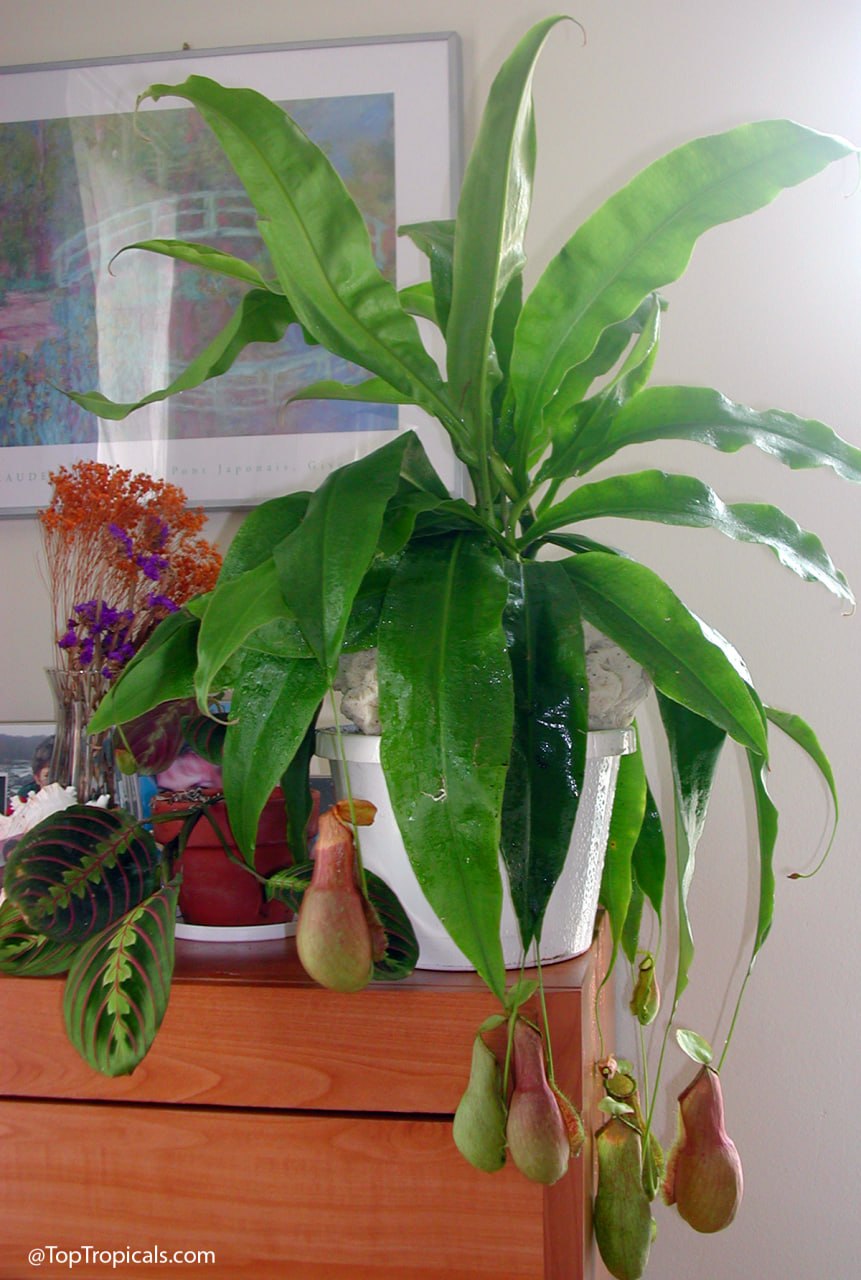
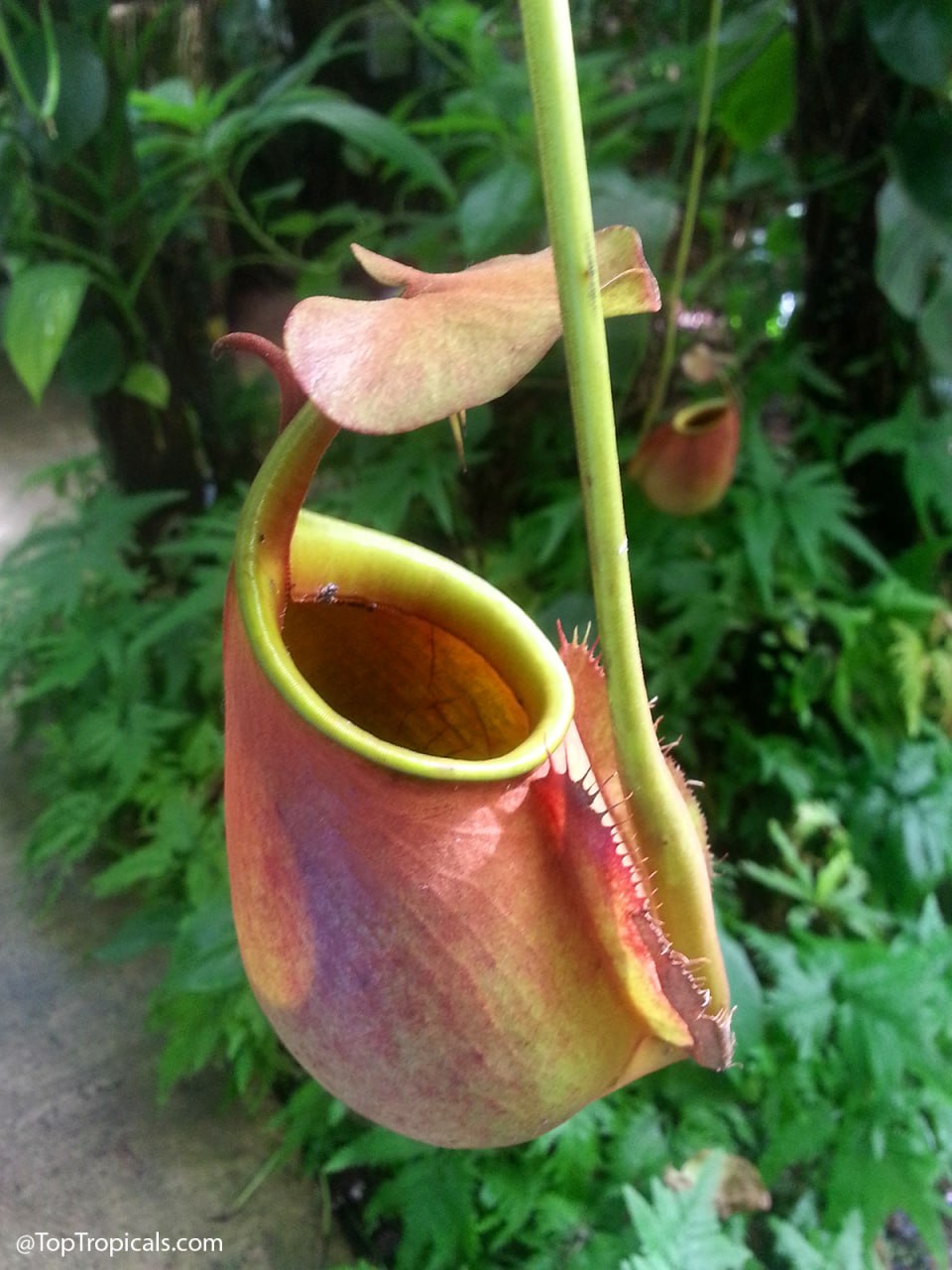
Nepenthes - tropical Pitcher Plants - look almost fake. Long vines and shiny leaves give way to colorful pitchers resembling exotic lanterns or sci-fi creatures. But these aren't flowers; they are sophisticated traps. Among the world's most fascinating carnivores, they lure insects into fluid-filled vessels to digest them for nutrients. Giant species can even trap small frogs or mice! 🐸🐭

🐱 Why pitcher plants look so unreal


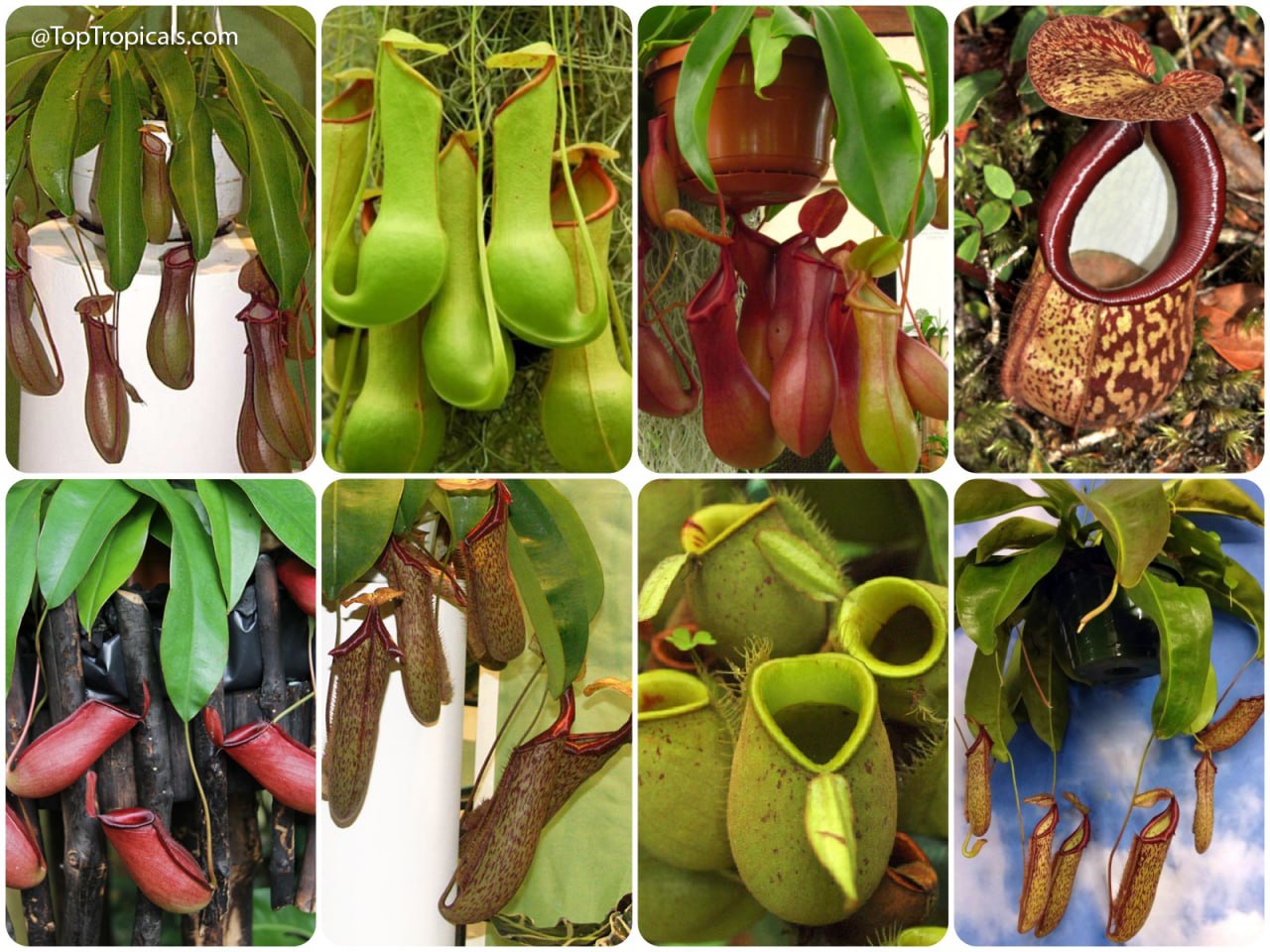
Pitchers are modified leaves designed to attract prey with vibrant colors and nectar. Many feature dramatic stripes or flared, sculpted rims. The diversity is immense: compact species fit on windowsills, while jungle giants produce foot-long traps. Some thrive in steamy lowlands, others in misty mountains. Their digestive fluid can even become sticky and elastic, making escape impossible.

🐱 The plant that inspired engineering


These plants have inspired more than just gardeners. Their slippery surfaces led to "liquid-infused" materials used in anti-fogging and water-repelling tech. Engineers study them as nature’s original biological pitfall trap, a masterclass in biomimetic design.

🐱 Why collectors become obsessed with Pitcher plants


What starts as a curiosity often becomes an obsession. With hundreds of species and hybrids, pitchers can resemble cobra heads, wine goblets, or alien pods. Under bright light, they develop stunning hues of burgundy, orange, or candy-stripes. Because of their popularity, ethical hobbyists emphasize buying nursery-propagated plants to protect wild populations from poaching.

🐱 Surprisingly easier than people think


Despite their reputation, many hybrids thrive indoors with basic care. They need bright indirect light, high humidity, and excellent drainage. Crucially, they require mineral-free water (distilled or rainwater) and airy media like sphagnum moss. Regular potting soil or tap water can be fatal to these sensitive plants.

🐱 The pitchers are temporary - and that's normal


It is normal for old pitchers to dry up as the plant grows. Healthy Nepenthes constantly replace traps, often changing shape and color as they mature. This shape-shifting behavior makes them addictive to watch - one month it’s an ordinary vine, the next it’s a living rainforest documentary.

🛒 Ready to go carnivorous? Feed your curiosity - get one for your collection

📚 Learn more:

Winged Nepenthes Plant Facts

Botanical name: Nepenthes alata, Nepenthes graciliflora
Also known as: Winged Nepenthes, Pitcher Plant
USDA Zone: 9 - 10
Highligths Vine or creeper plantSmall plant 2-5 ftSemi-shadeWatering: Regular. Let topsoil dry slightlyEpiphyte plantUnusual color
Get personalized tips for your region

Nepenthes Pitcher plants in Plant Encyclopedia
Nepenthes: Deadly traps of Monkey Cups

#Container_Garden #Nature_Wonders

🟢 Join 👉 TopTropicals

Date: 16 May 2026

🔮 When the World Around Becomes Too Gray: Plant a Tree. Eat a Donut. Keep going.

When  the  world  feels  gray,  plant  another  tree.  Smokey  brings  the 
 jaboticaba.  Sunshine  brings  donuts  and 
 encouragement.
Sunshine: Smokey, what do we do when the world around becomes too gray?
Smokey: Plant a tree.
Sunshine: And if that does not help?
Smokey: Plant another one.
Sunshine: And eat a donut.
Smokey: Not strictly necessary, but statistically beneficial.

If you have been feeling a little worn down lately, you are not alone.

You already know about the headlines. We do not need to list them. You have probably seen them today before breakfast.

We are not here to pretend that is not happening. It is happening. And it is a lot. But here is the thing we keep coming back to, the thing that has been true for as long as people have had hands and a patch of ground: when the world feels out of control, you can still plant something.

Gardening is not an escape. It is an answer. When you put a tree in the ground, you are making a quiet statement. You are saying that you expect there to be a future. That you intend to be in it. That shade and fruit and flowers still matter, and you are going to make sure they exist in your corner of the world.

That is not naive. That is courageous in the most ordinary and underrated way.

One tree, planted this season, might give you fruit in a few years. It might give butterflies somewhere to stop. It might give a bird a place to nest. It will almost certainly give you something to look at on a hard day that reminds you the world still contains beauty, and that you put some of it there. And if one tree does not quite do it? Plant another one.

Dostoevsky said beauty will save the world. We think a mango fruiting in your backyard counts. So does a Magnolia opening on a quiet morning.

Do not skip the donut.

A donut is a small, simple, completely unnecessary thing. That is exactly the point. It is not productive. It does not solve anything. It is just good, and sometimes that is the whole reason. In a world that constantly demands you be useful and informed and concerned, eating a donut is a quiet act of being human. You are allowed to enjoy a small thing on a hard day. You do not have to earn it.

Rest a little. Then go put something in the ground. Anything that will grow and flower and remind you that beautiful things are still happening whether the headlines mention them or not.

We have the plants. You bring the donuts.

🛒 Plant a sweeter world: grow color and flavor

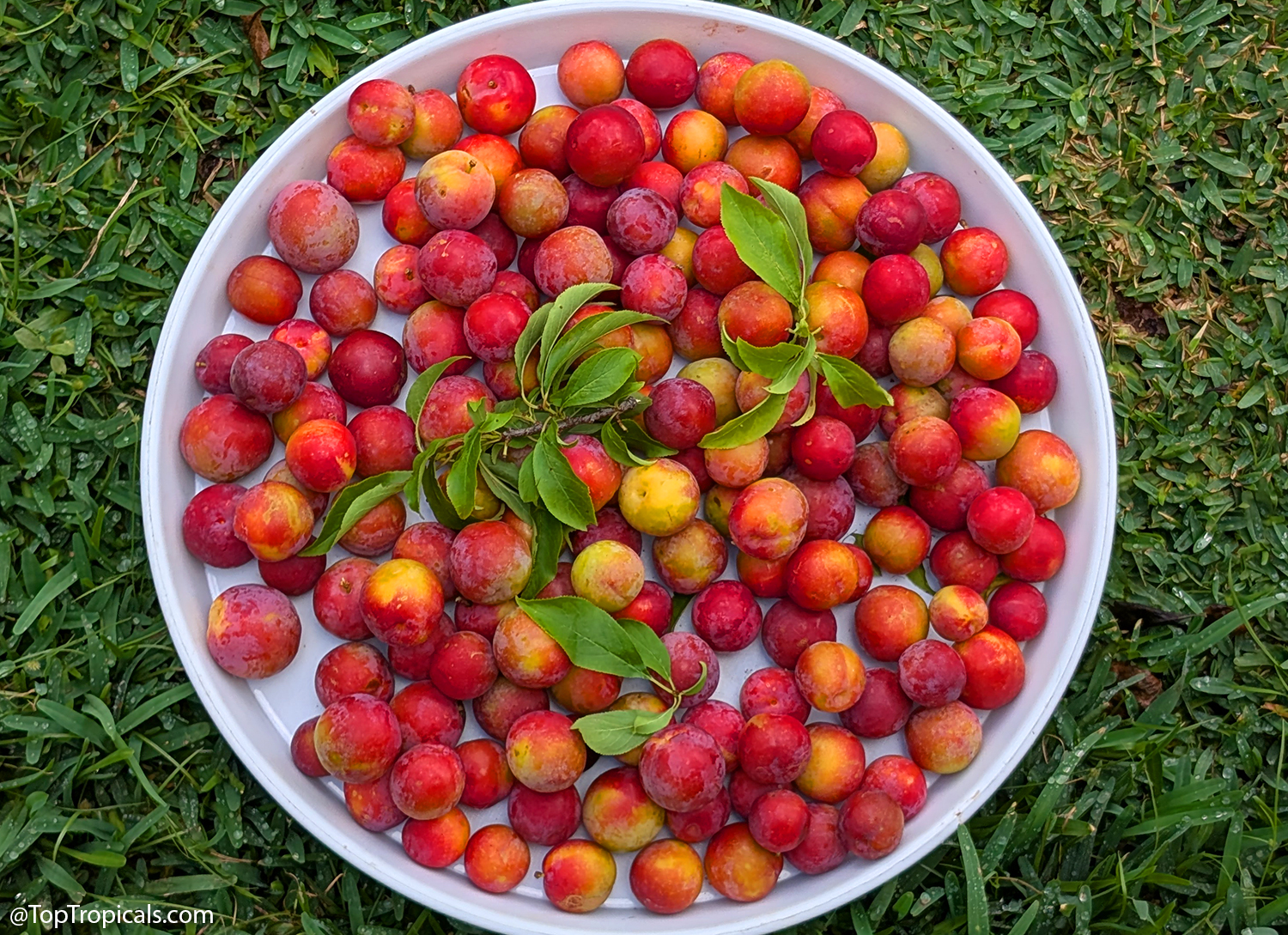
Tray  filled  with  freshly  harvested  tropical  plums  in  shades  of  red, 
 orange,  and  yellow  resting  on  green  grass,  with  a  few  leafy  branches  placed 
 on  top  of  the 
 fruit.

We just finished harvesting loquats and mulberries, and now another wave is coming in - low chill plums, peaches, and nectarines fresh from the garden. This is one of the most rewarding times of the year, when every season brings the fruit of your labor and all that work finally turns into something sweet.

📚 Learn more from our garden Blog