Garden Blog - Top Tropicals

Date: 9 May 2026

9 tough trees for hot, dry spots that actually thrive
Tropical Almond - Terminalia catappa
Tropical Almond - Terminalia catappa

Sausage Tree - Kigelia pinnata
Sausage Tree - Kigelia pinnata

Plumeria pudica
Plumeria pudica

Pony Tail Palm - Beaucarnea recurvata

Pony Tail Palm - Beaucarnea recurvata

☀️ 9 tough trees for hot, dry spots that actually thrive


Why that one brutal spot in your yard never works? There’s always that one place - blazing sun, sandy or rocky soil, dries out fast, and everything you plant there struggles. In Florida, Arizona, and California, this isn’t rare - it’s the norm. The good news? Some trees don’t just tolerate it - they prefer it. Once established, these picks handle heat, drought, and neglect far better than typical landscape plants.
What makes these trees different? These are survivors. Many store water, have deep root systems, or evolved in dry climates. Translation - less watering, fewer losses, and a lot less frustration.


🔥 9 best trees for hot, dry spots


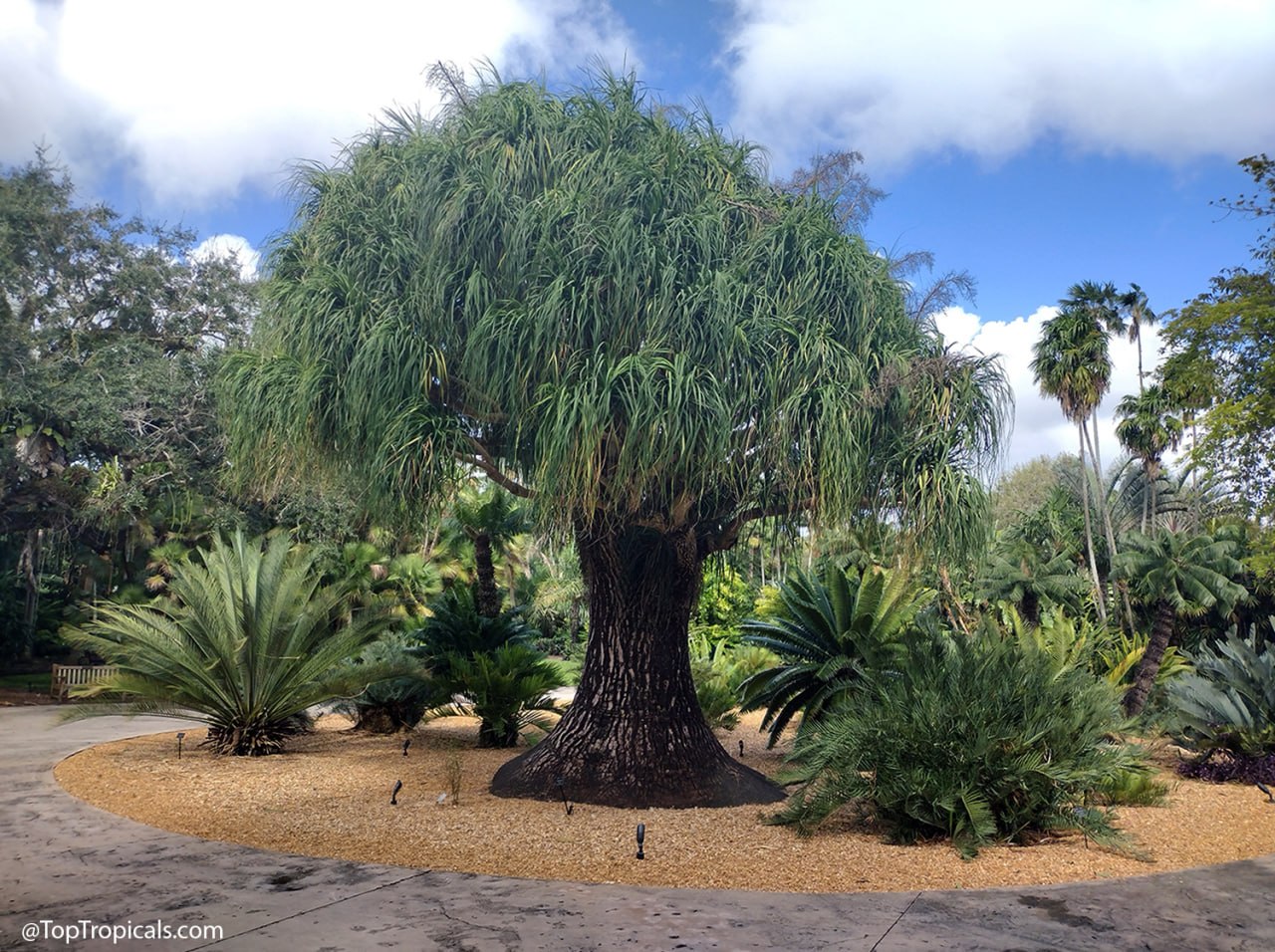
☀️ 1. Pony Tail Palm - Beaucarnea recurvata 📸
Not a true palm - it stores water in its showy, swollen trunk, making it incredibly drought tolerant and perfect for harsh, dry areas.

Ponytail Palm Plant Facts

Botanical name: Beaucarnea recurvata, Nolina recurvata
Also known as: Ponytail Palm, Pony Tail, Bottle Palm, Nolina, Elephant-foot Tree
USDA Zone: 10 - 11
Highligths Plant with caudexPlant used for bonsaiSmall tree 10-20 ftFull sunWater Requirement: Low. Allow soil to dry out between wateringsPalm or palm-like plant
Get personalized tips for your region
More details

☀️ 2. Monkey Ear Tree - Enterolobium cyclocarpum


A fast-growing shade tree with curious seed pods, surprisingly tough in heat and drought, with massive canopy benefits.

Monkey Ear Plant Facts

Botanical name: Enterolobium cyclocarpum
Also known as: Monkey Ear, Ear Pod Tree, Elephant Ear Tree, Eartree, Guanacaste Tree, Arbol de Guanacaste
USDA Zone: 9 - 11
Highligths Large tree taller than 20 ftFull sunWatering: Regular. Let topsoil dry slightlyWhite, off-white flowersDeciduous plantSubtropical plant. Mature plant cold hardy at least to 30s F for a short time
Get personalized tips for your region
More details

☀️ 3. Firebush - Hamelia patens
Technically a large shrub/small tree - thrives in heat, blooms nonstop, attracts butterflies, and handles dry conditions once rooted in.

Fire Bush Plant Facts

Botanical name: Hamelia patens
Also known as: Fire Bush, Firecracker Plant
USDA Zone: 8 - 11
Highligths Large shrub 5-10 ft tallSmall tree 10-20 ftFull sunWater Requirement: Low. Allow soil to dry out between wateringsYellow, orange flowersRed, crimson, vinous flowersPlant attracts butterflies, hummingbirdsSeaside, salt tolerant plant
Get personalized tips for your region
More details

☀️ 4. Peregrina - Jatropha integerrima compacta
Compact, colorful, and very forgiving - keeps flowering even when conditions get hot and dry.

Peregrina Plant Facts

Botanical name: Jatropha integerrima, Jatropha pandurata
Also known as: Peregrina, Spicy Jatropha, Coral Plant, Physic Nut
USDA Zone: 9 - 11
Highligths Plant used for bonsaiLarge shrub 5-10 ft tallSmall tree 10-20 ftSemi-shadeFull sunWater Requirement: Low. Allow soil to dry out between wateringsRed, crimson, vinous flowersPink flowersPlant attracts butterflies, hummingbirdsIrritating plantSubtropical plant. Mature plant cold hardy at least to 30s F for a short timeSeaside, salt tolerant plant
Get personalized tips for your region
More details

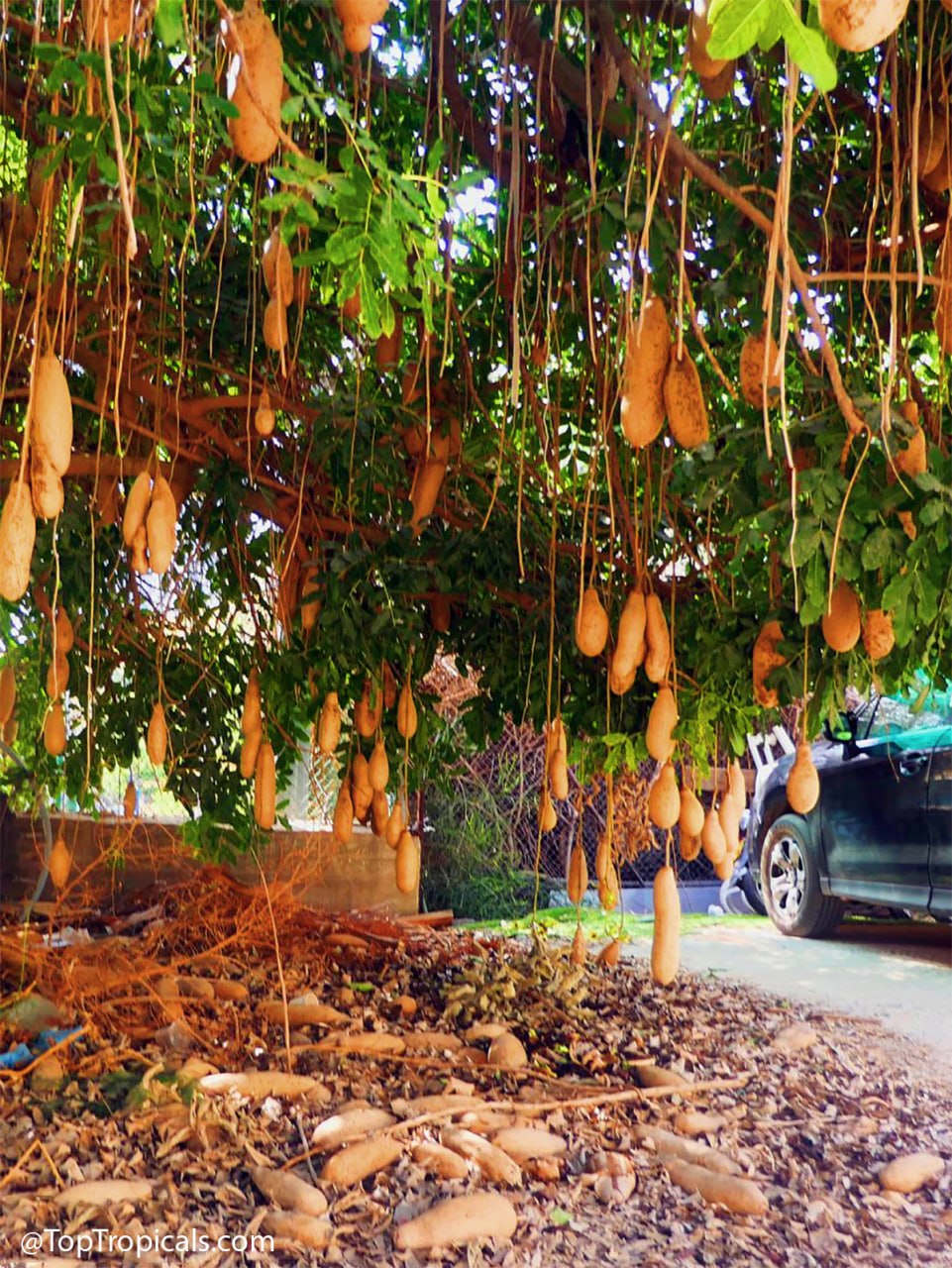
☀️ 5. Sausage Tree - Kigelia pinnata 📸
A bold tropical look with bizarre flowers and fruit, with serious heat tolerance; once established, it handles dry spells better than expected.

Sausage Tree Plant Facts

Botanical name: Kigelia pinnata, Kigelia africana
Also known as: Sausage Tree
USDA Zone: 9 - 11
Highligths Large tree taller than 20 ftSemi-shadeFull sunWatering: Moderate. Water when top soil feels dryDeciduous plantEthnomedical plant.
Plants marked as ethnomedical and/or described as medicinal, are not offered as medicine but rather as ornamentals or plant collectibles.
Ethnomedical statements / products have not been evaluated by the FDA and are not intended to diagnose, treat, cure, or prevent any disease. We urge all customers to consult a physician before using any supplements, herbals or medicines advertised here or elsewhere.Fragrant plantSubtropical plant. Mature plant cold hardy at least to 30s F for a short time
Get personalized tips for your region
More details

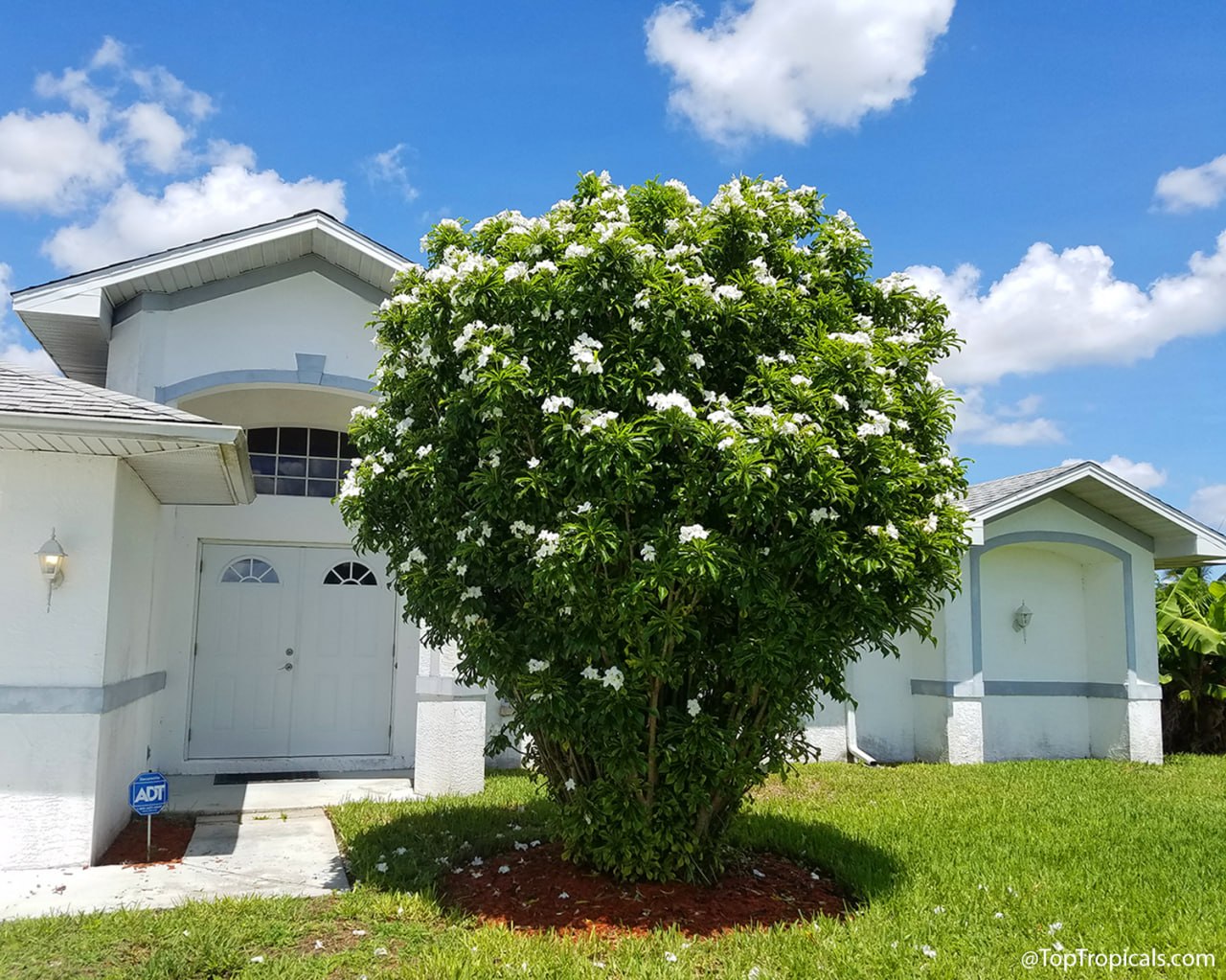
☀️ 6. Plumeria 📸
Built for sun and neglect - thrives in poor and sandy soil, needs minimal water, and rewards with fragrant blooms.

Plumeria Plant Facts

Botanical name: Plumeria sp.
Also known as: Plumeria, Frangipani
USDA Zone: 9 - 11
Highligths Large shrub 5-10 ft tallSmall tree 10-20 ftFull sunWatering: Moderate. Water when top soil feels dryYellow, orange flowersRed, crimson, vinous flowersWhite, off-white flowersPink flowersPlant attracts butterflies, hummingbirdsDeciduous plantFragrant plantSeaside, salt tolerant plant
Get personalized tips for your region
More details

☀️ 7. Pomegranate


One of the most drought-tolerant fruit trees - handles heat, poor soil, and still produces reliably.

Pomegranate Plant Facts

Botanical name: Punica granatum
Also known as: Pomegranate, Granada, Grenade, Pomegranate, Granada, Anar, Granaatappel, Pomo Granato, Romeira, Melo Grano
USDA Zone: 8 - 11
Highligths Large shrub 5-10 ft tallSmall tree 10-20 ftFull sunWatering: Moderate. Water when top soil feels dryRed, crimson, vinous flowersThorny or spinyEdible plantDeciduous plantEthnomedical plant.
Plants marked as ethnomedical and/or described as medicinal, are not offered as medicine but rather as ornamentals or plant collectibles.
Ethnomedical statements / products have not been evaluated by the FDA and are not intended to diagnose, treat, cure, or prevent any disease. We urge all customers to consult a physician before using any supplements, herbals or medicines advertised here or elsewhere.Subtropical plant. Mature plant cold hardy at least to 30s F for a short timeSeaside, salt tolerant plant
Get personalized tips for your region
More details

☀️ 8. Aster Tree / Snow Bush - Baccharis halimifolia


A tough Florida native option - thrives in sandy, dry soils and coastal conditions with no fuss.

Aster Tree Plant Facts

Botanical name: Baccharis halimifolia
Also known as: Aster Tree, White Cloud Tree, Snow Bush, Eastern Baccharis, Flannel Bush
USDA Zone: 8 - 11
Highligths Plant used for bonsaiLarge shrub 5-10 ft tallSmall tree 10-20 ftSemi-shadeFull sunWatering: Regular. Let topsoil dry slightlyWhite, off-white flowersPlant attracts butterflies, hummingbirdsSubtropical plant. Mature plant cold hardy at least to 30s F for a short timeFlood tolerant plant
Get personalized tips for your region
More details

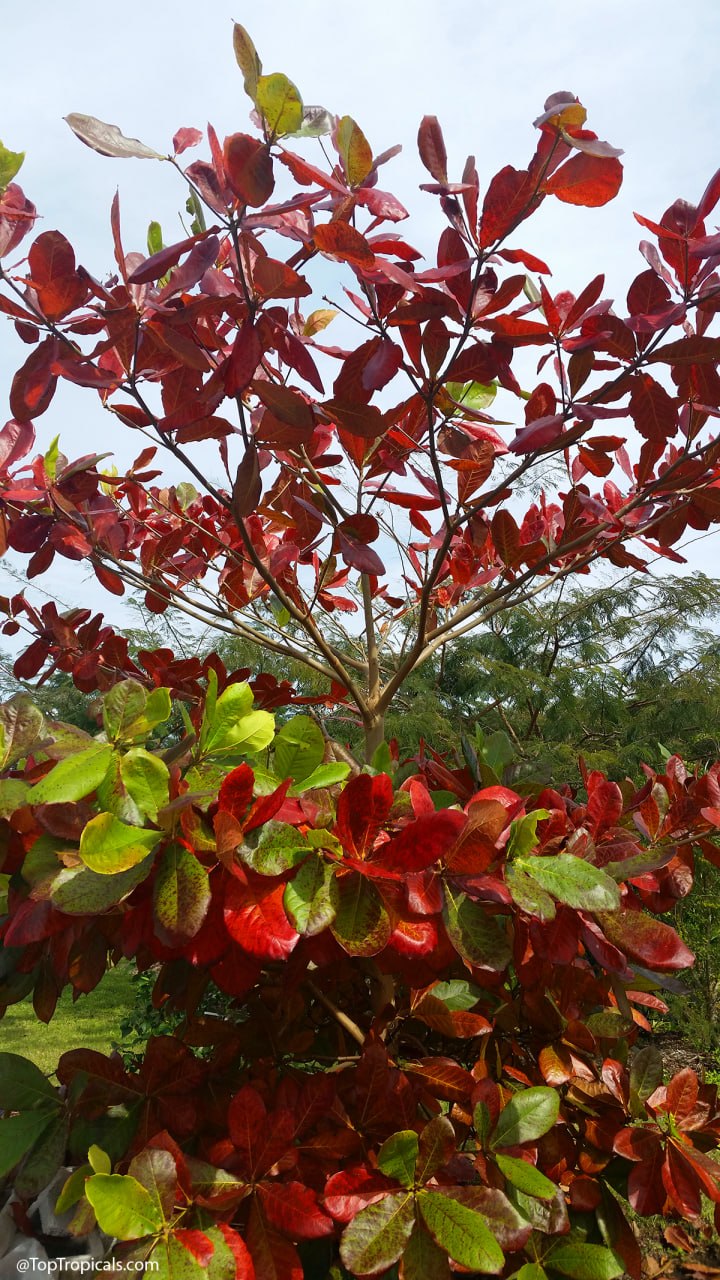
☀️ 9. Tropical Almond - Terminalia catappa 📸
A classic coastal shade tree that thrives in heat, wind, and dry sandy soil once established. Its broad, layered canopy provides excellent shade, and the large leaves turn striking shades of red and orange before dropping - a rare bonus color show for hot-climate landscapes. Plus almond nuts as extra bonus!

Tropical Almond Plant Facts

Botanical name: Terminalia catappa
Also known as: Tropical Almond, Badamier, Java Almond, Indian Almond, Malabar Almond, Singapore Almond, Ketapang, Huu Kwang, Pacific Almond
USDA Zone: 9 - 11
Highligths Large tree taller than 20 ftFull sunWatering: Moderate. Water when top soil feels dryWhite, off-white flowersEdible plantDeciduous plantEthnomedical plant.
Plants marked as ethnomedical and/or described as medicinal, are not offered as medicine but rather as ornamentals or plant collectibles.
Ethnomedical statements / products have not been evaluated by the FDA and are not intended to diagnose, treat, cure, or prevent any disease. We urge all customers to consult a physician before using any supplements, herbals or medicines advertised here or elsewhere.Subtropical plant. Mature plant cold hardy at least to 30s F for a short timeSeaside, salt tolerant plant
Get personalized tips for your region
More details

👉 These trees are just the start - stay with us as we move into shrubs and smaller plants that thrive in the same harsh conditions.

🛒 Shop drought tolerant plants - for hot and dry spots

📚
Learn more:
Pony Tail Palm - Beaucarnea recurvata in Plant Encyclopedia
15 "Bulletproof" Fruit Trees for Tough Ground
7 best exotic dwarf trees for maximum impact in small tropical landscapes
5 small tropical trees that bloom all summer or year around

#Discover #Trees #How_to

🟢 Join 👉 TopTropicals

Date: 16 May 2026

🔮 When the World Around Becomes Too Gray: Plant a Tree. Eat a Donut. Keep going.

When  the  world  feels  gray,  plant  another  tree.  Smokey  brings  the 
 jaboticaba.  Sunshine  brings  donuts  and 
 encouragement.
Sunshine: Smokey, what do we do when the world around becomes too gray?
Smokey: Plant a tree.
Sunshine: And if that does not help?
Smokey: Plant another one.
Sunshine: And eat a donut.
Smokey: Not strictly necessary, but statistically beneficial.

If you have been feeling a little worn down lately, you are not alone.

You already know about the headlines. We do not need to list them. You have probably seen them today before breakfast.

We are not here to pretend that is not happening. It is happening. And it is a lot. But here is the thing we keep coming back to, the thing that has been true for as long as people have had hands and a patch of ground: when the world feels out of control, you can still plant something.

Gardening is not an escape. It is an answer. When you put a tree in the ground, you are making a quiet statement. You are saying that you expect there to be a future. That you intend to be in it. That shade and fruit and flowers still matter, and you are going to make sure they exist in your corner of the world.

That is not naive. That is courageous in the most ordinary and underrated way.

One tree, planted this season, might give you fruit in a few years. It might give butterflies somewhere to stop. It might give a bird a place to nest. It will almost certainly give you something to look at on a hard day that reminds you the world still contains beauty, and that you put some of it there. And if one tree does not quite do it? Plant another one.

Dostoevsky said beauty will save the world. We think a mango fruiting in your backyard counts. So does a Magnolia opening on a quiet morning.

Do not skip the donut.

A donut is a small, simple, completely unnecessary thing. That is exactly the point. It is not productive. It does not solve anything. It is just good, and sometimes that is the whole reason. In a world that constantly demands you be useful and informed and concerned, eating a donut is a quiet act of being human. You are allowed to enjoy a small thing on a hard day. You do not have to earn it.

Rest a little. Then go put something in the ground. Anything that will grow and flower and remind you that beautiful things are still happening whether the headlines mention them or not.

We have the plants. You bring the donuts.

🛒 Plant a sweeter world: grow color and flavor

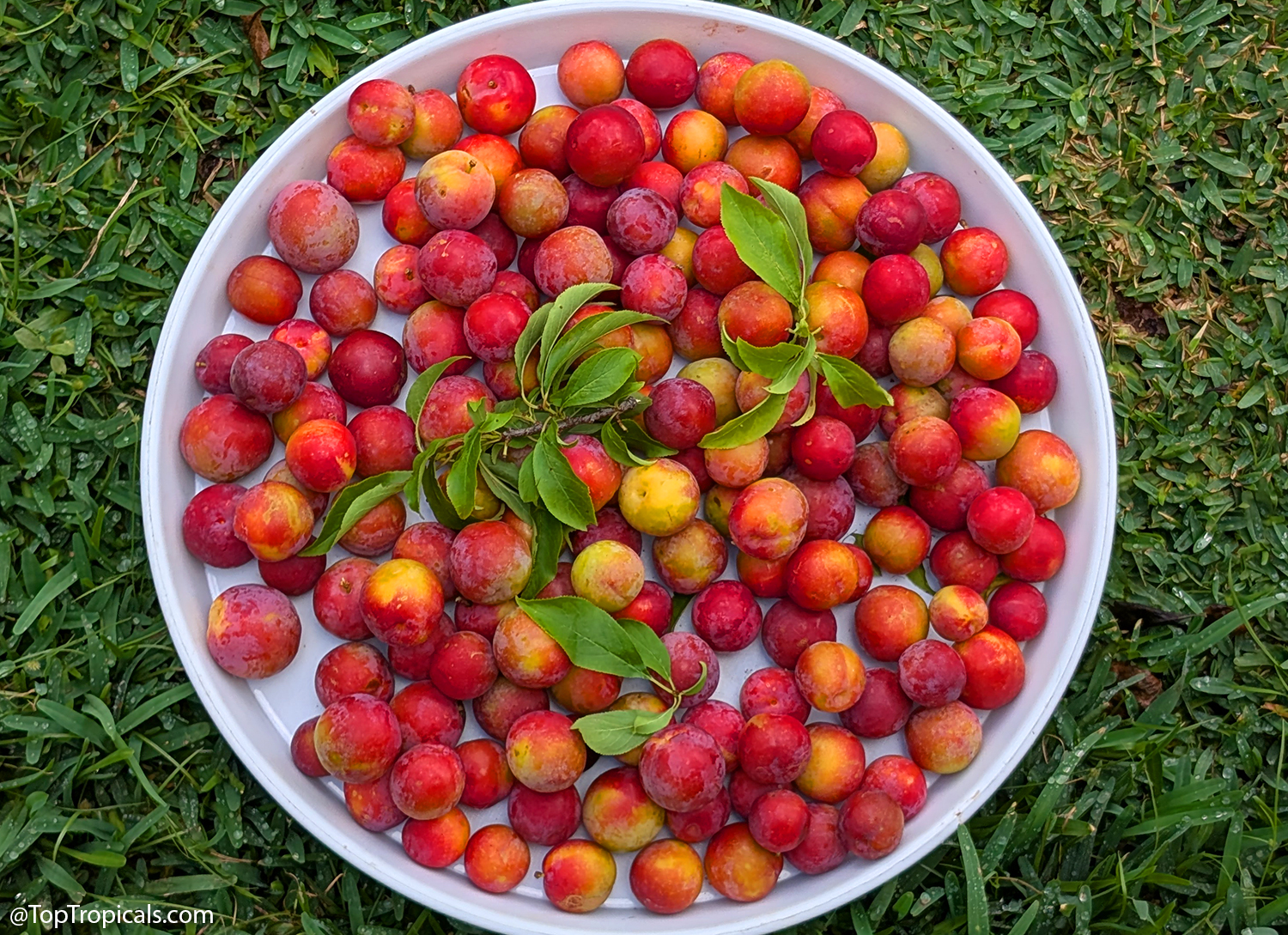
Tray  filled  with  freshly  harvested  tropical  plums  in  shades  of  red, 
 orange,  and  yellow  resting  on  green  grass,  with  a  few  leafy  branches  placed 
 on  top  of  the 
 fruit.

We just finished harvesting loquats and mulberries, and now another wave is coming in - low chill plums, peaches, and nectarines fresh from the garden. This is one of the most rewarding times of the year, when every season brings the fruit of your labor and all that work finally turns into something sweet.

📚 Learn more from our garden Blog

Date: 22 Sep 2025

🐲 The taste you will never forget

Dragon  fruit  collage  -  yellow,  red,  purple,  white  varieties

If you only know dragon fruit from the grocery store, you probably think it looks pretty but tastes bland. That is because most commercial fruit is picked early, shipped far, and loses its sweetness. The truth? Homegrown dragon fruit is juicy, sweet, and full of flavor. The best of all is the yellow variety, Palora (Selenicereus megalanthus), a cactus fruit from Ecuador that bursts with tropical taste.

🌵 Pitaya or Dragon fruit – what is the difference?

Both names describe the same climbing cactus. In Latin America it is called Pitaya, while Asia and English speakers say Dragon fruit. There are three main kinds:

Some hybrids give purple or magenta flesh. All are beautiful, all are easy to grow at home.

⚡️ Do red, white, and yellow taste different?

Yes. White types are mild and refreshing. Reds are sweeter and juicier. Yellows are the sweetest of all.

⚡️ Flowers from a fairy tale

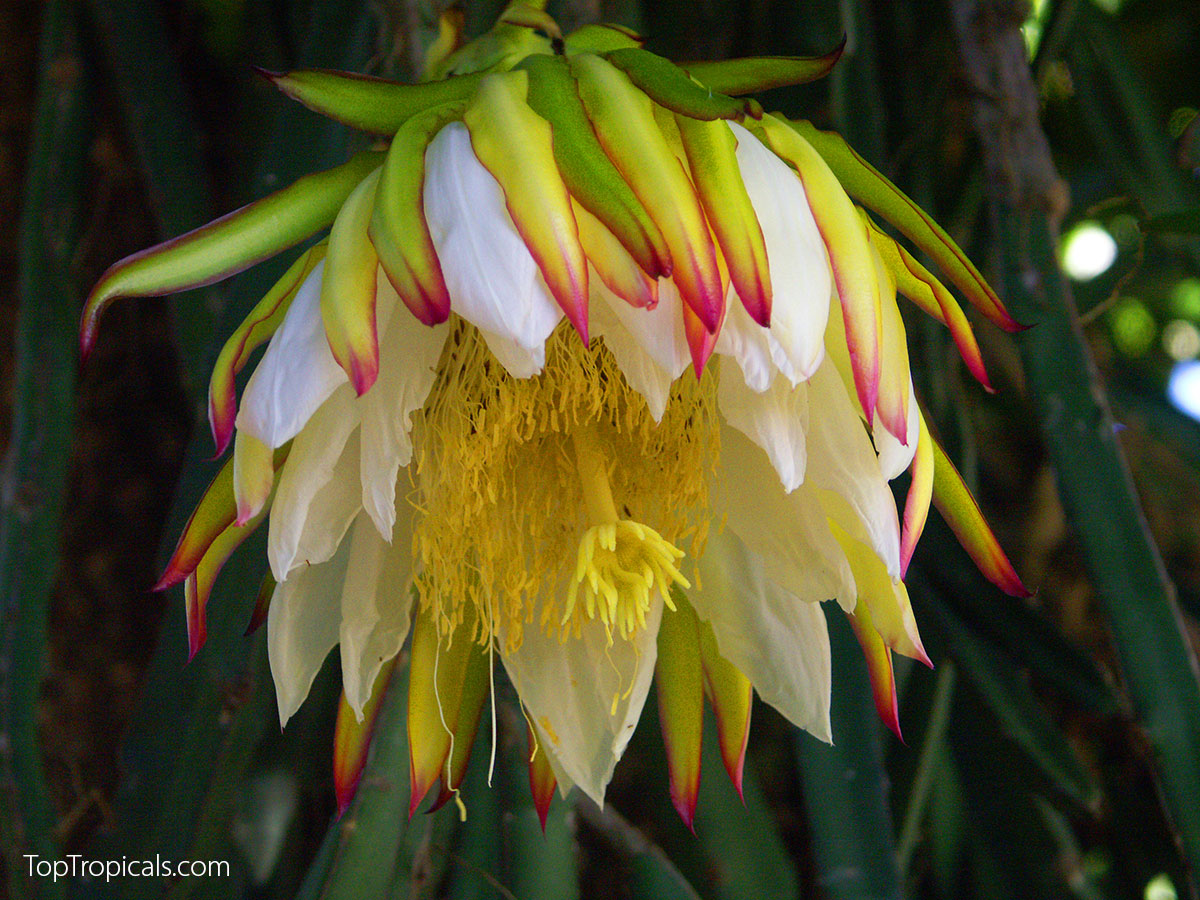
Close-up  of  a  blooming  dragon  fruit  pitaya  flower  with  white  petals  and
   yellow 
 center

Dragon fruit flowers are among the most spectacular in the plant world. They open at night, glowing under moonlight, with pale petals and a sweet fragrance. Each flower can be a foot wide. Seeing one bloom feels like stepping into another world.

⚡️ Top Dragon Fruit Health Benefits

  • High in fiber for digestion and gut health
  • Low in calories but full of vitamins
  • Great for weight management
  • Adds color and freshness to smoothies and salads

🍹 Dragon Fruit Smoothie recipe

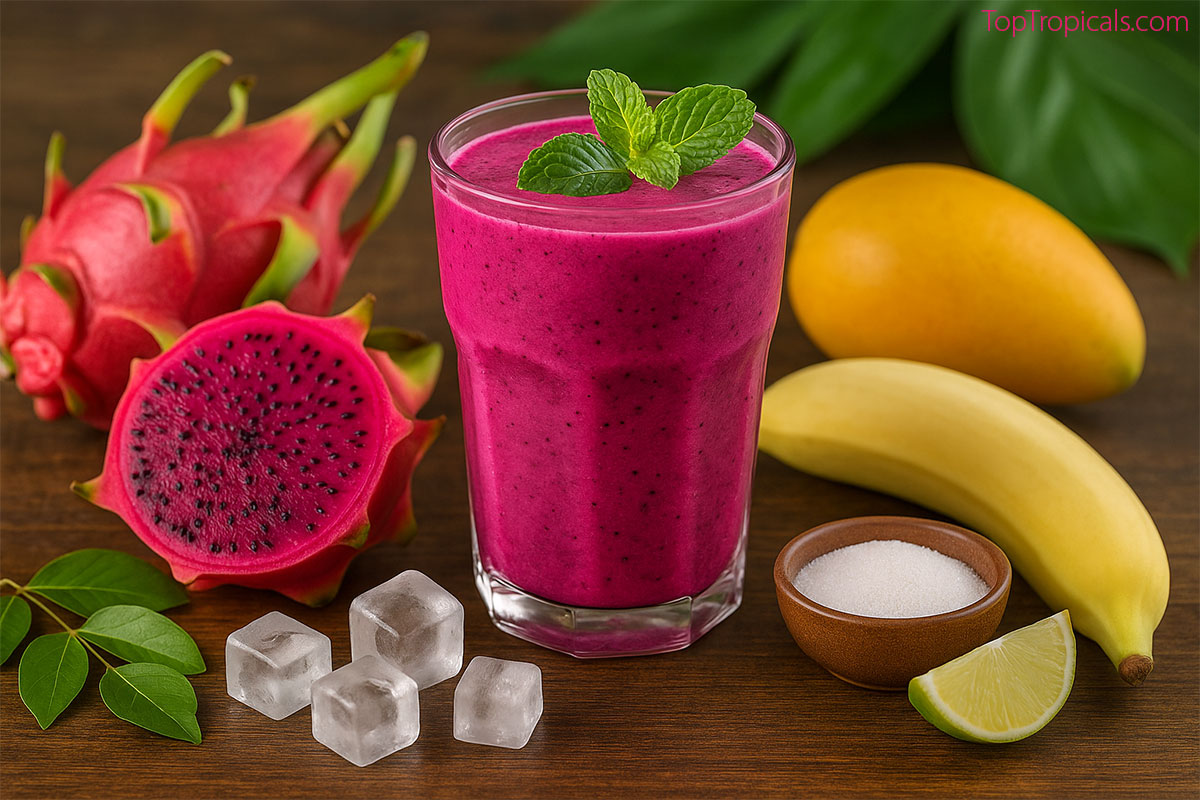
Glass  of  dragon  fruit  pitaya  smoothie  with  fresh  dragon  fruit,  banana, 
 mango,  lime,  sugar,  and  ice 
 cubes

Blend together:

  • 2 dragon fruits, peeled
  • 1/2 cup mango pulp
  • 1 banana
  • 1 cup milk of your choice
  • 2 tbsp sugar
  • 1/2 tsp lime juice
  • Ice cubes to taste

Top with mint for a refreshing tropical treat.

Watch Dragon Fruit short videos:

Date: 9 Jun 2026

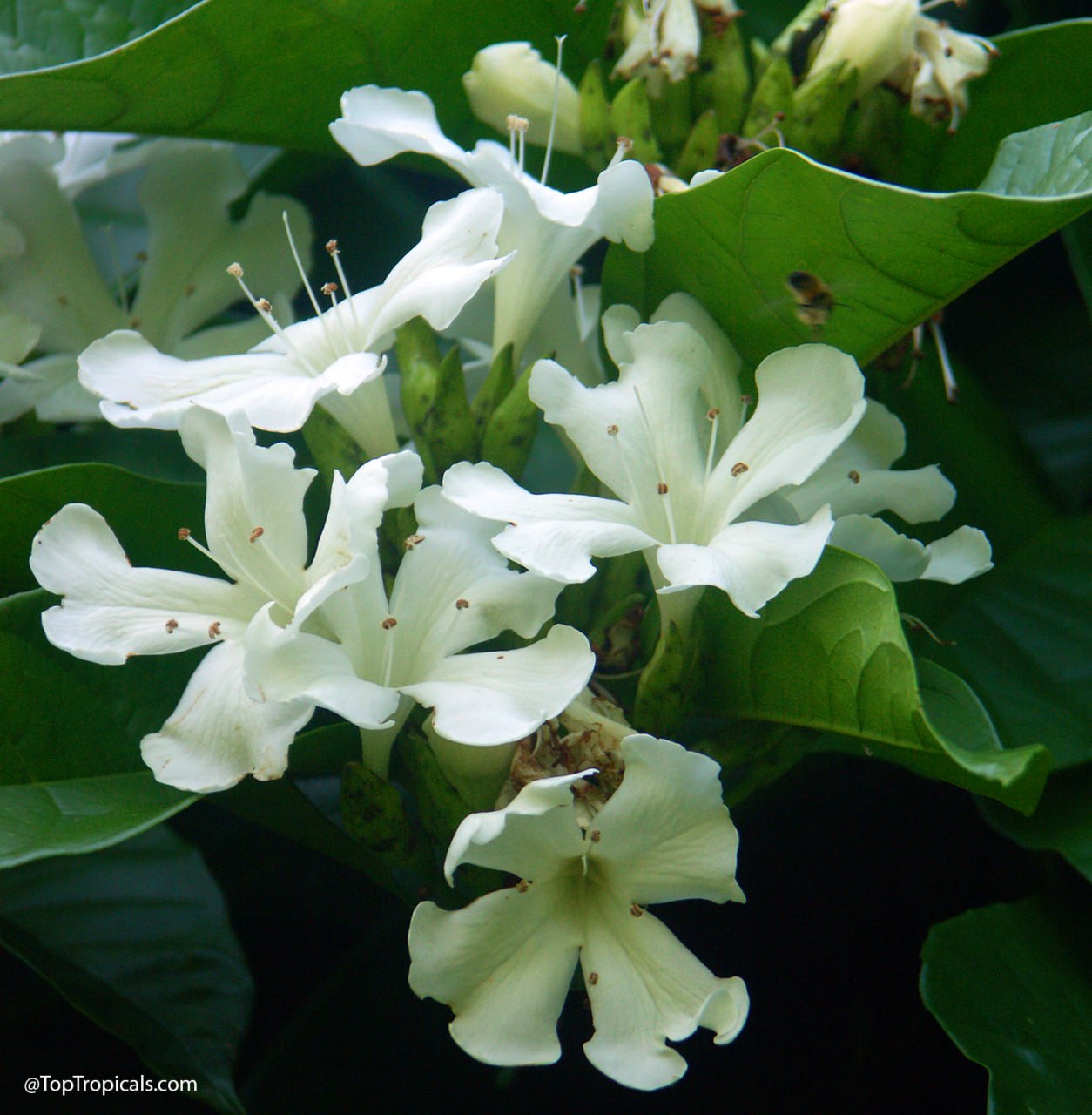
This Forgotten Tropical Vine Has Huge Glossy Leaves and Smells Exactly Like Carnations: Faradaya splendida - the Glory Vine

Faradaya splendida - the Glory Vine flowers close up

Faradaya splendida - the Glory Vine flowers close up

Faradaya splendida - the Glory Vine flowers

Faradaya splendida - the Glory Vine flowers

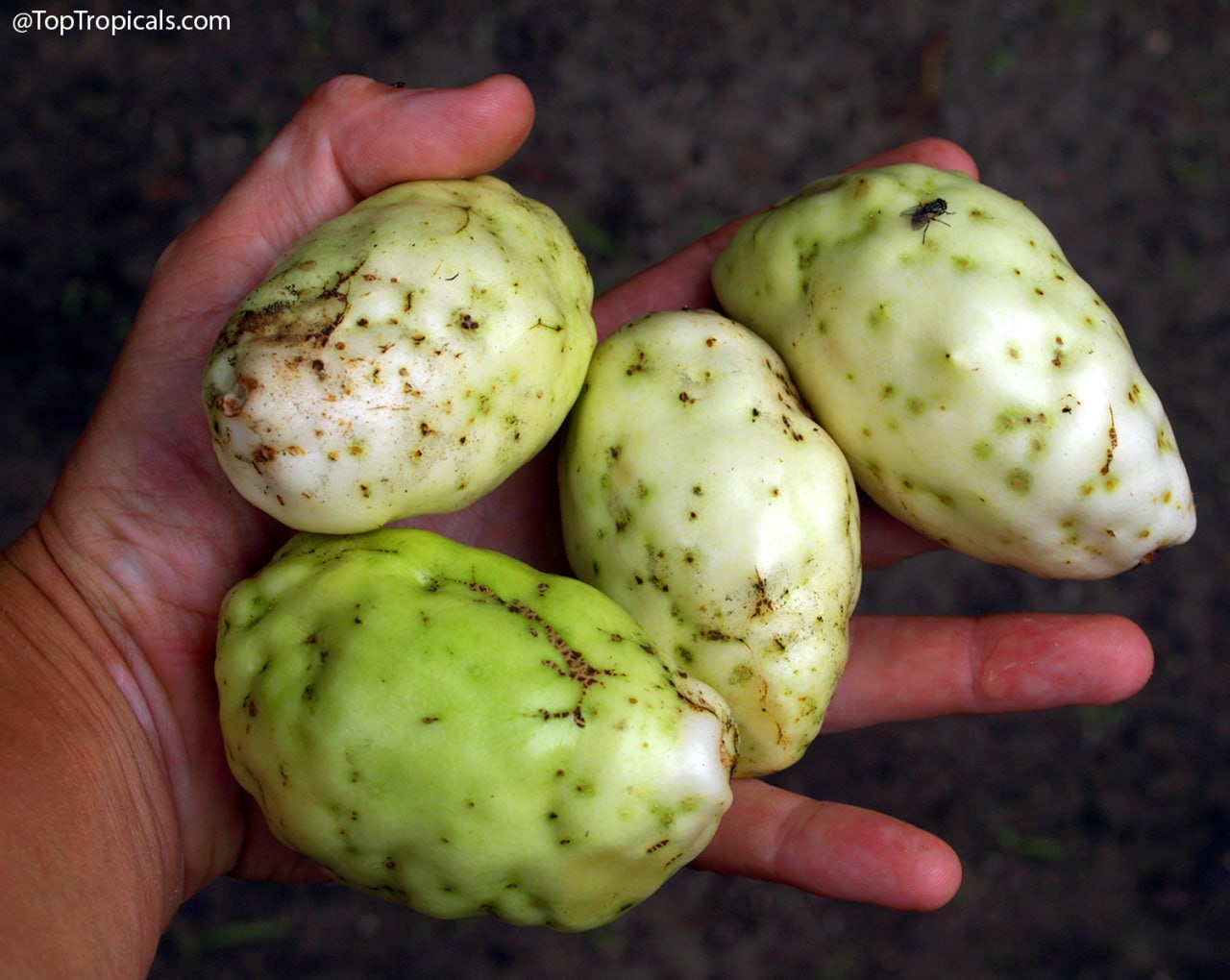
Faradaya splendida - the Glory Vine fruit

Faradaya splendida - the Glory Vine fruit

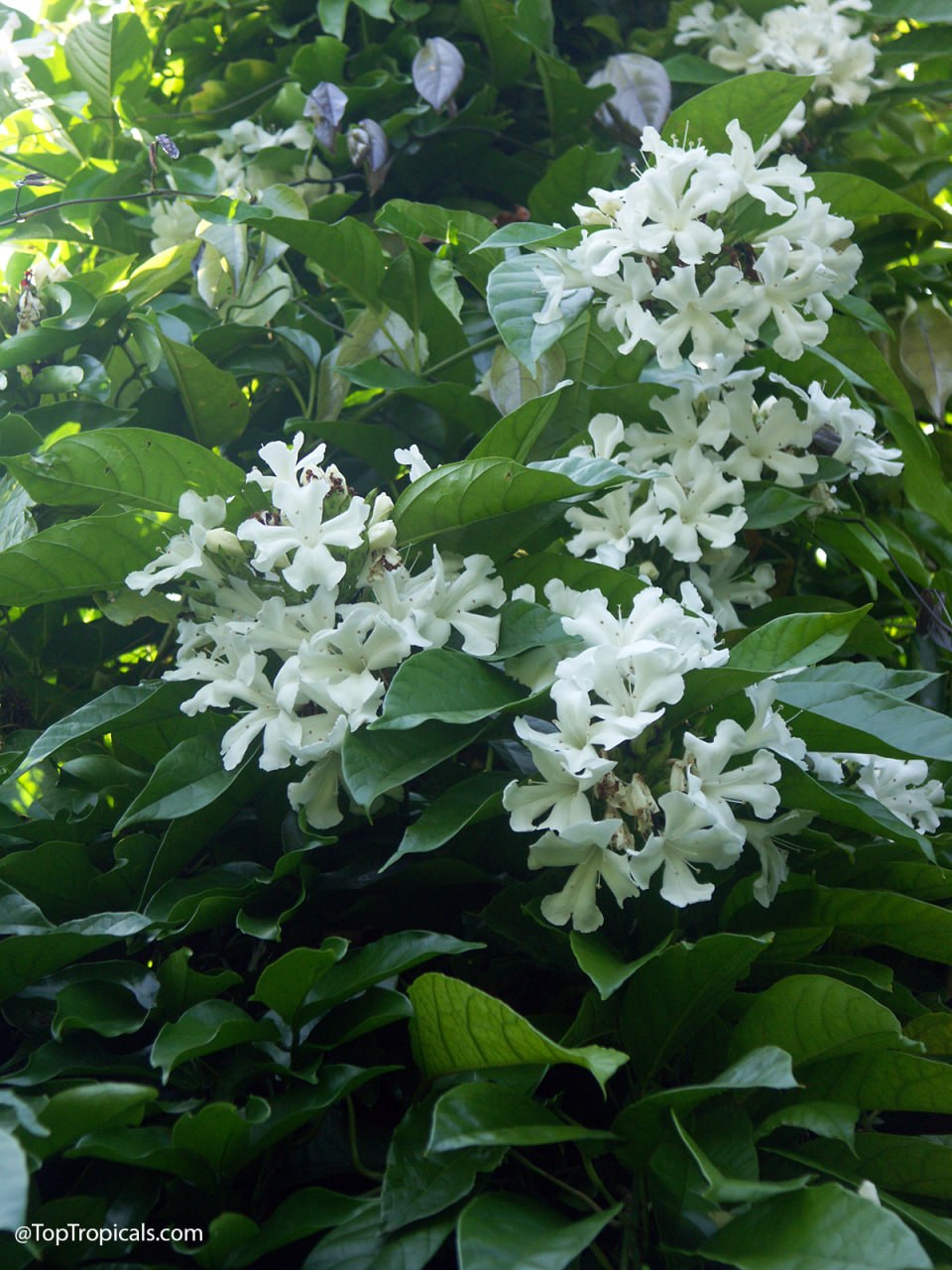
Faradaya splendida - the Glory Vine

Faradaya splendida - the Glory Vine

✨ This Forgotten Tropical Vine Has Huge Glossy Leaves and Smells Exactly Like Carnations: Faradaya splendida - the Glory Vine


Some plants become famous because everyone talks about them. Others quietly grow in the background - tougher, more resilient, and often far more impressive than the trendy varieties people rush to buy.
Faradaya splendida - the Glory Vine - belongs firmly in that second category.
This rare tropical climber boasts massive glossy leaves, carnation-scented white flowers, and enough vigor to quickly smother fences and pergolas. Yet, most gardeners have never heard of it simply due to a lack of mainstream exposure.

A Rainforest Native with Serious Presence


Native to the rainforests of Northern Queensland, Papua New Guinea, and nearby Pacific islands, the Glory Vine evolved to compete fiercely for sunlight. That edge explains its robust personality:

Fast Jungle Growth: This is no delicate creeper. Its thick, woody stems scale heavy garden structures with ease.
Dramatic Contrast:
Enormous, shiny leaves create a striking backdrop for pristine white blooms that practically glow against the dark foliage.

While Australian native plant enthusiasts love it, it remains a hidden gem to the rest of the gardening world.

Sensory Appeal: Carnation Scents and "Egg" Fruits


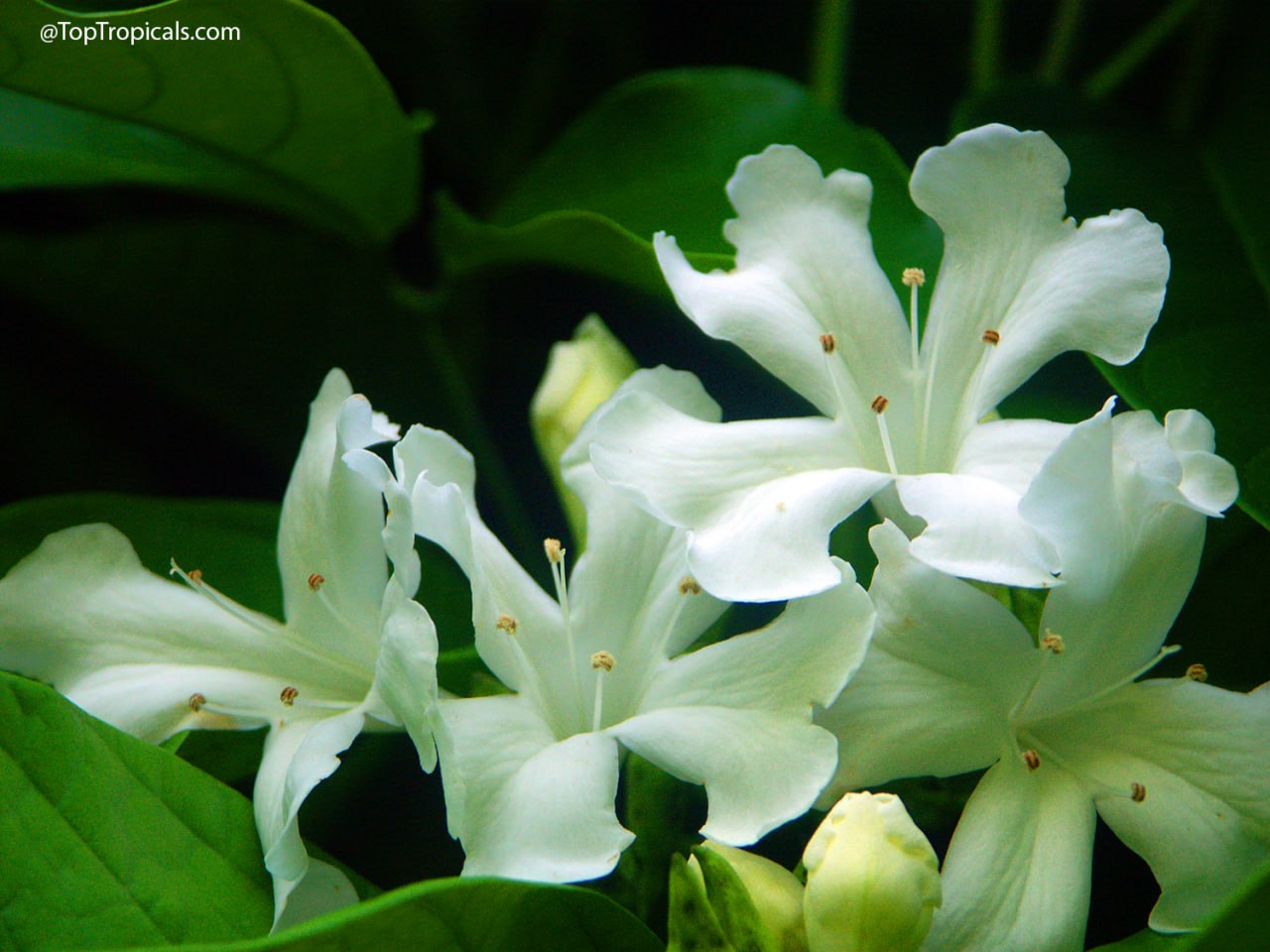
One of its best surprises is the fragrance. The large, snow-white, trumpet-shaped blooms carry a sweet, spicy scent identical to carnations, peaking in warm weather. While individual flowers are short-lived, the vine blooms heavily and repeatedly throughout summer.

Even out of bloom, the foliage delivers high-impact aesthetics. The lush leaves can reach nearly a foot long, effortlessly creating a dense rainforest look. Then come the strange fruits. After flowering, the vine produces large, egg-shaped white fruits resembling smooth potatoes. Hanging from the stems, they look so unusual that visitors often assume they are artificial.

Indigenous History and Ecological Deep Roots

Beyond beauty, Faradaya splendida carries a rich history. Among the Girramay people of northern Australia, the vine is known as Djungeen.

A Seasonal Clock: The dropping of its white fruits in October traditionally signaled that wild bush turkey nests contained eggs.
Traditional Fishing: The bark contains natural saponins (foaming compounds). Historically, it was used to temporarily stun fish in creeks without permanently polluting the water.

This is a storied rainforest species with deep ecological roots.

How to Grow the Glory Vine


The barriers to its popularity are availability and awareness. The name doesn't roll off the tongue like jasmine, and mainstream nurseries rarely stock it. However, source one from a specialty native nursery and the rewards are unmatched. It is:

· Evergreen and highly adaptable in tropical and subtropical climates.
· A magnet for local pollinators and butterflies.
· Exceptionally low-maintenance once established.

The only caveat? Space. This vine climbs with serious intent. Give it warmth, moisture, sunlight, and a sturdy structure, and it will reward you with a breathtaking jungle canopy.

One Discovery Away from Trend Status


Some plants stay hidden simply because a trendsetter hasn't spotlighted them online yet. The Glory Vine is a botanical treasure waiting to be rediscovered by modern landscaping. Until then, it remains a secret weapon for those in the know: a show-stopping vine that invariably makes people stop and ask, "What is that?"

🛒 Claim a Forgotten Treasure - only a few plants left in stock!

#Hedges_with_benefits #Discover #Perfume_Plants

🟢 Join 👉 TopTropicals

Date: 20 Sep 2025

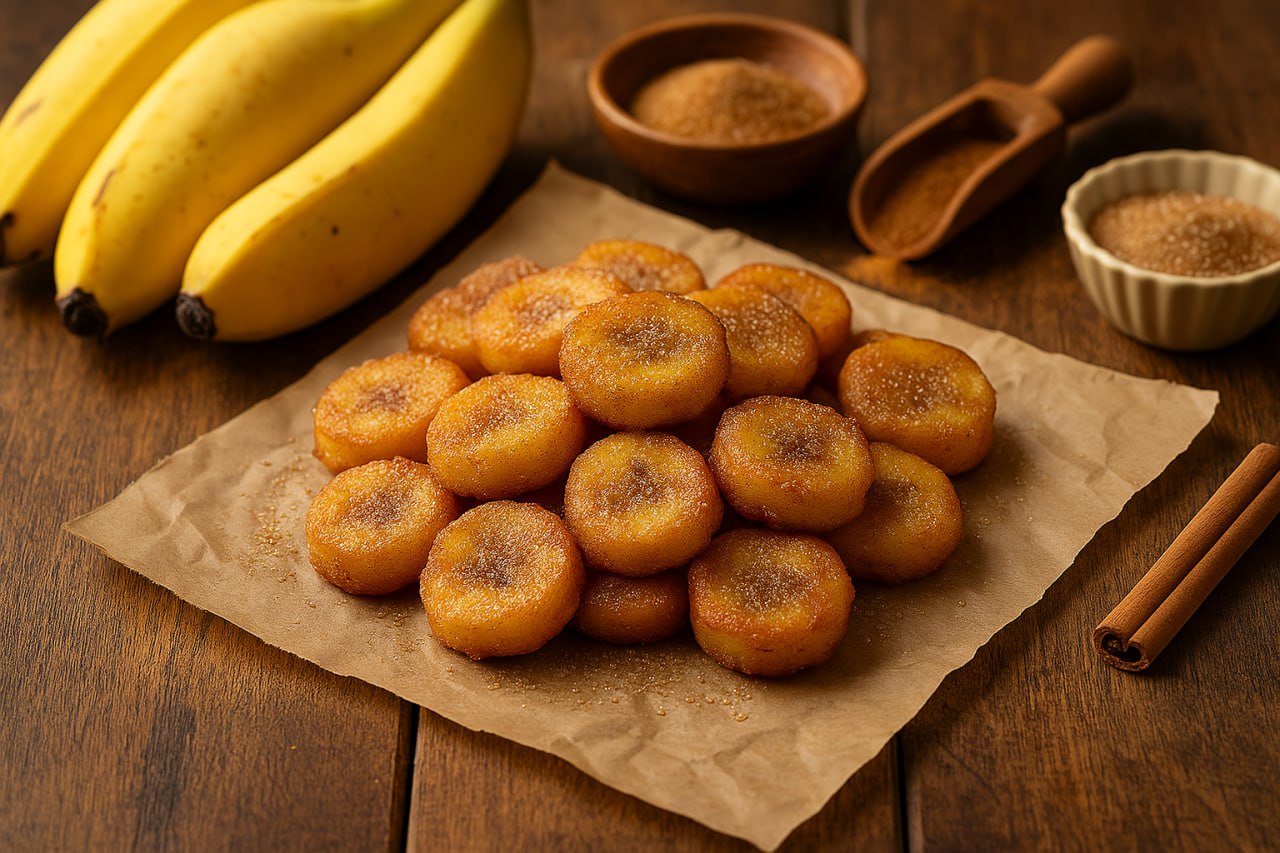
Banana cinnamon fritters: Quick-n-Fun exotic recipes

Banana cinnamon fritters

Banana cinnamon fritters

🍴 Banana cinnamon fritters: Quick-n-Fun exotic recipes 🍌


🟡Dip banana slices in a light batter, fry quickly, then dust with cinnamon sugar.
🟡Sweet street-food style snack!

Banana Cinnamon Fritters recipe

Ingredients

  • 2 ripe bananas
  • 1/2 cup flour
  • 1/4 cup water (or milk)
  • 1 tbsp sugar
  • 1/2 tsp cinnamon
  • 1/4 tsp baking powder
  • Pinch of salt
  • Oil for frying
  • Extra cinnamon sugar for dusting

Instructions

  1. Slice bananas into thick rounds.
  2. Mix flour, baking powder, sugar, cinnamon, salt, and water to form a light batter.
  3. Dip banana slices in batter and fry in hot oil until golden brown.
  4. Remove and drain on paper towels.
  5. Dust with cinnamon sugar and serve warm.

🛒 For home grown ingredients you will need:
Banana trees
Cinnamon tree

#Food_Forest #Recipes #Bananas

🟢 Join 👉 TopTropicals