Garden Blog - Top Tropicals

Date: 9 May 2026

9 tough trees for hot, dry spots that actually thrive
9 tough trees for hot, dry spots that actually thrive 9 tough trees for hot, dry spots that actually thrive 9 tough trees for hot, dry spots that actually thrive 9 tough trees for hot, dry spots that actually thrive
☀️ 9 tough trees for hot, dry spots that actually thrive


Why that one brutal spot in your yard never works? There’s always that one place - blazing sun, sandy or rocky soil, dries out fast, and everything you plant there struggles. In Florida, Arizona, and California, this isn’t rare - it’s the norm. The good news? Some trees don’t just tolerate it - they prefer it. Once established, these picks handle heat, drought, and neglect far better than typical landscape plants.
What makes these trees different? These are survivors. Many store water, have deep root systems, or evolved in dry climates. Translation - less watering, fewer losses, and a lot less frustration.


🔥 9 best trees for hot, dry spots


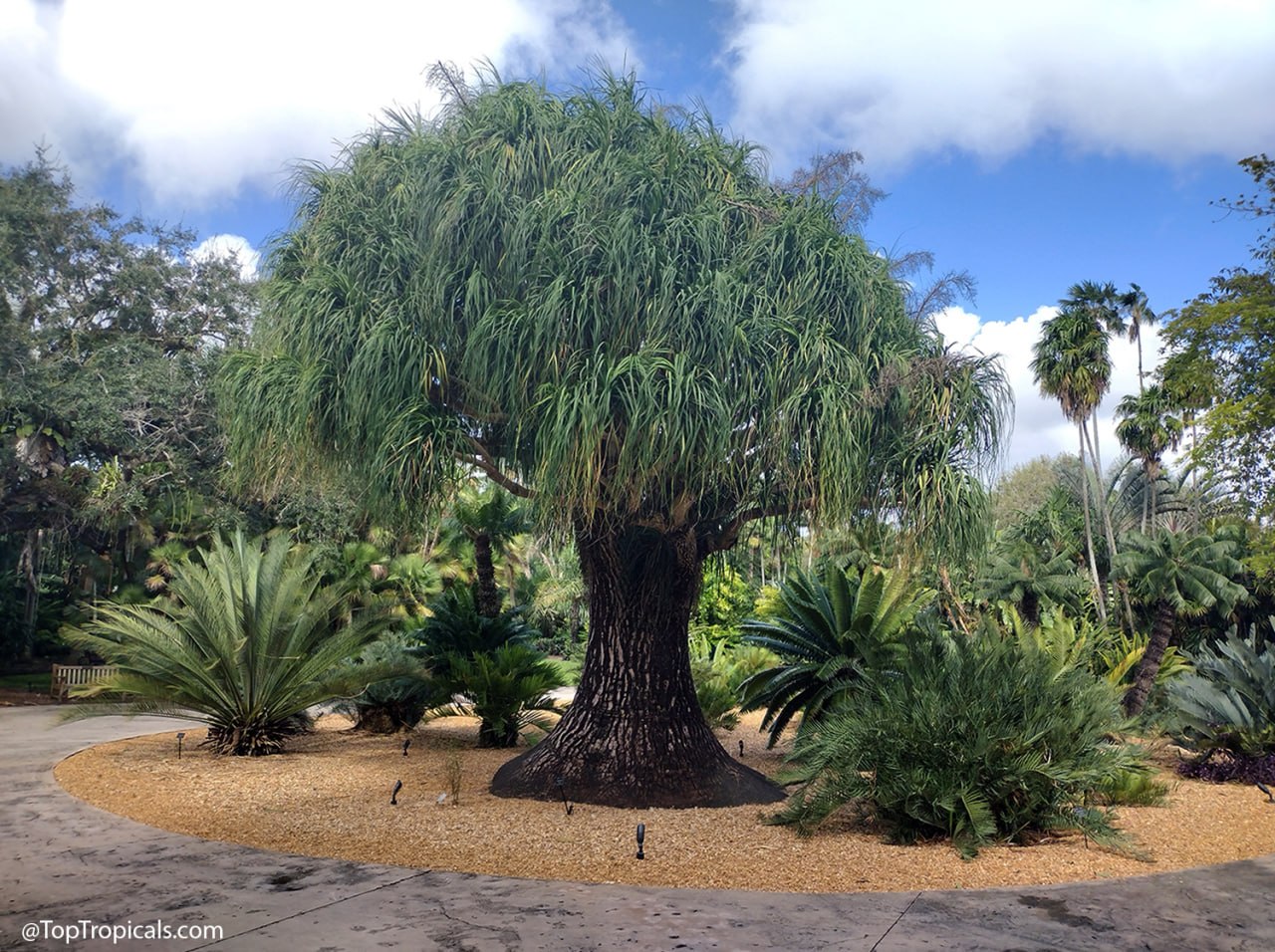
  • ☀️ 1. Pony Tail Palm - Beaucarnea recurvata 📸
    Not a true palm - it stores water in its showy, swollen trunk, making it incredibly drought tolerant and perfect for harsh, dry areas.

    Ponytail Palm Plant Facts

    Botanical name: Beaucarnea recurvata, Nolina recurvata
    Also known as: Ponytail Palm, Pony Tail, Bottle Palm, Nolina, Elephant-foot Tree
    USDA Zone: 10 - 11
    Highligths Plant with caudexPlant used for bonsaiSmall tree 10-20 ftFull sunWater Requirement: Low. Allow soil to dry out between wateringsPalm or palm-like plant
    Get personalized tips for your region
    More details
  • ☀️ 2. Monkey Ear Tree - Enterolobium cyclocarpum
    A fast-growing shade tree with curious seed pods, surprisingly tough in heat and drought, with massive canopy benefits.

    Monkey Ear Plant Facts

    Botanical name: Enterolobium cyclocarpum
    Also known as: Monkey Ear, Ear Pod Tree, Elephant Ear Tree, Eartree, Guanacaste Tree, Arbol de Guanacaste
    USDA Zone: 9 - 11
    Highligths Large tree taller than 20 ftFull sunWatering: Regular. Let topsoil dry slightlyWhite, off-white flowersDeciduous plantSubtropical plant. Mature plant cold hardy at least to 30s F for a short time
    Get personalized tips for your region
    More details
  • ☀️ 3. Firebush - Hamelia patens
    Technically a large shrub/small tree - thrives in heat, blooms nonstop, attracts butterflies, and handles dry conditions once rooted in.

    Fire Bush Plant Facts

    Botanical name: Hamelia patens
    Also known as: Fire Bush, Firecracker Plant
    USDA Zone: 8 - 11
    Highligths Large shrub 5-10 ft tallSmall tree 10-20 ftFull sunWater Requirement: Low. Allow soil to dry out between wateringsYellow, orange flowersRed, crimson, vinous flowersPlant attracts butterflies, hummingbirdsSeaside, salt tolerant plant
    Get personalized tips for your region
    More details
  • ☀️ 4. Peregrina - Jatropha integerrima compacta
    Compact, colorful, and very forgiving - keeps flowering even when conditions get hot and dry.

    Peregrina Plant Facts

    Botanical name: Jatropha integerrima, Jatropha pandurata
    Also known as: Peregrina, Spicy Jatropha, Coral Plant, Physic Nut
    USDA Zone: 9 - 11
    Highligths Plant used for bonsaiLarge shrub 5-10 ft tallSmall tree 10-20 ftSemi-shadeFull sunWater Requirement: Low. Allow soil to dry out between wateringsRed, crimson, vinous flowersPink flowersPlant attracts butterflies, hummingbirdsIrritating plantSubtropical plant. Mature plant cold hardy at least to 30s F for a short timeSeaside, salt tolerant plant
    Get personalized tips for your region
    More details
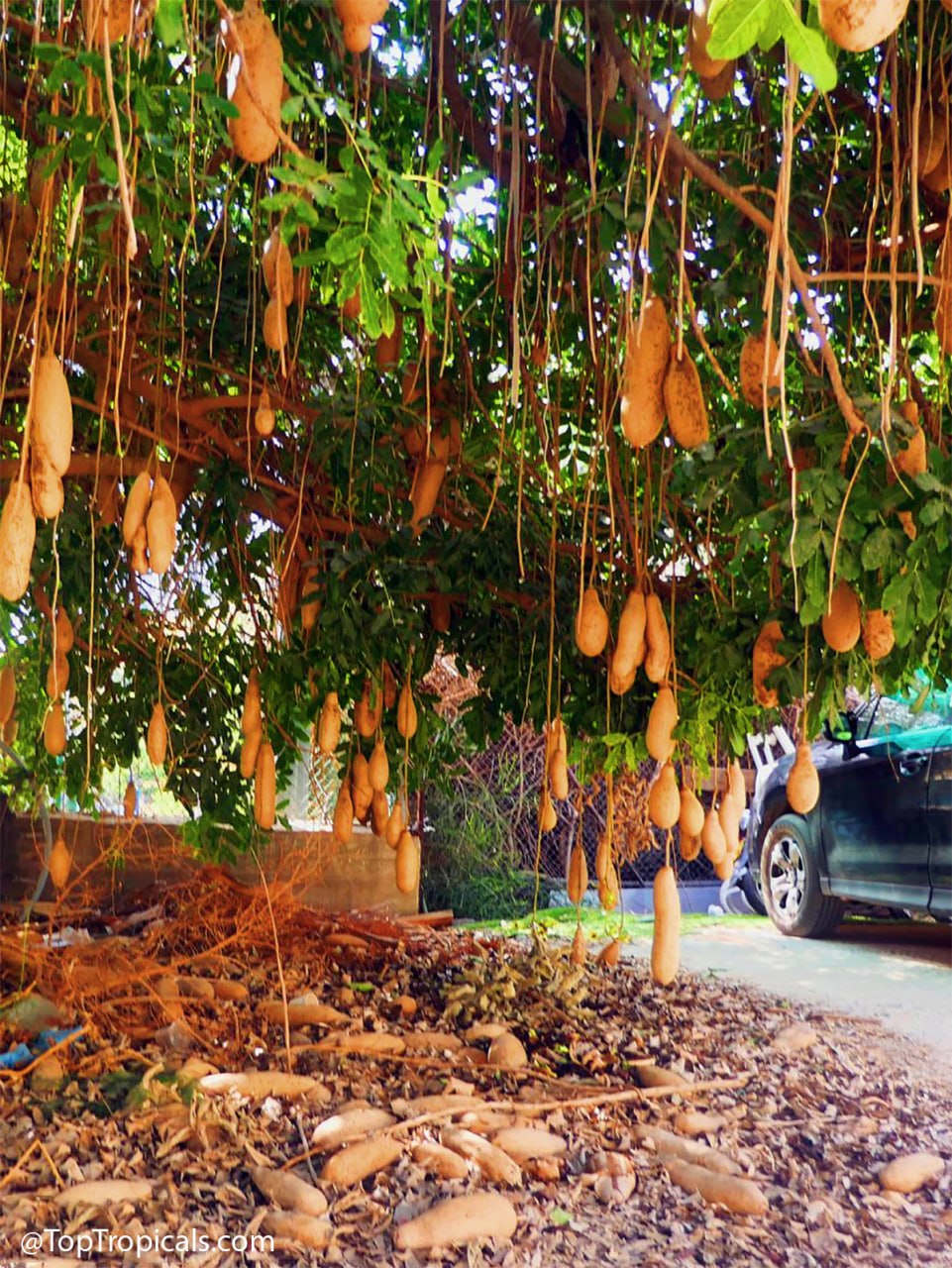
  • ☀️ 5. Sausage Tree - Kigelia pinnata 📸
    A bold tropical look with bizarre flowers and fruit, with serious heat tolerance; once established, it handles dry spells better than expected.

    Sausage Tree Plant Facts

    Botanical name: Kigelia pinnata, Kigelia africana
    Also known as: Sausage Tree
    USDA Zone: 9 - 11
    Highligths Large tree taller than 20 ftSemi-shadeFull sunWatering: Moderate. Water when top soil feels dryDeciduous plantEthnomedical plant.
Plants marked as ethnomedical and/or described as medicinal, are not offered as medicine but rather as ornamentals or plant collectibles.
Ethnomedical statements / products have not been evaluated by the FDA and are not intended to diagnose, treat, cure, or prevent any disease. We urge all customers to consult a physician before using any supplements, herbals or medicines advertised here or elsewhere.Fragrant plantSubtropical plant. Mature plant cold hardy at least to 30s F for a short time
    Get personalized tips for your region
    More details
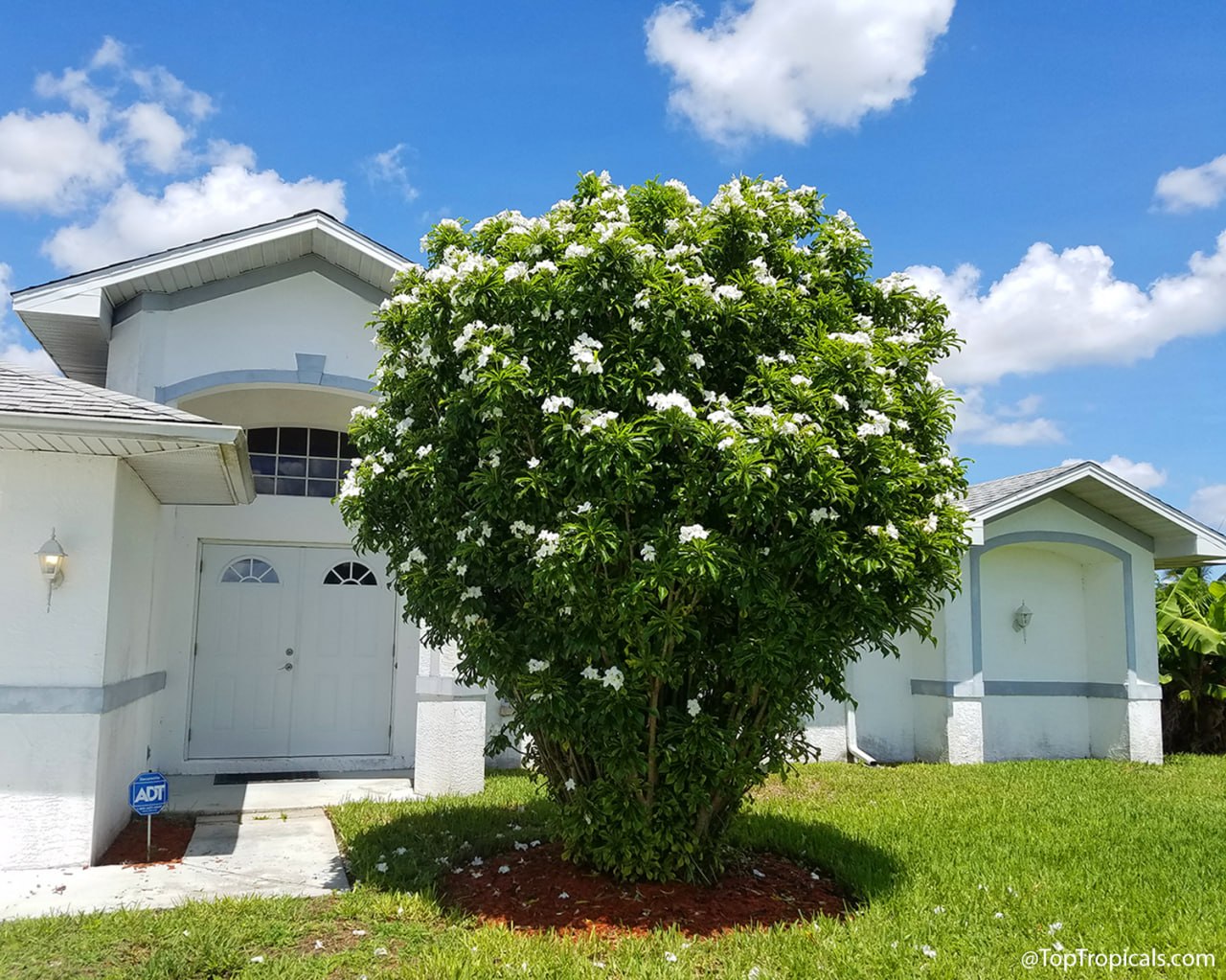
  • ☀️ 6. Plumeria 📸
    Built for sun and neglect - thrives in poor and sandy soil, needs minimal water, and rewards with fragrant blooms.

    Plumeria Plant Facts

    Botanical name: Plumeria sp.
    Also known as: Plumeria, Frangipani
    USDA Zone: 9 - 11
    Highligths Large shrub 5-10 ft tallSmall tree 10-20 ftFull sunWatering: Moderate. Water when top soil feels dryYellow, orange flowersRed, crimson, vinous flowersWhite, off-white flowersPink flowersPlant attracts butterflies, hummingbirdsDeciduous plantFragrant plantSeaside, salt tolerant plant
    Get personalized tips for your region
    More details
  • ☀️ 7. Pomegranate
    One of the most drought-tolerant fruit trees - handles heat, poor soil, and still produces reliably.

    Pomegranate Plant Facts

    Botanical name: Punica granatum
    Also known as: Pomegranate, Granada, Grenade, Pomegranate, Granada, Anar, Granaatappel, Pomo Granato, Romeira, Melo Grano
    USDA Zone: 8 - 11
    Highligths Large shrub 5-10 ft tallSmall tree 10-20 ftFull sunWatering: Moderate. Water when top soil feels dryRed, crimson, vinous flowersThorny or spinyEdible plantDeciduous plantEthnomedical plant.
Plants marked as ethnomedical and/or described as medicinal, are not offered as medicine but rather as ornamentals or plant collectibles.
Ethnomedical statements / products have not been evaluated by the FDA and are not intended to diagnose, treat, cure, or prevent any disease. We urge all customers to consult a physician before using any supplements, herbals or medicines advertised here or elsewhere.Subtropical plant. Mature plant cold hardy at least to 30s F for a short timeSeaside, salt tolerant plant
    Get personalized tips for your region
    More details
  • ☀️ 8. Aster Tree / Snow Bush - Baccharis halimifolia
    A tough Florida native option - thrives in sandy, dry soils and coastal conditions with no fuss.

    Aster Tree Plant Facts

    Botanical name: Baccharis halimifolia
    Also known as: Aster Tree, White Cloud Tree, Snow Bush, Eastern Baccharis, Flannel Bush
    USDA Zone: 8 - 11
    Highligths Plant used for bonsaiLarge shrub 5-10 ft tallSmall tree 10-20 ftSemi-shadeFull sunWatering: Regular. Let topsoil dry slightlyWhite, off-white flowersPlant attracts butterflies, hummingbirdsSubtropical plant. Mature plant cold hardy at least to 30s F for a short timeFlood tolerant plant
    Get personalized tips for your region
    More details
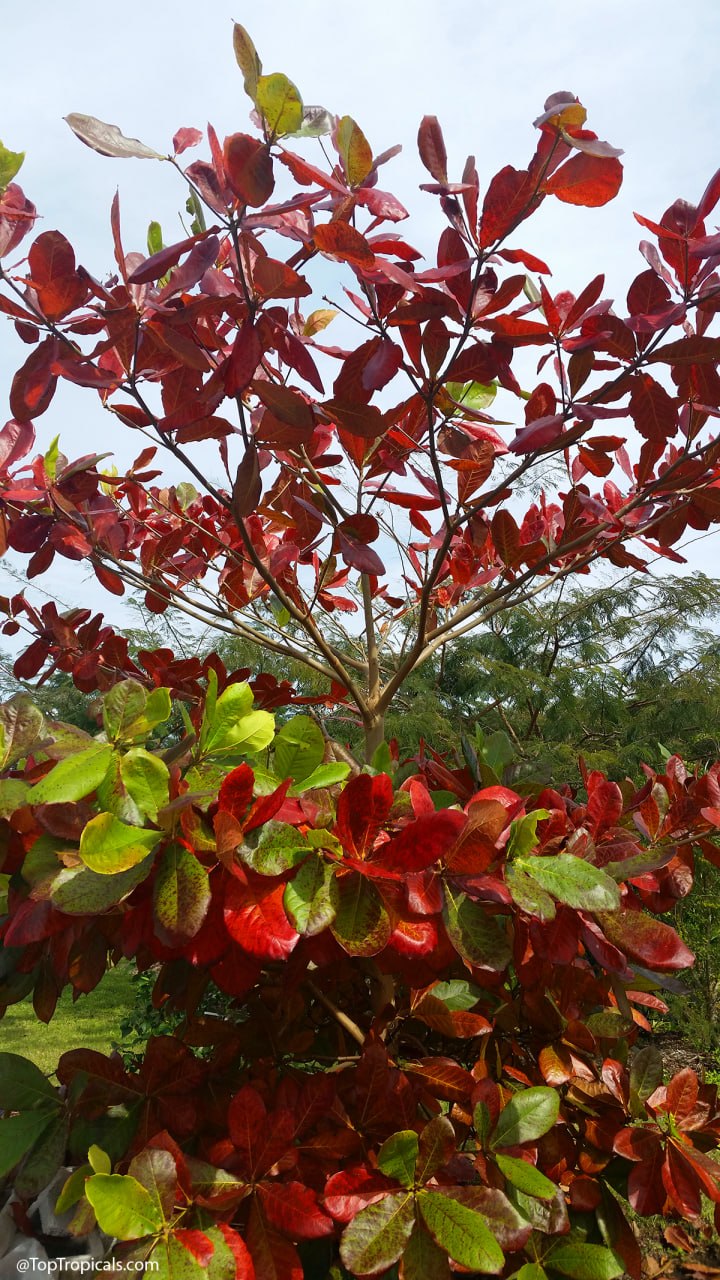
  • ☀️ 9. Tropical Almond - Terminalia catappa 📸
    A classic coastal shade tree that thrives in heat, wind, and dry sandy soil once established. Its broad, layered canopy provides excellent shade, and the large leaves turn striking shades of red and orange before dropping - a rare bonus color show for hot-climate landscapes. Plus almond nuts as extra bonus!

    Tropical Almond Plant Facts

    Botanical name: Terminalia catappa
    Also known as: Tropical Almond, Badamier, Java Almond, Indian Almond, Malabar Almond, Singapore Almond, Ketapang, Huu Kwang, Pacific Almond
    USDA Zone: 9 - 11
    Highligths Large tree taller than 20 ftFull sunWatering: Moderate. Water when top soil feels dryWhite, off-white flowersEdible plantDeciduous plantEthnomedical plant.
Plants marked as ethnomedical and/or described as medicinal, are not offered as medicine but rather as ornamentals or plant collectibles.
Ethnomedical statements / products have not been evaluated by the FDA and are not intended to diagnose, treat, cure, or prevent any disease. We urge all customers to consult a physician before using any supplements, herbals or medicines advertised here or elsewhere.Subtropical plant. Mature plant cold hardy at least to 30s F for a short timeSeaside, salt tolerant plant
    Get personalized tips for your region
    More details


👉 These trees are just the start - stay with us as we move into shrubs and smaller plants that thrive in the same harsh conditions.

🛒 Shop drought tolerant plants - for hot and dry spots

📚
Learn more:
Pony Tail Palm - Beaucarnea recurvata in Plant Encyclopedia
15 "Bulletproof" Fruit Trees for Tough Ground
7 best exotic dwarf trees for maximum impact in small tropical landscapes
5 small tropical trees that bloom all summer or year around

#Discover #Trees #How_to

🟢 Join 👉 TopTropicals
Date: 30 Apr 2024

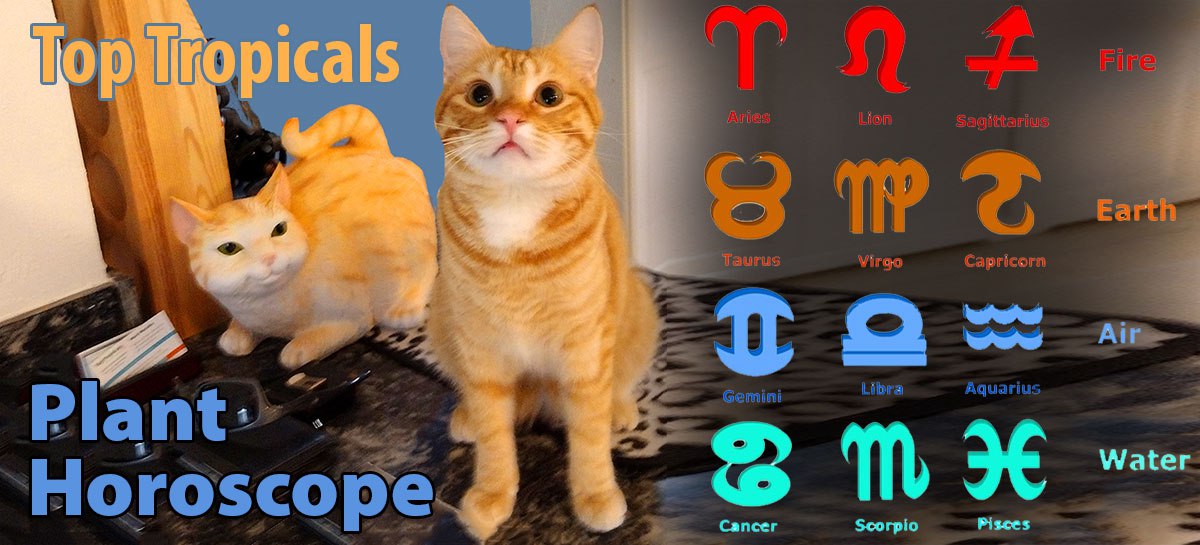
What is your cats Zodiac sign?

What is your cats Zodiac sign?
♉️ 😸 What is your cat's Zodiac sign?
Cat Horoscope: Taurus Cats 4/21-5/20


❓ How to know the astrological sign of your cat? It can be determined by either their date of birth or adoption, as adoption is often considered a second birth for cats.

✨ You can discover the astrological traits that describe the cat, such as their independence, diva-like tendencies, sense of humor, intelligence, and more.

✨ It's also important to consider the astrological relationship between cats and plants...

♉️ Taurus Cats are:
▪️sybarites
▪️gourmands
▪️pragmatic
▪️excellent ratters
▪️possessive

🌟 Learn more about Taurus Cats and discover their lucky plants

#PeopleCats #Horoscope

JOIN 👉 @TopTropicals

Date: 22 Mar 2026

Do Fruit Trees Increase Property Value? Tropical Plants That Pay Off

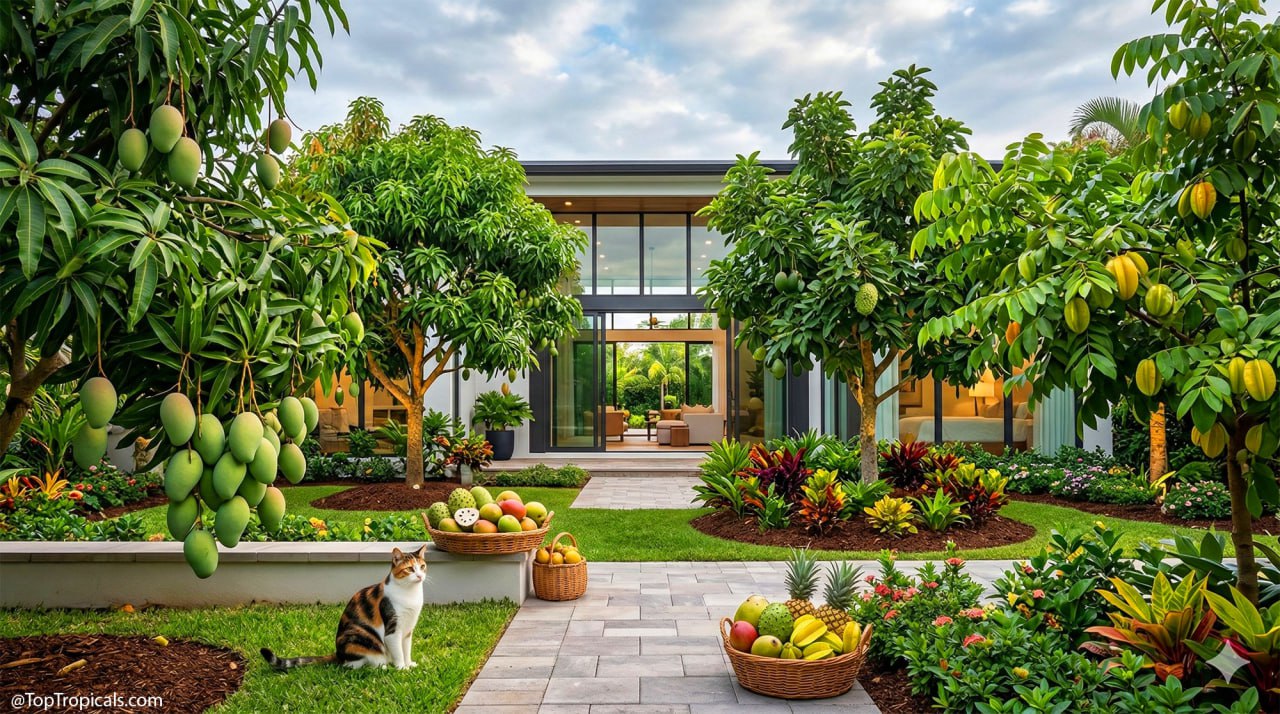
Yard with fruiting tropical trees

Yard with fruiting tropical trees

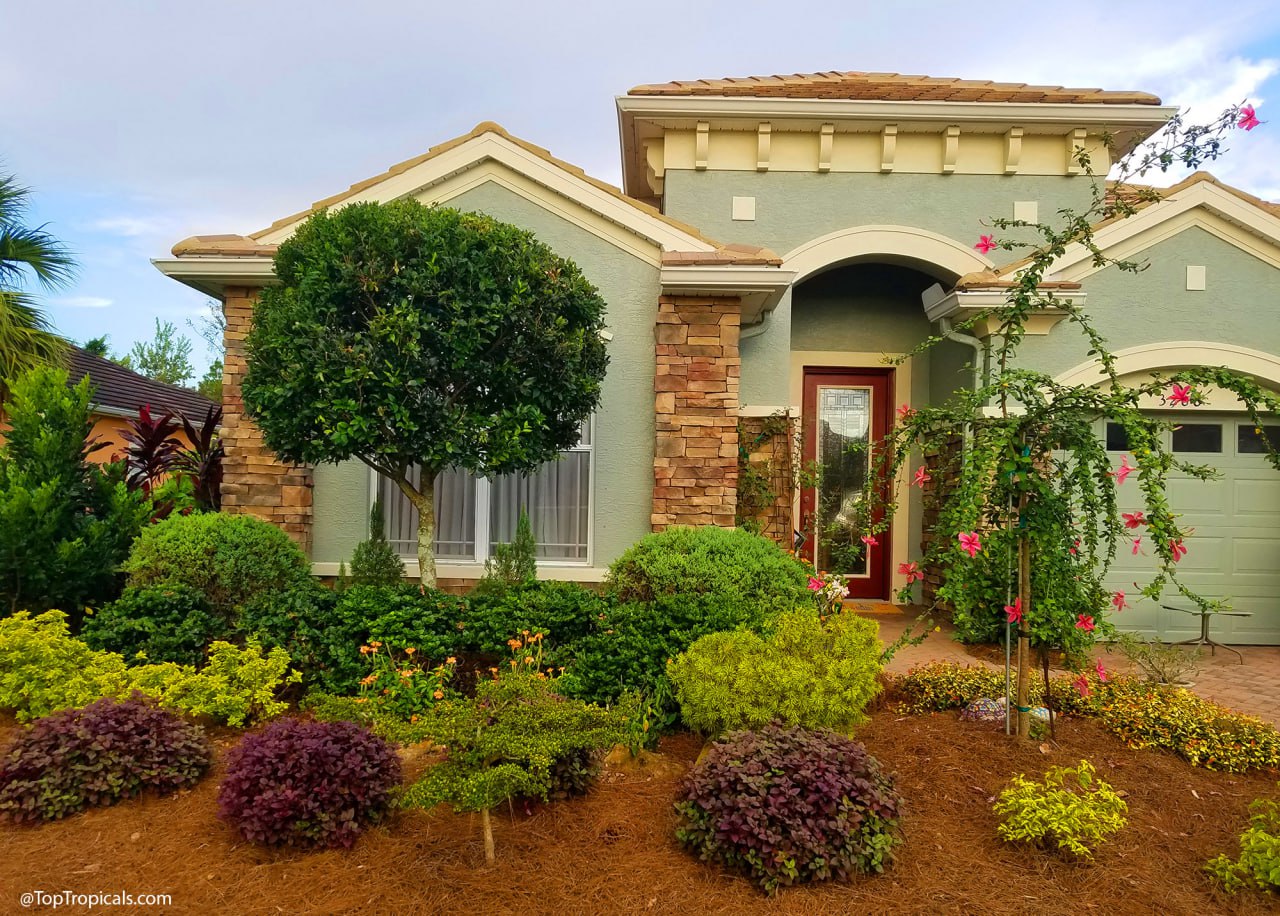
Landscaped yard in Florida

Landscaped yard in Florida

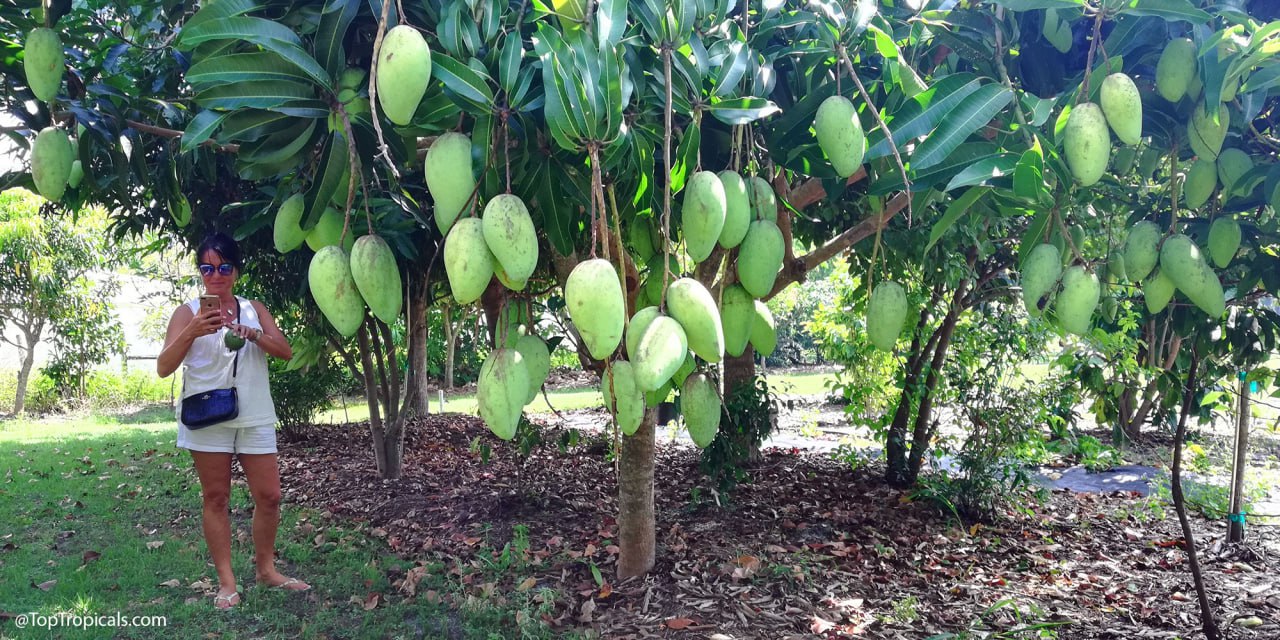
Mango tree fruiting in the garden

Mango tree fruiting in the garden

Do Fruit Trees Increase Property Value? Tropical Plants That Pay Off 🏡

Can your backyard pay for itself? Learn which 12 tropical fruit trees real estate experts say are the smartest investment for your landscape. Discover how tropical fruit trees like mango and avocado add "edible equity" and curb appeal to your property, making it more desirable to future buyers. Turn your yard into a private paradise that lowers grocery bills and boosts home value.

In warm climates like Florida, a mango tree isn't just landscaping - it’s a food-producing asset. Mature tropical fruit trees offer "edible equity," saving homeowners hundreds in grocery bills while creating a unique, memorable aesthetic for buyers.

Mango Plant Facts

Botanical name: Mangifera indica
Also known as: Mango
USDA Zone: 9 - 11
Highligths Large tree taller than 20 ftSmall tree 10-20 ftFull sunWatering: Moderate. Water when top soil feels dryYellow, orange flowersPink flowersEdible plantSeaside, salt tolerant plant
Get personalized tips for your region

🥭 1. Focus on "Instant Recognition" Favorites


Trees buyers already know and love provide the strongest ROI. They signal that the yard is already productive - something new builds can’t offer.

•  Top Picks: Mango, Avocado, Papaya, Banana, Guava, and Loquat.

Avocado Plant Facts

Botanical name: Persea americana, Persea gratissima
Also known as: Avocado, Alligator Pear, Aguacate, Abacate
USDA Zone: 9 - 11
Highligths Large tree taller than 20 ftSmall tree 10-20 ftFull sunWatering: Regular. Let topsoil dry slightlyEdible plantSubtropical plant. Mature plant cold hardy at least to 30s F for a short time
Get personalized tips for your region

•  The Value: A single mature avocado or mango tree can yield hundreds of pounds of fruit annually.

🥭 2. Create a "Memorable Discovery" with Exotic Varieties


Unusual fruits turn a standard yard into a tropical orchard, acting as a conversation piece during home tours.

•  The Exotic List: Jackfruit, Sugar Apple, Soursop, Sapodilla, Ice Cream Bean, and Star Fruit.

🥭 3. Strategic Placement for Energy Savings


Large-canopy trees like jackfruit or mango do more than provide food; they act as natural insulation.

•  Natural Cooling: Strategic planting reduces afternoon sun exposure and lowers AC costs.
•  Indoor/Outdoor Flow: Use trees to frame window views, block neighbors, and create private "outdoor rooms."

🥭 4. The Power of the "Mini Orchard"


A collection of 3–5 trees creates a stronger emotional pull than a lone plant. Buyers begin to visualize a lifestyle of smoothies and harvests.

•  Winning Combos: Mango + Avocado + Papaya or Guava + Star Fruit + Banana.

🥭 5. Maintenance: Health Equals Value


Fruit trees only add value if they look manageable. A neglected tree suggests a neglected home.

•  Pre-Sale Prep: Prune for tidiness, mulch the base, and clear fallen fruit.
•  Spacing Matters: Avoid overcrowding; ensure buyers can walk comfortably through the yard without feeling "closed in."

🥭 The Long-Term Play


Unlike decorative plants that may need frequent replacement, fruit trees appreciate over time. Because a mango tree takes years to reach peak production, the best time to plant for future resale value is now. By the time you list, your yard will offer shade, privacy, and a harvest that buyers find hard to resist.

🛒 Start Growing Your Edible Equity - Find the Perfect Fruit Tree for Your Yard

📚 Learn more:


Mango trees in Plant Encyclopedia

#Food_forest #How_to #Discover

🟢 Join 👉 TopTropicals

Date: 20 Sep 2025

Banana cinnamon fritters: Quick-n-Fun exotic recipes

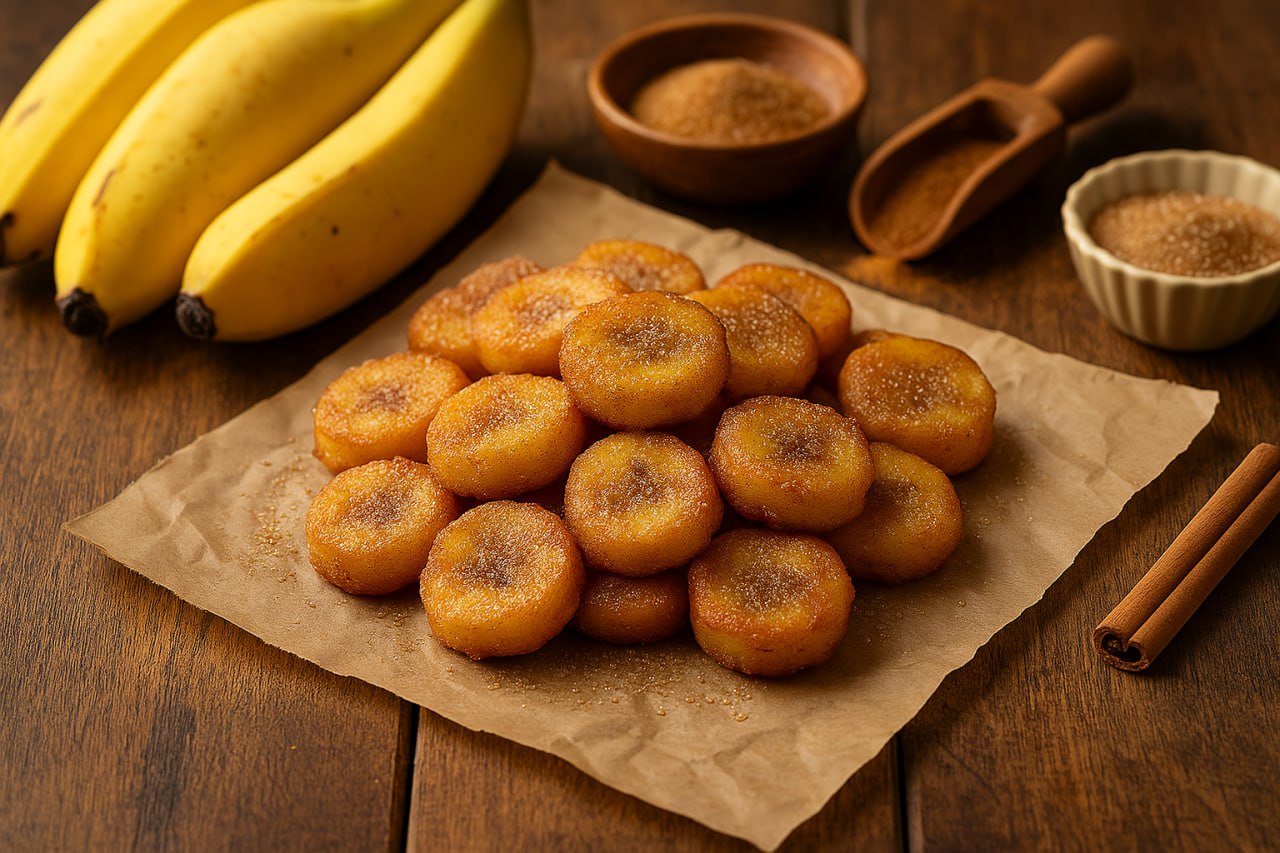
Banana cinnamon fritters

Banana cinnamon fritters

🍴 Banana cinnamon fritters: Quick-n-Fun exotic recipes 🍌


🟡Dip banana slices in a light batter, fry quickly, then dust with cinnamon sugar.
🟡Sweet street-food style snack!

Banana Cinnamon Fritters recipe

Ingredients

  • 2 ripe bananas
  • 1/2 cup flour
  • 1/4 cup water (or milk)
  • 1 tbsp sugar
  • 1/2 tsp cinnamon
  • 1/4 tsp baking powder
  • Pinch of salt
  • Oil for frying
  • Extra cinnamon sugar for dusting

Instructions

  1. Slice bananas into thick rounds.
  2. Mix flour, baking powder, sugar, cinnamon, salt, and water to form a light batter.
  3. Dip banana slices in batter and fry in hot oil until golden brown.
  4. Remove and drain on paper towels.
  5. Dust with cinnamon sugar and serve warm.

🛒 For home grown ingredients you will need:
Banana trees
Cinnamon tree

#Food_Forest #Recipes #Bananas

🟢 Join 👉 TopTropicals

Date: 29 Oct 2024

How can you use Elephant Ears?

🐘 How can you use Elephant Ears?


🟢 Alocasias and Colocasias, or Elephant Ears, are both remarkable and popular plants that can bring a touch of tropical elegance to any garden.
  • 🟢 Striking Foliage: large, lush foliage. The leaves can be enormous, resembling the shape of elephant ears, hence the common name. The foliage is usually rich green, but there are also varieties with hues of purple, black, or variegated patterns. These vibrant leaves create a dramatic focal point.
  • 🟢 Tropical Aesthetic: large, architectural leaves add a sense of drama and create a stunning backdrop for other plants.
  • 🟢 Versatility: work well in containers, making them suitable for patio gardens. In larger landscapes, colocasias and alocasias can be planted directly in the ground, either as standalone specimens or as part of mixed border plantings. They can also be utilized around water features or in bog gardens since they enjoy moist conditions.
  • 🟢 Low Maintenance: thrive in full to partial shade. Regular watering and occasional fertilization will help them grow vigorously.
  • 🟢 Impressive Size: Some varieties can grow several feet tall, creating a stunning vertical element in the garden.


📸 Colocasia esculenta Jacks Giant: This astonishing elephant ear is well-named, it really does look like something that would grow for the giant! The foliage is absolutely massive, many feet long and wide, with a glossy texture, prominent ribbing, and a rich blue-green cast that lightens to chartreuse around the edges.

📚 Learn more from previous posts:


What to plant by the pond?
Pharaoh Mask with stunning 3D effect
Mojito Elephant Ears
Colocasia vs Alocasia - what is the difference?

🛒 Shop Colocasias

#Shade_Garden

🔴 Join 👉 TopTropicals