9 tough trees for hot, dry spots that actually thrive
☀️ 9 tough trees for hot, dry spots that actually thrive
Why that one brutal spot in your yard never works? There’s always that one place - blazing sun, sandy or rocky soil, dries out fast, and everything you plant there struggles. In Florida, Arizona, and California, this isn’t rare - it’s the norm. The good news? Some trees don’t just tolerate it - they prefer it. Once established, these picks handle heat, drought, and neglect far better than typical landscape plants. What makes these trees different? These are survivors. Many store water, have deep root systems, or evolved in dry climates. Translation - less watering, fewer losses, and a lot less frustration.
🔥 9 best trees for hot, dry spots
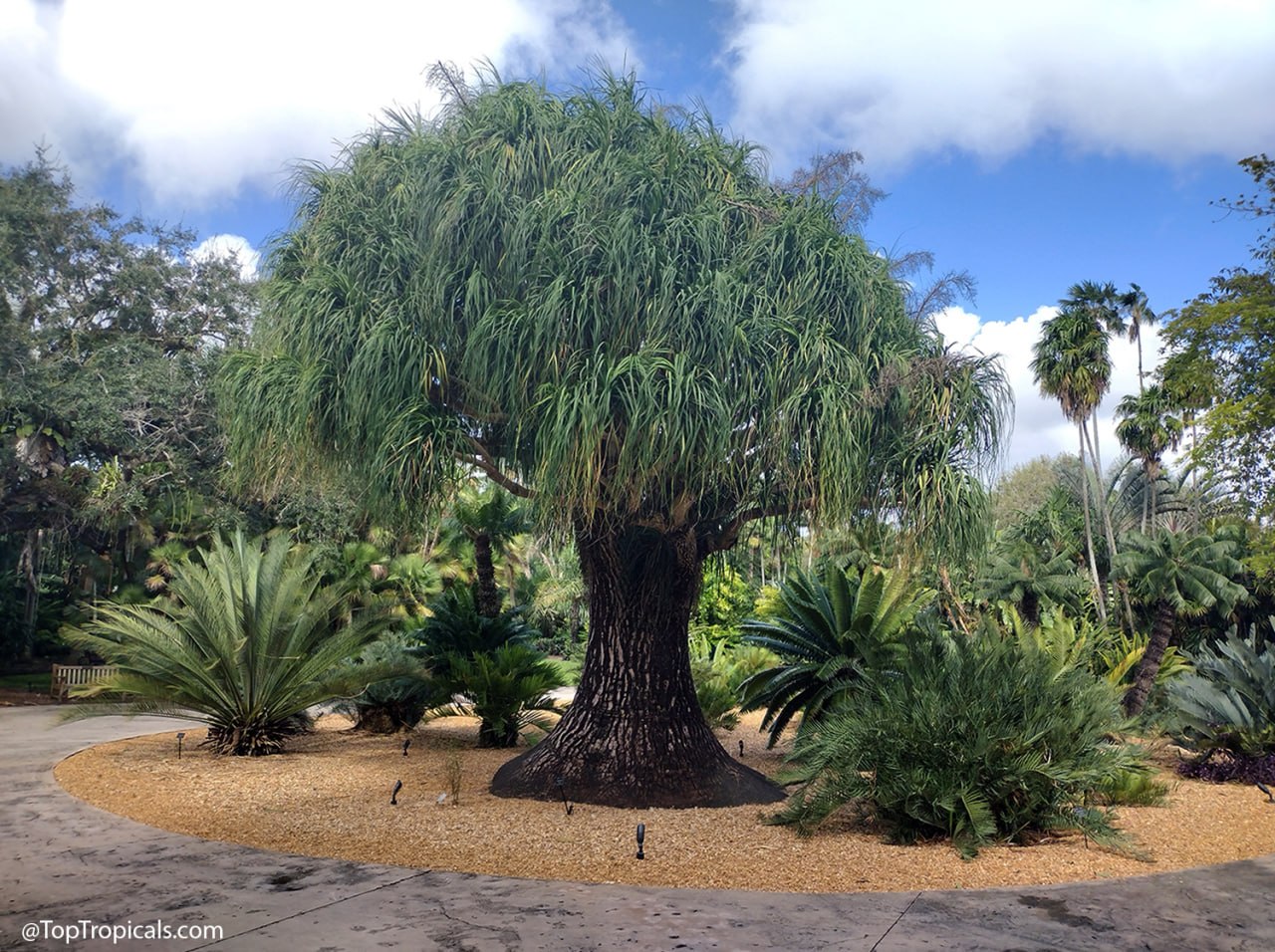
☀️ 1. Pony Tail Palm - Beaucarnea recurvata 📸
Not a true palm - it stores water in its showy, swollen trunk, making it incredibly drought tolerant and perfect for harsh, dry areas.
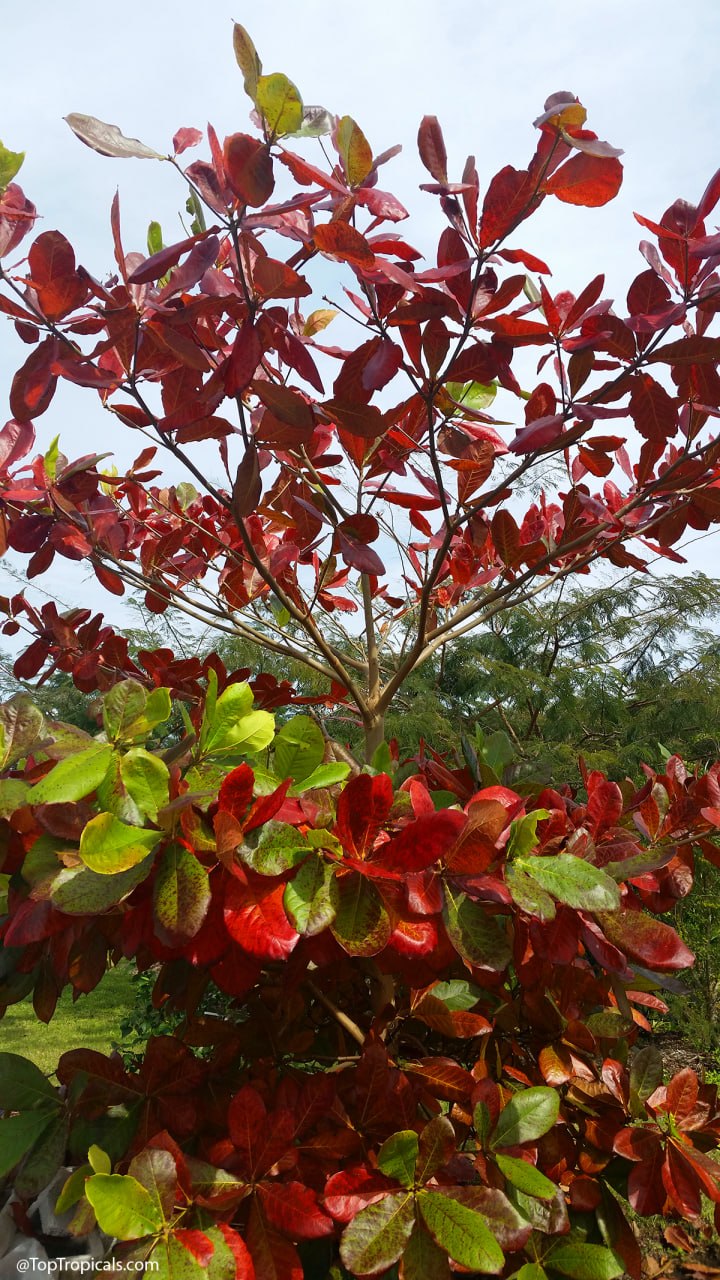
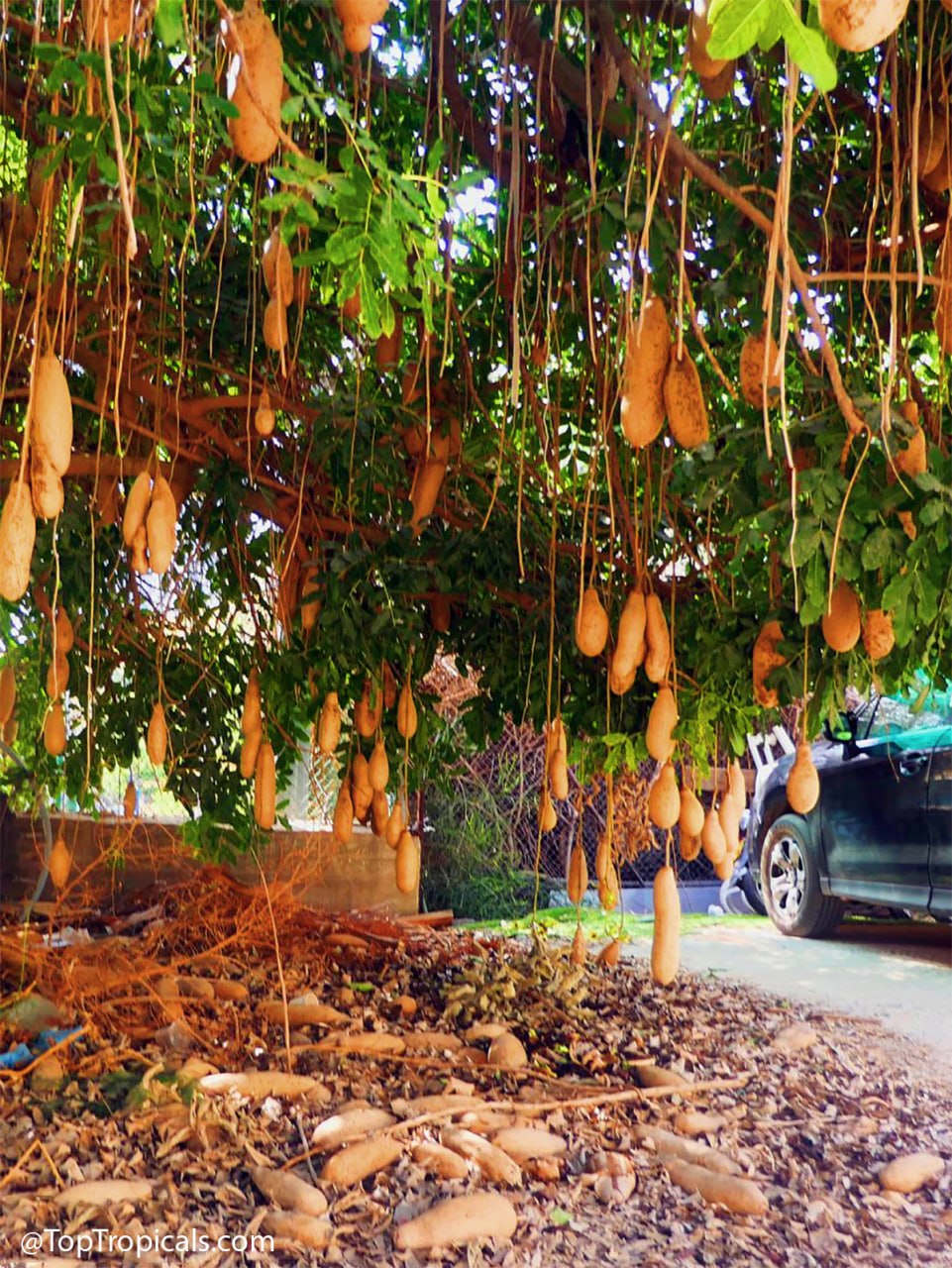
☀️ 9. Tropical Almond - Terminalia catappa 📸 A classic coastal shade tree that thrives in heat, wind, and dry sandy soil once established. Its broad, layered canopy provides excellent shade, and the large leaves turn striking shades of red and orange before dropping - a rare bonus color show for hot-climate landscapes. Plus almond nuts as extra bonus!
Tropical Almond Plant Facts
Terminalia catappa Tropical Almond, Badamier, Java Almond, Indian Almond, Malabar Almond, Singapore Almond, Ketapang, Huu Kwang, Pacific Almond
Sunshine: Smokey, what do we do when the world around
becomes too gray? Smokey: Plant a tree. Sunshine: And if that does not help? Smokey: Plant another one. Sunshine: And eat a donut. Smokey: Not strictly necessary, but statistically
beneficial.
If you have been feeling a little worn down lately, you are not
alone.
You already know about the headlines. We do not need to list them. You
have probably seen them today before breakfast.
We are not here to pretend that is not happening. It is happening. And
it is a lot.
But here is the thing we keep coming back to, the thing that has been true
for as long as people have had hands and a patch of ground: when the world
feels out of control, you can still plant something.
Gardening is not an escape. It is an answer. When you put a tree in the
ground, you are making a quiet statement. You are saying that you expect
there to be a future. That you intend to be in it. That shade and fruit and
flowers still matter, and you are going to make sure they exist in your
corner of
the world.
That is not naive. That is courageous in the most ordinary and
underrated way.
One tree, planted this season, might give you fruit in a few years. It
might give butterflies somewhere to stop. It might give a bird a place to
nest. It will almost certainly give you something to look at on a hard day
that
reminds you the world still contains beauty, and that you put some of it
there.
And if one tree does not quite do it? Plant another one.
Dostoevsky said beauty will save the world. We think a mango fruiting in
your backyard counts. So does a Magnolia opening on a quiet morning.
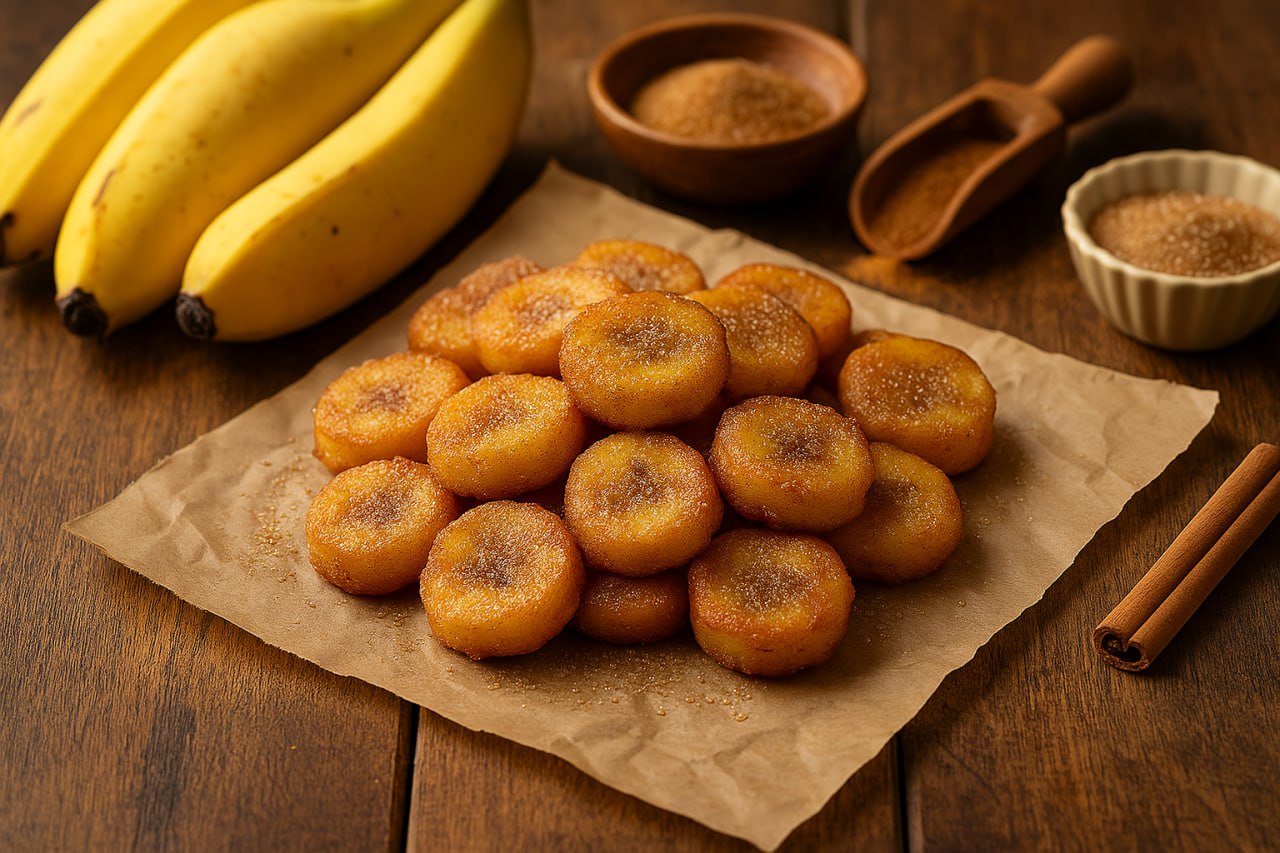
Do not skip the donut.
A donut is a small, simple, completely unnecessary thing. That is
exactly the point. It is not productive. It does not solve anything. It is
just
good, and sometimes that is the whole reason. In a world that constantly
demands
you be useful and informed and concerned, eating a donut is a quiet act of
being human. You are allowed to enjoy a small thing on a hard day. You do
not
have to earn it.
Rest a little. Then go put something in the ground. Anything that will
grow and flower and remind you that beautiful things are still happening
whether the headlines mention them or not.
We just finished harvesting loquats
and mulberries,
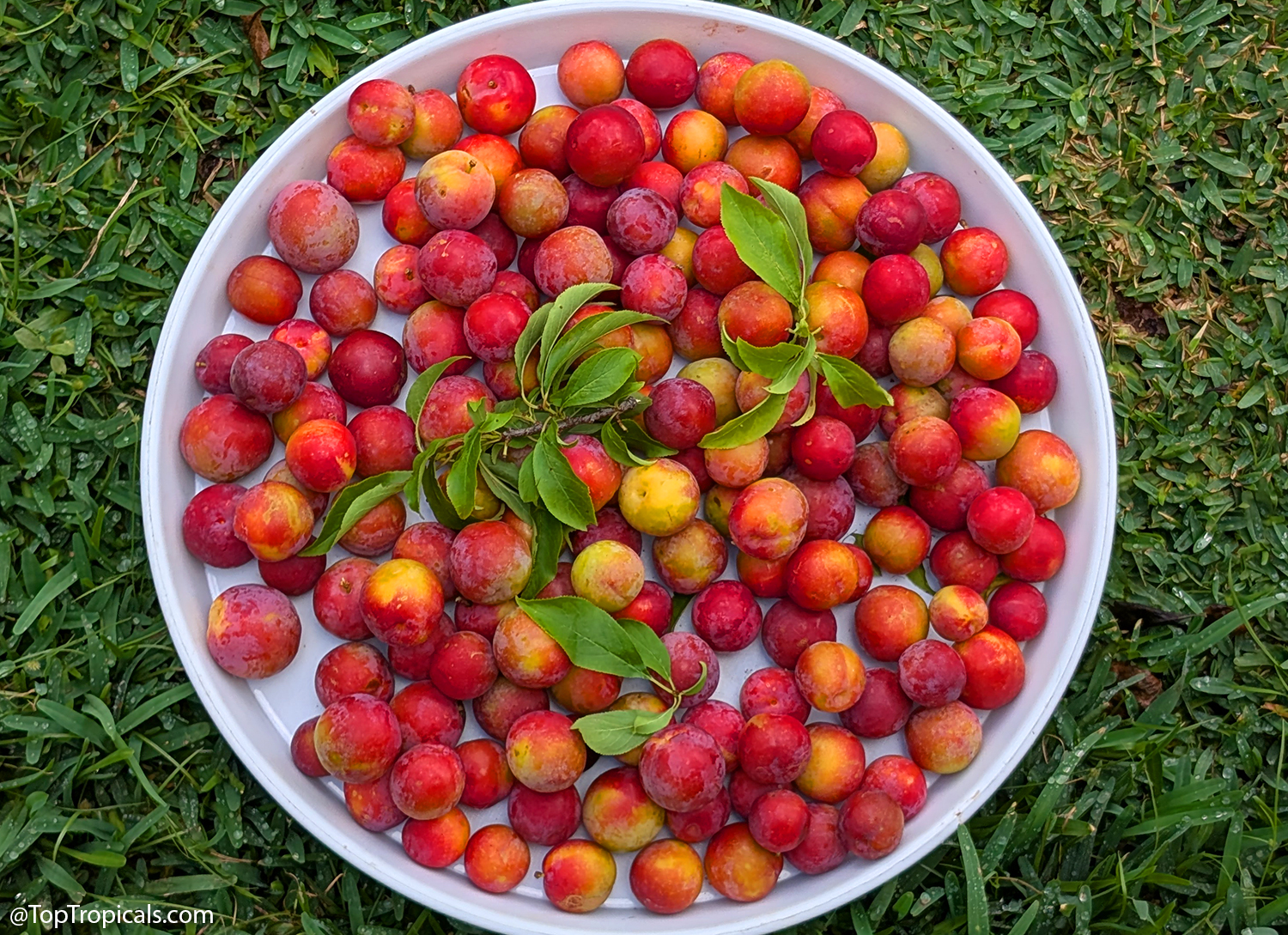
and now another wave is coming in - low chill plums,
peaches, and nectarines fresh from the garden. This is one of
the most rewarding times of the year, when every season brings the fruit of
your labor and all that work finally turns into something sweet.
🟢 Alocasias and Colocasias, or Elephant Ears, are both remarkable and popular plants that can bring a touch of tropical elegance to any garden.
🟢 Striking Foliage: large, lush foliage. The leaves can be enormous, resembling the shape of elephant ears, hence the common name. The foliage is usually rich green, but there are also varieties with hues of purple, black, or variegated patterns. These vibrant leaves create a dramatic focal point.
🟢 Tropical Aesthetic: large, architectural leaves add a sense of drama and create a stunning backdrop for other plants.
🟢 Versatility: work well in containers, making them suitable for patio gardens. In larger landscapes, colocasias and alocasias can be planted directly in the ground, either as standalone specimens or as part of mixed border plantings. They can also be utilized around water features or in bog gardens since they enjoy moist conditions.
🟢 Low Maintenance: thrive in full to partial shade. Regular watering and occasional fertilization will help them grow vigorously.
🟢 Impressive Size: Some varieties can grow several feet tall, creating a stunning vertical element in the garden.
📸 Colocasia esculenta Jacks Giant: This astonishing elephant ear is well-named, it really does look like something that would grow for the giant! The foliage is absolutely massive, many feet long and wide, with a glossy texture, prominent ribbing, and a rich blue-green cast that lightens to chartreuse around the edges.
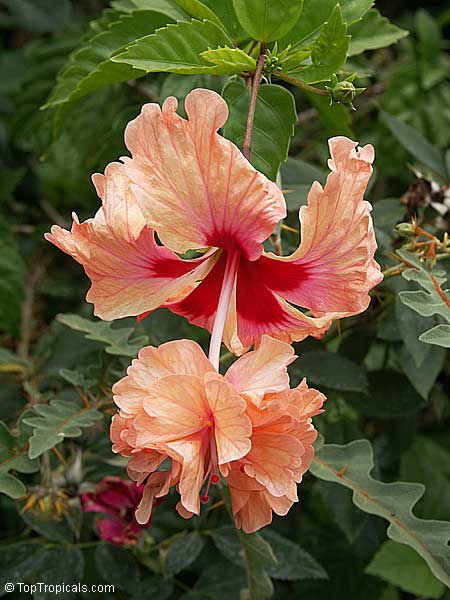
🌅 Tequila Sunrise has warm peach-orange tones, often with soft pink highlights. The pom-pom-like flowers stand out against glossy green foliage, adding a bright, exotic touch to the garden.
🌅 Blooming from summer through fall, this hardy hibiscus thrives in full sun to partial shade, tolerates heat, drought, salt, and even wet soils. A fast grower reaching 5-10 ft, it's perfect as a showy specimen, hedge, or container plant in USDA zones 9-11.