Top nine plants of love, desire, and the senses: aphrodisiacs and sensory connections
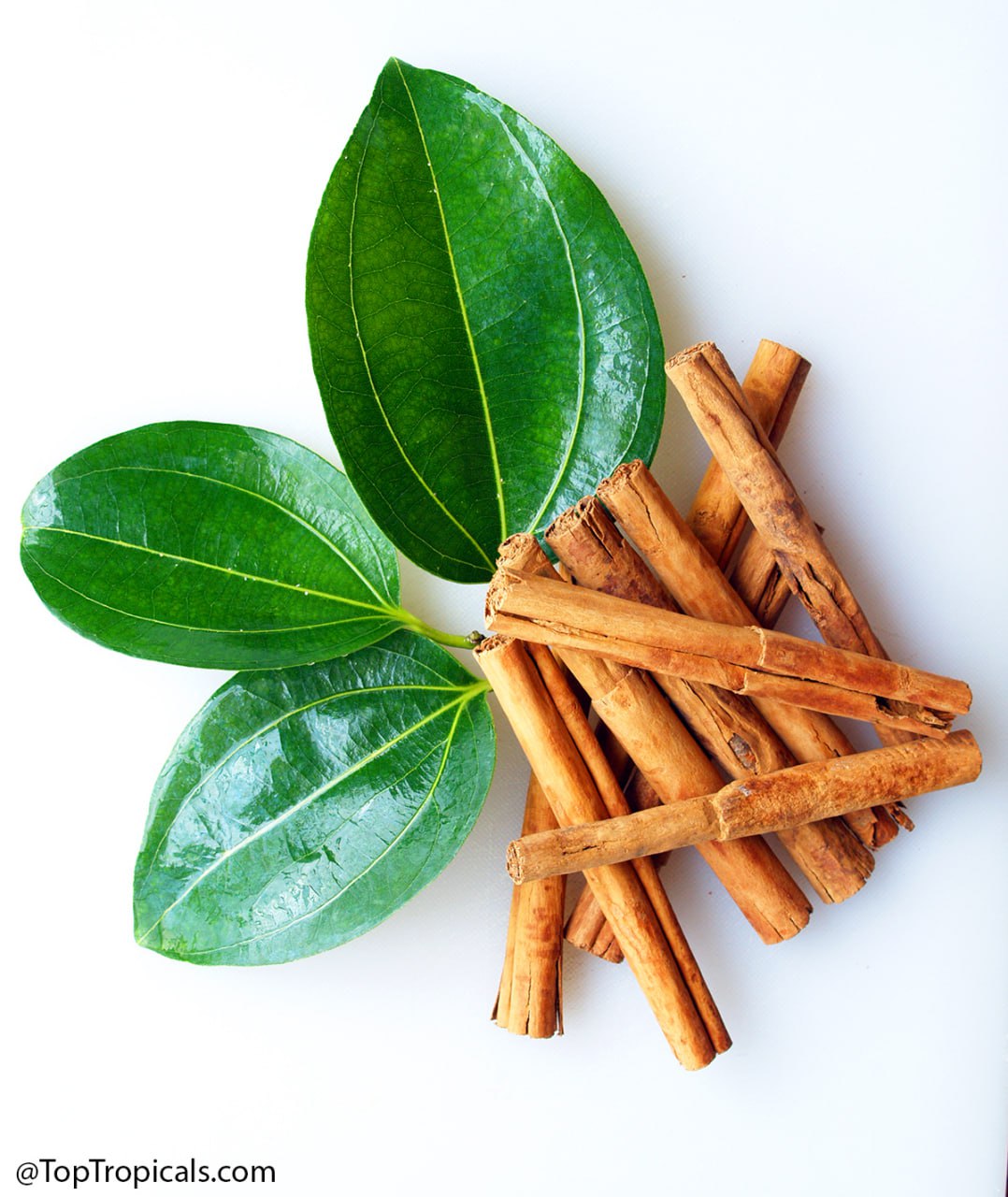
Cinnamon (Cinnamomum zeylanicum)
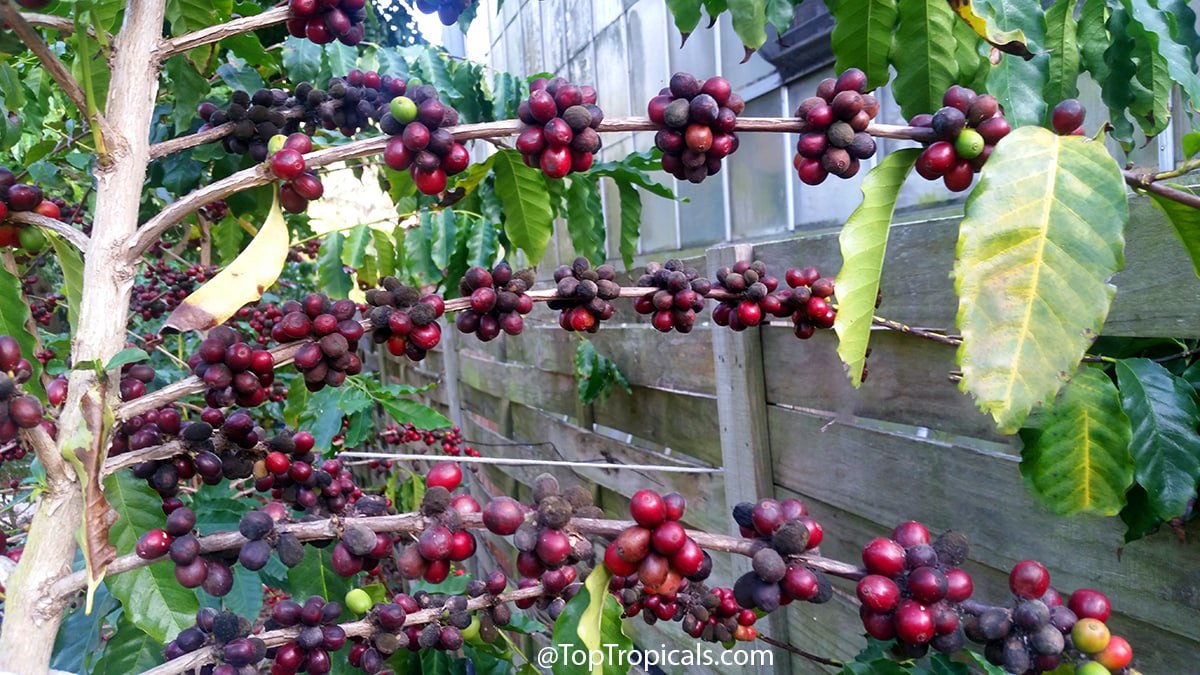
Coffee - Coffea arabica
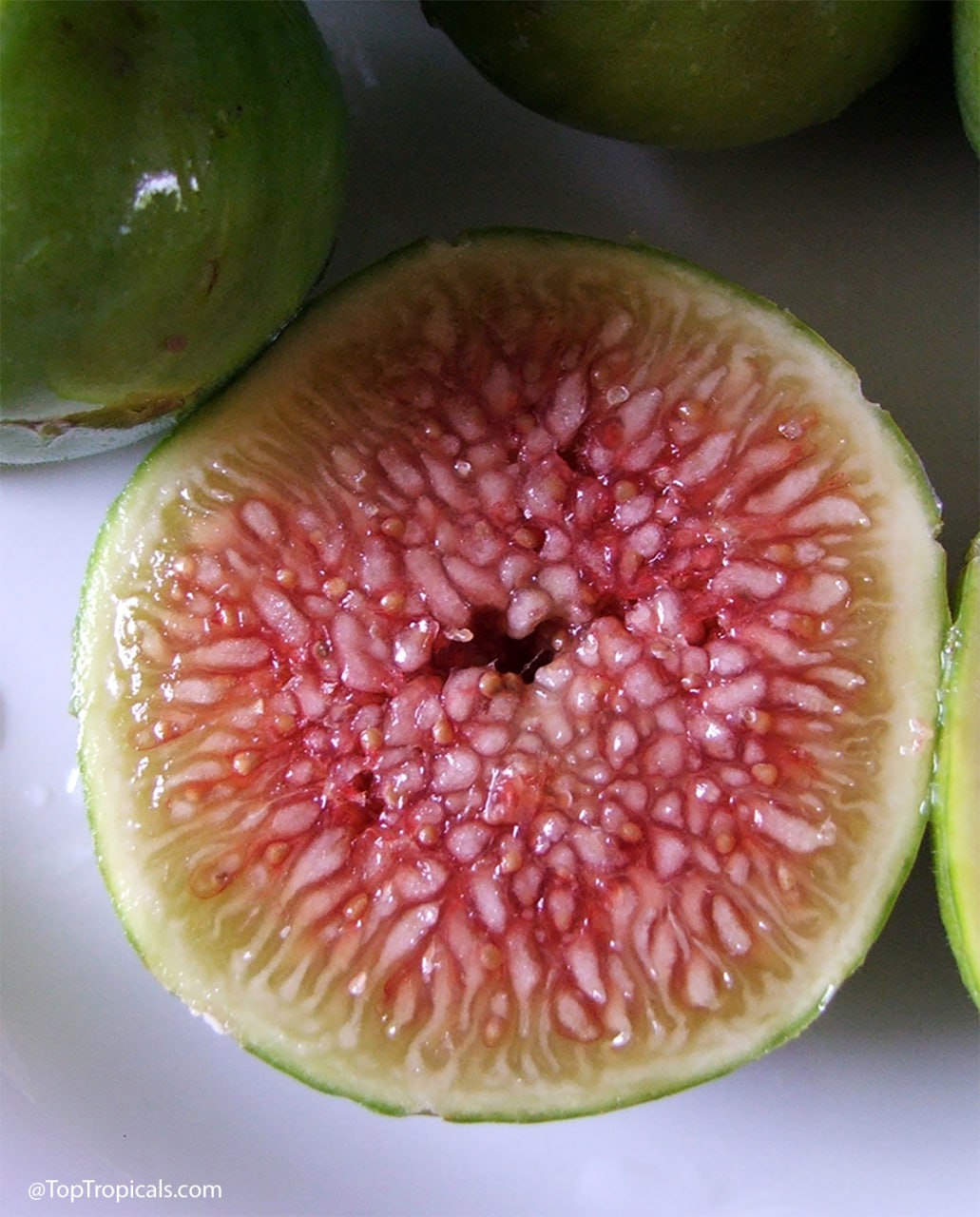
Fig tree fruit (Ficus carica)
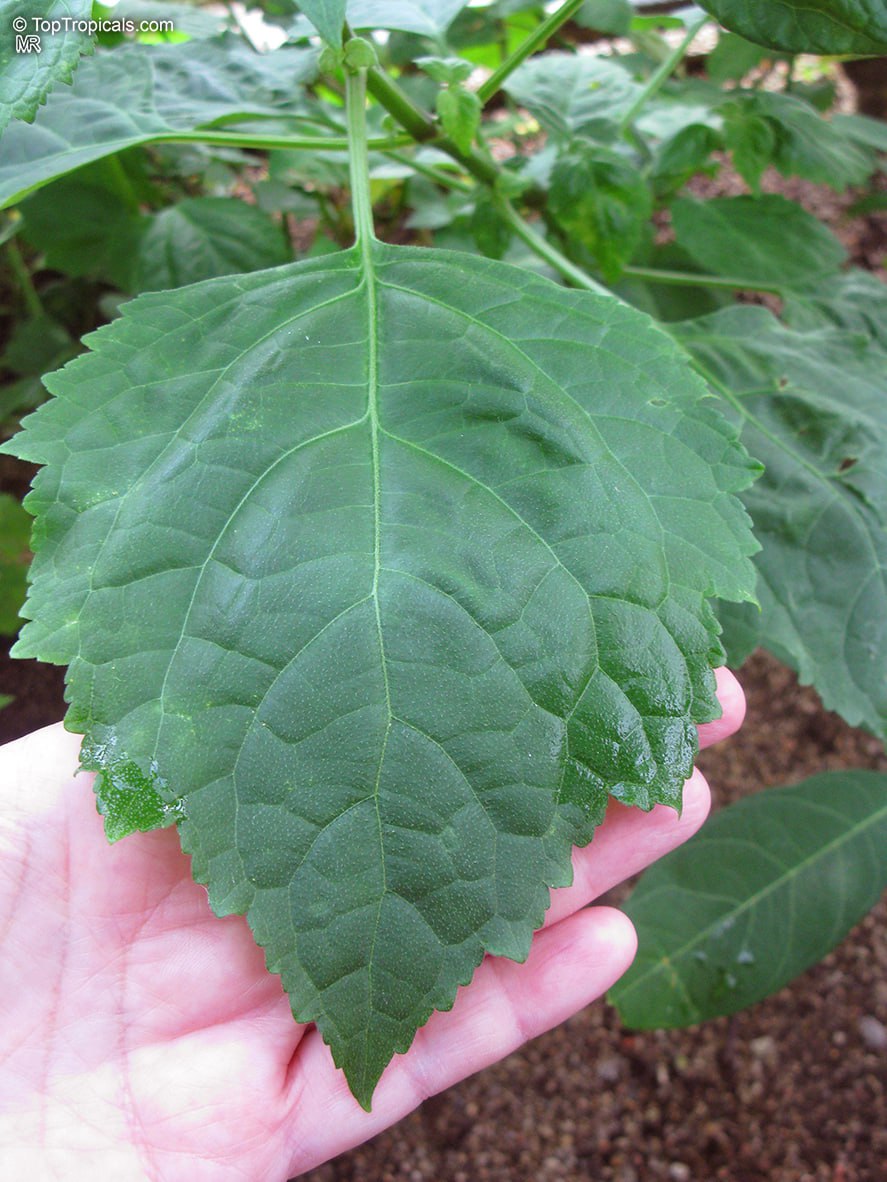
Patchouli - Pogostemon cablin
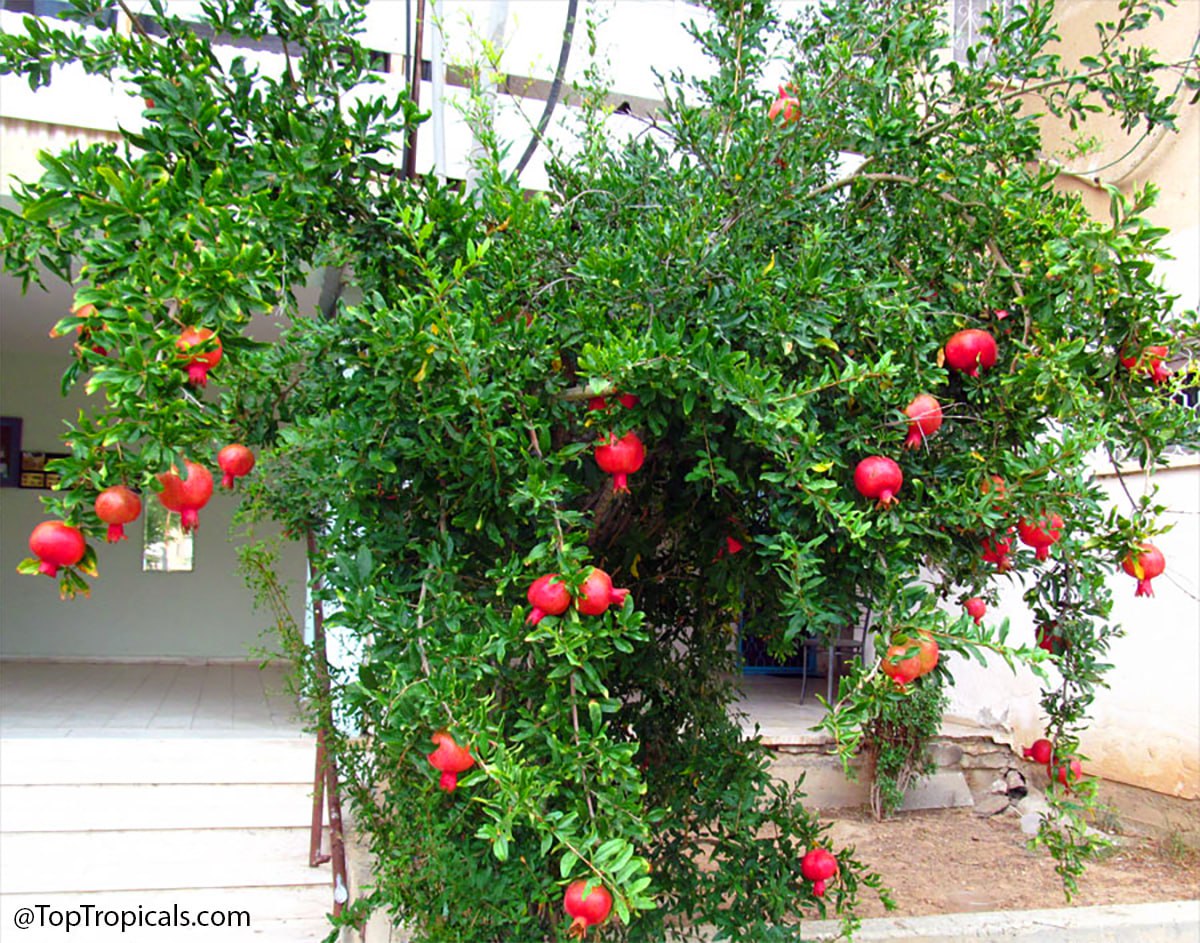
Pomegranate (Punica granatum)
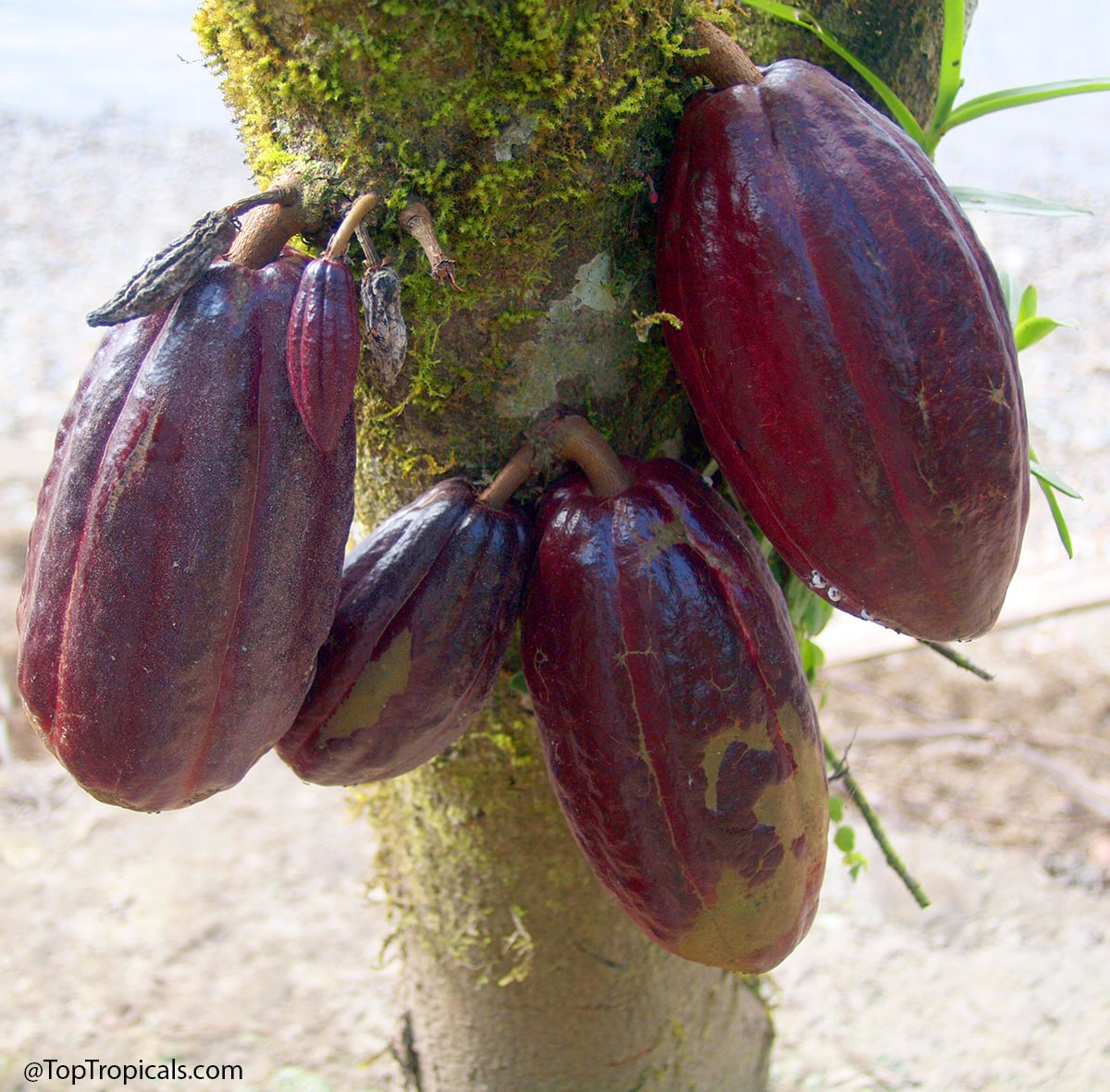
Cacao - Chocolate Tree (Theobroma cacao)
💖 Top nine plants of love, desire, and the senses: aphrodisiacs and sensory connections
Across cultures, love has also been expressed through taste, scent, warmth, and shared ritual. These tropical plants were valued not just for beauty, but for how they awaken the body and deepen connection.
💘 1. Cacao
Cacao - Chocolate Tree (Theobroma cacao) - has one of the strongest global associations with love. Revered by the Aztecs as a “food of the gods”, it was consumed to increase desire and emotional bonding. Chocolate contains compounds linked to feelings of pleasure and infatuation, making cacao a natural Valentine symbol.
Chocolate Tree Plant Facts
Botanical name: Theobroma cacao Also known as: Chocolate Tree, Cacao, Cocoa Tree
Vanilla (Vanilla planifolia) is both an orchid and one of the most sensual plant aromas known. Historically paired with cacao in love remedies, vanilla represents intimacy, warmth, and attraction. Its fragrance alone carries powerful emotional associations.
Madagascar Bourbon Vanilla Bean Plant Facts
Botanical name: Vanilla planifolia, Vanilla fragrans Also known as: Madagascar Bourbon Vanilla Bean, French Vanilla, Vanilla Orchid
Ginger symbolizes heat, vitality, and passion. Used worldwide to stimulate circulation and warm the body, it represents spark, chemistry, and physical energy. 👉 Ginger gift
💘 4. Cinnamon
Cinnamon (Cinnamomum zeylanicum) has long been associated with attraction and stimulation. Its warm, lingering aroma makes it a classic plant of desire, comfort, and emotional warmth.
Cinnamon Plant Facts
Botanical name: Cinnamomum zeylanicum, Cinnamomum verum Also known as: Cinnamon
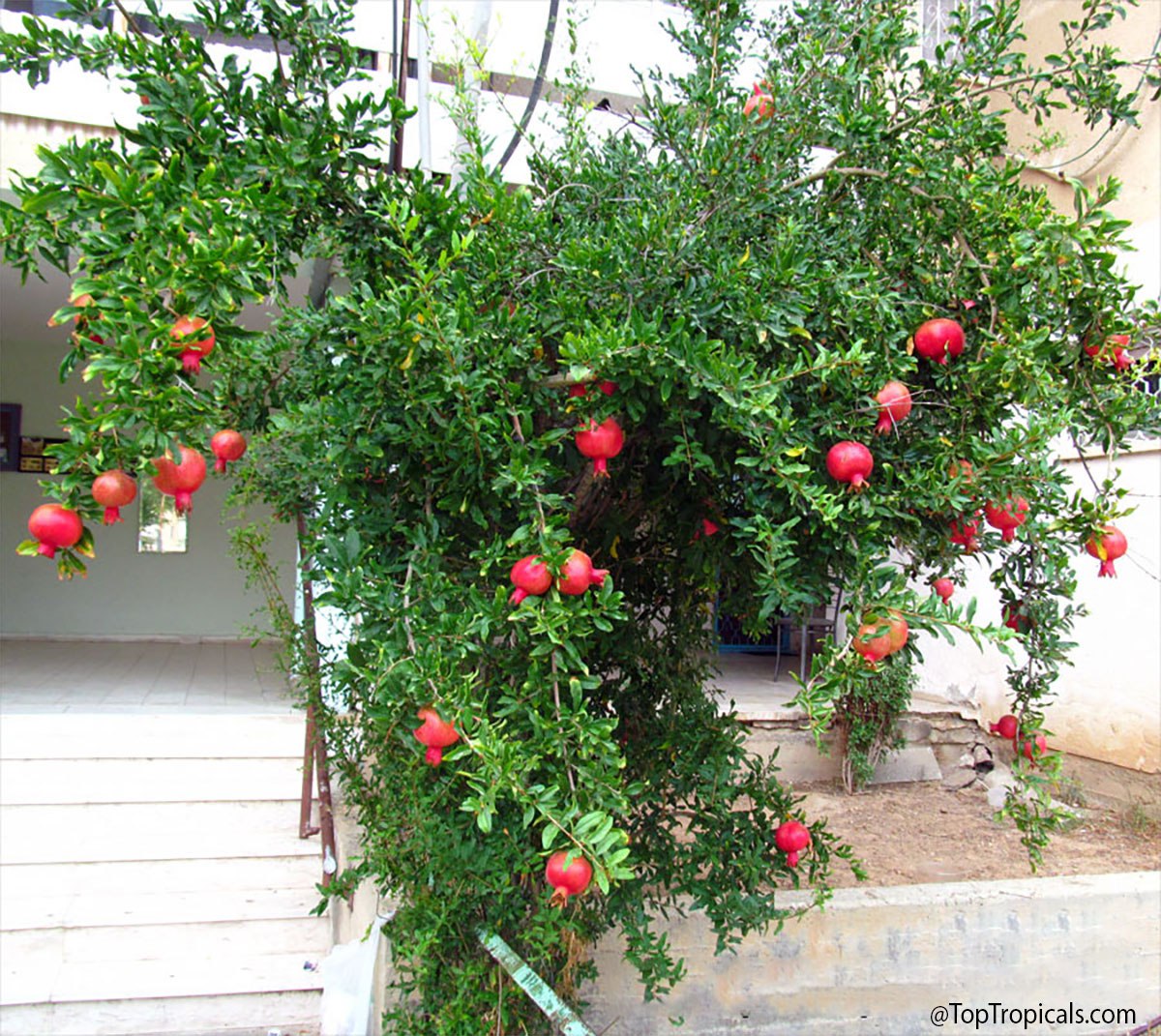
Pomegranate (Punica granatum) has long symbolized love, fertility, and union, with its many ruby-red seeds representing abundance and deep connection. In ancient traditions, it was linked to goddesses of love and marriage and remains a symbol of passion balanced by continuity and commitment.
Pomegranate Plant Facts
Botanical name: Punica granatum Also known as: Pomegranate, Granada, Grenade, Pomegranate, Granada, Anar, Granaatappel, Pomo Granato, Romeira, Melo Grano
Coffee (Coffea arabica) represents connection through shared ritual. Sacred to African Sufis for its stimulating properties, coffee symbolizes conversation, alertness, and social bonding rather than purely romantic love.
Coffee Plant Facts
Botanical name: Coffea arabica Also known as: Coffee
Figs (Ficus carica) have ancient associations with fertility, sensuality, and indulgence. Their voluptuous form, sweet flesh, and rich texture made them symbols of desire and abundance in many cultures.
Fig Tree Plant Facts
Botanical name: Ficus carica Also known as: Fig Tree, Brevo
Betel Leaf (Piper betle) is a powerful symbol of love, respect, and partnership across South and Southeast Asia. It is exchanged in courtship, weddings, and ceremonies, representing acceptance and shared experience. Its heart-shaped leaves reinforce its Valentine symbolism.
Betel nut (Areca catechu) - traditionally used as a stimulant and aphrodisiac, betel nut represents intensity, ritual, and sensory awakening. In this context, it is best presented as a cultural symbol rather than a casual love plant.
Betel Leaf Plant Facts
Botanical name: Piper betle Also known as: Betel Leaf
Patchouli (Pogostemon cablin) represents deep attraction and emotional grounding. Its earthy, musky scent has long been associated with intimacy and physical presence. Unlike sweet florals, patchouli symbolizes mature, rooted love that lingers.
Patchouli Plant Facts
Botanical name: Pogostemon cablin, Pogostemon patchouli, Pogostemon heyneanous Also known as: Patchouli, Pucha-pat
Four popular plants of friendship, appreciation, and shared connection
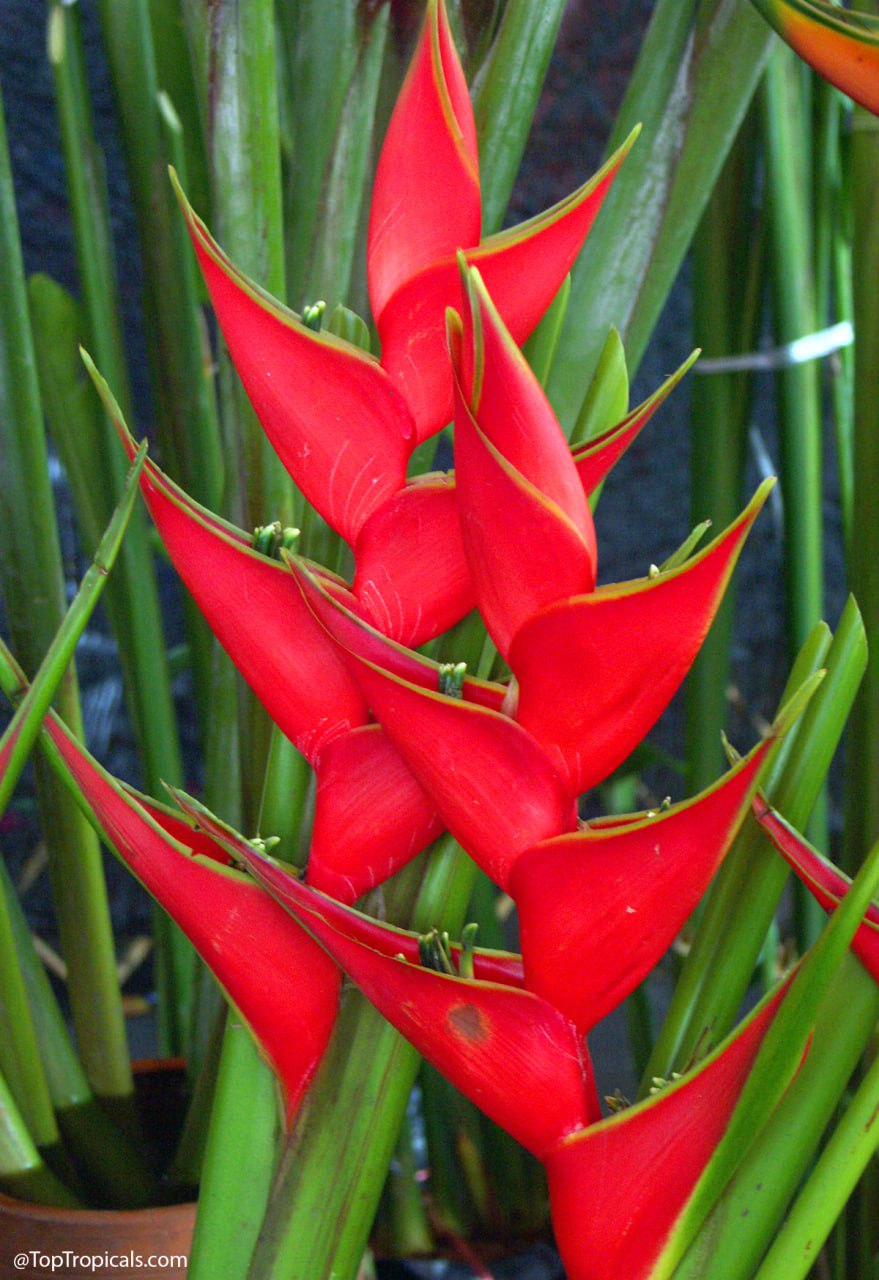
Heliconia flower
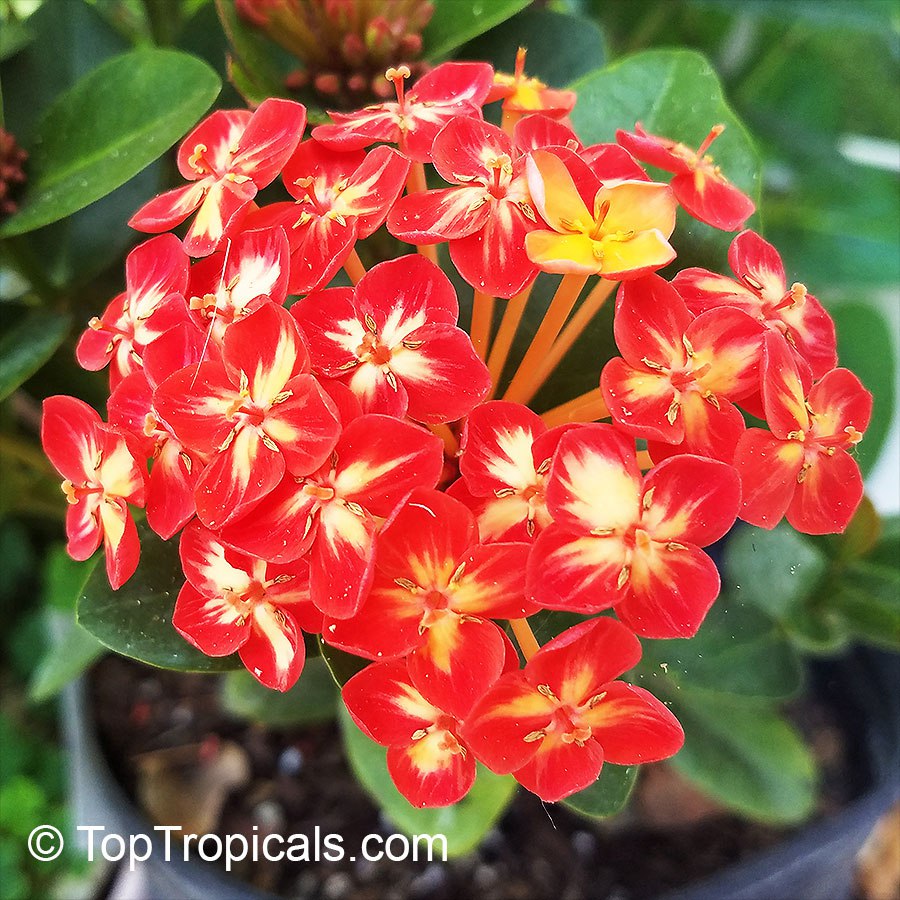
Ixora flower
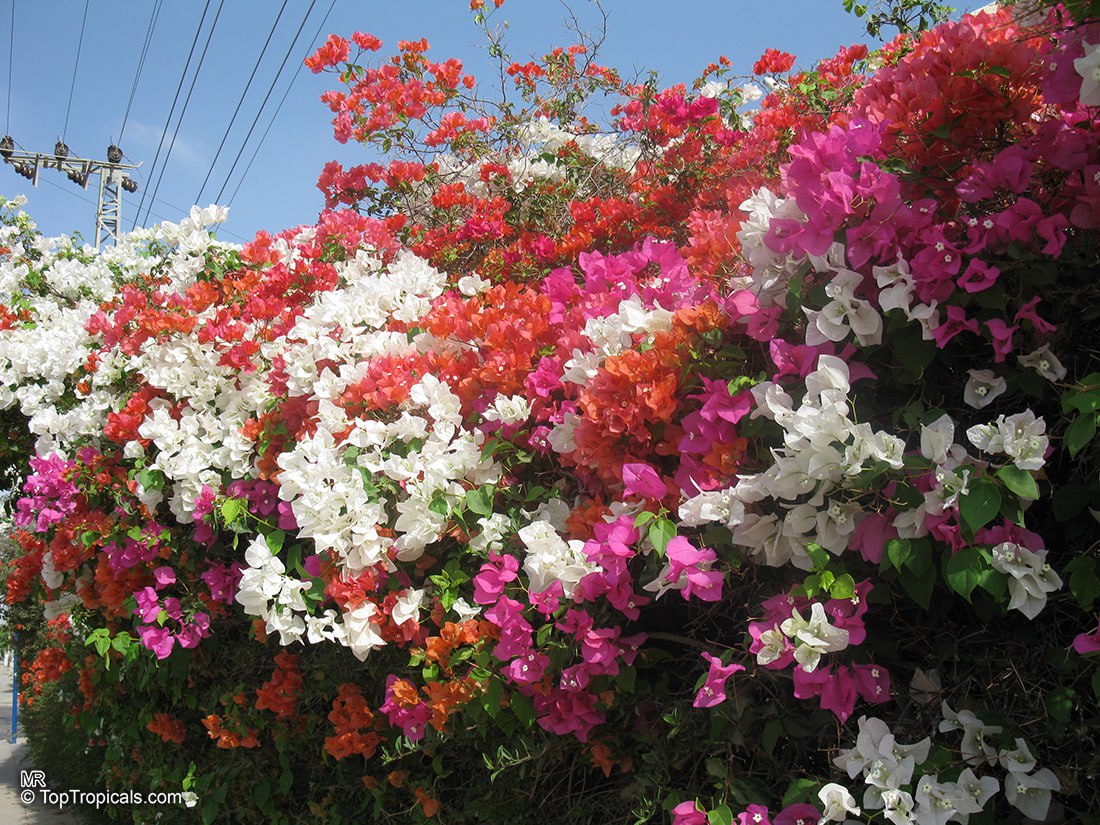
Bougainvillea flower
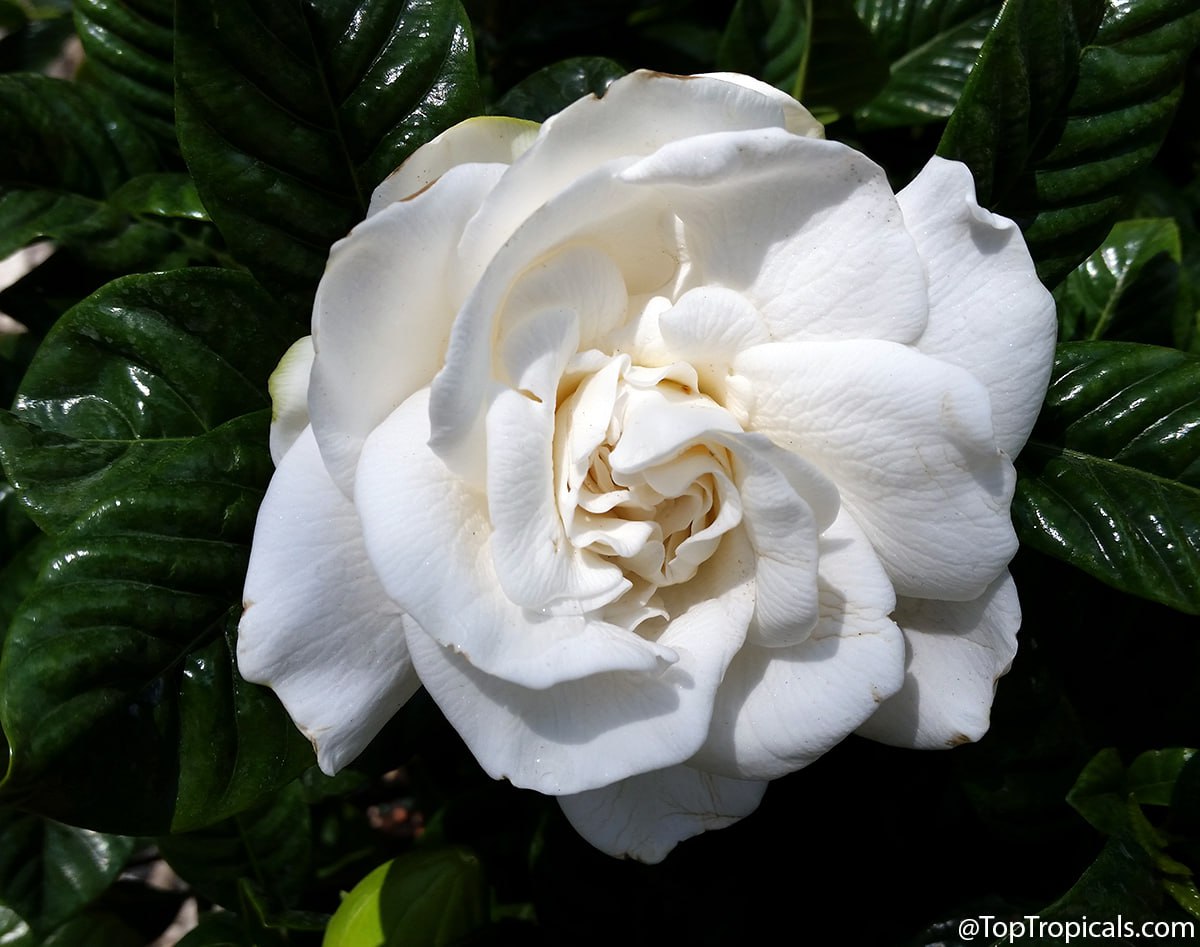
Gardenia flower
💕 Four popular plants of friendship, appreciation, and shared connection
Not all love is romantic. Many tropical plants symbolize warmth, friendship, hospitality, and human connection.
❣️ 1. Gardenia
Gardenia symbolizes quiet devotion, gratitude, and unspoken affection. It is often given to express deep appreciation rather than dramatic romance. 👉 Gardenia gift
❣️ 2. Heliconia
With its interlocking bracts, heliconia represents unity, partnership, and celebration. It is often linked to joyful relationships and togetherness and is widely used as a long-lasting cut flower in tropical arrangements. 👉 Heliconia gift
❣️ 3. Bougainvillea
Bougainvillea symbolizes enduring love and protection - beauty supported by strength. It is often associated with commitment and resilience in relationships. 👉 Bougainvillea gift
Eight favorite plants of romance, affection, and emotional connection
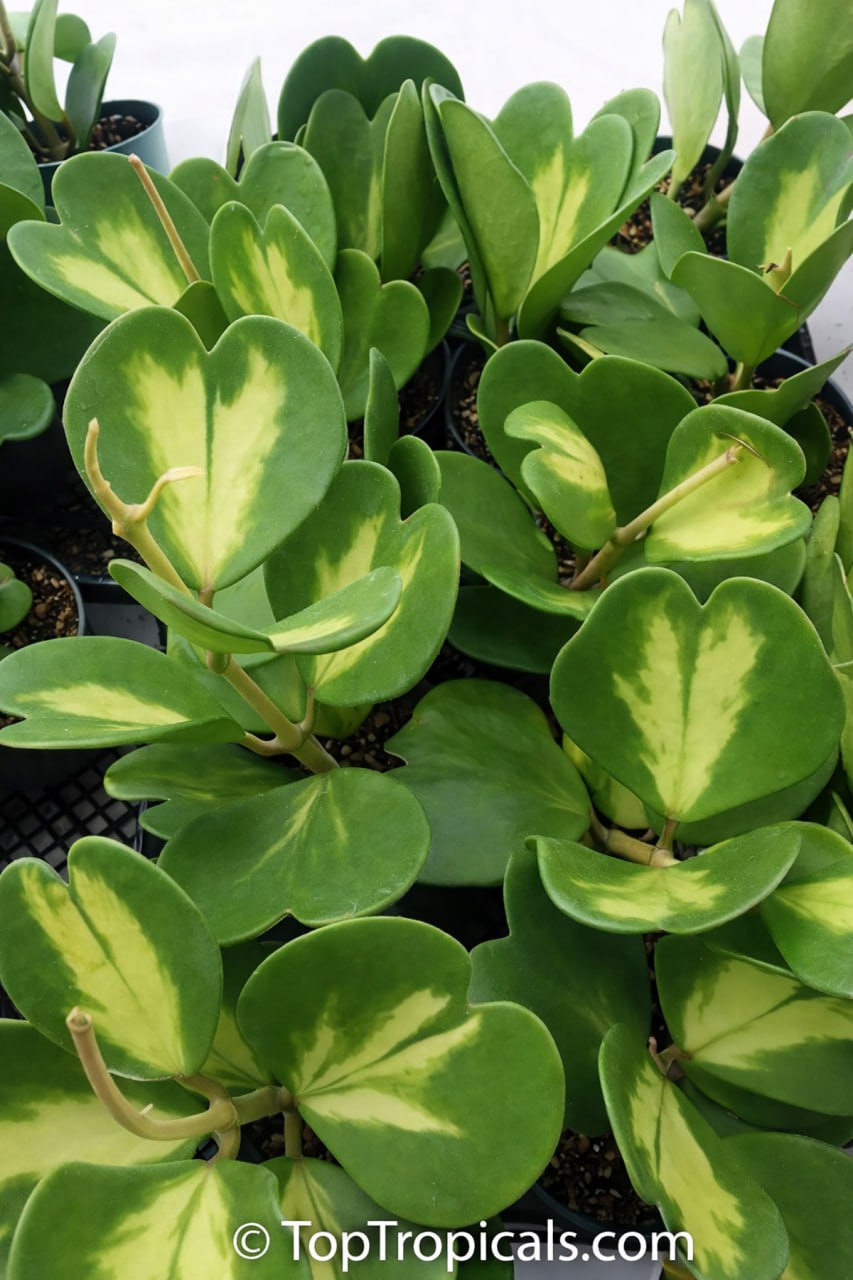
Sweetheart Hoya (Hoya kerrii)
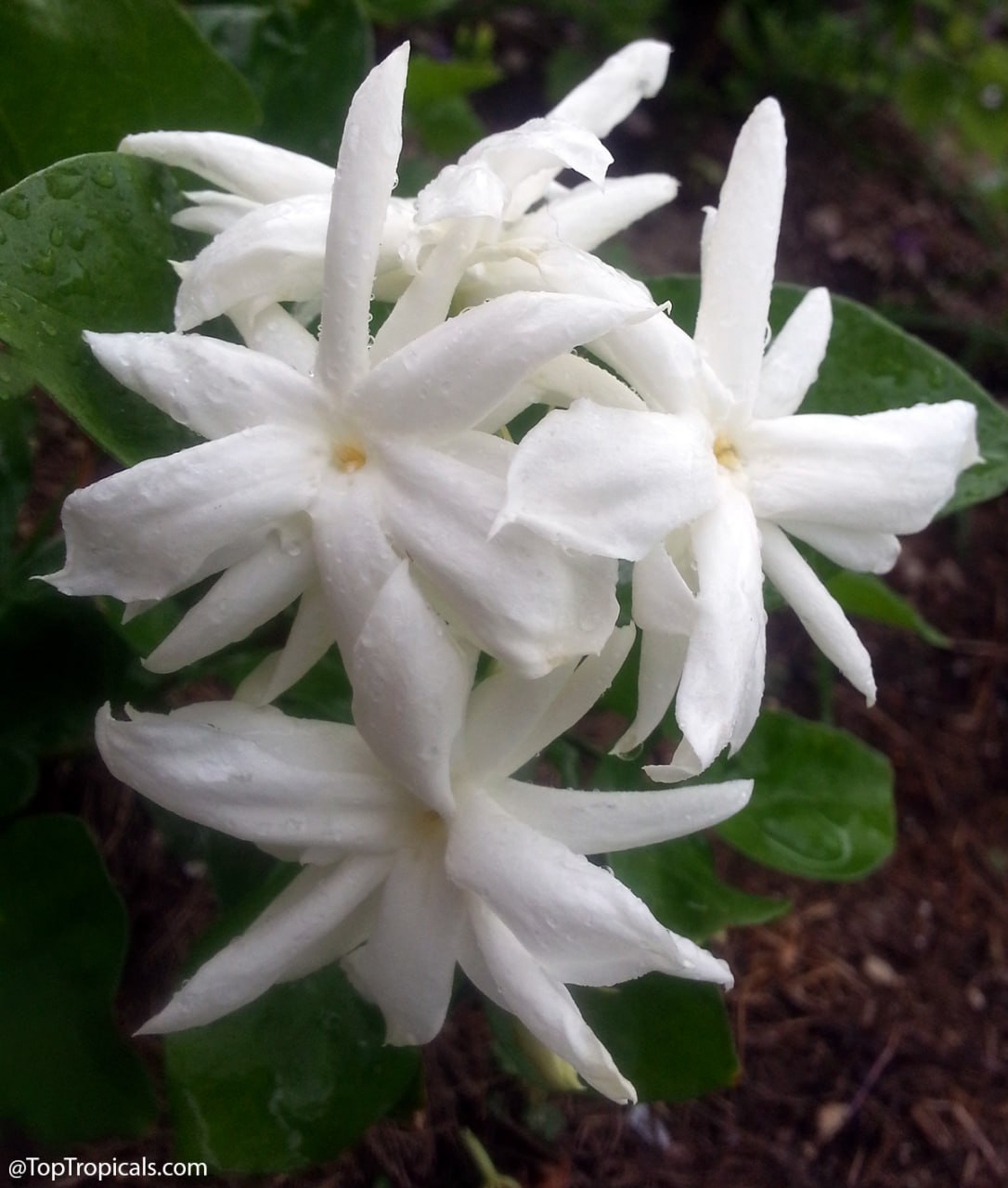
Jasminum sambac
Plumeria (Frangipani)
Clerodendrum thomsoniae, Bleeding Heart Vine
💕 Eight favorite plants of romance, affection, and emotional connection
These plants communicate love visually and emotionally. They are associated with beauty, admiration, devotion, and long-lasting relationships.
💖 1. Anthurium
With its unmistakable heart-shaped spathes, anthurium is one of the strongest visual symbols of love. In Latin America, it represents hospitality, passion, and enduring affection, making it a natural Valentine plant. 👉 Anthurium gift
💖 2. Orchids
In many Asian cultures, orchids symbolize refined love, fertility, and deep emotional connection. They are associated with elegance, respect, and long-term devotion rather than fleeting romance or infatuation. 👉 Orchid gift
💖 3. Valentine’s Sweetheart Hoya (Hoya kerrii)
Hoya kerrii is known for its thick, heart-shaped leaves, making it one of the clearest visual symbols of love. This long-lived vine represents loyalty and lasting commitment, and is found in several varieties with different leaf variegation patterns: regular green leaf, variegated Moonlight (gold on green) and Sunshine (white-and green).
Wax Hearts Plant Facts
Botanical name: Hoya kerrii Also known as: Wax Hearts, Sweetheart Hoya, Valentine Hoya, Heart leaf
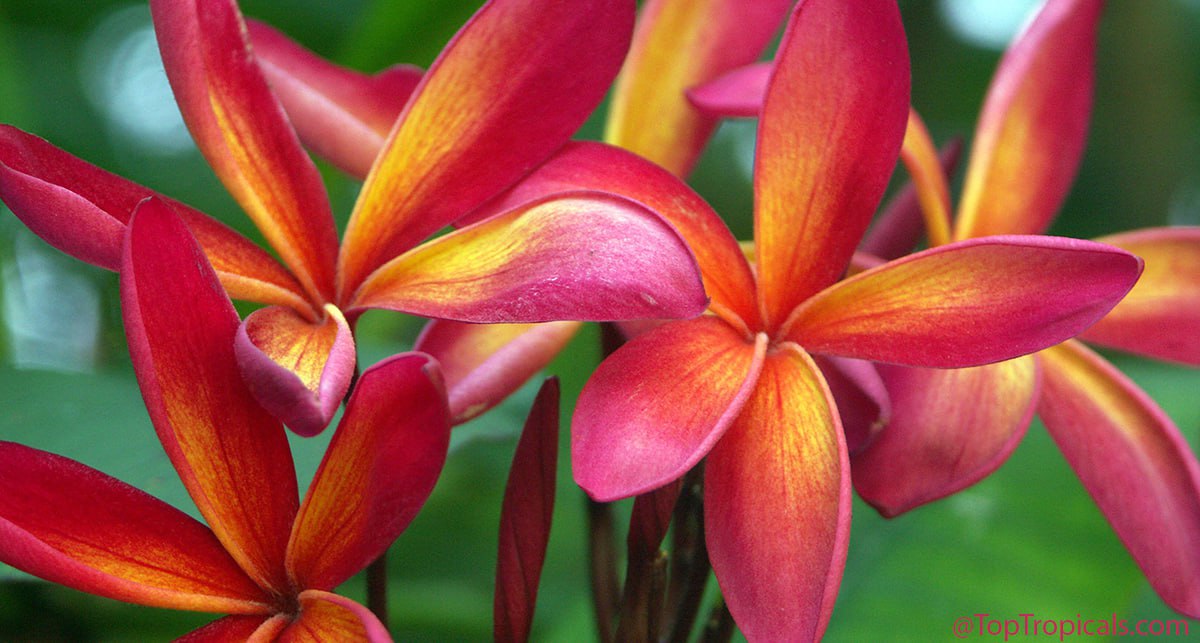
In Polynesia and Southeast Asia, plumeria represents love, beauty, and new beginnings. In Hawaii, its flowers are a classic part of leis and have become an enduring symbol of romance, affection, and island love.
Plumeria Plant Facts
Botanical name: Plumeria sp. Also known as: Plumeria, Frangipani
Jasmine Sambac is strongly associated with romance, devotion, and spiritual love. In Hawaii it is used in leis, while in the Philippines, this so-called Sampaguita jasmine symbolizes purity, fidelity, and deep affection and is woven into garlands for lovers, weddings, and sacred ceremonies.
Sambac Plant Facts
Botanical name: Jasminum sambac Also known as: Sambac
Hibiscus symbolizes delicate beauty, attraction, and the fleeting intensity of passion. In many tropical cultures, it is associated with feminine energy and romantic expression. 👉 Hibiscus gift
💖 7. Clerodendrum Bleeding Heart
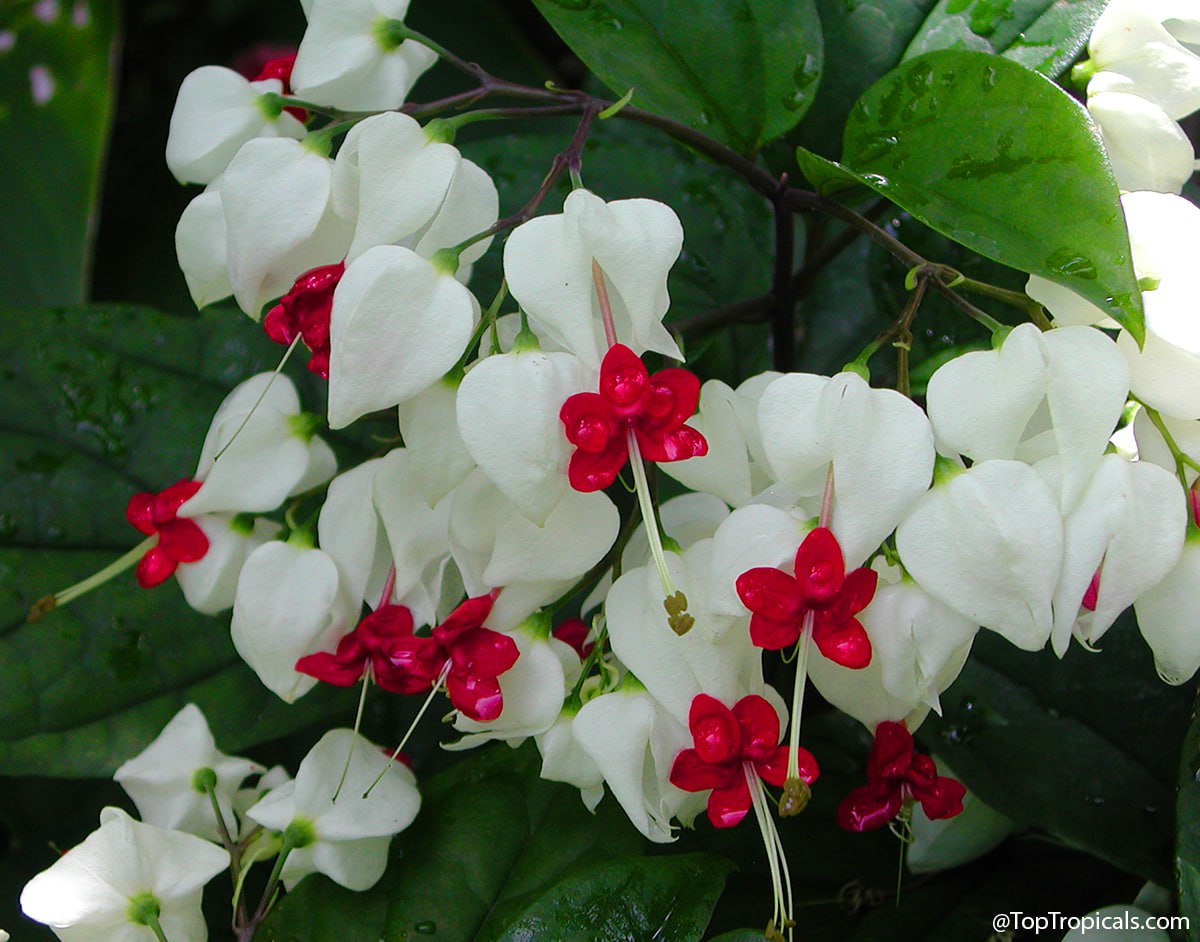
Clerodendrum thomsoniae, called the Bleeding Heart Vine, is known for its red, heart-like flowers held inside white lantern-shaped bracts. It has long been associated with love, emotional vulnerability, and deep personal bonds, making it a natural fit for Valentine symbolism.
Bleeding heart Plant Facts
Botanical name: Clerodendrum thomsoniae Also known as: Bleeding heart, Glory bower, Clerodendron
Traditionally associated with marital happiness and fidelity, Stephanotis has long been used in wedding garlands and bouquets in tropical regions. 👉 Stephanotis gift 🛒Explore gift plants 🎁 Get a Gift Card
Moonlight Cactus, the Night Blooming Wonder with a mystical twist: Epiphyllum oxypetalum FAQ
Epiphyllum oxypetalum, Queen of the Night
Epiphyllum oxypetalum, Queen of the Night, Night-Blooming Cereus, flower close up
Epiphyllum oxypetalum, Queen of the Night, Night-Blooming Cereus, flower
Epiphyllum oxypetalum, Queen of the Night flower center
Epiphyllum oxypetalum, Queen of the Night flower with highlight
Epiphyllum oxypetalum, Queen of the Night flower with highlight
🔮 Moonlight Cactus, the Night Blooming Wonder with a mystical twist: Epiphyllum oxypetalum FAQ
🌙 Epiphyllum oxypetalum, also known as Queen of the Night or Night-Blooming Cereus, is a tropical epiphytic cactus famous for its huge, fragrant white flowers that open only at night. The blooms usually last just one night, often opening after sunset and closing by morning, which is why it has such a mystical reputation. The plant itself has long, flat, leaf-like stems and is often grown in hanging baskets or trained to climb. It is easy to grow, prefers bright filtered light, and rewards patience with one of the most dramatic blooms in the plant world.
Belle de Nuit Plant Facts
Botanical name: Epiphyllum oxypetalum Also known as: Belle de Nuit, Lady of the Night, Queen of the Night, Night blooming Cereus, Dutchman's Pipe
USDA Zone: 9 - 11
Highligths
🎆 Why is it called Queen of the Night?
Because it produces large, fragrant white flowers that open only at night. The blooms usually open after sunset and close by morning.
🎆 How often does it bloom?
Usually once or a few times a year, often in late spring or summer. Blooms are short-lived but unforgettable.
🎆 Is it really a cactus?
Yes, but it is a tropical epiphytic cactus. It grows more like an orchid or jungle plant than a desert cactus.
🎆 Does it need full sun?
No. It prefers bright, filtered light or partial shade. Direct hot sun can scorch the stems.
🎆 Can it be grown indoors?
Yes. It does very well indoors near a bright window or outdoors in warm, shaded areas.
🎆 Does it need a lot of water?
More than desert cacti, but not soggy soil. Water when the top layer of soil dries out.
🎆 Can it grow in a pot or hanging basket?
Yes. It is commonly grown in containers, hanging baskets, or trained to climb on a support.
🎆 Is it rare?
Mature blooming plants are highly valued because flowering takes patience and good care.