Garden Blog - Top Tropicals

Date: 5 Jan 2026

A  tuxedo  cat  planting  a  small  shrub  in  a  tropical  garden  while  a  ginger
    cat  relaxes  nearby  with  coffee  and  donuts,  illustrating  winter  planting  in 
 a  warm 
 climate.
Sunshine: January might feel warm, but its still winter. Wool socks, scarf, hot coffee.
Smokey: You get warm when you work. Plant now so roots are established before spring growth starts.
Sunshine: Alright. Lets see who stays warmer - you digging or me with coffee.

🌴 Why winter planting works in a warm climate

By our plant expert Tatiana Anderson

We are lucky to live in a warm climate. This is how I think about the seasons here. Winter is for roots. Spring is for growth. Summer is for managing heat and water.

So if we want plants that handle summer better, we plant them in the season that gives them the best start. Winter here is comfortable. The soil stays workable. The days are mild. And plants are not being stressed by heat. That is exactly why winter is the best time to plant in Florida and other warm areas.

If we use this season well, plants go into spring already settled instead of trying to catch up. This is what I like to plant now, and why.

🟢 Trees first. Anything that will be in the ground for years. Fruit trees, shade trees, flowering trees. When we plant them in winter, they can focus on roots before the spring growth surge starts. By the time spring arrives, the tree is anchored and ready to grow on top.
Examples: mango, avocado, Eugenia cherries, jackfruit, sapodilla, longan, lychee, canistel.

🟢 Shrubs next. Shrubs establish faster than trees, but winter still gives them an advantage. They settle in quietly before the spring flush and bloom cycles begin. That usually means steadier growth and fewer problems once heat returns.
Examples: gardenia, jasmine, brunfelsia, hibiscus, clerodendrums.

🟢 Vines are often overlooked. Vines want to grow fast when spring starts. If the root system is not ready, you get weak growth and frustration. Planting vines in winter gives them time to build a foundation first, so spring growth has support.
Examples: Rangoon creeper, stephanotis, Petrea, Mexican Flame Vine.
🛒 Explore cold tolerant plants

Date: 5 Dec 2025

What Avocado is better - Mexican or Guatemalan?

What Avocado is better - Mexican or Guatemalan? What Avocado is better - Mexican or Guatemalan? What Avocado is better - Mexican or Guatemalan?

🌎 What Avocado is better - Mexican or Guatemalan?


Avocados come from three main regions, and each group has its own special look, taste, and growing habits. The three types are Mexican, Guatemalan, and West Indian. Many of today’s popular varieties are hybrids, mixing traits from these types.

  • Mexican type:

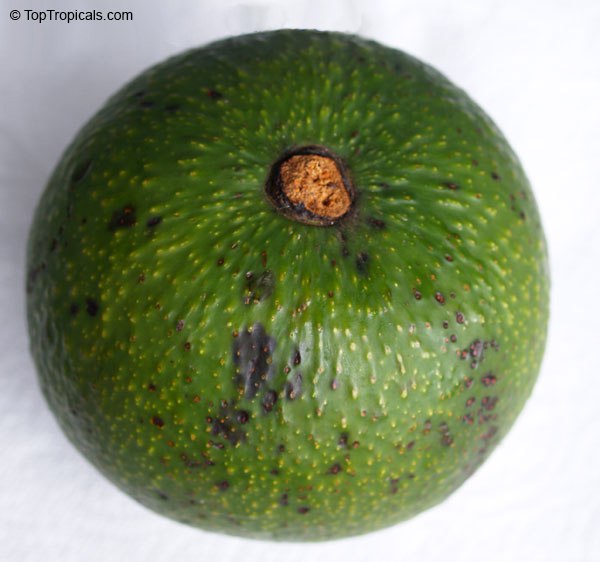
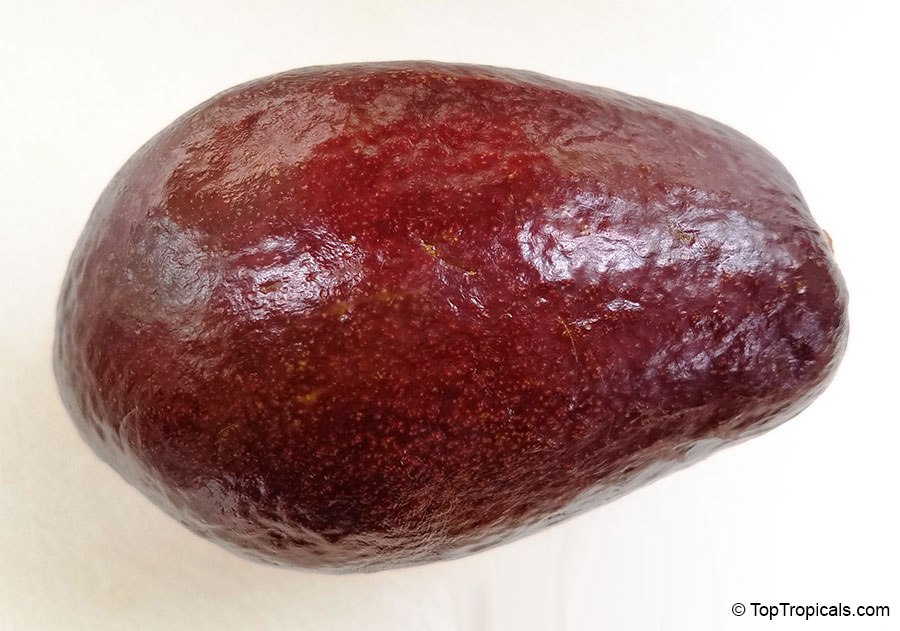
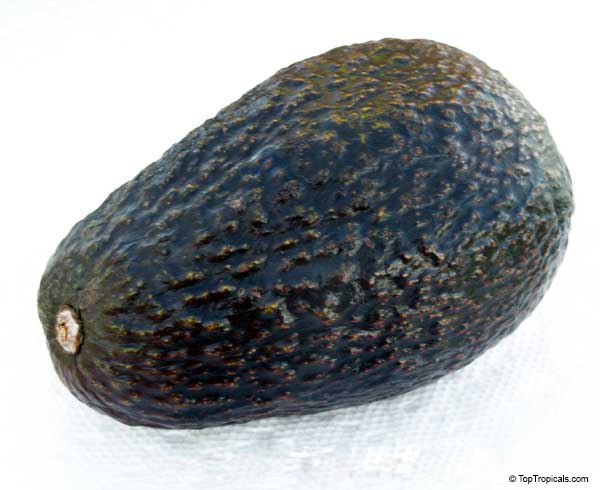
These avocados are small, with thin skin and rich flavor. The skin often turns dark green or black when ripe. The flesh is very buttery, with high oil content (up to 30%), and the leaves smell like anise. Mexican types are also the most cold-hardy, so they do well in cooler areas.
Popular Mexican avocado varieties: Anise, Bacon, Brazos Belle (Wilma), Brogdon (Brogden), Fantastic, Florida Hass (Haas), Lila (Opal), Mexicola, Mexicola Grande, Ulala (Oh La La, Super Hass).
Hybrids Mexican x Guatemalan: Winter Mexican, Buck, Wurtz (True Dwarf), Maria Black, Fuerte, Hall, Ettinger, Thomson Red.

  • Guatemalan type:

These are medium to large avocados with thicker, sometimes bumpy skin. They have a creamy texture and rich flavor with plenty of healthy fats. The fruit is usually pear-shaped and ripens in winter or spring. Guatemalan types are commonly grown in both Florida and California.
Popular Guatemalan avocado varieties: Black Prince, Booth 8, Joey, Nishikawa, Reed, Tonnage, Yamagata
Hybrids Mexican x Guatemalan: Winter Mexican, Buck, Wurtz (True Dwarf), Maria Black, Fuerte, Hall, Ettinger, Thomson Red
Hybrids of West Iundian and Guatemalan: Beta, Catalina, Choquette, Day, Hardee Red, Kampong (Sushi), Loretta, Lula, Marcus Pumpkin, Miguel, Monroe, Oro Negro.

West Indian type:


These avocados are the biggest, with smooth, shiny green skin and a lighter, more watery taste. They have less oil but lots of pulp, perfect for salads and guacamole. The fruit can weigh up to 2 pounds! They grow best in tropical climates like Florida, the Caribbean, and the Bahamas, but not in California.
West Indian avocado varieties: Bernecker, Donnie (Doni), Hialeah Red, Pollock, Poncho (Pancho), Red Russell, Russell, Simmonds, Waldin.
Florida originated varieties: Catalina, Hardee Red.
Hybrids of West Iundian and Guatemalan: Beta, Catalina, Choquette, Day, Hardee Red, Kampong (Sushi), Loretta, Lula, Marcus Pumpkin, Miguel, Monroe, Oro Negro.

✍️ In short:

  • ✦ Mexican - small, rich, cold-hardy
  • ✦ Guatemalan - medium, creamy, thick skin
  • ✦ West Indian - large, smooth, tropical


✔️ Check out
Avocado Variety Guide interactive chart. Sort them by flower type A or B, tree habit, fruit shape and quality, cold hardiness, origin, season and more!

🛒 Explore Avocado varieties

📖 Our Book: Avocado Variety Guide, Snack or Guacamole?

📚 Learn more:

Plant Facts

Persea americana, Persea gratissima
Avocado, Alligator Pear, Aguacate, Abacate
USDA Zone: 9-11
Large tree taller than 20 ftSmall tree 10-20 ftFull sunRegular waterEdible plantSubtropical plant. Mature plant cold hardy at least to 30s F for a short time

#Food_Forest #Avocado #How_to

🟢 Join 👉 TopTropicals

Date: 4 Jun 2016

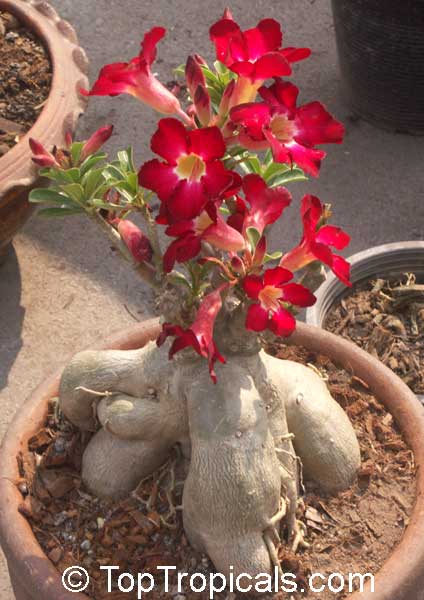
Desert rose winter care

Q: I purchased several packets of desert rose seeds last year. I now have 45 very healthy seedlings some of them in bud. Almost all of my seeds grew but I lost most of them when I rook them in during winter. I did not water them for a month , kept them in their pots and set them by the window. they either dried up and died or rotted and died. I noticed when you send me grafted specimens that you bareroot them. Is this a better way to keep them inside in winter, bareroot? I hate to lose these plants come winter time. Pls advise me. I live in Houston, Tx. where we get temps below 40 degrees and sometime a day or more of freezing temps.

A: Thank you for your question. Rot is pretty common problem with Desert Roses. We monitor our Adeniums closely and have a special set up of watering environment and schedule, in dedicated greenhouses just for them. Nevertheless - every now and then we see a rotten caudex and can't help it to say "oops! over-watered!" These plants are very sensitive to environment changes, especially when it comes to a combination of water and temperature. These are a few tips that should help you to reduce risk of plant loss to a minimum:

1) Use only well drained mix with much higher content of perlite than you would use for most tropical plants. For adeniums, we use mix with 30-40% of perlite in it, while regular mix has 10-15%.

2) Adeniums like alkaline soil, unlike most of tropical plants (hard to say what else likes alkaline... Ficus for sure!). This means, regular mix with high content of peat moss may cause root rot. To increase alkalinity, you may add dolomite. Here in Florida where we have natural supply of shell rock handy, it is easy to add some shell to a potting mix (shell sand, rather than quartz sand). We always add a few large shells on top of a pots with a big specimen. Besides increasing soil pH (making it more alkaline), shells look very decorative.

3) Water very carefully during cooler months. When it is hot (85-100F), excessive water usually won't harm adeniums: it will be partially used by a plant, and partially will evaporate. Especially be careful with water when temperatures drop below 65F - then tropical plants simply stop growing process and go dormant. Once adeniums start losing leaves, this is a sign to reduce watering to once a week to once a month, and in very small quantity (couple tablespoons per pot).

4) We do not bareroot adeniums for winter storage. They are not bulbs. Barerooting of this plant is recommended only during shipping. Adeniums can stay without soil for up to a week without hardly any stress, sometimes even longer.

5) We keep our big collection specimens on a roofed porch during winter, where level of light is very low. Last winter we haven't lost a single plant due to low light. They take shade pretty well considering minimum or no water. However bright light is always better - it creates healthier environment for a plant. We all know about space limitations for our large collections, especially in winter. So if you can afford a bright spot for adenium during winter - the plant will be lucky!

Adenium Summer Sale: 20% off plants and seeds!

Date: 5 Jan 2026

☘️ What plants are easy to ship in Winter?

Lush  tropical  garden  with  a  bright  green  leafy  Magnolia  champaka  surrounded  by  flowering  shrubs,  such  as  Brunfelsia  grandiflora,  at  Top  Tropicals  nursery

Ordering plants in winter is often easier than people expect - and for many plants, it is actually better. Lush foliage plants like philodendrons and medinilla, fine-leaved trees such as moringa, jacaranda, and poinciana, and even sensitive fruit trees like papaya, jackfruit or starfruit ship more safely in cool weather without overheating stress.

Winter is also ideal for subtropical and cold-tolerant plants, dormant or deciduous plants like plumeria and adenium, orchids - including ground orchids and vanilla orchids, and winter bloomers that flower their best right now. Winter care is simple: water less, use gentle liquid amino-acid fertilizers like Sunshine Boosters, and monitor insects.

In mild climates, many tropicals can be planted anytime, while extra-tender plants can stay potted until spring. Winter is a perfect time to bring tropical warmth indoors and enjoy greenery when you need it most.

🌿Learn more: easy plants for Winter shipping

Date: 23 Sep 2025

Eight most spectacular winter blooming trees

Eight most spectacular winter blooming trees

💐 Eight most spectacular winter blooming trees


🍁 Fall is the right time to get winter bloomers in the ground. Plant them now, and by the time the cool season settles in, you’ll have flowers to enjoy. We get a lot of snowbirds asking us what to plant when they’re here for just the season, and the answer is simple: pick trees and shrubs that show off in winter!

🏆 8 best flowering trees that will bloom for you in Winter

  • 💐 1. Royal poinciana - Flamboyant tree, Delonix regia


    Known for fiery red-orange blooms, the flamboyant tree creates a spectacular canopy. Even in the cooler season, mature specimens may flower heavily in warm climates.

👉 Learn more
  • 💐 2. Tabebuia chrysotricha - Dwarf Golden Tabebuia


    One of the brightest winter bloomers, this small tree bursts into golden-yellow flowers on bare branches, turning the whole crown into a glowing dome.

👉 Learn more
  • 💐 3. Tabebuia impetiginosa - Dwarf Pink Tabebuia


    A smaller tabebuia with trumpet-shaped pink to lavender blooms. Its leafless winter display is striking and well-suited for compact gardens.

👉 Learn more
  • 💐 4. Jacaranda mimosifolia (acutifolia)


    Famous for its lavender-blue clouds of trumpet flowers, Jacaranda puts on a dramatic show even when most trees are bare. Perfect for lining streets or as a specimen tree.

👉 Learn more
  • 💐 5. Koelreuteria paniculata (bipinnata) - Golden Rain Tree


    This tree stands out in winter with clusters of golden flowers followed by papery lantern-like seed pods. It’s ornamental in every stage, even when not in full bloom.

👉 Learn more
  • 💐 6. Callistemon citrinus - Weeping Red Bottlebrush


    Its crimson brush-like flowers appear in flushes during the cooler months. This tree is tough, drought-tolerant, and attracts pollinators while keeping color in the winter garden.

👉 Learn more
  • 💐 7. Bauhinia variegata - Pink Butterfly Orchid Tree


    Soft pink to lavender blooms open on leafless branches in the cool season. The butterfly-shaped petals make this tree both graceful and eye-catching.

👉 Learn more

💐 8. Bauhinia blakeana - Hong Kong Orchid Tree


A sterile hybrid that doesn’t produce seed, this tree is prized for its huge magenta flowers that cover bare branches in winter. Rare and highly ornamental, it’s a true collector’s tree.

🛒 Plant a tree now for winter flowers

#Trees #Discover

🟢 Join 👉 TopTropicals