Garden Blog - Top Tropicals

Date: 10 Jan 2026

How to grow Patchouli indoors

Patchouli - Pogostemon cablin

How to grow Patchouli indoors

Patchouli - Pogostemon cablin is easy to grow indoors if you give it what it likes. It is one of those plants that does double duty - it looks great and makes your home smell amazing. Those big, soft leaves release that deep, earthy scent just by being there.
  • ☘️ Light and temperature


    Patchouli loves bright shade. Think filtered light near a window, not harsh direct sun. Too much sun can burn the leaves, especially indoors. In lower light, it still grows well and keeps its fragrance. It is a tropical herb, so keep in warm - at room temperature.
  • ☘️ Water and soil


    This plant loves water. Use a well-draining soil mix and a pot with drainage holes, but do not let it dry out. Daily watering is usually fine in warm conditions. Good air circulation is important.
    Growing patchouli is similar to growing herbs in containers - just be more generous with water than you would be with basil or oregano.
  • ☘️ Containers and growth


    Patchouli grows fast. Start in a 1-gallon pot, but plan to move it up to a 3-gallon container fairly quickly. More room means bigger leaves and a stronger scent.
  • ☘️ Feeding


    Feed regularly. You can use Sunshine Boosters Robusta with every watering, or apply Green Magic controlled-release fertilizer every 6 months and at each transplant. Patchouli responds quickly to feeding with lush growth.
  • ☘️ Pruning and uses


    Prune as the plant gets bigger to keep it full and bushy. Do not throw the leaves away - dry them for sachets or use fresh/dry leaves for tea.
  • ☘️ Propagation


    Patchouli roots very easily from cuttings. Snip a healthy stem, place it in water or moist soil, and it will root fast. It is one of the easiest plants to share with friends.

    If you want a plant that grows fast, smells incredible, and actually does something useful indoors, patchouli is hard to beat.


🛒 Grow calming Patchouli Scent at home

📚 Learn more:

Plant Facts

Pogostemon cablin, Pogostemon patchouli, Pogostemon heyneanous
Patchouli, Pucha-pat
USDA Zone: 9-11
Groundcover and low-growing 2ft plantSmall plant 2-5 ftSemi-shadeFull sunModerate waterRegular waterOrnamental foliageSpice or herb plantEthnomedical plant.
Plants marked as ethnomedical and/or described as medicinal, are not offered as medicine but rather as ornamentals or plant collectibles.
Ethnomedical statements / products have not been evaluated by the FDA and are not intended to diagnose, treat, cure, or prevent any disease. We urge all customers to consult a physician before using any supplements, herbals or medicines advertised here or elsewhere.Fragrant plant
  • Patchouli - Pogostemon cablin in Plant Encyclopedia
  • Health Benefits of Pogostemon cablin (Patchouli, Pucha-Pat)
  • Patchouli: more than just a pretty scent
  • Archeologists found Patchouli perfume from Ancient Rome
  • Patchouli tea recipe

  • #Perfume_Plants #Remedies #Food_Forest #How_to

    🟢 Join 👉 TopTropicals
    Date: 10 Jan 2026

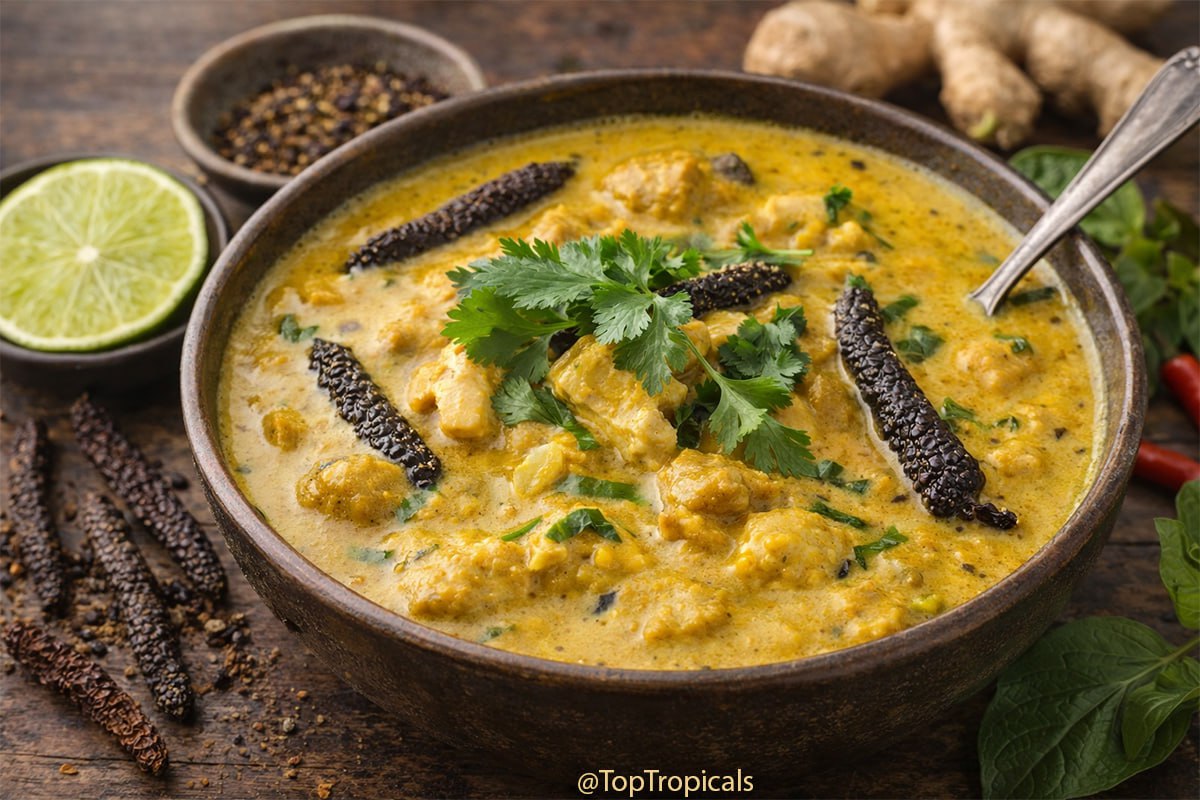
    Long pepper curry: quick-n-fun exotic recipes

    Long pepper curry

    Long pepper curry

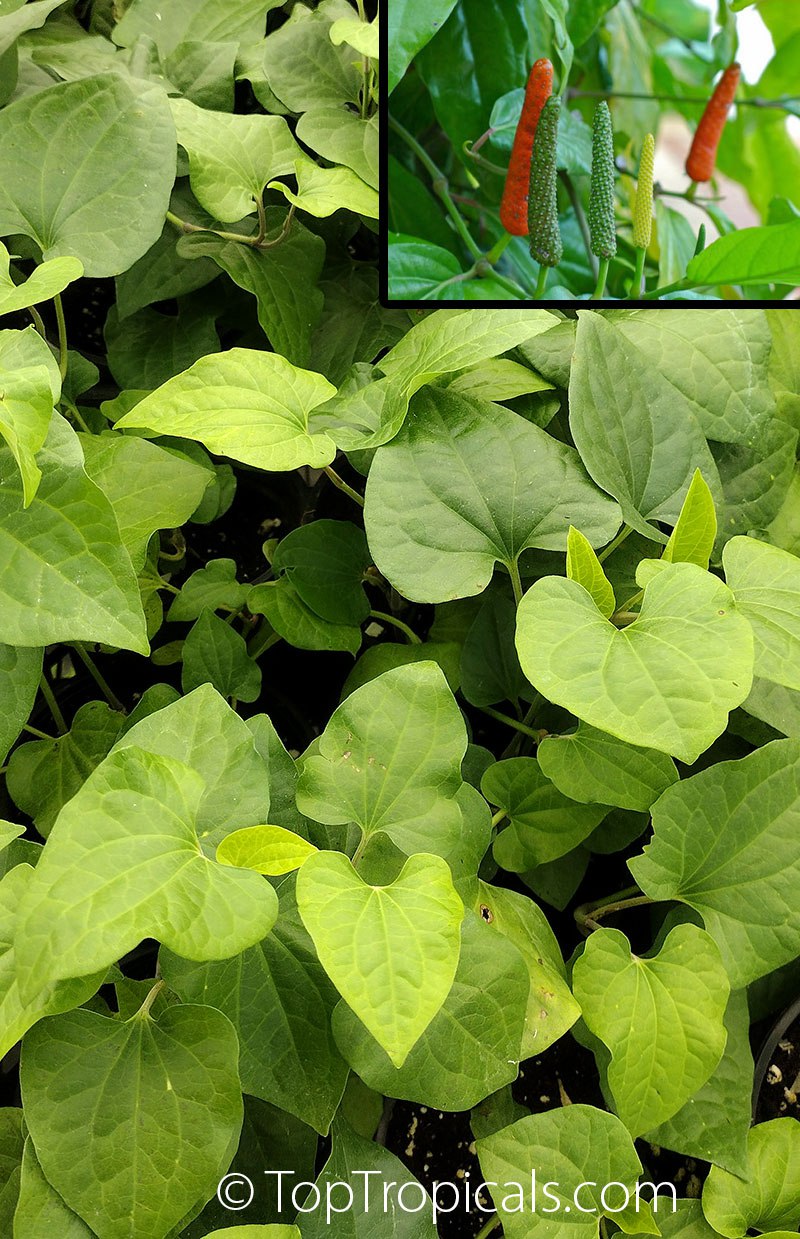
    Piper longum - Indian Long Pepper, Bengal Pepper or Pippali

    Piper longum - Indian Long Pepper, Bengal Pepper or Pippali

    🍴 Long Pepper Curry (Quick-n-Fun Exotic Recipe)

    Ingredients

    • 1 can (13.5 oz) coconut milk
    • 1/2 tsp crushed dried long pepper (Piper longum)
    • 1 tbsp vegetable or coconut oil
    • 1 small onion, finely chopped
    • 2 cloves garlic, minced
    • 1 tsp fresh grated ginger
    • 1/2 tsp turmeric
    • Salt to taste
    • Fresh cilantro for garnish (optional)

    Instructions

    1. Heat oil in a pan over medium heat.
    2. Add onion and saute until soft and translucent.
    3. Add garlic, ginger, turmeric, and crushed long pepper. Stir for 30 seconds.
    4. Pour in coconut milk and bring to a gentle simmer.
    5. Cook for 8 to 10 minutes, stirring occasionally.
    6. Season with salt and garnish with cilantro before serving.

    🌿 About the plant:


    Indian long pepper, also known as Pippali or Bengal pepper (Piper longum), is an ancient spice and medicinal plant from South Asia. Closely related to black pepper, it has a warmer, slightly sweeter heat and a complex aroma. Long pepper has been used for centuries in traditional medicine for respiratory and digestive support, including coughs, congestion, and stomach discomfort.

    🌱 In the garden:


    Piper longum grows as a climbing vine or shrubby climber that can be trained on a trellis, fence, or tree. It prefers warm conditions, regular moisture, and shade to partial shade. The plant starts with heart-shaped leaves that become more elongated as it matures, making it both useful and ornamental in tropical and subtropical gardens.

    🛒 Add an easy plant - Indian Long Pepper - to your garden

    📚 Learn more:

    Plant Facts

    Piper longum
    Bengal Pepper, Indian Long Pepper, Pippali, Piplamul
    USDA Zone: 9-11
    Large shrub 5-10 ft tallVine or creeper plantFull sunRegular waterSpice or herb plantEthnomedical plant.
Plants marked as ethnomedical and/or described as medicinal, are not offered as medicine but rather as ornamentals or plant collectibles.
Ethnomedical statements / products have not been evaluated by the FDA and are not intended to diagnose, treat, cure, or prevent any disease. We urge all customers to consult a physician before using any supplements, herbals or medicines advertised here or elsewhere.
  • Piper longum - Indian Long Pepper, Bengal Pepper or Pippali - in Plant Encyclopedia
  • How to grow your own Pepper plants. Five most valuable 'Pipers'

  • #Food_Forest #Recipes #Remedies

    🟢 Join 👉 TopTropicals

    Date: 9 Jan 2026

    Expended effort

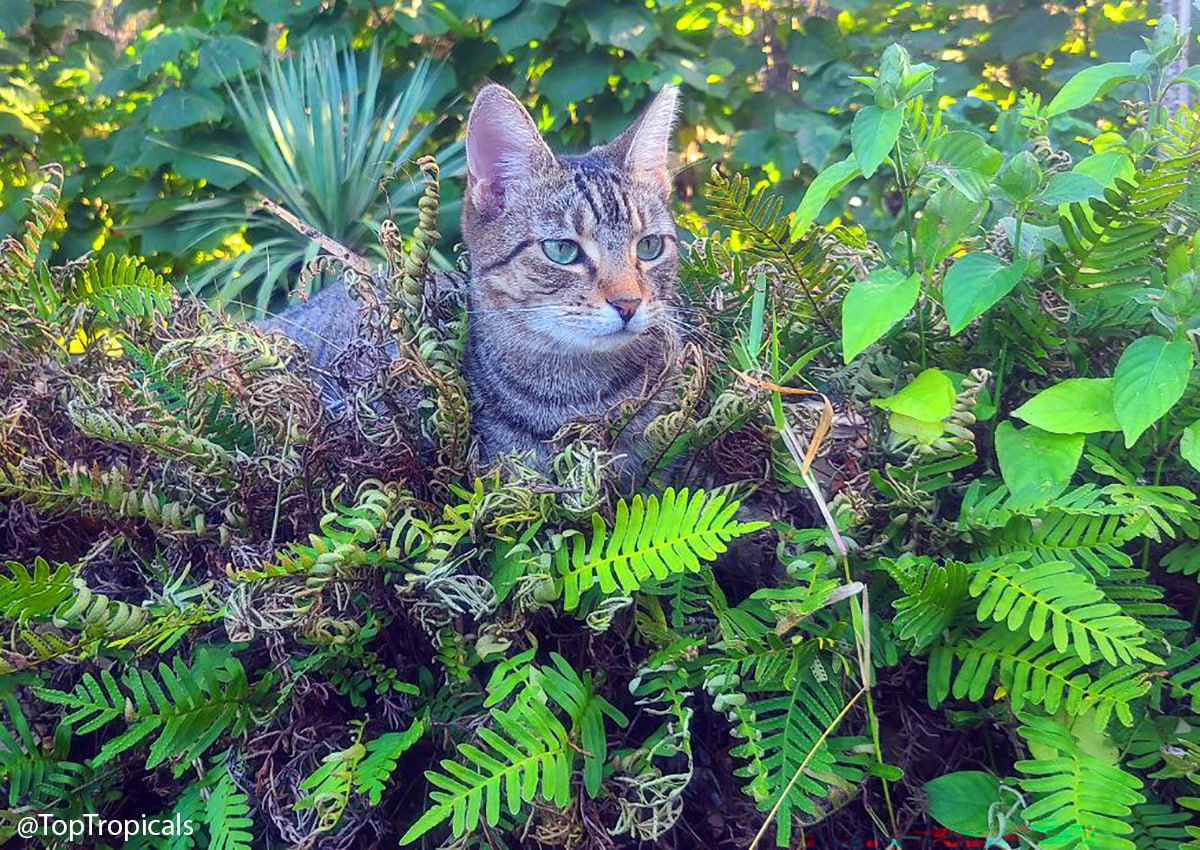
    Cat Persephone

    Cat Persephone

    🌳 Expended effort


    "A garden requires patient labor and attention. Plants do not grow merely to satisfy ambitions or to fulfill good intentions. They thrive because someone expended effort on them." - Liberty Hyde Bailey

    🐈📸 Cat Persephone, one of the garden watchers at PeopleCats.Garden 

    #PeopleCats #Quotes

    🟢 Join 👉 TopTropicals

    Date: 9 Jan 2026

    Mango Tree for Zone 5: top 15 Condo Mango for growing in cold areas

    Mango Tree for Zone 5

    🥭 Mango Tree for Zone 5: top 15 Condo Mango for growing in cold areas

    • 🥭 Can you grow a mango tree in Zone 5? Short answer - yes! The trick is - containers!
    • Mango trees are tropical plants but they do great in pots when you choose the right varieties.
    • 🥭 Compact types stay short, respond well to pruning, and produce in containers.
    • You can grow them on a patio, balcony, even move them indoors in your condo for winter. That is why they are called condo mangoes!
      During warm months, they live outside.
      When cold weather hits, they come inside.
    • 🥭 With good light, proper watering, fertilizing, and some patience, these trees can reward you with real mangoes. Not a farm harvest, but enough to enjoy and share.


    🏆 Most popular Condo Mango varieties:


    Baptiste
    Carrie
    Cogshall
    Diamond
    Fairchild
    Ice Cream
    Julie
    Keitt
    Lancetilla
    Lemon Meringue
    Mallika
    Nam Doc Mai
    Okrung
    Pickering
    Venus

    🛒 Discover Condo Mango

    📚 Learn more:
    #Food_Forest #How_to #Discover #Mango

    🟢 Join 👉 TopTropicals

    Date: 9 Jan 2026

    Moringa leaves made simple - daily benefits and 6 easy recipes

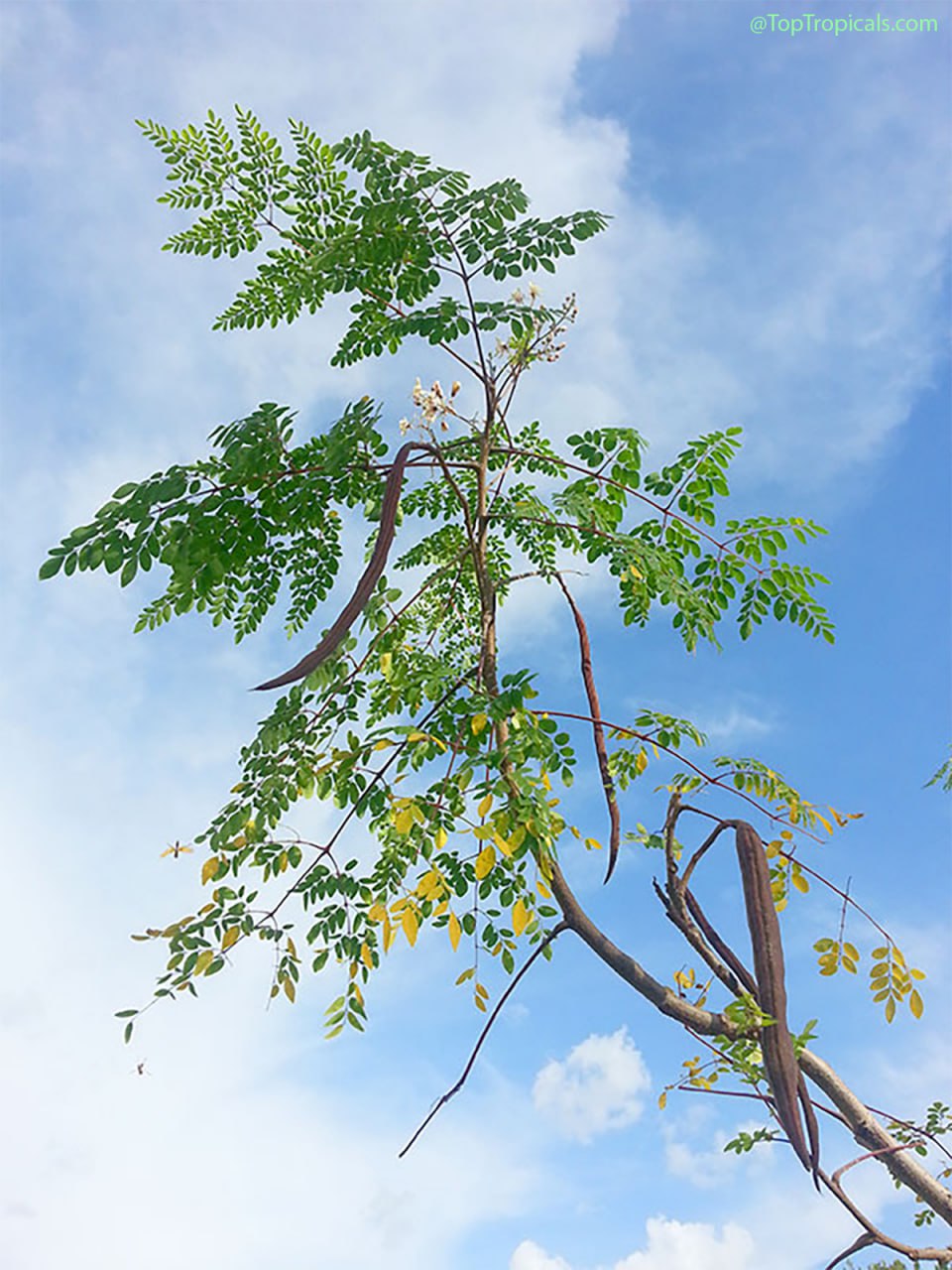
    Moringa oleifera leaves and flowers

    Moringa oleifera leaves and flowers

    Moringa oleifera leaves on a branch

    Moringa oleifera leaves on a branch

    🌳 Moringa leaves made simple - daily benefits and 6 easy recipes


    Moringa tree is called the Tree of Life for a reason. Moringa leaves, often called miracle greens, are packed with vitamins A, C, and E, calcium, iron, potassium, and plant protein. Regular use supports immunity, digestion, skin health, energy levels, and overall vitality. Traditionally, moringa has also been used to support blood sugar balance, heart health, and inflammation control thanks to its rich supply of antioxidants and bioactive compounds like flavonoids and polyphenols.

    ❤️ Key benefits of eating moringa leaves daily:

    • 🌿 Supports blood sugar balance


      Moringa may improve insulin sensitivity and help stabilize blood sugar, reducing sudden energy crashes. Regular intake has been linked to better glycemic control and reduced inflammation.
    • 🌿 Improves digestion


      High fiber supports gut health, while natural detoxifying compounds help liver function. Moringa may also promote healthy gut bacteria and improve digestion regularity.
    • 🌿 Fights inflammation


      Moringa leaves contain compounds that help reduce inflammatory markers in the body, supporting joint, heart, and overall cellular health.


    6 easy moringa recipes to try

    • 🌿 Moringa laddoo


      Roast whole wheat flour in ghee, add fresh moringa leaves, jaggery, nuts, sesame seeds, and cardamom. Shape into laddoos and store airtight.
    • 🌿 Moringa smoothie


      Blend fresh moringa leaves, banana, curd, honey, and water. Top with soaked chia seeds and drink fresh.
    • 🌿 Moringa dal


      Cook toor dal with turmeric. Saute moringa leaves, onion, tomato, garlic, and chilies in ghee, mix into dal, and finish with cumin and asafoetida tempering.
    • 🌿 Moringa paratha


      Knead wheat flour with moringa leaves, onion, spices, and salt. Roll and cook on a hot tawa with oil or ghee.
    • 🌿 Moringa chutney


      Grind moringa leaves with coconut, green chilies, ginger, lemon juice, and salt. Serve fresh.
    • 🌿 Moringa tea


      Simmer fresh or dried moringa leaves in water for a few minutes, strain, and enjoy warm with honey or lemon if desired.


    🛒 Grow your own Tree of Life - Moringa

    📚 Learn more:

    Plant Facts

    Moringa oleifera, Moringa pterygosperma
    Horseradish tree, Ben Oil Tree, Coatli, Drumstick tree, Bridal veil, Miracle Tree
    USDA Zone: 9-11
    Plant used for bonsaiLarge tree taller than 20 ftSmall tree 10-20 ftFull sunModerate waterWhite, off-white flowersEdible plantPlant attracts butterflies, hummingbirdsDeciduous plantEthnomedical plant.
Plants marked as ethnomedical and/or described as medicinal, are not offered as medicine but rather as ornamentals or plant collectibles.
Ethnomedical statements / products have not been evaluated by the FDA and are not intended to diagnose, treat, cure, or prevent any disease. We urge all customers to consult a physician before using any supplements, herbals or medicines advertised here or elsewhere.Fragrant plantSubtropical plant. Mature plant cold hardy at least to 30s F for a short time
  • · Moringa oleifera in Plant Encyclopedia
  • · Moringa omelet recipe
  • · Moringa vs spinach: which one wins for nutrition?
  • · What edible plants and herbs can reduce your blood pressure
  • · Top 12 Eye-Supporting Fruit and Plants for Vitamin A - Retinol
  • · Memory & Cognitive Support (Brain Boosters) Edible Plants and Herbs
  • · How to grow drumsticks on a tree
  • · What is the most useful tree in the world?
  • · How to grow a happy Moringa Tree

  • #Food_Forest #Remedies #Discover #Trees #Recipes

    🟢 Join 👉 TopTropicals