Garden Blog - Top Tropicals
Date:
How
to grow Jackfruit in a pot:
the biggest fruit in the world
Q: Can I grow Jackfruit in a pot?
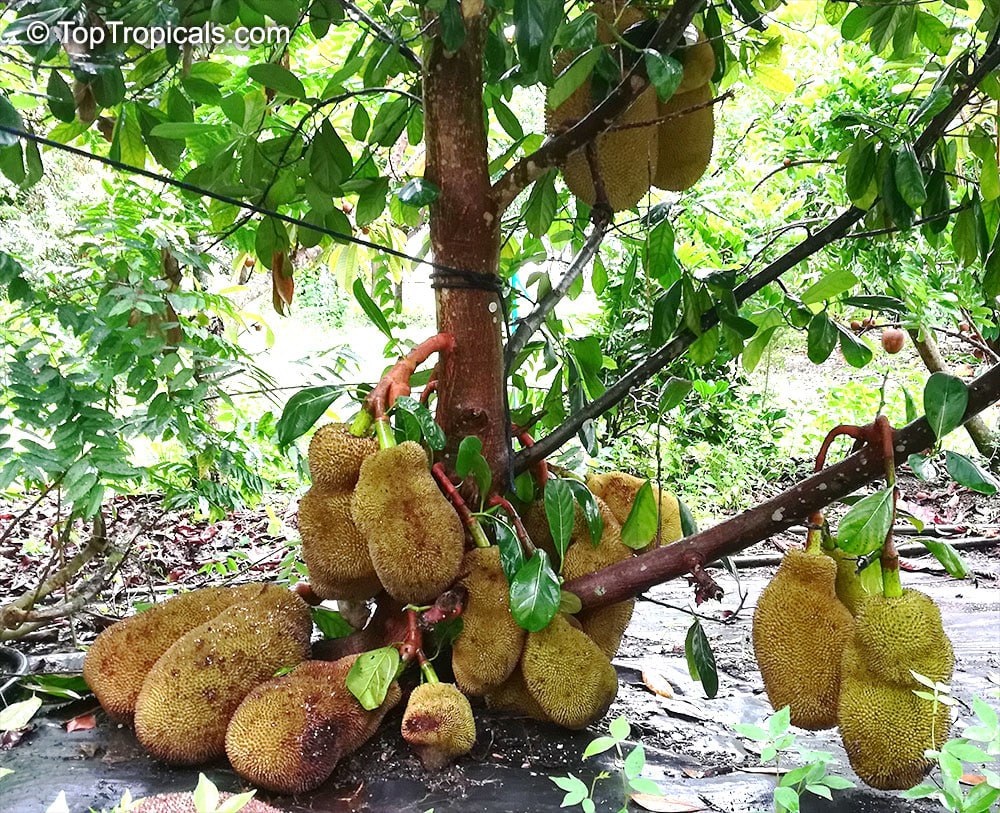
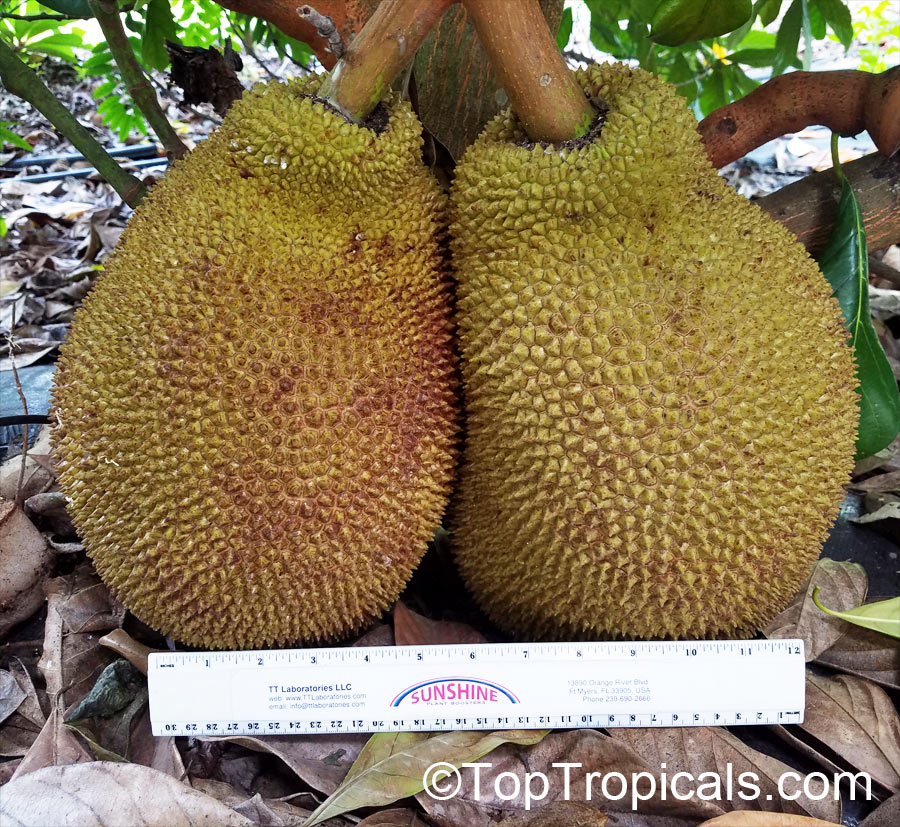
A: Yes, you can! Jackfruit trees, despite producing the largest tree-borne fruit in the world - up to 80 pounds and 36 inches long - can thrive and fruit in containers. The tree has a clever feature: it grows fruit only at the base of the trunk, allowing you to manage its height and size. With regular pruning, the tree can stay compact at just 6-7 feet tall, making it perfect for pot culture.
1. Getting started: pot sizes and growth tips
Start with: A 3-7 gallon container.
As it grows: Gradually increase to a 15-25 gallon pot by the time it
reaches fruiting size (2-4 years).
Pruning is key: Keep the tree topped at 6-7 feet to focus its energy
on fruit production.
Fertilize regularly: Use high-quality plant food like Sunshine Boosters C-Cibus to promote healthy growth and fruit
development. C-Cibus is the best natural plant food for fruit and edibles.
2. Fun facts about Jackfruit - Artocarpus heterophyllus
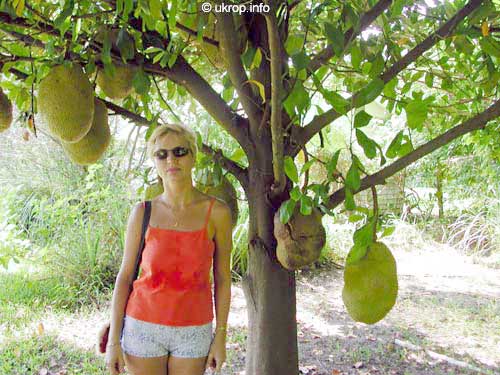
A mature Jackfruit tree can produce 200 pounds of fruit per year.
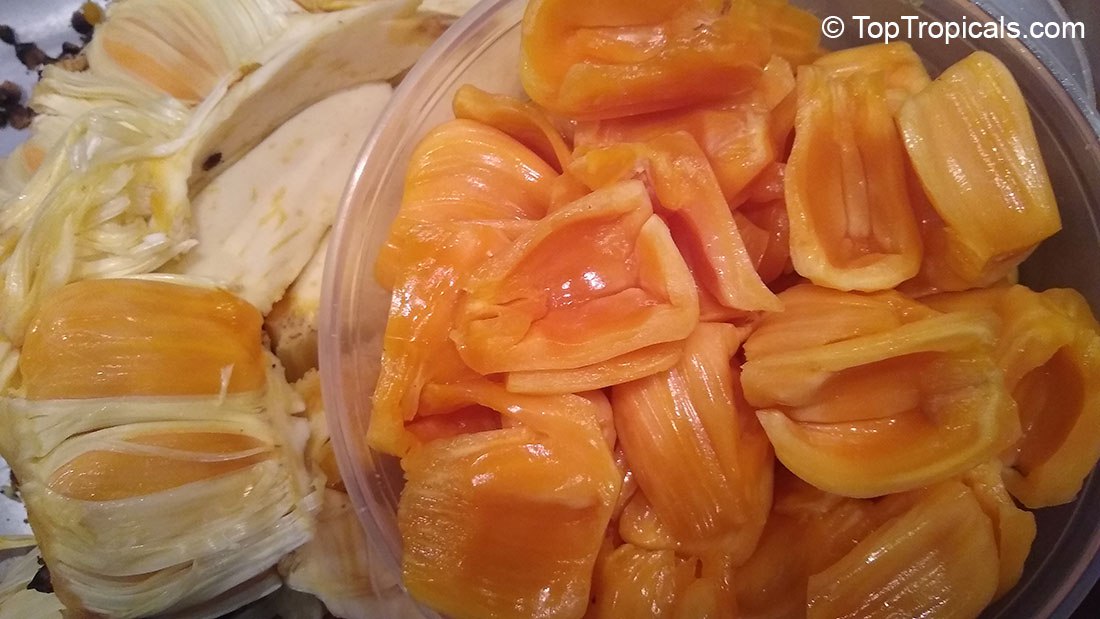
The fruit consists of large, sweet, yellow bulbs with a banana-like
aroma.
Seedlings start fruiting within 3-4 years, with fruits ripening in just 4-6
months after flowering.
3. Cold tolerance of Jackfruit trees
Though often thought of as ultra-tropical, mature trees can withstand light frost for short periods without major damage. Keeping Jackfruit in pots also offers an easy way to move them indoors during cold spells if you're in a cooler climate.
4. Secrets for successful Jackfruit production
- Frost-free temperatures are essential.
- Use rich, organic soil with compost, manure, or peat moss.
- Maintain moist soil with regular watering.
- Constant pruning to keep the tree under 7 feet promotes healthy
fruiting.
- Apply fertilizer and microelements regularly for better fruit quality.
By following these tips, you'll be able to enjoy the world's biggest fruit right from your patio!
Learn more:
About Jackfruit
How to grow the
biggest fruit on Earth
Cheena - Jackedack
Videos:
Jackfruit
Fruit
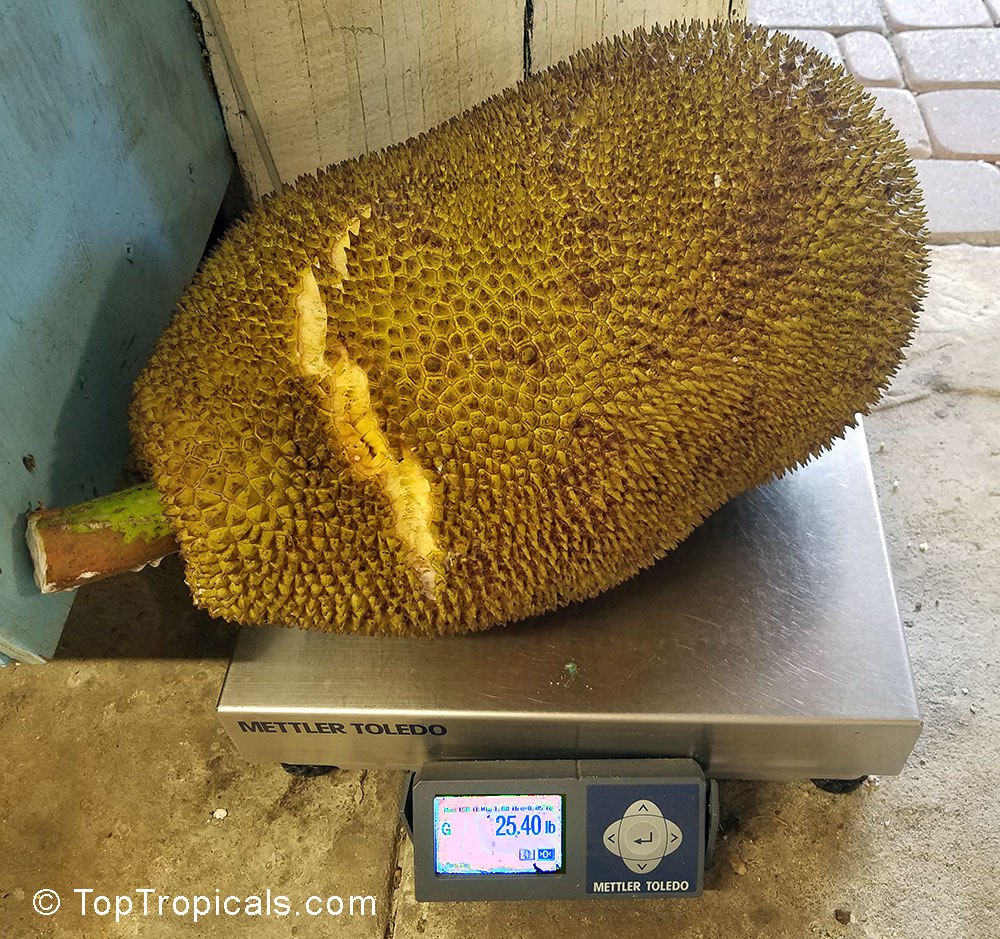
How to Grow Jackfruit: Practical Guide
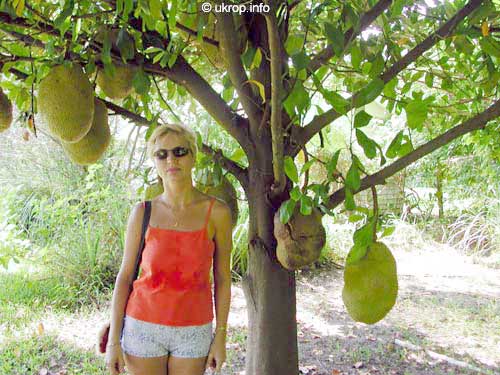
Jackfruit (Artocarpus heterophyllus) tree
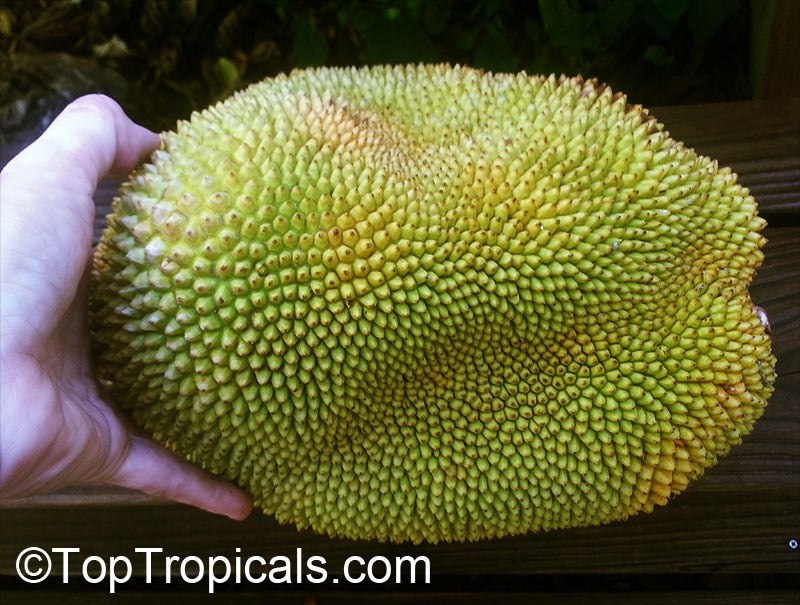
Jackfruit (Artocarpus heterophyllus) fruit
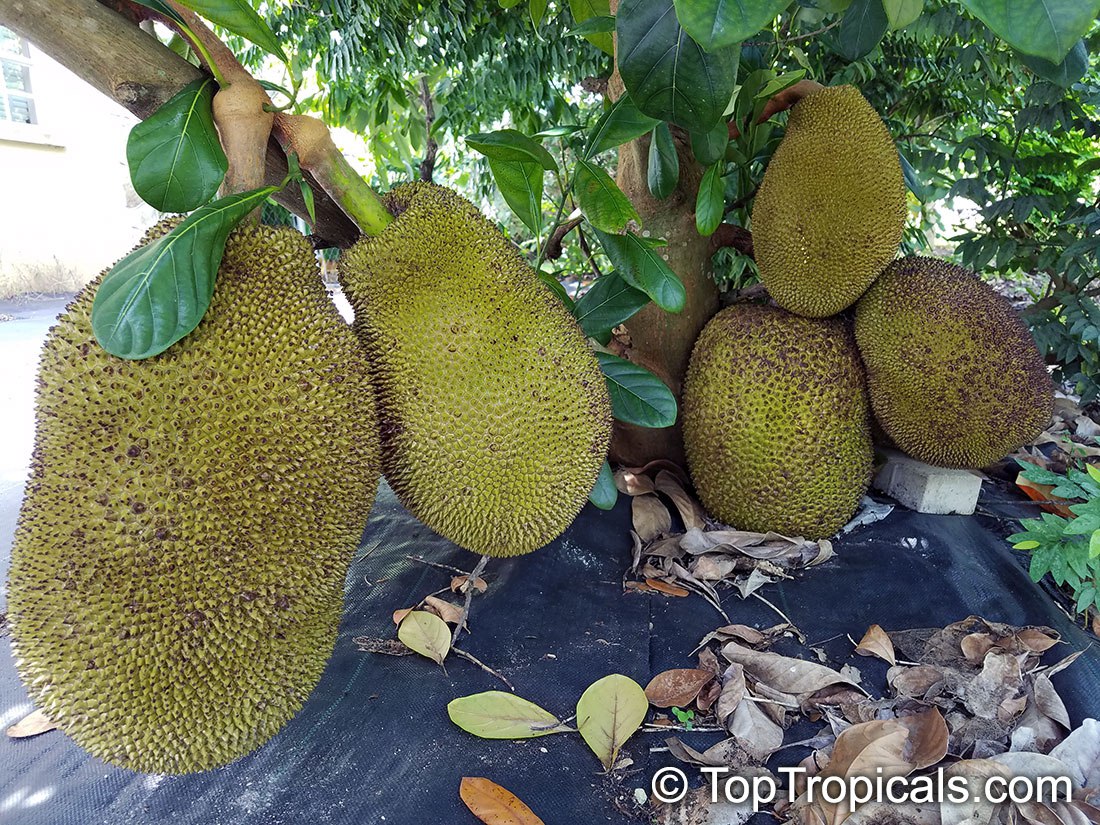
Jackfruit (Artocarpus heterophyllus) fruit at the base of the tree
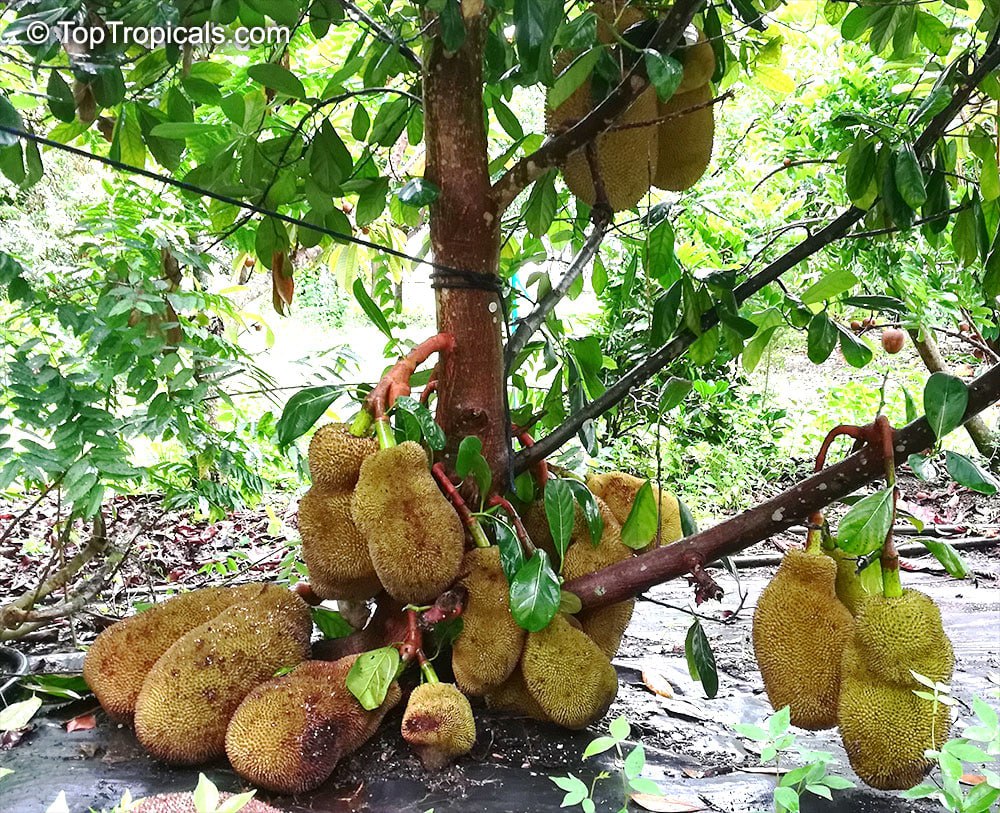
Jackfruit (Artocarpus heterophyllus) fruit at the base of the tree
- 🍈 Jackfruit (Artocarpus heterophyllus) is a tropical tree that produces the largest fruit in the world, weighing up to 80 pounds and reaching 36 inches in length. The trees thrive in frost-free, humid climates with plenty of sunlight. They require well-draining soil rich in organic matter and regular watering to flourish. Despite their reputation as ultra-tropical, mature Jackfruit trees can tolerate light frost for a few hours without significant damage. Additionally, they can be grown in containers in colder areas with proper care and pruning.
- 🍈 What Climate is Essential for Growing Jackfruit Trees?
- 🍈 How Often Do Trees Need Fertilizing, and What is the Best Type of Feed?
- 🍈 How Important is Pruning, and When is the Right Time to Prune?
- 🍈 Key Tips for Successful Jackfruit Production
Jackfruit trees require a tropical or subtropical climate, with temperatures ideally between 60-95°F. While young trees are frost-sensitive, mature trees can withstand light frost for short periods. However, cold winters can reduce fruit production. Frost-free temperatures are crucial for optimal growth and fruiting.
Jackfruit trees are heavy feeders. Fertilizing them regularly is key to their health and productivity. During the active growing season (spring to fall), apply a balanced dry fertilizer once a month. Liquid amino-acid-based fertilizers, such as Sunshine Boosters, can be used year-round with every watering. These fertilizers help maintain healthy growth and encourage abundant fruiting. Supplement with organic matter like compost, manure, or peat moss to enrich the soil.
Pruning is essential for maintaining a manageable tree size and promoting healthy fruit production. Jackfruit trees produce fruit at the base of the trunk, allowing them to be pruned annually to a height of 7-12 feet. This practice not only makes harvesting easier but also encourages more fruiting. Prune after the fruiting season or in late fall to remove excess growth and shape the tree. Regular pruning also improves air circulation and reduces the risk of disease.
- · Climate: Ensure frost-free temperatures and adequate humidity.
- · Soil: Use well-draining soil enriched with organic matter.
- · Watering: Maintain consistent soil moisture without waterlogging.
- · Pruning: Keep the tree under 7-10 feet for easier management and better yield.
- · Fertilizing: Apply balanced fertilizers and supplements regularly.
🍈 Jackfruit facts
- · The fruit consists of large, edible bulbs of yellow, sweet, banana-pineapple-flavored aromatic flesh.
- · Seedlings start fruiting within 3-4 years, with fruit ripening 4-6 months after flowering.
- · A mature tree can produce up to 200 pounds of fruit annually.
- · For colder regions, growing Jackfruit in containers is an option, provided the tree is regularly pruned and topped.
👍 Jackfruit trees grow fast and fruit abundantly with proper care, making them an exotic addition to tropical fruit collections.
📚 From previous posts:
The largest tree-borne fruit in the world
How to grow the biggest fruit on Earth
🛒 Plant your own Jackfruit
#Food_Forest #How_to
🔴 Join 👉 TopTropicals
Date:
Libra Zodiac lucky plants

Libra - 9/23-10/22. Libra is an AIR sign, and is ruled by the planet Venus. Because Venus is the planet of beauty and love, Libra's plants often have light, lovely flowers and gorgeous scents.
Libra has been related to the endocrine system, the kidneys, and the bladder. Venus (which also rules Taurus) is responsible for the harmony between the various body systems, as well as the abdomen, kidneys and urinary tract, and thyroid. Libra's plants help to bring balance to these areas of the body. Libra's romantic nature appreciates a spice that cultivates love and sensuality. Cardamom is a spice known for its gently warming nature, so add a sprinkle when you want to heat things up slowly.
Libra Zodiac lucky plants: Jasmine, Gardenia, Euclinia, Pua Keni Keni, Randia, Beaumontia, Faradaya, Butterfly Ginger, Kopsia, Hydrangea, Montanoa, Aglaia, Dwarf Ylang-Ylang, Desmos, Clematis, Almond Bush, Brunfelsia, Four oclock plant, Juniper, Moonflower, Carissa, White Chocolate Jasmine, Night blooming jasmine, Fiddlewood, Honeysuckle, Orchid, Clerodendrums, Millingtonia, Parijat, Fried Egg Tree, Oxyceros, Phaleria, Tuberose, Cubanola, Portlandia, Rothmannia, Allamanda, Nasturtium, Rose, Camellia, Ephedra, Fuchsia, Ylang-Ylang, Magnolia, Stemmadenia, White Plumeria, Appleblossom, Needle Flower Tree, Tree Jasmine, Guaiacum, Epiphyllum, Amazon Lily, India Hawthorn, Stephanotis, Talauma, Pakalana vine, Wrightia, White flowers, Cypress, Lucky Bamboo, Dracaena, Bakul, Apple, Pear, Fig, Raspberry, Olive, Pomegranate, Apricot, Peach, Plum, Loquat, Grape, Blackberry, Mango, Cherries, Chrysobalanus icaco, Berries, Neem tree, Asparagus, Spices, Mint, Catnip, Bergamot, Thyme, Cardamom.
For other signs information, see full Plant Horoscope.
15% OFF ON ALL FRAGRANT PLANTS! 3 day sale.
What to do when you have too much of Jackfruit: make Jackfruit Apple Marmalade!
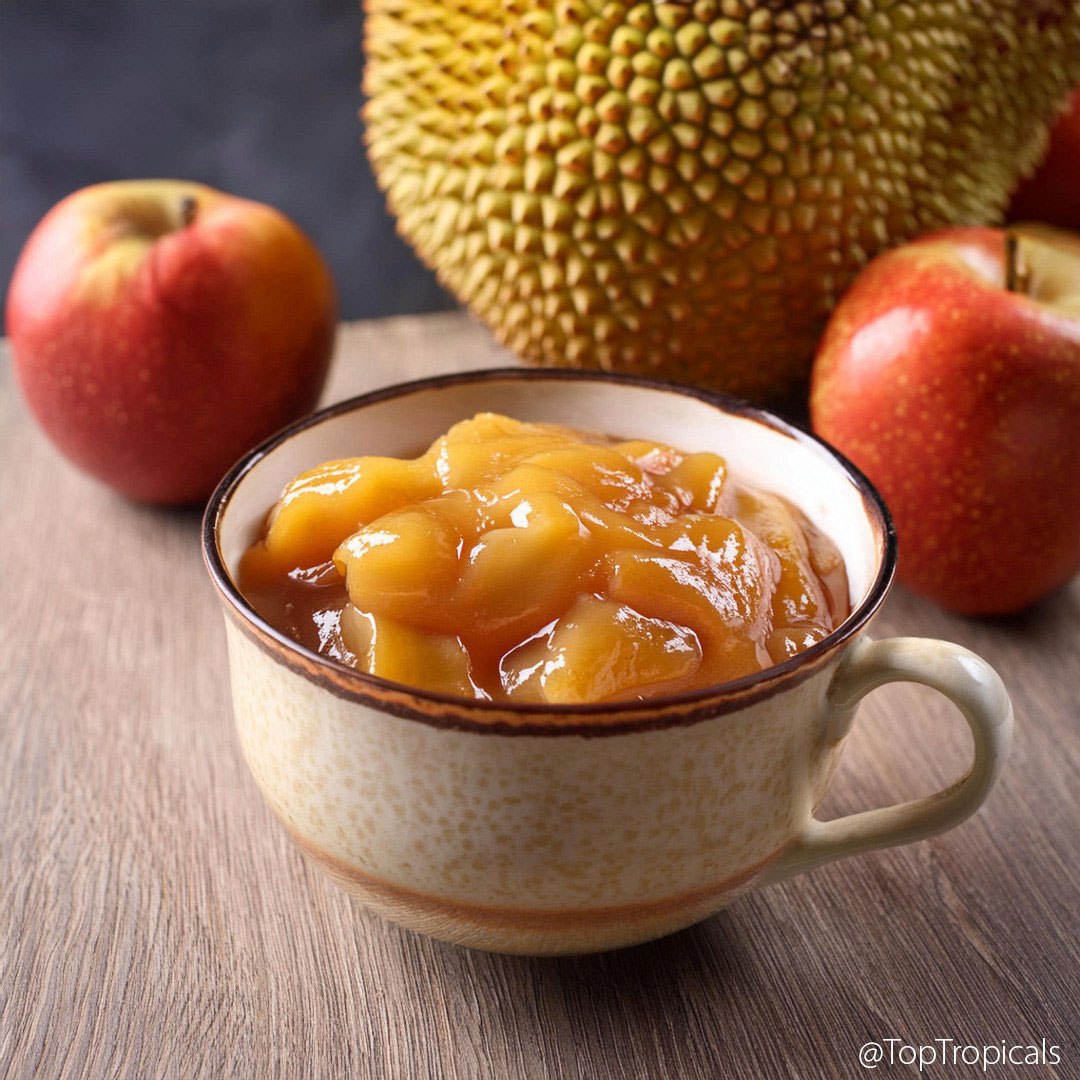
🍴 Jackfruit is delicious exotic treat, we are waiting so many months for it to ripen, but when when we finally have it - it's more than we can eat! Jackfruit is the biggest fruit grown on a tree, and even with one fruit crop you will have enough for both eating fresh and cooking!
🍎 Jackfruit Apple Marmalade
✔️ Ripe jackfruit - 2 cups sliced arils- ✔️ Apple pulp - 1 cup
- ✔️ Sugar - 3 cups
🍐 Cut the Jackfruit arils and remove the seeds. Finely slice the arils. Mix with apple pulp and cook until mixture thickens and marmalade sets. Pour into sterilized jars and seal.
📚 From previous posts:
🛒 Grow your own Jackfruit
#Recipes #Food_Forest
🔴 Join 👉 TopTropicals
What to do with a lot of Jackfruit: Jackfruit BBQ Sliders recipe
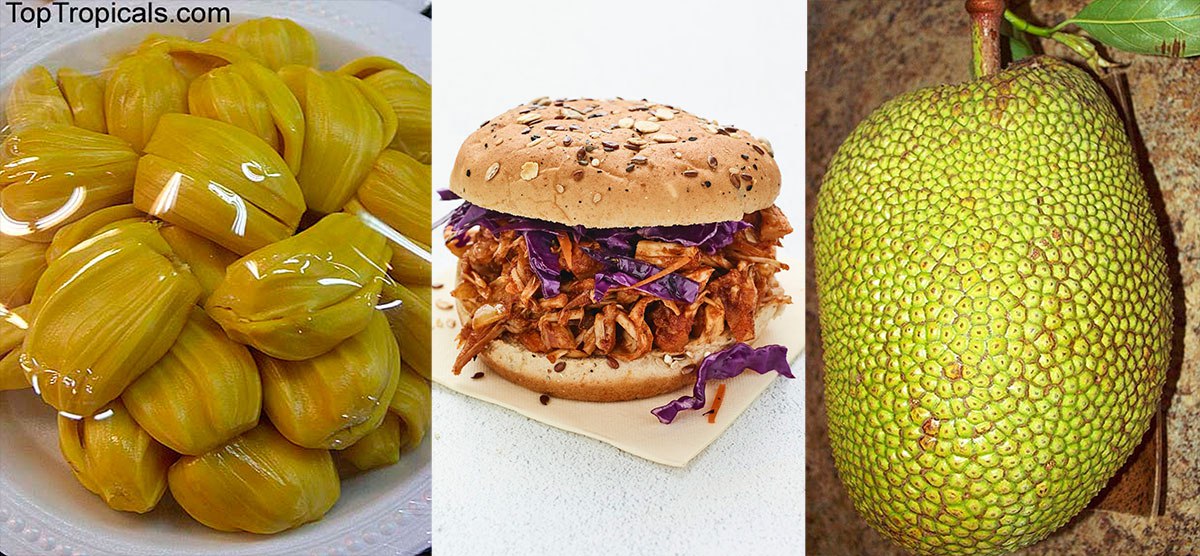
Ingredients:
· 2 cups ripe jackfruit, shredded (remove seeds)- · 1 cup barbecue sauce
- · 1 small onion, finely chopped
- · 1 tablespoon olive oil
- · 6 slider buns
- · Optional toppings: coleslaw, pickles
Instructions:
· Heat olive oil in a pan over medium heat and sauté the onion until soft.- · Add the shredded jackfruit to the pan and cook for 5 minutes.
- · Stir in the barbecue sauce, mixing well to coat the jackfruit. Let it simmer for 10 minutes, stirring occasionally.
- · Toast the slider buns lightly.
- · Pile the jackfruit mixture onto the buns and top with coleslaw or pickles if desired.
💪 These sliders are a tropical twist on a BBQ classic, perfect for casual gatherings!
🛒 Plant your own Jackfruit Tree
#Food_Forest #Recipes #Jackfruit
🔴 Join 👉 TopTropicals
Date:
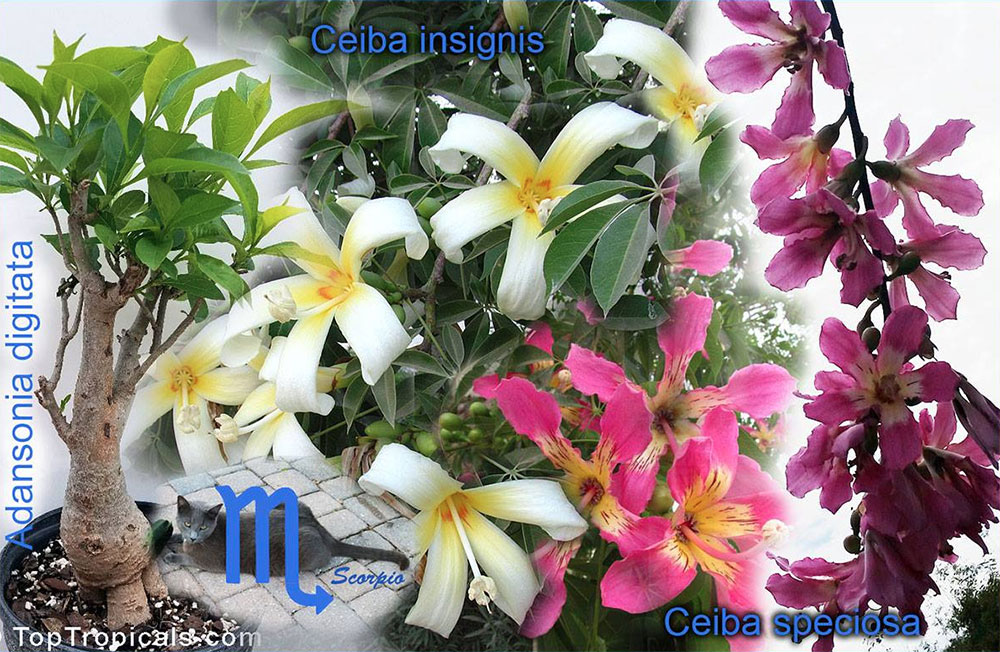

Scorpio - 10/23-11/21.
A WATER sign ruled by both Mars and Pluto.
Scorpio's plants are often found in remote places or on poor ground.
They will likely have thorns, can be red in color, and grow under adversity.
The good news is, most of these plants are nearly indestructible! This makes
them desirable for every gardener.
The reproductive organs are ruled by Scorpio, so these are plants that
balance the hormones, regulate the menstrual cycle, help with childbirth and
pregnancy. Until this century, Scorpio was ruled by Mars, and the herbs
associated with it had to do with the urogenital system and the colon. Many of the
herbs related to Scorpio are cleansing and revitalizing. Now, astrologers
assign Scorpio to Pluto, discovered in 1930 (Pluto is said by astrologers to be a higher octave of Mars). Physiologically, Scorpio involves the processes of catabolism and anabolism, the death and regeneration
of body cells. Diseases of Scorpio are often involved with the slow buildup of
toxic substances in the body (carcinogens, etc) or in the mind (anger,
jealousy). Scorpio loves a spice with depth and complexity. Camphor Basil adds
rich flavor to every dish it seasons, and its own aphrodisiac tendencies appeal to
Scorpio's lusty nature.
Scorpio Zodiac lucky plants:
Ceiba, Baobab, Pistachio, Nutmeg, Thunbergia, Combretums, Dragon fruit, Medinilla, Camphor Basil, Oregano, Vanilla orchid, Hibiscus, Various cacti and succulents,
Adenium, Honeysuckle, Peppers, Cordyline, Spider plant, Jasmine,
Gooseberries, Wild
indigo,
Bougainvillea,
Aloe vera, Raspberry
,
Palmetto, Horseradish tree, Camphor, Allspice and Bay Rum,Jujube, Sweet Mimosa, Agave,
Milkweed, Hong Kong
Orchid Tree, Pony Tail, Dwarf Poinciana, Bottlebrushes, Clusias, Crocosmia, Zig-Zag Cactus, Dracaena, Fire Bush, Hoyas, Jatropha
, Kalanchoe, Sausage tree, Devils Backbone, Pereskia, Red Plumeria, Firecracker, Rattlebox,
Rhoeo,
Calendula, Geranium, Thistles, Mint
, Sage,
Catnip,
Coriander, Sandalwood, Ginseng,
Euphorbias, Acacias.
Date:

Scorpio - 10/23-11/21.
A WATER sign ruled by both Mars and Pluto.
Scorpio's plants are often found in remote places or on poor ground. They will likely have thorns, can be red in color, and grow under adversity. The good news is, most of these plants are nearly indestructible! This makes them desirable for every gardener.
The reproductive organs are ruled by Scorpio, so these are plants that balance the hormones, regulate the menstrual cycle, help with childbirth and pregnancy. Until this century, Scorpio was ruled by Mars, and the herbs associated with it had to do with the urogenital system and the colon. Many of the herbs related to Scorpio are cleansing and revitalizing. Now, astrologers assign Scorpio to Pluto, discovered in 1930 (Pluto is said by astrologers to be a higher octave of Mars). Physiologically, Scorpio involves the processes of catabolism and anabolism, the death and regeneration of body cells. Diseases of Scorpio are often involved with the slow buildup of toxic substances in the body (carcinogens, etc) or in the mind (anger, jealousy). Scorpio loves a spice with depth and complexity. Camphor Basil adds rich flavor to every dish it seasons, and its own aphrodisiac tendencies appeal to Scorpio's lusty nature.
Scorpio Zodiac lucky plants: Ceiba, Baobab, Pistachio, Nutmeg, Black-eyed Susan Thunbergia, Combretums, Dragon fruit, Medinilla, Camphor Basil, Cuban Oregano, Vanilla orchid, Hibiscus, Various cacti and succulents, Adenium, Honeysuckle, Peppers, Cordyline, Spider plant, Jasmine, Gooseberries, Wild indigo, Bougainvillea, Aloe vera, Raspberry, Palmetto, Horseradish tree, Camphor, Allspice and Bay Rum, Jujube, Sweet Mimosa, Agave, Milkweed, Hong Kong Orchid Tree, Pony Tail, Dwarf Poinciana, Bottlebrushes, Clusias, Crocosmia, Zig-Zag Cactus, Dracaena, Fire Bush, Hoyas, Jatropha, Kalanchoe, Sausage tree, Devils Backbone, Pereskia, Red Plumeria, Firecracker, Rattlebox, Rhoeo, Calendula, Geranium, Thistles, Mint, Sage, Catnip, Coriander, Sandalwood, Ginseng, Euphorbias, Acacias.
For other signs information, see full Plant Horoscope.
Date:
Discover 10
best fruit trees to grow
in Florida and Southern landscapes
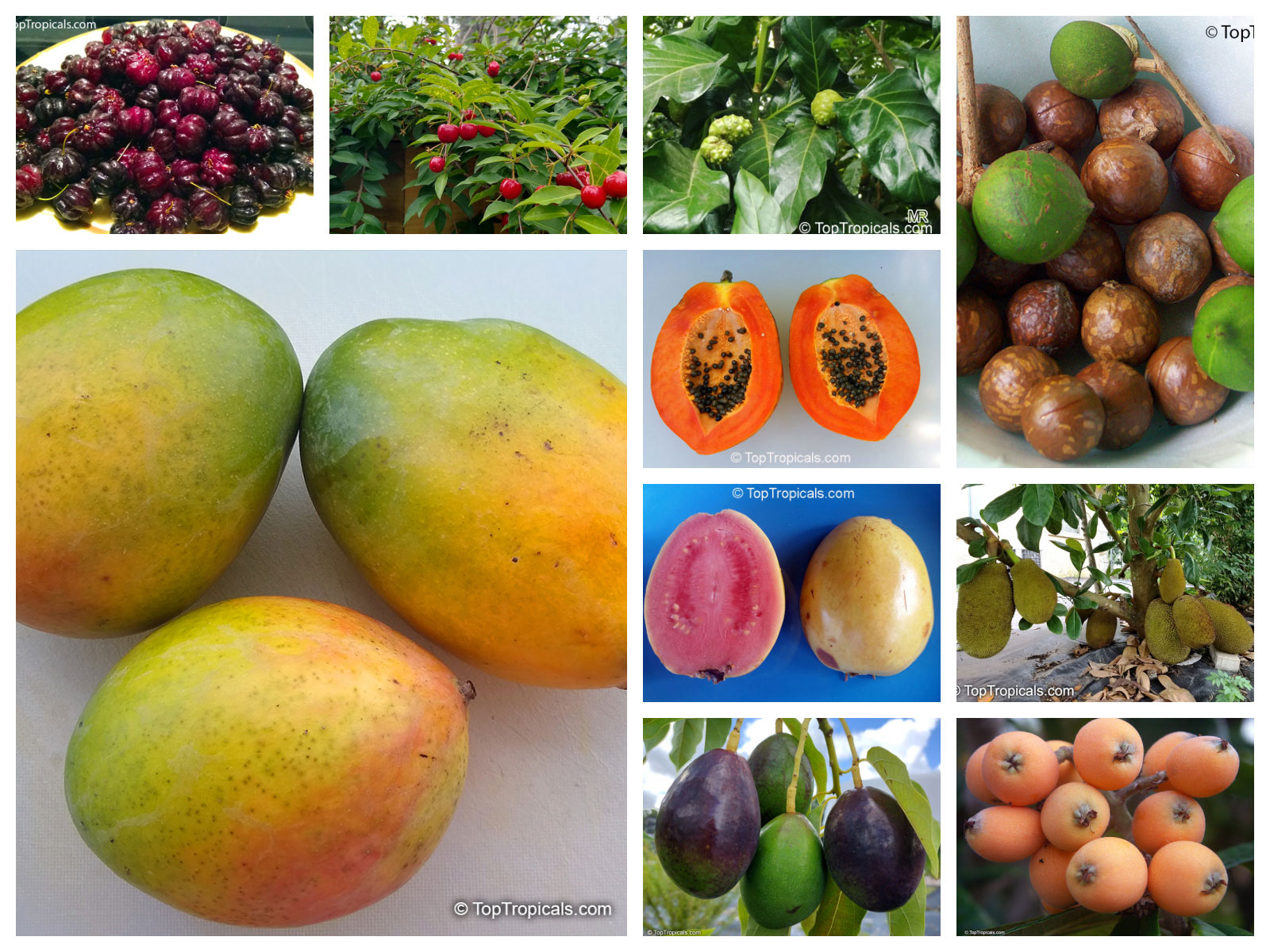
Q: We recently moved into our new home in Florida, and the property is a great size - 5 acres - but it currently has no trees, just a few palms. I'm looking to plant some productive fruit trees to start building our own Food Forest. What fruit trees would you recommend as a good starting point?
A: With five acres of space, you have a fantastic opportunity to create a fruitful garden that can provide for your family for many years to come. Below are our top recommendations for must-have, easy-to-grow fruit trees that thrive in Florida's climate, grow quickly, and start producing right away.
1. Mango Tree
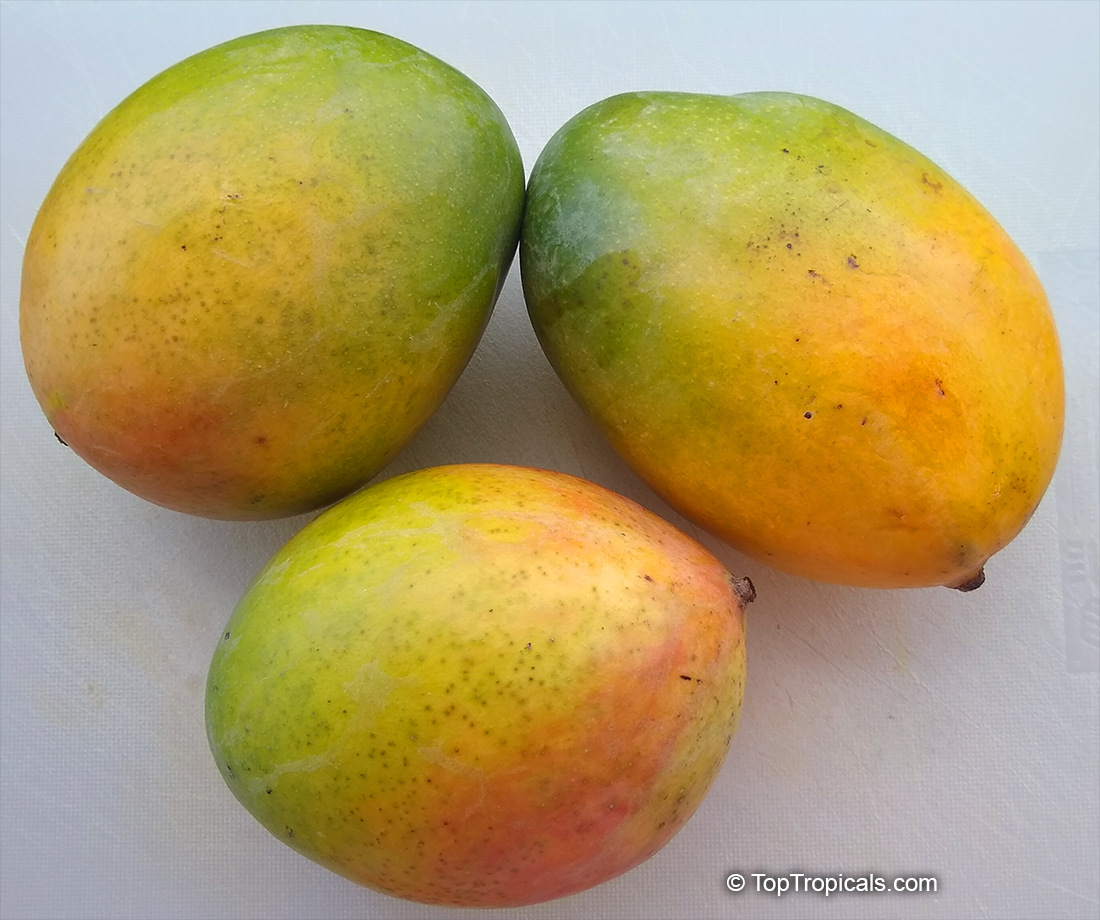
Mango trees (Mangifera indica) are a must-have for any Florida garden, embodying the essence of the Sunshine State with their delicious and nutritious fruit packed with vitamins and fiber. These fast-growing, low-maintenance trees thrive with minimal water and are heat-tolerant. Grafted varieties produce high-quality, fiberless fruit in just 2-3 years, while dwarf "condo" mangoes are perfect for smaller spaces or containers. While young trees need frost protection, mature trees handle cold better. Grafted mangoes offer rich taste that you won't find in commercially grown, fibrous varieties, ensuring a sweet and vibrant harvest from your own garden.
2. Avocado Tree
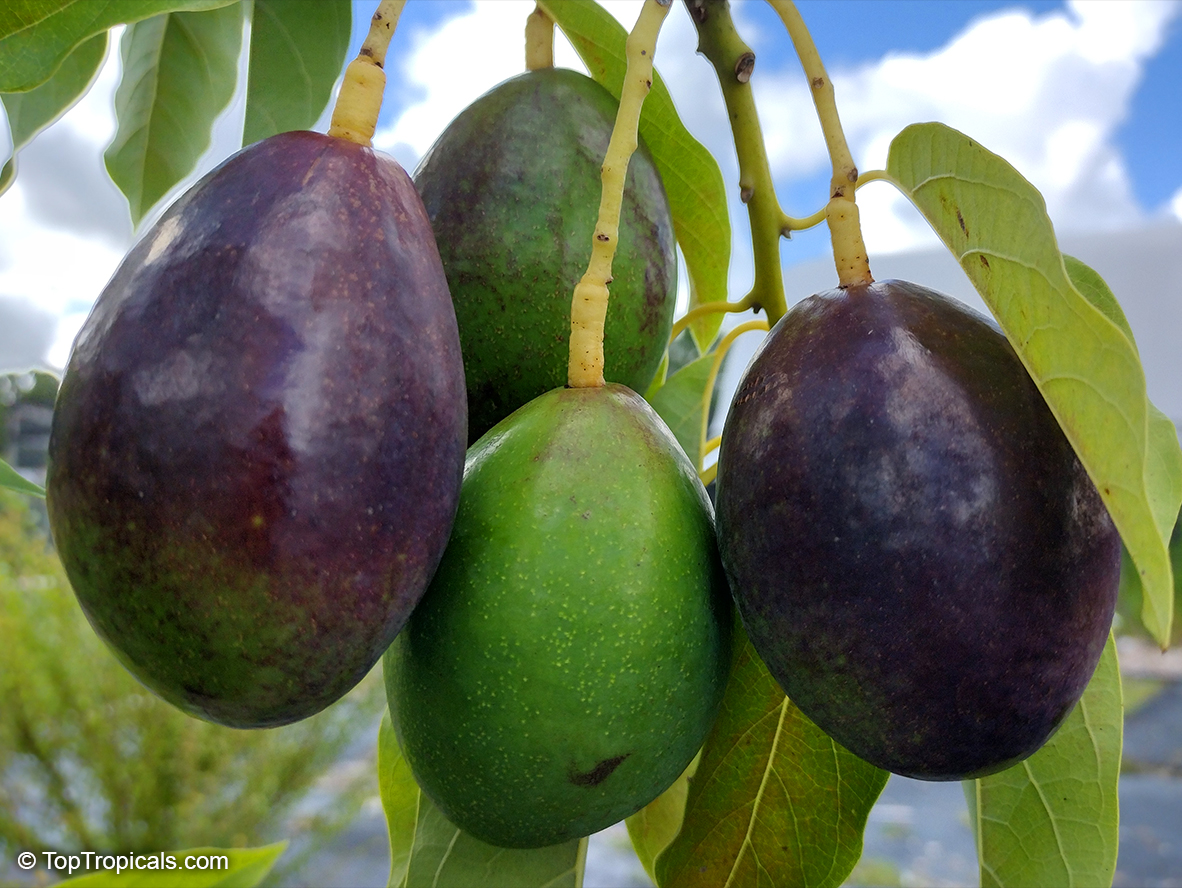
The Avocado tree (Persea americana) is an essential addition to any tropical or subtropical garden. Known for its health benefits and superfood status, it's a favorite fruit that's not only productive but also a beautiful ornamental tree. Some avocado varieties are more cold-tolerant than mango trees, with the ability to survive temperatures below 25F. While many enjoy growing avocado from seed, only grafted trees guarantee quality fruit and immediate production, as seedlings can take 7-8 years to bear fruit. To successfully grow avocado, ensure good drainage by planting on a raised mound (4-6 inches) and keep the soil consistently moist. There are also compact varieties like Wurtz and Fuerte that thrive in containers or small spaces, making them ideal for patios and small gardens.
3. Tropical Cherries
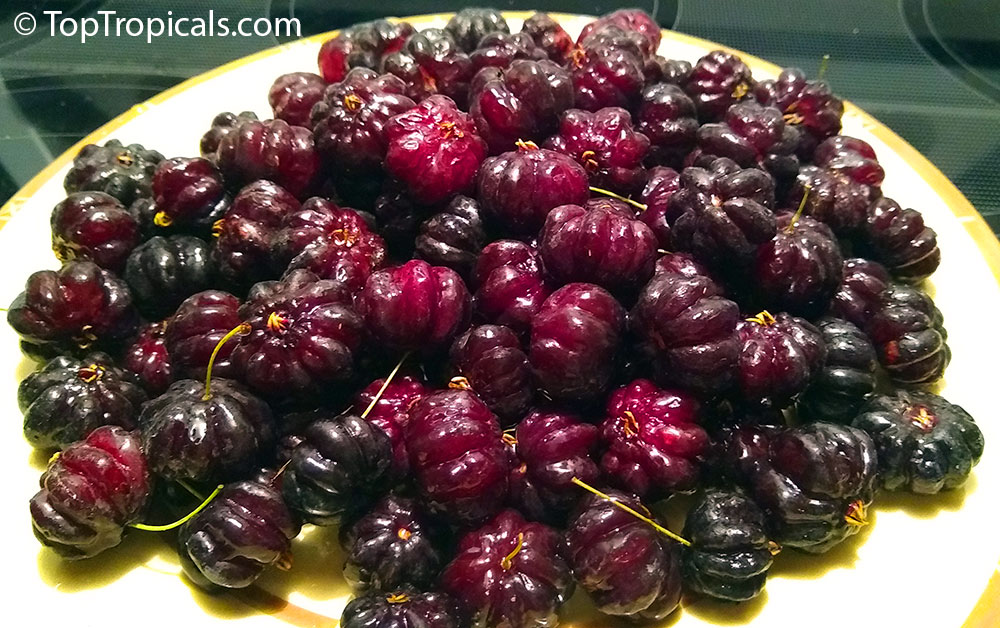
Tropical cherries, such as Cherry of the Rio Grande (Eugenia aggregata), Grumichama (Eugenia brazilensis), Pitomba (Eugenia luschnathiana), and Black Surinam Cherry (Eugenia uniflora var. Lolita), are popular and easy-to-grow fruit trees that offer fast growth and excellent fruit production. These compact, versatile trees thrive in both the ground and containers, starting to produce fruit almost immediately. Eugenias are low-maintenance, requiring minimal water, thriving in various soil types, and being pest-free. They are heat-tolerant and can endure cool winters, surviving light frosts. Birds love the fruit, but don't worry - there will always be plenty for everyone.
4. Barbados Cherry Tree
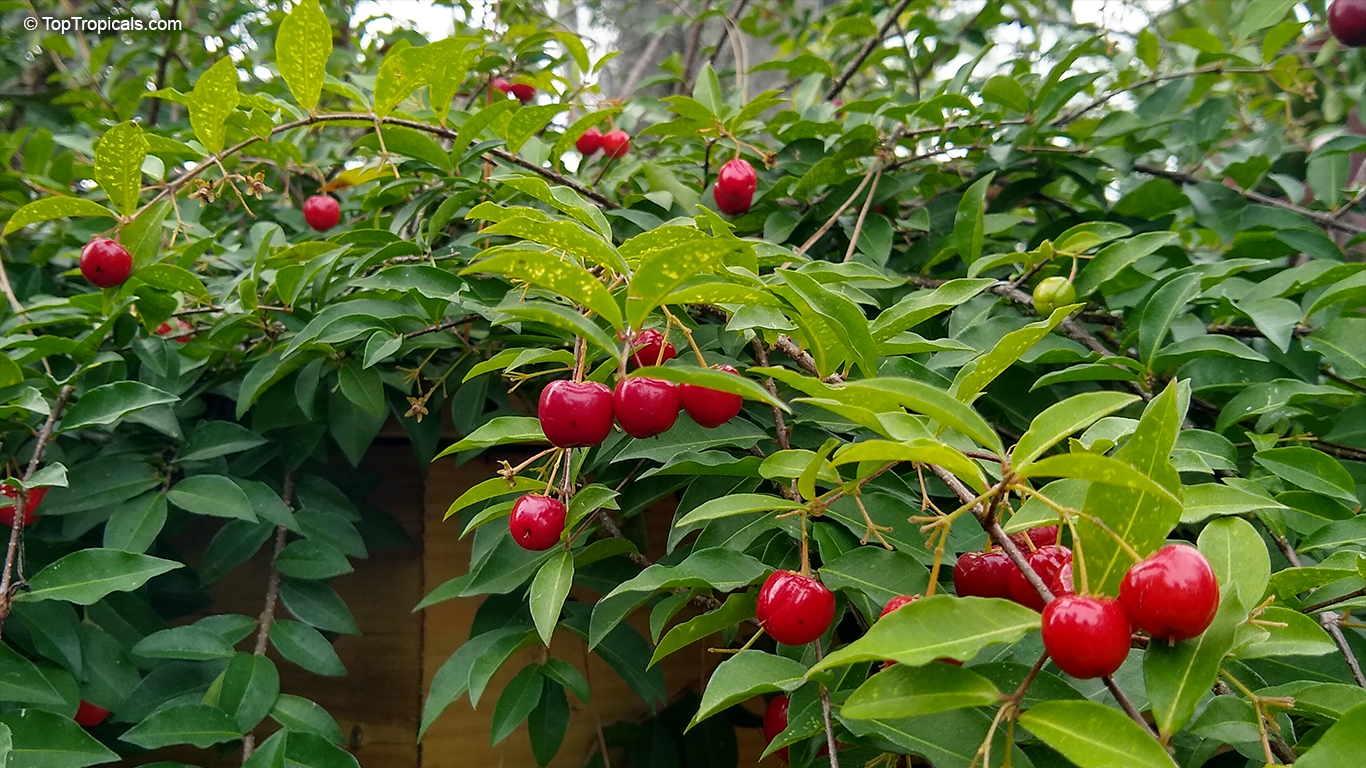
Barbados Cherry (Malpighia glabra), also known as Acerola, is a tropical cherry renowned for having the highest vitamin C content of any fruit. This nutrient-packed fruit is perfect for jellies, jams, and freezing without losing its vitamin C. The Barbados Cherry is a fast-growing, dense shrub that fruits multiple times a year, providing abundant harvests for gardeners seeking quick results. It thrives in alkaline soil, tolerates drought, and is relatively cold-hardy, withstanding light freezes. Birds love the fruit, making it a great addition to wildlife-friendly gardens. The dwarf variety, Nana, with its small leaves and fruit, is perfect for containers, borders, or even bonsai, adding ornamental value to any space.
5. Noni Tree
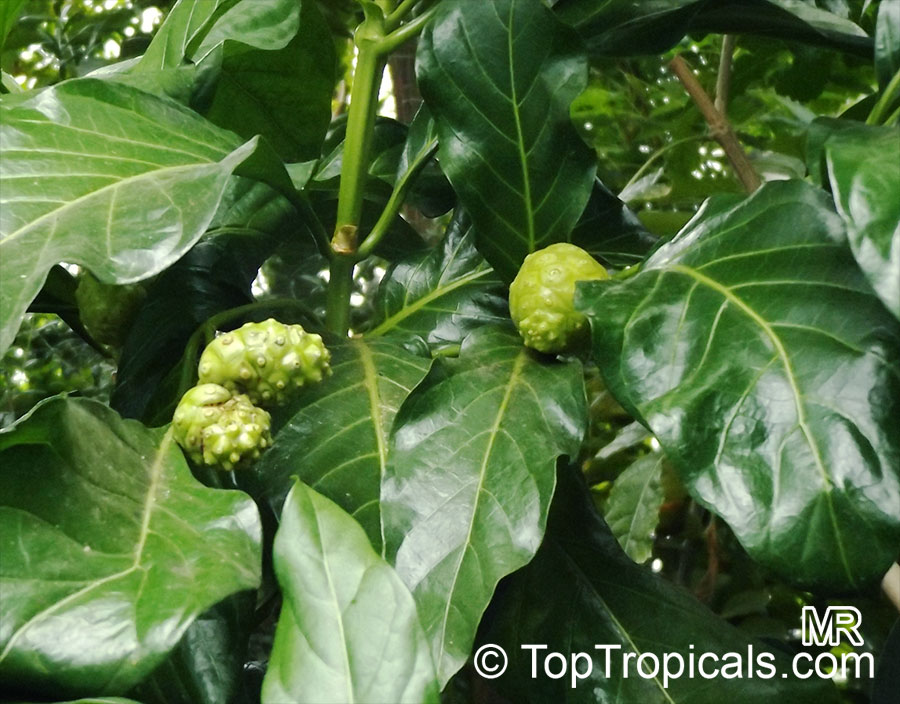
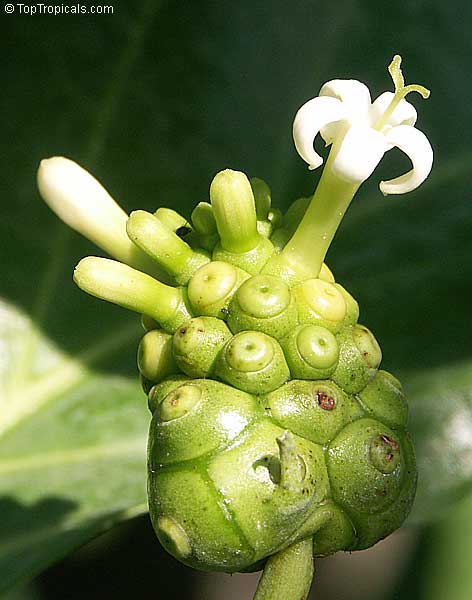
The Noni Tree (Morinda citrifolia) is a top superfood plant that makes a fantastic addition to any Southern garden. Known for its numerous medicinal benefits, Noni fruit offers anti-inflammatory properties, relief from arthritis, and support for conditions like diabetes, metabolism, and weight loss. It's even believed to help fight cancer. Noni trees grow quickly and begin producing fruit within 2 years from seed. This tough, resilient plant thrives in poor soil, endures summer heat, and withstands drought conditions. Despite its tropical appearance, Noni is surprisingly cold-hardy, recovering well after leaf damage in cooler weather. In addition to its health benefits, the Noni tree has ornamental value, with large, waxy leaves and unique fruit, where the flower appears to grow directly on the fruit!
6. Macadamia Nut Tree
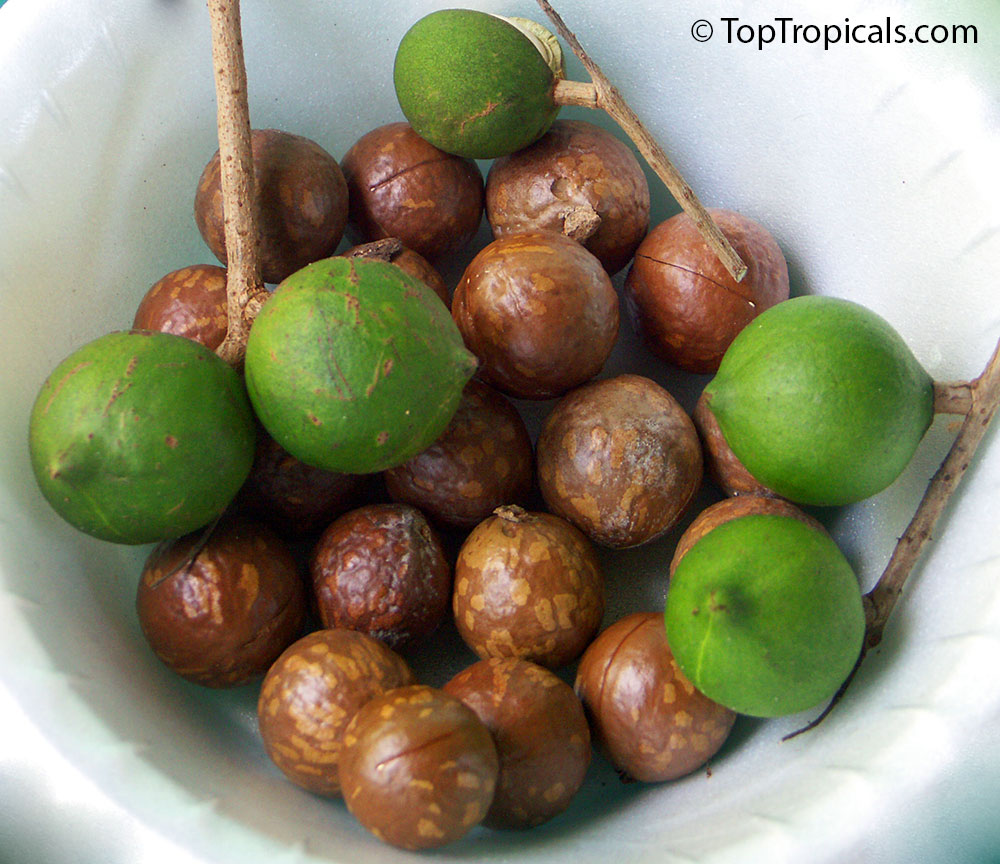
The Macadamia Nut Tree (Macadamia integrifolia) is a fantastic addition to any garden, allowing you to grow these delicious, high price tag, nutrient-rich nuts right at home. These trees are cold-hardy, grow quickly, and thrive in all Florida soil types. Once established, they are productive and can tolerate both flooding and drought. Older trees can survive colder winters, while young trees need protection from temperatures below 25-26F. Macadamia trees like plenty of water and a special fertilizer program, including liquid fertilizers and microelements, to ensure healthy root development and optimal production. Aside from being rich in healthy fats, vitamins, and minerals, macadamia nuts offer numerous health benefits, such as improved digestion, heart health, weight management, and blood sugar control. They are also packed with tocotrienols - antioxidants which may protect against cancer and brain diseases.
7. Papaya Tree
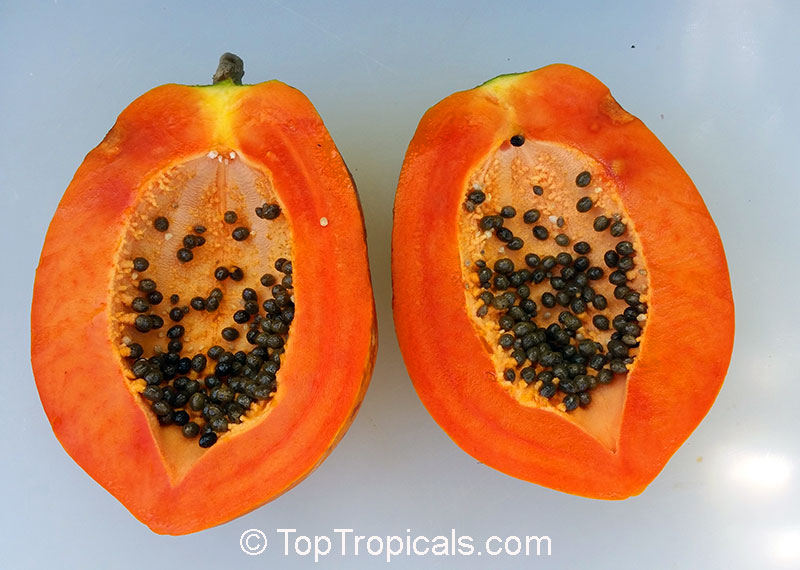
Papaya trees (Carica papaya) are resilient, easy to grow, and produce fruit year-round. Rich in papain, a digestive enzyme, papayas are a superfood that promotes gut health. These fast-growing trees often begin producing fruit within the same year they're planted, providing quick rewards for gardeners. Many varieties, especially dwarf papayas, are space-efficient, reaching only 6-8 feet tall while still yielding large crops, making them perfect for small gardens. Surprisingly hardy for a tropical plant, papayas can withstand light freezes and strong winds (tested in hurricanes!). While they are self-fertile, planting 2-3 different cultivars improves pollination and increases yields. "Solo" cultivars, with their smaller, round or oval fruits, are sweet and less susceptible to fruit flies.
8. Guava Tree
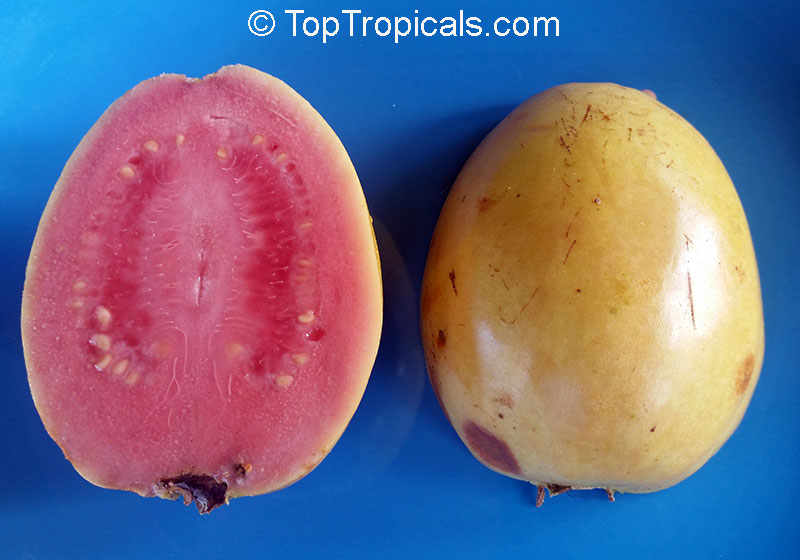
Guava trees are beloved for their flavorful fruit, commonly used in juices, drinks, and desserts. Popular varieties include Tropical Guava (Psidium guajava), Cattley Guava (Psidium littorale), Cas Guava (Psidium friedrichsthalianum), and Pineapple Guava (Feijoa sellowiana). Despite their tropical nature, guavas are surprisingly cold-hardy, suitable for cooler climates and occasional frost. These trees thrive in moist conditions and can tolerate some flooding, while their compact growth makes them easy to maintain at any height or shape. Guavas are fast-fruiting, often producing fruit within a year of planting, and even some varieties in 1 gal containers. The dwarf Nana variety is perfect for container culture, producing full-sized fruit in a compact form. Guava trees are mostly pest-resistant, though mealybugs may require occasional treatment with neem oil in humid, rainy areas. Planting multiple guava trees ensures a continuous supply of fresh, juicy fruit and delicious guava juice for everyone to enjoy.
9. Jackfruit Tree
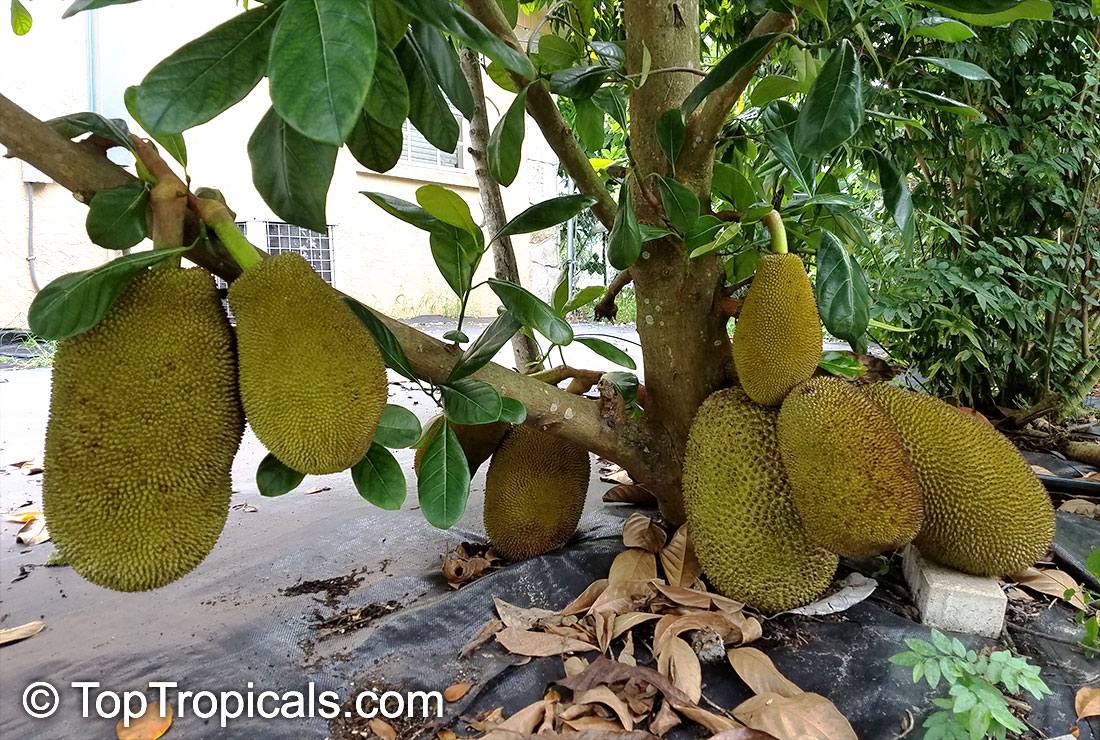
The Jackfruit tree (Artocarpus heterophyllus) is a striking, fast-growing tree known for producing the largest fruit grown on a tree, making it a showstopper in any garden. Nutrient-packed and often used as a meat substitute in South Asian cuisine, Jackfruit is also delicious in curries, chutneys, and as dehydrated chips. These trees grow quickly, have large waxy leaves, and can be maintained at a compact height of 7-8 feet, making them ideal for smaller spaces and easier cold protection. Despite being a tropical species, Jackfruit trees are relatively cold-tolerant and can survive light frost (although on the account of production volume), with established trees being more hardy than seedlings. Jackfruit trees begin producing fruit within 3-4 years from seed, and varieties come true to seed, eliminating the need for grafting, though it can be done for specific varieties.
10. Loquat Tree
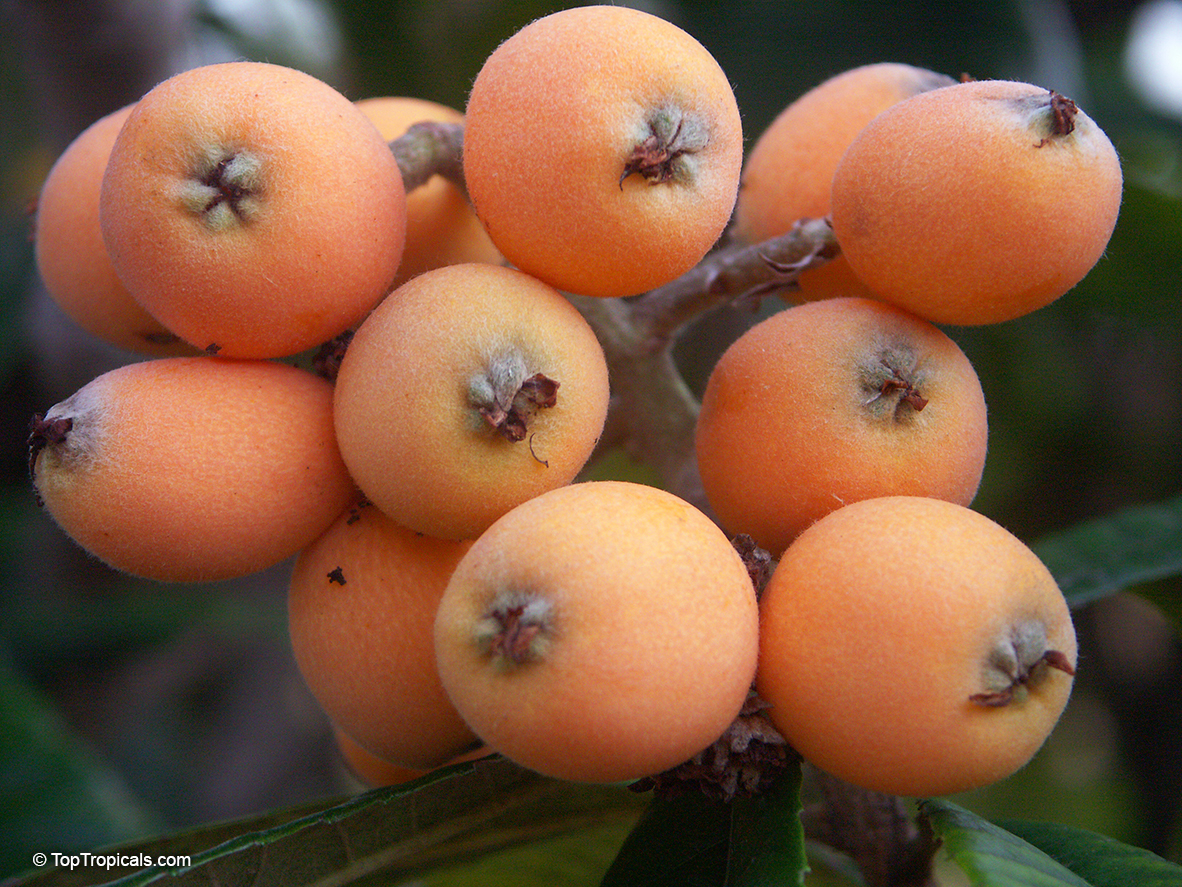
The Loquat tree (Eriobotrya japonica) is a fast-growing, drought-tolerant, and highly cold-hardy tropical fruit tree that thrives in Florida gardens. Loquats are heavy producers, with juicy, aromatic fruit that ripens from early spring to early summer, offering a delicious apricot-like flavor. This compact tree is perfect for small gardens, beginners, and those with limited space. Loquats are undemanding, thriving in any soil and withstanding summer heat, winter cold, heavy rains, and occasional flooding. Nutrient-rich, they are high in sugar, acids, vitamins B and C, minerals, and pectin. Loquats are versatile, enjoyed fresh or used in fruit salads, jams, jellies, chutneys, pies, sauces, and even wine-making, and they are often used as a natural sweetener.
Date:

Gemini - 5/21-6/20.
Ruled by the mutable, changeable planet Mercury (also patron of the art of medicine), Gemini is an AIR sign. Plants ruled by Mercury tend to have ferny or highly-divided leaves or stems (like the bronchi of lungs), hairy or fuzzy leaves (related to the cilia in the lungs), or subtle odors.
Gemini rules the lungs, shoulders, arms, and hands. Its plants help to strengthen the lungs and respiratory system, relax the nervous system, strengthen ears and hearing, the tongue and speaking, the vocal cords, lungs and thyroid, as well as the shoulders, arms, and hands. Gemini has so much going on mentally that they may need a little help to digest all the information they're constantly absorbing. Herbs that have clean, pure flavor not only help physical digestion, but assist spiritual and mental intake as well.
Gemini Zodiac lucky plants: Ferns, Blechnum, Tree ferns and Cyatheas, Fern Tree, Aralias, Jackfruit and Breadfruit, Paulownia, Anthurium, Philodendron, Philadelphus, Clerodendrums, Anise, Lavender, Myrtle, Nut trees, Macadamia, Ficus, Piggyback plant - Tolmiea menziesii, Aloe vera, Fig, Honeysuckle, Azalea, Mint Tree Satureja, Vitex, Ironwood, Mulberry, Osmoxylon, Acalypha, Allamanda, Aphelandra, Iboza, Ruda, Kiwi, Caesalpinia, Cyphomandra, Monstera, Kalanchoe, Magnolia, Oregano, Ocimum, Naranjilla, Zamia, Delionix, Acacias, Calliandra, Patchoili, Palms, Geranium, Grevillea, Eucalyptus.
For other signs information, see full Plant Horoscope.
Date:
Aquarius Zodiac lucky plants

Aquarius - 1/22 - 2/18.
Aquarius is an AIR sign ruled by odd-ball Uranus.
The water-bearer's plants will often grow in unusual places and may vary in appearance. They often have purple or blue flowers, or may have unusual colors.
The most healing and beneficial plants for Aquarius are the ones that help circulation, relax the nervous system, or promote inspiration. When Uranus was discovered, it replaced Mercury as ruler of Aquarius. Physiologically, Uranus rules the bioelectrical impulses that power the body's nervous system (nervous tension and nervous exhaustion brought on by powerful changes in the environment are related to both Mercury and Uranus). Physically, Aquarius rules the lower legs, the calves, and the ankles, and the electrical impulses that travel through the body's nervous system. The nervous system itself is ruled by Mercury, and Uranus is said to be a "higher octave" of Mercury. Since Uranus was discovered after the correspondences with plants had been established, the herbs used in Aquarius are Mercury herbs. Always difficult to pinpoint, quirky Aquarius appreciates the unusual and complex flavor of star anise. Use this star-shaped spice when you wish to bring happy surprises into your life.
Aquarius Zodiac lucky plants:
Anise, Orchid, Golden rain - Koelreuteria paniculata, Bird of Paradise, Heliconia, Petrea, Mandevilla, Jasminum, Kiwi, Persimmon, Loquat, Olive, Alocasia, Colocasia, Citrus, Apple, Peppers, Gingers, Carambola, herbs spicy with an unusual flavor, White Pothos, Ivy, Shami - Prosopis cineraria, Neem, Medinilla, Sheesham Tree, Catnip, Passion fruit, Valerian, Aloe, Myrrh, Kava-kava, Cinnamon, Clove, Eucalyptus, Coffee, Cola nut, Nepenthes, Vanilla Orchid, Strongylodon - Jade vine, Tacca - Bat Lily, Eranthemums, Agapanthus, Orchid trees, Bolusanthus, Chamaedorea metallica, Clerodendrum ugandense, Clitoria, Duranta, Guaiacum, Jacaranda, Lavanda.
For other signs information, see full Plant Horoscope.
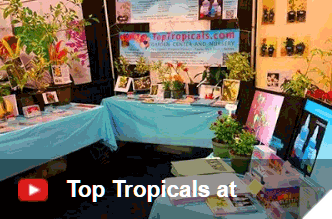
New Video: TopTropicals at TPIE show in Ft Lauderdale. Last week, your friends at Top Tropicals attended the 2017 Tropical Plant International Expo in sunny Ft. Lauderdale Florida. The Expo was an opportunity for Top Tropicals to introduce our SUNSHINE in a Bottle plant boosters as well as to bring a very rare plant Enchanted Incense to the tropical plant market!
Check out this video: TopTropicals at TPIE.
Stay updated with TopTropicals Videos by subscribing to our channel at YouTube.com/TopTropicals and get our latest video news of what's fruiting and blooming!