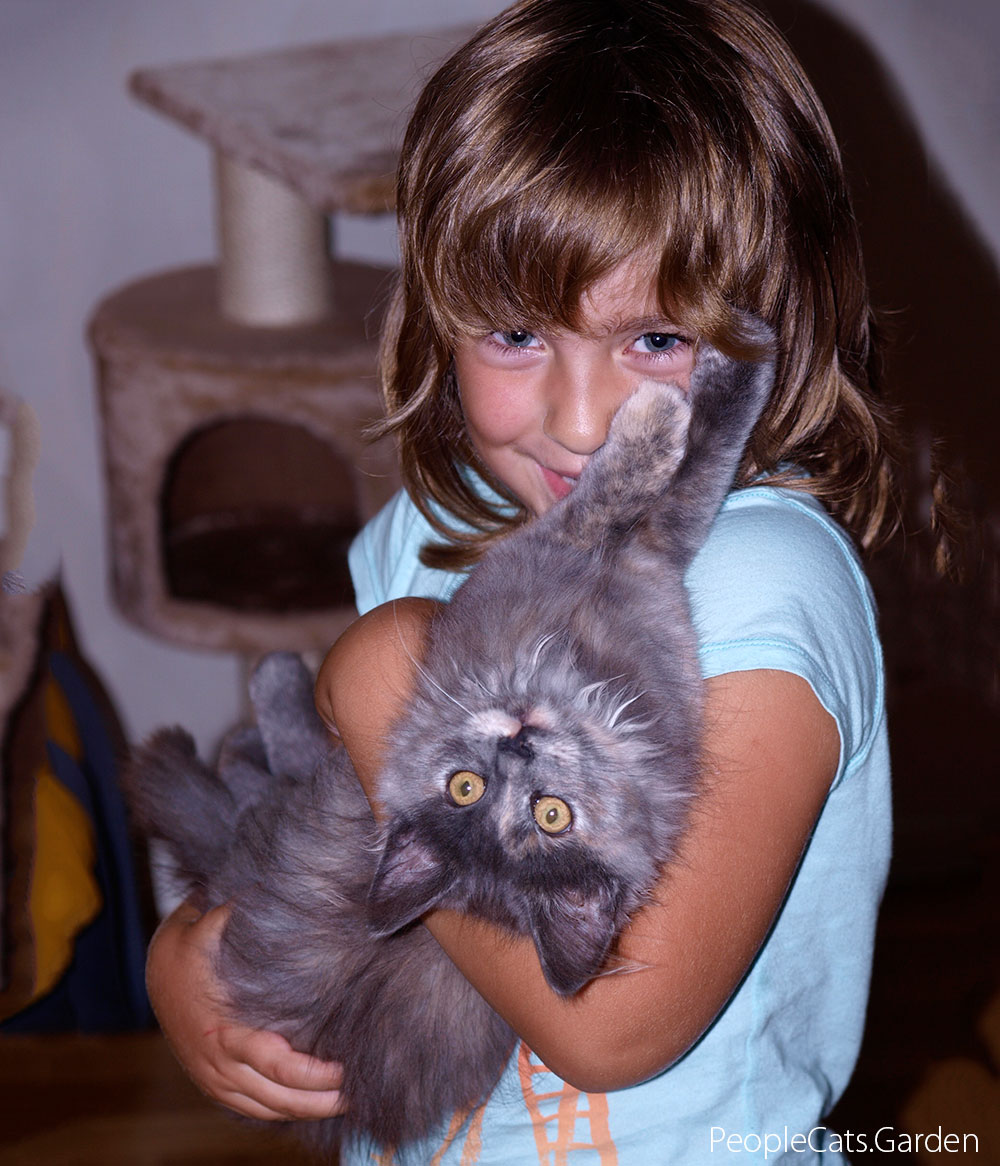
Meet the cats around us - they're our friends, protectors, and magical
mascots. They keep us healthy and can even save us in emergencies...
Winter brings a special time called the Solstice. It's when the earth
pauses its yearly cycle and starts a new one. This magical moment marks the
beginning of something enchanting...
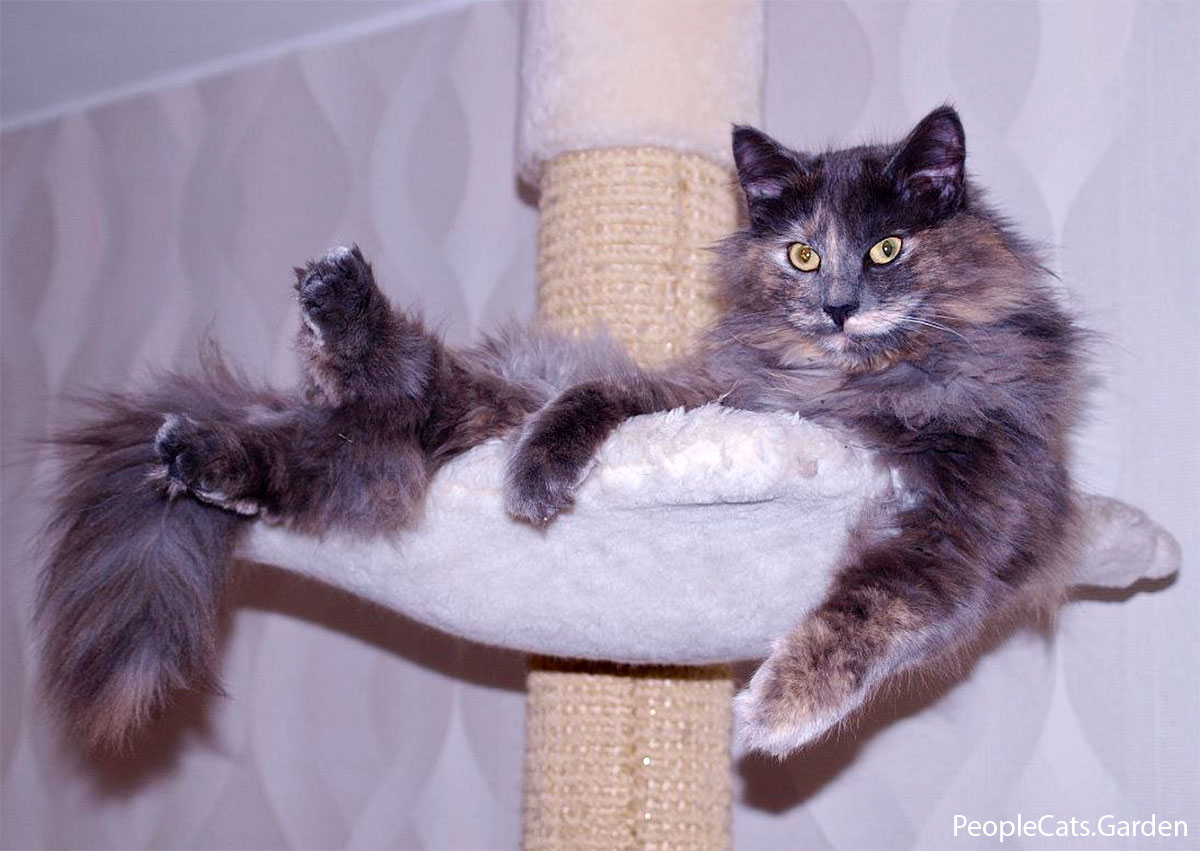
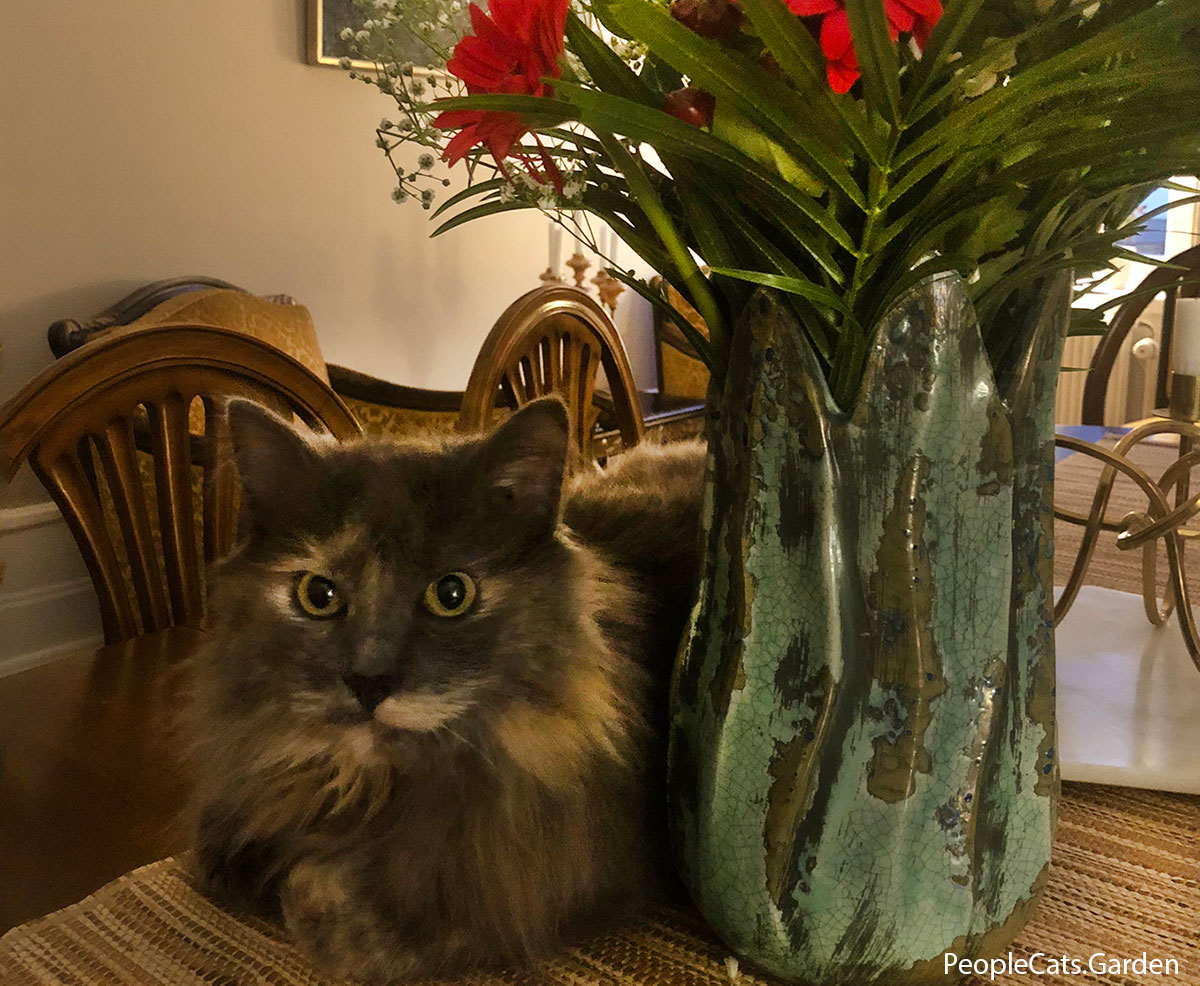
Let's begin with the Norwegian Forest Cat. It's a mysterious and northern
feline friend, also called Skogkatt. It's like the wildcats in Scandinavian
fairy tales...
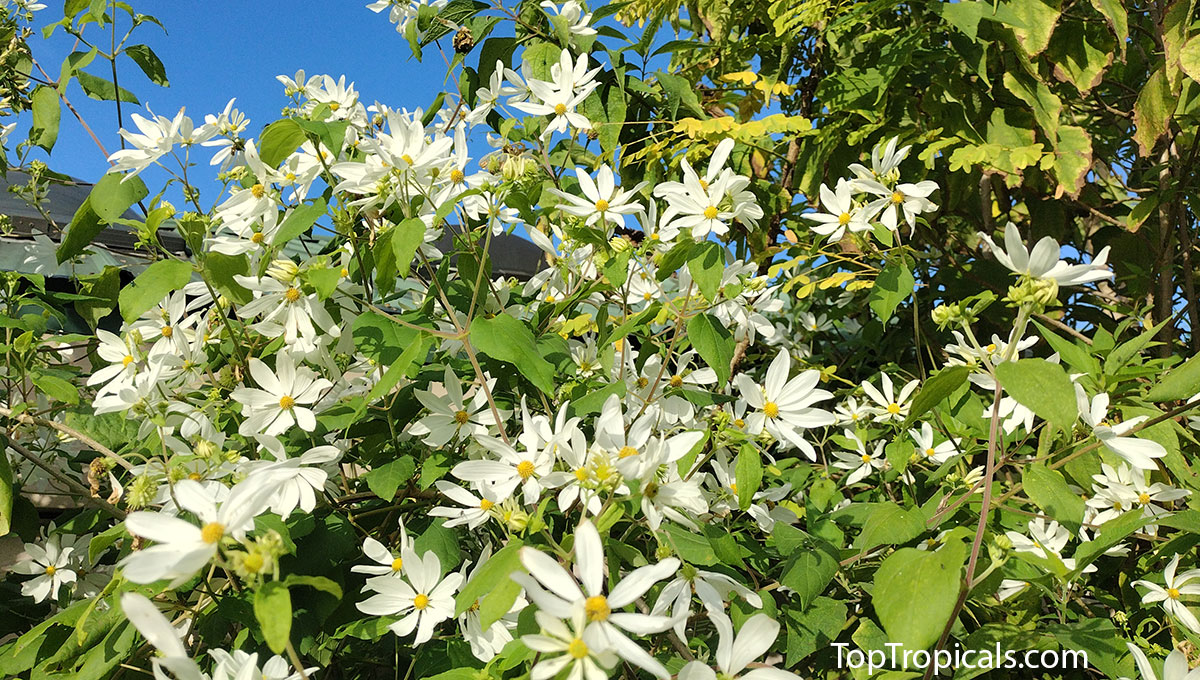
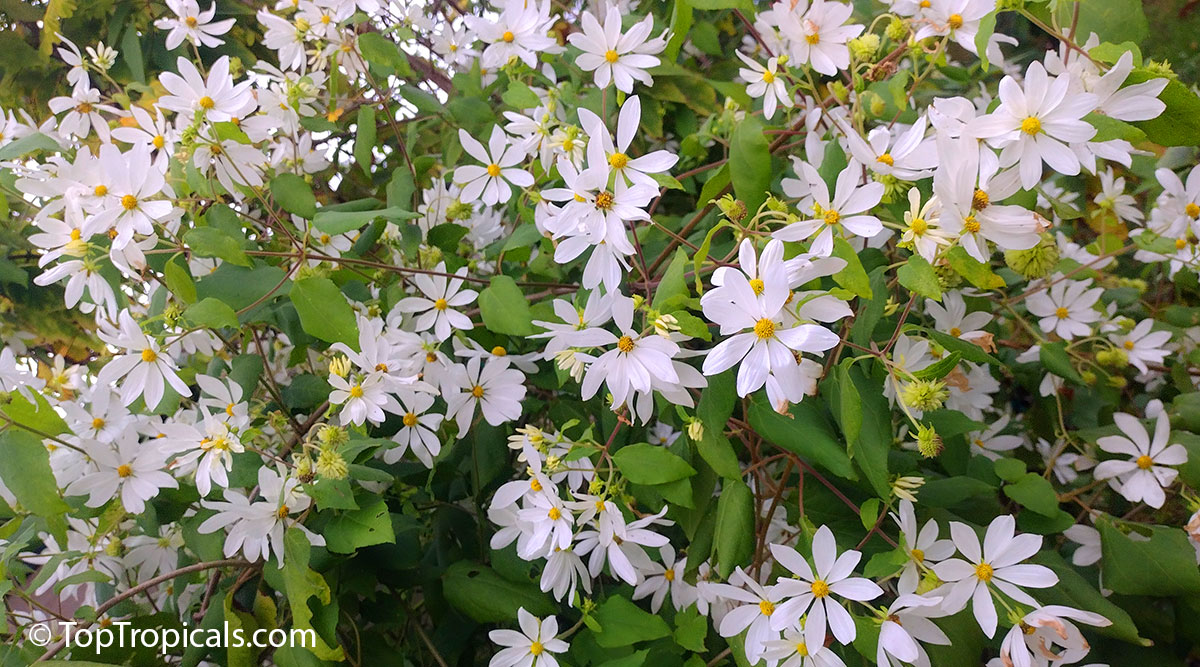
What's Skogkatt's favorite flower in their homeland? Viking Poms,
small yellow daisies. But in more southern regions, Daisy Trees - Montanoa - serve as substitutes, reminding them of their distant
Northern homeland.
Montanoa atriplicifolia - Tree Chrysanthemum, Tree Daisy - one of the
most impressive winter bloomers.
Tired of mowing a boring lawn? Use your yard instead of being used by
your yard - grow edible landscape! Below are several plants that made our life
happier and meals healthier. Besides, these are fun to grow! Try them out:
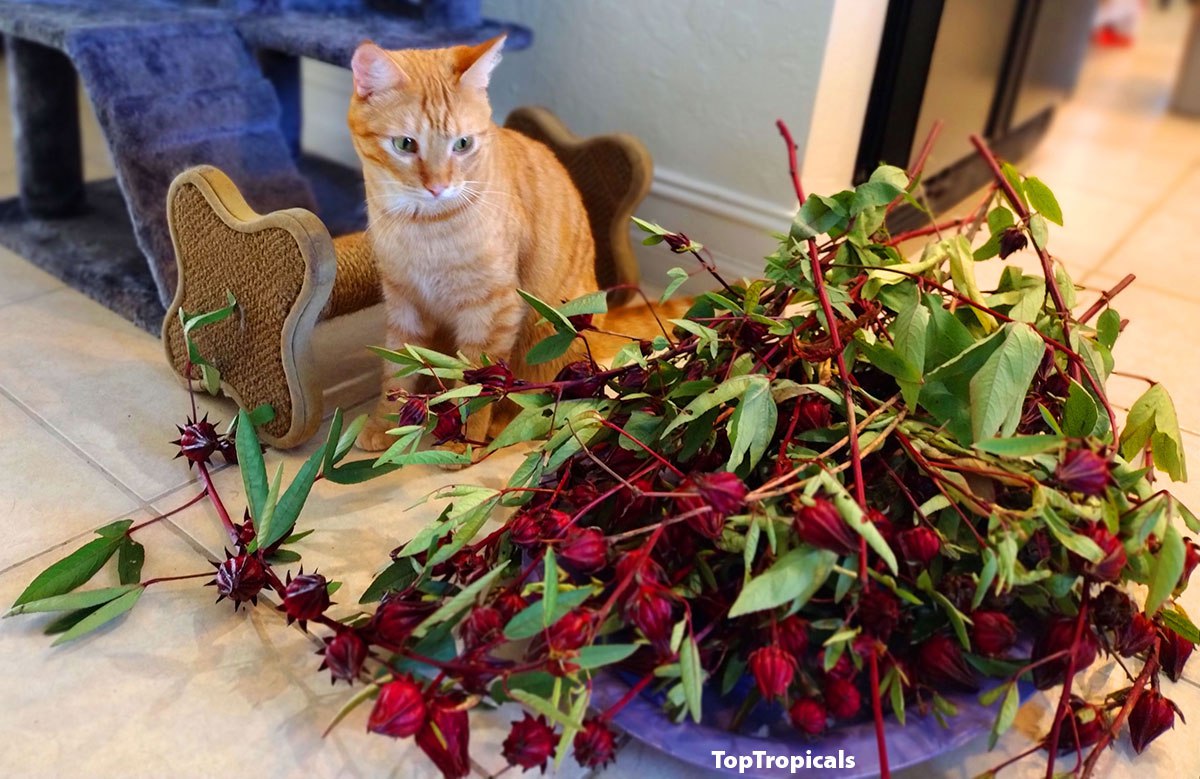
1. Hibiscus
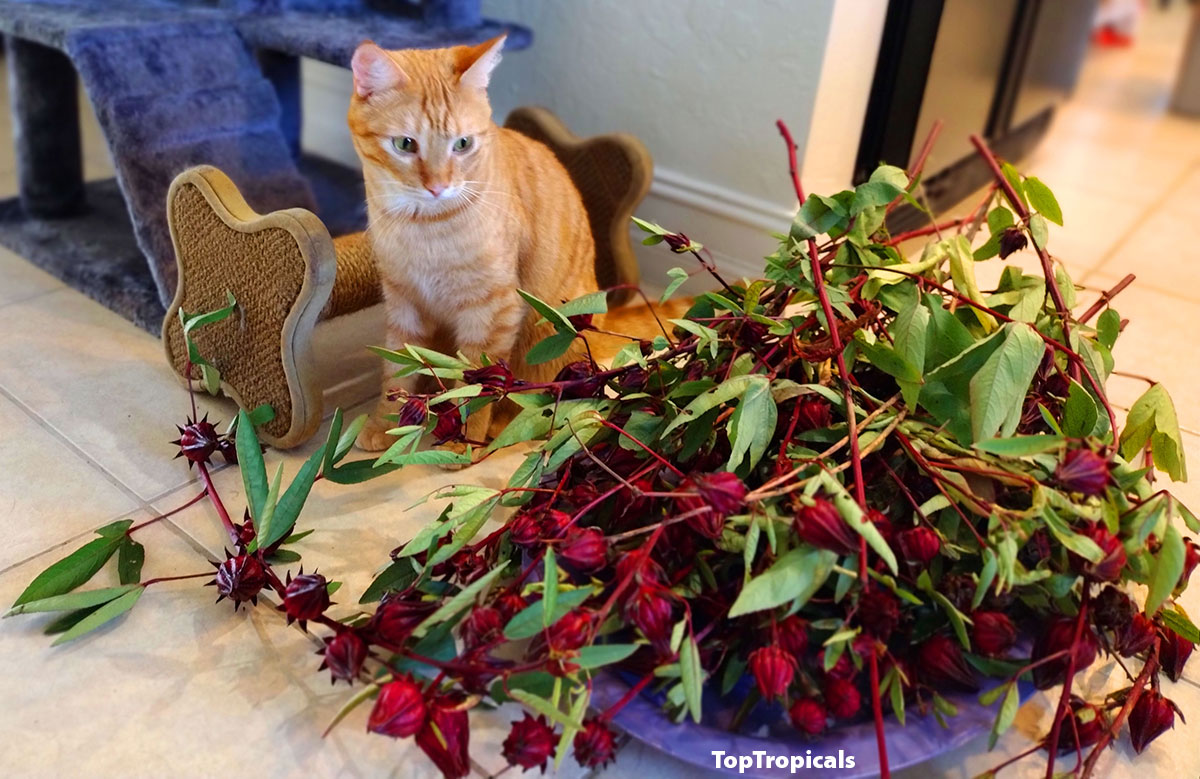
sabdariffa - Flor de Jamaica, Karkade Sorrel - Flowers are used to make
a tea "Agua de Flor de Jamaica". Medical studies show that it lowers blood
pressure and has diuretic effects. The pleasant flavor is on the tart side
similar to a cranberry juice. We make this cold tea every day - perfect for hot
summer. Full sun.
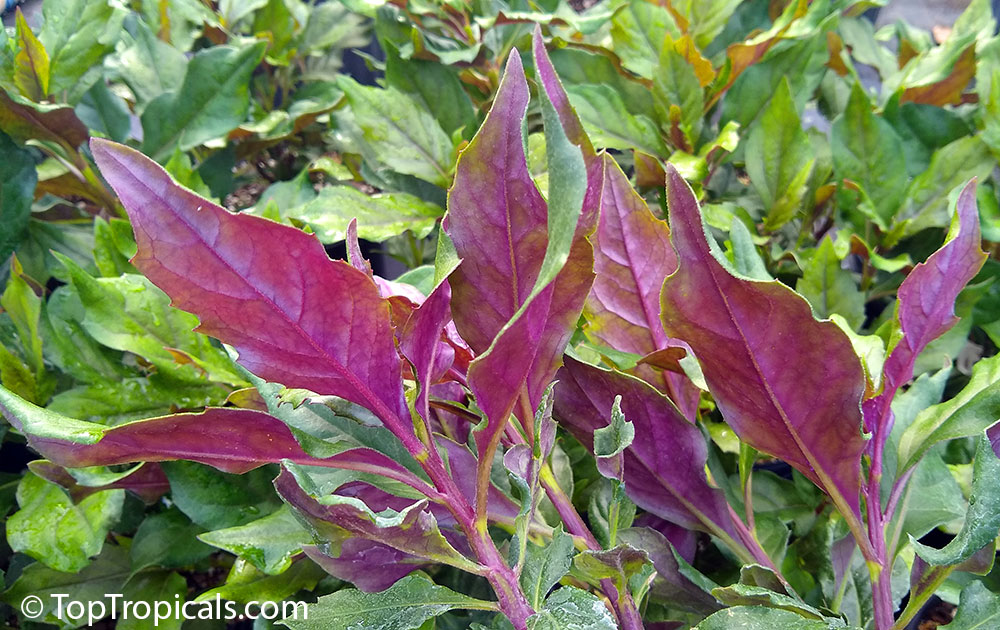
2.
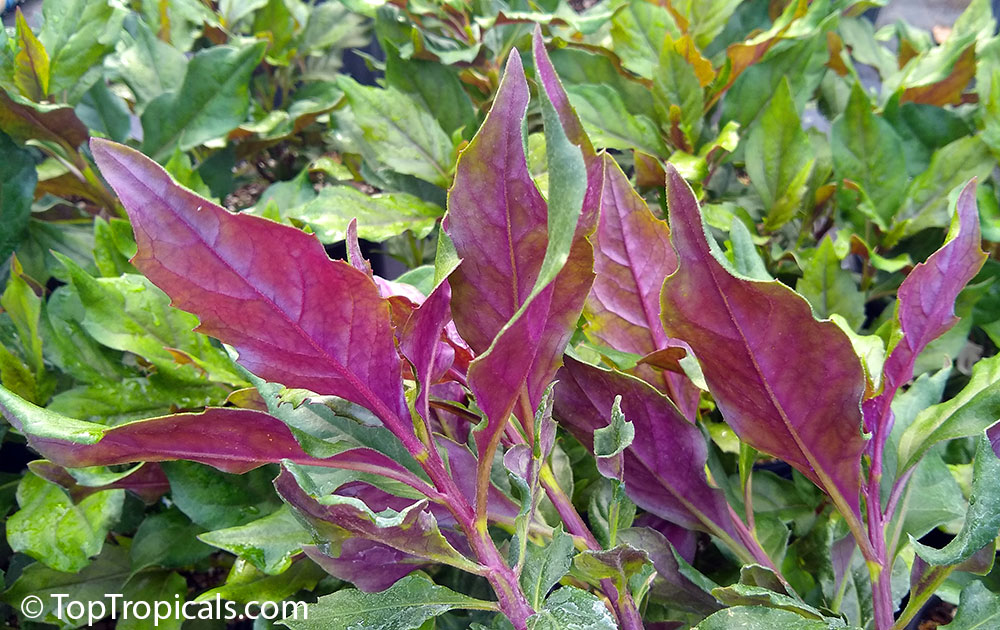
Gynura procubens - Longevity Spinach, Cholesterol spinach - one of the
Superfoods, and there are many claims that it lowers cholesterol. We use it in
our cooking all the time and so far we are all alive! Full sun. See recipe >>
3.
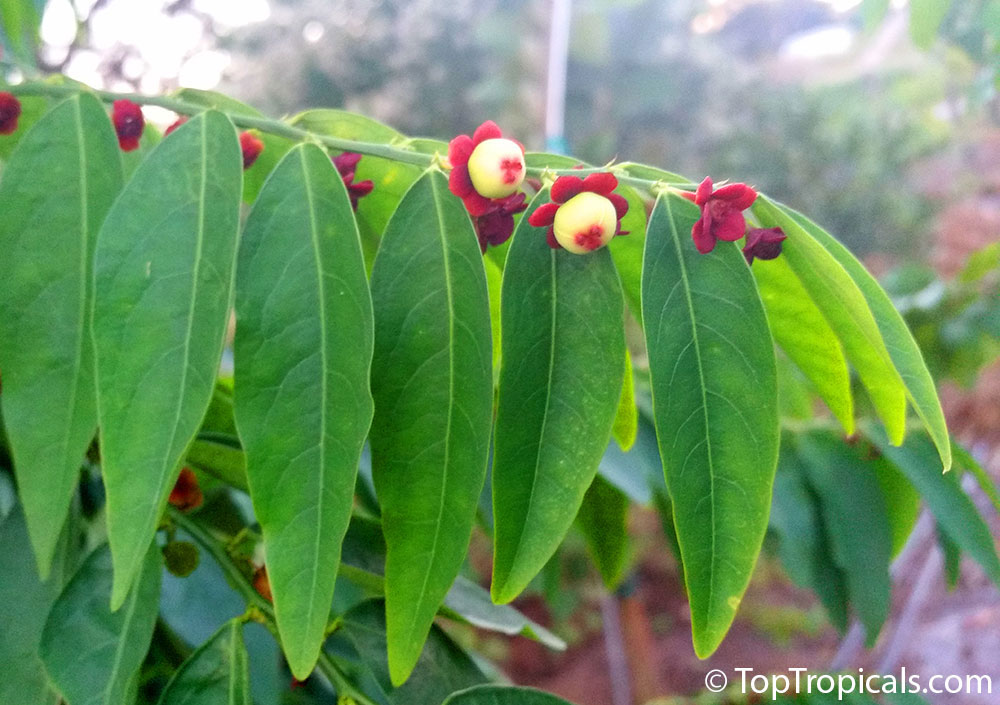
Sauropus androgynus - Katuk, Tropical Asparagus. Delicious young shoots,
one of the most popular leaf vegetables in Southeast Asia. In Vietnam, people
cook it in stews and soups. It is among only a few flora containing vitamin K.
Full sun or semi-shade. Learn more >>
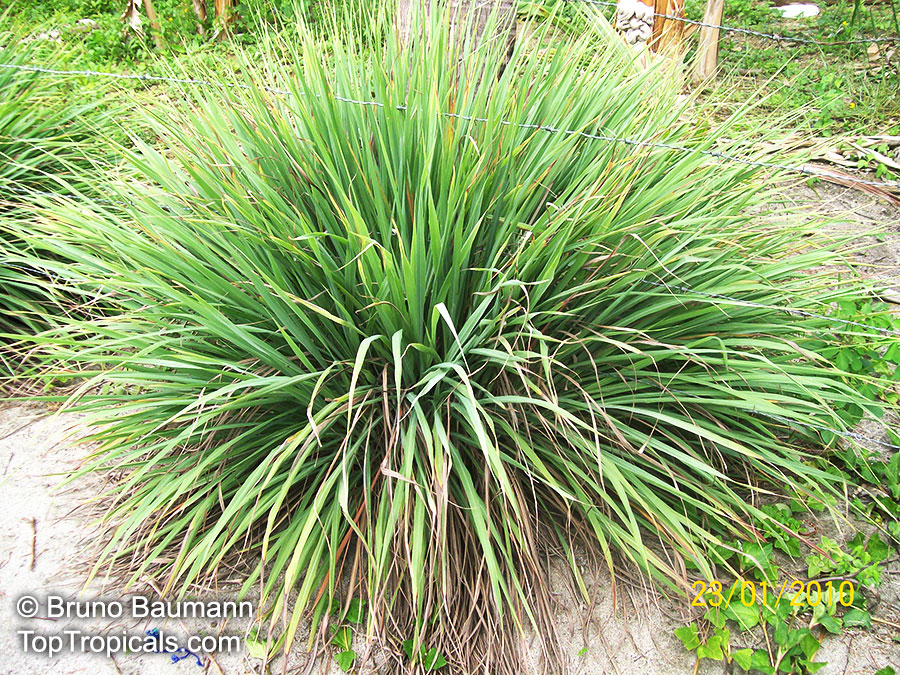
4. Cymbopogon
citratus- Lemon grass: Versatile performer in the kitchen where it
can be used in teas, beverages, herbal medicines, Eastern inspired soups and
other dishes. Full sun or semi-shade.
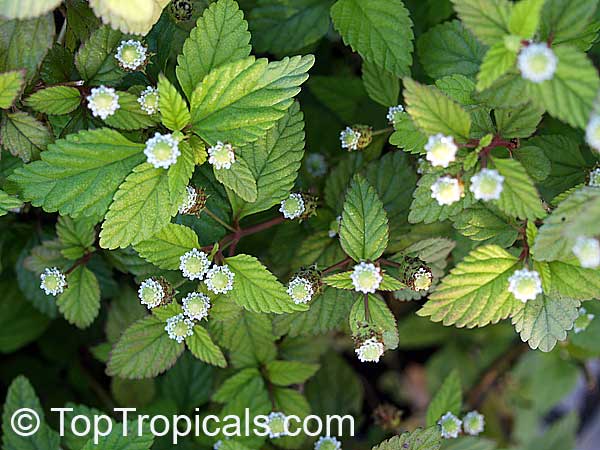
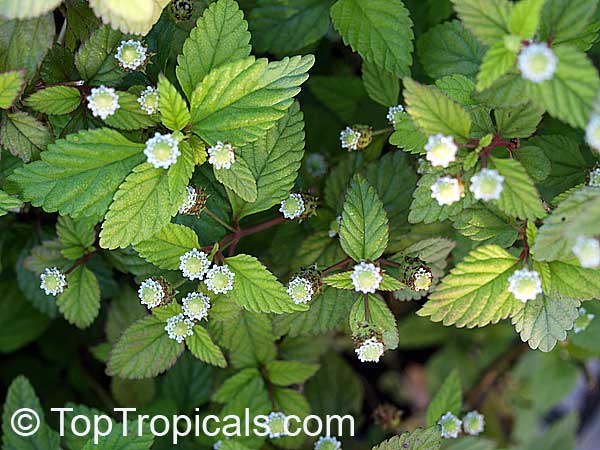
5. Lippia
dulcis - Aztec Sweet Herb, Sweetleaf: Mexican herb with incredibly sweet
leaves that can be eaten from the plant like candy or tossed into fruit
salads for an unusual addition. It has been used since the time of the Aztecs for
coughs and colds. Tastes great, can be used by diabetic patients. We add this herb to Karkade or Mint tea as a sweetener. Shade or
semi-shade.
Four must-have herbal edibles for your instant Food
Forest
Q: What attractive and useful edibles or herbs
can I grow in my yard landscape without needing dedicated garden beds?
A: When we think of an "herb garden," parsley and
chives often come to mind -plants that aren't particularly showy and
typically require a dedicated vegetable garden, space, and regular maintenance.
However, creating a food forest in your yard doesn't have to be a complex
project. Useful edibles and medicinal herbs can also be exotic and beautiful,
enhancing the charm of your landscape. Here are some examples of unusual tropical edibles that are not only stunning ornamentals but also bring
delicious goodness to your kitchen.
1. For drinks: Jamaica Tea flower - Karkade
Hibiscus
Hibiscus
sabdariffa - Flor de Jamaica, Karkade Sorrel, Roselle, or Jamaica Tea flower
(Karkade Tea) - yes, many hibiscus species are edible!
- Flowers of Roselle hibiscus are used to make a tea "Agua de Flor de
Jamaica". To be exact, those are flower bracts around flowers and seed pods.
- Medical studies show that it lowers blood pressure and has diuretic
effects.
- The pleasant flavor is similar to a cranberry juice and it's so good, you
may not even want to add any sugar. We make this cold tea every day -
perfect for hot summer.
- Karkade Hibiscus grows into a large bush within just one season from
seed! Lots of flowers to harvest will last you the whole winter. It can be
treated as annual in cooler areas due to its fast growth and same-year harvest.
Thrives in full sun.
- Short video:
Lippia dulcis
- Aztec Sweet Herb, Sweetleaf is a wonderful fragrant groundcover.
- Fragrant Mexican herb with incredibly sweet and aromatic leaves.
- The fresh leaves can be eaten from the plant like candy or tossed into
fruit salads for an unusual addition, or used for making a healing tea.
- It has been used since the time of the Aztecs for coughs and colds.
- The sweetness tastes great, and can be used by diabetic patients. We add
this herb to Karkade or Mint tea as a sweetener, instead of sugar or
honey.
- Grows like a ground cover, in shade or semi-shade, great perennial
container plant.
3. For salads and stews: Longevity Spinach, or
Cholesterol spinach
Gynura
procubens - Longevity Spinach, or Cholesterol spinach is a perennial spinach, and
once you plant it, you have it for many years, and can grow many more easily
from cuttings!
- Longevity Spinach is one of the Superfoods, and there are many claims
that it lowers cholesterol.
- We use Longevity Spinach in our cooking all the time and so far we are
all alive, so it works! :)
- Longevity spinach can be eaten raw in salads or cooked wherever you would
use a regular spinach.
- Grows as a large spreading herbal bush, in full sun.
- See some recipes with more pictures
4. For meat wraps: Vietnamese Pepper or Wild Betel
Leaf
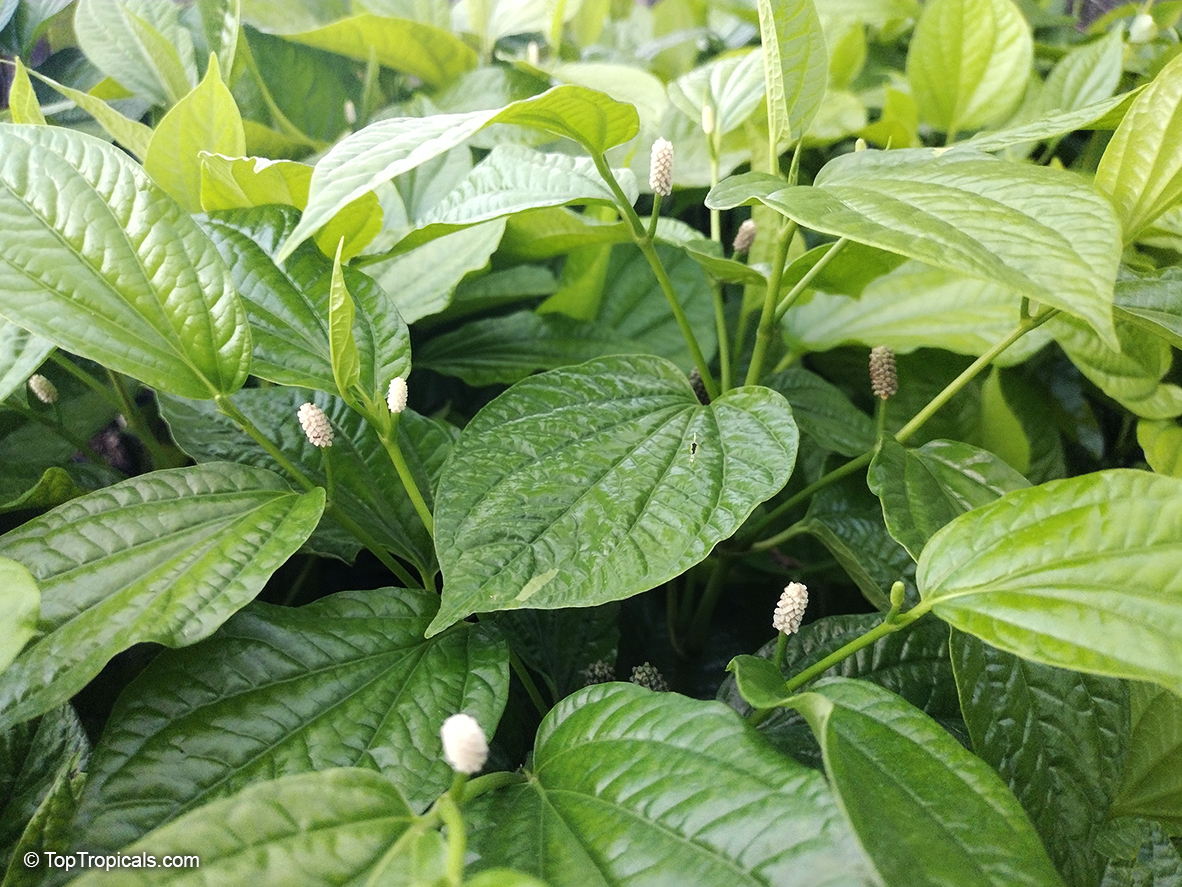
Piper
sarmentosum - Vietnamese Pepper, Lalot, Wild Betel Leaf, Chaa-plu adds wonderful
peppery flavor to meats and is great for wrapping meats and cooking in the oven,
on a stove or grill. We use it all the time, wrapping ground beef of turkey
and putting wraps on a grill or on a frying pan, very easy!
- Vietnamese Pepper leaves are eaten raw in salads or cooked with other
greens or dishes.
- The leaves are used as food wraps in Vietnam. It is used medicinally in
India and SE Asia.
- It is also chewed with Betel Nut as a tonic and medicine, very similar to
Betel Leaf (Piper Betel) which is very popular tonic in Indian culture.
- Vietnamese Pepper grows as a vining herbaceous shrub or ground cover, in
both sun or shade, and spreads with runners so you can have plenty if you
want to have more. Can be grown in container and indoors, too.
- Check out recipes of meat wraps for grilling
Cat of
the Month:
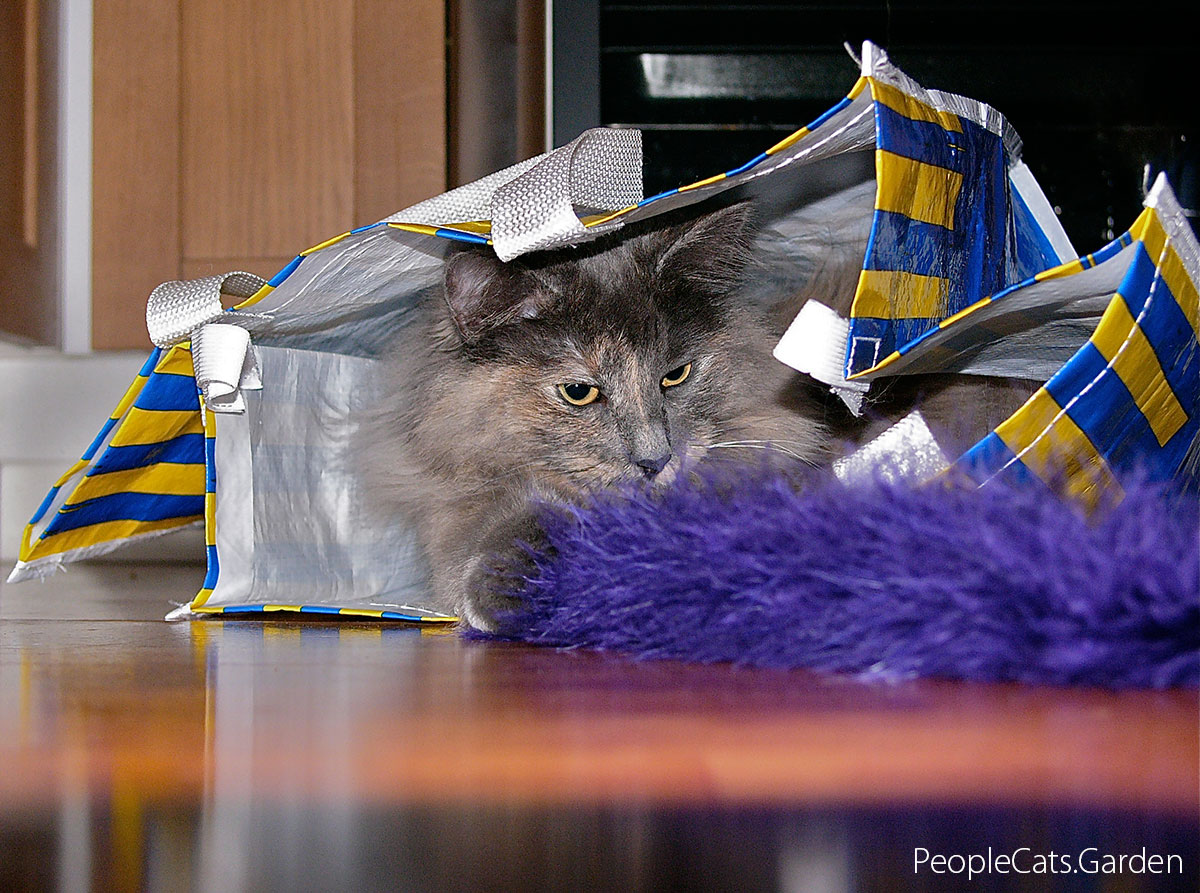
Winter Adventure of Lisa the Cat
After publishing the story about Skogkatts - Norwegian Forest Cats, we received inquiries about Lisa, if
she is available for adoption? Luckily, Lisa now has her wonderful sweet
home in Sweden, so unfortunately for those who fell in love with her, she is not
adoptable. But Lisa's life story wasn't all that sweet and simple! Rather
thrilling and adventurous. So we decided to share her story with you...
By Alex Butova, the Witch of Herbs and Cats
"...Lisa, who illustrated our story about Skogkatt Cat Breed, lives with my daughter Vanda, along
with her family: husband Vitaly and two children - Max and Maria. They live in
Sweden. Lisa is 13 years old now. About 10 years ago, Lisa had a heartbreaking
adventure almost ended with a tragedy... But luckily, she made it through.
However, since then, she can't jump high and sometimes walks funny, sways and
limps... And here's what happened..."
Pick the right plants with TopTropicals free expert help.
At TopTropicals, we have 25 years experience growing rare tropical fruit trees and flowering plants.
Plants are the best therapists.
You can Grow Happiness - we can help.
💥 Still not a subscriber? Join TopTropicals community and you will know everything about tropical plants!