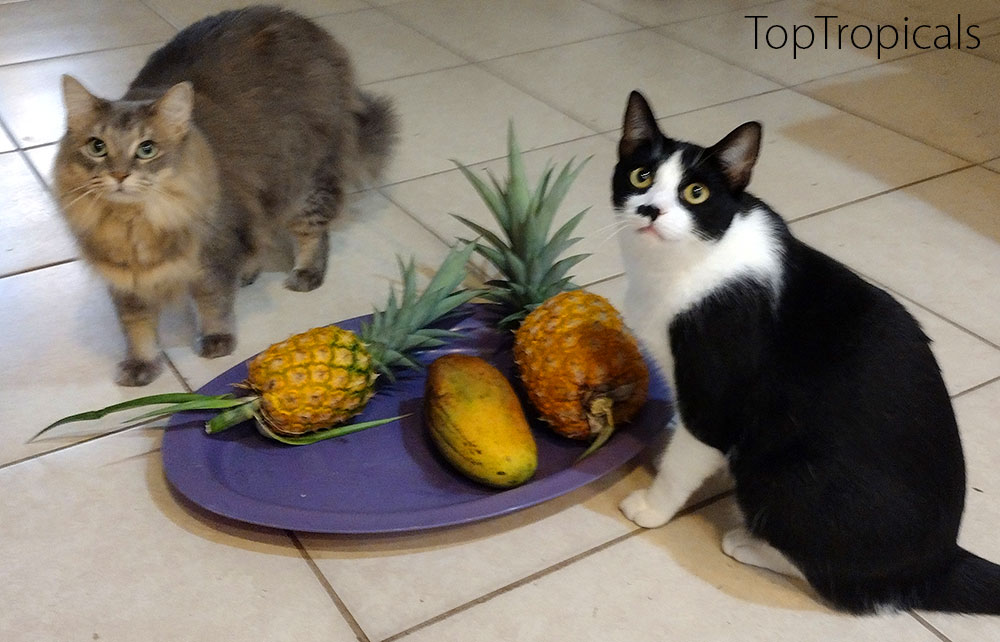
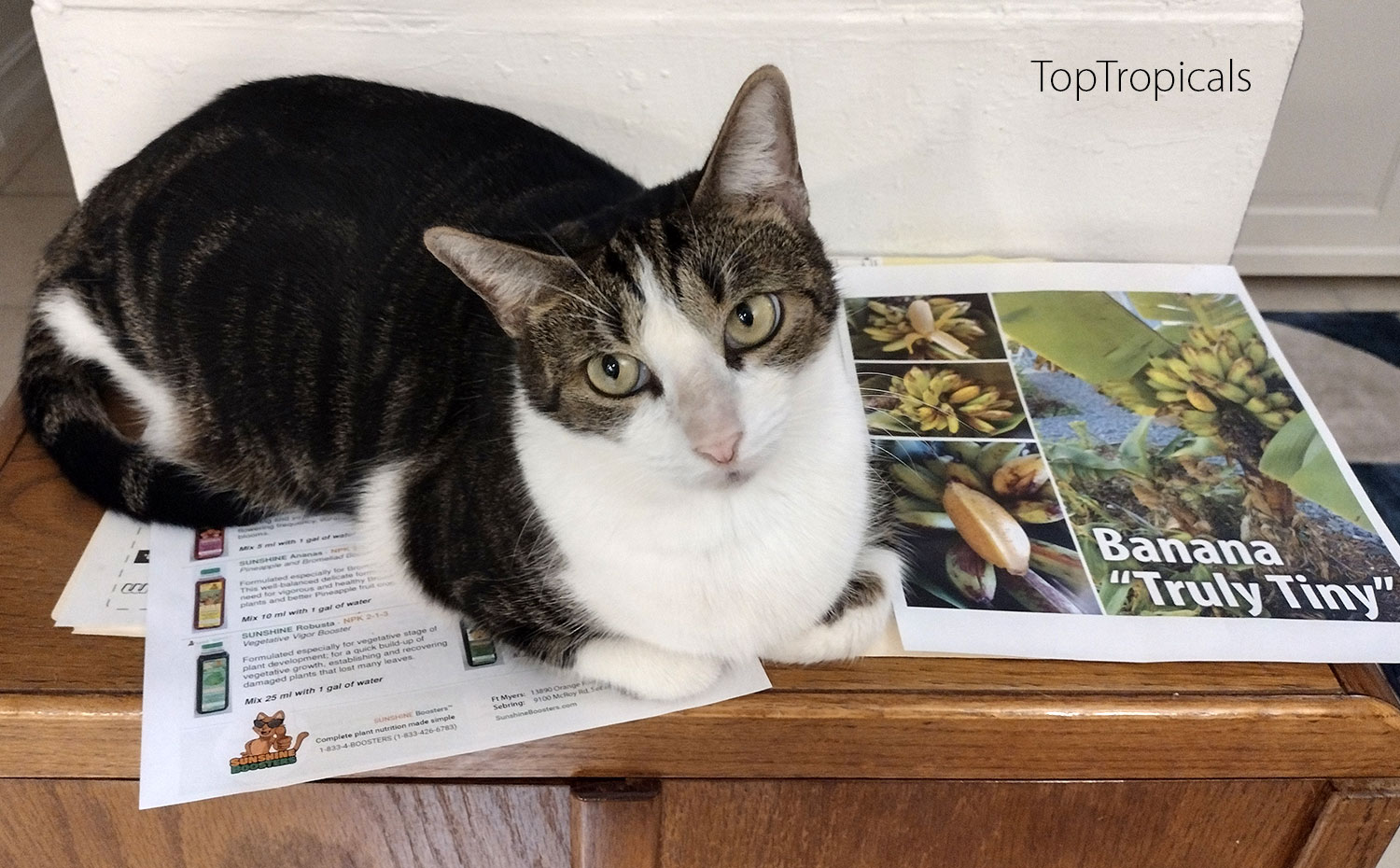
Our PeopleCats love roaming in the gardens. They often guide customers in
our Garden Center, and their favorite isle is fruit trees! At this time of the
year,
Pineapples are ripening, and these fruit are always fun for both people and
PeopleCats.
Q: With the rising temperatures, I'm concerned
about shipping my plants safely. Can they withstand the heat during transit? Also, is it okay to plant them in the ground now, or should I wait for
cooler Fall weather?
A: Your concern about shipping plants in hot weather is valid. For sensitive plants,
we'll delay shipping until conditions are more favorable in your area. However, there are plenty of heat-tolerant tropical plants that handle shipping well with minimal stress. These plants adapt
easily when planted during the hot summer months. Simply follow the included planting
instructions, gradually acclimate them to full sun, and they should thrive.
Feel free to check with us about the specific plant you plan to order for its suitability in
summer shipping. We're here to take care of your green babies and address your
year-round planting needs!
NEW VIDEO:
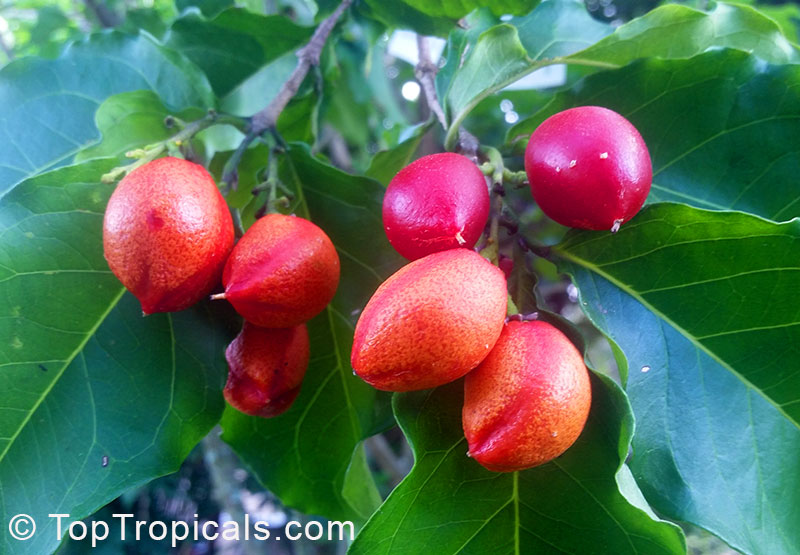
My new, rare, exotic fruit tree -
the Peanut butter fruit tree from Top Tropicals
By Scott Riddle
Ready to dive into your first-time mail-order plant experience? If
you've ever been curious about what really happens when plants take a trip through
the mail, this is the video you've been waiting for!
Get ready to embark on a mail-order gardening adventure with the one and
only Scott Riddle, our customer from sunny California! What just landed in
his mailbox was a package from Top Tropicals... This isn't an ordinary delivery - it's a Bunchosia
argentea, a.k.a. the quirky Peanut Butter Tree!
You didn't know that peanut butter can grow on a tree?... Here at Top
Tropicals we have a tree for everything - even for
!
And hey, it's not just about plants - Scott's got an
too! Brace yourselves for a rollercoaster of gardening escapades and loads
of fun videos. Don't be shy, hit that like button, share the green-thumb
goodness, and of course, make sure you subscribe!
Stay updated with TopTropicals Videos by subscribing to our channel at
YouTube.com/TopTropicals
and get our latest video news of what is fruiting and blooming!
Q: I need an exotic looking, easy to grow
tropical tree that can grow in semi-shade, create a character in my small Florida
garden and a shelter for small wildlife. Any suggestions?
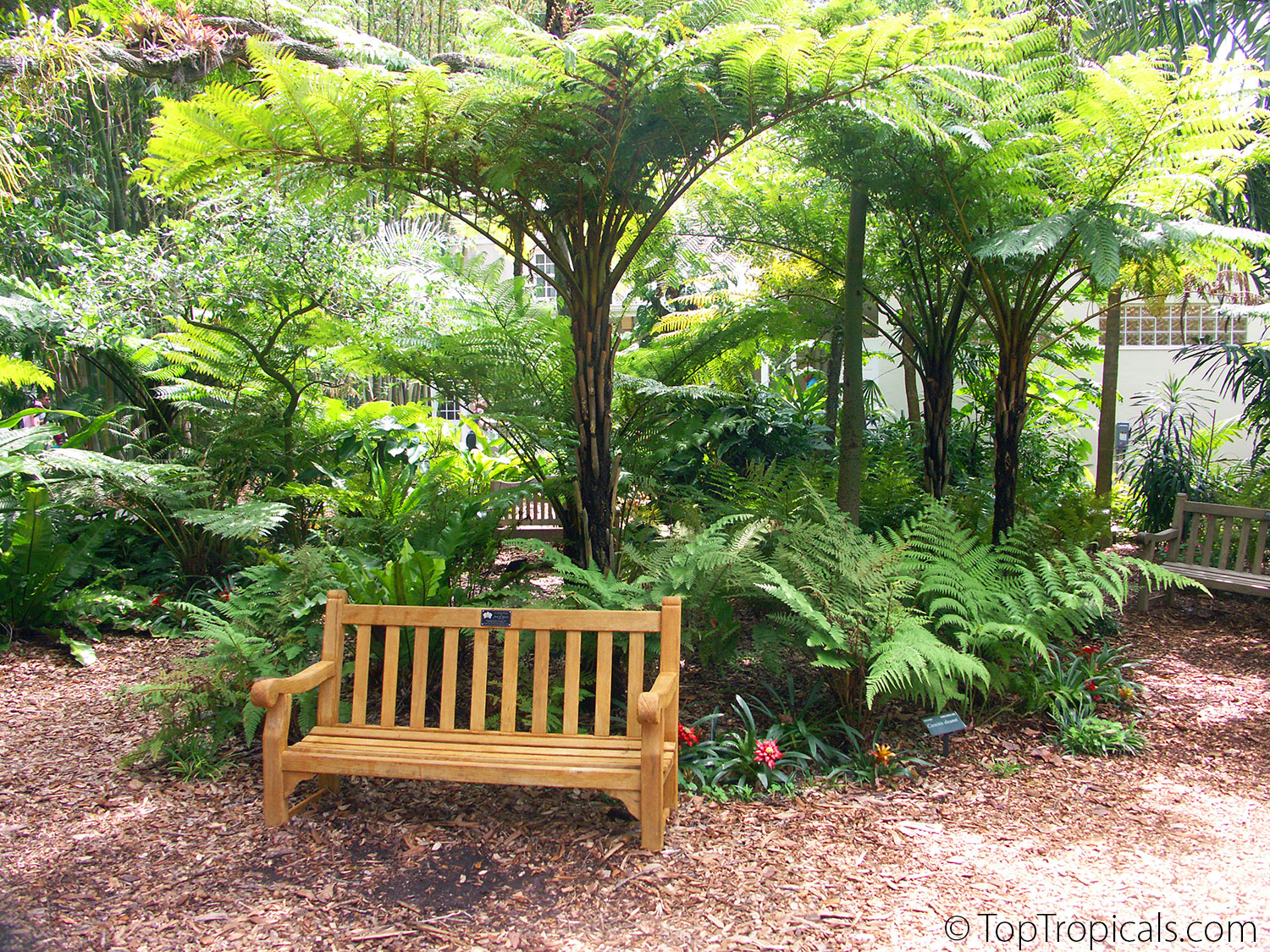
A: The Cyathea cooperi, known as the Australian Tree Fern... Deep within the
enchanting rainforests of Australia, this botanical marvel flourishes,
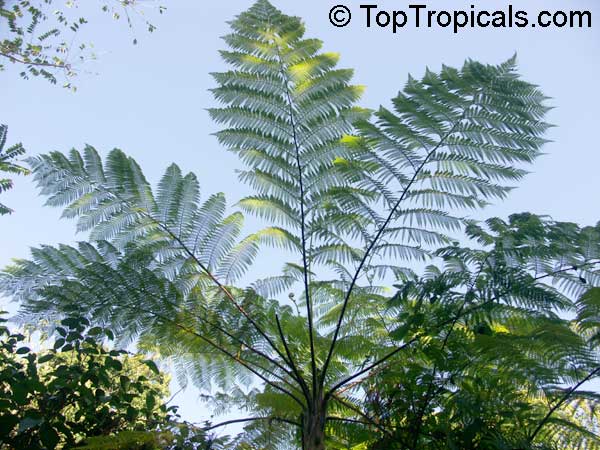
captivating all who lay eyes upon it. Its true magnificence lies in its intricate
fronds, delicate yet resilient. Unfurling like the wings of a mythical
creature, they gracefully arch outward, showcasing a mesmerizing symphony of emerald
green.
As sunlight filters through the dense canopy above, its fronds become a
living canvas for nature's creativity. But this tree fern is more than just a
visual marvel. Its significance stretches far beyond its aesthetic appeal.
The Australian Tree Fern is a vital component of its ecosystem, providing
shelter and sustenance for a myriad of creatures. Its high-reaching canopy offers
refuge to an array of birds, insects, and small mammals, creating a
microcosm of life within its majestic embrace.
For centuries, the indigenous peoples of Australia have revered the
Cyathea cooperi for its medicinal properties and cultural significance.
As the seasons unfold, the tree stands as a testament to resilience. It
withstands the downpour of tropical rain, enduring the wrath of winds, and
gracefully survives the scorching heat of summer. Through it all, it remains a
symbol of endurance, an emblem of nature's ability to adapt and flourish.
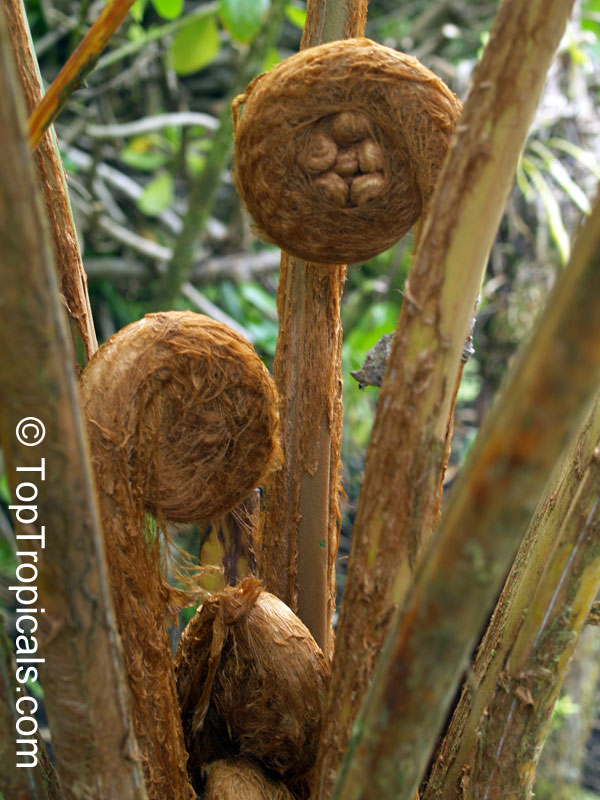
Young leaves of Australian Tree Fern are very exotic
looking...
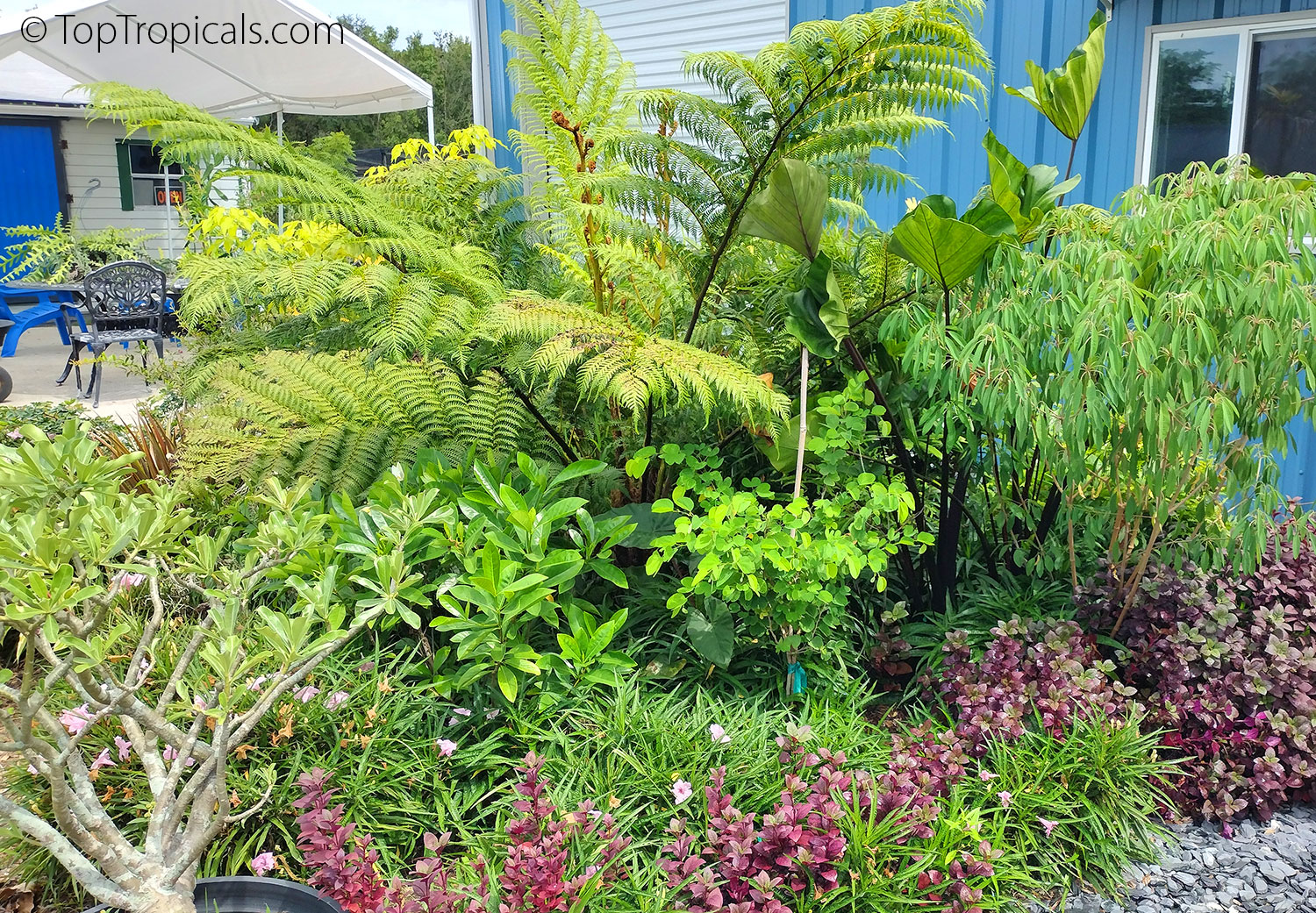
Australian Tree Fern recently planted in front of the
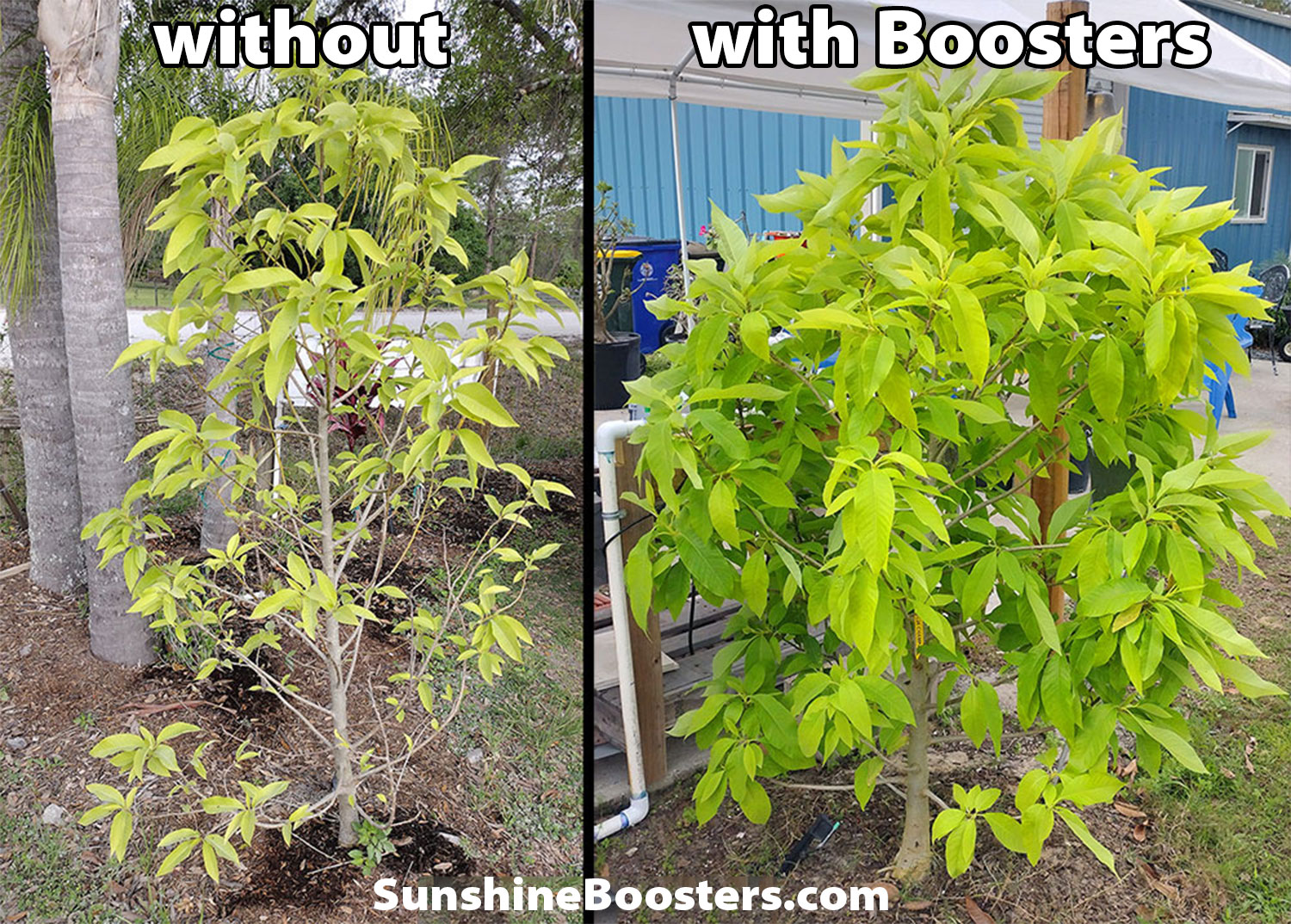
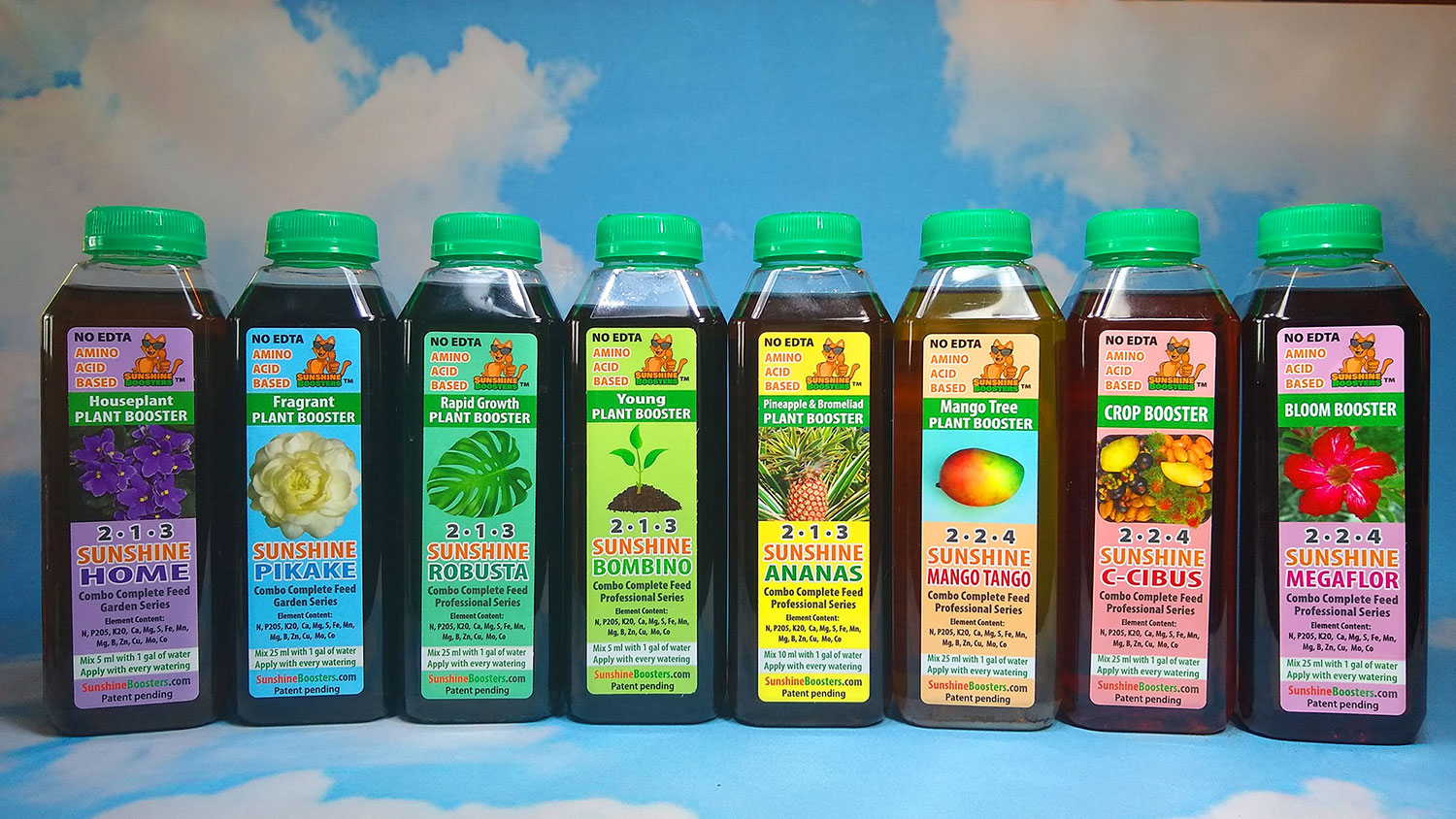
office of our Bfarm is getting the best Sunshine Boosters plant food - Robusta - from the Robuster injector; it grows super fast, we should see it in its full
beauty soon!
Date: 13 Jul 2023
Fertilizing during rainy season
Q: I have installed your Robuster unit to fertilize my fruit trees, but here in Florida, it is
the rainy season and most of the time I do not need to irrigate during the
summer. What do you recommend to keep up with fertilizing program?
A: This is what we recommend for
fertilizing during rainy season:
For in the ground plants
If there are frequent rains, it's not necessary to use any fertilizers
except for slowly soluble ones. During rainy periods, use a slow release fertilizer. Simply scatter 3 oz per 100 square ft. You can
adjust the amount based on your specific area and number of plants.
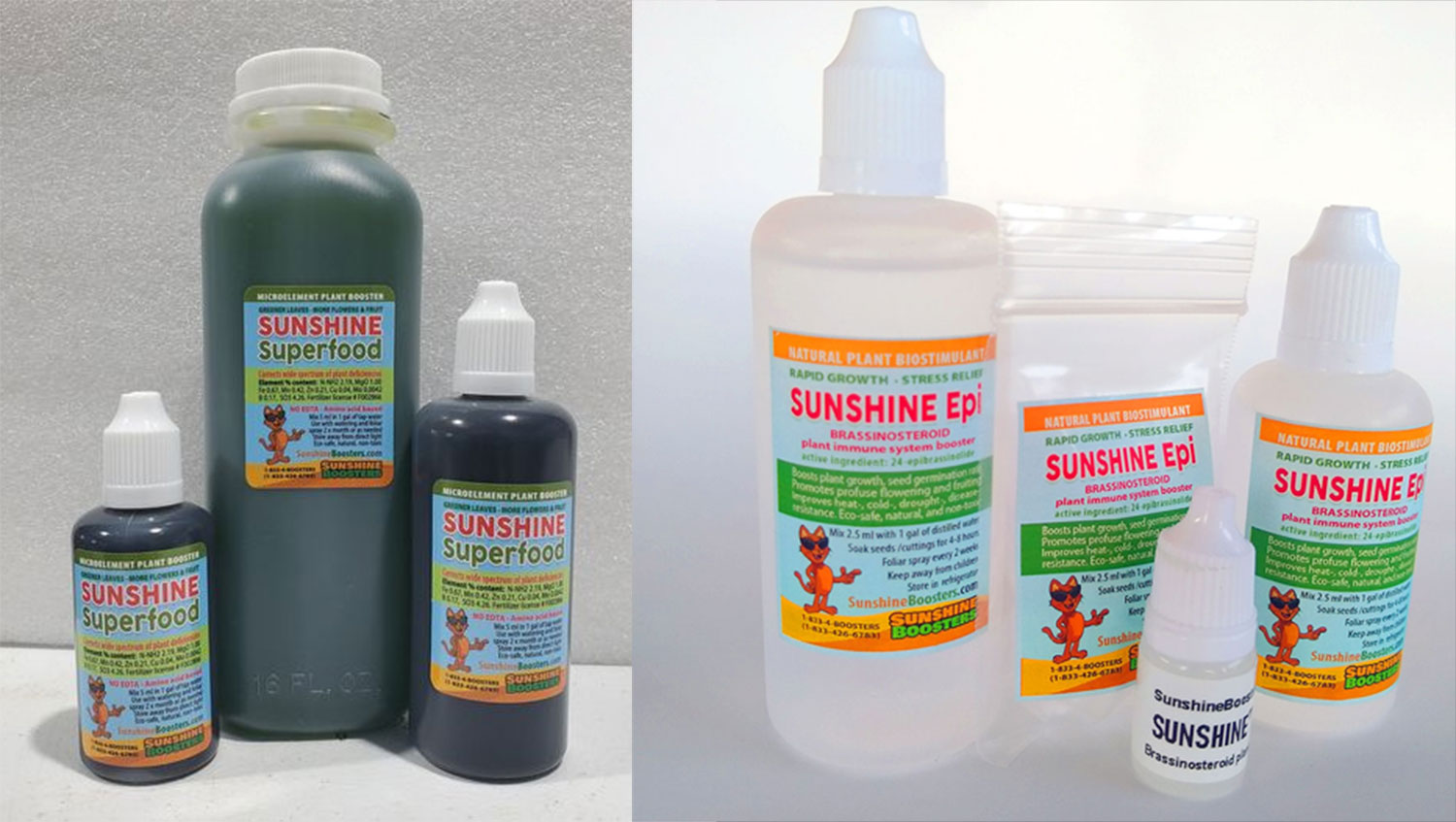
Additionally, for foliar treatments, use Sunshine SuperFood microelement supplement and Sunshine Epi biostimulator.
When you water next time, regardless of whether it rained or not, resume
using liquid Sunshine Boosters.
For potted plants
When you water your potted plants, use liquid Sunshine Boosters. Every 1
or 2 weeks (we recommend weekly), apply Sunshine Garden Series (the same type you are using when watering) for
foliar treatment. Use the same dosage as you would for watering.
By following these recommendations, you can ensure that your plants receive
the appropriate nutrients during the rainy season.